
Oct 7, 2026Control Panels
Control Panel Surge Protection: What Your Spec Is Probably Missing
Most control-panel failures from lightning and utility switching aren't bad components — they're missing or wrong-rated surge protection. Here's what to specify.
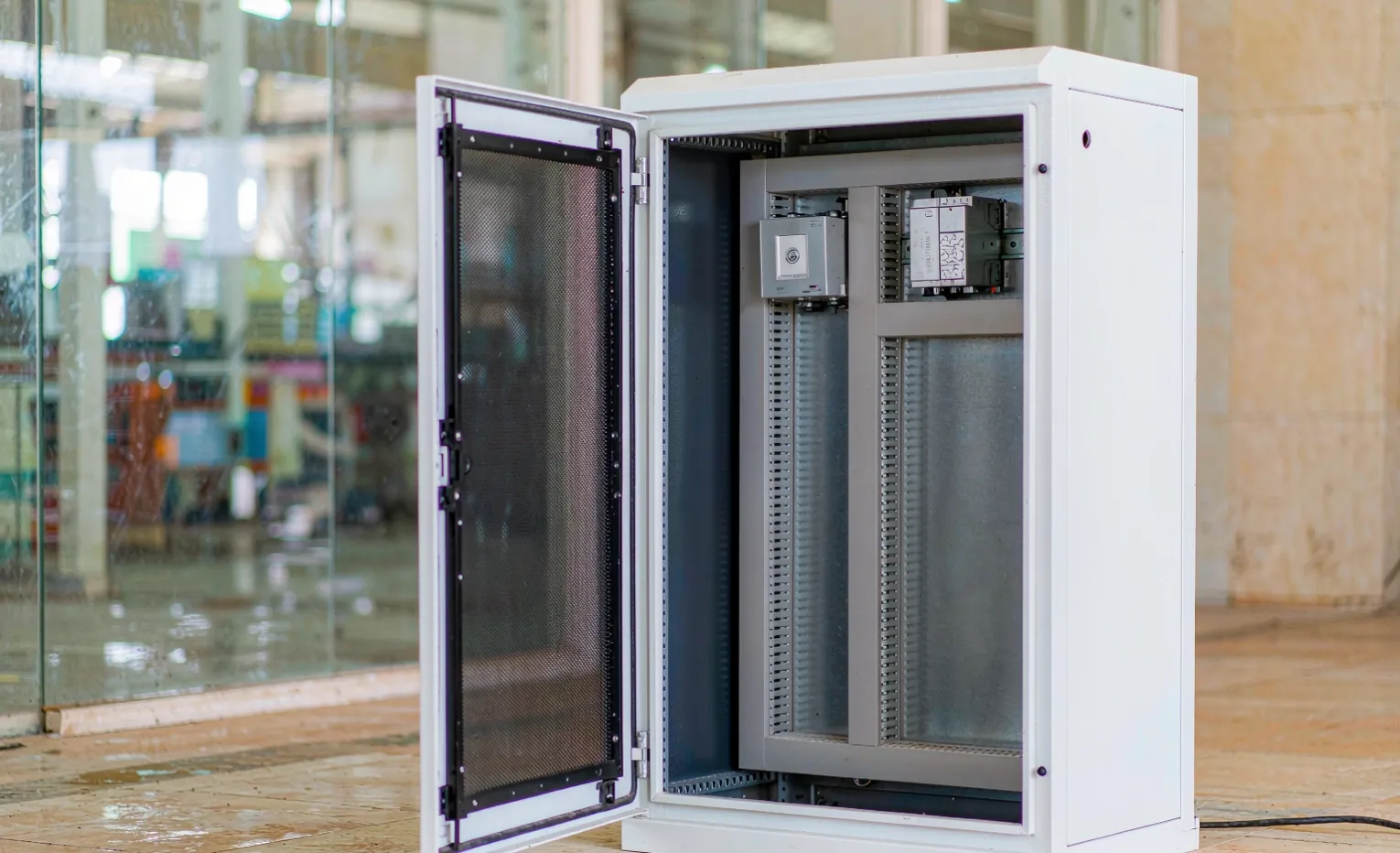
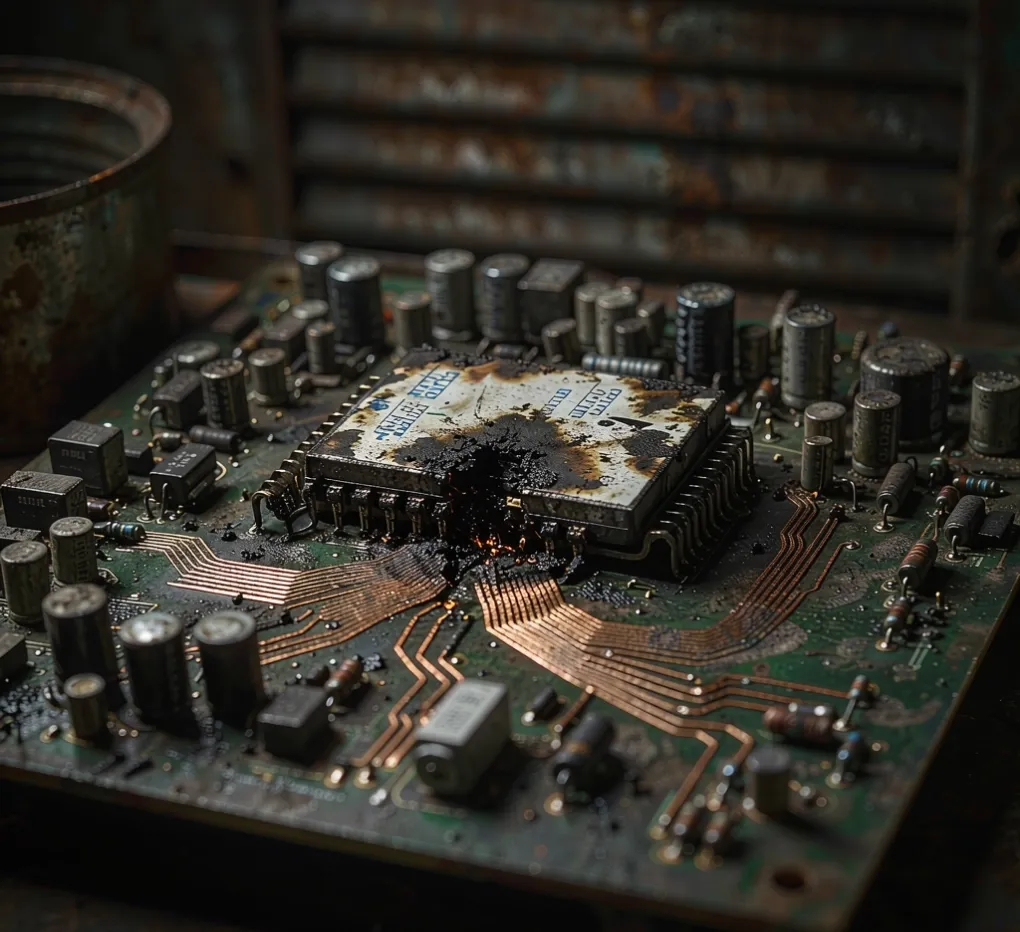
I've lost count of the panels I've seen killed by a surge that had nothing to do with the components. A lightning strike three kilometres away. A utility switching event. A big motor starting next door. Any of them push a few thousand volts down the wire—and your PLC, HMI, or drives die quietly.
The kicker: most of those failures were avoidable with the right surge protection, written into the RFQ, not bolted on after the board smokes.
Why surges beat components
A 24 V sensor or a PLC I/O card is built for a clean supply. It is not built for a 4 kV spike riding the same conductor. Transients don't care that the box is IP66 or that the drives are "protected." They arrive on the power line, the comms line, or both, and they hunt for the most sensitive chip on the bus.
A food plant I worked with lost three VFDs and an analog input card to a storm cell two kilometres offsite. Nothing caught fire. The board just stopped talking. Four days of downtime, an emergency freight run, and a very unhappy production manager. The original panel quote had no surge protection line at all.
The three protections your panel needs
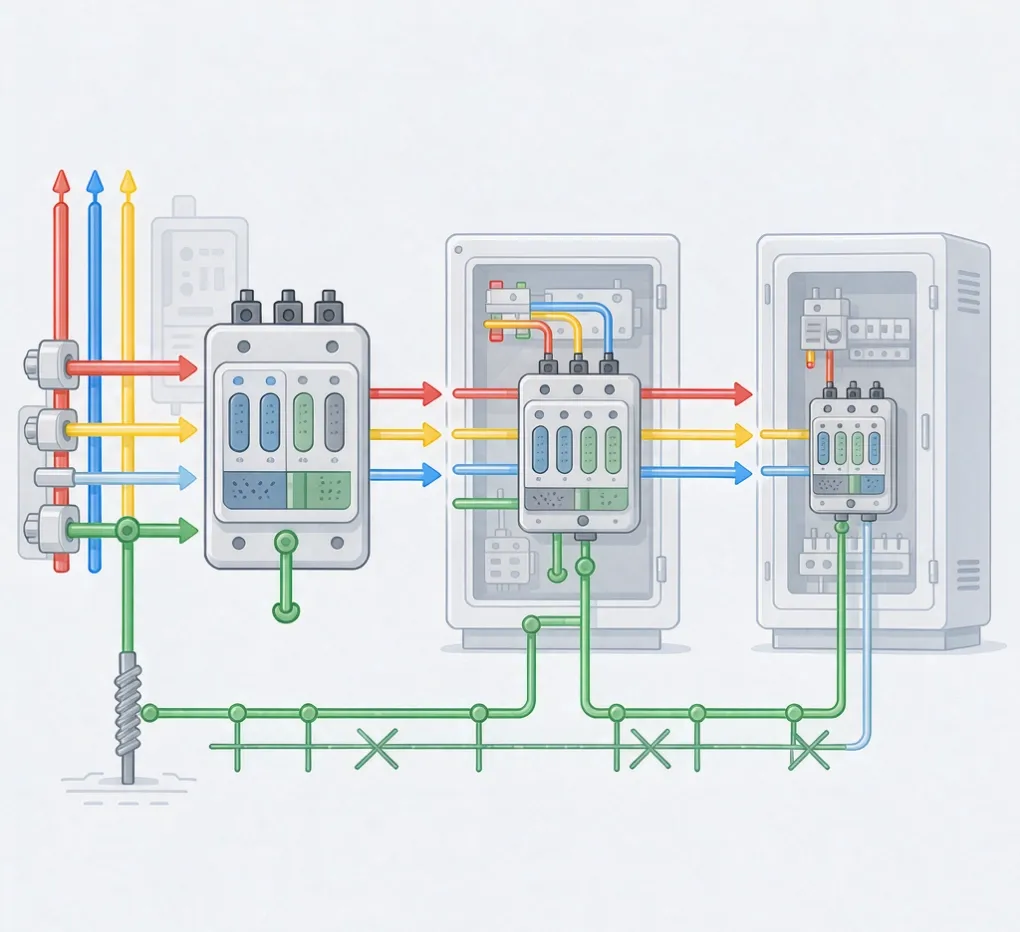
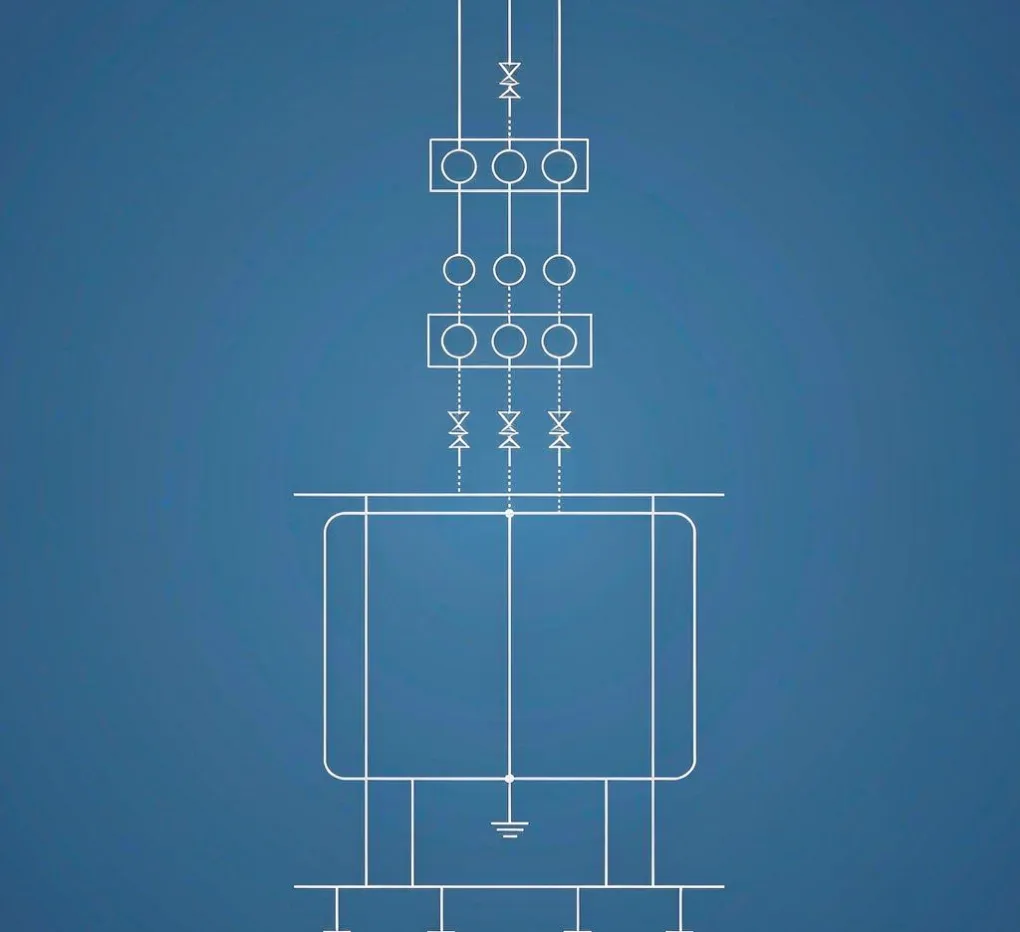
Surge defense is a cascade, not a single gadget. The standard that governs it is IEC 61643-11; in North America the product safety side is UL 1449. Three stages:
Type 1 at the service entrance
This is the big one. It sits where power enters the building and catches direct or near-direct lightning. Look for an impulse current rating (Iimp) of at least 12.5 kA on the 10/350 µs waveform. If your site has a lightning rod, that rod steers the strike to earth—it does not stop the surge from travelling in on the cable. You still need this.
Type 2 at the panel.
This clamps what gets through. The number that matters is the voltage protection level, Up. You want Up at or below about 1.5 kV for a control panel. Pair it with a nominal discharge current (In) of 20 kA or more. A Type 2 device with no Up value stated is a red flag, not a bargain.
Type 3 at the equipment (optional).
Point-of-use protection for the most delicate devices. Useful, but it only works if the upstream stages have already done their job. Don't rely on it alone.
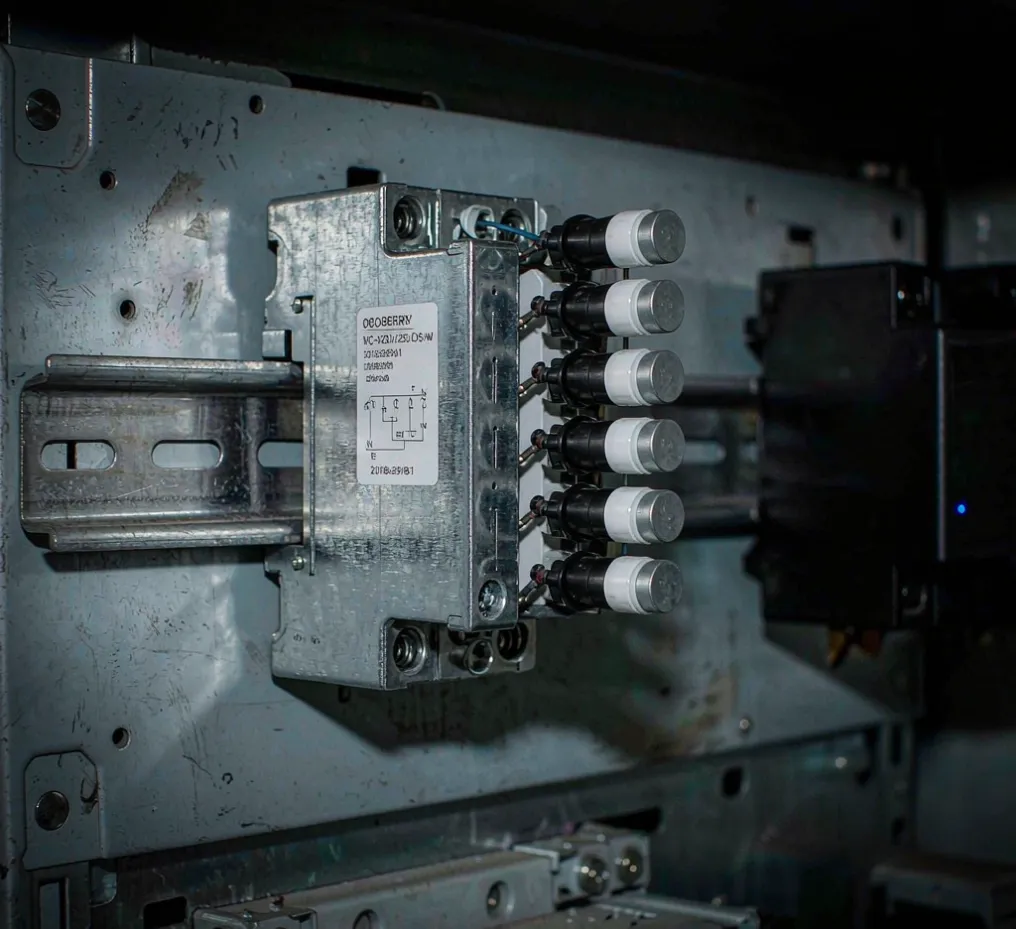
What to actually put in your RFQ
Here is the checklist I hand to buyers. If a supplier's quote doesn't address each row, ask why before you sign.
Protection point | What to require | Why it matters |
|---|---|---|
Service entrance | Type 1 SPD, Iimp ≥ 12.5 kA (10/350) | Catches direct and near-direct lightning |
Panel main | Type 2 SPD, up ≤ 1.5 kV, in ≥ 20 kA | Clamps the residual transient |
VFD / drive feeds | Type 2 plus the drive's built-in choke | Drives are the most surge-sensitive load. |
Equipotential bond | Bond enclosure, rail, and earth, < 0.1 Ω | Gives the spike a clean path to ground |
Signal lines | Signal SPD on RS-485 and 4–20 mA | Transients ride the data wire too. |
A failure, we stopped at FAT.
Back to that food plant. The fix after the fact was a Type 1+2 combination at the panel, signal SPDs on the comms runs, and a proper bond from the enclosure to the earth bar. We've had that site on the books for two years now with zero surge-related returns.
The cheaper move would have been to add it at the RFQ stage, when it was a line item—not a four-day outage.
Mistakes buyers make
- "My panel is indoors; I'm safe." Transients come in on the wire, not through the roof. An indoor panel on a long feeder is still exposed.
- "The drive already has protection." Partial, and only at one point. You need panel-level defense.
- "SPD is a line item I can cut to hit price." It is the cheapest insurance in the whole build. Cutting it is penny-wise and panel-foolish.
Surge protection is only half the outdoor story. The enclosure's own sun and rain exposure is the other half — our guide to sun shields and rain hoods for outdoor enclosures covers that side.
How to read a supplier's surge offer
Three tell that the protection is real: the up value is stated in writing, the standard (IEC 61643 or UL 1449) is named, and they propose more than one stage for an outdoor or exposed site. If the answer to "what's the voltage protection level?" is a pause, that's your answer.
For the record, we're a sourcing partner and panel-build shop—so this is practical buying advice, not a catalogue pitch. If you're scoping a panel build, our electrical enclosure supplier's guide to sourcing from China walks the whole process, and our custom control panels solution page shows what we build and ship.
FAQ
Do I need surge protection if my site already has lightning rods?
Yes. A rod gives the strike a path to earth but does nothing to stop the surge travelling in on your cables. Type 1 protection at the entrance is what catches it.
What's the difference between Type 1 and Type 2?
Type 1 sits at the service entrance and handles direct or near-direct lightning (rated by Iimp). Type 2 sits at the panel and clamps the residual to a safe level (rated by Up and In). You usually want both.
How do I know an SPD is still working?
Most modules have a window or flag that changes color when the protection is spent. Ask for that feature at the RFQ stage, and add it to your maintenance walk-around.
Does UL 1449 apply to my panels?
If you're shipping to North America, the SPD product should be listed to UL1449. Elsewhere, IEC 61643-11 is the reference. Either way, name the standard in the spec.
Can I add surge protection to a panel that's already built?
You can at the panel main and at exposed feeds—but retrofitting a clean equipotential bond is harder once it's installed. Doing it at build time is cleaner and cheaper.
What does "coordinated protection" mean? It means the stages are chosen so each one triggers in the right order and nothing gets overwhelmed. A Type 1 that's too weak lets too much through to the Type 2; mismatch is how protection fails quietly.
Engineering takeaway
A surge doesn't have to destroy your panel. Type 1 at the entrance, Type 2 at the panel with Up ≤ 1.5 kV, a real earth bond, and signal SPDs on the comms lines—written into the RFQ, not added after the fact. That's the difference between a line item and a four-day outage.
Related guides—Siemens vs Mitsubishi PLC selection guide—pick the controller before you protect it - Control panel pre-shipment checklist — what to verify before it leaves the shop - UL 508A control panel suppliers: export buyers guide—how to verify a listing, not just claim one - Motor control panel supplier checklist—seven questions to ask before you order - Control panel wiring and labeling guide—clean wiring is half the reliability battle - Why a control panel passes FAT but fails on site—the gap between the bench and the field
Want a second pair of eyes on a panel spec you already have? Upload your drawing for an engineering review — we'll flag the surge and bonding gaps, then send suggestions back.