
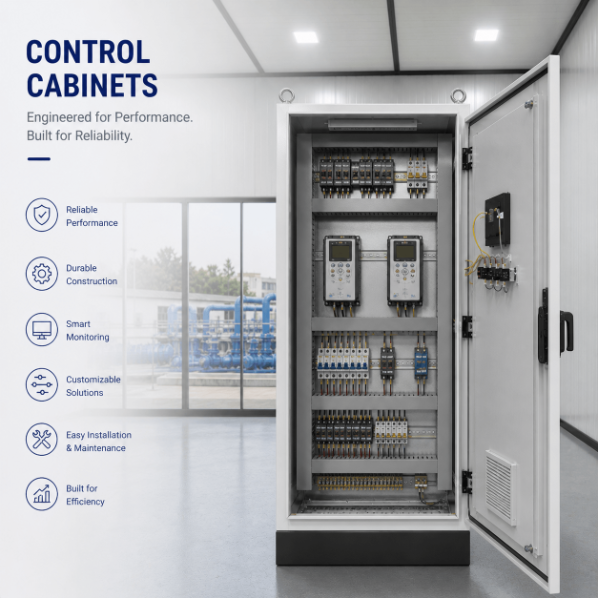
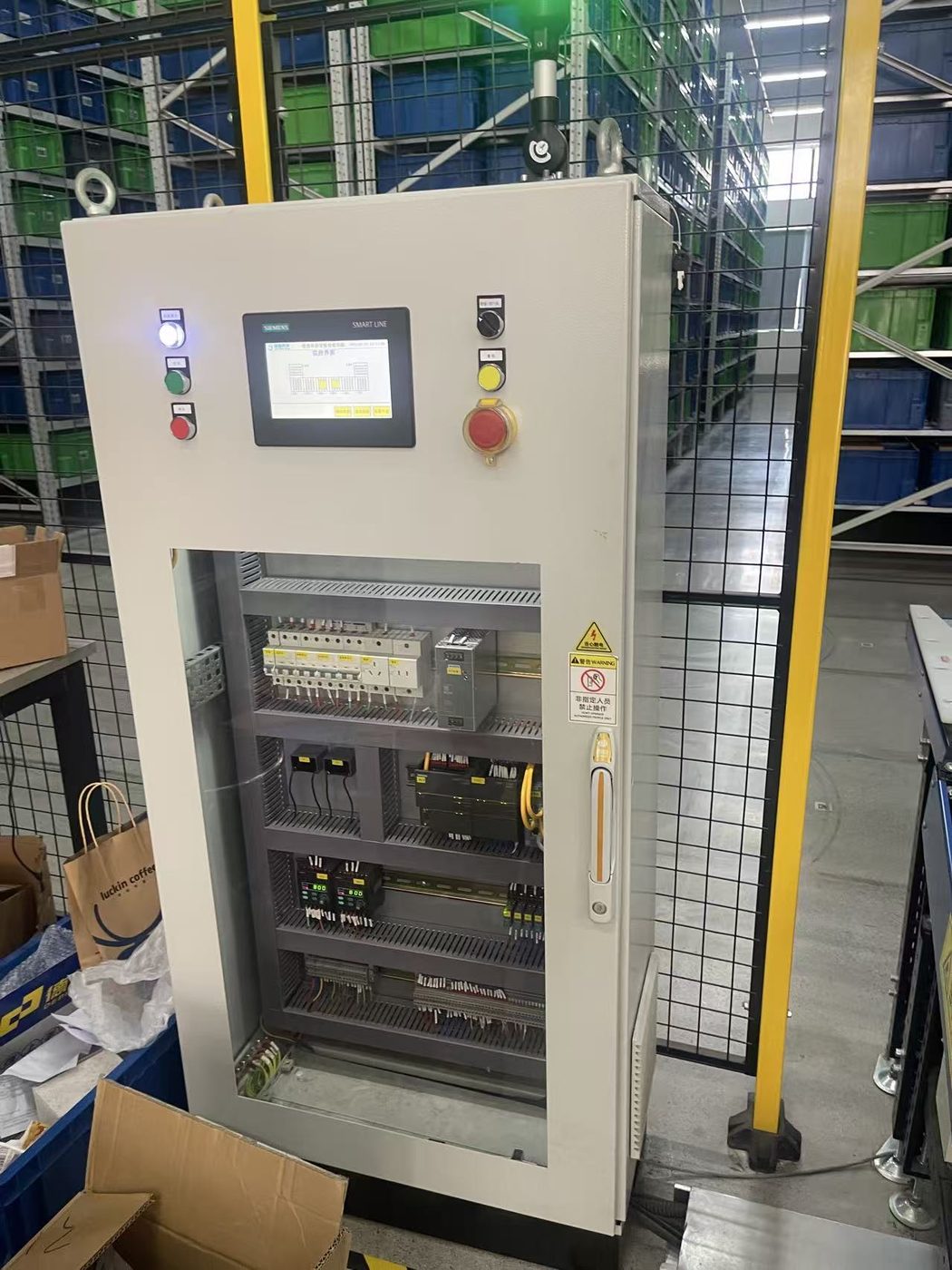
Machinery Control Panels
Custom Control Panels | Control Cabinet Supplier for OEM
UniRegal supplies IP65/IP66 and NEMA 4X control cabinets through our Foshan multi-supplier network—carbon steel, 304, or 316 stainless.
Specifications
- Application
- Custom Industrial Automation
- Control Method
- PLC / Relay Based
- Protection Rating
- IP54 / IP65 Optional
- Voltage
- 220V / 380V / 480V Available
- Communication Protocol
- Modbus / Profinet / Ethernet/IP
- Testing
- FAT Before Shipment
- Customization
- Available
Quick Answer
UniRegal builds custom control panels to your drawings or specification - PLC, VFD, relay logic or a mix - sourcing Siemens, Mitsubishi, Schneider, Allen-Bradley and other approved brands. Choose build-to-print or design-and-build. Empty enclosures: MOQ 5 units, ~15 days. Complete custom control panels: from 1 unit, 35-40 days after drawing & BOM review. PLC/VFD components ship in 3-5 days.
Custom Control Panels Built to Your Project Requirements
UniRegal supplies and coordinates custom control panels for OEMs, system integrators, EPC contractors, and industrial facilities through our qualified Foshan partner network. Based on your electrical drawings, BOM, and specifications.
Recent Projects (Anonymous) We support both build-to-print production and design-and-build projects, with configurations built to your drawings
Real deliveries through our Foshan sourcing network. Client names withheld by request.
Project Example — Custom Machine Control Panel, 2026
- Scope: 1× build-to-print panel for a custom packaging machine with mixed digital/analog I/O and two drives.
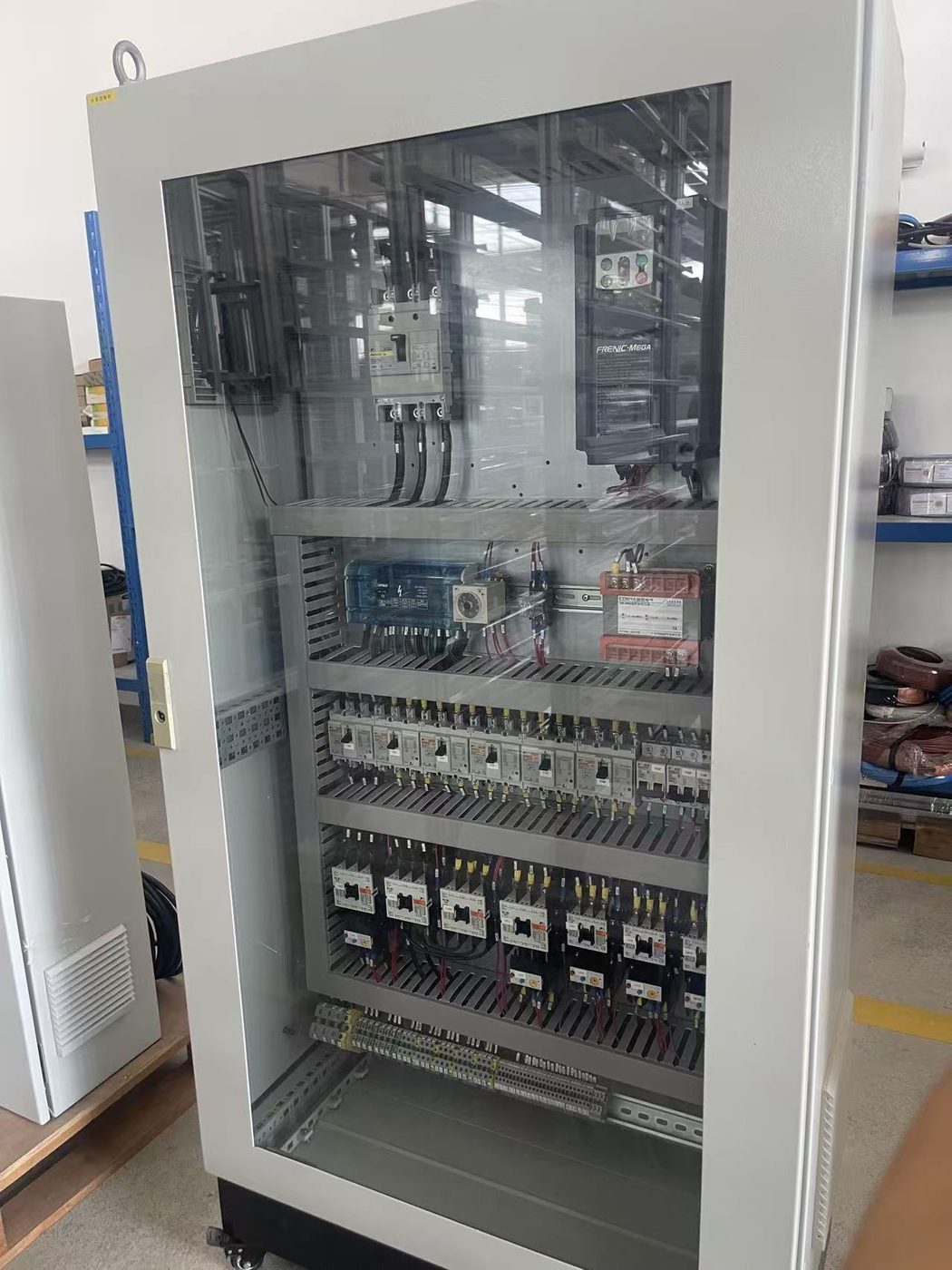
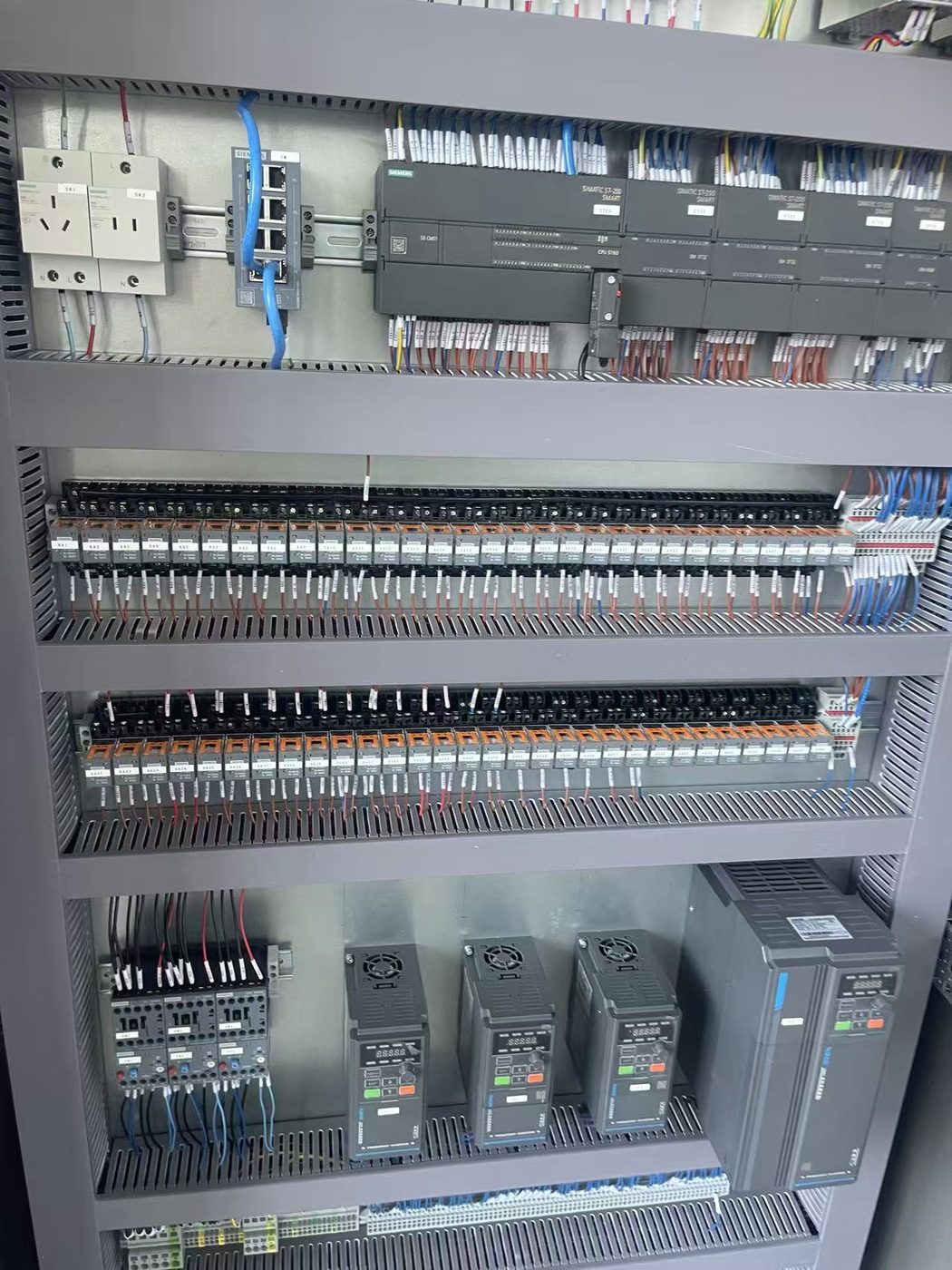
- Panel: IP54 floor-standing enclosure, PLC + 2× VFD + safety relay, door HMI.
- Country: South America.
Engineering Review Example
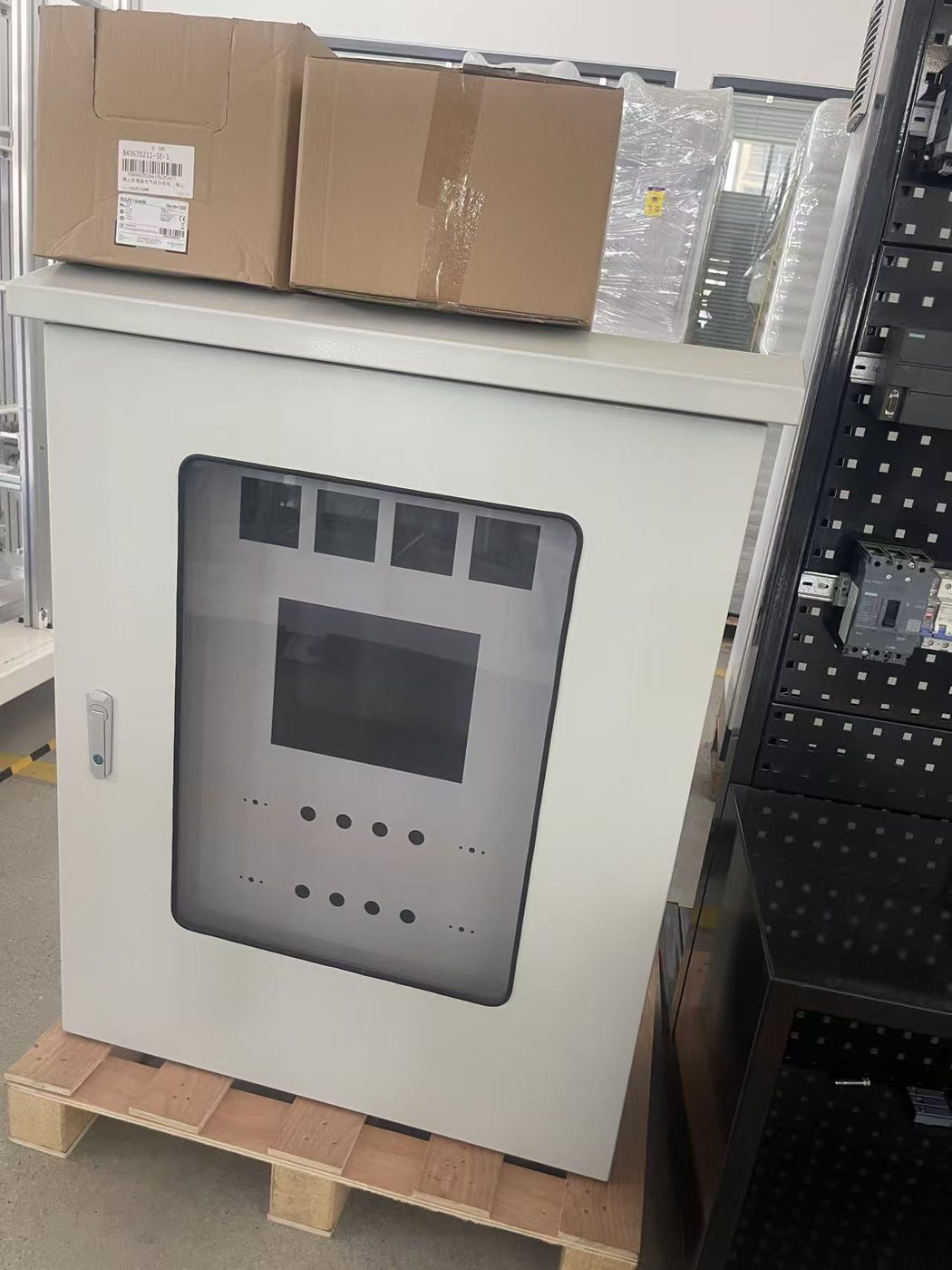
Customer Requirement: A machine builder sent a panel drawing with specific cutouts, a BOM, and a wiring diagram — they needed it built exactly, not redesigned.
Our Suggestion: Build to print: we source the named components, keep the cutout layout, and follow the wiring diagram rather than substituting parts.
Final Design: Enclosure per the drawing, named components sourced, FAT against the builder's test plan, shipped with the as-built drawing.
Why Choose UniRegal for Custom Control Panels
- Build-to-print, not redesign — send drawings + BOM and we build what you specified.
- Foshan multi-supplier sourcing — enclosure + components from one network, one shipment.
- Prototype & project orders from 1 unit; lead time confirmed after drawing & BOM review; components ship in 3–5 days.
- UL 508A routed per project — matched to a UL-listed fabricator.
- FAT before shipment — per your test plan, photos on request.
Lead Time & FAT
Item | Lead time |
|---|---|
Enclosure / control cabinet | ~15 days |
PLC / VFD / components | 3–5 days |
FAT + inspection | Before shipment, photos available |
FAQ — Custom Control Panels
Q: Will you build exactly to my drawing?
A: Yes — build-to-print is our default. Send the drawing, BOM and wiring diagram; we source the named parts and follow the layout.
Q: Can you source specific brands?
A: Mitsubishi / Siemens / ABB / Schneider / Omron — we source what your BOM lists.
Q: Do you provide the as-built drawing?
A: Yes — the as-built is returned with the shipment, plus FAT records on request.
Applicable Industries
OEM machinery, system integrators, automation equipment, specialty machines, R&D builds.
Request Engineering Review
Have a panel drawing + BOM? Upload it → we return an engineering review + quotation in 1–2 working days.
Request Engineering Review →Have your drawings, I/O list, control sequence and installation conditions ready.
Panels can integrate PLCs, HMIs, VFDs, motor controls, protection devices, and industrial communication networks. Inspection and the agreed Factory Acceptance Test are completed before shipment.
Request an Engineering Review
Send us your drawings, specifications, or application requirements for review.
Custom Control Panel Capability Overview
Parameter | Available Options |
|---|---|
Project Route | Build-to-Print or Design-and-Build |
Power Supply | 220V / 380V / 400V / 480V, 50Hz or 60Hz |
Control Architecture | Relay, PLC, HMI, VFD, or Hybrid |
Enclosure | Wall-Mounted or Floor-Standing |
Enclosure Material | Carbon Steel or Stainless Steel |
Protection Rating | IP54 / IP65, subject to project requirements |
Communication | Modbus, PROFINET, EtherNet/IP, and project-specific protocols |
Component Brands | Customer-Specified or Project-Selected |
Testing | Wiring, Power-On, I/O, Communication, and Functional FAT |
Production Quantity | Prototype, Project Batch, or Repeat Production |
Final ratings, standards, components, and test requirements are confirmed during the technical review.
Two Ways to Start a Custom Control Panel Project
Build-to-Print Control Panel Build
Choose build-to-print sourcing when your electrical design has already been approved.
You provide the electrical drawings, panel layout, BOM, labeling rules, and test requirements. UniRegal reviews the documents for buildability, component availability, and specification conflicts before production.
This route is suitable for OEMs and system integrators that need consistent construction without transferring control of the original design.
Design-and-Build Control Panels
Choose design-and-build support when you have an application requirement but do not yet have a complete manufacturing package.
You can provide an I/O list, control sequence, single-line diagram, motor or load schedule, and site conditions. The required electrical architecture, enclosure, components, and documentation are then defined for approval before production.
This route is suitable for new equipment, retrofit projects, and systems involving several electrical or automation functions.
What Can Be Customized?
Electrical Architecture
The panel can be configured around the project voltage, connected loads, control power, protection requirements, and field wiring arrangement.
Available functions may include:
- Main isolation and circuit protection
- Power distribution
- Relay-based control
- PLC and remote I/O
- HMI operator interfaces
- VFD or soft-starter integration
- Motor protection
- Alarm and safety interlocks
- Industrial communication
- Remote monitoring interfaces
Component Selection
Components can be selected according to an approved vendor list, regional availability, or the customer’s installed equipment base.
Supported component ecosystems may include Siemens, Schneider Electric, ABB, Mitsubishi, Omron, Allen-Bradley, Eaton, Delta, and other specified brands.
Final component availability is confirmed before quotation.
Enclosure and Installation Conditions
The enclosure must match the actual operating environment rather than only the internal components.
The technical review should consider:
- Indoor or outdoor installation
- Ambient temperature
- Dust, humidity, and condensation
- Corrosive exposure
- Required IP rating
- Carbon steel or stainless steel
- Wall-mounted or floor-standing construction
- Cable entry direction
- Ventilation or cooling requirements
- Maintenance and door-clearance limitations
When Is a Custom Control Panel the Right Choice?
A custom panel is normally required when standard products cannot match the electrical system, field devices, or installation conditions.
Typical situations include:
- The panel must match existing machinery or field wiring.
- The customer has an approved BOM or preferred component brand.
- PLC, HMI, VFD, and motor control functions must be combined.
- The enclosure dimensions or cable entry points are restricted.
- Several industrial communication protocols must be integrated.
- The project requires specific drawings, labels, or FAT records.
- The same design must be produced repeatedly for multiple machines or sites.
If the project only requires one specific function, a dedicated motor control panel, main distribution board, MCC panel, PLC control panel, or pump control panel may provide a clearer and more economical solution.
Information Required for an Accurate Quotation
Providing complete technical information reduces clarification rounds, redesign, and component-selection errors.
Information | Why It Matters |
|---|---|
Single-Line Diagram | Defines incoming power and distribution architecture |
Electrical Schematics | Defines wiring and control functions |
Bill of Materials | Identifies required components and brands |
I/O List | Determines PLC and terminal capacity |
Control Sequence | Defines operating logic and interlocks |
Motor or Load Schedule | Determines protection and switching requirements |
Supply Voltage and Frequency | Determines component electrical ratings |
Installation Environment | Determines enclosure material and protection |
Communication Requirements | Defines PLC, HMI, VFD, and field-device integration |
Standards or Certification Requirements | D |
Quantity and Delivery Destination | Affects production planning and export preparation |
If complete drawings are unavailable, start with the application, voltage, connected equipment, control requirements, installation environment, and destination country.
Engineering and Build Process
1. Requirement Review
We review the available drawings, specifications, I/O information, loads, environment, and project standards.
2. Technical Clarification
Missing information, incompatible components, and interface risks are identified before the quotation or production stage.
3. Drawing and BOM Confirmation
The electrical architecture, component list, enclosure configuration, and documentation scope are submitted for approval where required.
4. Panel Assembly and Wiring
Components are installed, wired, and labeled according to the approved build documents.
5. Inspection and FAT
The panel is inspected and tested according to the agreed FAT scope.
6. Documentation and Shipment
Approved or as-built documents, test records, and export packing are prepared according to the order requirements.
Factory Acceptance Testing
The FAT scope should be agreed upon before production because different projects require different levels of validation.
Testing may include:
- Component and nameplate verification
- Mechanical installation inspection
- Wire continuity and terminal verification
- Power-on testing
- Control-voltage verification
- Digital and analog I/O testing
- PLC and HMI communication checks
- VFD communication and parameter checks
- Alarm, interlock, and sequence simulation
- Labeling and drawing consistency review
A FAT report or inspection record can be included in the project documentation when specified in the quotation.
Available Project Documentation
Depending on the agreed supply scope, the documentation package may include:
- Approved electrical schematics
- As-built drawings
- Bill of materials
- Panel layout
- Terminal plan
- I/O list
- Cable or connection schedule
- PLC and HMI program backup
- Component datasheets
- FAT or inspection report
- Packing list
Required document formats and languages should be confirmed before ordering.
What Affects Price and Lead Time?
Custom control panel pricing cannot be determined by enclosure size alone.
The main commercial factors include:
- Completeness of the customer’s engineering documents
- Number and type of PLC I/O points
- Quantity and power rating of VFDs or motor starters
- Enclosure size, material, and protection rating
- Component brand and regional availability
- Programming and HMI development requirements
- FAT complexity and witness-testing requirements
- Required drawings, reports, and certification scope
- Prototype, project-batch, or repeat-production quantity
Submitting an approved BOM and complete drawings normally enables a faster and more accurate quotation.
Typical Applications
Custom control panels can be built for:
- OEM machinery and packaged equipment
- Manufacturing and production lines
- Water and wastewater systems
- HVAC and building automation
- Pumps, fans, and compressors
- Material handling systems
- Process automation
- Infrastructure and utility projects
- Retrofit and equipment-upgrade projects
The panel architecture is selected according to the equipment, operating sequence, maintenance requirements, and site conditions.
Frequently Asked Questions
Can you build from our existing drawings?
Yes. UniRegal can review customer-supplied schematics, panel layouts, BOMs, and labeling requirements for build-to-print production.
Can you help if our drawings are incomplete?
Yes. Send the available I/O list, control sequence, single-line diagram, and equipment information. We will identify the missing technical inputs before quotation.
Can we specify the component brands?
Yes. Customer-approved brands and part numbers can be used, subject to technical compatibility and availability.
Is PLC or HMI programming included?
Programming can be included when it is defined in the project scope. The quotation should clearly state the required control sequence, screens, alarms, and communication interfaces.
What does the FAT include?
The FAT may cover wiring, power-on, I/O, communication, alarms, interlocks, and functional simulation. The exact scope is agreed upon before production.
Can the panel be built to a particular standard?
Share the destination country, application, and required standard during the RFQ stage. The applicable design, documentation, inspection, and labeling scope will be confirmed before quotation.
Can you reproduce the same panel for repeat orders?
Yes. Approved drawings, BOMs, labeling rules, and test records can be used to improve consistency across repeat-production batches.
How long does the panel build take?
Lead time depends on engineering completeness, component availability, enclosure construction, programming, FAT scope, and order quantity. It is confirmed after technical review.
Can the panel integrate with existing machinery?
Yes, provided the existing voltage, I/O, field devices, communication protocols, and interface requirements are available for review.
Start Your Custom Control Panel Project
Send us your electrical drawings, BOM, I/O list, control sequence, supply voltage, installation environment, quantity, and destination country.
UniRegal will review the information and respond with technical clarification or a defined quotation scope.
- Email: info@uniregal.com
Related Guides & Solution Centers
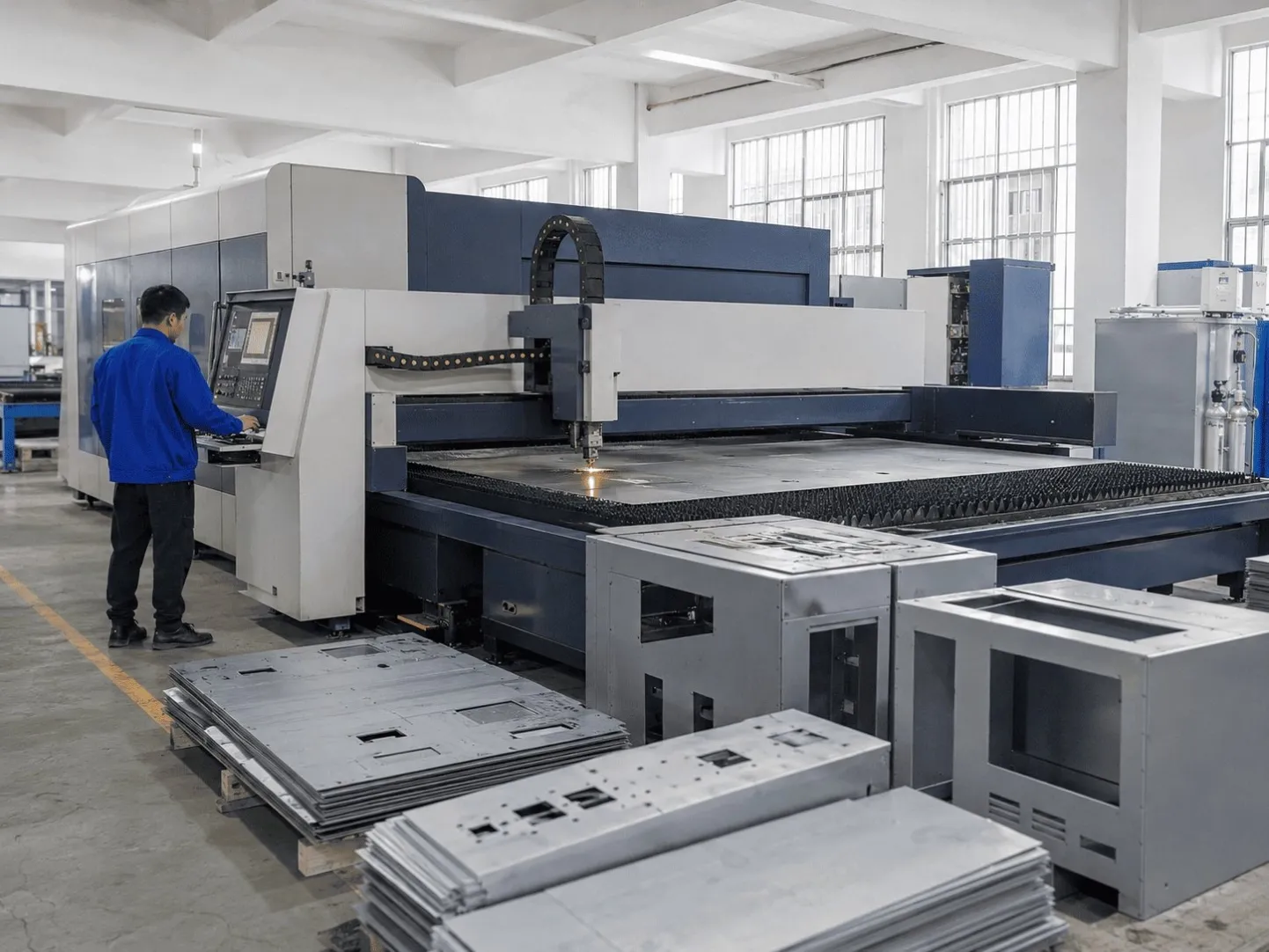
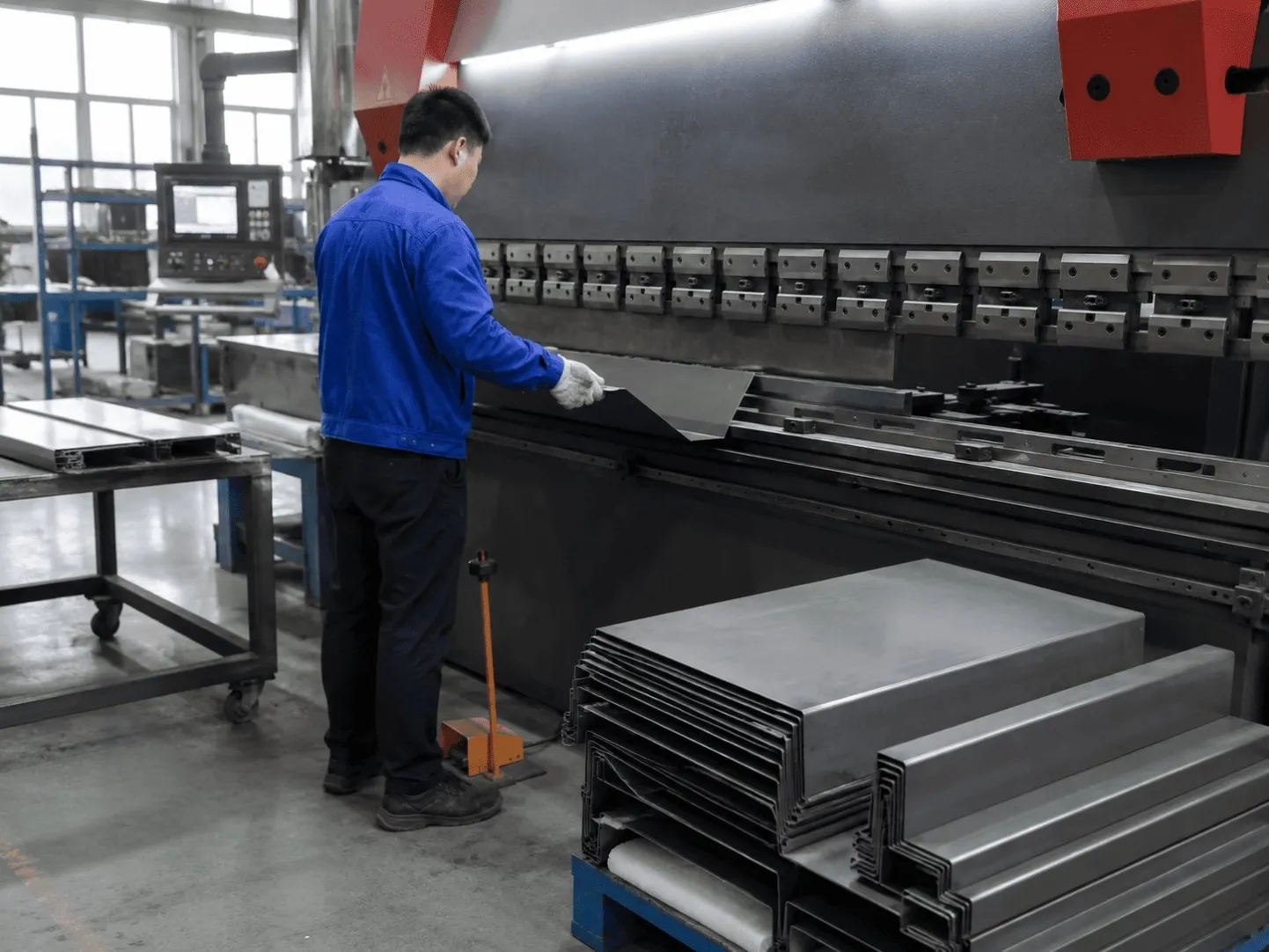
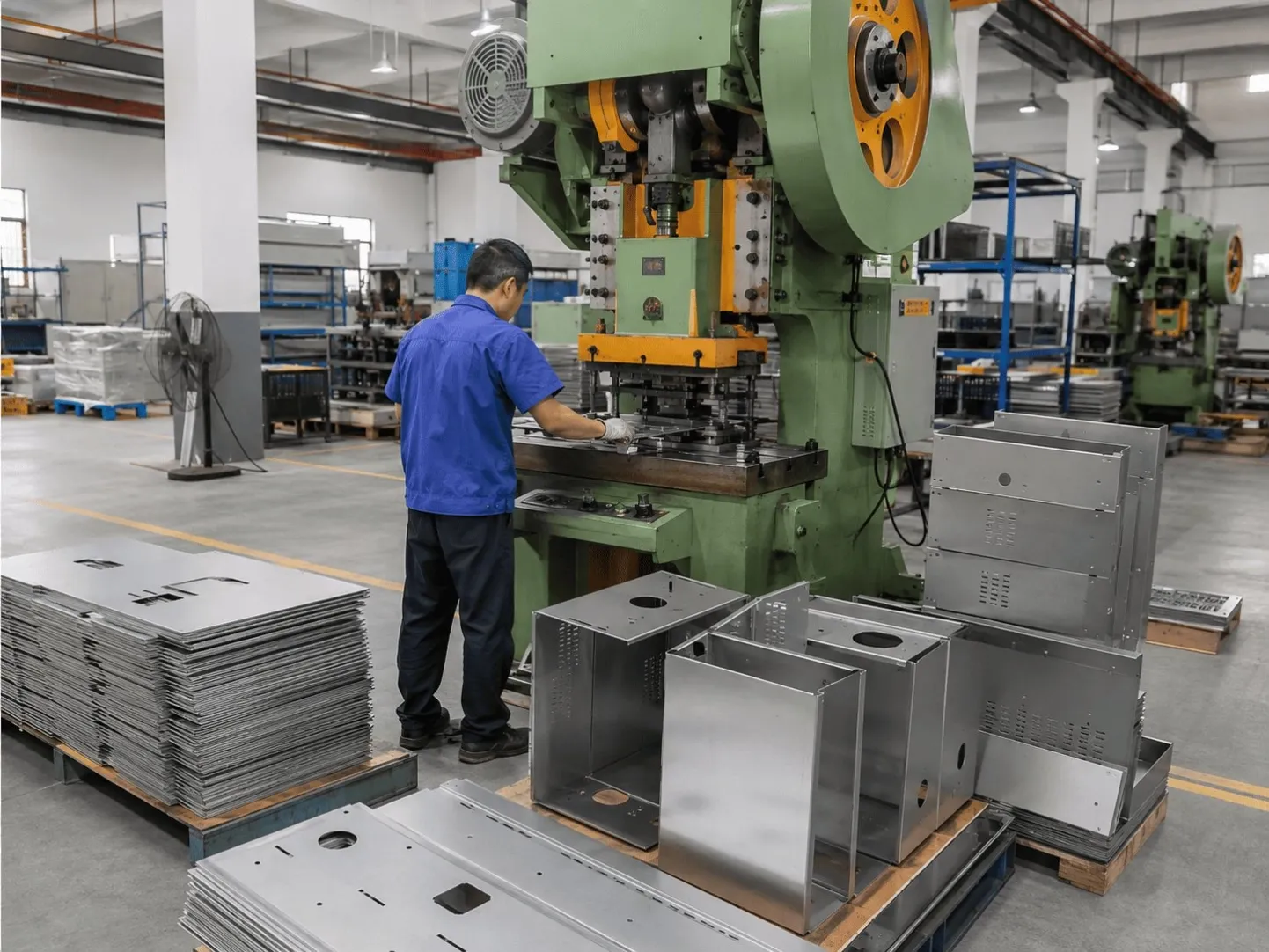
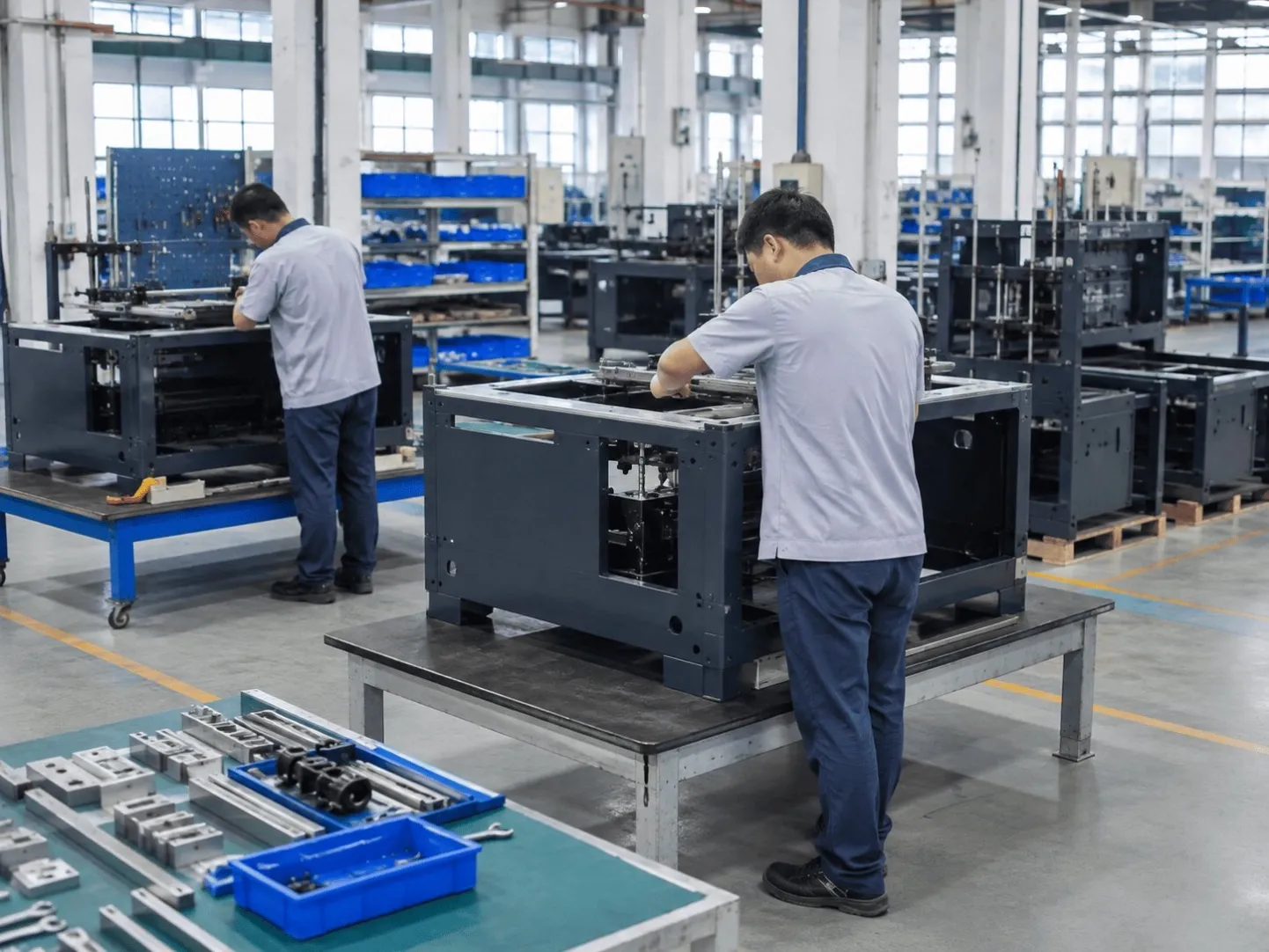
From our Foshan supplier network — these photos show typical enclosure fabrication and panel-assembly steps carried out by our inspected production partners.
Get a Quote for Your Project
Send your drawings, BOM or I/O list — or, if the panel already exists, photos of what you have. We quote from whatever stage your documents are at, and every quotation comes back with the scope, assumptions and lead times written out, not just a number.
Lead times by supply scope: complete custom panels from 1 unit, typically 35–40 days after drawing approval; empty enclosures from 5 units, around 15 days; components ship in 3–5 days.
Fastest route: send your documents by WhatsApp — message us on WhatsApp — or email info@uniregal.com with the subject "RFQ", or use the contact form. You will get a reply within one business day.