
Sep 28, 2026Buying Guides
UL 508A Control Panel Suppliers for Export: The Verified-Build Buyer's Guide (2026)
Most 'top UL 508A supplier' lists stop at the listing mark. The buyer-first move is to verify the build, not trust the badge — and for low-MOQ, multi-build export projects, a sourcing partner who matc
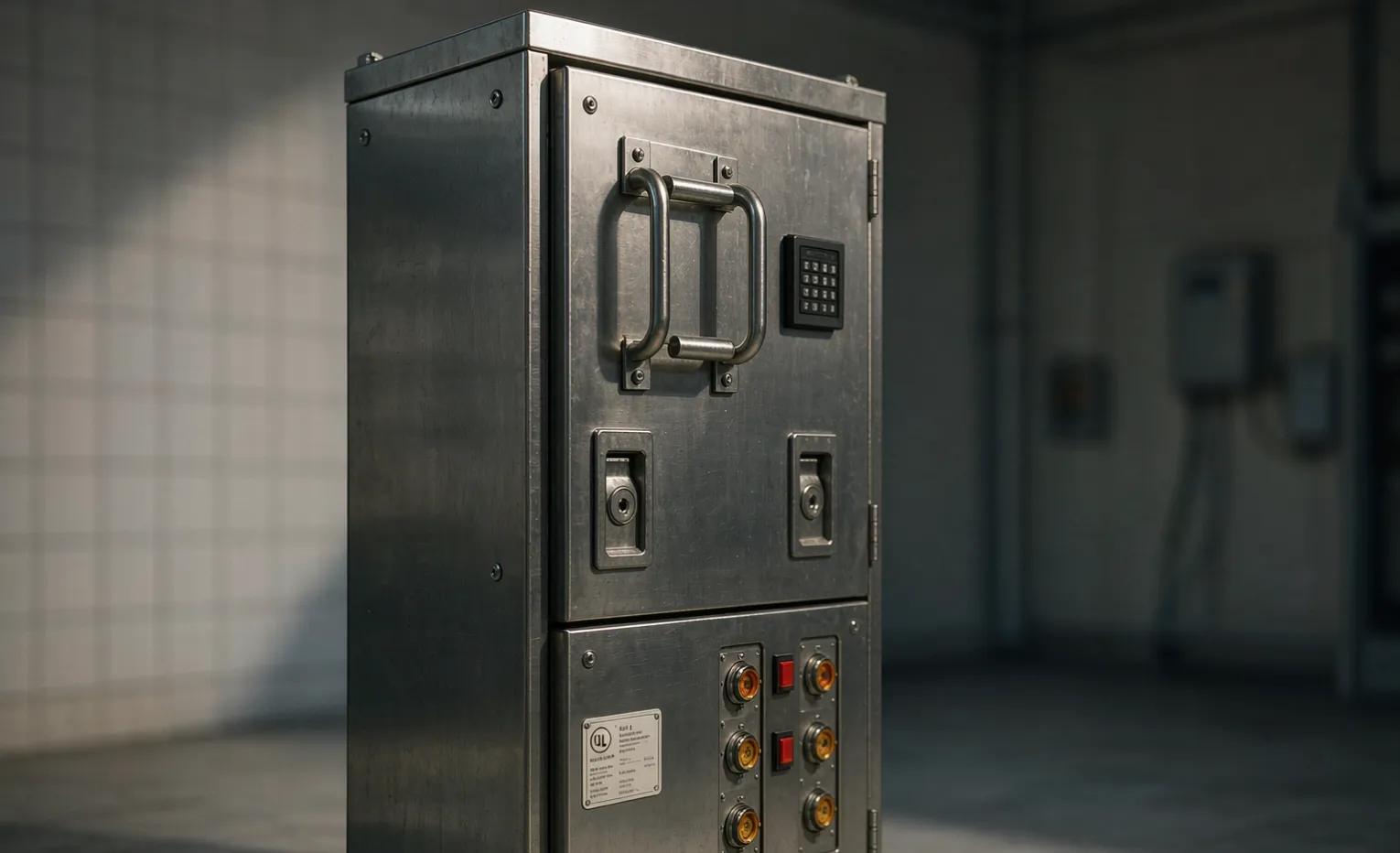
UL 508A Control Panel Suppliers for Export: The Verified-Build Buyer's Guide (2026)
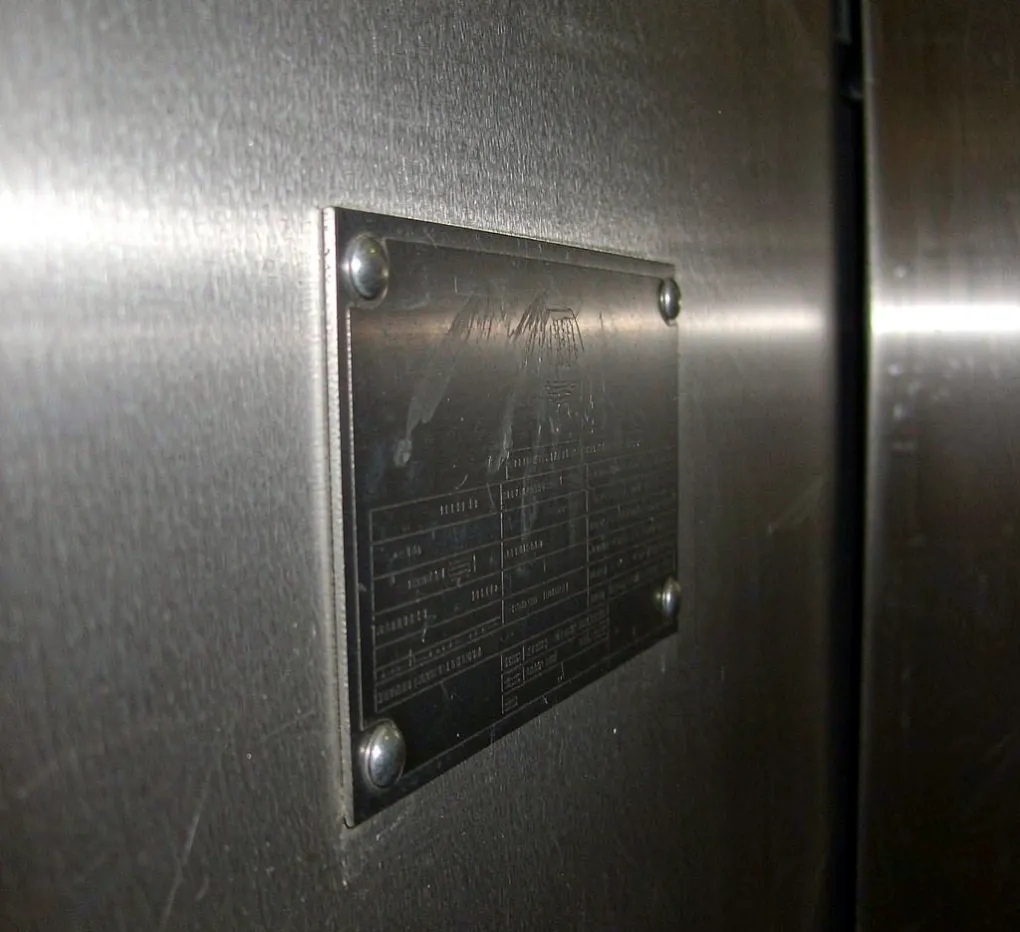
You searched "UL 508A control panel suppliers for export" because you need panels that will clear a North American AHJ inspection and survive the trip — not because you wanted a ranked list of factories. Most of those lists answer the wrong question. They rank shops by marketing reach. They do not tell you whether your panel, built to your drawing with your components, will actually qualify under a current, in-scope UL 508A listing.
This guide is the contrarian version. We walk through what export buyers actually ask, where the "just pick a listed shop" advice breaks down, and how to verify a build before you pay. UniRegal is a sourcing partner, not a manufacturer: for UL 508A we match your drawings to a UL-listed fabricator and manage spec review, build-to-print manufacturing, FAT, inspection, and export packing. That model shapes the advice below — but the verification steps apply no matter who builds your panel.
For the panel-side specification, see our custom control panel range; for the cabinet and cooling side of the same export project, our Electrical Enclosure Sourcing Guide covers enclosure material and NEMA rating choices.
Buyer Decision: The listing mark is table stakes, not a differentiator. The only question that protects your project is: "Is this exact panel — my drawing, my components, my site class — built and inspected under a UL 508A listing that is current and covers this scope?" Everything else is noise.
Why "just pick a UL-listed shop" is the wrong frame
A UL 508A listing certifies a panel shop's manufacturing process and quality system. It is real, and it matters. But it is not the same as certifying your panel.
Three things get conflated constantly in export sourcing:
- The shop is listed — good. It proves the shop can build to UL 508A.
- Your panel is built under that listing — only true if the shop actually runs your build through its listed process, with documented controls.
- Your panel's scope is covered — a shop listed for general industrial control (UL 508A) may not be listed for hazardous locations (UL 698A), or for the exact busbar, disconnect, or enclosure you specified.
When a buyer says "I used a UL 508A supplier," what they often mean is "I used a shop that has a listing." Whether the delivered panel was built and inspected under that listing — with the right scope — is a separate, unasked question. AHJ inspectors and insurers ask it. That is where projects stall.
Engineering Note: A listing number on a quote proves the shop can build compliant panels. It does not prove this panel is one. Ask for the listing scope and the FAT/inspection record tied to a panel like yours, not just the shop's certificate.
Debate 1: A UL-listed shop vs. a one-off UL-certified panel
This is the first argument worth having before you commit budget.
A UL-listed shop holds a UL 508A listing covering its manufacturing process. AHJs across the U.S. and Canada broadly accept panels built under that listing, because the process is what UL audited.
A one-off UL-certified panel means a single panel was evaluated and labeled for that one build. It proves that panel passed — but it does not extend to the next panel, and some jurisdictions and insurers treat it as weaker evidence than a listed-shop build.

For export, the listed-shop route is almost always the safer default. The debate only gets interesting when a shop offers you "UL certified" as a cheaper alternative to being a listed shop — that is usually a red flag, not a saving.
What AHJs actually accept. Field-labeling (a one-off evaluation by a qualified reviewer) is accepted in many jurisdictions, but it adds inspection friction, lead time, and cost at the destination. A panel from a current UL 508A listed shop ships with the mark already on it. For a first export order, friction is the enemy — go with the listed shop.
Debate 2: Go direct to a Chinese UL 508A shop, or use a sourcing partner?
The "top supplier" lists assume you should go direct. For some buyers that is right. For export projects with low MOQ, mixed scope, or several builds, it is often wrong.
The direct path — what it gives you and what it costs
Going straight to a dedicated UL 508A listed shop in China (common clusters are in Qingdao and Foshan) can work well when you have one clear panel, a firm volume, and an engineering team that owns the spec.
- Pros: single point of accountability at the build, direct price, deep UL 508A focus.
- Cons: dedicated UL shops typically push MOQs of 20–50+ panels and 20–30+ day leads; you own supplier verification, FAT witnessing, and export logistics yourself; if the shop's listing scope does not fit your panel, you start over.
The sourcing-partner path — when it wins
A sourcing partner does not own the line. It matches your drawings to a vetted UL-listed fabricator, compares shops on price and lead time, manages FAT and inspection, and handles export packing. For buyers who want one accountable contact across several builds, this is frequently the lower-risk route.
- Pros: MOQ from 5 panels with no engineering surcharge, ~15-day production at typical panel complexity, multi-shop comparison, single accountable contact, inspection before shipment.
- Cons: you coordinate through a partner rather than the line itself — best for buyers who value a single point of contact over direct factory relationships.
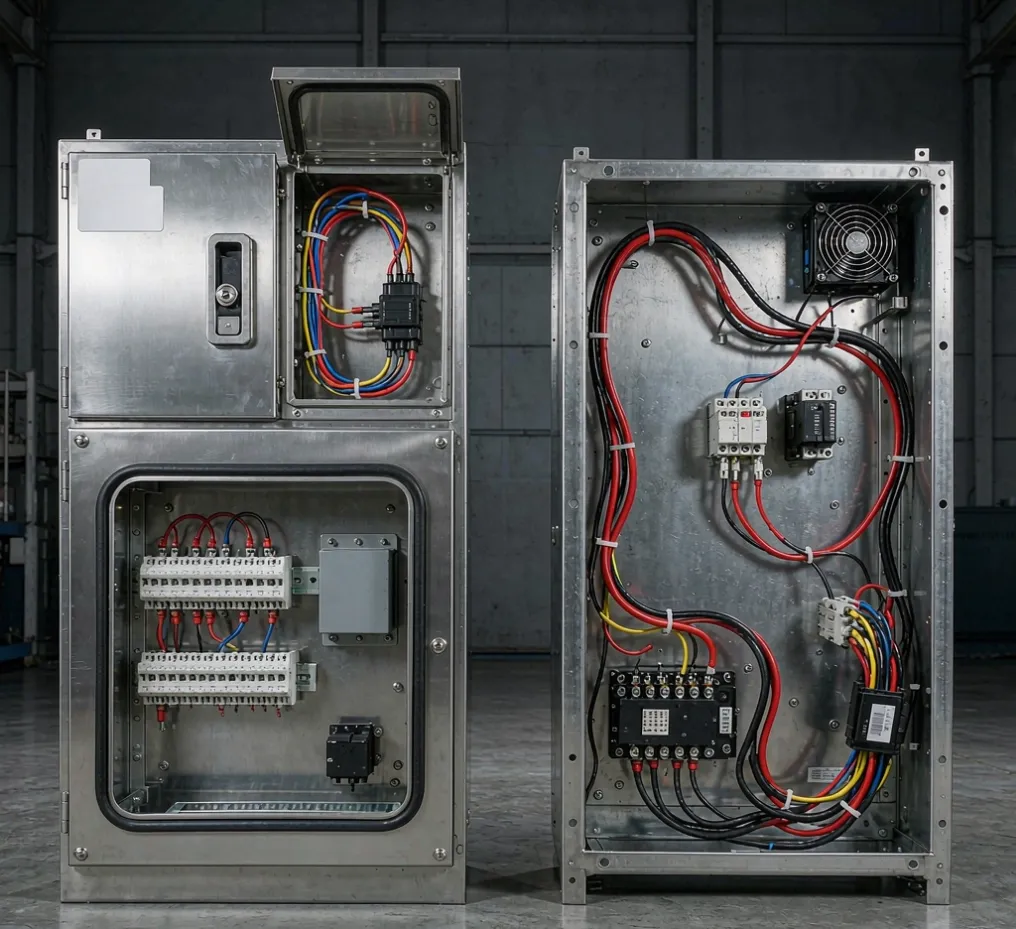
Buyer Decision: If your project is one panel at 50+ units, go direct. If it is 5 panels now, 20 later, plus enclosures and maybe UPS, a sourcing partner who inspects before shipment usually costs less in surprises.
The verification checklist every export buyer should run
This is the part the ranked lists skip. Run it on any supplier before you commit.
1. Check the listing on UL's Product iQ — current and in-scope
Do not take the shop's PDF at face value. Search the shop name on UL's Product iQ database, confirm the UL 508A listing is current, and read the scope — what enclosure types, voltages, and configurations it actually covers. A listing that expired last year, or covers only a narrower product family, is worthless to you.
2. Match the scope to your standard and site
UL 508A covers industrial control panels. If your panel serves a hazardous location, you may also need UL 698A, or ATEX / IECEx depending on destination. A shop listed for UL 508A is not automatically listed for those. Confirm before quoting.
3. Demand the FAT procedure and inspection records
A real factory acceptance test covers wiring verification, insulation resistance, point-to-point I/O checks, and functional testing of every drive and contactor. Ask to see a sample FAT report format before ordering, and request the inspection record for a panel similar to yours. No sample format on request is a walk-away signal.
4. Pin down component provenance
Unapproved component substitution is the most common source of field failures. Require that components are brand-new and traceable — Siemens, Mitsubishi, ABB, Schneider, Danfoss, or named equivalents quoted by family. "Whatever is cheap" is not an answer you can defend to an AHJ.
5. Nail export packing, Incoterms, and documentation
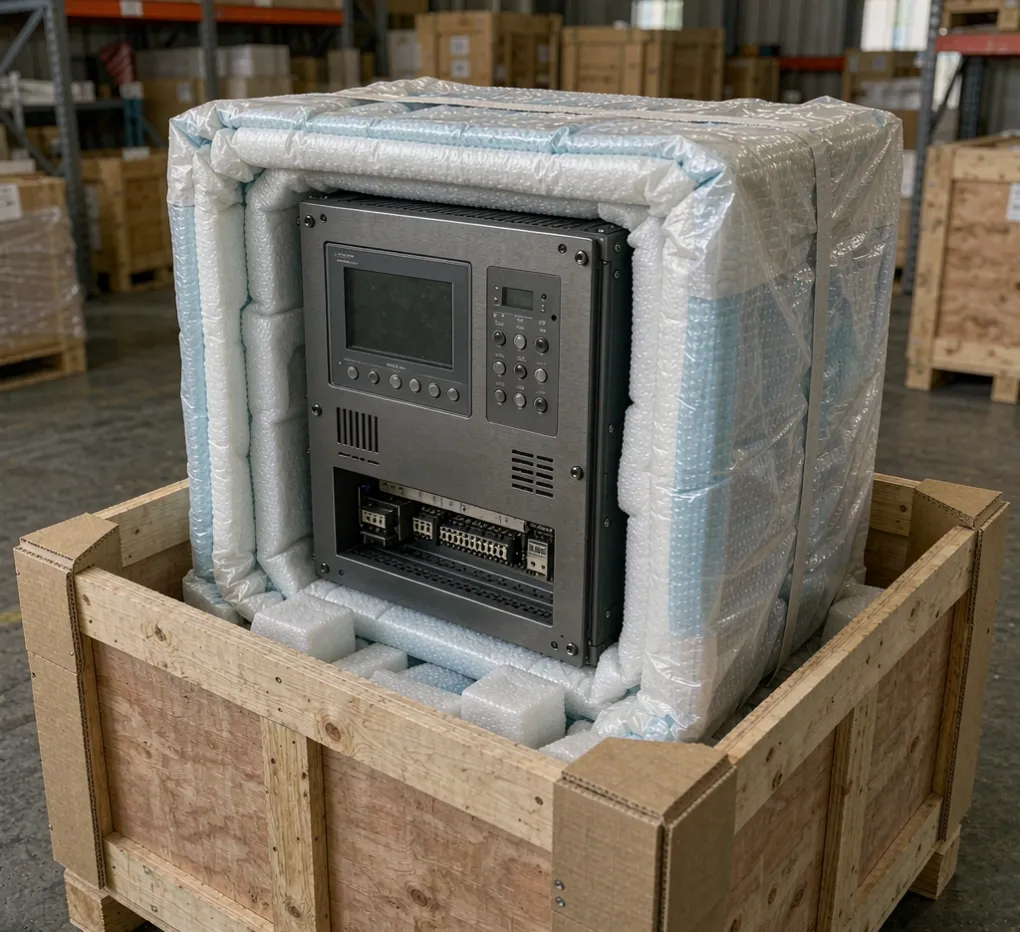
Clarify Incoterms, export crating, and whether wiring diagrams and the UL marking ship with the panel. A panel that arrives with a cracked door or missing single-line diagram costs you more than the freight saved.
Decision table: direct shop vs. sourcing partner, by project profile
Your project profile | Go direct to a listed shop? | Use a sourcing partner? | Why |
|---|---|---|---|
One panel type, 50+ units, in-house spec | Yes | Optional | Volume justifies direct relationship |
5–20 panels, mixed panel types | Risky | Yes | Low MOQ + multi-shop comparison wins |
Panels + enclosures + UPS in one order | No | Yes | Single accountable contact across scope |
Tight 15-day lead, no engineering team | No | Yes | Partner owns verification and FAT |
Hazardous-location / special scope | Verify first | Yes (helps find right listing) | Scope matching is the hard part |
Maximize direct price, own logistics | Yes | No | You carry the verification burden |
What a realistic UL 508A export build looks like
If you work with a sourcing partner, a typical build-to-print export order runs like this:
- MOQ from 5 panels, no engineering surcharge, with ~15-day production at typical panel complexity (longer only if components need special sourcing).
- Multi-shop comparison on price, lead time, and UL status, so you are not betting on one shop's calendar.
- Spec review of your drawing and I/O list before quotation — clarifications caught here cost nothing; caught after wiring, they cost the build.
- FAT and independent inspection before the panel leaves the shop.
- Export packing to Incoterms you specify, with wiring diagrams and the UL marking shipped inside.
UniRegal is a sourcing partner, not a manufacturer. We arrange UL-listed builds by matching vetted shops — carbon steel, 304/316 stainless, or galvanized enclosures at IP65 / NEMA 4X — and we inspect before shipment. That is the model this guide recommends when your project does not fit a single shop's minimums.
Engineering Note: The 15-day lead assumes your drawing and UL scope are locked. The cheapest way to blow that timeline is to change the single-line diagram after wiring starts. Freeze the spec, then build.
The suppliers buyers commonly evaluate — and what to verify, not rank
Instead of a ranked list, here is the landscape and the one check that matters for each type:
- Dedicated UL 508A listed shops (often Qingdao or Foshan based): verify the listing is current and in-scope; expect firmer MOQs.
- Full OEM/ODM panel houses with UL 508A + IEC + CE: one-stop from enclosure to panel, but larger commitments and longer cycles.
- Asia-based UL 508A builders serving harsh/remote duty (stainless NEMA 4X strength): verify offshore logistics and import-duty planning up front.
- Sourcing partners who match you to a UL-listed fabricator: verify their verification process — do they witness FAT and inspect before shipment, or just broker?
The point is not "which is #1." It is: whichever type you pick, run the five-step checklist above. A verified mid-tier build beats an unverified "top" shop every time at the AHJ.
Engineering Takeaway
For UL 508A export panels, stop optimizing for the badge and start optimizing for the build. Confirm the shop's UL 508A listing is current and covers your scope on UL Product iQ, demand FAT and inspection records for a panel like yours, lock component brands by family, and clarify export packing before you pay. For low-MOQ, multi-build, or mixed-scope projects, a sourcing partner who compares shops and inspects before shipment is usually the lower-risk route than betting on a single shop's marketing. Send us your drawing and I/O list — we review it before quotation and respond within 24 hours.
Frequently Asked Questions
What is the difference between a UL-listed shop and a UL-certified panel? A UL-listed shop holds a UL 508A listing covering its manufacturing process, accepted broadly by AHJs. A one-off UL-certified (field-labeled) panel proves only that single build. For export, prefer a listed shop — it ships with the mark already applied and avoids destination inspection friction.
How do I verify a supplier's UL 508A status? Search the shop name on UL's Product iQ database. A current listing shows the scope and validity. Ask the supplier for the listing number and cross-check it; do not accept a screenshot of an expired or out-of-scope certificate.
What is a realistic MOQ and lead time for a custom UL 508A panel? Build-to-print typically runs MOQ from 5 panels with about 15–25 days after drawings and UL scope are confirmed — longer only if components need special sourcing. Dedicated UL shops may push 20–50+ unit minimums; sourcing partners usually absorb lower volumes.
Can a sourcing partner deliver UL 508A if it is not a manufacturer? Yes. Per project, a sourcing partner matches your drawings to a UL-listed fabricator, then manages spec review, build-to-print manufacturing, FAT, inspection, and export packing. You get one accountable contact without owning the line.
What UL standard applies to my panel — 508A, 698A, or something else? UL 508A covers general industrial control panels. Hazardous locations may require UL 698A; international projects may reference IEC 61439 or NEMA enclosure ratings. Confirm the standard with your AHJ or specifying engineer before quoting.
What should I require in the FAT? Wiring verification, insulation resistance testing, point-to-point I/O checks, and functional testing of every drive and contactor. Request a sample FAT report format before ordering; absence of one is a red flag.
Who supplies the components, and does it matter? It matters. Require brand-new, traceable components — Siemens, Mitsubishi, ABB, Schneider, Danfoss, or named equivalents by family. Unapproved substitution is the most common cause of field failures and can void the basis for the UL evaluation.
How should export packing and Incoterms be handled? Specify Incoterms, crating, and documentation up front. Require that wiring diagrams and the UL marking ship with the panel. Poor packing that cracks a door or loses a diagram costs more than the freight you saved.
Related guides
- How to Evaluate a Motor Control Panel Supplier — the capability due-diligence framework to run alongside this verification checklist.
- Motor Control Panel Supplier Checklist: 7 Questions to Ask — the pre-RFQ scorecard you can paste straight into a quote request.
- Top 10 Control Panel Suppliers in China — the broader supplier landscape, ranked by export-readiness signals.
- Top 10 MCC Panel Manufacturers in the World — motor control center build considerations for larger projects.
- Top 10 PLC Control Panel Manufacturers — where PLC integration capability separates the shops that can actually build your panel.
- Top 10 Industrial Control Panel Manufacturers — the capability benchmark for larger, fully integrated builds.
Get a verified-build quote
Send us your motor list, single-line diagram, or BOM. Our engineers review it against UL 508A scope before quotation and respond within 24 hours — then we match you to a vetted UL-listed fabricator and inspect before shipment.