
Oct 15, 2026Control Panels
Control Panel Main Disconnect: Why Your Panel Needs a Visible, Lockable Shutoff
A control panel with no main disconnect is a panel nobody can service safely. Here's why a visible, lockable shutoff belongs in your spec — and what the codes actually require.
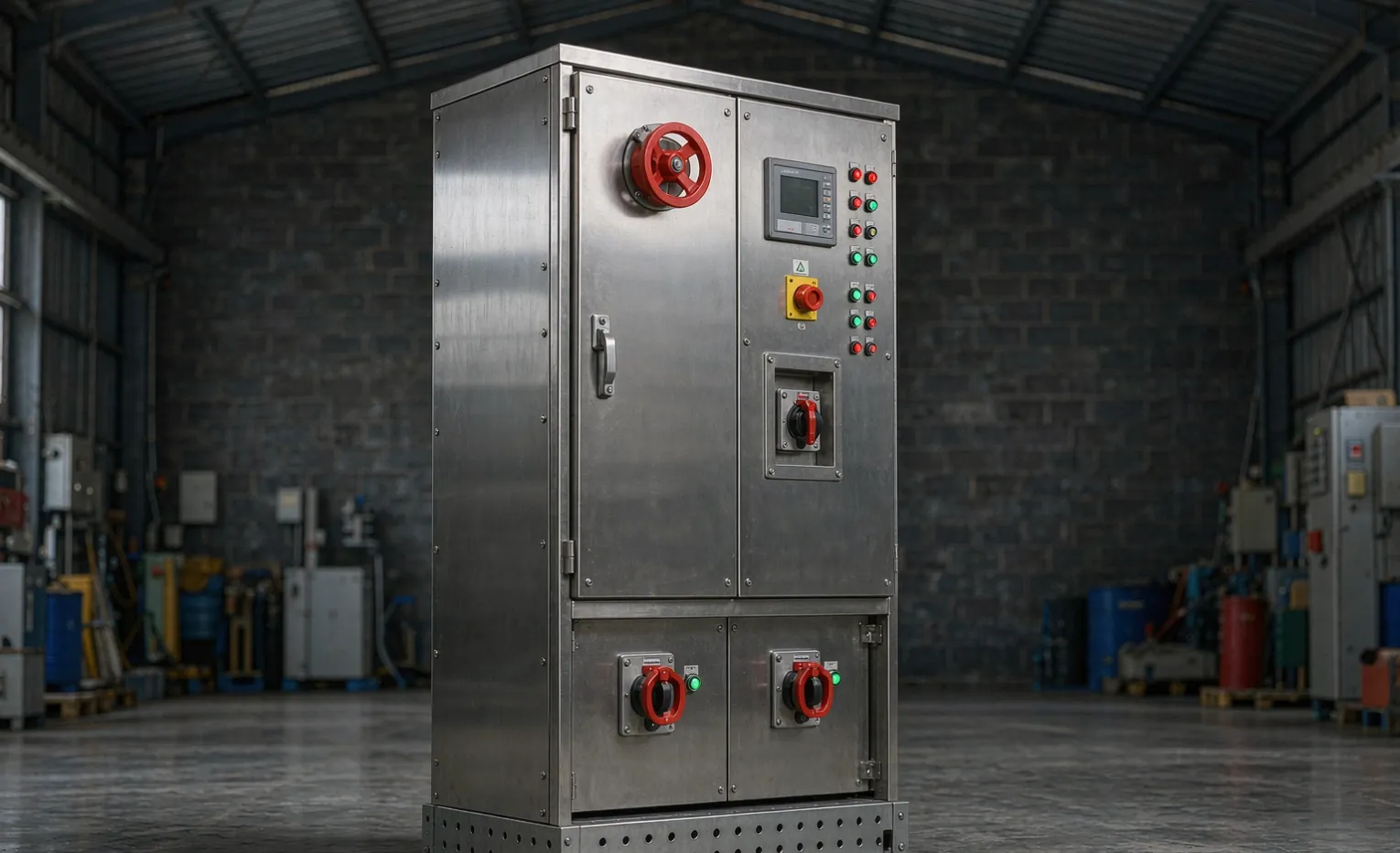
If your control panel has no way to kill all power at the box, you don't have a panel you can service. You have a hazard with a door. I've watched a builder skip the main disconnect to save a few dollars, then watched the same buyer stand in front of that panel six months later, unable to de-energize it for a five-minute fix. The disconnect isn't a line item. It's the boundary that lets a person work inside without betting their life on an upstream breaker they can't see.
Quick boundary: we're a sourcing partner and panel-build shop. We assemble and wire panels from the components you specify—Mitsubishi, Siemens, ABB, and others among them. We don't build the devices in-house, and we don't design your machine's logic; we build the panel that houses and wires it to your drawing.
What the codes actually require
Under UL 508A, a listed industrial control panel is expected to have a single disconnecting means unless a narrow exception applies—and that disconnect has to be lockable in the open position and rated for the panel's short-circuit current rating. For machinery, IEC 60204-1 calls for a main switch that isolates the whole machine, and NEMA enclosure practice treats the disconnect as part of the box, not an afterthought. The point isn't the certificate on the wall; it's that the person doing the work can prove the power is off.
Visible beats hidden
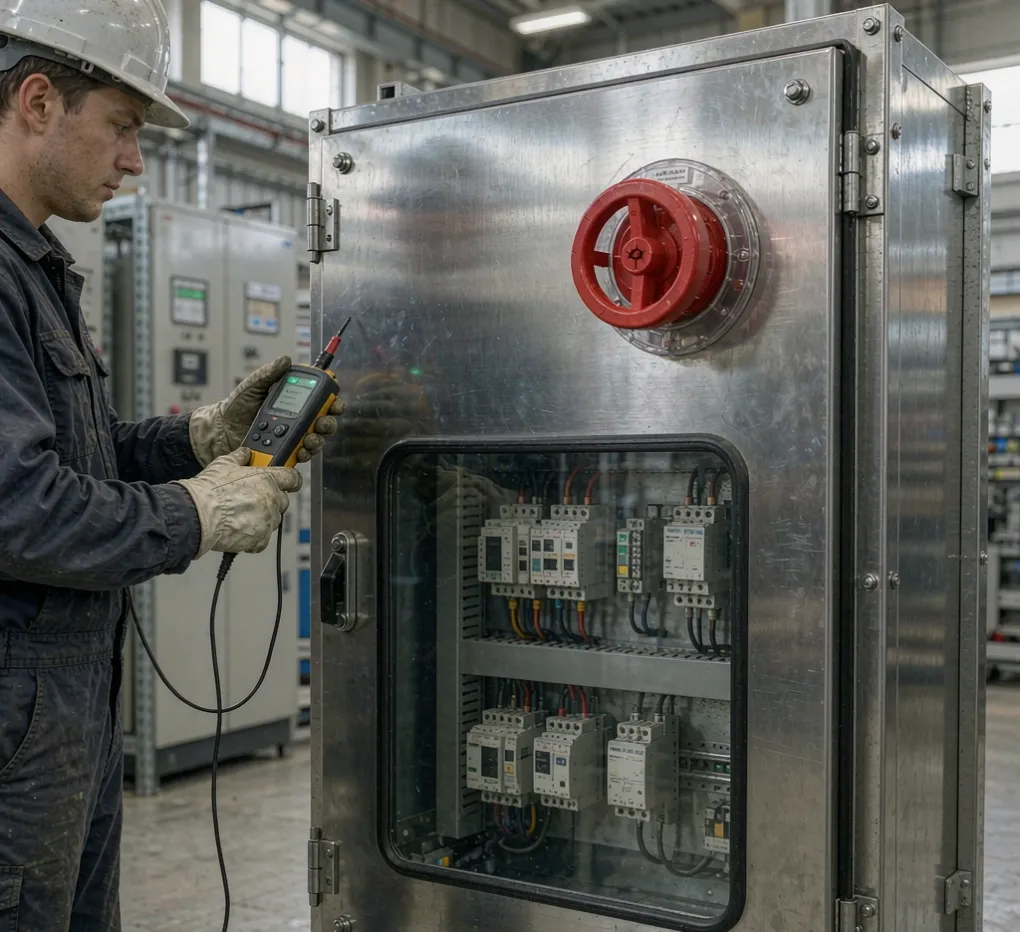
A molded-case breaker buried behind the dead front tells you "it's off" only if the indicator works and you trust it. A switch-disconnector with a visible blade, or a rotary handle you can see is in the OFF position through the window, gives you an air gap you can confirm with your own eyes. When someone's about to put hands inside a 480 V panel, "I think it's off" is not good enough. Visible isolation is the difference between a ten-minute job and a trip to the hospital.
Lockable, and interlocked with the door
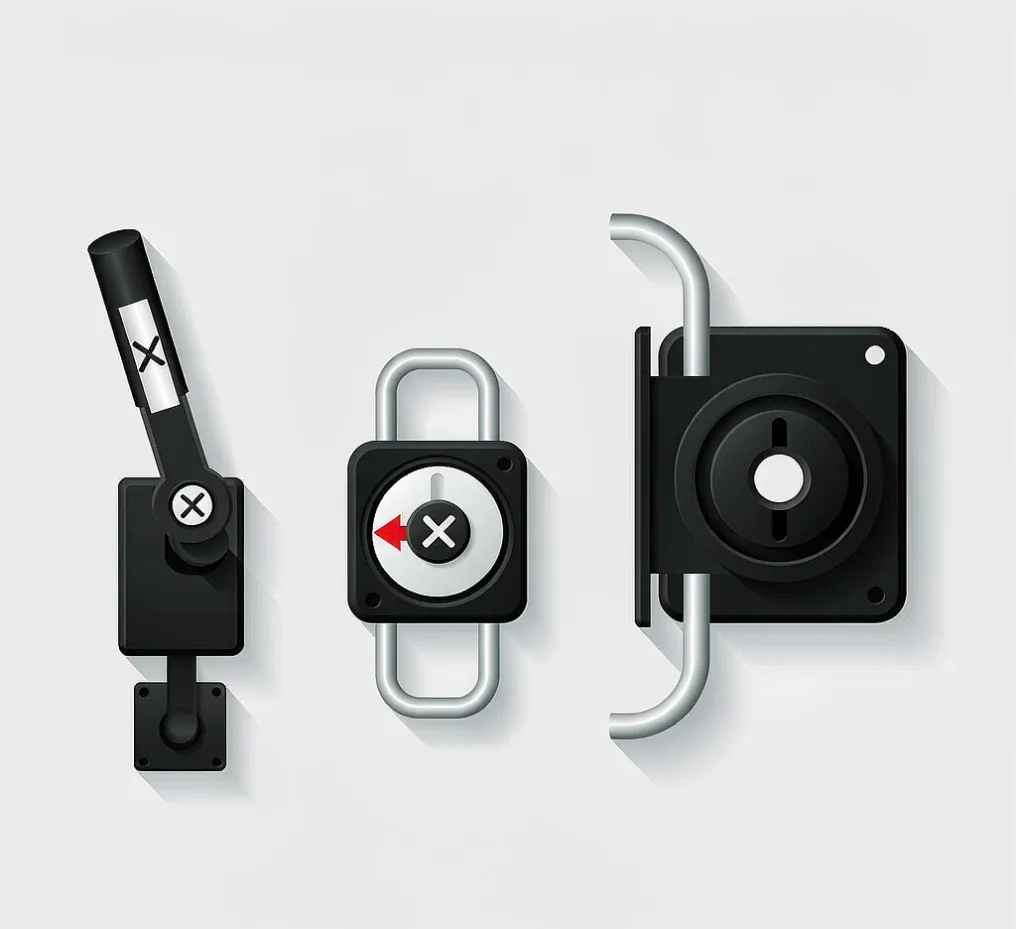
For industrial machinery the disconnect has to be padlockable in the OFF position and, on most machines, interlocked with the enclosure door so the door can't open while it's energized. That's not us being fussy—it's the basis of lockout/tagout. If your builder hands you a panel where the only shutoff is an upstream breaker in another room, nobody can lock that panel out at the panel. You've bought a service problem, not a panel.
The decision table: what kind of disconnect your panel needs
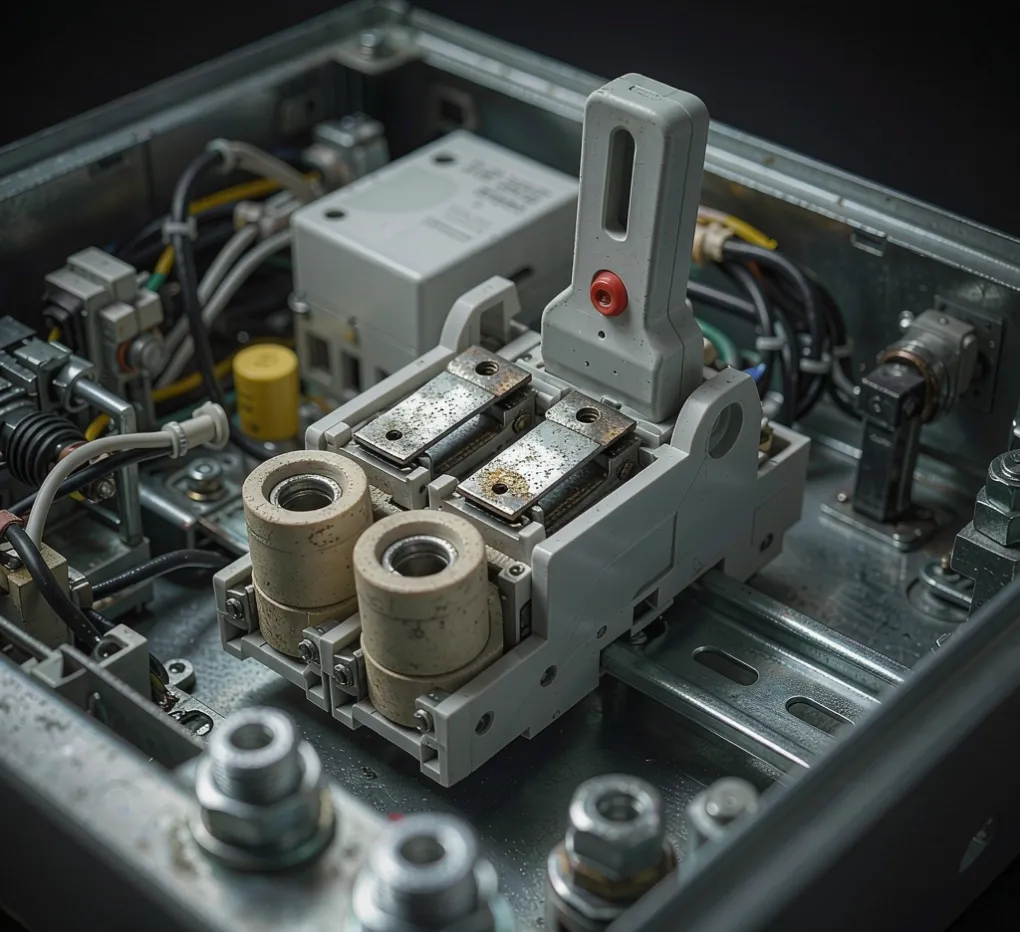
Your panel... | Disconnect you should specify | Why |
|---|---|---|
Feeds one machine, serviced on site | Door-mounted rotary, lockable, visible OFF | LOTO at the panel, not across the room |
Multiple incoming sources | Main disconnect + documented per source | Each energy source must be isolatable. |
North American site (NEC 409) | NRTL-listed disconnect, rated to panel SCCR | Inspection will ask for it. |
Export to EU / CE machine | Main switch per IEC 60204-1 | Matches the machinery directive |
Simple starter, rarely opened | A branch breaker may suffice. | Don't over-spec, but still mark it. |
Hazardous / classified area | Rated disconnect + rated enclosure | The switch must keep the enclosure rating. |
A build we caught at FAT
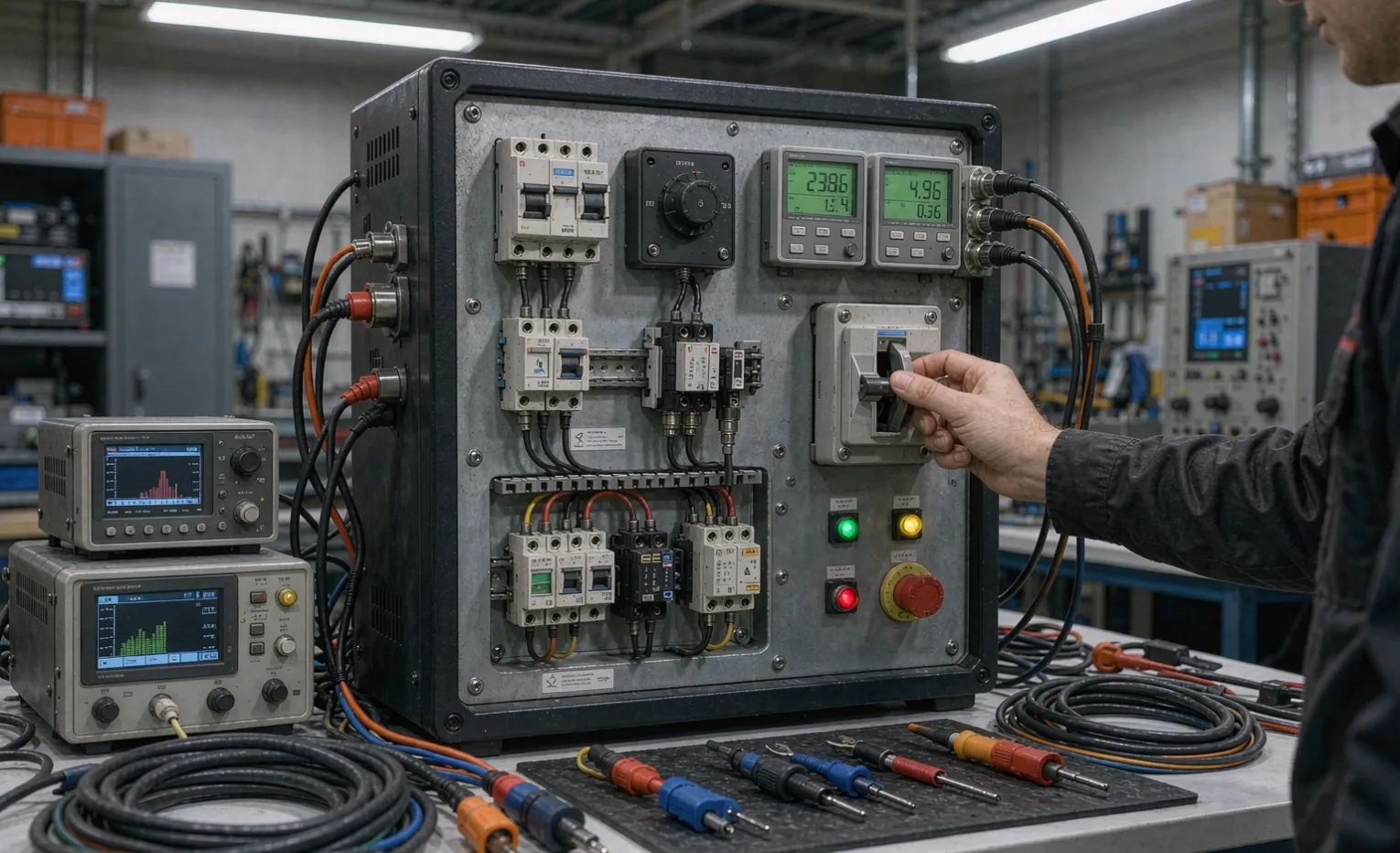
A buyer once sent us a panel built elsewhere with no main disconnect—just a row of branch breakers and a note saying "upstream panelboard handles it." We flagged it before shipping. The site was a food line where maintenance opens the panel weekly; the "upstream" disconnect was two rooms away behind a locked door nobody on shift could open. We rebuilt it with a door-mounted, lockable rotary disconnect rated to the panel's SCCR, FAT-documented the open/closed operation, and the buyer's electrician signed off in minutes on install day instead of improvising a lockout. The disconnect cost less than the delay it prevented.
FAQ
Does UL 508A force a main disconnect on every panel?
Not absolutely—there's a narrow exception if the panel is marked to rely on an upstream disconnect. But for any panel someone services on site, a panel-mounted, lockable disconnect is the safer and more inspectable choice, and machinery rules push you there anyway.
How long does a panel with a disconnect take to build?
An empty cabinet runs a 5-piece minimum and about 15–20 days. A full panel build from a reviewed drawing is typically 35–40 days after you sign off. Loose components we source ship in 3–5 days if you're only buying parts.
Do you make the disconnect yourself?
No. We're a sourcing partner and panel-build shop—we integrate and wire listed components you specify; the devices themselves come from the brands you choose.
What rating should the disconnect carry? At minimum it must be lockable in the OFF position and rated for the panel's available short-circuit current (its SCCR). A disconnect undersized for the fault current is a code violation and a failure point.
Is a breaker enough, or do I need a switch?
A visible switch-disconnector gives confirmed air-gap isolation; a breaker gives protection but not always visible proof. For panels opened during maintenance, the visible, lockable disconnect is the one workers actually trust.
Can you build to both UL 508A and IEC 60204-1?
Yes—we build through a shop listed under UL 508A on a per-project basis and document it, and we follow IEC 60204-1 main-switch practice for CE/export machines. Tell us the destination market in the RFQ.
Engineering takeaway
Don't let a builder trade the main disconnect for a few saved dollars. Spec a disconnect that is visible, lockable, and—for machinery—interlocked with the door, rated to the panel's SCCR. It's the one component that turns "I hope it's off" into "I can prove it's off," and it's what inspection and your own electricians will look for first.
Related guides
Before you write the RFQ, see our industrial enclosure brands compared — the box and the disconnect have to match the site.
We cover the broader build-and-ship process in our electrical enclosure supplier's guide to sourcing from China, and our custom control panels solution page shows what we integrate and ship.
Ready to confirm your panel's disconnect is spec'd right? Upload your drawing for an engineering review — we'll flag the gaps before they become a site problem.