
Oct 22, 2026Buying Guides
UPS for Motor Loads: Sizing for the Inrush Your Wattage Forgets
A UPS sized to running watts trips the instant a motor starts. Inrush runs 5–7× running current. Size for the kick, add a soft starter, or let the load bypass
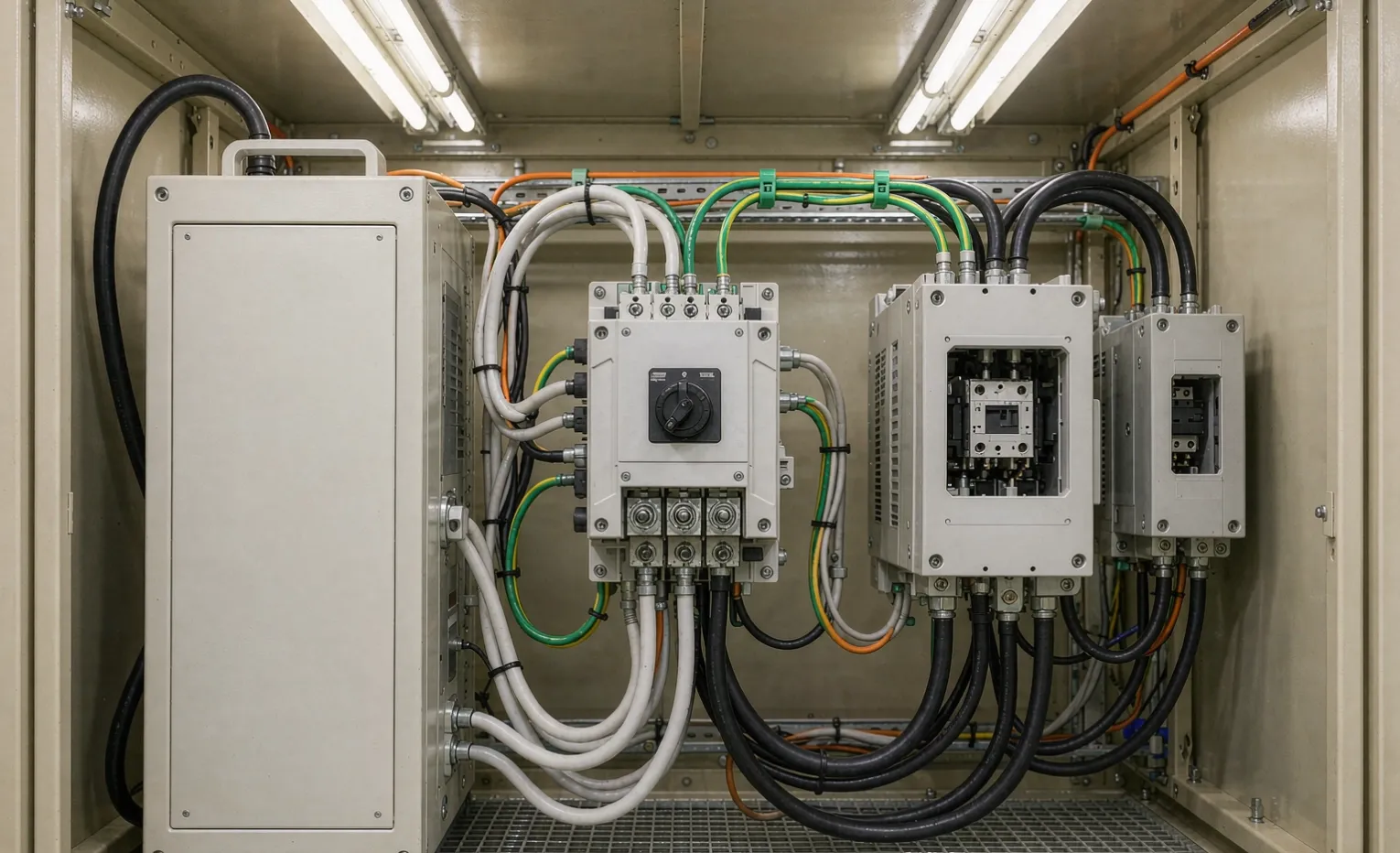
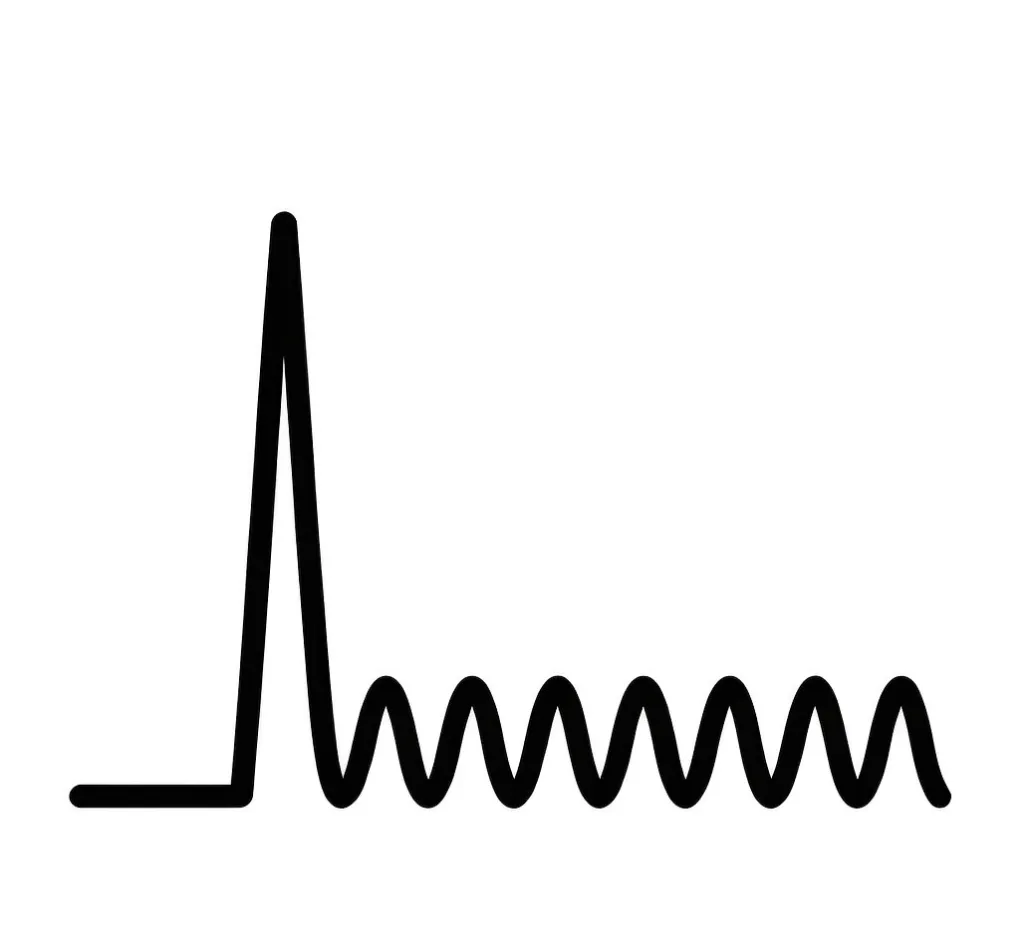
You size a UPS by its watt rating, and the motor load drops the second it starts. The reason is simple: a motor does not draw its running watts at start. It draws a locked-rotor inrush that can run five to seven times the running current for a few hundred milliseconds—and that is exactly when a watt-rated UPS decides it is overloaded and opens the bus.
We are a sourcing partner, not a UPS manufacturer, so we do not brand the box. But we help buyers spec UPS-backed panels for pumps, compressors, and machine tools, and the inrush mistake is the one we see most. Here is the checklist before you buy.
Why do the UPS trips on start, not run?
A motor at rest has no back-EMF, so the stator pulls whatever current it takes to spin up—the locked-rotor current. NEMA MG 1 code letters A–V tell you how aggressive that kick is; a typical industrial motor sits around 6× running current.
Your UPS inverter sees that spike as a fault. If its rating is based on running watts, the inrush exceeds the pass-through limit, the inverter clips or transfers to bypass, and the load sees a dip—or a drop. The motor may still start, but you have just defeated the reason you bought the UPS.
Buyer Decision: Ask for the locked-rotor amps (LRA), not just the running amps (FLA), before anyone quotes you a UPS. Quoting on FLA alone is how this goes wrong.
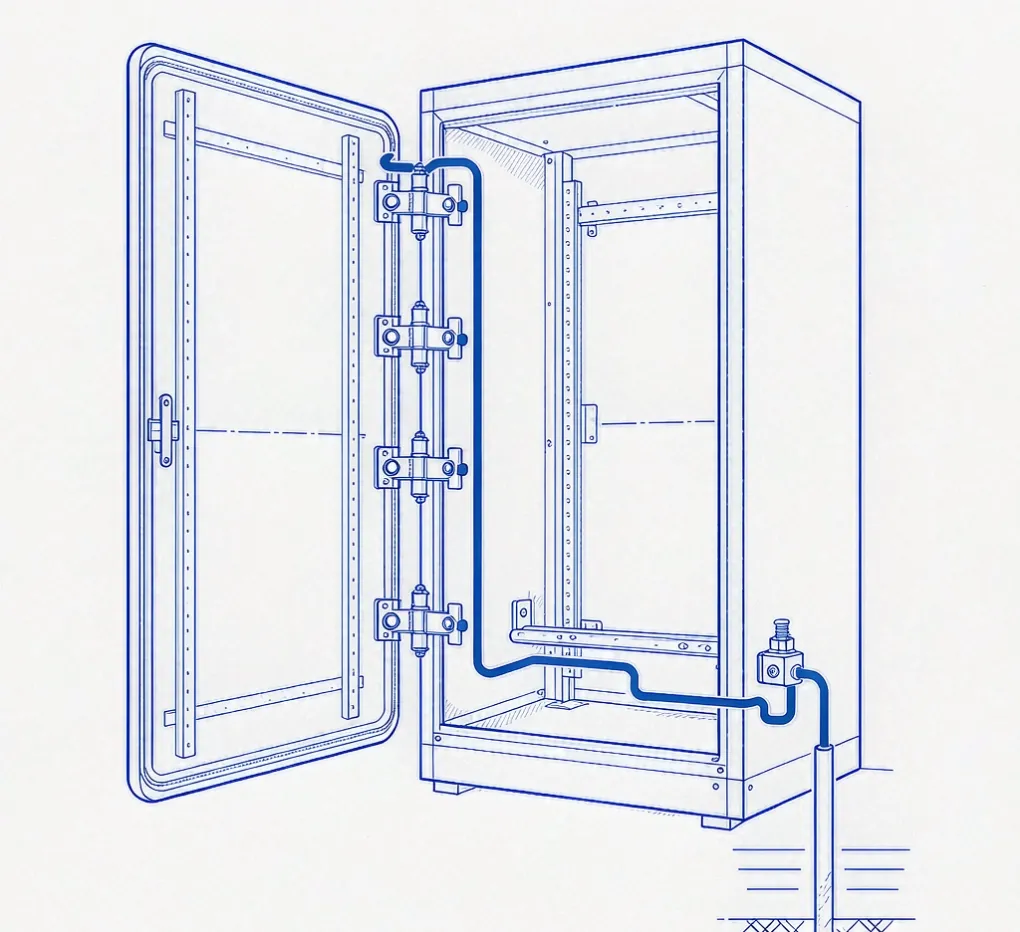
The sizing rule by load type
You do not size every motor load the same way. Match the approach to how the motor starts.
Load | Starting behavior | What to size for | Notes |
|---|---|---|---|
Small single-phase fan / pump | 3–5× inrush, short | UPS rated ≥ running VA × 3, short hold | Often fine with a modest headroom |
3-phase pump / compressor | 6× LRA, longer | UPS rated for LRA, not FLA. | Verify hold time at inrush. |
Belt-driven or high-inertia load | 6–8× long accel | Oversized UPS or soft start | A long inrush window kills small units. |
VFD-driven motor | Low inrush (current-limited) | Running load + VFD loss | VFD does the heavy lifting. |
Critical motor on no-break bus | Any inrush | Bypass the contactor for start. | UPS carries run, not start. |
The headline: size to the locked-rotor current and the time it lasts, not to the nameplate running watts.
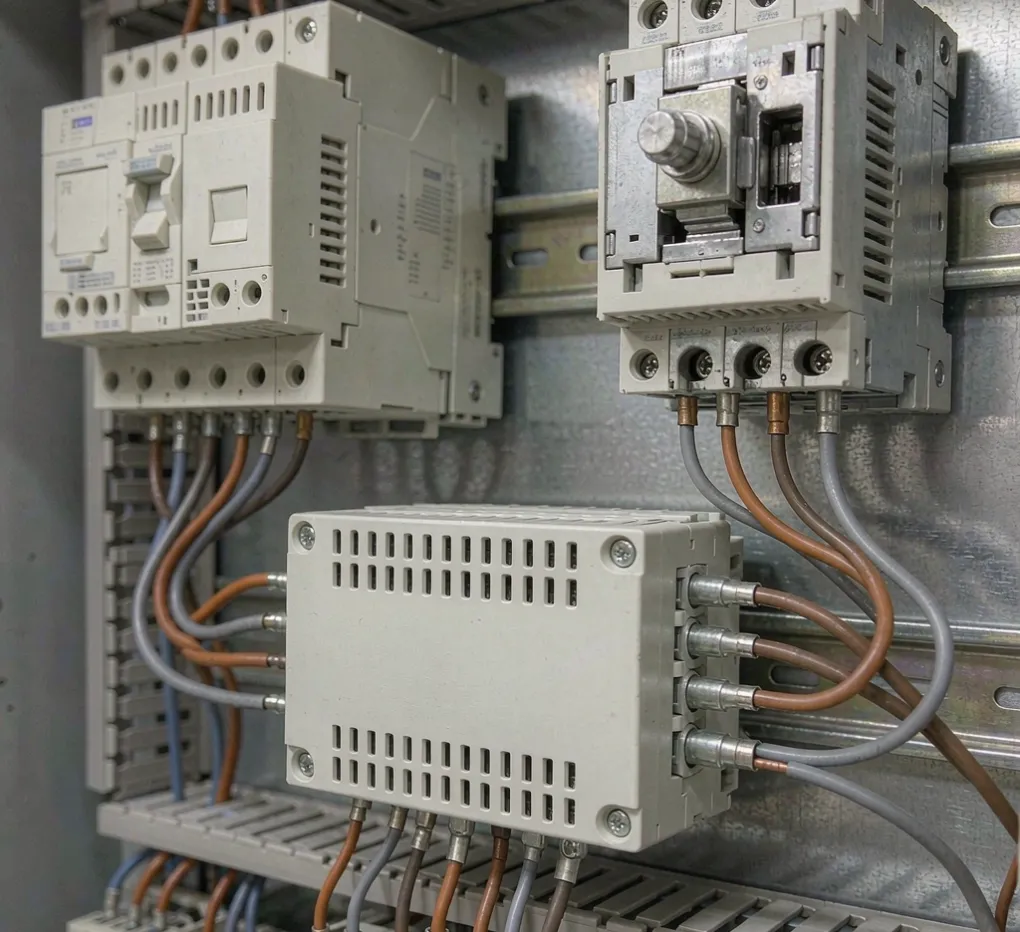
Three ways to survive the kick
You have options, and they are not mutually exclusive.
- Oversize the UPS. Pick a unit whose surge rating and inverter can hold the LRA for the acceleration window. Simple, but you pay for capacity you only use for a fraction of a second.
- Soften the start. A soft starter or a VFD ramps the current up instead of slamming it. The inrush collapses, and a normally-sized UPS handles the run. This is usually the cheaper engineering answer.
- Bypass the start. For a motor that only needs protection during a power interruption—not during every start—put a bypass contactor around the UPS. The UPS carries the running load; the contactor closes for the start transient. We cover the bypass concept in our maintenance bypass guide.
Buyer Decision: If the motor must start on battery at all, you need either a big UPS or a soft start. If it only needs to ride through an outage once spinning, a bypass contactor is the cleaner spend.
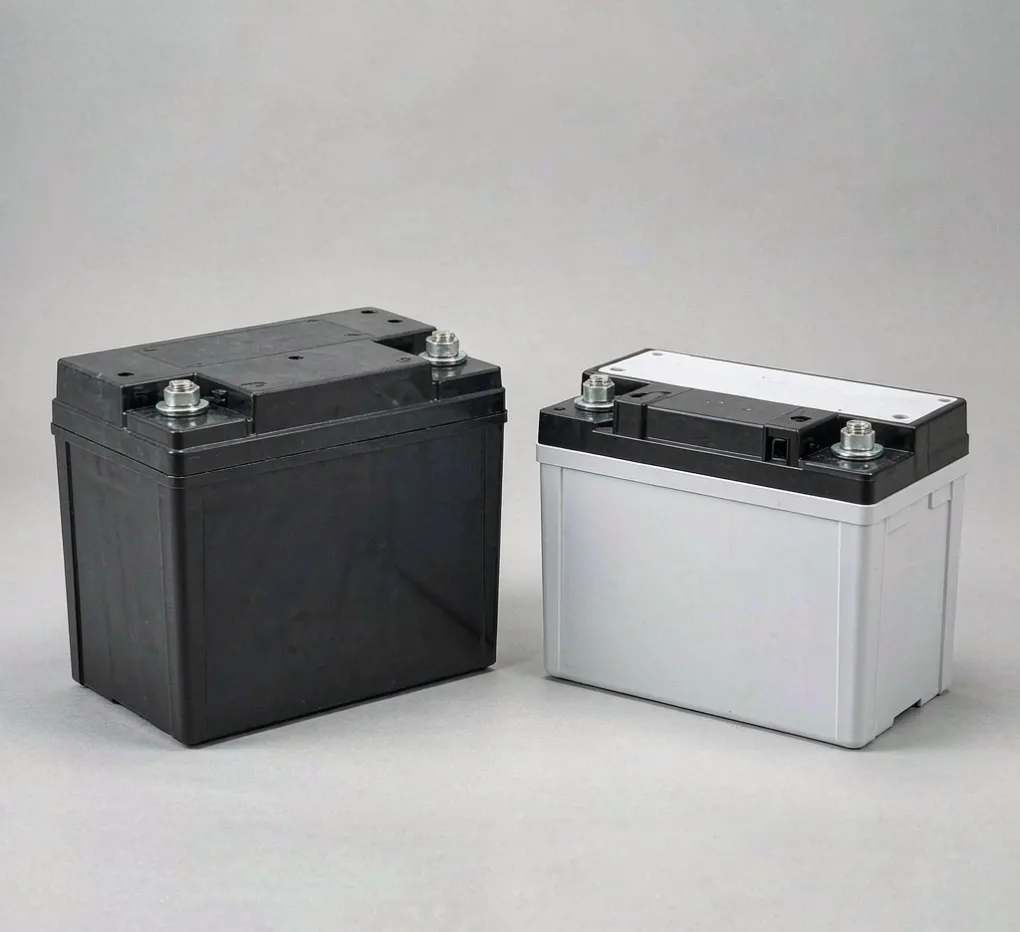
The battery question is separate.
Inrush does not change your amp-hour math much—it is brief. What it does is stress the inverter, not the cells. The battery choice is about runtime and lifecycle, and that is where VRLA vs LiFePO4 matters: VRLA is cheaper up front and temperature-sensitive; LiFePO₄ lasts longer and shrugs off heat. Neither fixes an undersized inverter on motor start.
A few facts we confirm on every UPS-backed panel we source, so you can put them in the RFQ:
- Battery options: VRLA as standard, LiFePO₄ where lifecycle or temperature demands it. We source the cells; we are not the cell makers.
- Lead time: a UPS-backed control panel starts from one unit after drawing and BOM review, roughly 35–40 days; bare UPS modules and components ship in 3–5 days.
- We are a sourcing partner, not a UPS brand—we match the right unit and starting method to your load.
What to put in the RFQ
Do not let a supplier quote "a UPS for a 10 HP pump" and call it done. Put these on the table:
- Locked-rotor amps (LRA) and full-load amps (FLA) of every motor.
- Starting method: across-the-line, soft starter, or VFD.
- Allowable voltage dip during start (your process may care more than the UPS does).
- Required runtime at running load (separate from the start event).
- Whether the motor must start on battery or only ride through an outage.
Hand those five lines over and the quote stops being a guess.
FAQ
Can any UPS start a motor directly?
Only one is rated for the locked-rotor current and the time it lasts. A watt-rated unit sized to the running load will trip. Check the surge/inverter rating, not the VA nameplate.
Is a VFD better than a bigger UPS?
Often, yes. A VFD current limits the start, collapsing the inrush so a normally sized UPS handles the run. It is usually cheaper than oversizing the UPS, and it protects the motor too.
What does a bypass contactor actually do here?
It routes the motor start around the UPS so the inverter never sees the inrush. The UPS still protects the running load during an outage. Good, where the motor only needs ride-through, not battery start.
Does inrush drain the battery faster?
Not meaningfully—inrush is brief, so it barely touches amp-hour draw. It stresses the inverter, which is why sizing the inverter for LRA matters more than battery capacity.
Do I need to list the motor starting method in the RFQ? Yes. Across-the-line, soft starters, and VFDs change the UPS size by a factor of several. Quoting without it is how you get a unit that drops the load on start.
How long does a UPS-backed panel take to build?
From one unit after drawing and BOM review, roughly 35–40 days; bare UPS modules and components ship in 3–5 days. Lead time assumes the starting method and LRA are already on the drawing.
Buyer Takeaway
A UPS for motor loads lives or dies on the start, not the run. Get the locked-rotor amps on the drawing, pick oversize vs soft-start vs bypass by what the load actually needs, and size the inverter for the kick. Our electrical enclosure and panel sourcing guide lays out the full spec approach; the UPS sourcing guide covers batteries and runtime, and the industrial UPS systems page shows what we build around.
Send us the motor nameplate and starting method—we will size the UPS and the start strategy together so it rides through instead of dropping. Send your requirements here.