
Oct 21, 2026
UPS Battery Inspection and Capacity Testing: Catch the Failure Before the Outage
A water plant's UPS passed monthly tests but dropped a real outage at 60% capacity. Here is the inspection and capacity-test routine that catches battery fade before it fails.
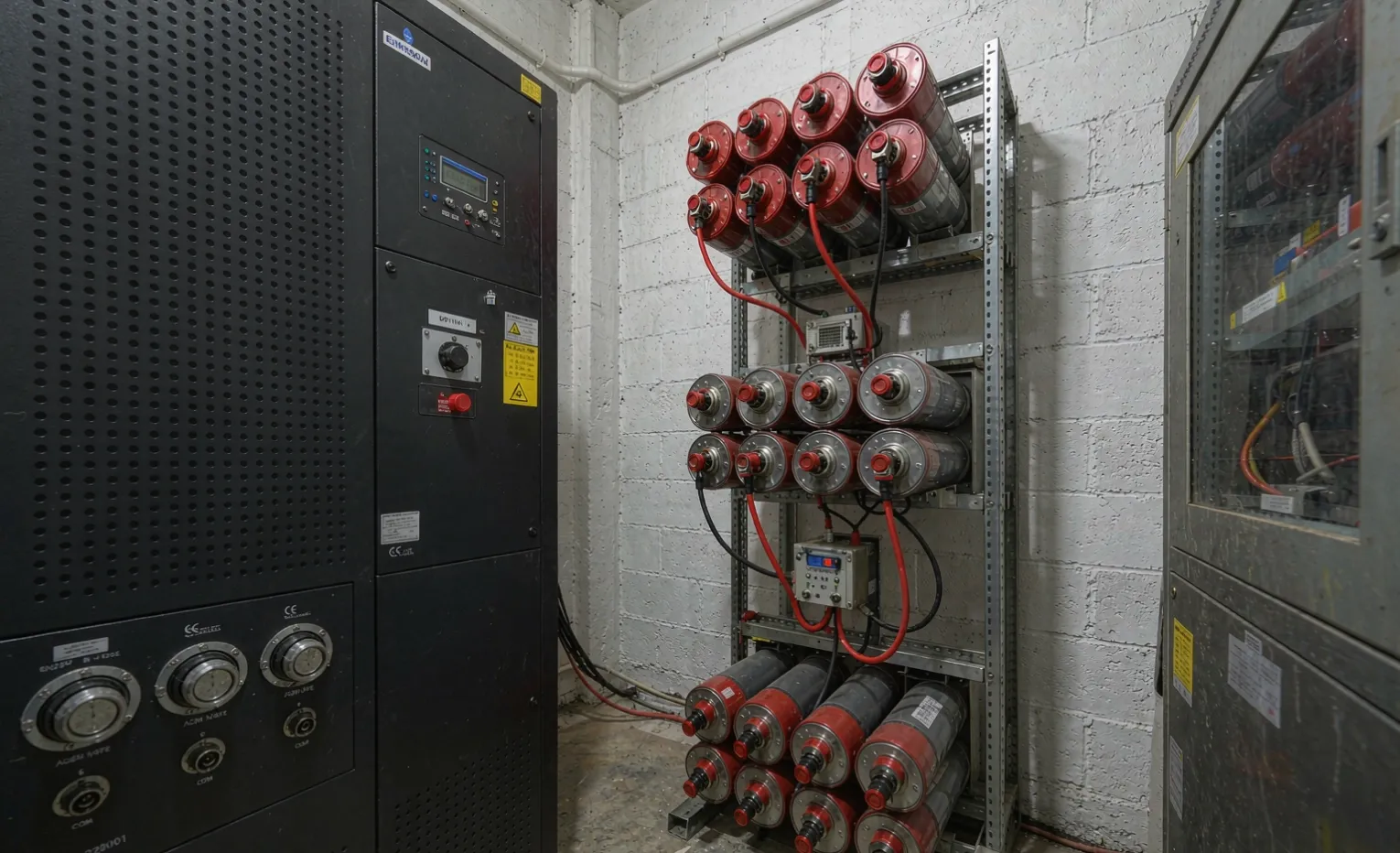
A regional water utility lost a 12-minute live outage two years after commissioning. Their UPS had carried a 40-minute monthly test without a flicker — then, during a real grid dip, it dropped a 12-minute load. The battery bank had faded to about 60% of its rated capacity. The monthly alarm had never tripped, because nothing was technically "out of spec" until it was.
We are a sourcing partner, not a UPS manufacturer, so this is not a sales pitch for a brand. It is the inspection routine we put in place after that call, and the part you can copy whether you buy from us or not.
What the alarm missed, and why
The trap is that two different tests measure two different things, and most sites only run one.
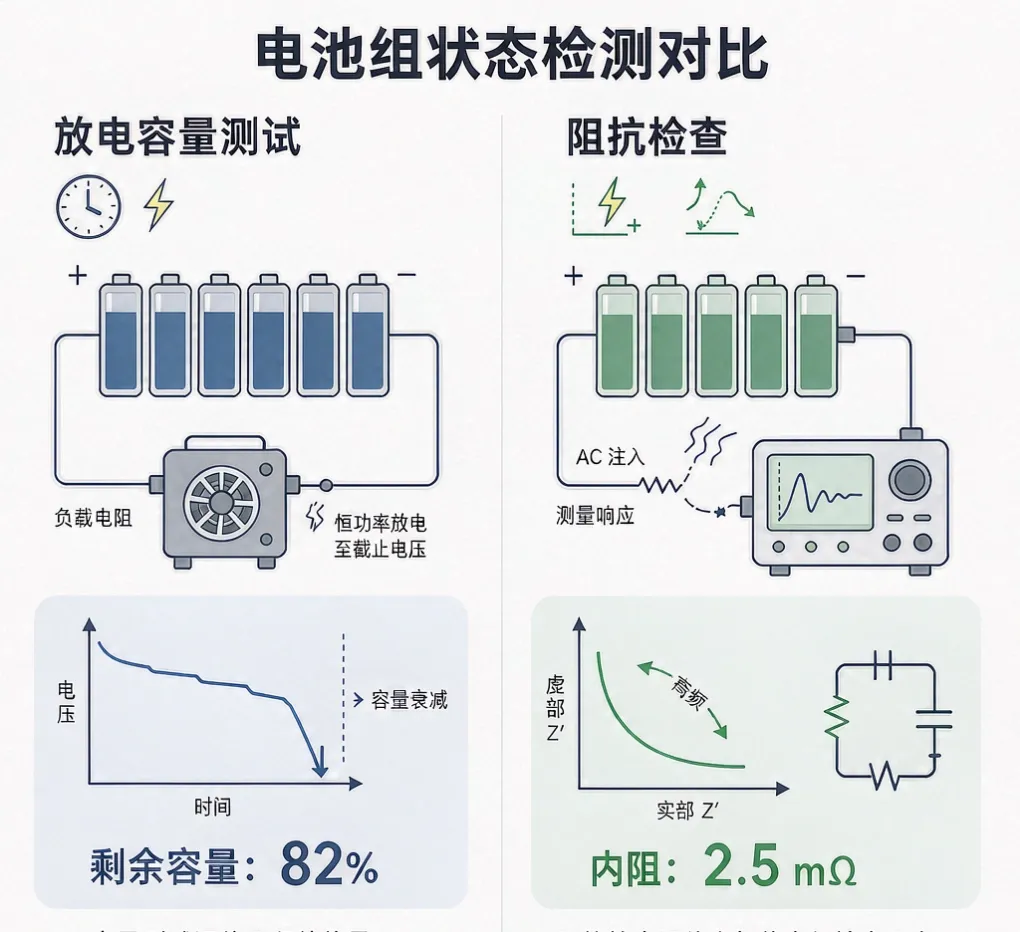
- An impedance or conductance test flags a cell that has gone internally bad — high resistance, a dead string. Fast, safe, no downtime. But it does not tell you how much energy the bank still holds.
- A capacity (discharge) test tells you the real amp-hours left — the only number that predicts whether the bank will actually ride through the next outage. It takes the bank offline and loads it to cutoff.
The water plant ran impedance checks. Every cell looked "fine" because no single cell had failed. The whole string had just quietly aged. Only a discharge test would have shown the 60%.
Buyer Decision: If your only battery check is an impedance reading, you know the cells are not dead — you do not know the bank will hold the load. Schedule a capacity test before you trust it for a real outage.
The routine that caught the next one
After the failure we rebuilt their schedule around four checks, in order of effort:
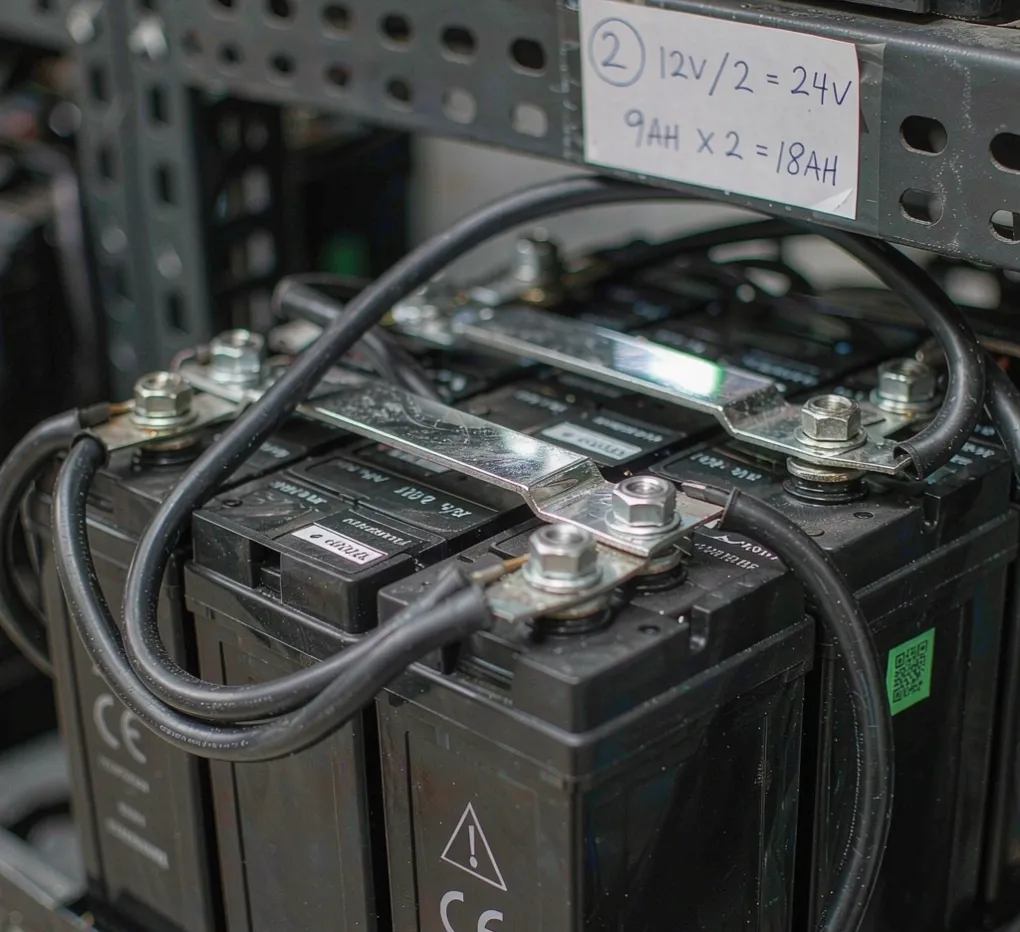
- Visual, every 3–6 months. Bulging cases, leaking electrolyte, corroded terminals, and dust on vents. A swollen VRLA block is already past its useful life — no test needed.
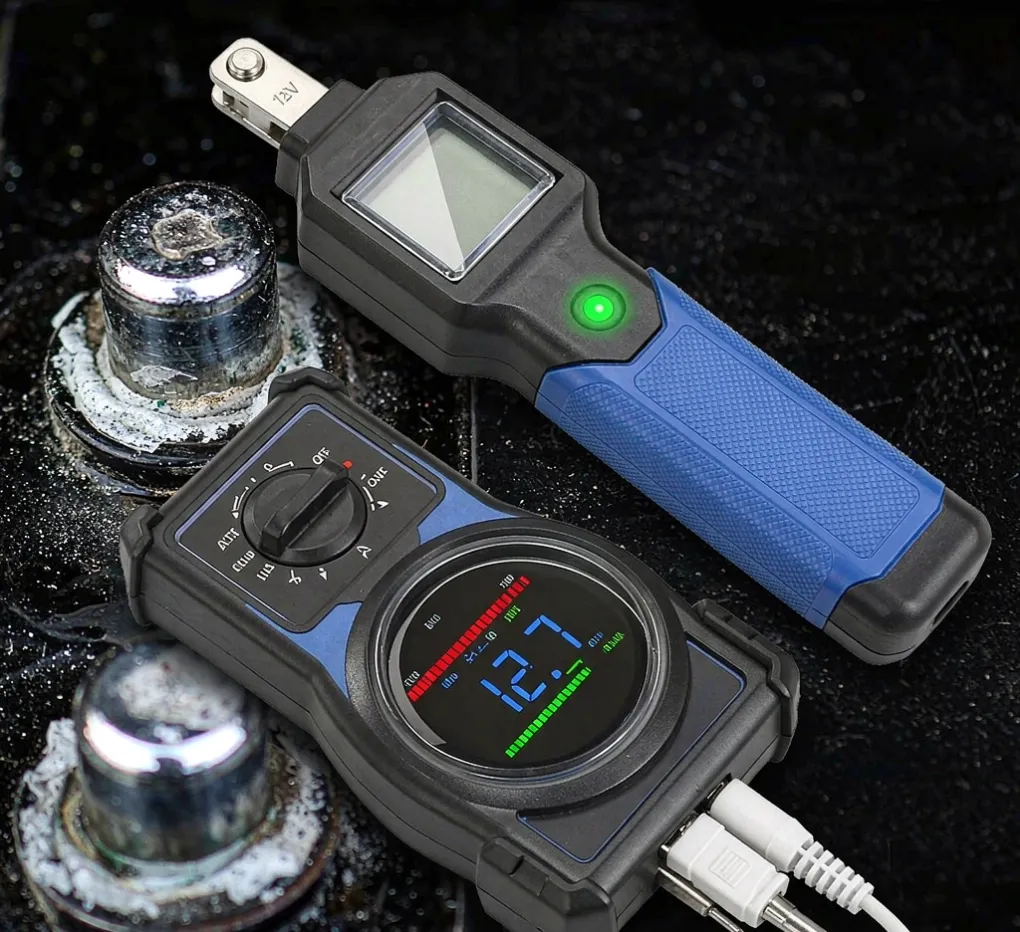
- Per-cell float voltage and temperature, every 6 months. Trend it. A cell drifting from the pack is the earliest real signal.
- Impedance trend, every 6–12 months. Watch the trend, not the single reading. A cell climbing 20% year over year is telling you something.
- Capacity (discharge) test, every 12–24 months. Load the bank to its rated current and time how long it holds above the cutoff voltage. That number is your real runtime.

The numbers that decide replacement
VRLA (valve-regulated lead-acid) batteries — the default in most industrial UPS — are rated for a design life of 3 to 5 years at a steady 25°C. The kicker is temperature: for roughly every 10°C above 25°C, the service life halves. A bank in a hot electrical room at 35°C is on a two-to-three-year clock regardless of what the label says.
Two rules of thumb we apply:
- Replace at 80% of rated capacity, not at total failure. Below that, runtime becomes a coin toss during a real event.
- Keep the room cool and the bank ventilated. The enclosure around the batteries matters as much as the cells — see our enclosure cable entry and ventilation planning guide for how we keep battery cabinets sealed yet breathable.
Check | What it catches | Downtime | How often |
|---|---|---|---|
Visual | Bulge, leak, corrosion | None | 3–6 months |
Voltage + temp trend | Early drift per cell | None | 6 months |
Impedance trend | Internal degradation | None | 6–12 months |
Capacity discharge | Real remaining runtime | Bank offline | 12–24 months |
Lithium vs VRLA in this picture
We source both. LiFePO4 lasts far longer and weighs less, but it costs more up front and needs its own battery management. For a site that struggles with room temperature or replacement discipline, lithium changes the math. For a stable, climate-controlled room, VRLA at 80%-capacity replacement is still the pragmatic call. We lay out the trade in our VRLA vs lithium UPS guide.
What to put in your RFQ
If you are buying or replacing a UPS battery bank, write these into the specification so you are not guessing later:
- Battery type and expected design life — VRLA 3–5 yr or LiFePO4 10 yr class.
- Room temperature range at the install site — it sets the real life.
- Capacity-test interval you expect the supplier or service partner to honor.
- Replacement trigger — we recommend 80% of rated capacity.
- Spare blocks kept on hand, because a same-week replacement beats a two-week wait during a failure.
FAQ
How often should I capacity-test UPS batteries? Every 12–24 months for VRLA. Impedance alone is not enough — it misses whole-string age fade, which is what actually drops the load.
Is an impedance test good enough? For spotting a dead cell, yes. For predicting runtime through a real outage, no. You need a discharge capacity test for that.
At what capacity should I replace the bank? Around 80% of rated capacity. Past that, runtime gets unpredictable exactly when you need it.
Do hot rooms really halve battery life? Roughly yes — about every 10°C above 25°C cuts VRLA service life in half. Room temperature is the single biggest lever.
Should I switch to lithium? If your room runs hot or your replacement discipline is weak, lithium's longer life pays back. In a stable, cool room, VRLA at 80% replacement is still the sensible default.
Can I keep the UPS running during a capacity test? No — the discharge test takes the bank offline and loads it. Plan it during a maintenance window, and confirm your maintenance bypass lets the load run without the UPS.
Buyer Takeaway
An impedance check tells you the cells are not dead. A capacity test tells you the bank will hold the load. The water plant learned the difference during a real outage; you can learn it on a schedule instead. Put the four-check routine in place, replace at 80%, and keep the room cool — and the next blackout is boring instead of expensive. Our industrial UPS systems page shows how we build battery banks into the wider package, and the enclosure and UPS sourcing guide covers the rest of the spec.
Upload your battery specification for an engineering review — we will flag the gaps (type, room temp, test interval) before you buy, not after. Send your requirements here.