
Oct 21, 2026Buying Guides
Enclosure Cable Entry Planning: Where the Holes Go Before the Box Ships
Plan enclosure cable entries before fabrication: gland plate vs conduit, knockout sizing, seal continuity, and the 5 assumptions that break the IP rating at FAT.
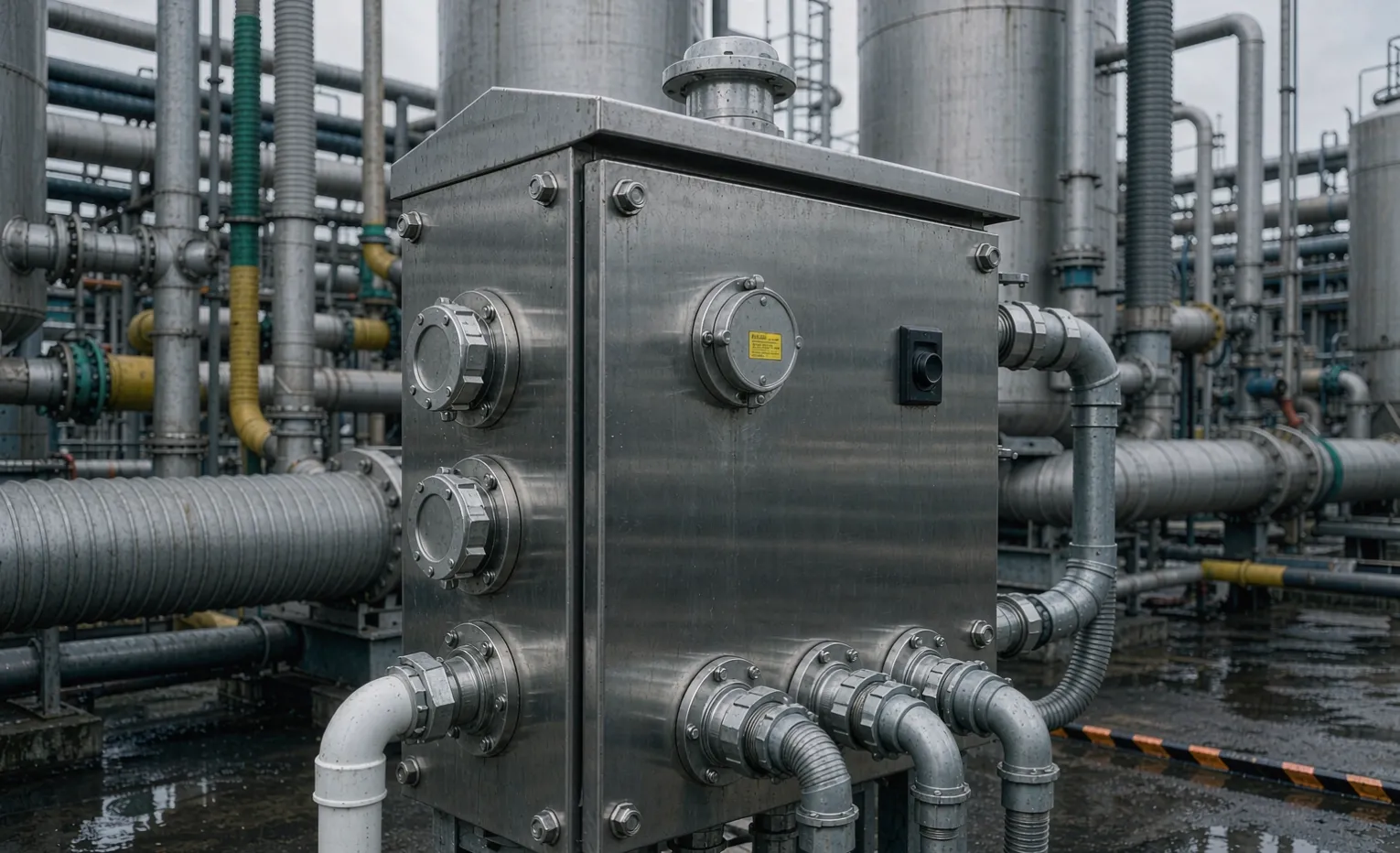
Cable entries are the weakest point of any enclosure's seal. Most leaks, corrosion, and Factory Acceptance Test (FAT) rejections I see trace back to cable entries planned after the box was already built, not before. Get the holes right on the drawing, and the rest of the enclosure is easy. Get them wrong, and you are drilling blind into a painted, gasketed shell you cannot un-build.
We are a sourcing partner and panel-build shop, not a manufacturer, so we do not dictate your plant layout. But we review a lot of drawings, and the same five mistakes show up again and again. Here they are, and what to do instead.
Myth 1: "Just drill holes where the cables happen to land"
The reality: every hole you cut into a NEMA 4X / IP65 enclosure is a deliberate puncture of the seal. Random field drilling shreds the powder coating, breaks the gasket continuity, and leaves you with a bare steel edge that rusts from the inside out.
Plan entries on the drawing. Decide how many cables, what size, and from which face. A removable gland plate—a bolt-on plate you can pre-punch in the shop—beats cutting into the body every time. It keeps the main shell intact and lets you reconfigure later without touching the seal.
Buyer Decision: Before you approve a drawing, count the cable entries. If the number is "we'll figure it out on site," the box is not ready to ship.
Myth 2: "A cable gland is a cable gland."
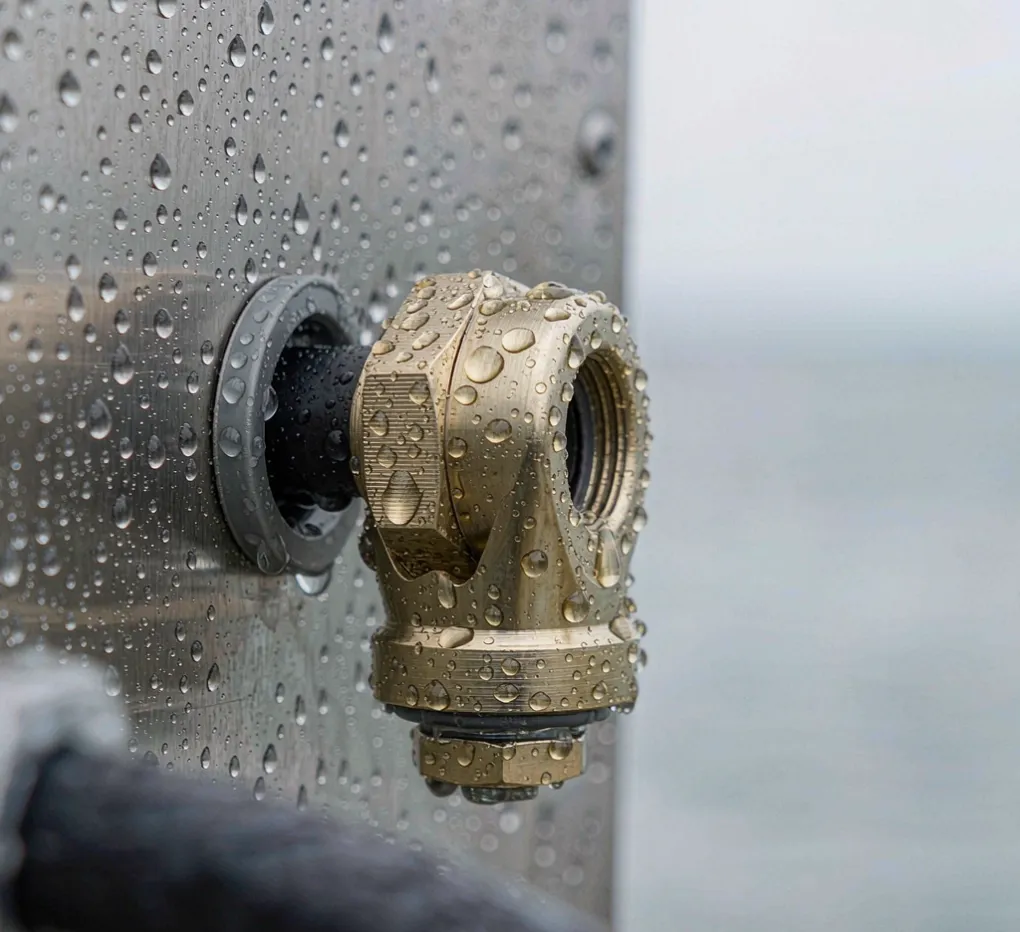
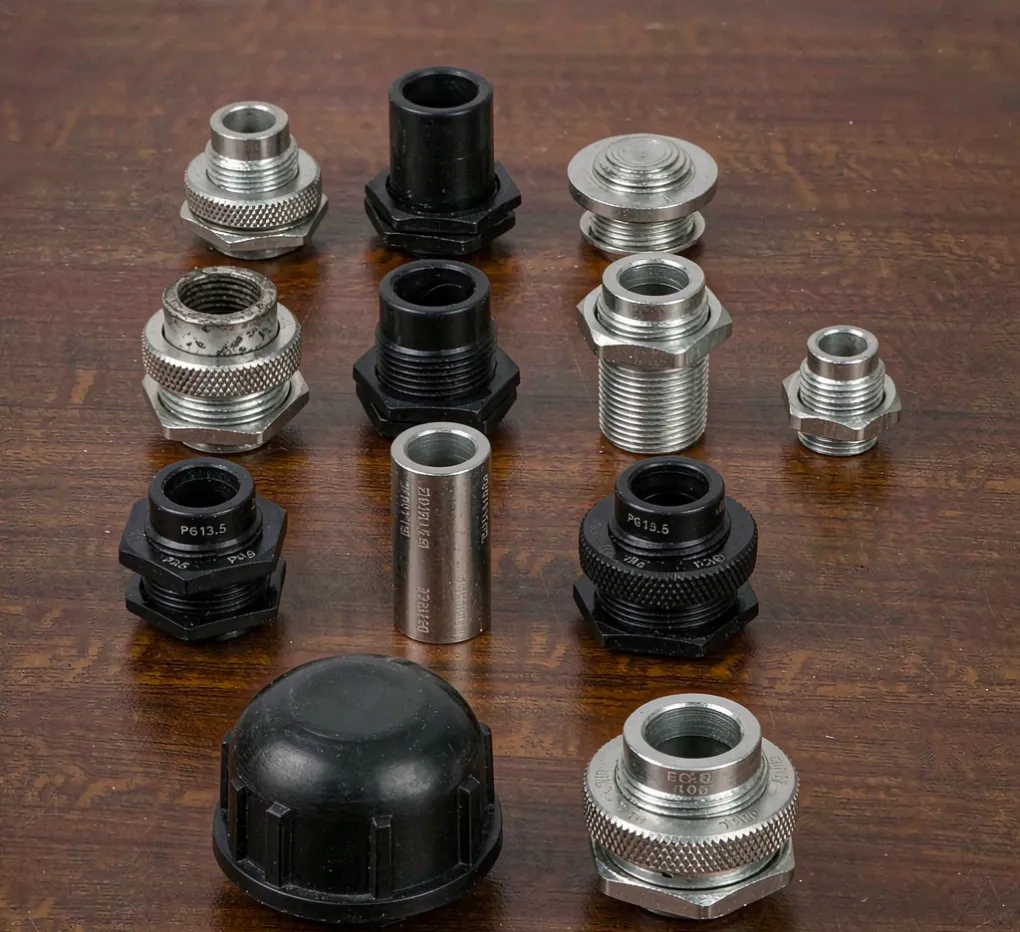
The reality: the gland is what actually holds the IP rating, not the hole. A brass or stainless compression gland with a properly sized seal insert keeps water and dust out; a cheap nylon press-fit fitting does not, especially after a few thermal cycles.
Match the gland to the cable diameter and the thread standard. Most industrial enclosures use metric M threads or PG; if your site runs conduit, you need NPT or a conduit adapter, not a forced fit. Get this wrong and the entry leaks even with a perfect gland plate.
Myth 3: "More knockouts = more flexible"
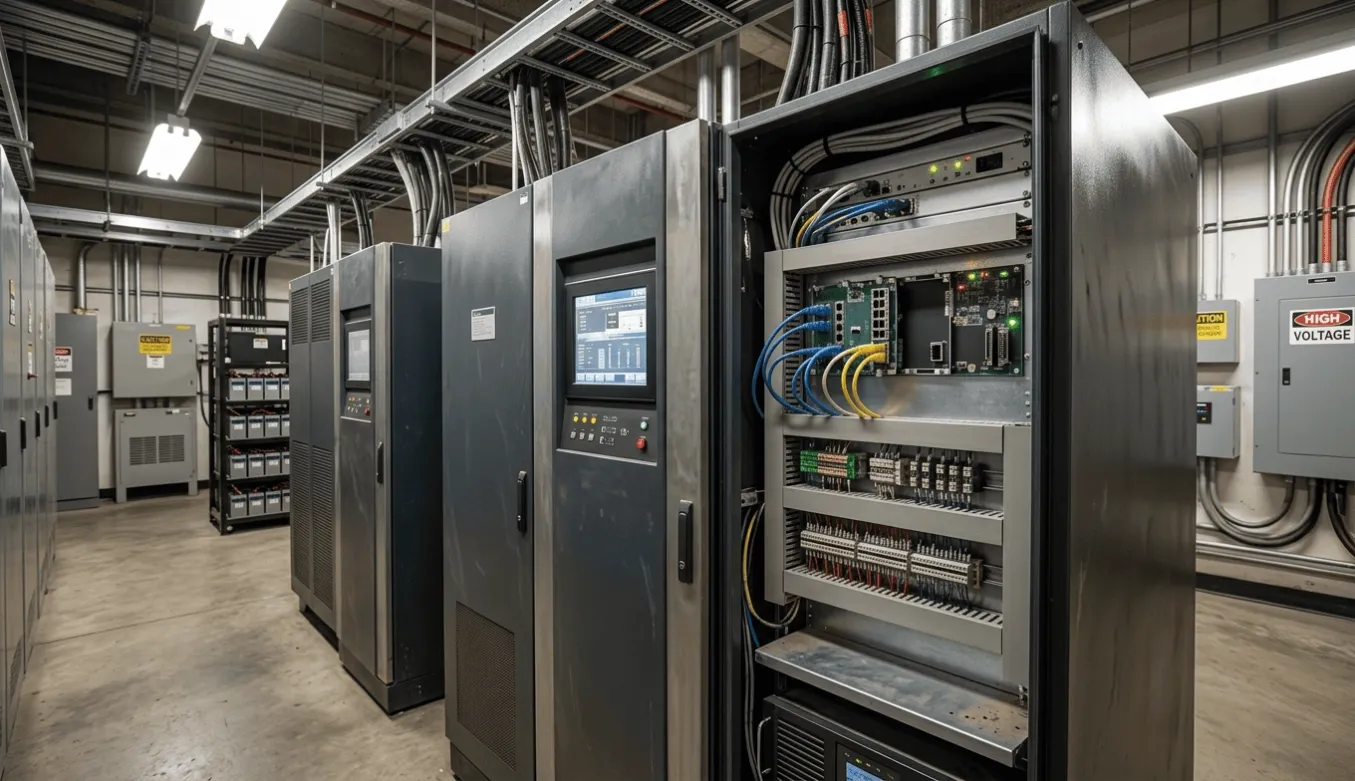
The reality: every open knockout you do not use is a future leak path, and every one you do use needs a blanking plug rated for the same IP. I have seen enclosures fail FAT because three unused knockouts were plugged with non-rated plastic caps that popped under the hose test.
Specify only the knockouts you will use, and call out rated blanking plugs for the rest. Less is more here.
Myth 4: "Conduit solves everything"
The reality: conduit protects the cable, but the point where conduit meets the enclosure is still a seal you have to get right. A conduit entry that is not glanded or properly sealed becomes a water channel straight into the box during a washdown or driving rain.
For food, water, and outdoor sites, treat the conduit-to-enclosure transition as a rated entry in its own right. Pair it with a proper sealing washer or a conduit gland rated to the same NEMA 4X / IP65 (IEC 60529) as the enclosure.
Myth 5: "The material of the box does not affect the entries."
The reality: it absolutely does. Carbon steel, 304, and 316 stainless each react differently to cut edges and coastal air. We do not work in aluminum for enclosures—it does not hold up in the harsh sites our buyers run. A 316 box with a raw carbon-steel gland plate will develop a galvanic corrosion line at the seam within a season.
Keep the entry hardware in the same family as the body, or one step up. For a 316 body, use 316 or coated fittings. For galvanized carbon steel, match the coating.
What you assume | What actually happens | What to specify |
|---|---|---|
Drill on-site later. | The coating is torn, the gasket is broken, and rust starts. | Gland plate pre-punched in shop |
Any gland fits. | Leak at the seal after thermal cycles | Gland sized to cable + correct thread |
Extra knockouts help. | Unused ones leak at FAT. | Only used holes + rated plugs |
Conduit is the seal. | Water channels into the box. | Rated conduit-to-box transition |
Box material is separate. | Galvanic corrosion at the seam | Entry hardware matches body grade. |
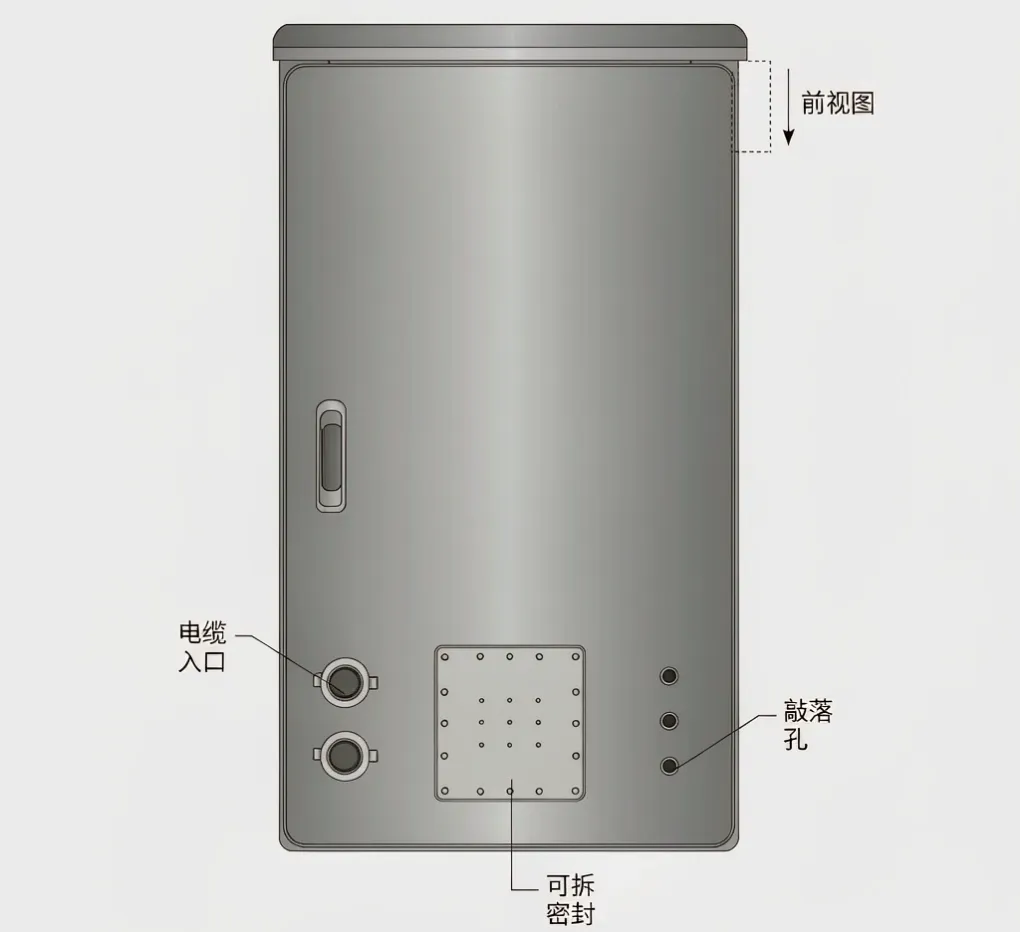
Engineering Note: The IP rating is a system, not a sticker. The enclosure body, the gland, the plate, and the sealing washers all have to be rated to the same level or the weakest part sets the number.
The facts that should be on your drawing
A few things we confirm on every enclosure we source, so you can put them in your RFQ:
- Material: carbon steel, 304, or 316 stainless, or hot-dip galvanized. No aluminum—it does not survive the sites our buyers run.
- Rating: IP65 or NEMA 4X for outdoor, washdown, and coastal duty. They are not the same test; ask for both callouts.
- Lead time: empty enclosures typically run a 5-unit minimum and about 15 days. A full control panel built around the enclosure starts from one unit after drawing and bill-of-materials review, roughly 35–40 days. Component orders ship in 3–5 days.
- Certification: we find a UL-listed shop per order when a UL 508A listing is required—we are not one ourselves.
Plan the entries against those constraints, and the FAT goes quiet.
FAQ
How many cable entries should I plan for?
Plan for the cables you know plus roughly 20–30% spare capacity on a gland plate, not random knockouts. Spare-rated entries beat spare holes you have to plug.
Gland plate or direct drilling into the body?
A removable gland plate almost always. It protects the main shell's coating and gasket and lets you change the entry layout without cutting the box.
Metric M, PG, or NPT—which do I need?
Match your site. Metric M and PG dominate industrial enclosures; NPT is common where conduit is the standard. Mismatched threads are the fastest way to a leaking entry.
Do unused knockouts fail FAT?
They can. If the plug is not rated to the same IP as the enclosure, the hose test finds it. Specify rated blanking plugs or leave the knockout unpunched.
Can I add entries after delivery?
You can, but field drilling breaks coating and gasket continuity and usually voids the rating. Far cheaper to plan it on the drawing.
What about EMC continuity at the entry?
A conductive gland and bonded plate maintain shield continuity; a plastic fitting does not. If your panel has sensitive signals, specify EMC glands—we cover that in our enclosure shielding guide.
Engineering Takeaway
Cable entries are planned, not discovered. Put the holes, glands, and plates on the drawing before fabrication, match the hardware to the body grade and the rating, and your enclosure keeps its seal through FAT and years on site. The enclosure sourcing guide walks through the rest of the spec; the electrical enclosures solution page shows what we build around.
Upload your drawing for an engineering review—we will flag entry problems before the box is cut, not after. Send your requirements here.