
Sep 22, 2026
Why Industrial UPS Batteries Fail Years Before Their Rated Life
A 5-year VRLA battery dying in 18 months is rarely a bad batch. Heat, float voltage, discharge depth and one weak block explain most early failures. Here is what we check first.
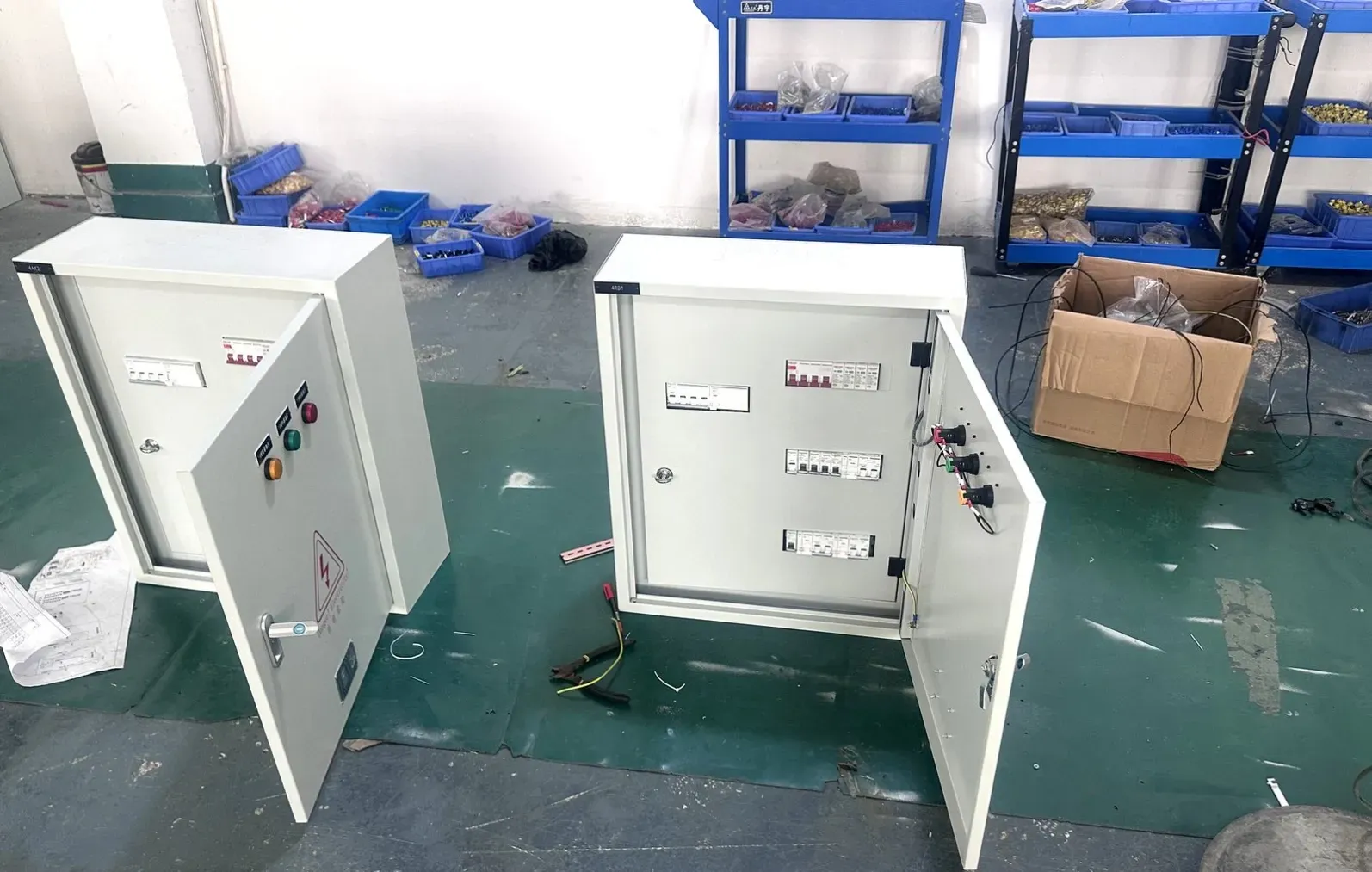
Your UPS batteries are rated for 5 years of float service, but the first replacement comes at 18 months. In most panels we inspect, the batteries are not the problem — the operating conditions inside the panel are. Heat, wrong float voltage, repeated deep discharges and one weak block in the string account for the overwhelming majority of early VRLA failures, and every one of them is measurable before the battery is "dead".
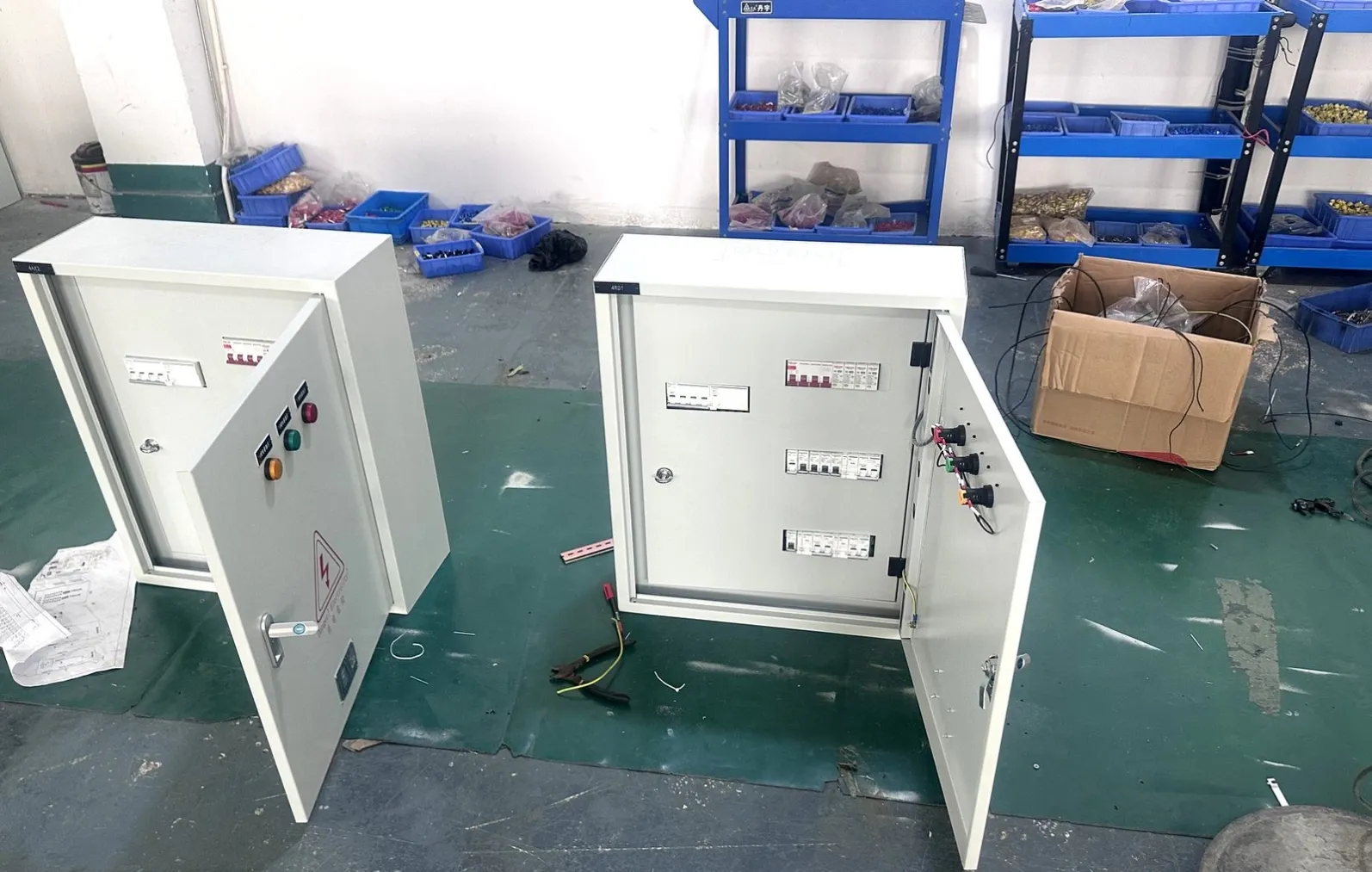
The four failure drivers, and what to check
We source and integrate industrial UPS units into control panels for OEMs and system integrators — carbon steel, 304–316 stainless or galvanised enclosures, IP65 or NEMA 4X, with UL-listed facilities sourced per order. On every service call for "short runtime", we run the same four checks before quoting new batteries.
Symptom on site | Real cause | What to measure |
|---|---|---|
Runtime shrinks year over year, UPS self-test passes | Panel interior above 30°C most of the day | Battery compartment temperature (not room temperature) |
Runtime drops suddenly, UPS alarms on discharge | One weak block dragging the series string | Block-by-block voltage under load |
Batteries swell, hiss, or dry out | Float voltage set too high for the cell type and temperature | Float voltage at the battery terminals |
New batteries never reach rated runtime | Sizing matched the original load, not today's load | Actual continuous load vs design load |
1. Heat is the number one killer
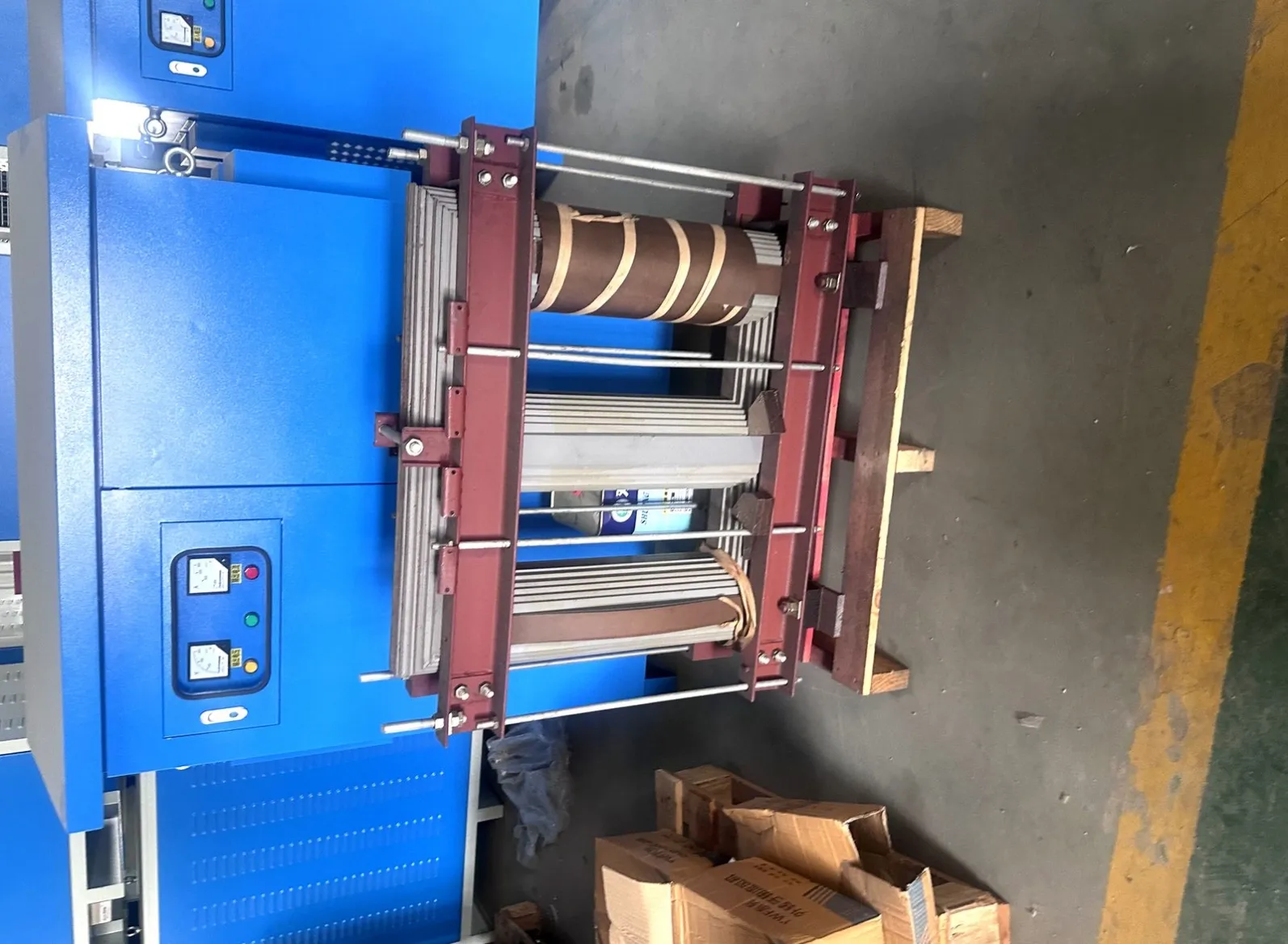
Valve-regulated lead-acid (VRLA) batteries are rated for a service life at 20–25°C. The widely used rule of thumb: every 10°C above 25°C roughly halves the expected float life. A battery rated for 5 years at 25°C will realistically deliver 12–18 months in a panel that sits at 40°C — which is normal for a sealed enclosure next to VFDs in a plant with no air conditioning.
The catch: most people measure the room, not the battery. A floor-standing enclosure in direct sun, or a wall-mount board above a heat source, can run 10–15°C above ambient.
Check: log the temperature inside the battery compartment for a week. If it averages above 30°C, either ventilate the panel, move the batteries to a cooler zone, or accept the shortened life and budget the replacement cycle accordingly.
2. Float voltage: too high dries them out, too low sulfates them
A 12 V VRLA block wants approximately 13.5–13.8 V of float charge at 25°C (about 2.25–2.30 V per cell). Set it higher and the electrolyte steadily loses water through gas recombination that cannot keep up — the block dries out. Set it lower and lead sulfate crystals that form on every discharge never fully convert back, a process called sulfation that quietly eats capacity.
Two details matter on site:
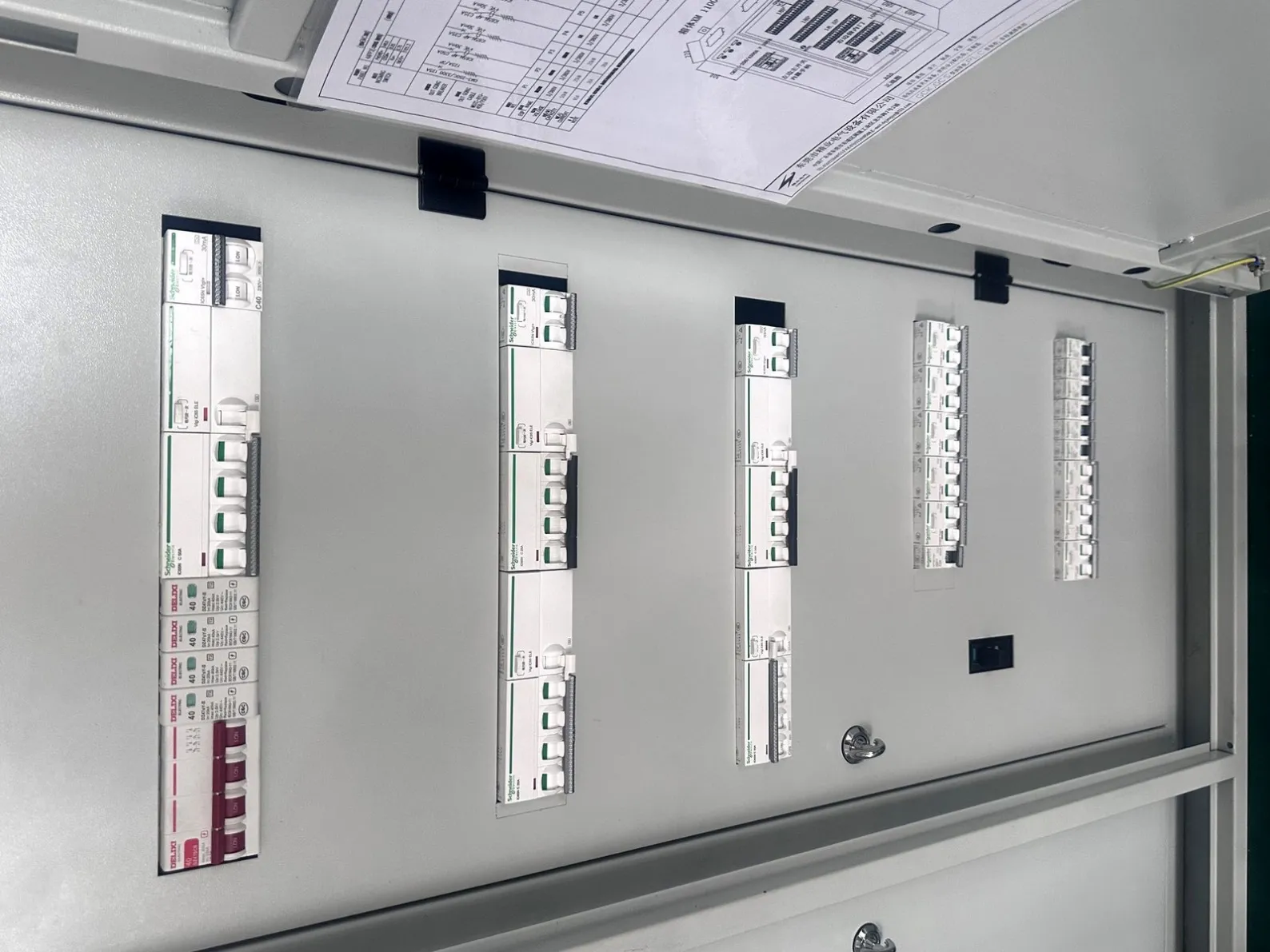
- Measure at the battery terminals, not at the UPS display. A corroded or loose connection between them shows a healthy charger voltage while the battery sees less.
- Float voltage needs temperature compensation — roughly −3 mV per °C per cell on most VRLA datasheets — which cheap chargers simply do not implement. In a hot panel, a fixed 13.8 V float overcharges by a meaningful margin.
Check: measure each block's float voltage at the terminals with a multimeter and compare against the charger's setting minus line losses.
3. Deep discharges shorten life faster than calendar age
VRLA cycle life depends heavily on discharge depth. Typical figures from battery datasheets: on the order of 200–300 cycles at 100% depth of discharge, versus well over 1,000 cycles at 30% depth. A UPS sized generously so that a real outage only pulls the battery down 20–30% will age far slower than one that rides through every dip at nearly full depth.
The trap here is load creep. The UPS was sized for the panel as built; two years later someone added a second PLC rack, a router and a set of instruments, and nobody re-checked the load budget. The same outage now discharges the string twice as deep.
Check: list everything drawing power from the UPS today and compare against the original sizing. Our UPS backup time sizing guide covers the sizing math; if the load has grown past roughly 70% of design, the discharge depth is eating the batteries.
4. One weak block caps the whole string
Industrial UPS strings are series connections of 12 V blocks. Capacity of a series string is limited by the weakest block — one sulfated or dried-out 12 V block drags the entire string's usable runtime down with it, even if eleven blocks test fine individually.
This is also why "the UPS passed its self-test" proves little: a self-test checks voltage and basic function, not capacity.
Check: measure block voltages while the UPS is discharging into a real or simulated load. A healthy string stays within roughly 0.3–0.5 V block-to-block. Any block that sags markedly under load is the replacement candidate.
Pre-replacement checklist
Before ordering a full set of batteries, work through this:
- Log battery-compartment temperature for at least a week.
- Measure float voltage at every block terminal, charger setting noted.
- Confirm the charger implements temperature compensation (or note that it does not).
- Reconcile today's connected load against the original UPS sizing.
- Discharge-test block voltages under load and log block-to-block spread.
- Check battery date codes — blocks stored more than 6 months before installation were already sulfating (VRLA self-discharges around 3% per month at 20°C and needs a recharge roughly every 6 months in storage).
- Check torque on terminations — a high-resistance joint both heats locally and skews block voltage readings.
FAQ
How long should VRLA batteries actually last in an industrial UPS? Three to five years at a stable 20–25°C with correct float voltage. In a panel averaging 35°C+, expect 1.5–2.5 years regardless of brand. Heat-corrected expectations prevent "bad batch" misdiagnosis.
Can I replace just the weak block instead of the whole string? Yes, if the replacement matches type, capacity and age class closely. Mixing a new block with 4-year-old blocks shortens the new block's life, because it compensates for the others' weaknesses. For strings older than 3 years, replacing the full string usually costs less over the next cycle.
Why does the UPS show "battery OK" but runtime is still short? Self-tests verify voltage, not capacity. A sulfated battery can show correct float voltage and still hold a fraction of rated amp-hours. Only a controlled discharge test reveals true capacity.
What float voltage should I set? Follow the block datasheet — commonly 13.5–13.8 V per 12 V block at 25°C, reduced roughly 3 mV per °C per cell as temperature rises. When in doubt, measure battery terminal voltage against the datasheet's 25°C value.
Does switching to lithium solve this? It changes the failure profile rather than eliminating it: lithium iron phosphate tolerates heat and deep cycling far better and often outlasts two VRLA sets in a hot panel, but it needs a proper BMS and compatible charging profile. We wrote a full comparison in VRLA vs lithium UPS battery selection — the right answer depends on panel temperature and cycle frequency, not chemistry fashion.
How often should UPS batteries be tested? Quarterly: visual check (swelling, corrosion) plus block voltage log. Annually: a controlled discharge test against the actual load. Any block drifting out of range gets flagged for monitoring or replacement.
Is it OK to mount the UPS batteries in the same enclosure as the VFDs? It works, but it costs battery life — VFD heat and switching noise both act against the batteries. If the panel must stay sealed for IP65 or NEMA 4X reasons, plan the battery replacement cycle around the measured compartment temperature rather than the datasheet rating. Our control panel build service sizes and separates battery compartments for exactly this reason.
Talk to us before the next battery order
If your runtime is shrinking, measure the four items above first — the batteries may not be what needs replacing. We integrate industrial UPS into control panels, source VRLA and lithium options per project, and ship components in 3–5 days. See what we check before a panel ships in why a control panel passes FAT but fails on site, or contact us at https://www.uniregal.com/contact.