
Sep 29, 2026Buying Guides
UL Listed Control Panels from China — Sourced Through a Foshan Partner
UL listed control panels from China are a sourcing question, not a factory question. How the Listed-vs-Recognized trap works, what the document package must contain, and how a Foshan partner runs the
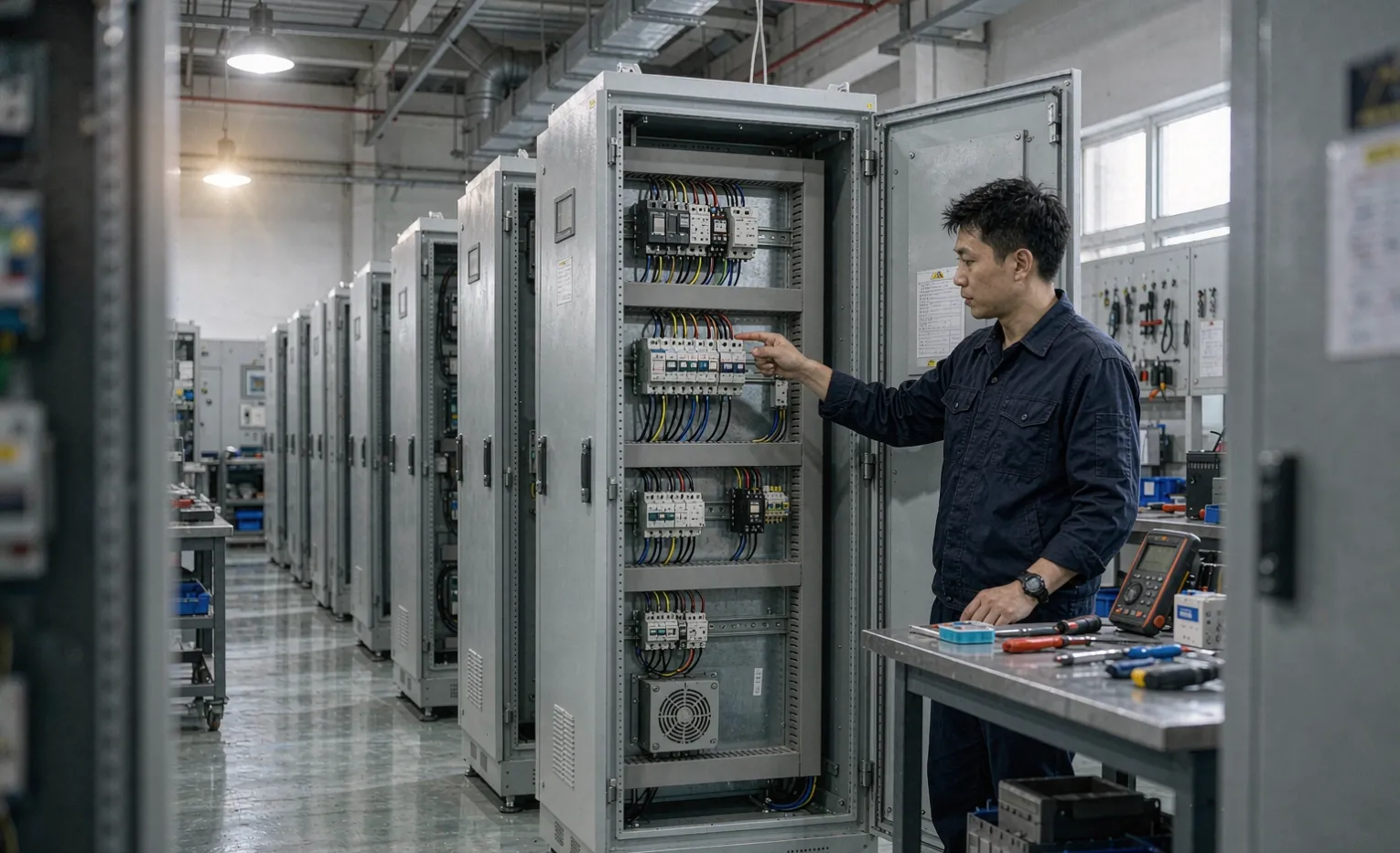
UL Listed Control Panels from China—Sourced Through a Foshan Partner
Every week someone asks us the same question in a slightly different shape: "Can I even get a UL-listed control panel out of China, or is that asking for trouble at commissioning?"
Short answer: yes, you can—and buyers do it every month. But the way most people go about it is backwards. They shop for a factory first and ask about the UL file later. That's exactly how panels end up stuck at customs or rejected by the inspector who takes one look at the label and asks, "Listed by whom, under which file number, for which scope?"
Here's the reframe that will save you a project: when you buy a UL-listed panel from China, you are not buying sheet metal and wiring. You are buying a UL file number, a scope match, and a paper trail that survives the ocean crossing. The metal is the easy part.
This guide walks through how that actually works when you source through a Foshan partner—what to ask, where the quotes quietly cheat, and which documents have to be in the box. For the supplier-verification side (how to check a shop's listing before you pay anything), read our UL 508A control panel buyers guide for export projects — this article is the process companion to it.
What "UL listed from China" actually means—three different products, three different prices
Here's the part nobody puts on the first page of a quote. "UL" can mean three completely different things, and suppliers exploit the ambiguity:
- UL Listed assembly (UL 508A). The complete industrial control panel was built under a panel shop's UL 508A listing, carries the UL 508A mark, and the shop's file number covers it. This is what most North American inspectors, AHJs, and insurers expect. It's also the most expensive of the three, because the shop's whole process is audited for it.
- UL-recognized components only. The breakers, contactors, and power supplies inside are UL Recognized—but the panel as an assembly is not listed. To an untrained eye the quote looks identical. It is not. A panel with only recognized components has no UL 508A listing mark, and plenty of inspectors will bounce it.
- UL-listed enclosure only. The box meets UL 50E. Nothing is said about the wiring inside. Buyers who need a panel but read "UL listed" on the enclosure spec sometimes don't notice until it's too late.
The real kicker: the price gap between option 1 and option 2 is often 10–20%, and option 2 is what shows up when the quote is suspiciously cheap. If a supplier's quotation says "UL components" instead of "UL 508A listed panel—file no. ___," you now know why.
So before you send an RFQ anywhere, answer this for yourself: do you need the assembly listed, or do you genuinely only need Recognized components because your own team builds the panel? Both are legitimate. Paying for the wrong one wastes money; receiving the wrong one when you needed the other kills your schedule.
Who actually builds your panel?
Full disclosure, because it shapes everything below: We are a sourcing partner, not a manufacturer. UniRegal doesn't own the panel line—what we own is the matching problem. For UL 508A work, we match your drawings to Foshan builders that already hold a current UL 508A listing, confirm the file number and its scope before anything gets cut, and manage the build, FAT, and export packing through one point of contact.
Why does the partner model exist at all? Because a single UL-listed shop in China is optimized around its own capacity, its own standard builds, and its own schedule. If your project needs low volume, mixed scope—say, UL 508A panels plus IP65/NEMA 4X stainless enclosures plus spare drives—one shop rarely covers all of it well. A partner prices the same build across multiple vetted shops and moves the spec, not the project, when one shop can't hold scope.
If you want the full framework for judging any supplier this way, our motor control panel supplier checklist covers the seven questions to ask before you commit.
Which mark will your inspector actually ask for?
Most export buyers conflate several UL standards. This is the table we send with every RFQ:
Standard | Covers | When you need it |
|---|---|---|
UL 508A | Industrial control panels as an assembly | PLC/drive/motor-control panels for US/Canada plants—the default for machine builders and SIs |
UL 67 | Panelboards / distribution boards | Main power distribution, not machine control |
UL 698A | Intrinsic-safety / hazardous-location interfaces | Class I Div 1/2 areas—oil & gas, chemical, grain handling |
UL 50E | Enclosures only | When you're buying bare IP/NEMA cabinets, not a wired panel |
Two things people forget. First, the enclosure standard and the panel standard are separate—a UL 50E box does not make the panel inside listed. Second, if the panel feeds motors, ask about the short-circuit current rating (SCCR)—the listed mark is only valid for the SCCR stated on the nameplate, and underspecified SCCR is a classic commissioning-day failure. For the formal definition of the standard itself, UL's UL 508A page is the source of truth; don't rely on a salesperson's paraphrase.
Not sure which one your site needs? That's a two-email question, not a research project. Send the application—we'll tell you which mark the inspector will ask for.
How the sourcing process works, step by step
This is the whole process through a Foshan partner, with the failure point at each stage:
1. You send the spec—or a brief we turn into one. Duty, environment, enclosure material (carbon steel, 304/316 stainless, or galvanized—we don't do aluminum), IP/NEMA rating, component list, and single-line diagram if you have one. Where it goes wrong: buyers send a nameplate photo and the words "same as last time." Every ambiguity becomes a supplier assumption, and assumptions are where the scope quietly changes.
2. We match the build to a UL-listed Foshan shop. Not the cheapest shop—the shop whose listing scope matches your panel type, at the right price. Where it goes wrong: direct buyers pick a shop first and discover at FAT that the shop's listing covers switchboards, not industrial control panels.
3. We confirm the UL file number and scope in writing. Before any steel is cut: the file number, what construction it covers, the target SCCR, and who applies the label. Where it goes wrong: verbal assurances. "We are UL certified" is not a sentence; a file number is.
4. First article and FAT. The first unit gets reviewed against the spec before volume—wiring verification, insulation resistance, point-to-point I/O, and functional testing of drives and contactors. FAT records are included with every build we manage. Where it goes wrong: skipping FAT to save a week. The cheapest week you'll ever regret saving.
5. The document package travels with the shipment. More on this below, because it's the part buyers consistently underestimate.
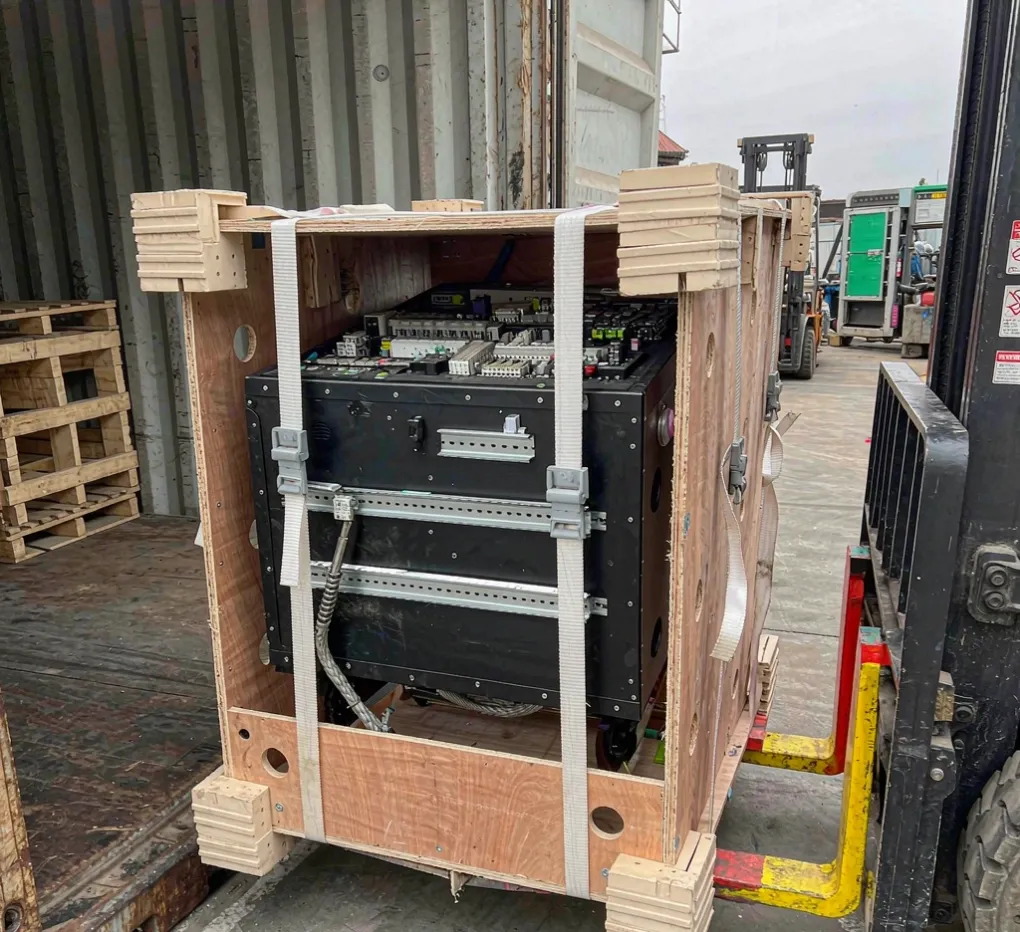
6. Export packing and shipping. Crated, strapped, moisture-protected, shipped with the doc set customs, and your inspector expects.
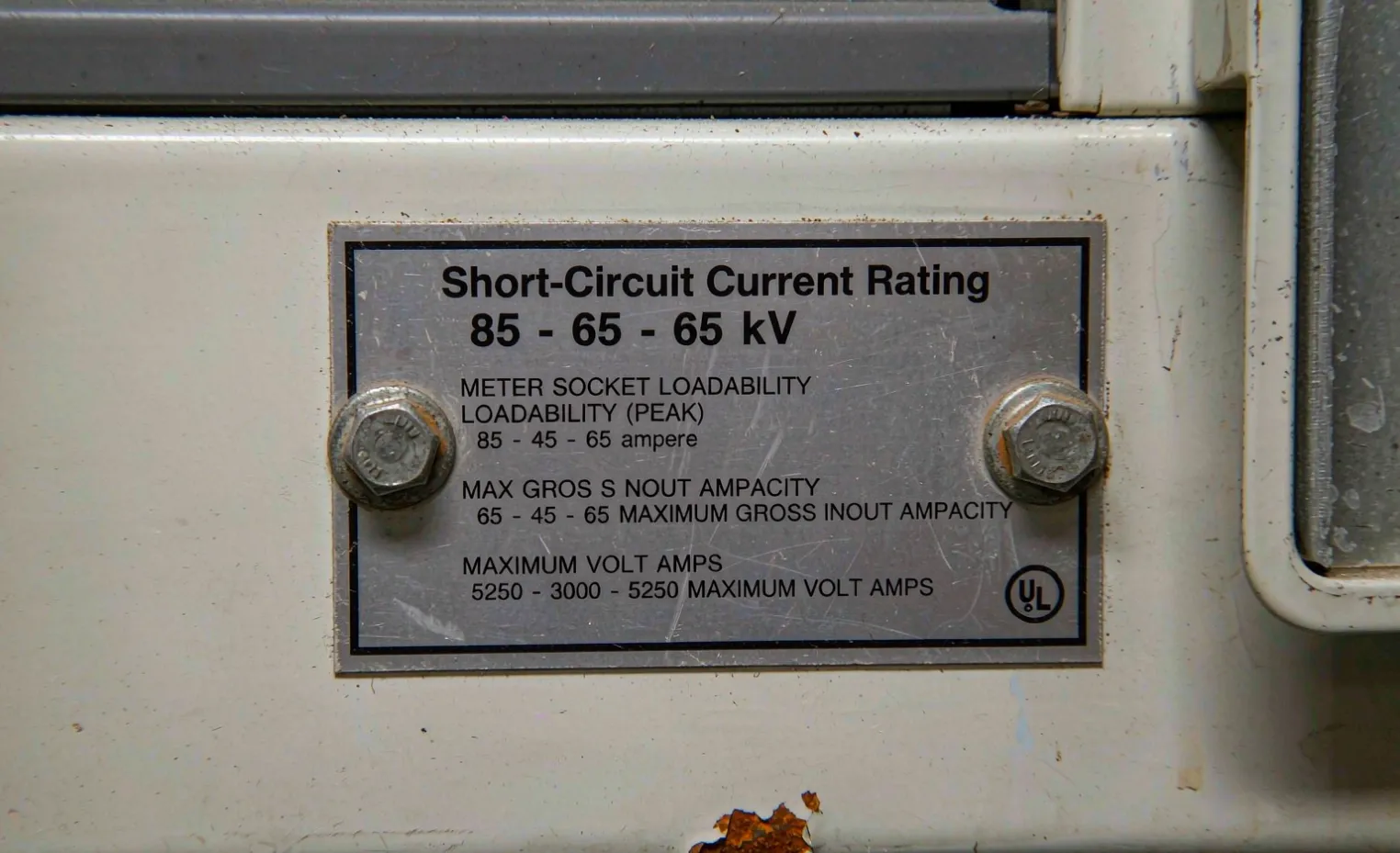
The document package IS the product.
When a UL-listed panel lands in North America, the metal proves nothing by itself. The paperwork is what makes the listing real to the people who matter. Every build we manage ships with:
- The UL file number and listing reference for the panel shop—verifiable before you pay, not after
- As-built wiring diagrams—not the sales drawing, the one the panel was actually built to
- BOM with component brands and part numbers—so your maintenance team can source spares later without guessing
- FAT records—insulation resistance, point-to-point, functional test results
- Material certificates for the enclosure (mill certs for 304/316, not just the word "stainless")
- Export documents—packing list, commercial invoice, and whatever your importer of record needs for customs
Here's the test we apply before anything leaves. Foshan: If your inspector called tomorrow and asked you to prove this panel is what the label says it is, could you hand over one folder and end the conversation in five minutes? If the answer is no, the shipment isn't ready.
For a deeper dive on why paperwork failures sink projects, our control panel FAQs on lead time, certification, and testing covers the questions we hear most from first-time importers.
Lead time and MOQ, stated plainly
Most quotes you'll see bury this in fine print, so here are our numbers, which have been stable for months:
- Complete control panels (UL 508A or not): from 1 unit, lead time 35–40 days after your drawings and BOM pass review. The review isn't bureaucracy—it's where 80% of later problems get caught.
- Bare enclosures (IP65/NEMA 4X, carbon steel, or 304/316): MOQ from 5 units, 15–20 days.
- Stock components (Mitsubishi, Siemens, ABB PLC/HMI/VFD, and spares): ship in 3–5 days.
Note what's not in there: a surcharge for small quantities. If a supplier quotes a great unit price at MOQ 50 and you need five, you're not saving money—you're buying inventory you'll store at your own cost.
A quote we declined to match
A food-equipment OEM came to us last quarter with a competitor's quote in hand: same panel spec on paper, 22% below ours. They asked, fairly, whether we could get close.
We asked for the competitor's quote to see what was actually priced. Two lines told the whole story: it said "UL recognized components"—not a UL 508A listed assembly—and the SCCR line was blank. The buyer's machines were destined for a US plant where the AHJ absolutely requires the listed mark.
We declined to match. Instead we explained the two lines and told them what would happen at commissioning if they shipped option 2: the inspector red-tags the panel, the machine can't power up, and the fix is either a rebuild in the US at whatever price a local shop names or a redo with us—three months later than planned.
They ordered from us. Not because we were cheap — we were 22% more expensive — but because the expensive quote was the only one that described the product they actually needed. A quote that's silent about the listing scope isn't a discount. It's a different product wearing the same name.
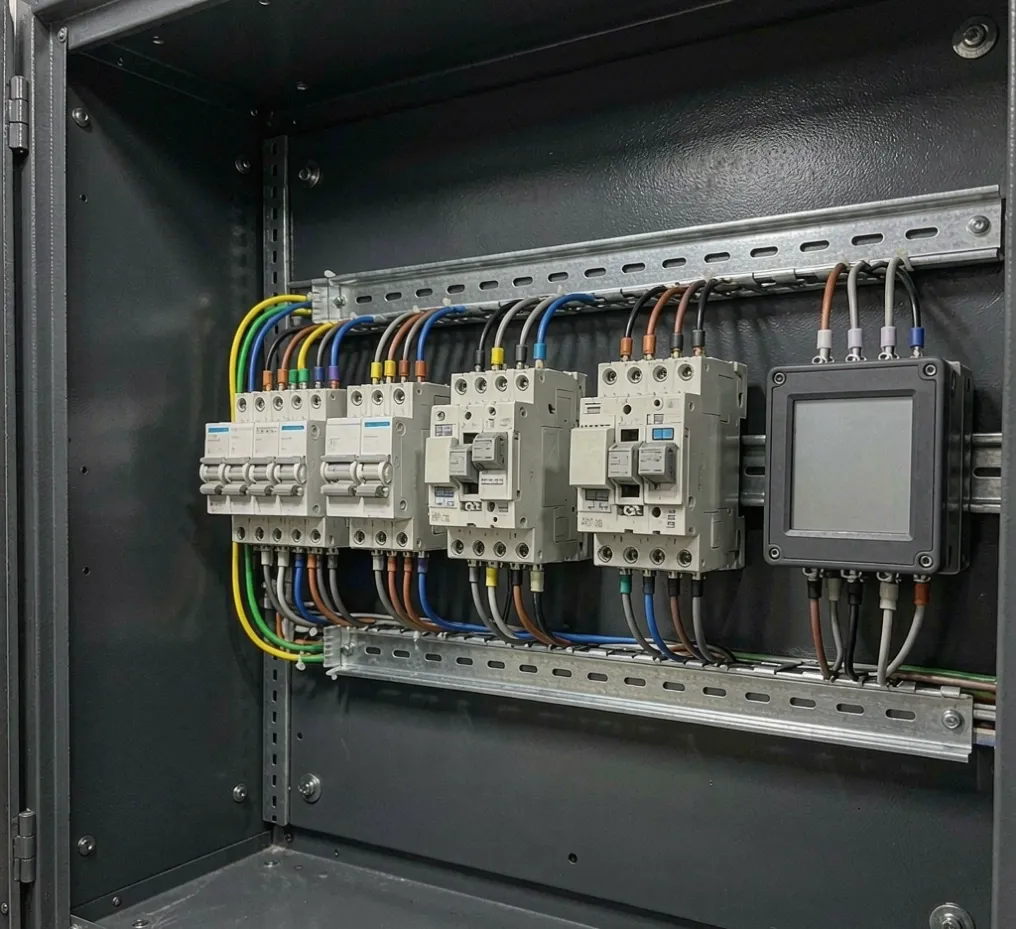
Direct from a listed shop, or through a partner?
There's no single right answer, and anyone who tells you otherwise is selling something. The honest decision table:
Your situation | Better fit | Why |
|---|---|---|
One panel type, high volume, stable spec for years | Direct from a UL-listed shop | Volume justifies managing one relationship deeply |
Low volume (1–10 units), mixed scope, first import | Through a sourcing partner | One contact, multi-shop pricing, inspection before shipment |
You have your own engineer in China doing QC | Direct | You've built the partner function in-house |
Panels + enclosures + components in one project | Through a partner | No single shop covers all three well |
Need the UL file verified and the doc package guaranteed | Either — but verify |
If your project also involves the enclosure side — material choice, IP ratings, corrosion — our electrical enclosure sourcing guide for China is the pillar reference for that whole cluster.
Red flags we'd walk away from
- "We are UL certified" with no file number, or a file number they won't let you verify before payment
- Quotes that say "UL components" when you asked for a listed assembly
- No sample FAT report format, no inspection records from a similar build
- Lead times that never explain where drawing review fits in
- An MOQ that doesn't match the volume you actually need
Any one of these is survivable. Two together is a pattern. Three is your answer.
FAQ
Can you provide UL 508A listed panels from China?
Yes — through UL-listed Foshan builders we already work with. We confirm the UL file number and its scope in writing before any build starts, and you can verify the listing yourself before you pay.
Is the panel UL listed, or UL recognized components only?
We source panels built to UL 508A as a listed assembly where the builder holds that file. If you genuinely only need Recognized components inside a panel your own team builds, tell us — we'll adjust the scope and the price drops accordingly. What we won't do is let those two things blur in a quote.
Will an inspector actually accept a panel built in China?
If it carries a valid UL 508A mark from a listed shop, with the doc package behind it — yes, routinely. Inspectors don't care where the panel was built; they care that the listing is real, current, and matches the panel in front of them. That's exactly what the file number and FAT records prove.
What is the lead time?
Complete panels: 35–40 days after drawings and BOM review, from 1 unit. Bare enclosures: MOQ 5, 15–20 days. Stock components: 3–5 days. UL documentation is prepared alongside the build, not after it.
Do you ship to the US and Canada?
Yes. Export packing, the full document set, and the paperwork customs and inspectors expect all ship together.
Can you do ETL instead of UL?
Often, yes — ETL marking to UL 508A is an equivalent listing through a different Nationally Recognized Testing Lab. Tell us which one your site expects and we match the shop accordingly.
Engineering Takeaway
A UL listed control panel from China is three deliverables, not one: the physical panel, a valid and scope-matched listing behind it, and a document package that proves both. Shops sell the first. Good shops deliver the second. Partners exist to guarantee all three — and to catch, at quote stage, the 10–20% discount that is really a downgrade from Listed assembly to Recognized components. Ask for the file number in writing before anything else; every other decision gets easier after that.
Related guides
- UL 508A Control Panel Suppliers for Export — Buyers Guide — how to verify any shop's listing before you commit
- Motor Control Panel Supplier Checklist: 7 Questions to Ask — the pre-order qualification list with scorecard
- How to Evaluate a Motor Control Panel Supplier — the deeper capability due-diligence framework
- Control Panel FAQs: Lead Time, Certification, Testing — the questions first-time importers ask us most
- IP65 vs IP66 Enclosure: Which Rating Do You Need? — ingress ratings for the enclosure side of the same project
- 304 vs 316 Stainless Enclosure: How to Choose — material selection when corrosion is on the table
Request a quote
Send your spec, drawings, or a one-line brief. You'll get a sourced quote with the UL scope stated plainly — listed assembly or recognized components, file number included, no ambiguity.