
Top 10 Mistakes When Sourcing Control Panels From China (and How to Avoid Them) (Companion Series: Control Panel Sourcing China Buyer's Guide)
The ten most common mistakes buyers make when sourcing control panels from China — from skipping the FAT to vague certification scope — and the practical fixes that keep your panel working on site.
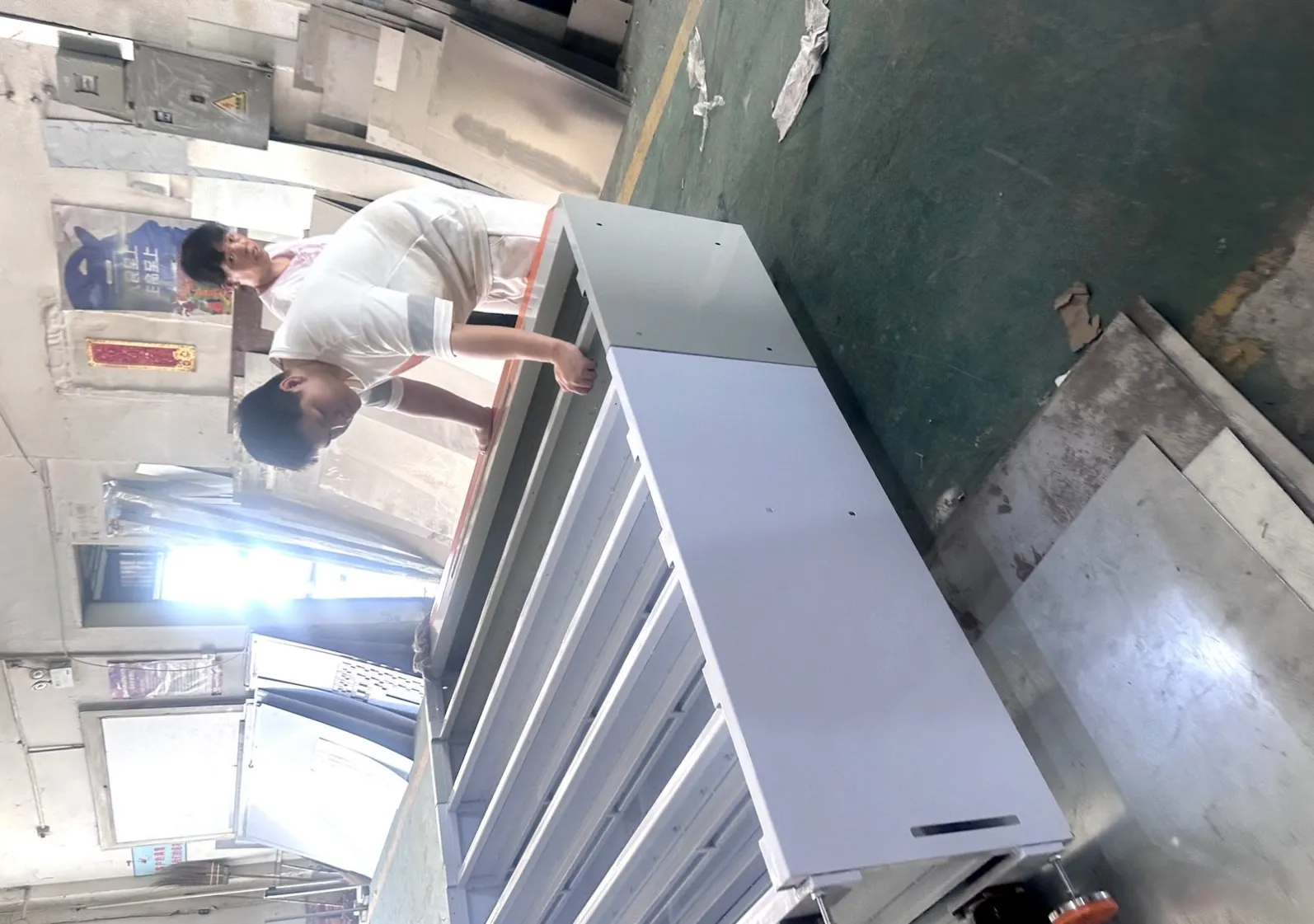
If you are sourcing a control panel from China, the price is rarely the problem — the gap between "the panel arrived" and "the panel works on site" is. Most failures trace back to a handful of repeatable mistakes made before the PO is signed. This is the companion to our Control Panel Sourcing China: Buyer's Guide; that guide covers the three buying models, this one covers the ten mistakes that sink otherwise good orders. As a sourcing partner for automation and power equipment, we see these on every failed order we are asked to rescue.
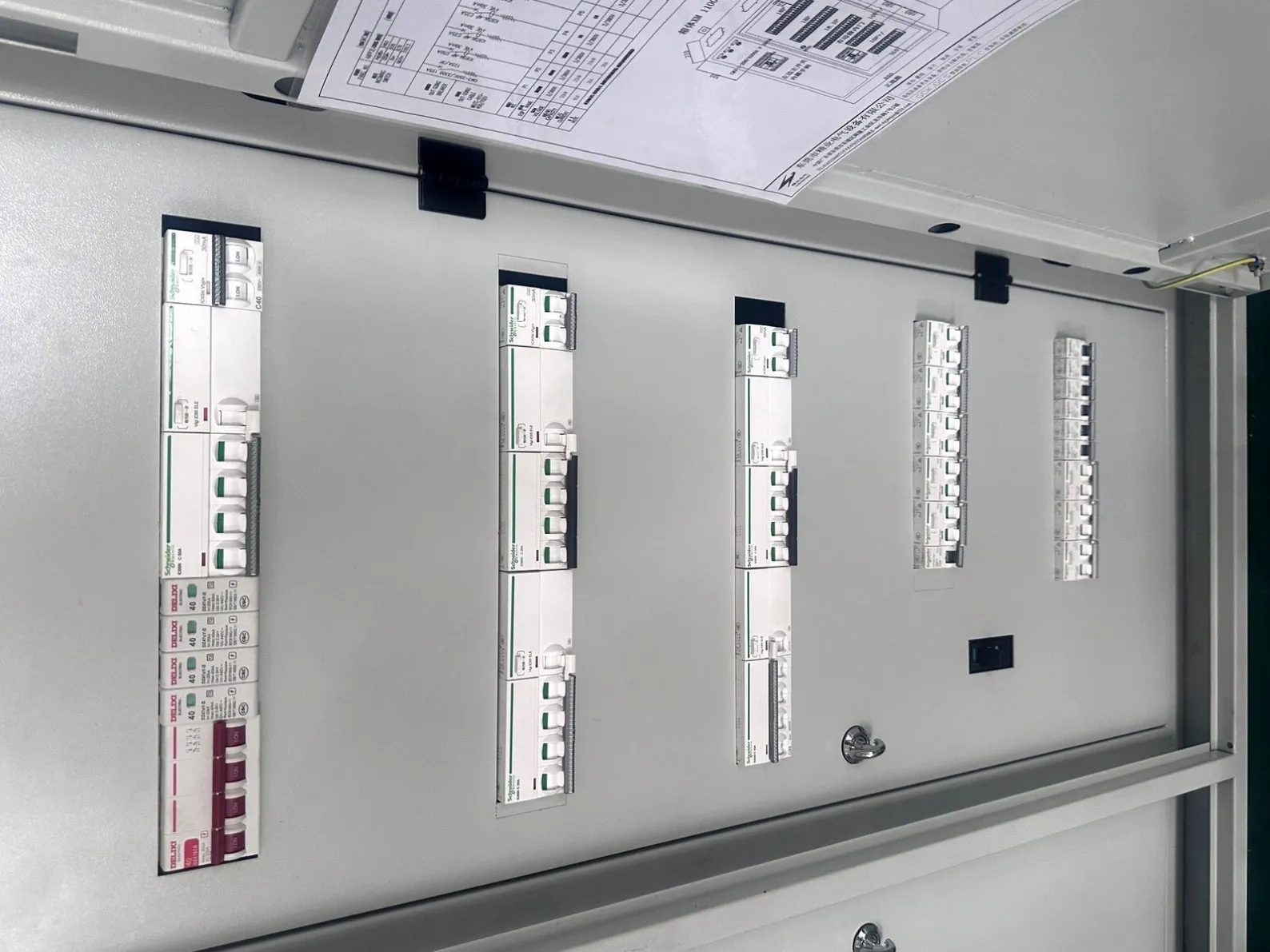
1. Buying on price alone
The biggest mistake is treating the panel as a price comparison. A panel is a documented, tested assembly; two quotes at the same number can differ 25–30% on enclosure quality, wiring standard, and certification. Compare scope, FAT, and docs — not just the total.
2. Skipping the Factory Acceptance Test (FAT)
"I'll test it on site" is the most expensive sentence in panel sourcing. Without a FAT that exercises every I/O point, a wiring error ships untouched and surfaces during commissioning — on your clock, in your plant. Insist on a tested, recorded FAT before the panel leaves the shop.
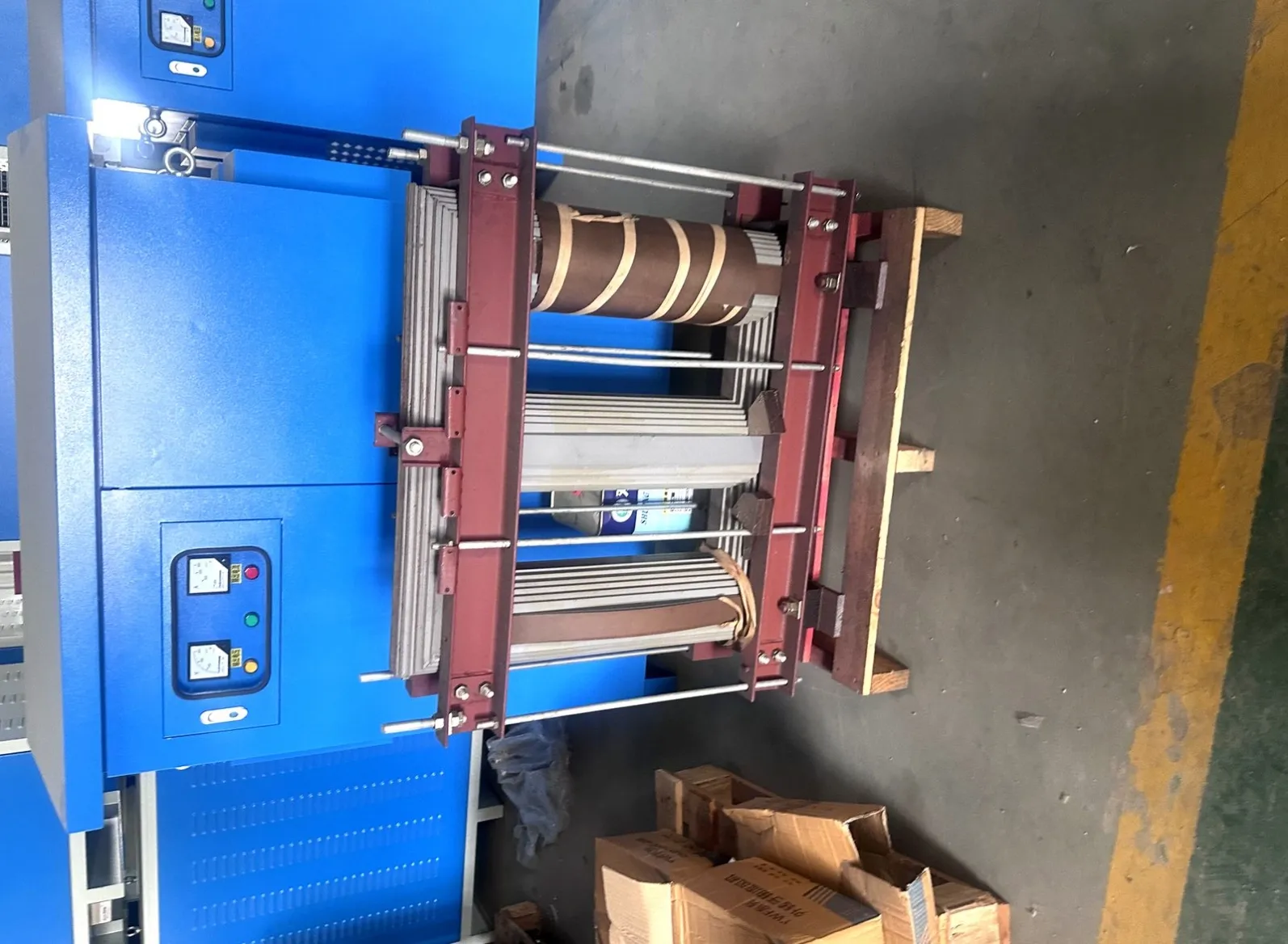
3. Vague certification scope
"UL compliant" is not "UL 508A listed assembly." A recognized component is not a listed assembly, and the price gap between them is where budget surprises live. Put the exact listing scope (UL 508A for the US, IEC 60204-1 for machinery, or a named NEMA/IP rating) in the RFQ. For US panels we match you to a UL-listed partner shop and give you the file number in writing.
4. Assuming "China" means one lead time
"China is 12 weeks" and "China is 2 weeks" are both wrong. A complete custom panel runs 35–40 days after drawing and BOM review (from 1 unit); an empty enclosure or shell is MOQ 5 at about 15 days; in-stock components dispatch in 3–5 days. Quote the real schedule after your drawings are reviewed, not before.
5. Sending a photo instead of drawings
"Make one like this" produces a reinterpretation, not your panel. Require CAE drawings, a panel layout, a wiring diagram, and a BOM. A shop that only works from photos is a red flag for anything beyond the simplest job.
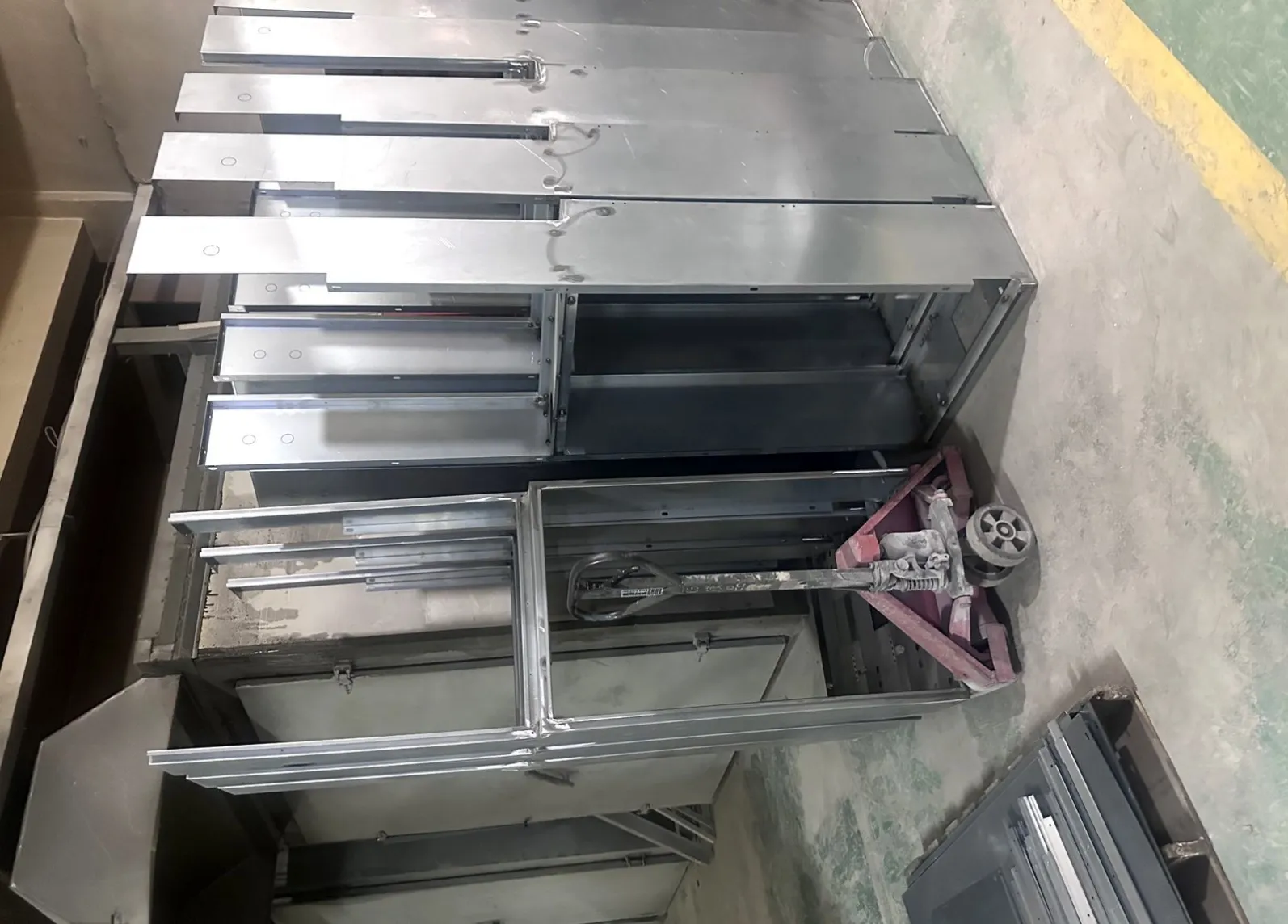
6. Accepting "equivalent" components
"Equivalent" with no named brand is a placeholder for a silent substitution. It makes spares impossible to source later and can void a certification. Require named brands and part numbers, and state substitutions need written approval.
7. Ignoring the installation environment
Indoor, outdoor, washdown, or hazardous area drives the enclosure material (carbon steel, 304 or 316 stainless, or galvanized — we do not use aluminum for these panels), the gasket, and the coating. A panel specced for a clean indoor cabinet will fail in a coastal washdown line. State the environment in the RFQ.
8. Forgetting the as-built documentation
The panel works on day one and no one can modify it on year three because the drawings were never delivered. Require the full as-built set — schematics, layout, BOM with part numbers, FAT record, manuals — on delivery, matching what shipped.
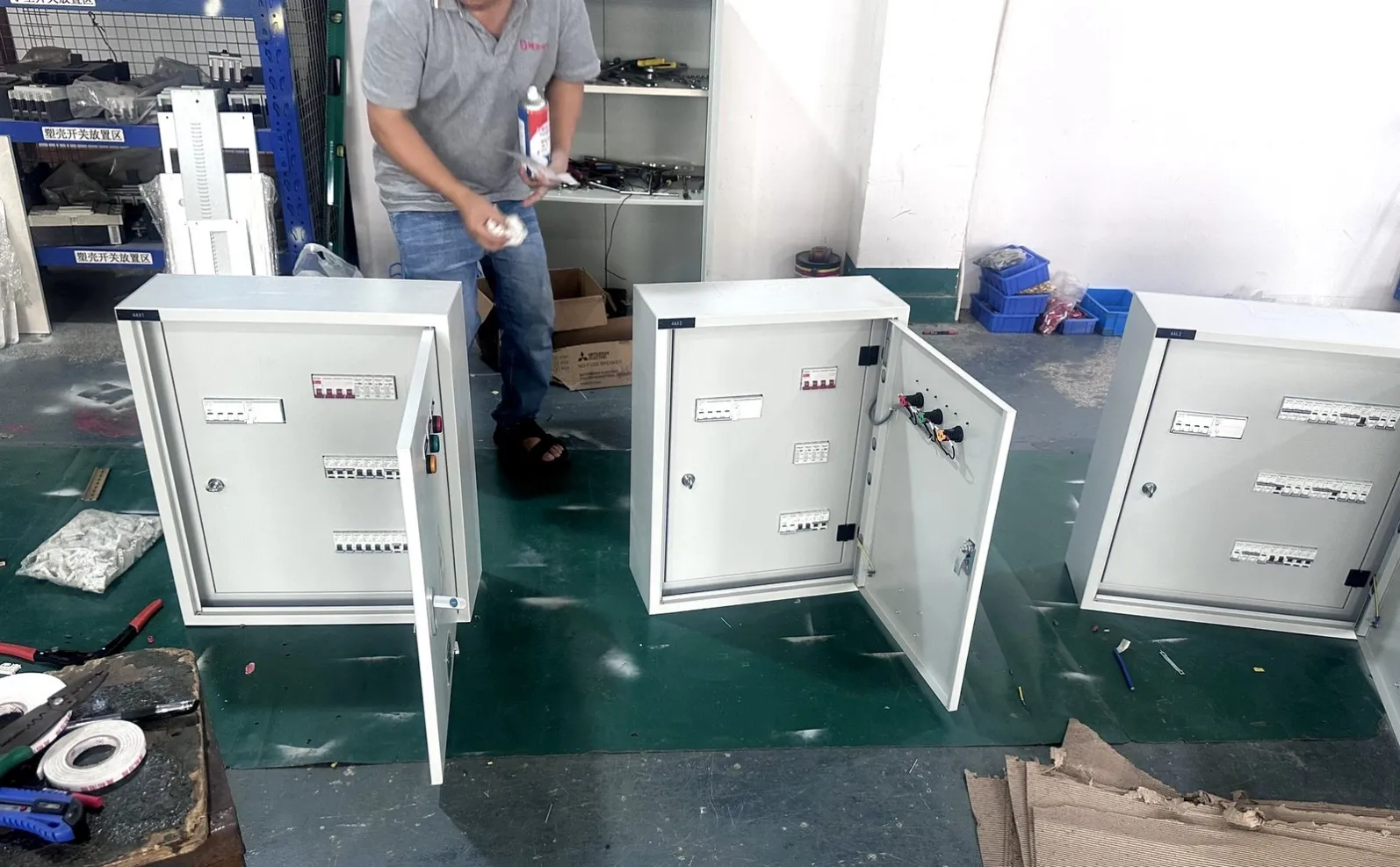
9. No spares or support plan
A 10–15 year asset with no spares list and no reachable contact becomes a project restart at the first fault. Require a recommended spares list with part numbers and a named support contact before you sign.
10. Picking the wrong buying model
Build shop, factory-direct, and sourcing partner are different purchases. A build shop fits one well-defined panel; a sourcing partner fits mixed-brand, multi-supplier, UL-path orders needing one accountable contact. Match the model to the order — see our Control Panel Sourcing China: Buyer's Guide.
The mistake-to-fix scorecard
# | Mistake | The fix |
|---|---|---|
1 | Price-only buying | Compare scope, FAT, docs |
2 | Skipping FAT | Require tested, recorded FAT |
3 | Vague cert scope | Name UL 508A / IEC 60204-1 / NEMA |
4 | Wrong lead-time assumption | Quote after drawing review |
5 | Photo instead of drawings | Send CAE drawings + BOM |
6 | "Equivalent" components | Named brands + approval |
7 | Ignoring environment | State indoor/outdoor/washdown |
8 | Missing as-built docs | Require full package on delivery |
9 | No spares/support | Spares list + named contact |
10 | Wrong buying model | Match model to order |
Buyer Decision: If your shortlist of suppliers answers "we'll take care of it" to items 2, 3, and 8, you do not have a supplier — you have a risk.
Where we sit
We are a sourcing partner, not one of the panel manufacturers, and we do not rank ourselves in any vendor list. We source leading controllers (Siemens, Mitsubishi, ABB, and others) and components, and build the panel through our Foshan supplier network with FAT records included.
We are a strong fit if you need a mixed-brand panel built and tested as one accountable package, with a written UL 508A path for the US and a single party who owns the FAT, the as-built docs, and the spares list. We are the wrong fit if you want a single-brand OEM badge with no integration — buy direct from the OEM. What we protect against is exactly the ten mistakes above.
Engineering Takeaway
Most panel-sourcing failures are decided before the PO is signed. Require a tested FAT record, a named certification scope, real drawings and BOM, named components, and a full as-built package with a spares list. Match the buying model to the order and quote the real lead time after your drawings are reviewed. Send us your drawings, BOM, I/O list, required PLC platform, and site environment and we will quote the build — usually within one business day — with FAT records and a written certification path included.
Frequently Asked Questions
What is the single most damaging mistake?
Skipping the FAT. A wiring or logic error that ships untested surfaces during your commissioning, on your schedule and in your plant, at many times the cost of catching it at the shop.
How do I avoid silent component substitution?
Require named brands and part numbers in the quote and BOM, and state that substitutions need written approval. "Equivalent" with no named brand is a placeholder.
What certification scope should I put in the RFQ?
Be specific: UL 508A with the required file scope for the US, IEC 60204-1 for machinery, or a named NEMA/IP rating for the enclosure. A "UL compliant" line with no scope is a budget surprise waiting to happen.
Is a 2-week lead time for a custom panel realistic?
No — not for a complete custom panel. Expect 35–40 days after drawing and BOM review (from 1 unit), about 15 days for empty enclosures at the 5-unit minimum, and 3–5 days for in-stock components. Anyone quoting a custom panel in under two weeks without your drawings is guessing.
Do I really need as-built drawings if the panel works?
Yes. They are the service manual for the panel's whole life. Without them, every future modification is reverse-engineering.
Can a sourcing partner handle US UL 508A requirements?
We do not hold the listing ourselves, but for US-bound panels we match your order to a UL-listed partner shop and provide the file number in writing with the listing scope. See UL.
Related Guides
Get a Quote
Send us the drawings, BOM, I/O list, target PLC brand, required certifications, and site environment. We reply within one business day with a sourced option, the build approach, and the FAT plan.
Lead time at a glance: - Complete custom panel: from 1 unit, quoted after drawing + BOM review — 35–40 days - Empty enclosure / shell: MOQ 5, 15–20 days - Stock components: 3–5 days dispatch
Produced with AI-assisted drafting and reviewed by the Uni Regal team before publication.