
Buying Guides
How to Qualify a PLC Control Panel Supplier: 12-Point Checklist (Companion Series: Top-10 PLC Control Panel Manufacturers)
A practical 12-point checklist to qualify a PLC control panel supplier — platform compatibility, FAT, UL/CE certification, lead time, documentation, and the red flags that separate a build shop from a
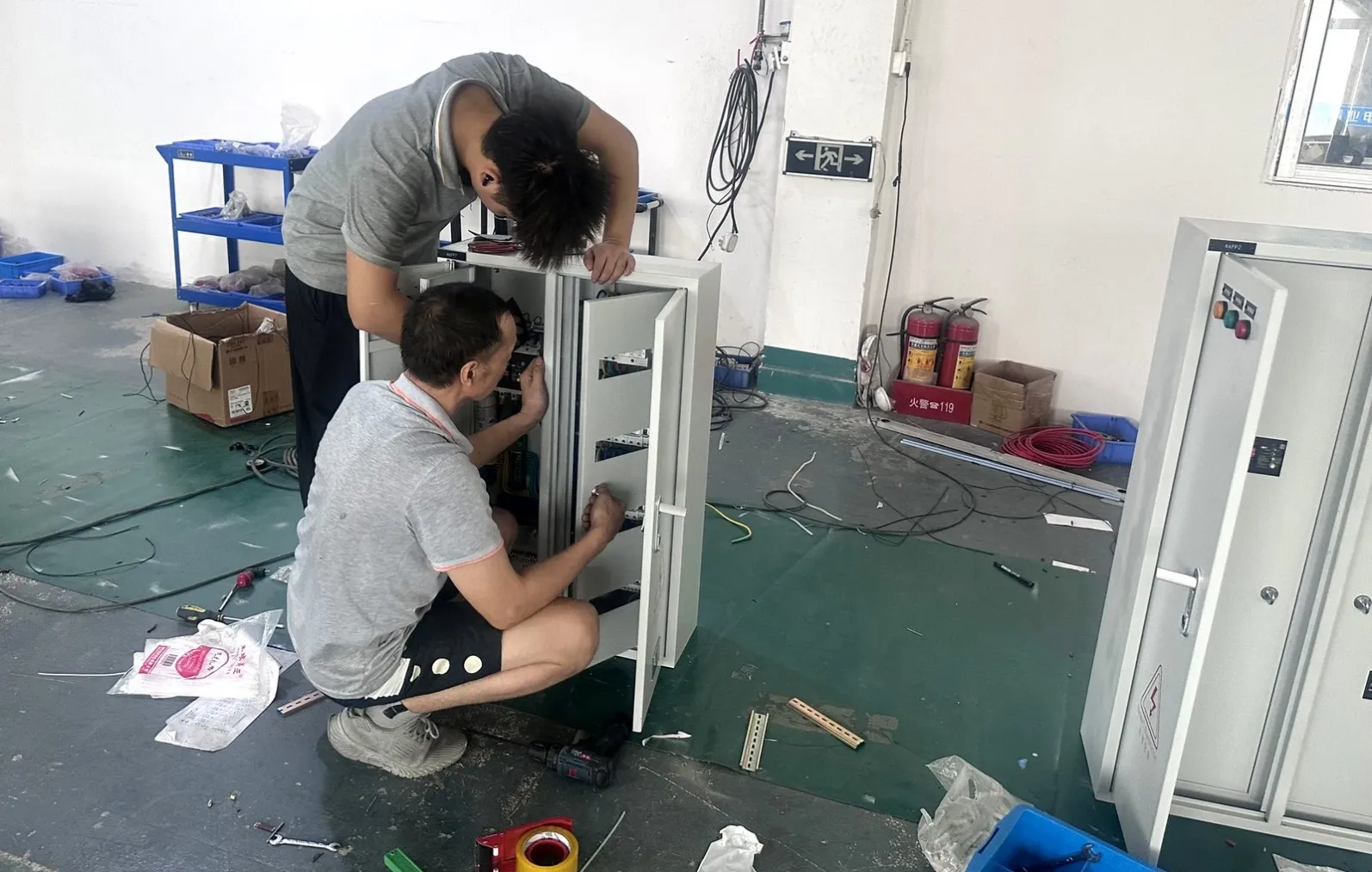
You have a shortlist of panel makers. Now the harder question: which one will actually deliver a panel that works on site, passes inspection, and stays supported for the next decade? Price is the easiest number to compare and the worst single basis for the decision. This guide is the qualification step that comes after the shortlist—a 12-point checklist you can send to every candidate so their quotes answer the same questions.
If you are still narrowing the names, our Top-10 PLC Control Panel Manufacturers (2026) ranking is the place to start; this checklist tells you how to choose between them once you have the list. As a sourcing partner for automation and power equipment, we sit on the integration side of that decision: we source the PLC and components and build the panel through our Foshan supplier network, tested as one unit.
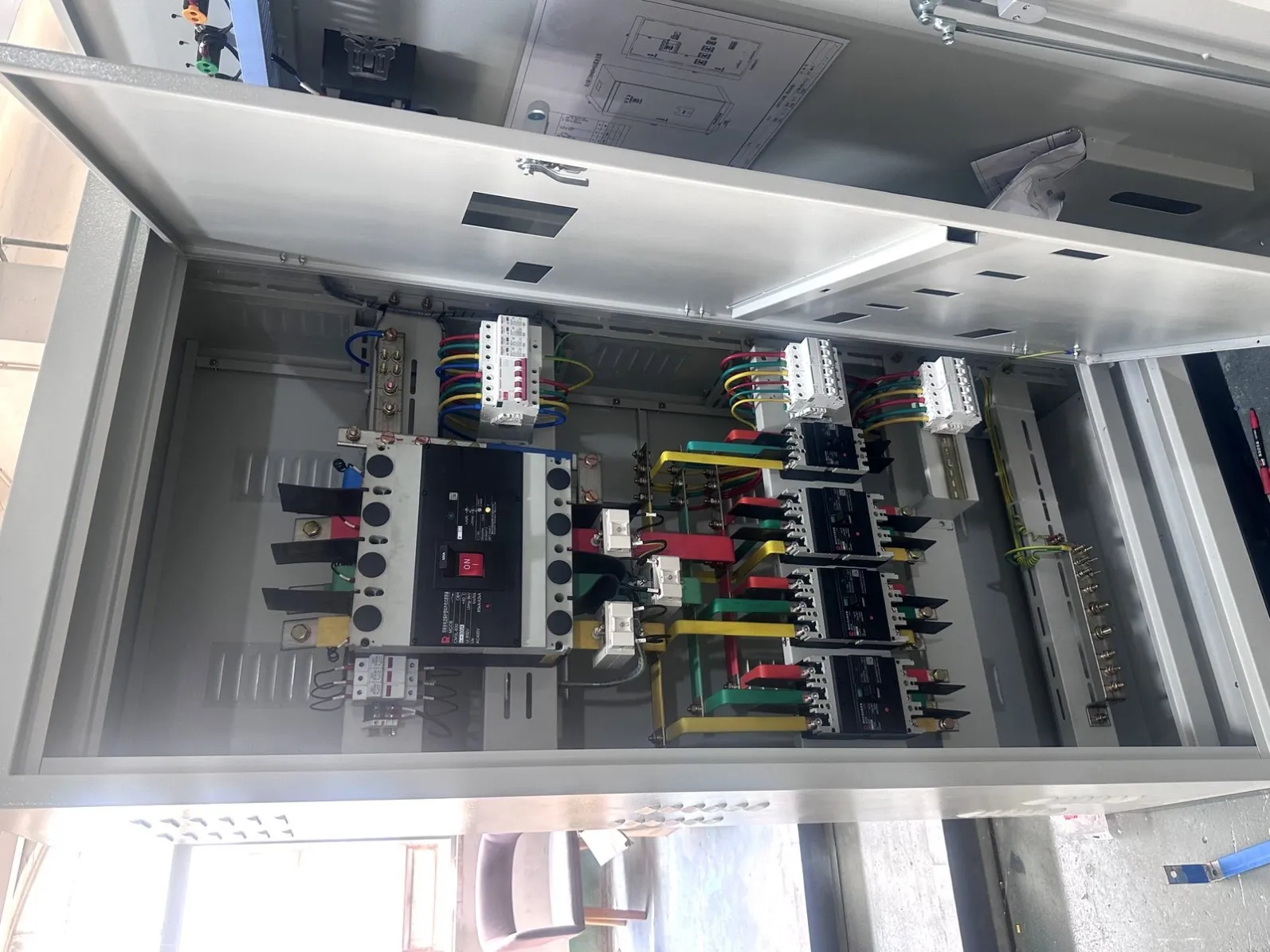
What a PLC control panel supplier should actually deliver
A loose collection of parts in a box is not a control panel. A supplier should deliver a documented, tested assembly:
- Build to your drawings—not a reinterpretation of them. Layout, wiring, and termination follow the issued design.
- Named components—the PLC, drives, and devices you specified, not a cheaper substitute slipped in silently.
- Factory Acceptance Test (FAT)—every I/O point and function verified before shipment, with a record you can read.
- Certification path—UL 508A for the US, CE for the EU, with the documentation to prove it.
- As-built package—drawings, BOM, test records, and manuals that match what shipped.
- Support—a reachable party for spares, faults, and revisions after commissioning.
If a quote only shows a price and a lead time, it is a parts offer, not a panel supply. That is fine for a spare; it is a risk for a system that has to run a process.
The 12-point qualification checklist
Score every candidate against these. Weight them by what your site cares about most — a process plant and an OEM machine have different priorities.
1. PLC platform compatibility
Confirm the supplier builds on your required platform: Siemens (SIMATIC S7-1200/1500), Mitsubishi (MELSEC iQ-R / FX5), Rockwell (ControlLogix / Micro800), Omron (NJ/NX), or Schneider (Modicon). A shop that only knows one platform will struggle with yours. We routinely source across these brands and build to the customer's specified controller.
2. Engineering and drawings
Do they produce or accept CAE drawings, panel layouts, wiring diagrams, and a BOM? A supplier who wants only a photo of an old panel and "make one like it" is a red flag for anything beyond the simplest job.
3. Wiring and termination quality
Ask what they standardize: DIN-rail layout, ferrule-terminated wires, torque-controlled connections, and consistent labelling. Sloppy termination is the most common cause of intermittent faults that show up only after shipment.
4. Factory Acceptance Test (FAT)
Insist on a FAT that exercises every I/O point and function, not a visual inspection. Request the test record with pass/fail against your logic. We include FAT records with every panel we ship.
5. Certification (UL 508A / CE)
For the US, the complete panel must meet UL 508A; the EU needs CE. A supplier without a written certification path will cost you a failed inspection. We build through UL-listed file partners and provide the file number in writing. See UL for the standard and NEMA for enclosure rating context.
6. Component origin transparency
The quote should name the actual PLC, drives, and devices. "Equivalent" without a named brand is a placeholder for a silent substitution. Define acceptability up front.
7. Lead time and MOQ
Realistic numbers matter more than fast ones. Our three-segment schedule: complete custom panel from 1 unit (quoted after drawing + BOM review, 35–40 days); empty enclosure/shell MOQ 5 (15–20 days); stock components 3–5 days dispatch. A supplier promising a fully custom UL panel in a week is either misunderstanding or cutting a corner.
8. Change control
Drawings change. Confirm how revisions are logged, how as-built documents are produced, and who owns the master copy. A shop that cannot reproduce your as-built drawing is a liability for every future modification.
9. Documentation package
Require the full set on delivery: schematics, layout, BOM with part numbers, FAT record, and manuals. Treat missing docs as a defect, not a formality.
10. Spare parts and support
Ask for a recommended spares list and the warranty position. For panels with long service lives, the ability to get the exact relay or module five years later is part of the value.
11. Communication and IIoT integration
If your site needs Modbus, Profinet, EtherNet/IP, or remote access, confirm the supplier wires and document it—not as an afterthought but as a designed-in function. We integrate panel status into the same network the PLC already uses so faults surface on the same screen.
12. References and stability
Request references for similar panels and a sense of the shop's continuity. A panel is a 10–15 year asset; the builder should outlast the project.
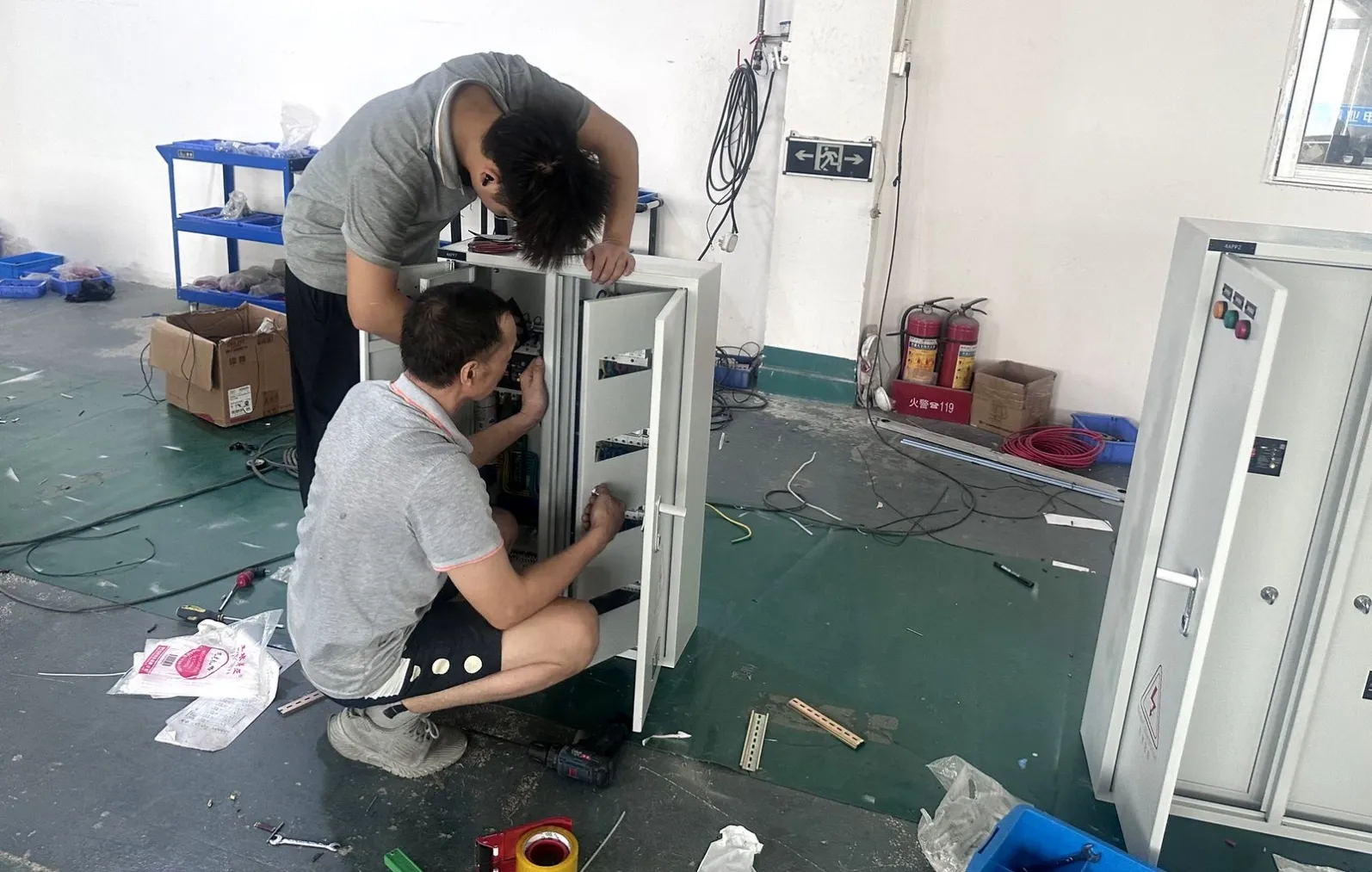
The qualification scorecard
Use a simple weighted score so quotes become comparable.
Point | Weight (1–5) | What "good" looks like |
|---|---|---|
Platform compatibility | 5 | Builds your exact platform |
Engineering & drawings | 4 | Full CAE accepts your design. |
Wiring & termination | 4 | Ferrule, torqued, labelled |
FAT & test record | 5 | Every I/O tested, record provided |
Certification | 5 | Written UL 508A / CE path |
Component transparency | 4 | Named brands, no silent swaps |
Lead time & MOQ | 3 | Realistic, three-segment |
Change control | 3 | Revision log + as-built |
Documentation | 4 | Full package on delivery |
Spares & support | 3 | Spares list + warranty |
IIoT integration | 2–4 | Wired and documented |
References & stability | 2 | Similar refs, continuity |
Buyer Decision: A supplier who scores low on FAT, certification, or component transparency should not win on price. Those three are where field failures and inspection rejections come from.
Build shop vs. manufacturer vs. sourcing partner.
The three models are not the same, and the right one depends on your need.
- Build shop—builds to your drawings, often strong on fabrication, variable on engineering and certification. Good for straightforward panels where you own the design.
- Panel manufacturer (OEM)—brands its own panels, strong on volume and support, less flexible on mixed-brand sourcing. Good if you want a single-badge product.
- Sourcing partner—sources the PLC and components across brands and integrates them into a tested panel. Good when you need multiple brands, a UL path, and one accountable party without a single-OEM constraint.
We are the third model. We are not one of the ranked manufacturers in the Top-10 list, and we do not pretend to be.
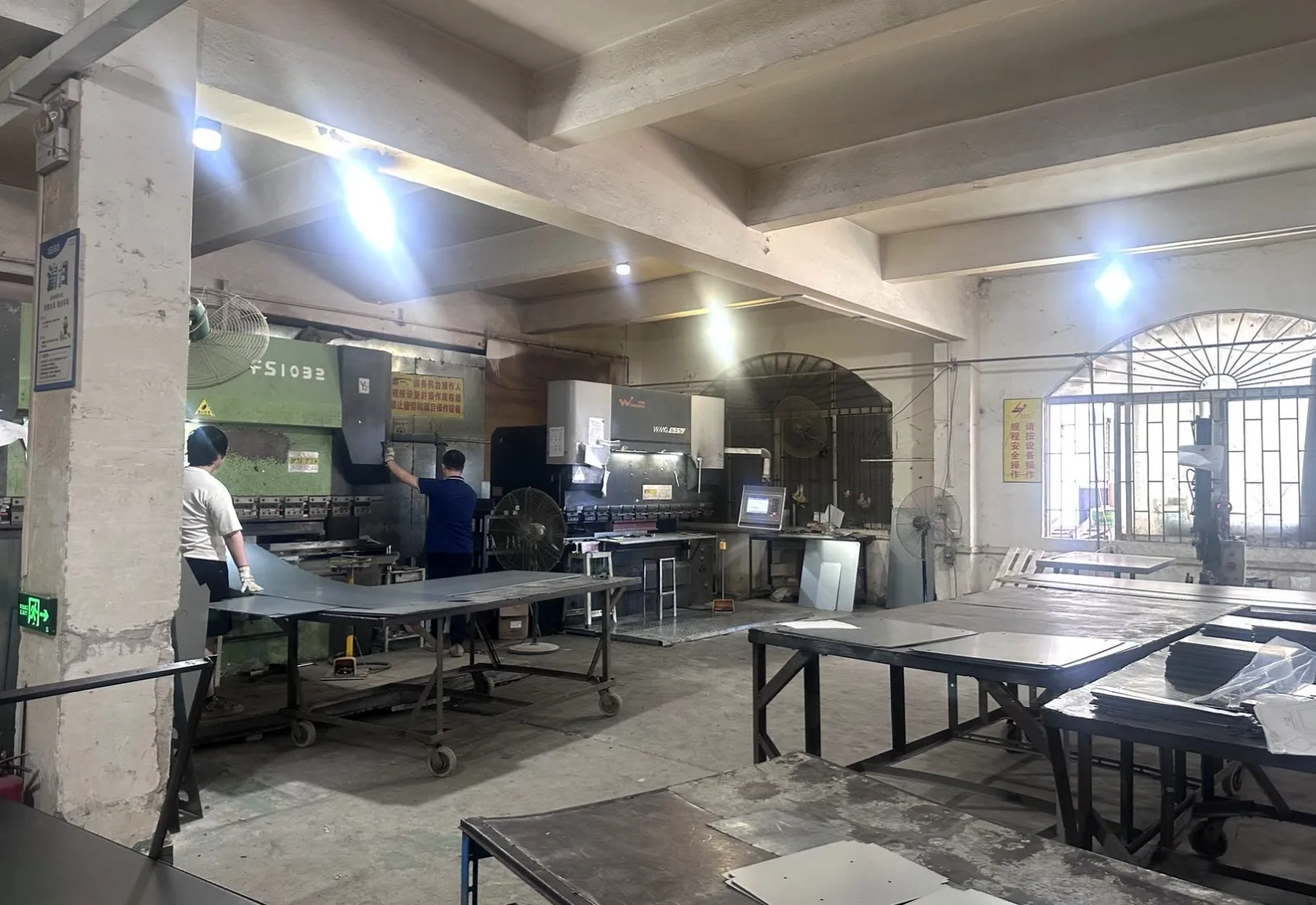
Red flags when qualifying a supplier
Buyer Decision: Slow down or walk away if you see these: 1. No FAT offered, or "we just look at it before shipping." 2. No written UL 508A / CE path for a regulated market. 3. "Equivalent" components with no named brand. 4. A lead time that contradicts the complexity (custom UL panel in days). 5. No as-built documentation commitment. 6. Reluctance to name the exact PLC platform they will build. 7. Price is the only thing in the quote — no scope, no test, no docs.
Cost drivers in a PLC panel (not just the PLC)
A panel quote is rarely the PLC price plus labor. Understand the components so you compare like-for-like.
Cost element | Typical share | Notes |
|---|---|---|
PLC + I/O + drives | 35–50% | Drives the largest variance |
Enclosure + thermal | 12–20% | IP65/NEMA 4X cooling adds cost. |
Wiring, terminals, ferrules | 10–15% | Quality here prevents field faults |
Engineering & drawings | 8–12% | Often hidden in a "panel price" |
FAT, cert, documentation | 5–10% | UL paperwork, test records |
Two quotes that look identical on the PLC model can differ 25–30% on enclosure, wiring quality, and certification. Ask for the line-item breakdown, not a single number.
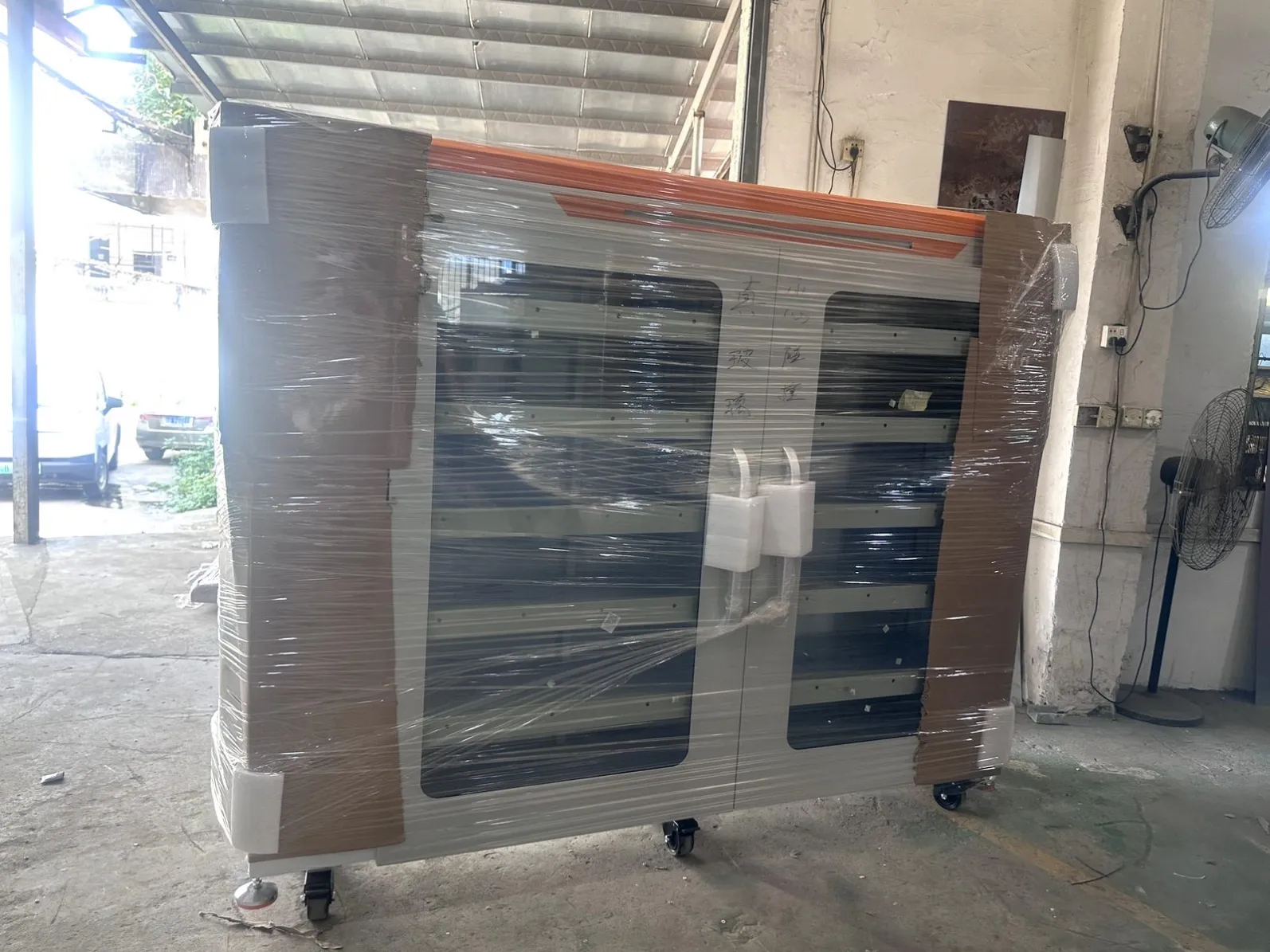
Where we sit
We are a sourcing partner, not one of the ranked manufacturers in the top-10 list. We do not brand our own PLC panels; we source leading controllers (Siemens, Mitsubishi, Rockwell, Omron, and Schneider) and components and build the panel through our Foshan supplier network with FAT records included.
We are a strong fit if you need a mixed-brand panel built and tested as one accountable package, with a written UL 508A path for the US and a single party who owns the FAT and the as-built docs. We are the wrong fit if you want a single-brand OEM badge with no integration—in that case, buy direct from one of the ranked manufacturers. What we protect against is the gap between "the parts arrived" and "the panel works on site."
Engineering Takeaway
Qualify on the 12 points, not the price. Weight, FAT, certification, and component transparency are the highest—those are where field failures and inspection rejections originate. Use the scorecard so every candidate answers the same questions, require the as-built documentation package, and confirm a realistic three-segment lead time. Send us your drawings, BOM, required PLC platform, and site environment, and we will quote the build—usually within one business day—with FAT records and a written certification path included.
Frequently Asked Questions
What is the single most important qualification point?
Factory Acceptance Test with a readable record, backed by a written certification path (UL 508A for the US, CE for the EU). Those two decide whether the panel works on site and passes inspection.
Should I use a build shop, a manufacturer, or a sourcing partner?
It depends on your need. Build shop if you own the full design and want fabrication; manufacturer if you want a single-badge product; sourcing partner if you need mixed-brand sourcing, a UL path, and one accountable integrator. We are the sourcing-partner model.
How do I prevent silent component substitution?
Require named brands and part numbers in the quote and the BOM, and state that substitutions need written approval. "Equivalent" without a named brand is a placeholder.
What lead time is realistic for a custom PLC panel?
A complete custom panel is typically 35–40 days after drawing and BOM review (from 1 unit). An empty enclosure or shell is faster (MOQ 5, 15–20 days), and stock components dispatch in 3–5 days. Anyone promising a custom UL panel in days is cutting a corner.
Do I need UL 508A for a PLC panel in the US?
Yes—the complete integrated panel must meet UL 508A, and the individual devices carry their own listings. Without it the panel can fail inspection. We build through UL-listed file partners and provide the file number in writing. Reference: UL.
What should the documentation package include?
Schematics, panel layout, BOM with part numbers, the FAT record, and manuals — all matching what shipped. Missing docs are a defect, not a formality, because they drive every future modification.
Can a sourcing partner build on my specified PLC platform?
Yes. We build on Siemens, Mitsubishi, Rockwell, Omron, and Schneider, sourcing the exact controller you specify rather than substituting a preferred brand.
Related Guides
Get a Quote
Send us your drawings, BOM, required PLC platform, and site environment, and we will quote the build — usually within one business day.
Lead time at a glance: - Complete custom panel: from 1 unit, quoted after drawing + BOM review — 35–40 days - Empty enclosure / shell: MOQ 5, 15–20 days - Stock components: 3–5 days dispatch