How to Choose a Control Panel Builder (2026 Scorecard)
Brand isn't the spec when you pick a control panel builder. Use this 2026 scorecard to compare build shops, local UL shops, and China sourcing partners on what matters.
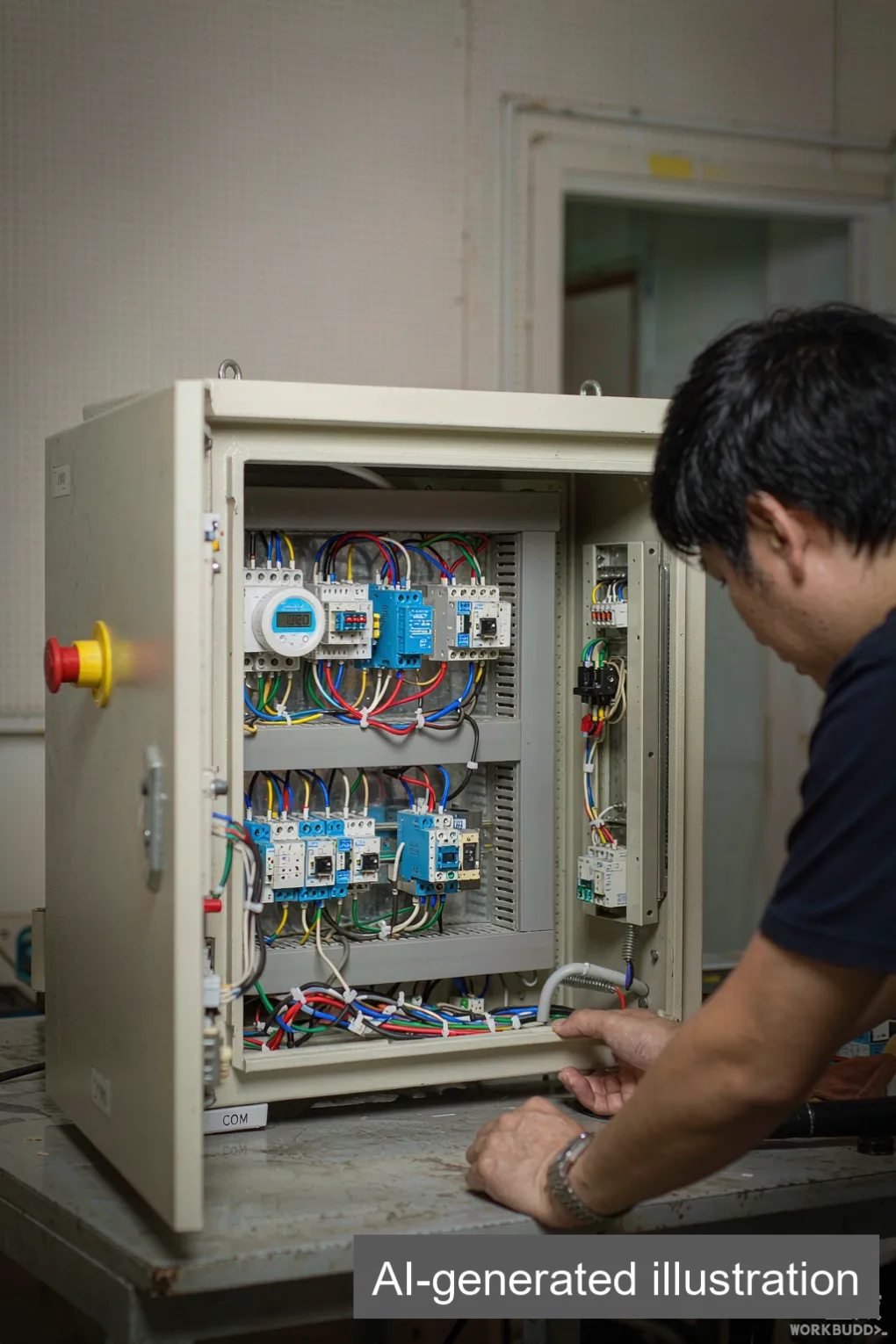
You do not really choose a control panel builder on brand. You choose them on whether their process, certifications, and lead time match your project. A famous name on the nameplate tells you nothing about whether your panel will be engineered before it is built, tested before it ships, or delivered before your line needs to run.
We are a China-based sourcing partner, not a manufacturer and not a local UL-listed panel shop. This guide compares the models honestly so you can pick the one that fits your job — and so you can spot the shortlist that will actually deliver.
Our China enclosure sourcing guide explains the certification and material basics, and our custom control panels solutions page shows what we build.
The trap: brand name isn't the spec
The single most common mistake in supplier selection is treating "who built it" as the qualification. It is not. Two panels with the same brand on the door can differ completely in engineering review, component sourcing, and test discipline. What separates a build shop that delivers from one that burns your schedule is a small set of process signals — and they are checkable before you sign.
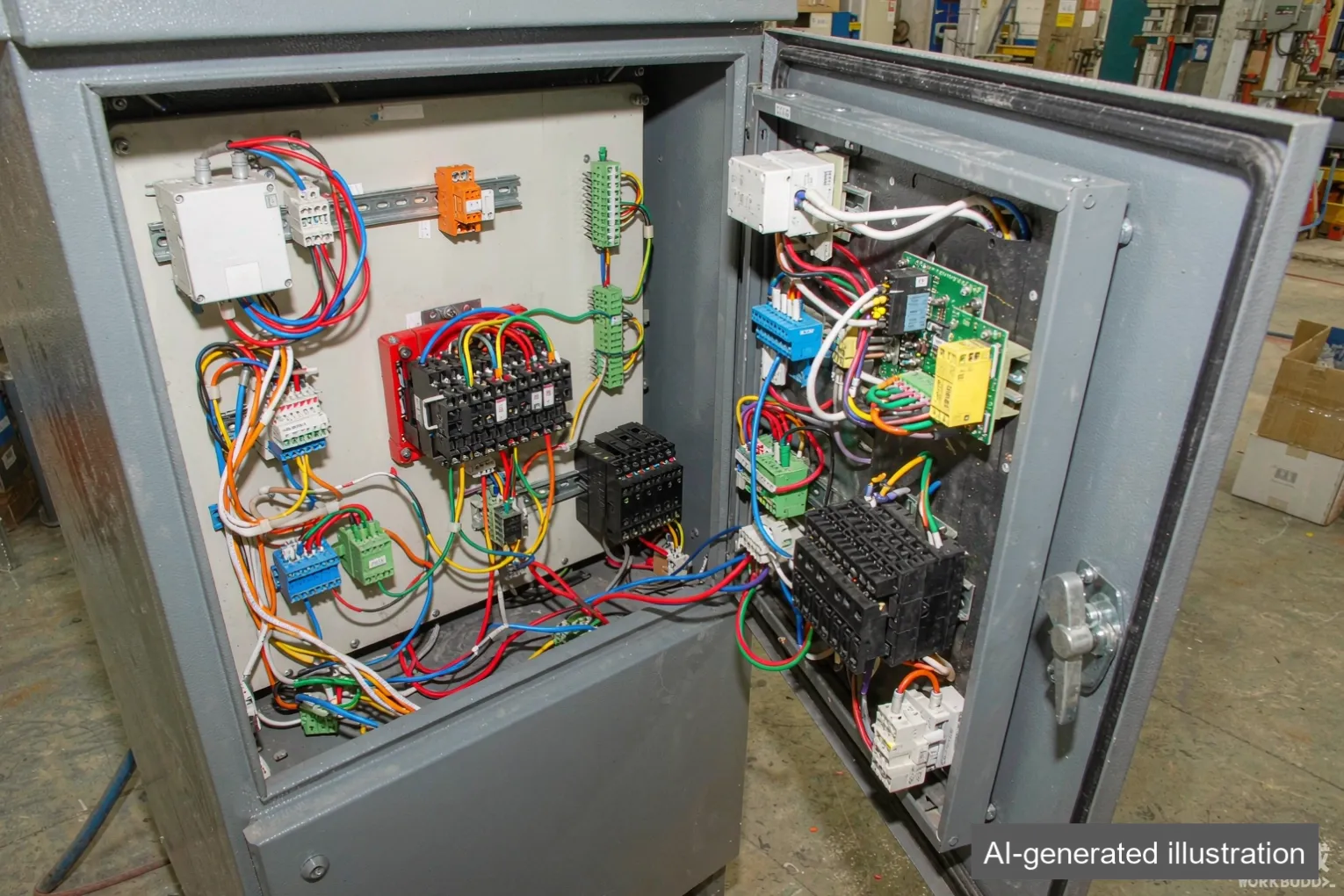
The five-point scorecard
Score every candidate on these five. A shop that fails two or more is a schedule risk, regardless of reputation.
# | Criterion | What "good" looks like | Red flag |
|---|---|---|---|
1 | Certification path | Names the standard (UL 508A / IEC 61439 / CE) and provides the file number in writing | "We're certified" with no file number |
2 | Engineering review | Reviews drawing + BOM and returns queries before build | "Send files, we build" with no review |
3 | Lead time honesty | Breaks the clock into fabrication, wiring, FAT | One black-box number, no detail |
4 | FAT and docs | Powers up, runs logic, delivers FAT record + as-builts | "Visually inspected" only |
5 | Component transparency | Names brands and sourcing, no silent swaps | "Equivalent" substitutions unstated |
None of these requires you to be an engineer. They require you to ask, and to disqualify anyone who will not answer.
1. Certification path (UL 508A / CSA / CE)
If your market needs UL 508A (North America) or IEC 61439 (most of the world), the builder must be able to show the actual listing path. We work through a partner UL-listed file factory and put the file number in writing — that is the standard, not a courtesy. Reference the basics at UL and IEC.
2. Engineering review before build
A panel that was not reviewed was guessed. The best shops return a query list against your drawings and BOM — unclear terminals, missing fusing, impossible clearances — before cutting a single wire. We treat drawing + BOM review as step one of every job, because catching an error on paper costs nothing and catching it on site costs the project.
3. Lead time and MOQ honesty
Custom panel building runs from a single unit with a realistic 35–40 day window after review; empty cabinets can run on a ~15 day path at MOQ 5. A builder who quotes a fully custom panel in "one week" is skipping review or cloning a past build. Ask for the breakdown.
4. FAT and documentation
Factory Acceptance Test is the moment the panel is proven, not just assembled. Good builders power it up, run the logic, and hand you the FAT record plus as-built drawings and a terminal schedule. We include FAT records with every complete panel. A shop that offers only "visual inspection" is asking you to do their testing on your own critical path.
5. Component sourcing transparency
"Or equivalent" is where budgets and warranties go to die. A disciplined builder names the components and only substitutes with your written agreement. Because we are a multi-supplier sourcing partner, we can name the exact brands — Mitsubishi, Siemens, ABB, Schneider, Omron and others — and show the sourcing, rather than hiding behind a generic term.
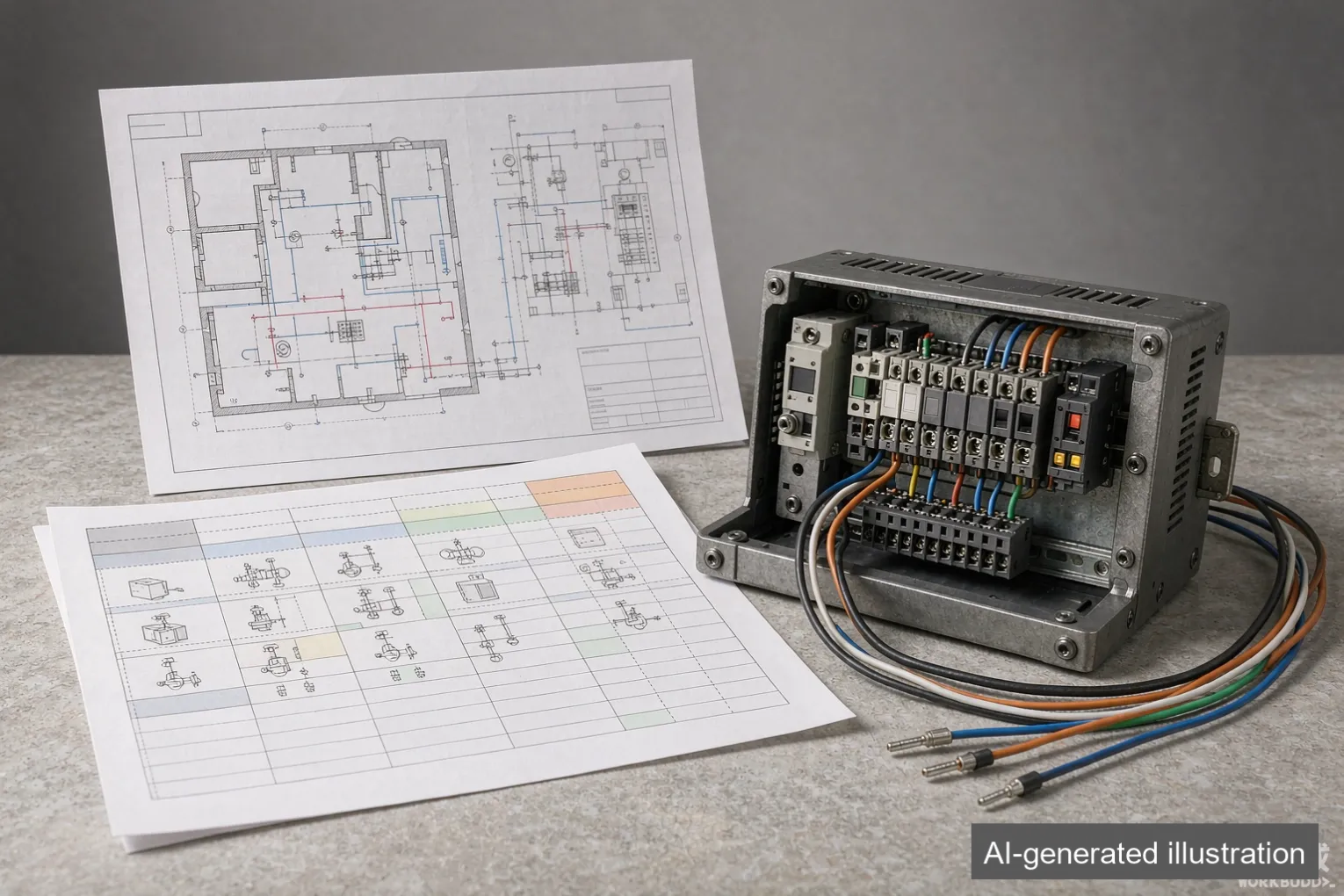
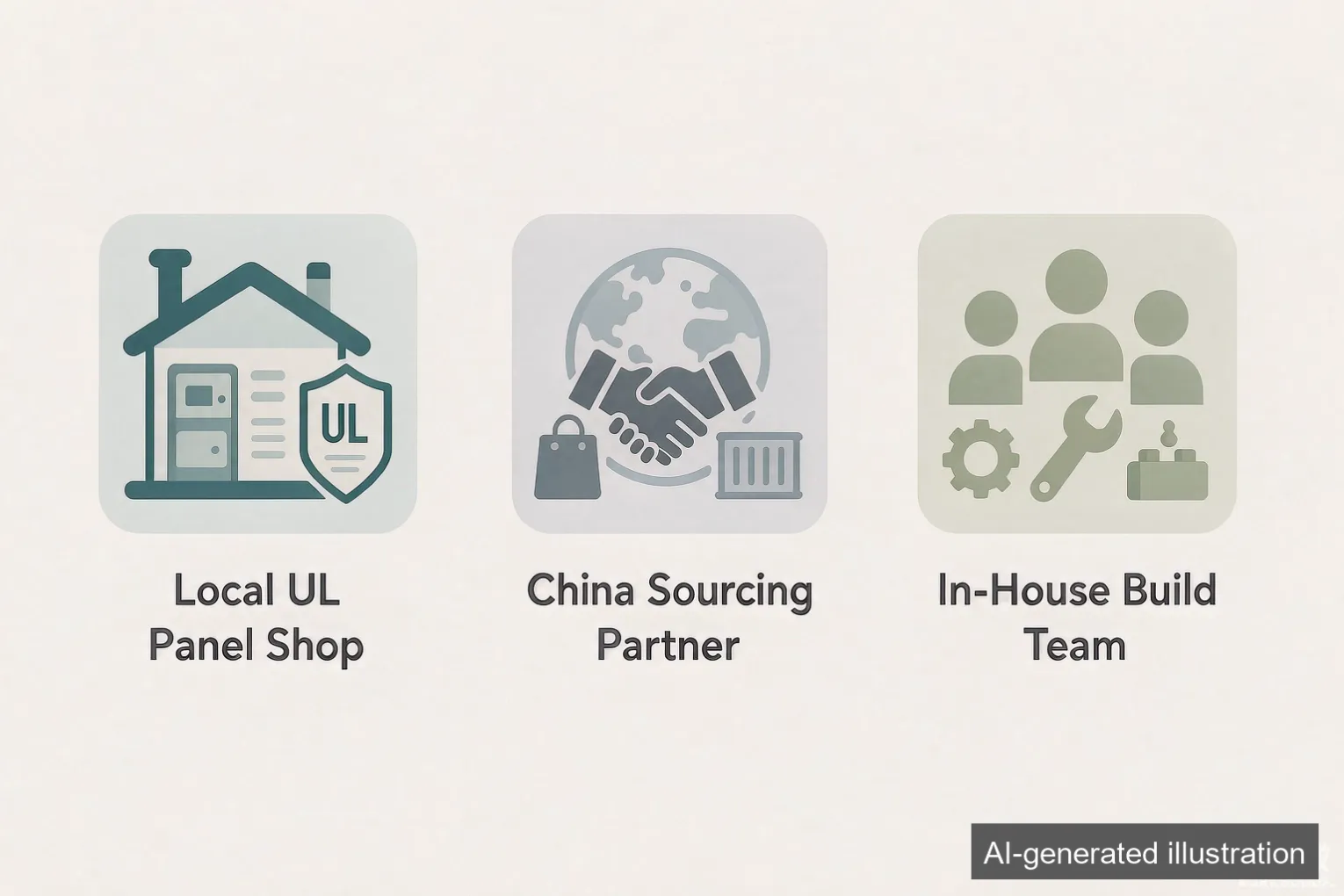
Three sourcing models compared
Most buyers are really choosing between three models. They are not ranked — they fit different jobs.
Model | Best for | Watch out for |
|---|---|---|
Local UL-listed panel shop | Fast local service, strict UL jurisdiction, small runs near you | Higher labor cost; less flexibility on non-standard builds |
China-based sourcing partner | Project panels, skids, OEM machines; cost + component access; 1-unit MOQ | Ocean freight + lead time; needs clear drawings up front |
In-house / OEM build | Recurring identical panels, deep IP control | Hidden labor cost; capacity capped by your own team |
The right answer depends on volume, certification, and how much engineering you want to keep in-house — not on which name is biggest.
Where we sit
We are a China-based sourcing partner, not a manufacturer and not a local UL panel shop. That placement is deliberate, and it defines who we fit:
- We fit buyers who need project-specific panels, skids, or OEM-machine control systems built from drawings — including single-unit prototypes — with access to a broad component supply base and a written UL file path when required.
- We are not the right fit if you need a local shop for hands-on service under a strict UL jurisdiction next door, or if you require ten thousand identical mass-produced boxes on a stamping line. Those jobs belong to the other models above.
We do not offer aluminium enclosures, and we do not take on system integration, PLC/SCADA programming, or on-site commissioning — those sit outside our scope by design. What we do is source, build, and FAT the panel itself.
Red flags when you shortlist
- They cannot name the certification file number.
- They refuse to review your drawing before quoting a firm date.
- Their lead time is implausibly short for a custom panel.
- "Equivalent" substitutions appear without asking.
- No FAT record is offered as standard.
- The quote bundles fabrication, wiring, and testing into one unknowable number.
Any two of these and you are carrying their risk on your critical path.
Buyer decision: Write the five-point scorecard into your RFQ as required responses. Shops that answer in detail are the shortlist; the ones that deflect are the ones you cannot afford.
FAQ
Q: Should I always pick the biggest or best-known panel builder? A: No. Fit beats fame. A huge name may not touch a one-off prototype, and a local shop may not handle your component sourcing. Score on process, not reputation.
Q: What certification do I actually need? A: It depends on market. North America generally expects UL 508A; most other regions reference IEC 61439. Ask the builder for the file number in writing either way.
Q: Is a one-week lead time for a custom panel realistic? A: Not for a custom panel. A complete, reviewed, tested panel realistically needs 35–40 days. A one-week promise usually means skipped review or a cloned past build — both are risks.
Q: Why does component transparency matter so much? A: Silent "equivalent" swaps change cost, lead time, and warranty without your knowledge. A builder who names brands and sources openly is one you can plan around.
Q: Can a China-based sourcing partner handle UL 508A? A: Yes, through a partner UL-listed file factory, with the file number provided in writing. Ocean freight and a frozen drawing up front are the trade-offs versus a local shop.
Q: What documents should I receive with the panel? A: At minimum: as-built drawings, terminal schedule, component list with brands, and a FAT record. We include all of these as standard.
Related guides
Get your panels built
Send your drawings, BOM, and I/O list and we will return a realistic build plan — certification path, component sourcing, and a lead-time breakdown you can plan around. We reply within one business day.
- WhatsApp: Message Uni Regal
- Email: info@uniregal.com
- Or upload your drawing: Submit your requirements · Contact form
Upload your drawing for an engineering review. We cover the broader build-and-ship scope as a China-based sourcing partner — enclosures, complete panels, and the components inside them.
Produced with AI-assisted drafting and reviewed by the Uni Regal team before publication.