
Control Panel Warranty and After-Sales: A Buyer's Guide
What warranty and after-sales support you should expect on a custom control panel — what to put in the contract, how a sourcing partner handles FAT and spares, and the red flags that leave you strande
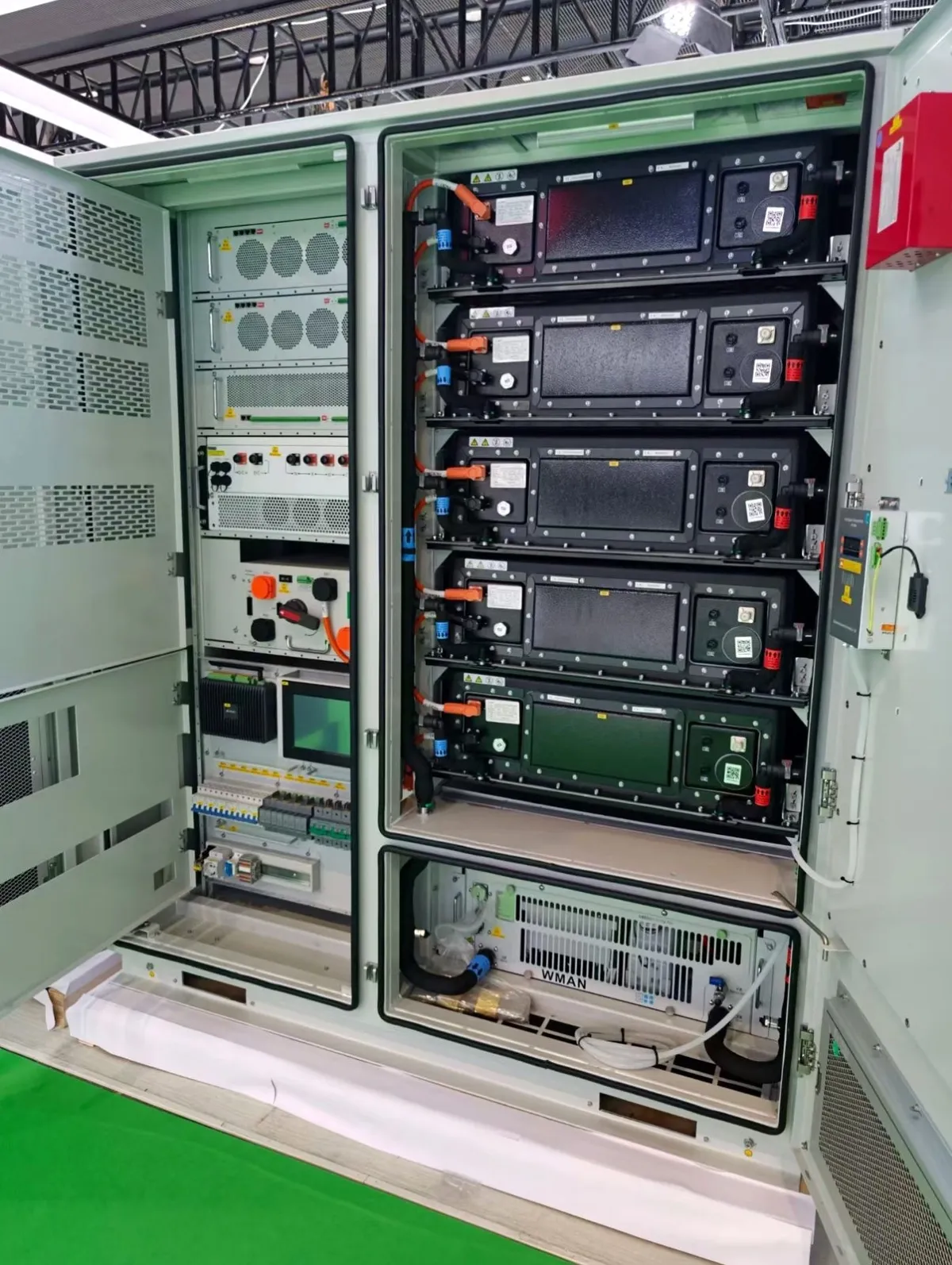
You got the panel built and it runs. Six months later a relay fails, or a revision is needed, and the contact who quoted you has gone quiet. Warranty and after-sales are the part of the purchase most buyers forget to specify — and the part that costs the most when it is missing. This guide covers what "support" should actually mean for a 10–15 year asset, what to write into the contract, and how a sourcing partner structures it so you are not stranded. If you are still weighing whether to source from China at all, our Electrical Enclosure Supplier China Sourcing Guide covers the build-shop vs partner decision.
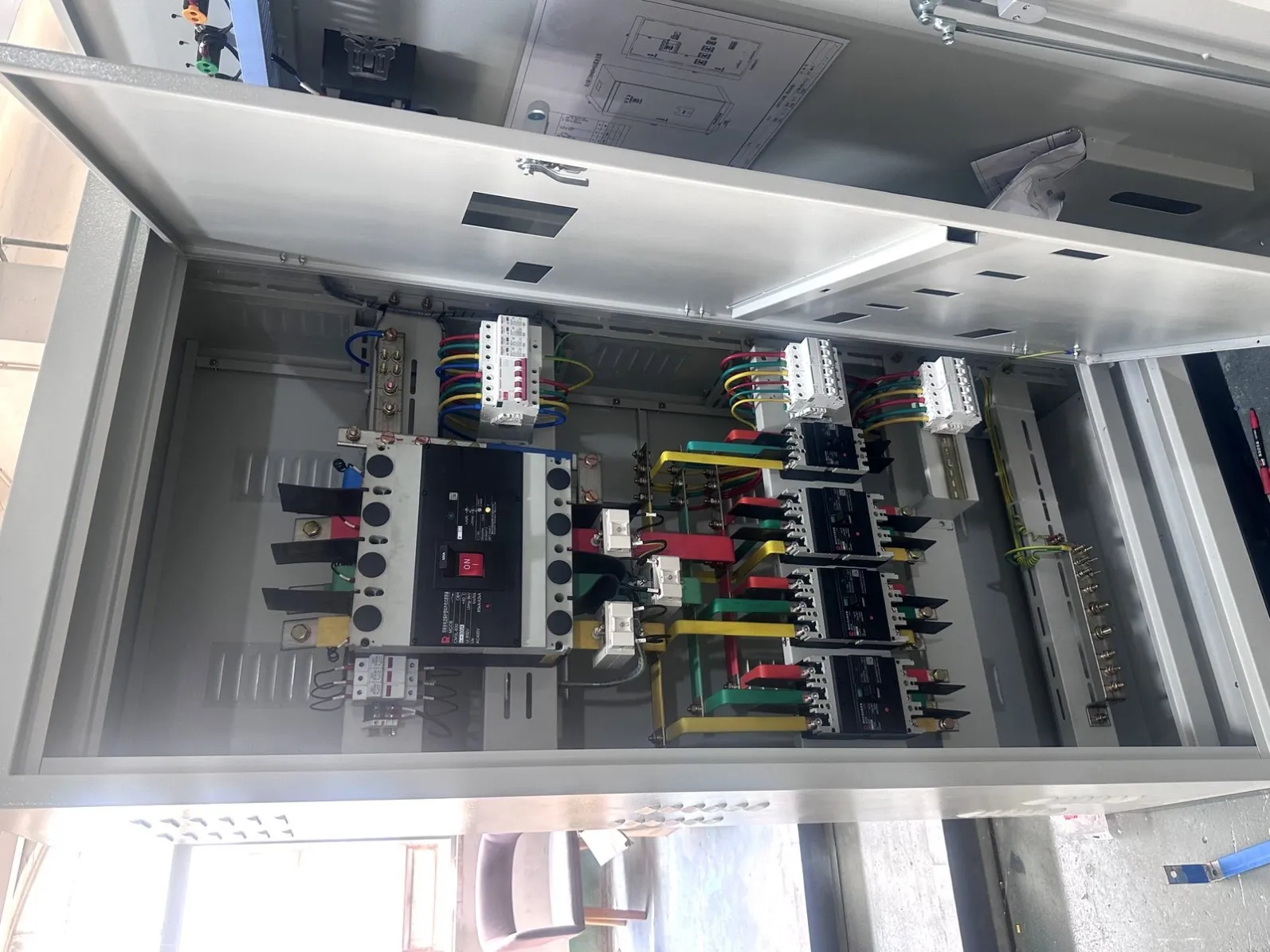
Why after-sales is a buying decision, not a footnote
A control panel is not a consumable. It is a 10–15 year asset with electrical, mechanical, and firmware parts that age differently. The cheapest panel with no support path will cost more over its life than a slightly dearer panel with a clear support commitment.
- A panel that fails at month 14 with no spares list and no reachable contact is a project restart, not a repair.
- A panel built with silent component substitutions is hard to service because no one documented what is inside.
- A panel without as-built drawings cannot be safely modified — every change becomes reverse-engineering.
Buyer Decision: Treat after-sales as a line item you evaluate before signing, not a favor you hope for later. Ask what happens at month 14 before you talk about month 0 price.
What a real warranty should cover
Not every "1-year warranty" means the same thing. Read the scope.
Workmanship vs components
A build shop typically warrants its own labor and wiring for 12 months. The components inside carry their own manufacturer warranties (often longer). If a Siemens PLC fails, that is the component maker's warranty, not the panel builder's — make sure the quote states which party covers what.
Commissioning vs operational failure
Some warranties cover only defects found during commissioning; others extend to operational failures within the period. For a panel shipped halfway around the world, the difference matters because you may not power it up until weeks after delivery.
Documentation as warranty
The strongest "warranty" is the as-built package: schematics, layout, BOM with part numbers, FAT record, and manuals. With those, any competent technician can service the panel even if the original builder is unreachable.
The support you should require in writing
Put these in the purchase order, not the handshake.
Support element | What "good" looks like | Red flag if absent |
|---|---|---|
Warranty period & scope | Written 12-month workmanship + named component coverage | "We'll take care of it" with no period |
As-built documentation | Full set on delivery, matches what shipped | "We'll send drawings later" |
Spares list | Recommended spares with part numbers | No spares guidance |
FAT record | Every I/O point tested, record provided | Visual check only |
Revision & change control | How modifications are logged and redrawn | No process |
Reachable contact | A named contact for faults and revisions | Only a generic inbox |
Engineering Note: A panel built to IP65/NEMA 4X with a documented FAT record is far easier to support years later than a cheaper panel with no test record — the test record is the service manual.
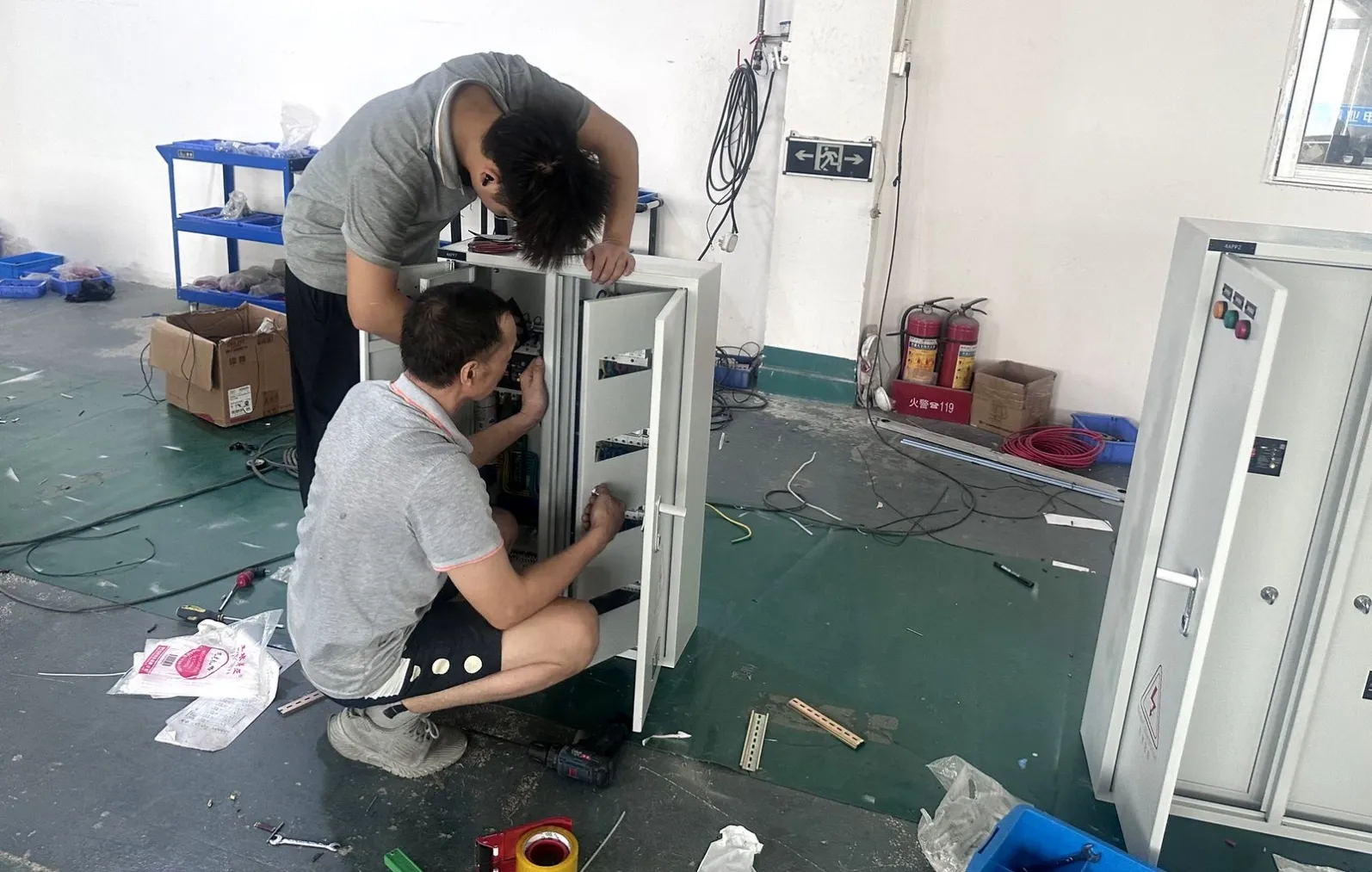
Build shop vs sourcing partner: who supports you later
The model you buy from changes who answers the phone at month 14.
- Build shop — warrants its own build, but you manage component sourcing and often the freight. Support depends on one workshop's continuity.
- Factory-direct OEM — strong on branded product support, but rigid outside its catalog and slower on mixed-brand panels.
- Sourcing partner — sources the PLC and components across brands, builds through a supplier network, and owns one accountable FAT and as-built package. Support is consolidated into one contact.
We are the third model. We are not one of the panel manufacturers, and we do not pretend to be.
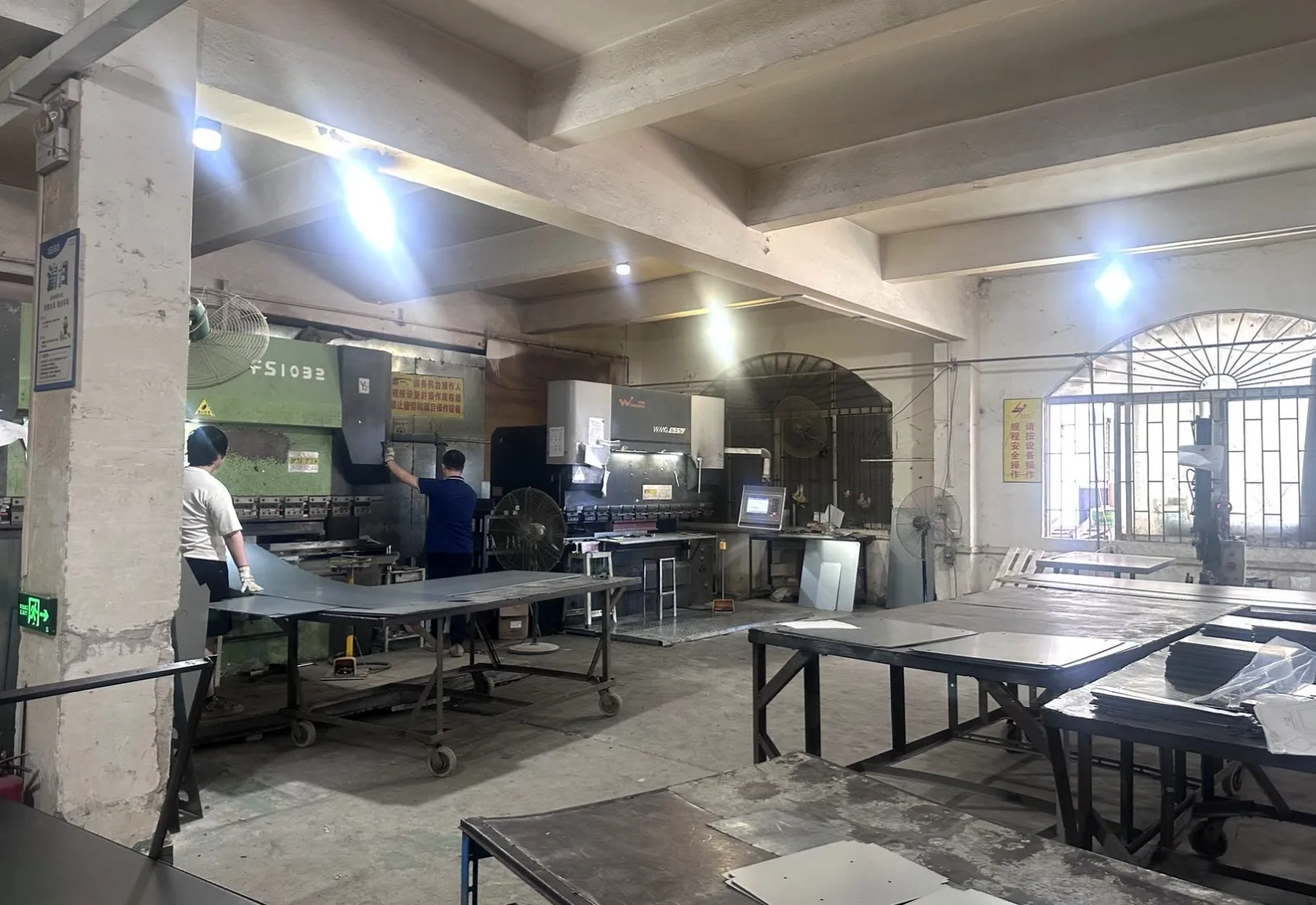
Red flags that leave you stranded
Buyer Decision: Slow down if you see these: 1. No written warranty period or scope. 2. No as-built documentation commitment. 3. No spares list or recommended parts. 4. FAT offered as "we look at it" rather than tested and recorded. 5. No named contact for post-delivery faults or revisions. 6. The quote is price-only with no support terms.
Most of these gaps also appear in our Top 10 Mistakes When Sourcing Control Panels From China — read that list alongside this one before you sign.
How we structure support
As a sourcing partner, we build the panel through our Foshan supplier network and hand over one accountable package:
- FAT records included — every I/O point verified before shipment, with a readable record you keep.
- As-built documentation — drawings, BOM with part numbers, and test records matching what shipped.
- Three-segment lead time so revisions and repeat orders are predictable: a complete custom panel from 1 unit (35–40 days after drawing + BOM review); empty enclosure / shell MOQ 5 (15–20 days); stock components 3–5 days dispatch.
- Named-brand components — we distribute Siemens, Mitsubishi, ABB and others, so spares are standard, orderable parts, not mystery substitutes.
We do not hold a UL 508A listing ourselves; for US-bound panels we match your order to a UL-listed partner shop and provide the file number in writing. See UL for the standard.
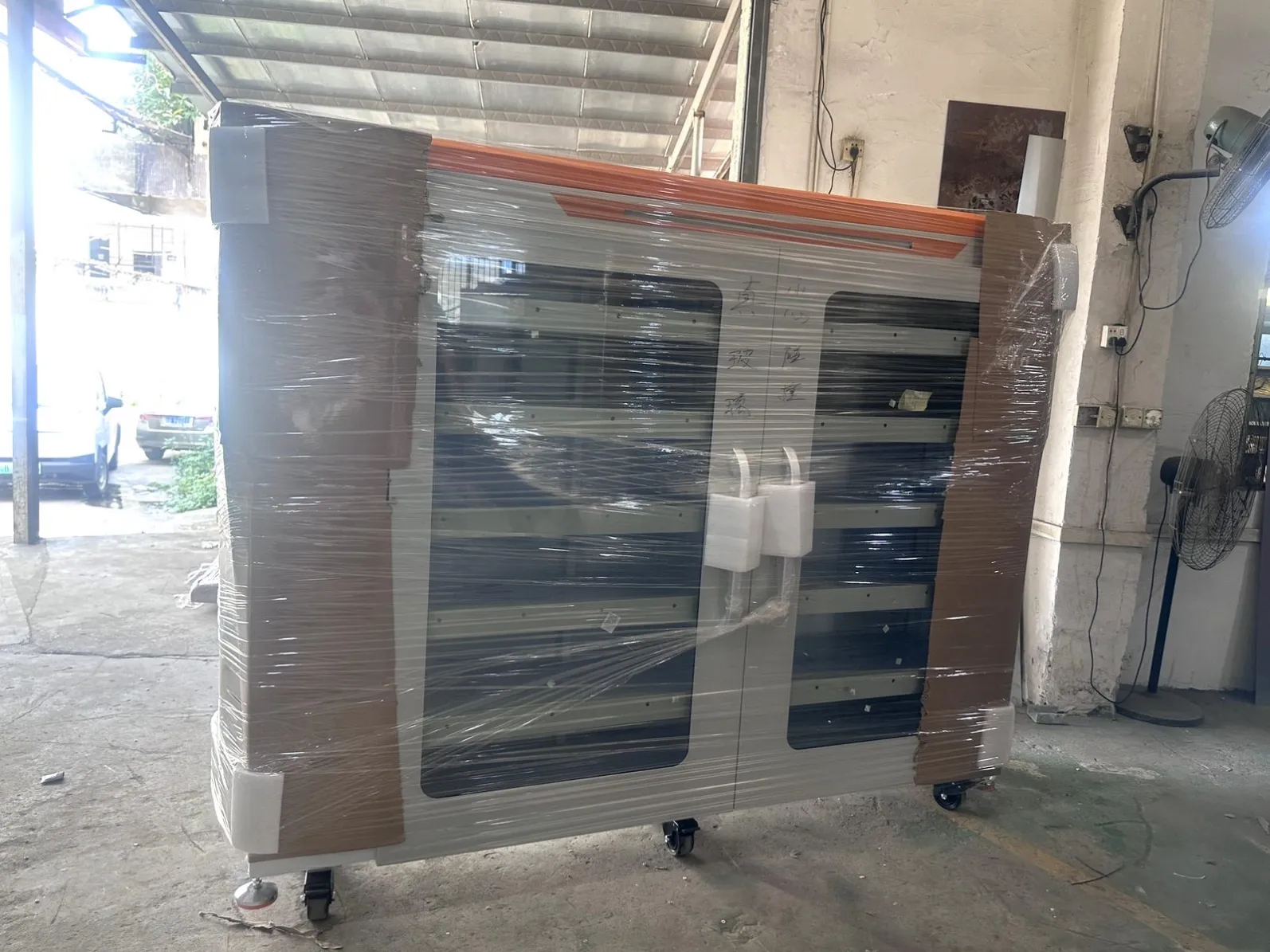
Where we sit
We are a sourcing partner, not a control panel manufacturer. We do not brand our own panels; we source leading controllers and components and build the panel through our Foshan network with FAT records included.
We are a strong fit if you need a mixed-brand panel built and tested as one accountable package, with written UL 508A path for the US and a single party who owns the FAT, the as-built docs, and the spares list. We are the wrong fit if you want a single-brand OEM badge with no integration — buy direct from the OEM in that case. What we protect against is the gap between "the panel was delivered" and "the panel is still supported in year three."
Engineering Takeaway
Specify after-sales before you sign. Require a written warranty scope, the full as-built documentation package, a recommended spares list, and a FAT record — those four are what keep a 10–15 year asset serviceable. Avoid any supplier who quotes price-only with no support terms. Send us your drawings, BOM, required PLC platform, and site environment and we will quote the build — usually within one business day — with FAT records, as-built docs, and a spares list included.
Frequently Asked Questions
What should a control panel warranty actually cover?
At minimum, written workmanship coverage (commonly 12 months) plus a clear statement of which components carry their own manufacturer warranties. It should also state whether operational failures after commissioning are included, not just defects found during startup.
Do I need as-built drawings if the panel works?
Yes. Without as-built drawings and a BOM with part numbers, any future modification or fault diagnosis becomes reverse-engineering. The as-built package is the service manual for the panel's whole life.
What is a FAT record and why does it matter for support?
A Factory Acceptance Test exercises every I/O point and function before shipment, with a pass/fail record. Years later, that record tells a technician exactly what the panel is supposed to do — it is the single most useful support document you can keep.
How do I avoid silent component substitution that hurts serviceability?
Require named brands and part numbers in the quote and BOM, and state substitutions need written approval. "Equivalent" without a named brand is a placeholder that makes spares impossible to source later.
What lead time should I expect for a repeat or revised panel?
A complete custom panel is typically 35–40 days after drawing and BOM review (from 1 unit). Empty enclosures or shells run MOQ 5 at about 15 days, and in-stock components dispatch in 3–5 days. A predictable schedule is itself part of support.
Can a sourcing partner provide UL 508A support?
We do not hold the listing ourselves, but for US-bound panels we match your order to a UL-listed partner shop and give you the file number in writing with the listing scope. See UL.
Related Guides
Get a Quote
Send us your drawings, BOM, required PLC platform, and site environment, and we will quote the build — usually within one business day — with FAT records, as-built documentation, and a spares list included.
Lead time at a glance: - Complete custom panel: from 1 unit, quoted after drawing + BOM review — 35–40 days - Empty enclosure / shell: MOQ 5, 15–20 days - Stock components: 3–5 days dispatch
Produced with AI-assisted drafting and reviewed by the Uni Regal team before publication.