
Oct 19, 2026Control Panels
How to Read a Control Panel Quote When You're Not an Electrician
Three quotes, three prices, zero comparison. Here's the line-by-line decode of a control panel quote so you can tell a real bid from a stripped one.
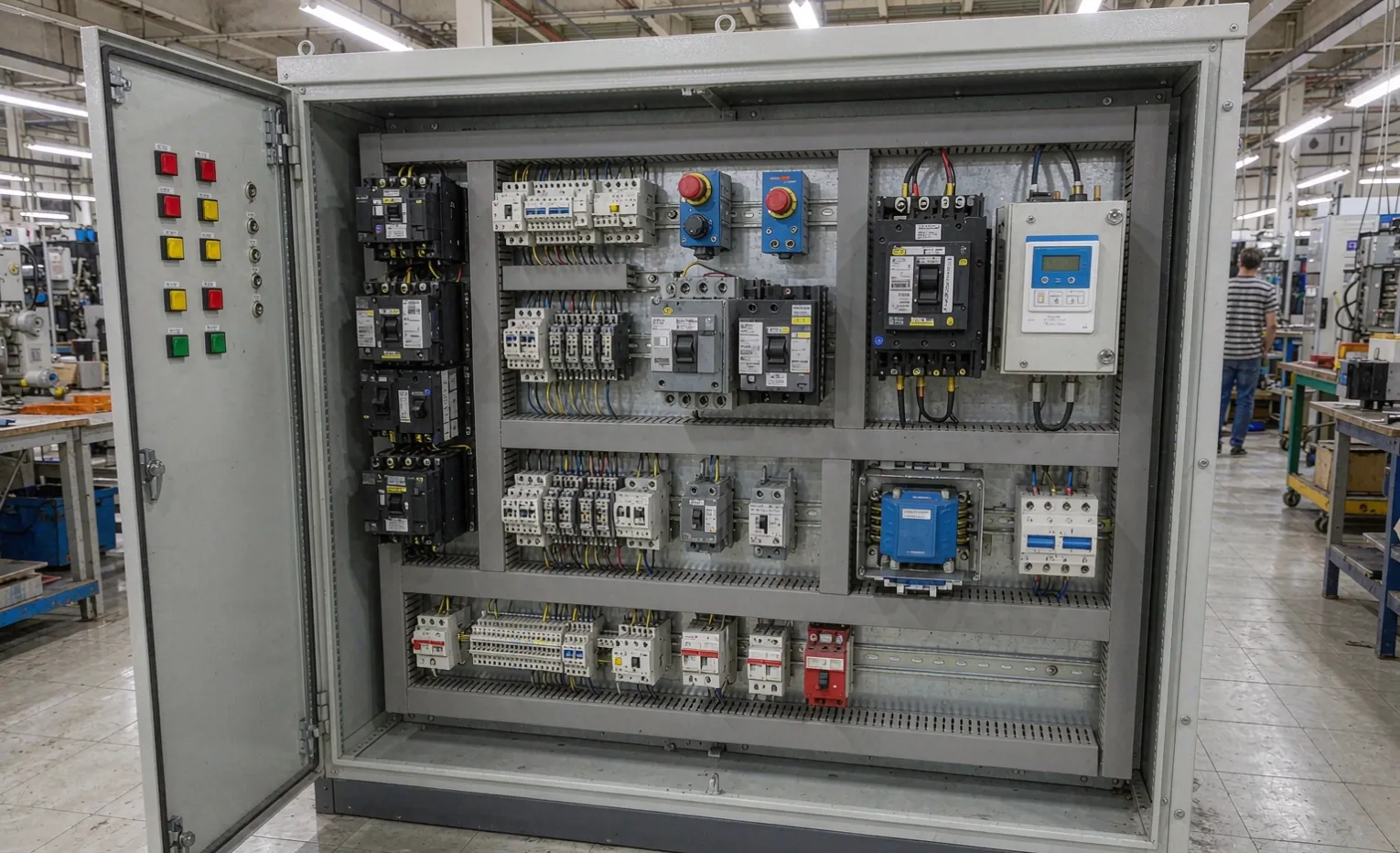
You got three quotes, and they don't look like the same job.
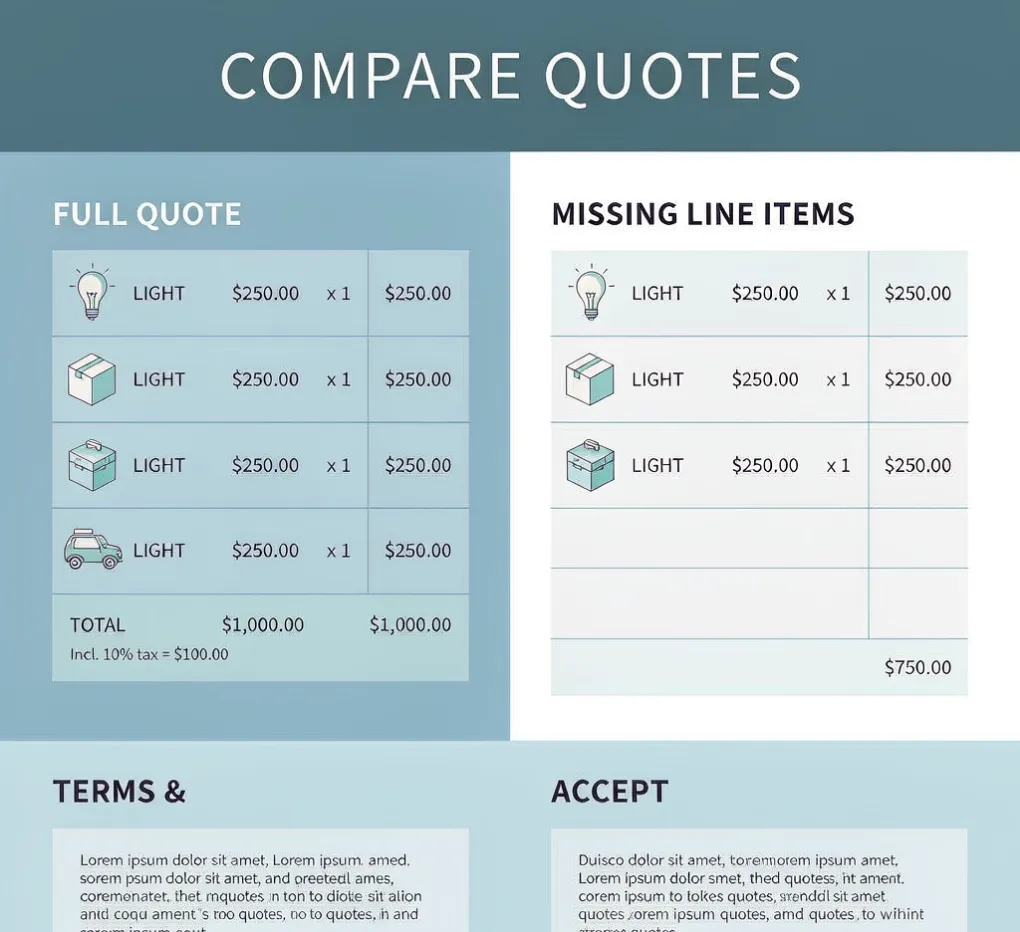
That's normal, and it's the trap. A control panel quote isn't a single number—it's a pile of line items, and most of the cost is hidden in the lines nobody explains. When three bids land 30–40% apart, it usually means three different scopes, not three different profit margins. Your job is to make them comparable before you pick.
We're a sourcing partner and panel-build shop, not a manufacturer, so we live in the middle of these quotes every day. Here's the decode, line by line.
Start with the enclosure line.
This is where stripped bids cut first. A complete quote names the rating and the material. You want to see NEMA 4X or IP66 if the panel faces washdown, dust, or weather—and you want to see whether it's carbon steel, 304, or 316 stainless. Same "stainless" label, very different life in a coastal or chemical plant.

If the enclosure line just says "NEMA 12 enclosure," and your site is outdoors, that bid isn't cheaper. It's wrong. The NEMA rating system (covered by NEMA 250) and the IP system (covered by IEC 60529) are not interchangeable, and a vague enclosure line is the first red flag.
The component brands—named or vague
A real bid names the brands it's putting inside: the PLC, the drives, the breakers, and the terminals. We typically source Mitsubishi, Siemens, ABB, and Schneider components, and we'll say so on the quote.
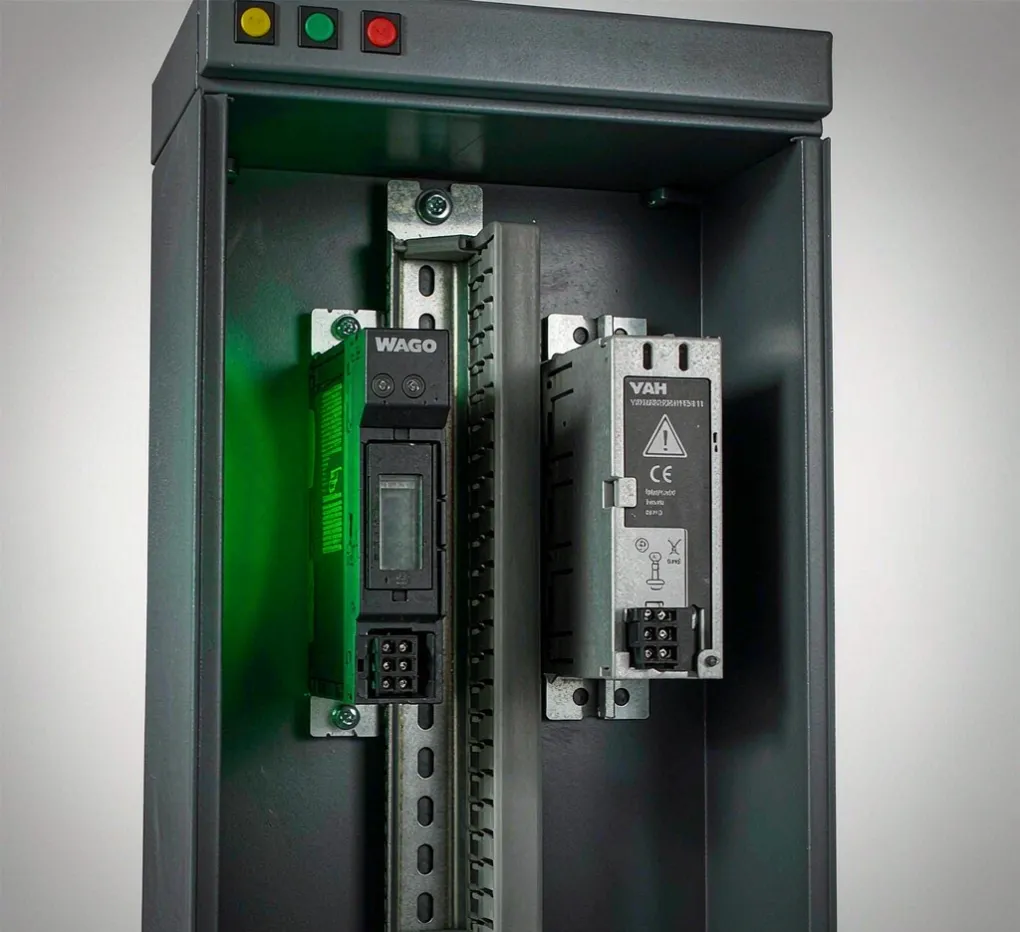
When a quote says "equivalent" or "major brand," read it as "we haven't decided, and it'll be whatever's cheapest that week." That's not always bad—but you can't compare it to a bid that named Siemens. Ask for the brand in writing, or you're comparing a question mark to a specification.
Labor, engineering, and FAT—the invisible 30%
The box and the parts are maybe 60–70% of the cost. The rest is engineering, wiring labor, and testing. A complete quote shows Factory Acceptance Testing with records—the panel powered up, I/O checked, and faults logged and cleared before it shipped. FAT records included are the line that separates a panel that works on arrival from one that becomes your commissioning problem.
If FAT isn't on the quote, assume it isn't in the price. You'll pay for it later, on site, at the worst possible time.
Certification scope—UL 508A listed vs. recognized
This is the one that quietly changes the price by 10–20%. UL 508A is the safety standard for industrial control panels, and every listed panel is built and verified to it (UL 508A). But there's a gap: a panel can use "recognized" components without being a "listed" assembly. A listed assembly means the whole panel was evaluated. "Recognized-only" means the pieces were, not the build.
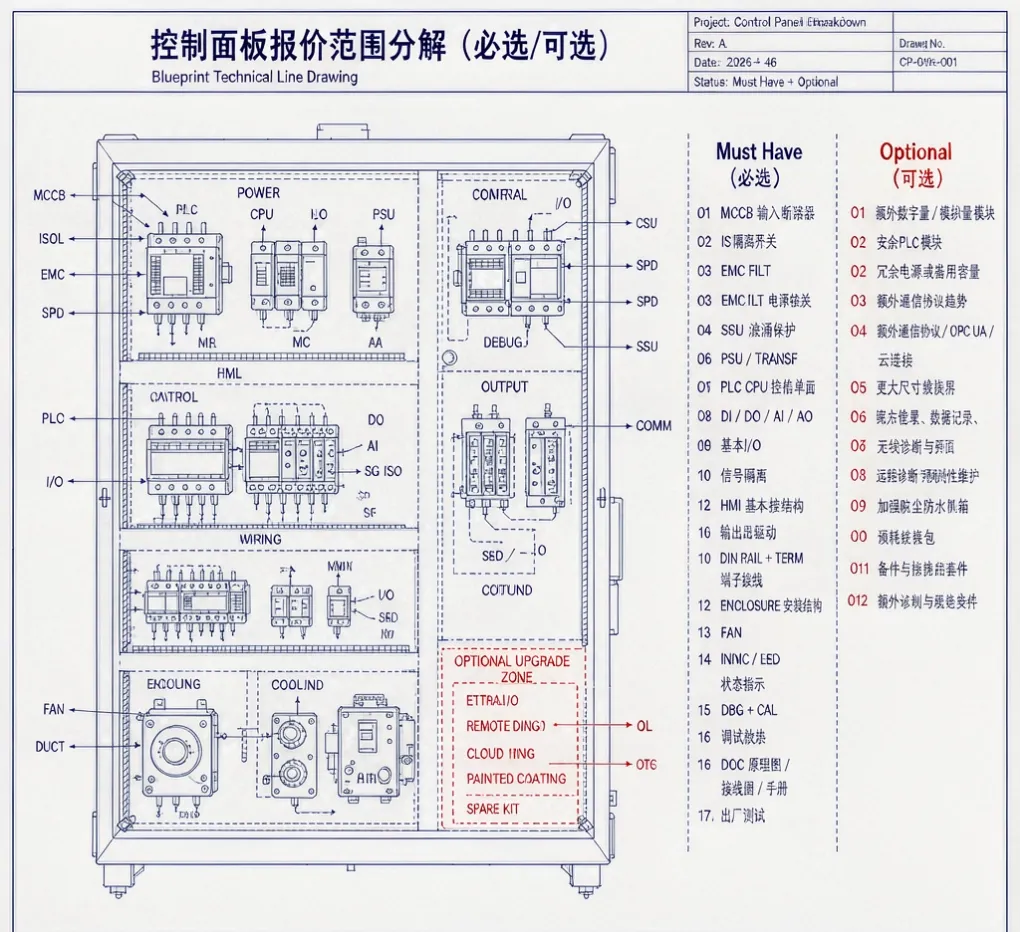
If your project needs the panel to pass local inspection, ask directly: "Is this a UL 508A listed assembly?" A bid that dodges that question is a bid you'll need to redo.
Lead time and what "stock" means
Here's the honest range we work to: an empty cabinet can ship in about 15–20 days at a 5-unit minimum; a full custom panel runs 35–40 days after the drawing and BOM are reviewed; loose components move in 3–5 days. When a quote promises a full custom panel in a week, check whether "custom" means "we changed a label on a catalog box."
The decode table
Line item | What a complete bid! | Red flag if missing |
|---|---|---|
Enclosure | NEMA/IP rating + material (CS/304/316) | Just "enclosure" or "NEMA 12" for a wet site. |
Components | Named PLC / drive / breaker brands | "Equivalent" or "major brand" |
Engineering | Drawing + BOM review line | No design line at all |
FAT | Test records included | No mention of testing |
Certification | "UL 508A listed assembly" stated. | "Recognized components" dodged. |
Lead time | Realistic days tied to scope | "1 week" on a full custom build |
FAQ
Why is one quote 40% cheaper than the others?
Almost always a different scope—missing FAT, unnamed components, or a lighter enclosure. Make the lines match first; then compare the number.
What does UL 508A actually cover?
It means the whole assembled panel was evaluated and built to the UL 508A safety standard, not just the individual parts. Insist on "listed assembly" if your site needs to pass inspection.
Should the quote include FAT and test records?
Yes. FAT is the panel powered up and checked before it ships. If it's not on the quote, it's probably not in the price—and you'll find the problems on site instead.
What lead time is realistic for a custom panel?
About 15–20 days for an empty cabinet (5-unit minimum), 35–40 days for a full custom build after drawing review, 3–5 days for loose components. A one-week full-custom promise usually means a catalog box with a new label.
Why do some quotes not name the component brands?
Sometimes it's flexibility; sometimes it's covering for the cheapest option of the week. Either way, you can't compare it to a bid that named the brand. Require it in writing.
Is a stainless enclosure always necessary?
No. Indoor, dry, mild environments are fine with coated carbon steel. You need 304 or 316 stainless when there's washdown, chemicals, or coastal air. Paying for 316 when 304 would do is as wasteful as the reverse.
Buyer takeaway—put this in your RFQ.
Send the same scope to every bidder: the voltage and phase, the environment (indoor/dry vs washdown/outdoor), the component brands you'll accept, "UL 508A listed assembly," and "FAT records included." Do that, and the three quotes finally describe the same panel—and the cheapest one stops being a mystery. When your RFQ is ready, upload it for an engineering review.
Related guides
Our electrical enclosure sourcing guide explains the material and rating choices in more depth, and the custom control panels overview shows where a panel like this fits in a project.