
Oct 8, 2026Buying Guides
Industrial UPS RFQ Specification Guide: What to Put in the Quote Request
A UPS RFQ that just says '10 kVA' gets you three different boxes. Here's the specification template that makes suppliers quote the same thing — so you can actually compare.
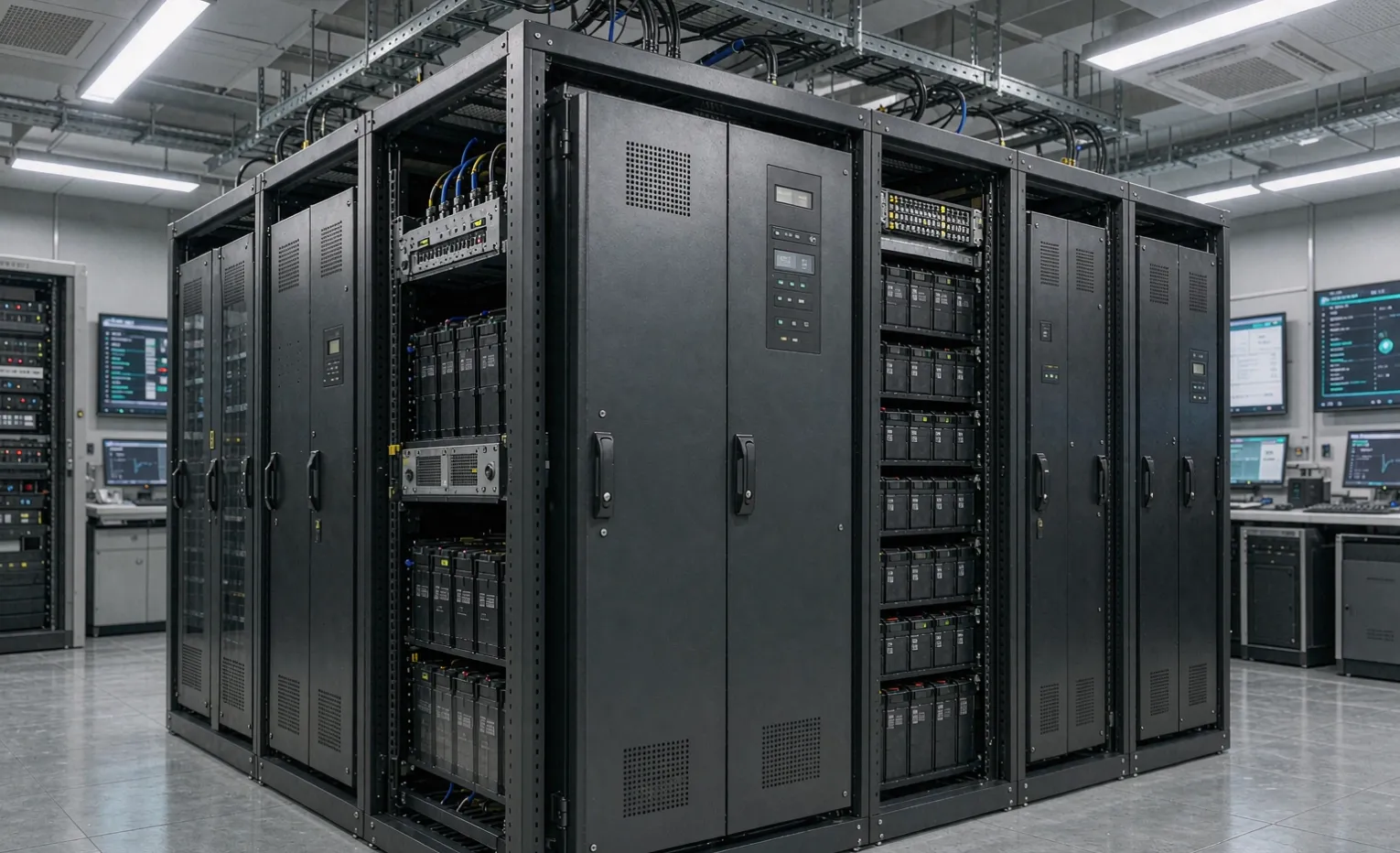
A UPS RFQ that just says "send me a 10 kVA UPS" is how buyers end up comparing three quotes for three different machines. One supplier sizes it to kVA, another to kW, and a third throws in a 5-minute battery because that's what fits the price. None of them are lying—you just didn't tell them what you're actually buying.
If you're backing up a control panel, here's the specification template that makes every supplier quote the same box.
What an industrial UPS RFQ actually needs
Load profile—in kW, not just kVA. UPS units are rated in kVA, but your load draws real power in kW. A typical control-panel load runs at power factor around 0.9, so usable kW is roughly 90% of the kVA nameplate. Tell the supplier the actual kW you need to support and the crest factor of the load, or you'll be quoted on a number that doesn't match your panel.
Runtime target—at a defined load. "10 minutes" means nothing unless you say 10 minutes at what load. State it as, for example, "15 minutes at 100% load" or "30 minutes at 50% load." Battery capacity scales with runtime multiplied by load, so this single line drives most of the cost.
Topology. For industrial control loads, you almost always want double-conversion online—the load is fully isolated from the incoming grid through a rectifier and inverter. The performance and classification reference is IEC62040; in North America the safety listing is UL1778.
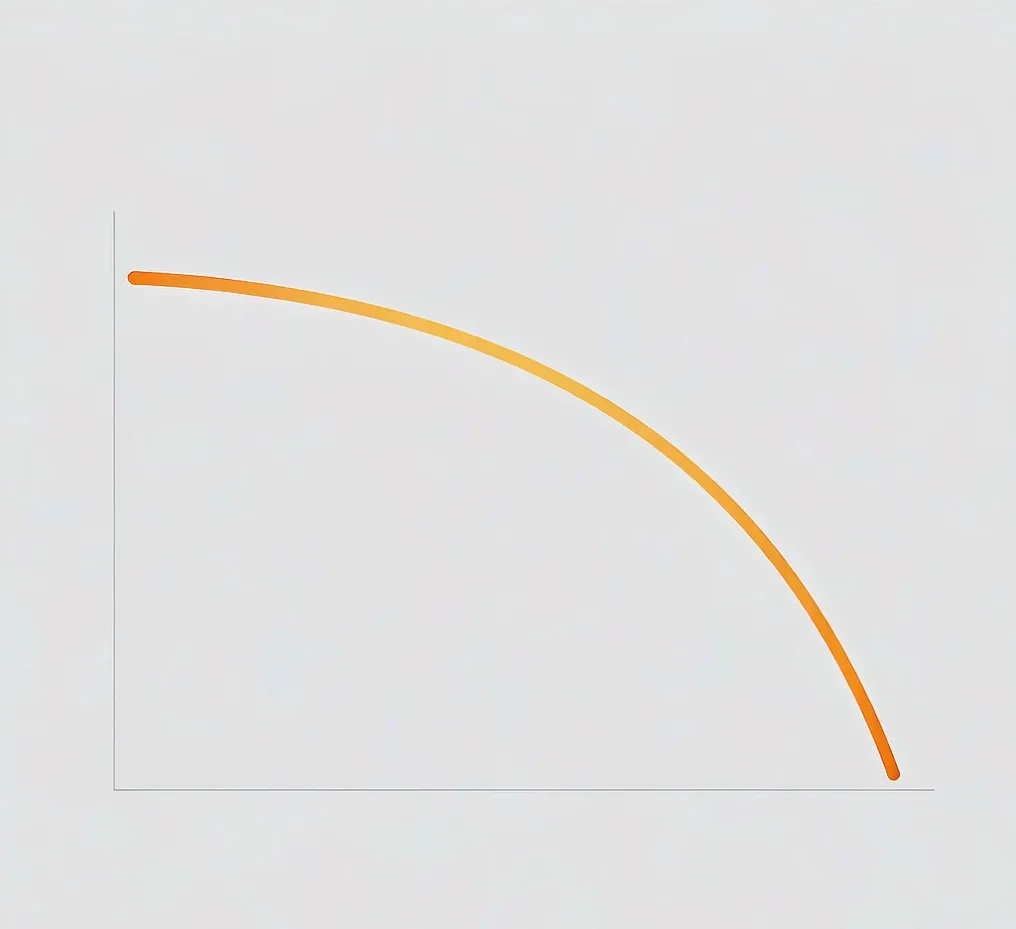
Battery type. VRLA (sealed lead-acid) is the default—cheaper, but life runs about 3–5 years, and every 10°C above 25°C roughly halves it. LiFePO₄ lasts far longer and tolerates temperature better, at a higher upfront cost. Name the chemistry you'll accept, or you'll get the cheap one by default.
Environment and enclosure. A UPS on a clean control room wall is a different animal from one on a hot, dusty plant floor. State the ambient temperature range, humidity, altitude, and the enclosure rating you need—NEMA ratings for North America, IEC 60529 (IP) for elsewhere. A supplier quoting an office-grade unit into a 45°C cabinet is setting you up for early failure.
Redundancy. If the load is critical, say whether you need N+1 (a parallel module so one can fail without dropping the load). This changes both the unit and the shelf/rack layout, so it belongs in the RFQ, not the afterthought.
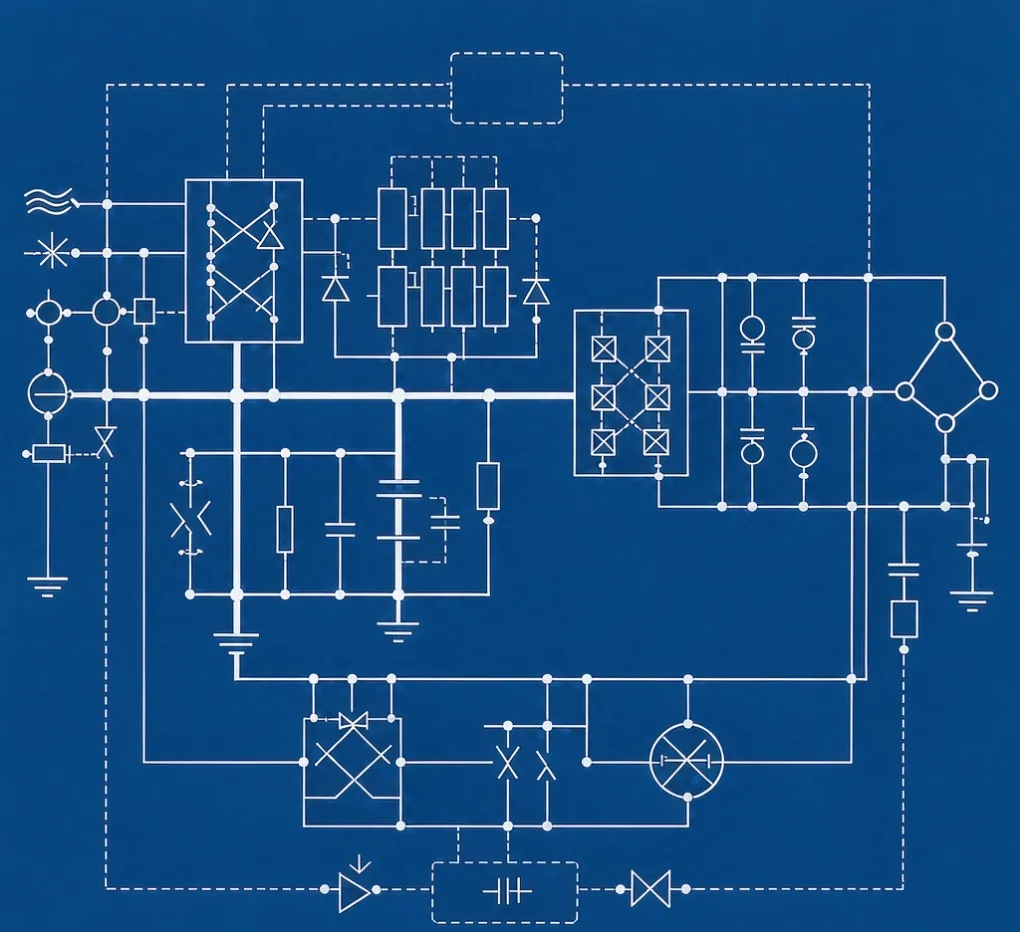
The RFQ spec table
Field | What to write | Why it matters |
|---|---|---|
Real load | kW + crest factor | The kVA nameplate overstates usable power. |
Runtime | Minutes at X% load | Drives battery size and most of the cost |
Topology | Double-conversion online | Isolates load from grid disturbances |
Battery | VRLA or LiFePO₄ | Sets lifespan and temperature tolerance |
Environment | Temp, humidity, altitude, IP/NEMA | Prevents under-specifying the enclosure |
Redundancy | N, N+1, or 2N | Determines parallel modules and layout |
Communications | Modbus / dry contacts / SNMP | How it talks to your BMS or SCADA |

A quote we untangled
A water-treatment integrator sent us three supplier quotes for a "20 kVA UPS." One was 20 kVA at 0.9 pf (18 kW usable), one was 20 kVA at 0.8 (16 kW), and one had a 10-minute battery. The panels they were backing up drew 15 kW. Only one quote actually fit—and it wasn't the cheapest. Once we rewrote the RFQ with the table above, all three suppliers came back within 5% of each other on a like-for-like box. The exercise saved more than the UPS cost in avoided mismatch.
Mistakes buyers make
- "kVA is close enough." It isn't, once a drop. Size to kW, or you'll under-buy.
- "Runtime is a detail." It's the biggest cost lever. Vague runtime = vague, incomparable quotes.
- "Any UPS in a cabinet will survive the floor." Office-grade units in a hot, dusty environment die young. Specify the enclosure.
- "Redundancy can wait." If you need N+1, specify it now—retrofitting parallel modules later is a different (and bigger) project.
If the panels you're backing up run VFDs, pair this with our guide to when a VFD panel needs a line reactor — power quality at the input and continuity at the output are two halves of the same reliability story.
For the record, we're a sourcing partner, not a UPS manufacturer—so this is specification advice you can use with any supplier. Our electrical enclosure supplier's guide to sourcing from China covers the broader build-and-ship process, and our industrial UPS systems solution page shows what we integrate and ship.
FAQ
Should I specify kVA or kW in the RFQ?
Specify kW—the real power your load draws. kVA is the unit's capacity; pf converts it to usable kW, and that's what your panel actually consumes.
How much runtime is "enough"?
Enough to ride through the outage or reach a controlled shutdown/generator start—often 10–30 minutes at the target load. Define it explicitly; don't leave it to the supplier's default.
VRLA or LiFePO₄?
VRLA is cheaper and fine in temperature-controlled rooms. LiFePO₄ lasts longer and handles heat better, worth it for harsh or hard-to-service sites. Name your acceptable chemistry.
Does the UPS need a special enclosure on the plant floor?
Usually yes. State the ambient temperature, humidity, and IP/NEMA rating. A standard indoor unit in a hot cabinet will fail early.
What communications should I ask for?
At minimum, dry contacts or Modbus for alarm; SNMP if it feeds a BMS or SCADA. Put it in the RFQ so the unit ships with the right card.
Is double-conversion online always required?
For control panels and sensitive electronics, yes—it fully isolates the load from grid disturbances. Line-interactive is acceptable only for very clean, non-critical supplies.
Buyer takeaway
A usable UPS RFQ lists real load in kW, runtime at a defined load, double-conversion online topology, acceptable battery chemistry, the true environment, and the redundancy level. Do that, and three suppliers quote the same machine—so you compare price, not guesses. Skip it and you're comparing apples, oranges, and a box that won't fit the cabinet.
Related guides
Ready to send the RFQ?
Upload your panel load and environment for a spec review — we'll return a like-for-like specification you can send to any supplier.