
Sep 13, 2026
Outdoor UPS Guide: How to Specify a UPS That Survives Outside
An outdoor UPS needs a NEMA 4X enclosure, a wide temperature rating, and convection or filtered cooling — not a repurposed indoor unit. How to specify one that survives heat, humidity, and dust.
Outdoor UPS Guide: How to Specify a UPS That Survives Outside
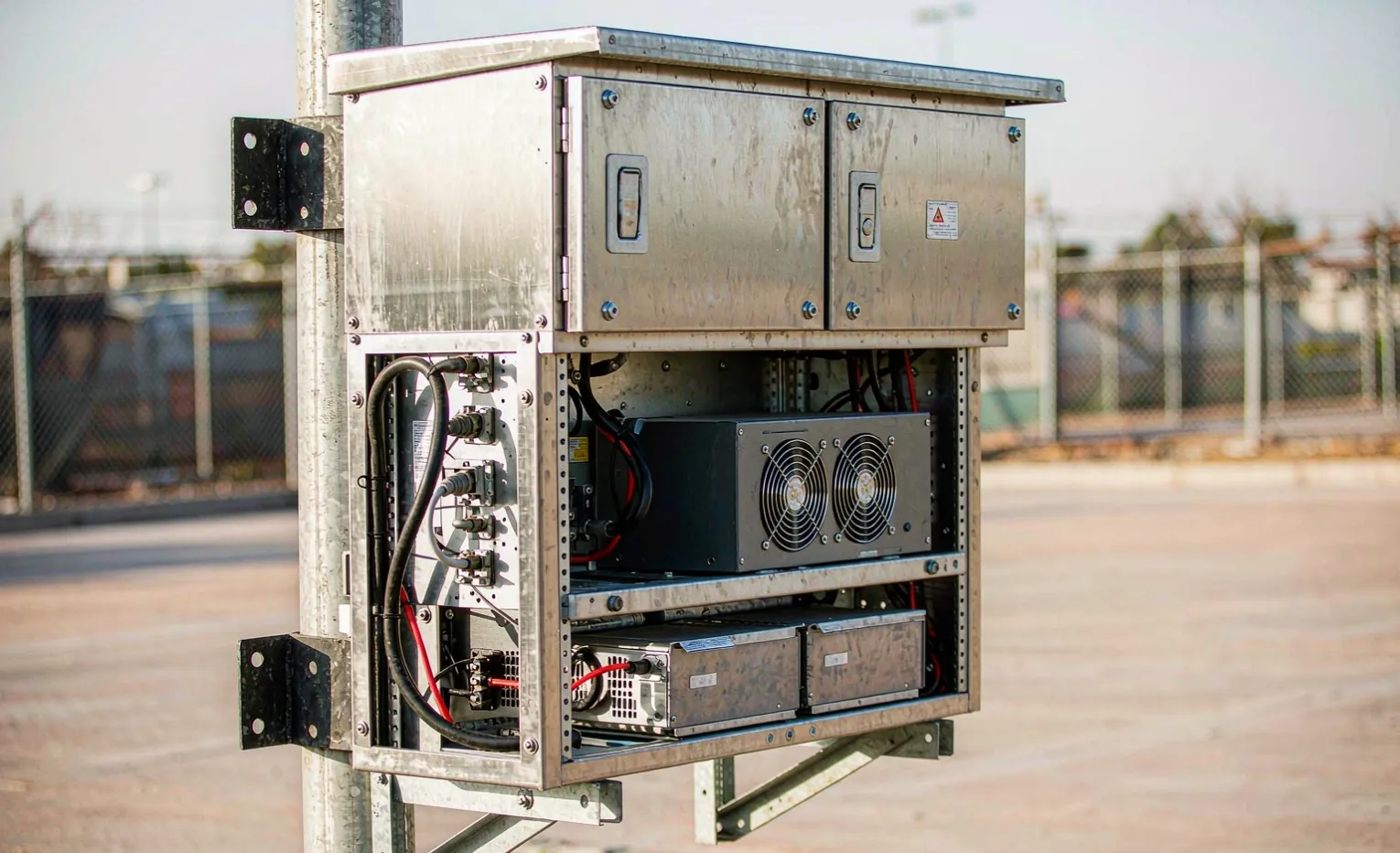
An indoor UPS rated for a climate-controlled room dies fast outside. The same unit that runs for years in a panel shop lasts a season on a pole or a rooftop, because the three things that kill electronics — heat, moisture, condensation, and dust — are exactly what "outside" delivers. Specifying an outdoor UPS is not "buy a UPS and put it outside." It is matching the rating to the environment before the cabinet is built.
As a sourcing partner, we build outdoor-rated UPS into industrial enclosures, and the enclosure rating is the first decision, not an afterthought. See our industrial UPS solutions for the integrated approach.
Three things that kill an outdoor UPS
- Heat. A sealed cabinet in the sun runs 20–30 °C above ambient. Batteries lose capacity and life with every degree; the inverter derates or shuts down.
- Humidity and condensation. Morning dew inside a poorly sealed box shorts boards. A NEMA 4X gasket keeps the wet out; a vented box does not.
- Dust and ingress. A fan drawing unfiltered air packs the heatsink and the boards with grit, and the fan itself is the first thing to fail.
An outdoor UPS has to answer all three at once. A unit that solves heat with a fan but breathes dust fails on point three.
Match the rating to the site
Environment | Enclosure | Temp rating | Cooling |
|---|---|---|---|
Sheltered wall, mild climate | NEMA 4 | 0 to 40 °C | Fan or convection |
Exposed outdoor, sun load | NEMA 4X | −20 to 50 °C | Convection, no fan |
Harsh / washdown / corrosive | NEMA 4X, coated | −20 to 50 °C+ | Convection, filtered |
Extreme cold | NEMA 4X + heater | −40 to 50 °C | Convection + thermostat |
The enclosure is part of the UPS
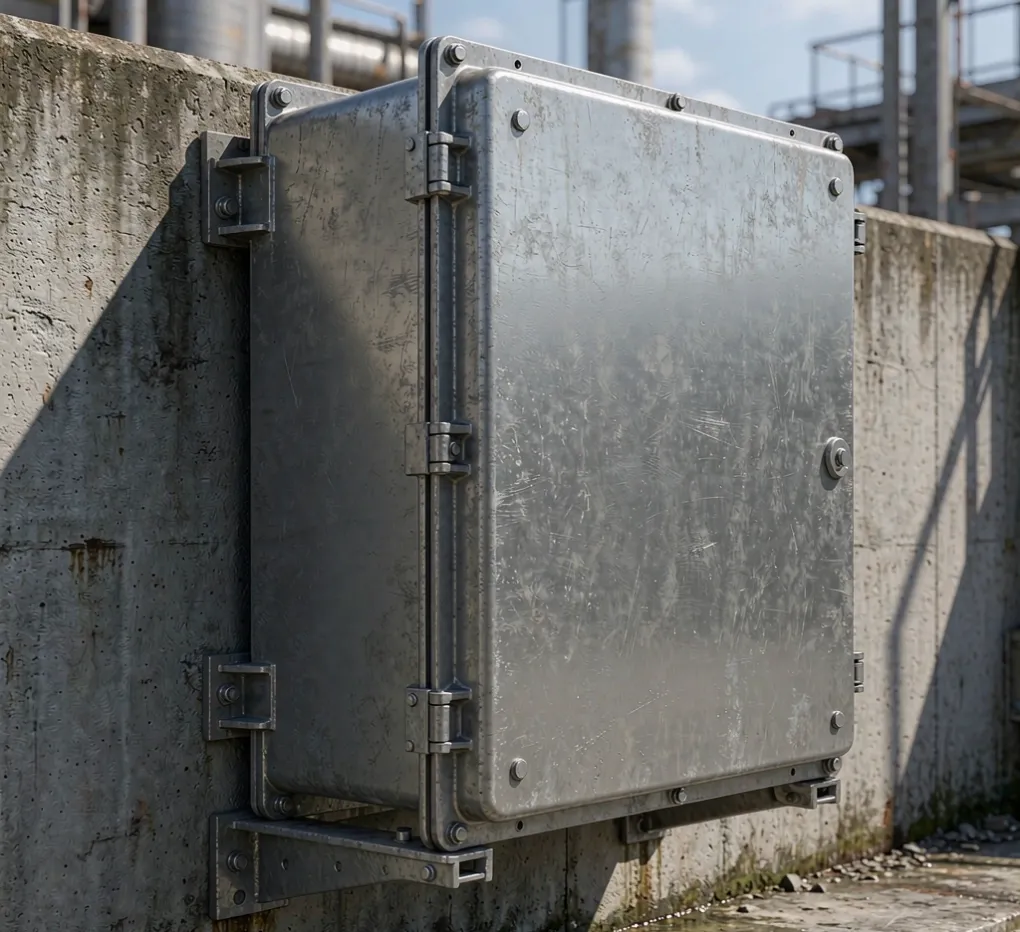
For an outdoor install, the rating comes from the box, not just the unit inside it. A UPS in a NEMA 4X cabinet with a wide-temperature inverter and convection cooling is an outdoor UPS. The same UPS on an open shelf is not.
This is why integration matters: build the UPS into the enclosure rated for the site, with the batteries inside the same sealed space, rather than bolting an indoor unit beside the cabinet and hoping. See our panel integration guide for how the UPS mounts and wires inside the panel.
Temperature is where runtime and life are won or lost
Batteries are the weak link outside. Valve-regulated lead-acid loses capacity above 25 °C and ages faster; lithium holds up better in heat but costs more. If the site runs hot, the battery choice (covered in our UPS battery guide) decides whether your rated runtime is real or optimistic.
Specify the UPS and its runtime at the temperature the cabinet will actually reach, not the brochure 25 °C. A unit rated 10 minutes at 25 °C may deliver 6 at 45 °C in a sun-loaded box.
Convection beats a fan outside
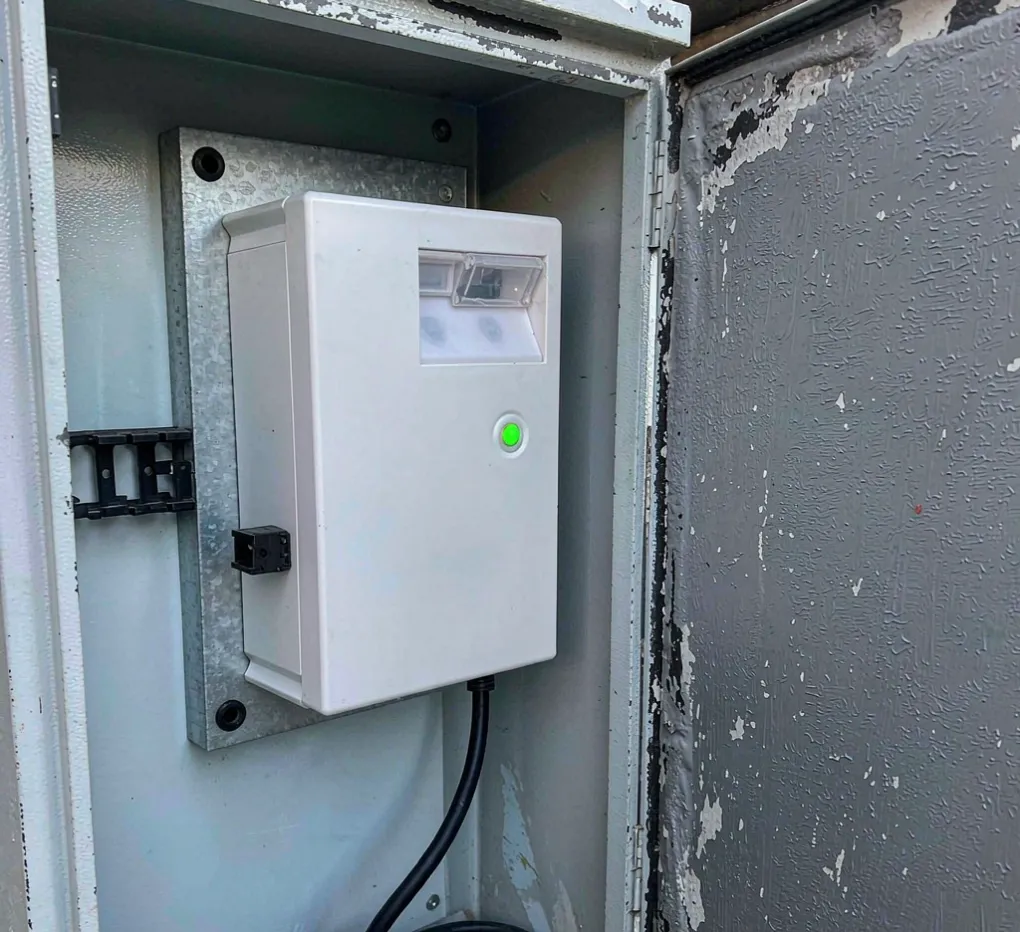
A fan moves air — and outside, that air carries dust, salt, and moisture straight onto the electronics. Fans also fail. For most outdoor control loads, a convection-cooled UPS in a sealed NEMA 4X cabinet outlasts a fan-cooled one, because there is nothing to draw contamination in and nothing to seize.
If the load is large enough that convection cannot shed the heat, move the heat out with a sealed heat exchanger or air conditioner on the cabinet — not an open vent.
What to put in the RFQ
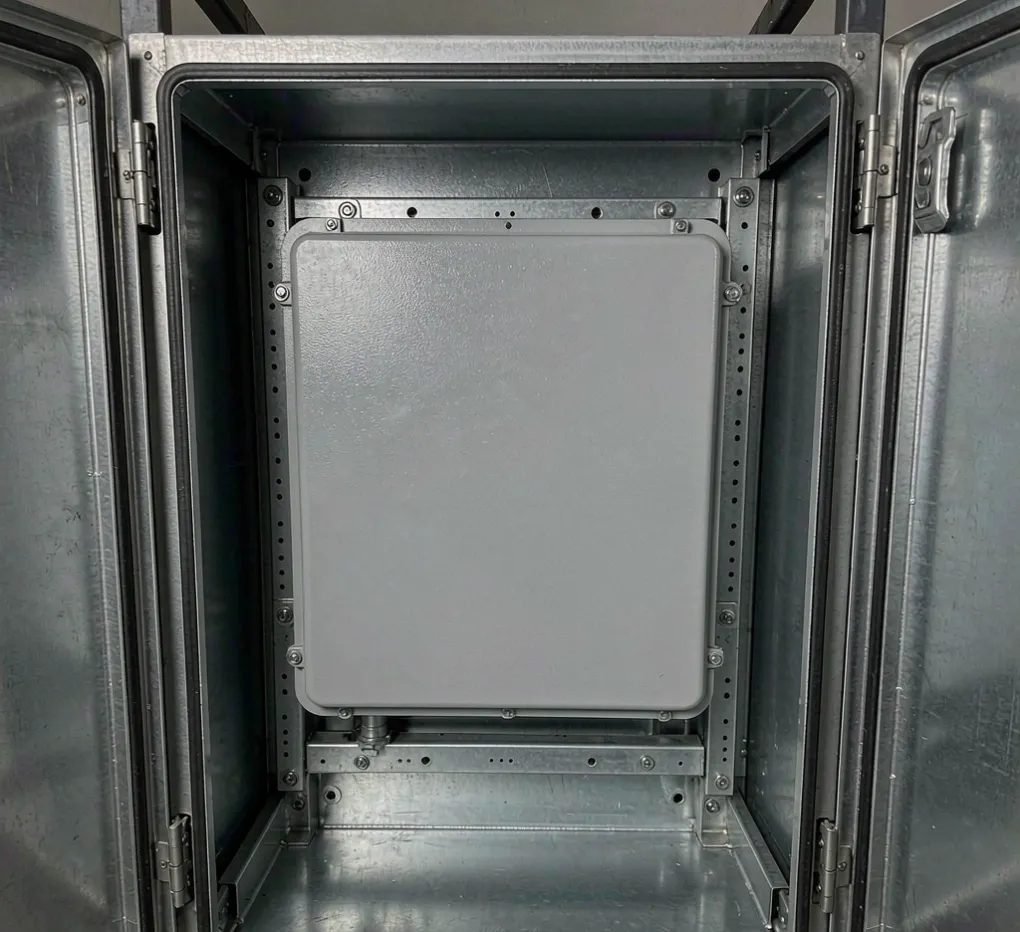
Tell the build shop the site, not a model:
- Mounting: pole, wall, or inside the control cabinet.
- Enclosure rating: NEMA 4X for exposed outdoor; name the corrosive exposure if any.
- Temperature range the UPS must survive and deliver runtime in.
- Cooling constraint: no fan if dust/salt is present.
- Runtime needed (see our backup-time guide) and the load in W/VA.
- Battery chemistry preference if heat is a concern.
Need a UPS that lives outside your building? Tell us the site and the temperature, and we will spec the enclosure, rating, and battery together. Request a quote.
Engineering takeaway
An outdoor UPS is an enclosure problem first and an electronics problem second. Get the NEMA 4X rating, the wide temperature window, and convection cooling right, and the unit runs for years. Bolt an indoor UPS outside and you have bought a warranty claim.
Related guides: - Add a UPS to a Control Panel - UPS Backup Time Sizing Guide - UPS Battery: VRLA vs Lithium - Industrial UPS Buying Guide - How to Choose an Industrial UPS System - Modular UPS Systems Guide
FAQ
Can I use a normal indoor UPS outside? Only inside a properly rated enclosure. A standard UPS in open air fails on heat, moisture, and dust within a season. Build it into a NEMA 4X cabinet with convection cooling and it becomes an outdoor UPS.
What NEMA rating do I need for outdoor? NEMA 4X for exposed outdoor — it is dust-tight, rain-tight, and corrosion-resistant with a gasket. NEMA 4 covers sheltered outdoor but is not corrosion-rated. For washdown or chemical exposure, name the corrosive agent so the coating can be specified.
Why not just add a fan for cooling? A fan pulls outside air — with its dust, salt, and moisture — onto the electronics, and the fan itself fails. For most outdoor control loads, a convection-cooled unit in a sealed cabinet outlasts a fan-cooled one.
Does cold weather hurt the UPS? Below about −10 °C, lead-acid batteries stop delivering and may freeze; inverters can also refuse to start. For cold sites, specify a heated NEMA 4X enclosure or a lithium battery rated for the low end, down to −40 °C if needed.
How does heat affect my runtime? Batteries lose capacity as they warm. A UPS rated 10 minutes at 25 °C can deliver less inside a sun-loaded cabinet at 45 °C. Ask for runtime at the real cabinet temperature, and pick the battery chemistry accordingly.
Should the UPS sit inside the control cabinet or beside it? Inside the same rated enclosure is cleaner: one sealed space, one cooling solution, no outdoor-rated cable run to a separate box. Integration is covered in our panel integration guide.