
Control Panels
Control Panel Wire Sizing: How to Size Conductors Without Cooking the Box
A builder's guide to control panel wire sizing: the 125% rule, temperature and bundle derating, voltage drop, and when to spec a bigger conductor.
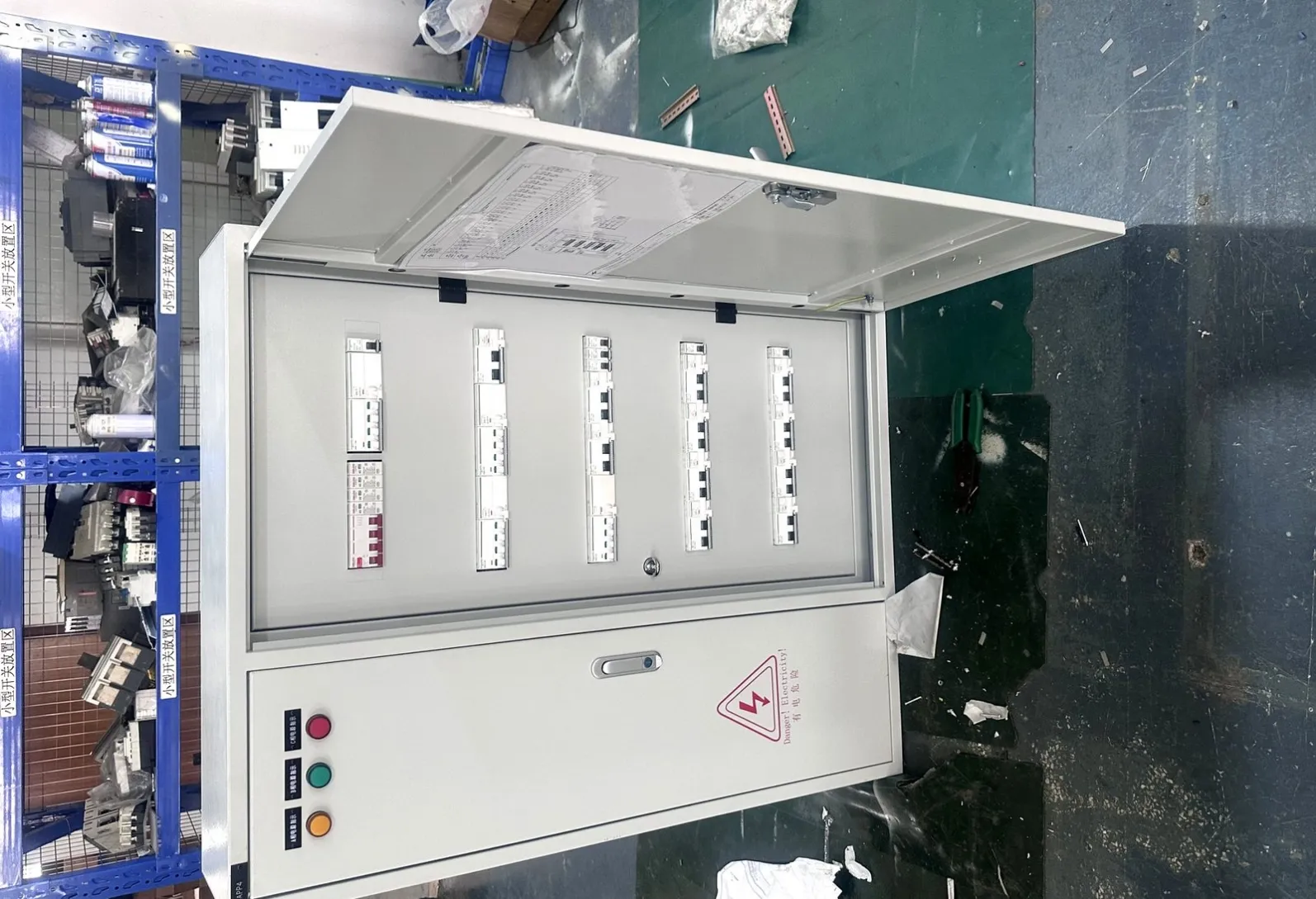
Why wire size is the quiet failure point
Most control panel fires and nuisance trips don't start with the PLC. They start with a conductor that was one size too small for the heat it actually had to carry. You can pick the right breaker, the right drive, and the right enclosure rating—and still lose the panel to a wire that quietly cooked itself inside the conduit.
If you're buying a panel, this is the single engineering detail most quotes gloss over. Ask what gauge was used and why, and you learn more about a builder's discipline than from any brochure.
This guide walks through the numbers that actually decide conductor size, the derating most buyers forget, and the point at which a bigger wire isn't optional.
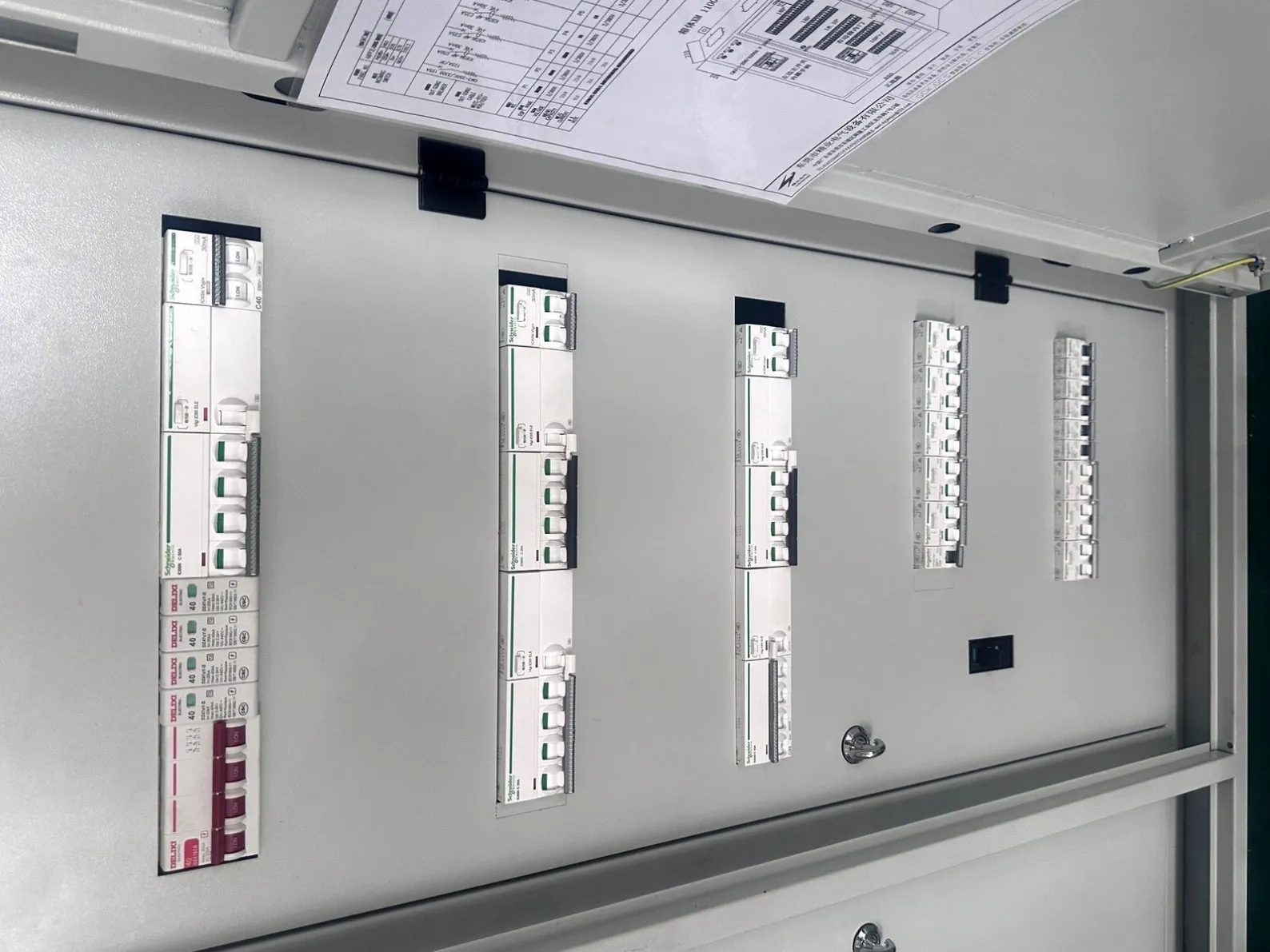
The three numbers that decide wire size
You don't size a wire by gut feel. You size it against the current it carries, the heat around it, and how far the current has to travel. Miss any one of the three and the panel runs hot.
Full-load current and the 125% rule
The baseline is the load's full-load current (FLA). For motor circuits the controlling rule in UL 508A and IEC 60204-1 is simple: the conductor must be rated for at least 125% of the motor FLA, because a motor draws more than its nameplate during start and accel.
A 7.5 kW motor at 400 V draws roughly 15 A FLA. The branch conductor has to be sized for ~19 A, not 15. Builders who size to 15 A "because that's what the nameplate says" are already outside the standard.
Ambient temperature derating
Wire ampacity tables assume a baseline ambient—usually 30°C in a cabinet, 40°C in free air. Your panel is not at 30°C. A cabinet packed with drives on a 45°C factory floor easily sits at 55–60°C internally.
Once ambient temperature climbs, the usable ampacity drops. A conductor rated 25 A at 30 °C might only be good for ~18 A at 55 °C. If the quote didn't mention ambient, the wire was sized for a laboratory.
Bundle and conduit fill derating
Wires bundled together share heat. Run ten current-carrying conductors in one conduit, and the ampacity of each drops—typically to 50% of the single-conductor value once you pass the third wire.
This is where cheap panels fail. A builder crams the tray, the table says 20 A per wire, and nobody applies the bundle factor. Six months in, the middle wires are the ones that let go.
Voltage drop over the lead length
For control circuits the current is small, so drop is rarely the problem. For power runs—main incoming, large motor feeds, long field leads—voltage drop matters. A 63 A incoming run that's too thin loses volts at the load, the drive faults on undervoltage, and the symptom looks like a drive problem when it's a wire problem.
Engineering Note: Size for the worst credible condition — highest ambient, fullest bundle, longest run — not the nameplate average. The margin you skip is the margin the panel loses on a hot August afternoon.
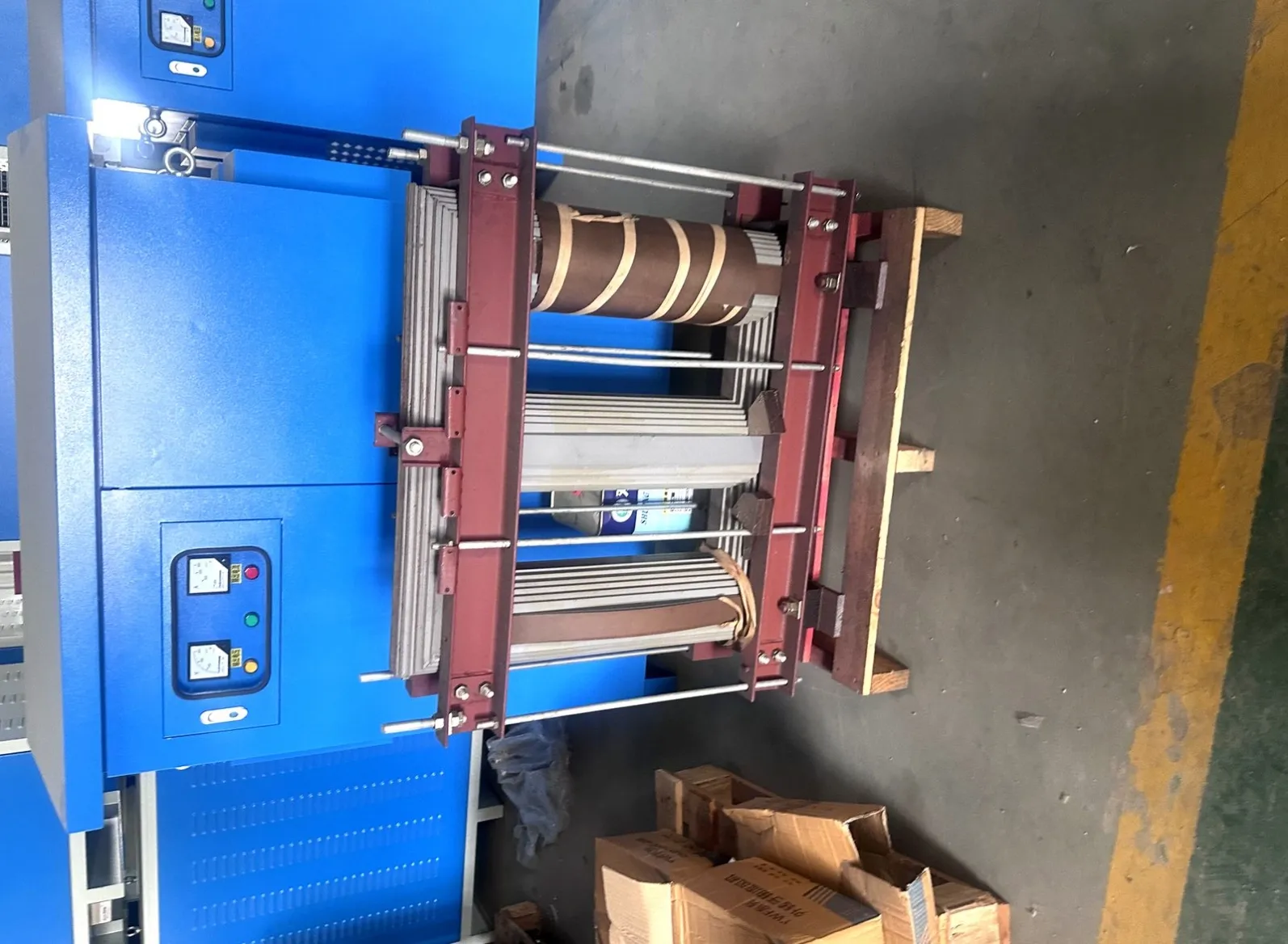
A practical sizing reference
This is a working starting point for common control panel circuits, copper conductor, and a 30°C baseline. Always verify against the device manual and the applicable standard (UL 508A / IEC 60204-1).
Circuit | Typical load | Min copper conductor | Watch for |
|---|---|---|---|
24 VDC control power | < 2 A | 1.5 mm² (16 AWG) | Short runs only; keep away from VFD output. |
Motor starter 0.75 kW | ~2 A FLA | 1.5 mm² | Apply the 125% rule. |
Motor 7.5 kW, 400 V | ~15 A FLA | 4 mm² | Check voltage drop on long runs. |
VFD output to motor | Per drive | Per VFD manual | Use shielded, rated for PWM. |
Main incoming 63 A | 63 A | 16–25 mm² | Match breaker and terminal rating |
Field sensor loop | < 0.5 A | 0.75–1.5 mm² | Noise isolation, not current |
The table is a sanity check, not a substitute for the calculation. If your panel has motors, drives, and a long field run, do the math per circuit.
Copper vs. aluminum in control panels
For control panels up to the sizes most integrators build, copper dominates—and for good reason. It terminates cleanly, resists creep, and handles the vibration and thermal cycling inside a panel better than aluminum.
Aluminum shows up in large service entrances and utility-scale gear where conductor weight and cost dominate. Inside a control panel it buys you trouble: it creeps under torque, oxidizes at terminations, and needs special lugs and re-torque discipline most shops don't have. Unless the specification demands it, build with copper and spec tin-plated copper lugs.
Buyer Decision: If a quote proposes aluminum inside the control section to save cost, ask why. In a control panel the savings are small and the failure modes are ugly.
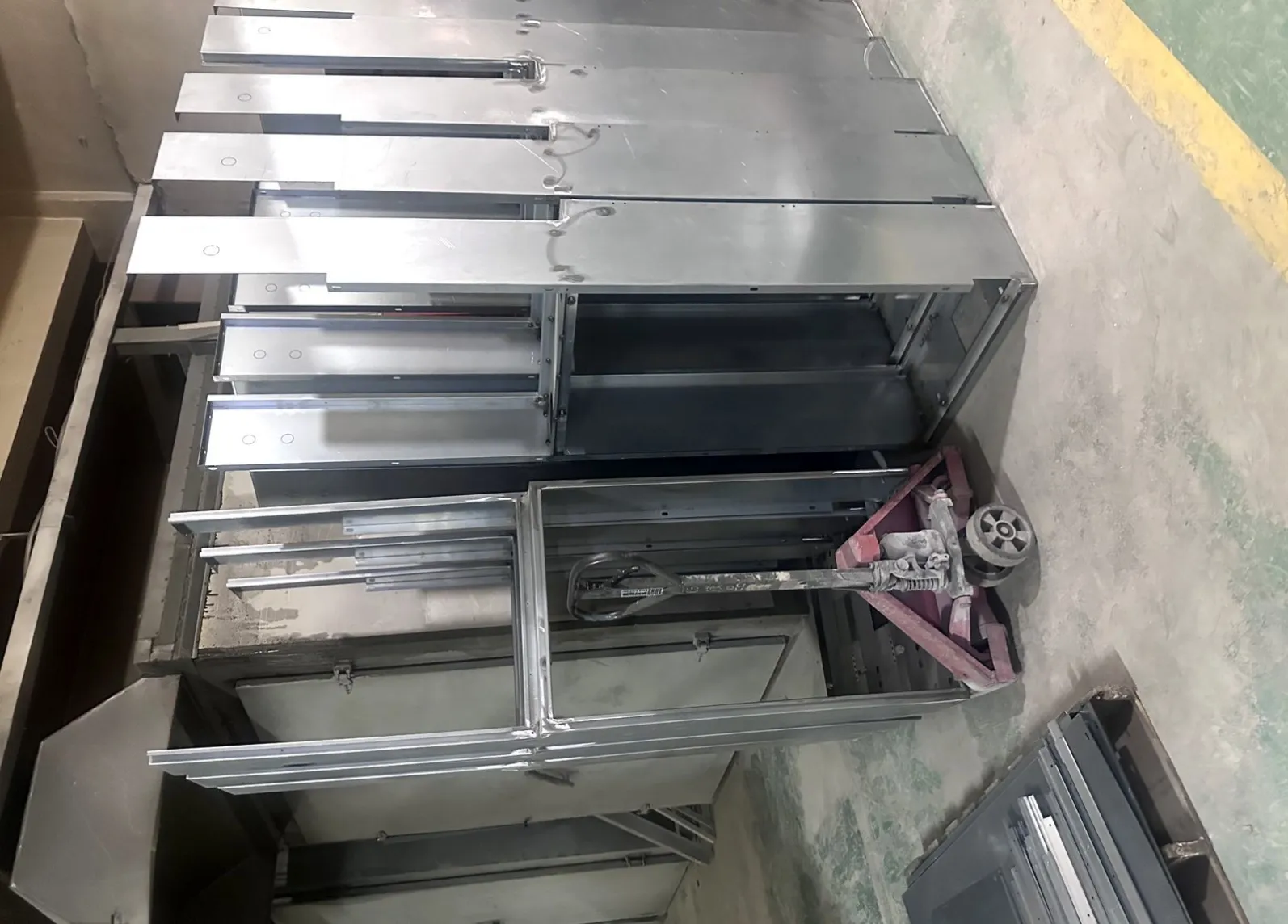
When the calculator says "go bigger,"
There are clear red flags that a wire is undersized before you ever see heat:
- The conductor is at or just above the calculated load with no derating applied.
- The quote lists one gauge for everything "to keep it simple."
- There's no mention of ambient temperature or bundle count.
- VFD output conductors aren't specified as drive-rated and shielded.
- Terminals are rated below the conductor's ampacity, creating the bottleneck at the screw.
Any one of these means the panel was sized for the catalog, not the site.
Common mistakes buyers make
- Trusting the nameplate. FLA is the floor, not the conductor size.
- Ignoring the environment. A panel in a cooled room and a panel next to a furnace are different animals.
- Forgetting the bundle factor. Ten wires in a tray are not ten wires in free air.
- Letting the termination be the weak link. A 25 mm² wire on a 16 mm²-rated terminal is a 16 mm² connection.
- No torque record. Correct wire, wrong torque, and the connection loosens within a season.
When to repair, when to rebuild, when to call a sourcing partner
- Repair the wiring if the panel is sound, the load hasn't changed, and only one circuit runs hot—re-terminate, re-torque, and re-size that run.
- Rebuild if multiple circuits are undersized, the enclosure is crowded, or the original builder can't show you the sizing basis. A patch on a bad design is still a bad design.
- Call a sourcing partner before you commit if you're specifying a panel for a new site, a hot environment, or a duty cycle the current panel never saw. Getting the conductor schedule right at the drawing stage costs nothing; fixing it after commissioning costs a shutdown.
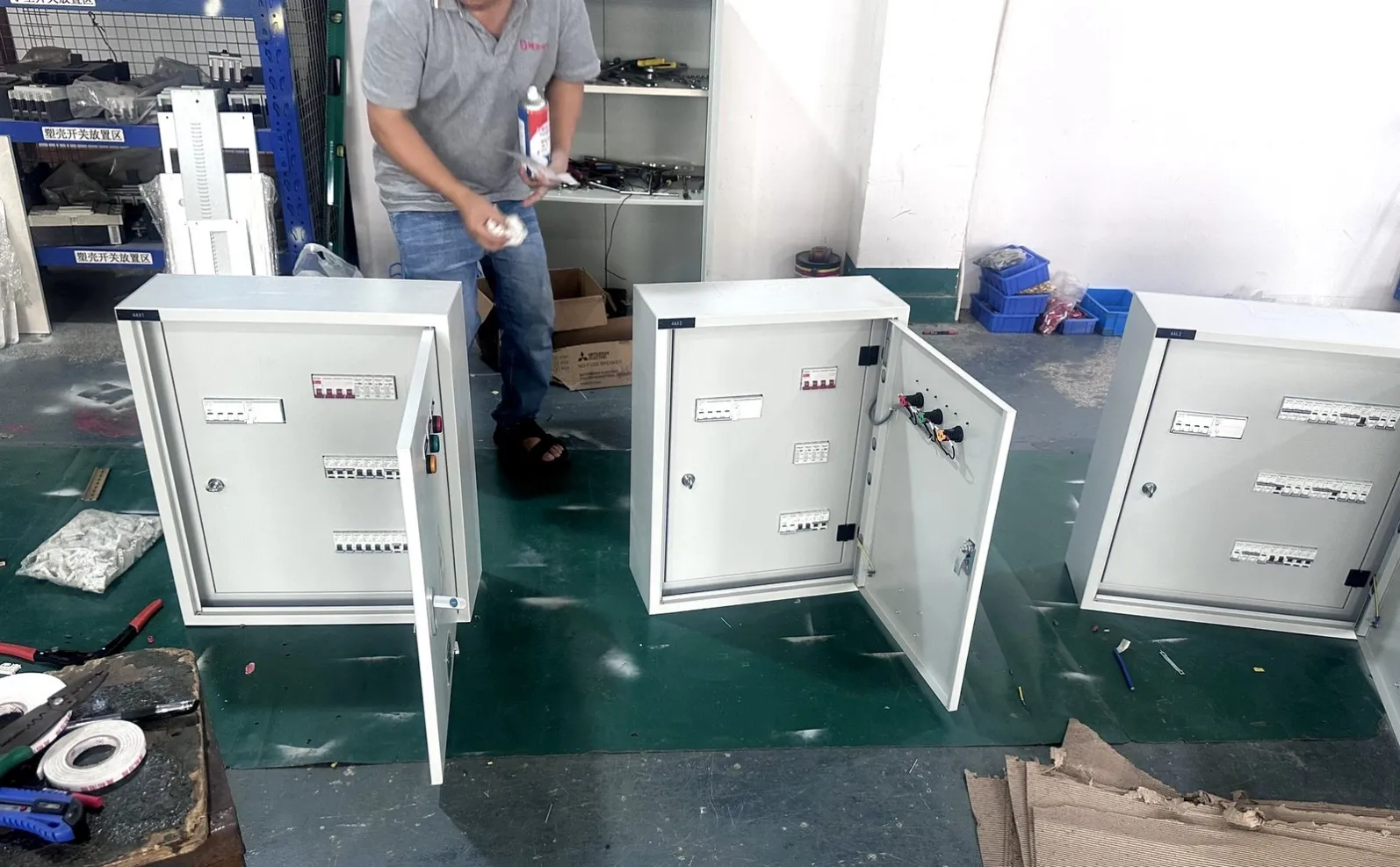
Uni Regal is a sourcing partner and panel-build shop, not a manufacturer—we don't make the wire or the breakers; we specify and assemble them to the standard your site actually needs.
FAQ
Q: Can I just use one wire size for the whole panel? Not safely. Control circuits can share a small gauge; power and motor circuits cannot. One-size builds are a red flag.
Q: Does the 125% rule apply to VFD output wires? No—VFD output conductors are sized per the drive manufacturer's manual, typically by continuous rating, not motor FLA. Input feeding the VFD still follows the rules above.
Q: How much ambient derating is realistic? Expect 10–20% ampacity loss per 10–15°C above the baseline, depending on insulation class. In a hot cabinet, apply it; don't throw it away.
Q: Is voltage drop really a problem at 24 VDC? For sensor loops, rarely. For long power runs or long field leads, it absolutely is—undervoltage faults trace back to thin wire more often than to the device.
Q: Aluminum inside the control section—ever OK? Only if the specification demands it and the shop has the lugs, torque discipline, and antioxidant practice to do it right. For most control panels, copper is the safer default.
Q: What should I ask a builder about wire sizing? Ask for the conductor schedule with ampacity, ambient assumption, and derating factors. If they can't produce it, they didn't calculate it.
Engineering Takeaway
Wire sizing is not a detail—it's the difference between a panel that runs for a decade and one that fails on a hot day. Size to the worst credible condition, apply the 125% rule and derating honestly, match the termination to the conductor, and get the schedule in writing before you buy. A panel built to the site, not the catalog, is a panel that stays cool.
Get your panels built to spec
Send us the drawings, BOM, I/O list, and a photo of the site conditions. We'll return a build quote within one business day, with the conductor schedule and derating basis spelled out—not buried.
- WhatsApp: Chat with Uni Regal)
- Email: info@uniregal.com
- Submit requirements: Start your RFQ
Related guides: - Control Panel Communication Protocol Selection Guide - Control Panel Power Distribution and Busbar Guide - Control Panel Main Disconnect Guide - Control Panel Grounding Guide - Control Panel Conduit and Cable Entry Guide - PLC Control Panel Supplier Qualification Checklist - Electrical Enclosure Sourcing Guide (Pillar) - Custom Control Panels — Uni Regal Solutions