
Control Panels
Control Panel Conduit vs Cable Entry: Buyer's Specification Guide (2026)
Conduit, cable gland, cord grip, or hybrid — choose how cables enter your control panel. A 2026 buyer's guide with a decision matrix, NEMA/UL notes, and the mistakes that let water in.
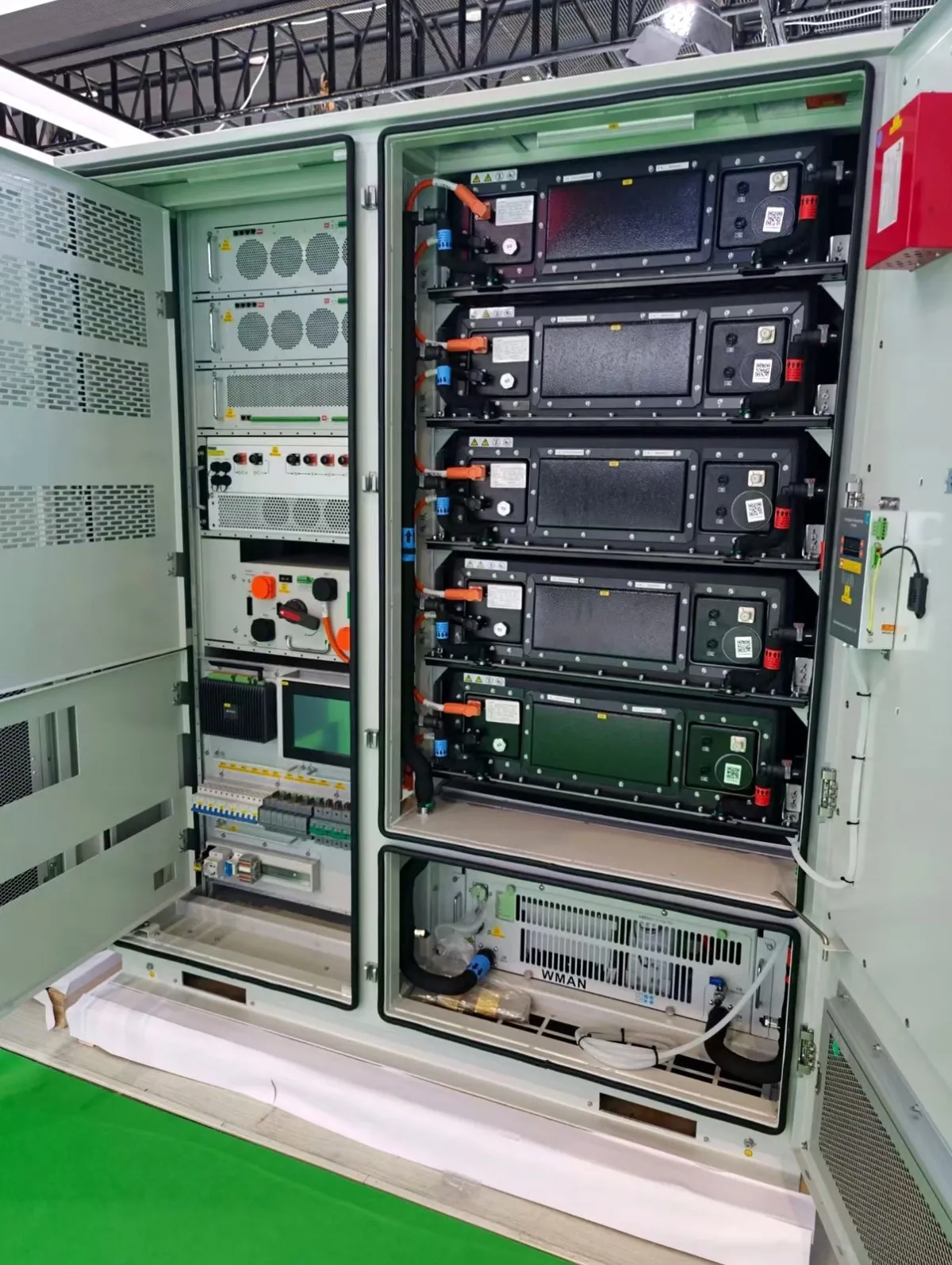
You have specified the enclosure, the rating, and the finish. Then the panel gets installed, and the first rain finds its way in—not through the door, but through the holes where the cables enter. As a China-based sourcing partner for control panels, we see more water damage from a $2 unrated gland than from a mis-specified door seal. The entry method is a specification decision, not an afterthought.
This guide walks you through choosing how cables get into your control panel the way a buyer should—by matching the entry to the environment, the cable type, and the market you ship to.

Why the entry method decides whether your panel stays dry
The enclosure rating (IP65, NEMA 4X, and so on) protects the box. The entry points are where the box is pierced, and a pierced box is only as sealed as its weakest entry. A rated enclosure with an unrated slit is, in practice, an unrated enclosure at that point.
The second reason this is a buyer decision is the entry method changes the bill of materials, the labor to terminate it, and whether the panel passes a UL 508A or local inspection. Pick it early, on the drawing, not on-site with a hole saw.
Buyer Decision: Specify the entry method for every cable group on the drawing — power, signal, field devices, and spares. "Cable entry TBD" is how water and failed inspections happen.
The four ways cables get into a control panel
For the panels we build and source, the realistic options are four. Each suits a different cable type and environment.
Entry method | Best for | Rating risk | What it is |
|---|---|---|---|
Threaded conduit | Fixed building wiring, North American sites | Low if listed fittings are used | Rigid/EMT/liquid-tight pipe with sealed connectors |
IP/NEMA-rated cable gland | Pre-terminated cables, outdoor/washdown | Low if the gland matches the box rating | Compression seal around cable jacket |
Cord grip / strain relief | Flexible power leads, field cables | Medium—must be rated | Clamping grip that also seals |
Slit + hybrid (gland plate) | Mixed cable sizes, frequent changes | Higher—needs care | Cut the slit, then individual glands per cable. |
We do not recommend leaving a bare slit unsealed. If cables vary in size, use a gland plate with individual rated glands rather than one oversized hole.

The decision matrix: match entry to environment
Score your panel on four factors before you write the spec. This is the same matrix our engineering review uses on every entry enquiry.
Factor | Weight | What to check |
|---|---|---|
Environment | 35% | Dry indoor, outdoor rain, or hose-down/washdown? |
Cable type | 25% | Fixed building wire, pre-made cables, or flexible leads? |
Market / standard | 20% | North America (NEC/UL 508A) or IEC/NEMA elsewhere? |
Future changes | 20% | Fixed layout, or cables added later? |
A washdown panel with pre-made cables lands on NEMA 4X-rated glands. A fixed indoor MCC panel on a North American site lands on threaded conduit with listed fittings. A panel that will gain cables later lands on a gland plate, not a sealed slit.
Conduit: when to specify it and what kind
Conduit is the right call when the wiring is fixed, building-grade cable run into the panel, especially on North American sites governed by the NEC.
- Rigid / IMC / EMT—standard for fixed indoor and many outdoor runs; pair with listed connectors and sealing locknuts.
- Liquid-tight flexible conduit (LFMC)—for vibration, movement, or short runs to motors and field devices; use the rated fitting at the panel.
- PVC-coated or stainless conduit—for corrosive or coastal sites; match the coating to the environment you already scored.
The mistake we see most: a conduit entry with a non-listed connector or a threaded fitting that does not match the enclosure knockout. Both break the rating at the exact point the water targets.

Cable glands: the rating must match the enclosure.
When the cable is pre-terminated and you cannot easily pull it through conduit, a cable gland is the clean answer—but only if the gland is rated to the same IP/NEMA as the box.
- Match the rating: an IP66 enclosure needs IP66 glands; a NEMA 4X panel needs 4X-rated cord connectors.
- Match the thread: metric (M) and NPT threads are not interchangeable—confirm which your enclosure uses before ordering.
- Match the material: brass or nickel-plated for general use, stainless for corrosive sites, and plastic where non-metallic is required.
- Match the cable: the gland seals on the cable jacket diameter range, not the conductor size. Give the supplier the jacket OD.
Engineering Note: A gland rated to the box but the wrong thread will never seal. We confirm thread type (metric vs NPT) against the enclosure drawing before we cut a single hole — it is cheaper than a returned panel.
Cord grips and strain relief for flexible leads
Flexible power leads and field cables that flex or get pulled need strain relief, not just a seal. A cord grip clamps the cable so tension never reaches the termination inside.
Specify cord grips when: - The lead is flexed during maintenance or operation. - The cable is pulled into place after the panel is mounted; - the environment is wet, and the grip is rated to the enclosure IP/NEMA.
An unrated cord grip is the other common leak path, right behind the unrated gland.

The rating is only as good as the entry.
A rated box is worthless if the cables pierce it through an unrated path. Two rules we apply on every panel:
- Every opening gets a rated closure—gland, listed conduit fitting, or sealed cord grip. No bare holes.
- Spares are planned, not drilled later—include spare rated entries on the drawing so field changes do not become unrated holes.
We see more failures from a mismatched gland thread than from a weak door seal. Treat entries as part of the rating, not an afterthought.
UL 508A and NEMA considerations for North American panels
If you ship to the US or Canada, the completed control panel is governed by UL 508A and the NEC. Two entry-related points matter:
- Listed fittings—conduit connectors, cords, and glands used on a UL 508A panel should be listed for the application.
- NEMA type—a NEMA 4X enclosure needs 4X-rated entry devices; mixing a 4X box with a 4-rated connector breaks the type.
We source through UL-listed file partners and provide the file number in writing on request. Tell us the market up front so the entry hardware is specified to the right standard the first time.
The cost and lead-time impact of getting entry wrong
Two failure modes cost buyers money:
Under-specifying—an unrated gland on an outdoor panel lets water in within a season. The "saving" of a few cents per gland becomes a failed panel, a site visit, and downtime. We have seen this on pump and skid panels more than anywhere else.
Rework after build—a panel built with the wrong thread or conduit type cannot be fixed with a drill. It goes back to the build shop, re-terminated, and re-tested, adding days to the lead time.
For reference, a standard IP66 outdoor carbon-steel cabinet from our network typically lands in the $180–650 range depending on size, sheet thickness, and coating—before components. The entry hardware is a small part of that, which is exactly why it gets skipped and exactly why it hurts.
Common mistakes buyers make
Buyer Decision: Watch for these when you write or review an entry spec: 1. Leaving "cable entry TBD" on the drawing. 2. Mixing gland thread types (metric vs NPT) with the enclosure. 3. Using an unrated slit instead of a gland plate. 4. Putting a NEMA 4 connector on a 4X enclosure. 5. Forgetting spare rated entries for future cables. 6. Assuming the gland rating equals the box rating without checking.
A 30-second rule of thumb
If you remember nothing else: fixed building wire on a North American site means listed conduit; pre-made cables outdoors means rated glands matched to the box; flexible leads mean strain-relief cord grips; and mixed or changing cables mean a gland plate, never a bare slit. Match rating, thread, and material to the enclosure—because the rating is a system, and the entry is where it is tested first.
Where we sit as your sourcing partner
We are a sourcing partner, not a control-panel manufacturer in the sense of owning the production line. We design the entry scheme with you, source the panel and the rated hardware through our vetted network, and build to the drawing—including UL 508A, where the market requires it—through UL-listed file partners. That means we will flag a mismatched gland thread or an under-specified entry before building, not after the panel fails on site. Send us the cable schedule and the site conditions, and we will specify the entry method that keeps the rating intact.
Engineering Takeaway
Pick the entry method from the cable type and the environment, not the cheapest fitting. Score environment, cable type, market standard, and future changes; let the matrix tell you conduit, gland, cord grip, or gland plate. Match every entry's rating, thread, and material to the enclosure; plan spare rated entries up front; and specify listed fittings for UL 508A/NEC panels. The enclosure rating is only as good as its entries—treat them as part of the same package. Send us the cable schedule and site conditions, and we will specify entries that keep the rating intact, with the file number in writing where required.
Frequently Asked Questions
Conduit or cable gland—which should I specify?
It depends on the cable. Fixed building-grade wire on a North American site → listed conduit. Pre-terminated cables outdoors or in washdown → rated cable glands. Flexible leads → strain-relief cord grips. Mixed or changing cables → a gland plate, not a bare slit.
Do the cable glands need to match the enclosure rating?
Yes. An IP66 enclosure needs IP66 glands; a NEMA 4X panel needs 4X-rated connectors. A gland rated below the box breaks the rating at the entry point.
Metric or NPT thread—does it matter?
It matters completely. Metric (M) and NPT threads are not interchangeable and will not seal if mismatched. Confirm the enclosure thread type on the drawing before ordering glands.
Can I just cut a slit for the cables?
Not unsealed. A bare slit is an unrated opening. If cable sizes vary, use a gland plate with individual rated glands per cable instead of one oversized hole.
What about UL 508A panels for the US market?
Use listed conduit fittings, cords, and glands, and keep NEMA types consistent (4X box needs 4X entries). We build through UL-listed file partners and provide the file number in writing on request.
How many spare entries should I plan?
Plan at least 15–25% spare rated entries for future cables so field changes do not become unrated holes drilled on site. It costs little at build and saves a failed rating later.
Will you supply the entry hardware with the panel?
Yes. We source the rated glands, conduit fittings, and cord grips to match the enclosure and the market standard, and we confirm thread type and jacket diameters before cutting any opening.
Related Guides
Get a Quote
Tell us your cable schedule and site conditions and we will specify the right entry method and panel — usually within one business day. Send: - Enclosure drawings or panel layout - Bill of materials (BOM) and I/O list - Cable schedule with jacket diameters and thread type
Lead time at a glance: - Complete custom panel: from 1 unit, quoted after drawing + BOM review — 35–40 days - Empty enclosure / shell: MOQ 5, 15–20 days - Stock components: 3–5 days dispatch