
Buying Guides
Control Panel Communication Protocol Selection: Modbus, Profinet, or EtherNet/IP?
How to pick the right control panel communication protocol — Modbus, Profinet, or EtherNet/IP. A fieldbus selection guide for buyers specifying a new panel.
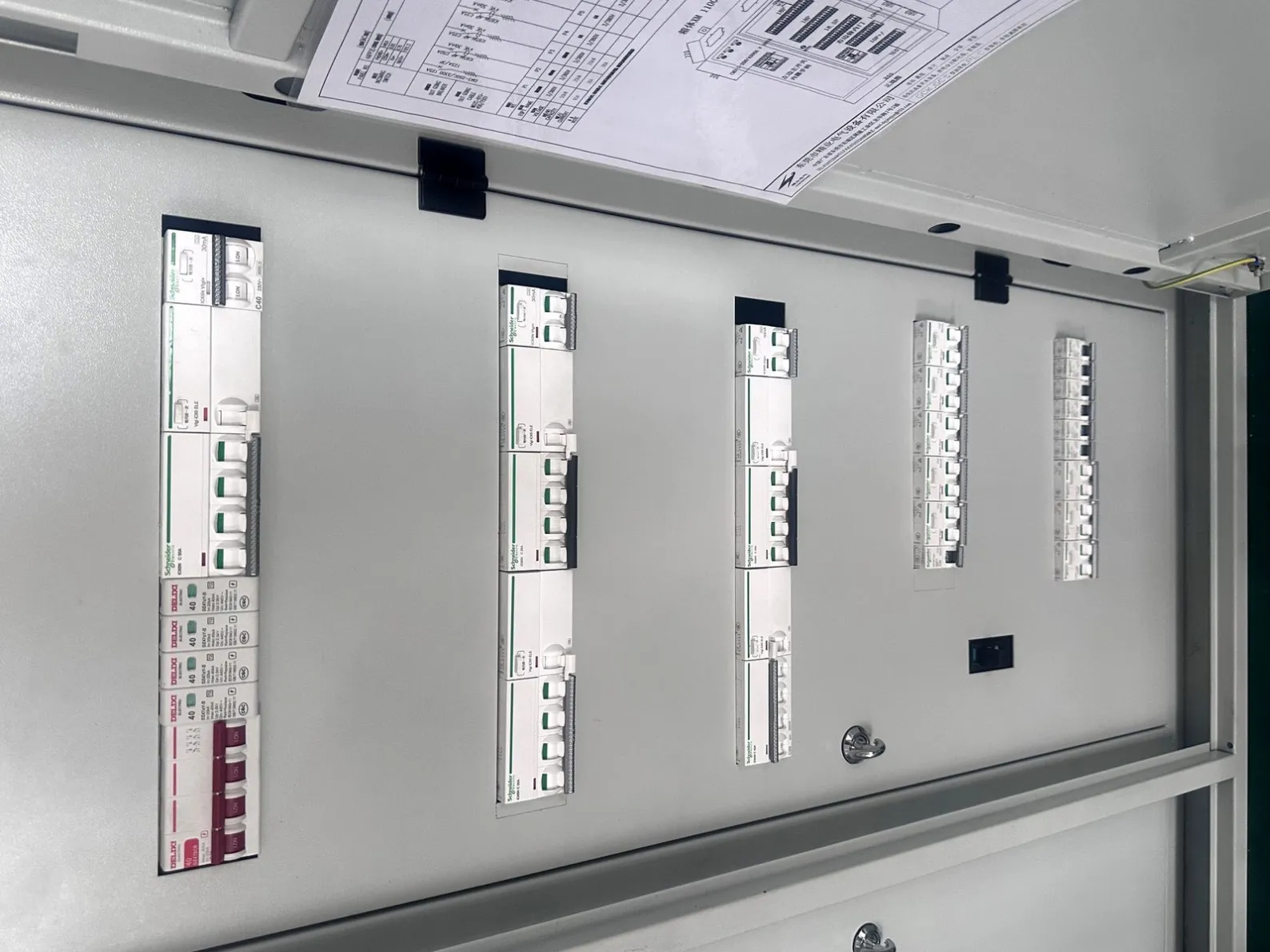
You have chosen the PLC, the drives, and the enclosure. Then the RFQ stalls on a line that looks trivial: "communication protocol." It is not trivial. The protocol is how every device in the panel talks to the rest of the plant, and the wrong choice is the single most common reason a panel passes the Factory Acceptance Test in the shop but will not come online at the site. This guide is the spec step that comes before you ask a supplier to quote—the decision framework for choosing between Modbus, Profinet, and EtherNet/IP (and where the other fieldbuses fit).
If you are still deciding who builds the panel, our Control Panel Sourcing China: Buyer's Guide covers the commercial side; this article stays on the technical choice. As a sourcing partner for automation and power equipment, we build the panel on the controller you specify and wire the protocol exactly as designed—but the protocol decision has to be yours, made against your plant, not ours.
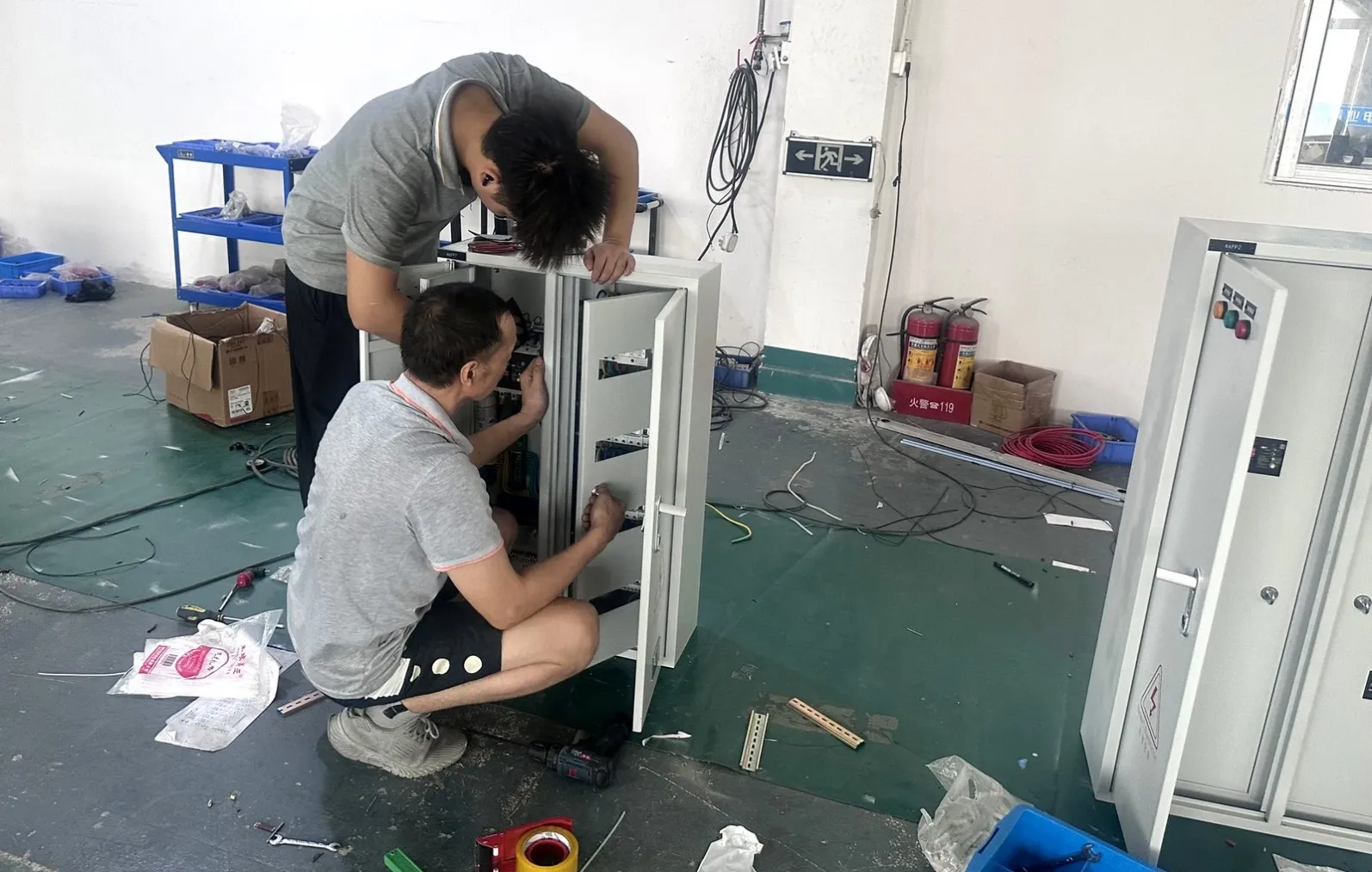
What a control panel actually has to communicate
Before comparing protocols, name the conversations the panel must hold. A modern panel is rarely a standalone box:
- I/O and field devices—remote I/O drops, sensors, valves, motor starters.
- Drives—VFDs and servo drives that need setpoints and feedback speed, current, and faults.
- HMI—an operator screen local to the panel or on the line.
- Plant network—connection to a DCS, SCADA historian, or MES layer.
- Remote access—troubleshooting from a laptop or the OEM's support desk.
- Higher-level data—OPC UA to a cloud dashboard or energy meter.
If your RFQ only says "Ethernet," you have not specified anything. Ethernet is the cable; it is not the language. Two panels, both on Cat-6, can be completely unable to talk. The protocol is the language, and that is what this guide helps you choose.
The three protocols buyers actually choose between
Most panel specs narrow to one of three. The others (DeviceNet, CANopen, CC-Link, and Modbus RTU on serial) still appear, but these three cover the large majority of new builds.
Modbus (RTU and TCP)
The oldest and most universal. Modbus RTU runs on serial (RS-485); Modbus TCP runs on Ethernet. It is master-slave, simple, and supported by almost every device made in the last thirty years—meters, BMS gateways, drives, and third-party skids.
The trade-off is speed and determinism. Modbus polls, it does not push, and a large register map can saturate a slow link. It is the right answer when you must connect a heterogeneous mix of equipment from different vendors and nobody owns a common proprietary bus. We use Modbus constantly as the lingua franca between a named-brand PLC and the rest of a brownfield site.
Profinet (Siemens ecosystem)
Profinet is Siemens' industrial Ethernet protocol. It is fast, deterministic, and supports real-time and isochronous motion control. If the rest of the plant runs on SIMATIC, or you are building on a Siemens S7-1200/1500 controller, Profinet is usually the default—not because it is "best," but because the engineering tooling, diagnostics, and device catalog all assume it.
The cost is ecosystem lock-in. Profinet devices and configuration are Siemens-centric; mixing in non-Siemens drives means a gateway or a second network.
EtherNet/IP (Rockwell / ODVA)
EtherNet/IP is the CIP-based protocol behind Rockwell (Allen-Bradley) ControlLogix and CompactLogX, and it is widely supported by Omron and many drive makers. It rides standard Ethernet, integrates cleanly with Rockwell's Studio 5000 world, and reaches broadly across North American OEMs.
Like Profinet, its strength is an ecosystem. If your plant standard is Rockwell, EtherNet/IP is the natural choice; if it is Siemens, you will fight the tooling to use it.
Engineering Note: "Industrial Ethernet" is not one thing. Profinet, EtherNet/IP, and Modbus TCP all use the same cables and switches but speak different application layers. Cabling compatibility is not protocol compatibility.
Decision table: which protocol fits your panel
If your situation is… | Start with | Why |
|---|---|---|
Heterogeneous brownfield, mixed vendors, meters/BMS | Modbus (TCP/RTU) | Universal support, no ecosystem lock |
Siemens PLC, S7-1200/1500, plant standard is SIMATIC. | Profinet | Native tooling, real-time diagnostics |
Rockwell PLC, North American OEM standard | EtherNet/IP | Native Studio 5000, broad CIP device base |
High-speed motion / isochronous control | Profinet IRT or EtherNet/IP with CIP Sync | Deterministic timing |
Need OPC UA to MES/cloud | Any Ethernet protocol + OPC UA gateway | OPC UA sits above the fieldbus. |
Remote skids with one or two devices | Modbus TCP or EtherNet/IP adapter | Simple, cheap, well-supported |
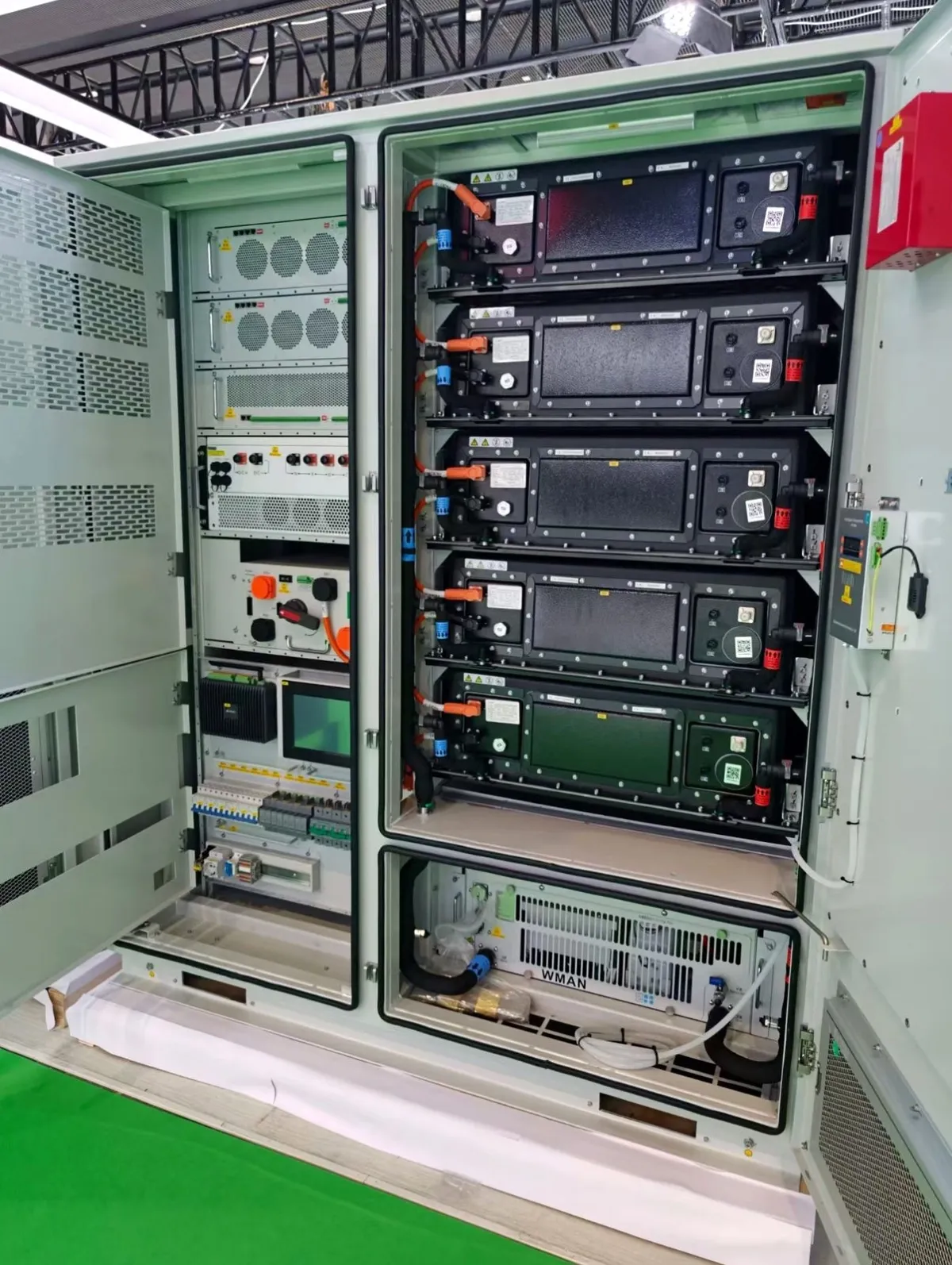
The five questions to answer before you specify
1. What network does the rest of the plant speak?
This is the first question and usually the deciding one. A panel that must drop into a Profinet cell should speak Profinet, even if you personally prefer something else. Forcing a mismatch means a protocol gateway, a second network card, and a permanent integration tax.
2. Which PLC platform are you building on?
The controller dictates the path of least resistance: - Siemens → Profinet - Rockwell / Allen-Bradley → EtherNet/IP - Mitsubishi → CC-Link IE / MC Protocol (Modbus TCP as a fallback) - Omron → EtherNet/IP - Schneider → Modbus TCP / EtherNet/IP
We build on all of these and source the exact controller you name rather than substituting a preferred brand, so the protocol follows your platform, not ours.
3. How fast and deterministic must the data be?
A tank level reported once a second over Modbus is fine. A multi-axis servo synchronized to the microsecond is not—that needs Profinet IRT or CIP Sync. Match the protocol to the tightest timing requirement in the panel, not the average.
4. Who supports it in five years?
A protocol you cannot get local engineering for becomes a stranded asset. Favor the standard your maintenance team already knows and your spare-parts channel already stocks. Exotic buses save a little now and cost a lot during the first 2 a.m. fault.
5. Do you need OPC UA for MES or the cloud?
If operations wants the panel's data in a historian or a cloud dashboard, plan for OPC UA as a separate layer above the fieldbus. It is not a replacement for Profinet or EtherNet/IP; it is the bridge from the machine network to the IT network, usually via a gateway or the PLC's built-in OPC UA server.
Buyer Decision: Specify the protocol in the RFQ by name, with the exact network topology (star, ring, line) and the devices on each segment. "Ethernet-capable" in a quote is not a specification — it is a hedge.
Common mistakes that break integration
- Assuming Ethernet means compatible. Two Ethernet protocols on one cable will not talk without a gateway.
- Leaving the protocol out of the RFQ. The supplier defaults to whatever their shop knows, which may not match your plant.
- Mixing buses without a gateway budget. A Profinet PLC talking to a Modbus BMS needs a documented gateway and a tested mapping.
- Forgetting remote access. Decide now whether support connects over VPN, a cellular router, or on-site only—it changes the network design.
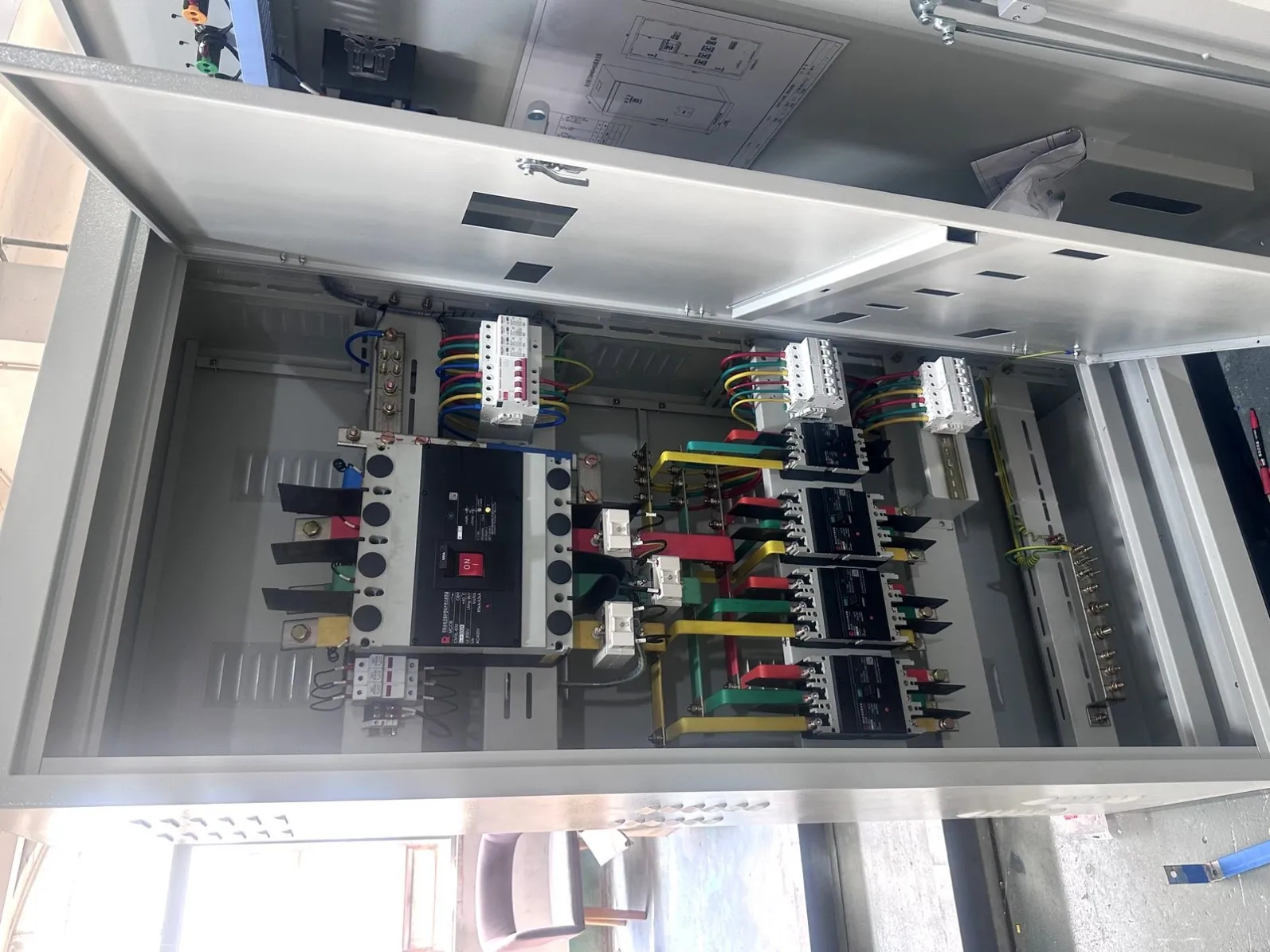
How we handle protocol in a panel build
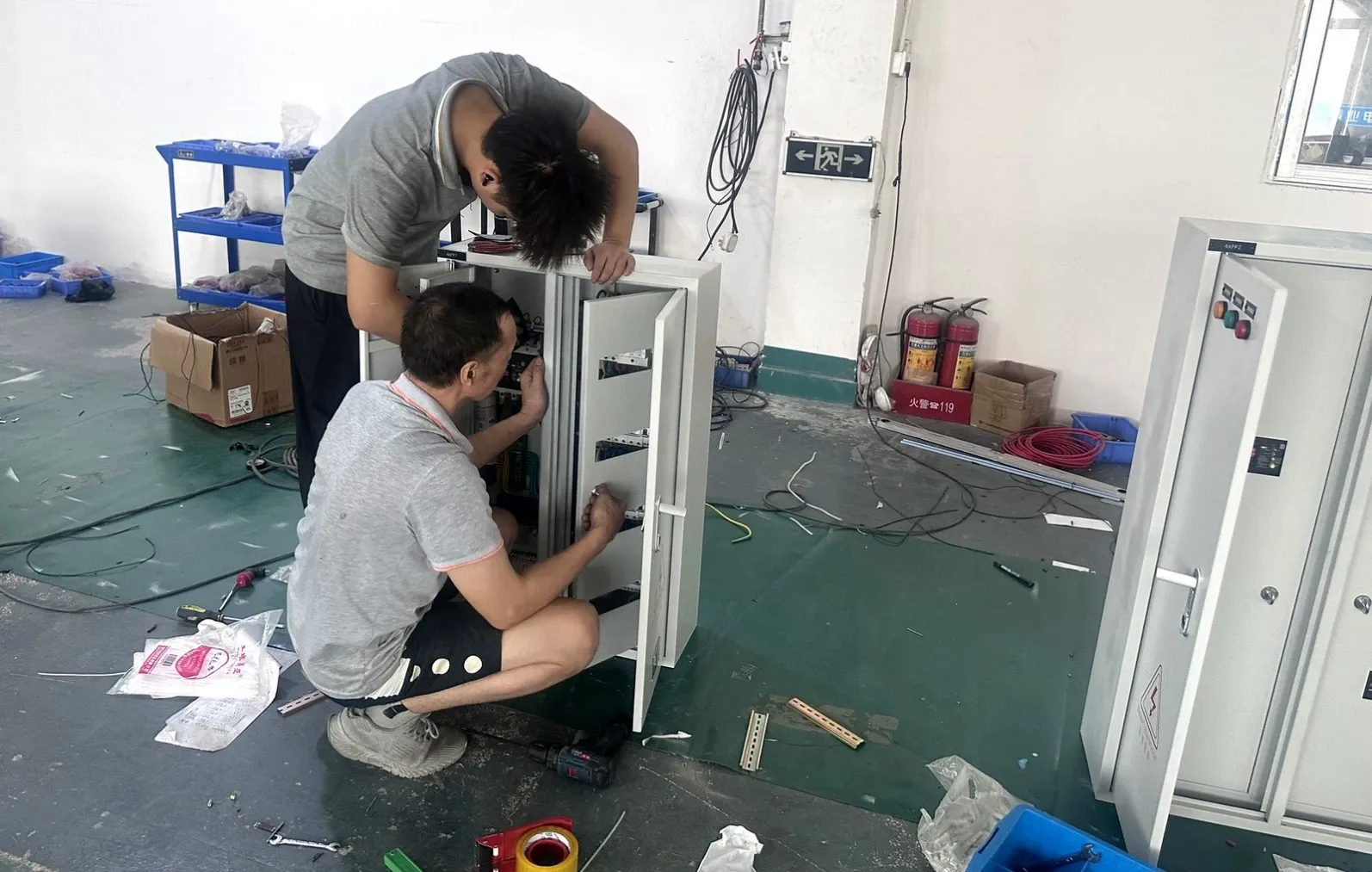
From the sourcing-partner side, the protocol is a design input, not a sales pitch. When you send drawings and a BOM, we build to the specified bus: we terminate and label every network drop, document the IP or station addressing, and verify communication during FAT—not just that the PLC runs, but that it actually exchanges data with the devices you named. Where a gateway is required, we include the mapping in the as-built package so your team can support it later. We are not a controller manufacturer; we are the integrator who makes the named controller and your field devices speak to each other and to your plant.
Engineering Takeaway
Choose the protocol against your plant, not against a brochure. Default to the bus; the rest of the site already speaks, driven by the PLC platform you specified. Reserve Modbus for heterogeneous brownfield links, Profinet for Siemens real-time cells, and EtherNet/IP for Rockwell environments. Put the protocol name, topology, and device list in the RFQ; plan OPC UA as a separate IT bridge if you need MES or cloud data; and require a FAT that proves data exchange—not just that the panel powers on. Send us your drawings, BOM, chosen PLC platform, and network topology, and we will quote the build, usually within one business day, with addressing and communication test records included.
Frequently Asked Questions
Is Modbus still acceptable for a new panel in 2026?
Yes, especially for brownfield sites and mixed-vendor links. It is slower and poll-based, but its universal support makes it the safest choice when you must connect equipment from many makers. Use Modbus TCP on managed Ethernet rather than daisy-chained RS-485 when the topology allows.
Profinet or EtherNet/IP—which is better?
Neither is universally better. Profinet is the Siemens-native choice with strong real-time motion support; EtherNet/IP is the Rockwell-native choice with broad CIP device support. The deciding factor is your existing plant standard and PLC platform, not a feature scoreboard.
Can a panel run more than one protocol?
Yes. A common design keeps the machine network on Profinet or EtherNet/IP and exposes a Modbus TCP or OPC UA gateway to the rest of the plant. The cost is a gateway device and a tested address map—budget for it in the RFQ rather than discovering it during commissioning.
Do I need OPC UA if I already have Profinet?
Not for machine control. OPC UA is the layer that carries panel data up to MES, a historian, or a cloud dashboard. If operations wants that visibility, add OPC UA as a separate IT bridge; it does not replace the fieldbus.
What should I put in the RFQ so the supplier builds the right network?
The protocol by name, the network topology (star/ring/line), the IP or station addressing scheme, the devices on each segment, and any remote-access requirement. Require a FAT that verifies data exchange with each named device, not just power-on.
How do I avoid a panel that will not come online at the site?
Specify the protocol against your plant standard, keep the bus consistent inside the panel, and demand a communication FAT. Most integration failures are decided at the spec stage, not in the shop.
Related Guides
Get a Quote
Send us your drawings, BOM, chosen PLC platform, and network topology, and we will quote the build — usually within one business day.
Lead time at a glance: - Complete custom panel: from 1 unit, quoted after drawing + BOM review — 35–40 days - Empty enclosure / shell: MOQ 5, 15–20 days - Stock components: 3–5 days dispatch