
Crating a Control Panel for Export: Packaging, Transit Damage, and Who Pays Under Incoterms 2020
A control panel can pass every factory test and still arrive as scrap. This guide covers export crating, the transit standards that prove a panel was packed to survive, and the Incoterms 2020 clause t
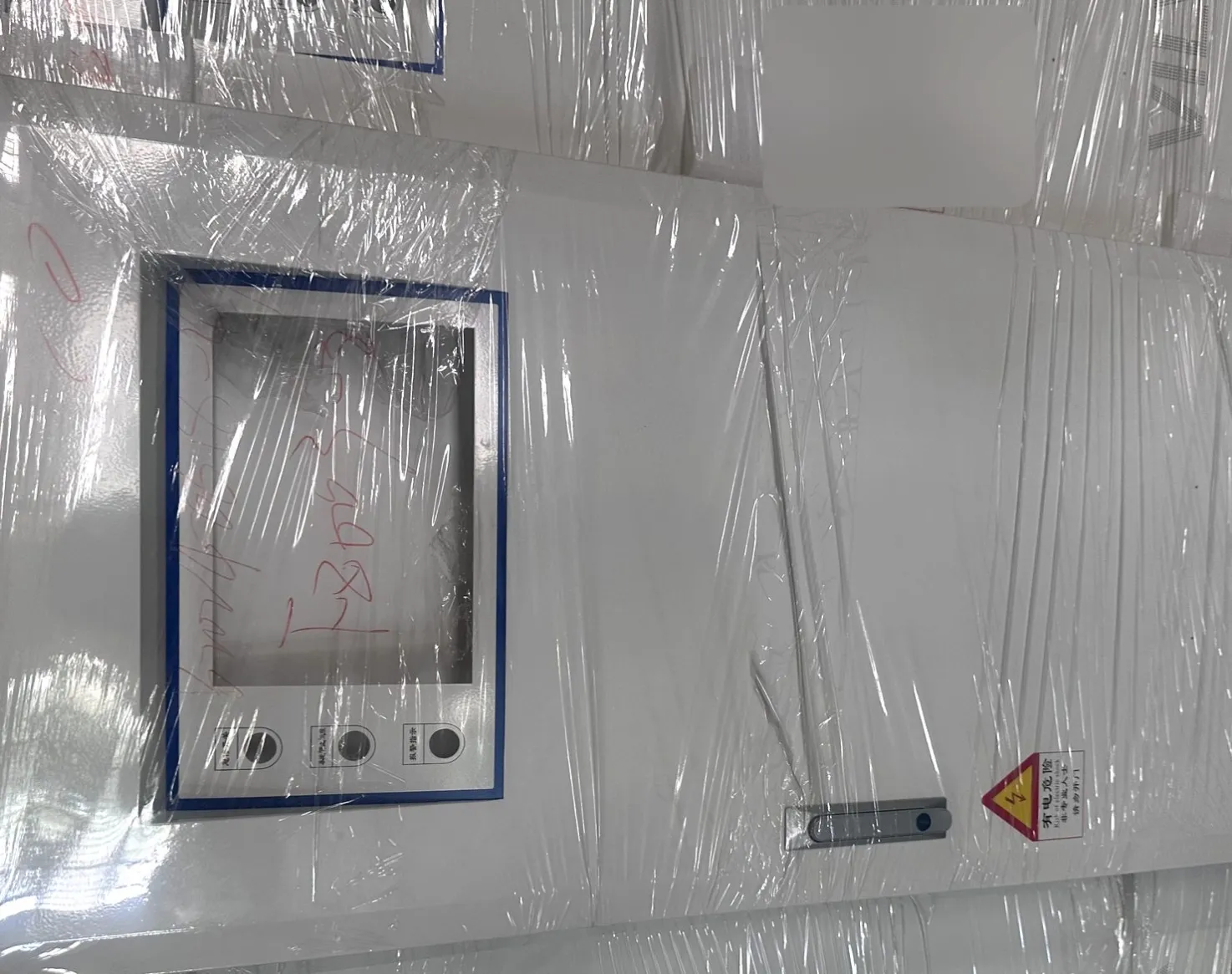
A 40-foot container is unpacked at a warehouse outside Houston. Inside is a control panel that left Foshan three weeks earlier — rated, tested, signed off — now sitting with a crushed corner, a dislodged HMI, and a nameplate that no longer reads straight. The forwarder's report says "apparent handling damage in transit." The supplier's reply is shorter: under the FOB contract, risk passed to the buyer the moment the crate was loaded at the port in Shenzhen. The ocean damage is the buyer's loss to recover from the cargo insurer — and the only photographs that could have supported a claim were never taken.
That scene is preventable, and it is decided by two things written before the boat sails: how the panel is crated, and which Incoterm sits on the purchase order. If you are still choosing who builds the panel, our Electrical Enclosure Supplier China Sourcing Guide covers the build-shop-versus-partner decision; this article is about what happens after you have chosen and the goods are in a crate.
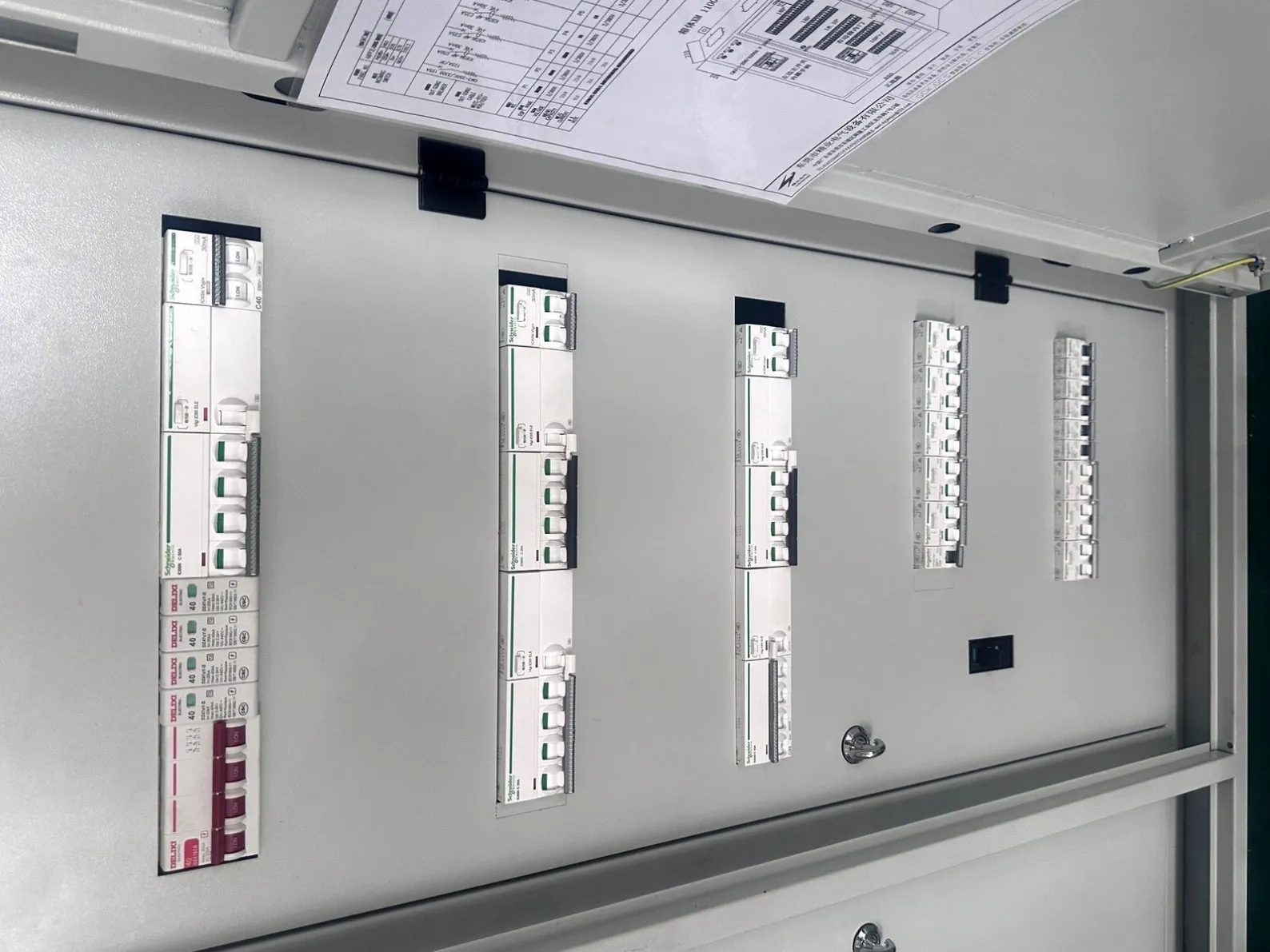
The crate is part of the specification, not an afterthought
The transferable point is this: for any imported engineered equipment, the packaging and the risk-transfer term are purchasing decisions, not logistics footnotes. A buyer who treats crating as the supplier's problem to absorb cheaply is really choosing to self-insure an uncontrolled risk — and the packaging standard is exactly where that risk is won or lost. The principle carries past panels: switchgear, drives, and field instruments all fail the same way when they are packed to a price instead of a standard, then dropped onto a terminal floor by someone who has never seen the order.
A control panel is a rigid steel box full of delicate electronics and a glass HMI. Ocean and multi-modal transit are not gentle. A container experiences shock loads when it is stacked and lifted, and sustained vibration from ship motion and the road leg. If the crate is built only to "look protected," the first real drop or resonant frequency finds the weak point. The fix is to specify the crate the way you specify the panel — against a transit-environment standard, with the levels written down.
What "packed to survive" actually references
Two published references turn "good packaging" into something a buyer can check.
IEC 60068-2-27 (Edition 2008) and IEC 60068-2-6 (Edition 2007). These are the environmental-test methods equipment is qualified against. IEC 60068-2-27 defines Test Ea — shock: the half-sine pulse, peak acceleration, and duration used to prove a unit survives the non-repetitive impacts of handling and transport. IEC 60068-2-6 defines Test Fc — sinusoidal vibration: the frequency sweep used to find a unit's resonant frequencies and prove endurance. The reasoning for a buyer: ask the builder what shock and vibration levels the packed assembly was designed or verified to. A crate whose internal mounting, shock isolators, and bracing were actually engineered against these envelopes is a different object from one wrapped in cardboard and foam by feel. If the builder cannot name the levels, the packing was not engineered — it was guessed.
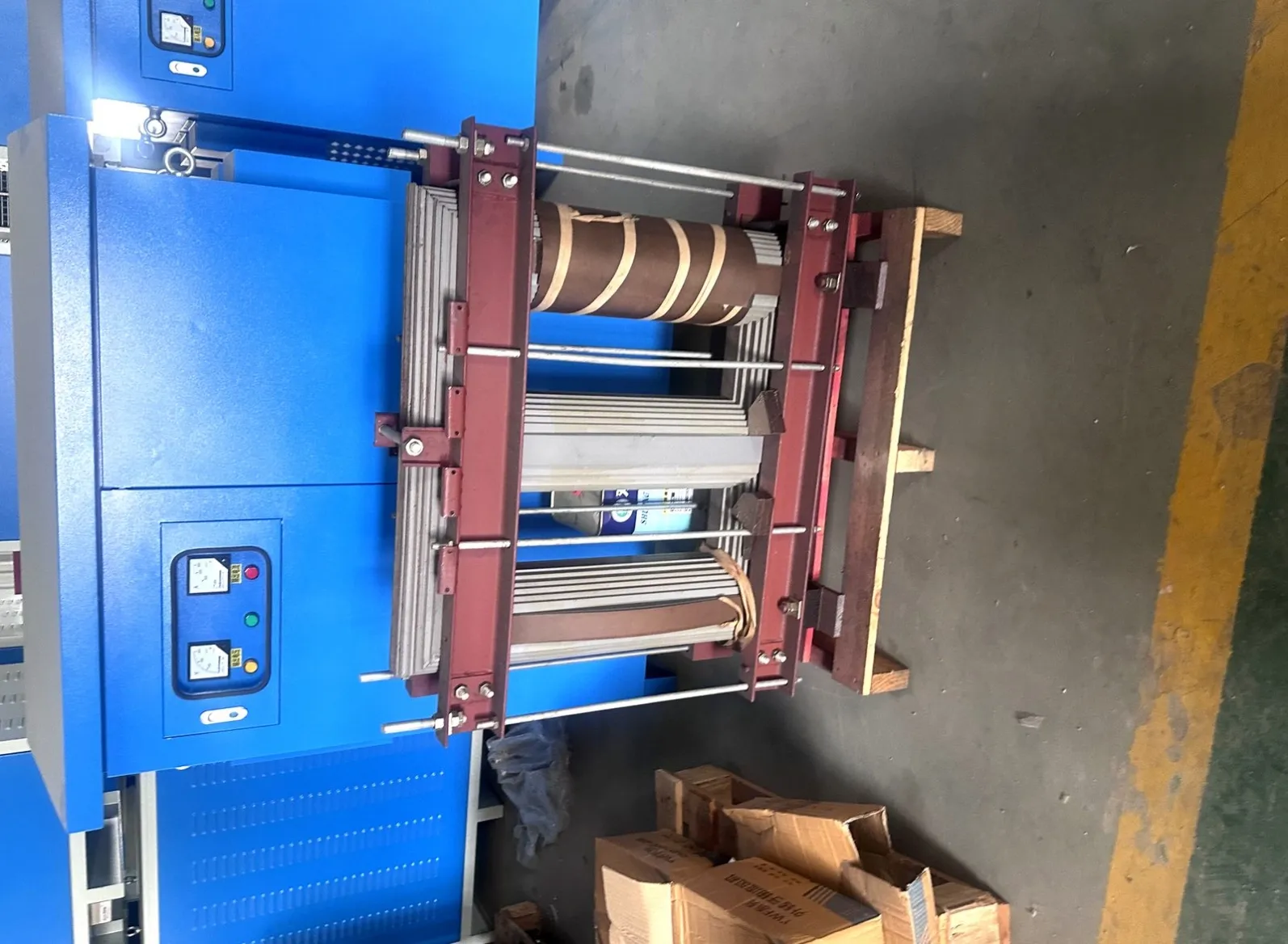
ISPM 15 (the IPPC international standard for wood packaging material). This one decides whether the crate is allowed into the destination country at all. Any solid wood in the crate — skids, braces, dunnage — must be debarked and either heat-treated to a core temperature of 56 °C for 30 continuous minutes (marked "HT") or fumigated with methyl bromide (marked "MB"), then stamped with the IPPC mark. The reasoning: non-compliant wood packaging is rejected, re-exported, or fumigated at the buyer's port, at the buyer's cost. A crate built from untreated local timber to save a few dollars can turn into a customs hold the week the panel is needed on site. Plywood, oriented strand board, and particle board are exempt because the manufacturing process treats the material — which is why many export crates use a plywood skin over a timber frame — but the frame itself is still solid wood and still has to comply.
Who pays for the damage is decided at the PO, not the dock
This is the half buyers get wrong most often. Incoterms 2020, published by the International Chamber of Commerce, allocate the risk of loss or damage during carriage.
Under FOB, CFR, and CIF, risk transfers to the buyer when the goods are loaded on board the vessel at the port of shipment. The panel is the buyer's problem the instant it is on the ship, even though the buyer may not see it for three weeks. Under DDP, the seller bears risk until the goods are delivered at the named place in the buyer's country, so arrival damage is the seller's to resolve. The reasoning: "it arrived damaged" is only the seller's liability if the contract says DDP or another delivered term. Under FOB/CFR/CIF, the route to recovery is the marine cargo insurer, and that claim lives or dies on the evidence taken before the crate was opened.
One nuance the ICC states plainly: FOB, CFR, and CIF were written for break-bulk cargo loaded by ship's gear, and the ICC explicitly steers containerized trade toward FCA, CPT, or CIP instead. A control panel almost always moves in a container, handed over at a terminal, not lifted on board by the seller. For containerized panels, FCA, CPT, and CIP put the risk-transfer point at the terminal handoff the buyer actually controls — instead of a notional "on board" moment the buyer never witnesses.
The evidence that decides a claim
None of the above helps if the condition of the goods at loading was never recorded. Three documents turn a dispute into a payable claim:
- Pre-shipment condition photographs and a clean Bill of Lading noting "shipped in apparent good order and condition." A claused or dirty B/L is the insurer's first excuse to decline.
- A packing record stating the crate construction — materials, bracing, shock isolators — and the transit standard it was built to. Without it, "poor packing" is an opinion, not a measured fact.
- A delivery receipt that is not blindly marked "received in good condition." Any visible damage must be noted on it at the moment of receipt, because a clean signature is the carrier's and insurer's proof the goods arrived sound.
Paste this into the RFQ and the PO
The clause below turns the above into contract language.
Packing (RFQ spec): Export crate suitable for ocean container transit, built to resist the IEC 60068-2-27 shock and IEC 60068-2-6 vibration envelopes for panel-type equipment, with internal bracing and shock isolation at the enclosure mounting points. All solid wood to comply with ISPM 15 (IPPC mark; HT or MB treatment). Supplier to provide pre-shipment condition photographs and a packing record with the shipment.Risk transfer (PO line): Delivery terms: [FCA Shenzhen / CPT / DDP ] per Incoterms 2020. Risk of loss or damage transfers per the chosen term. The Parties acknowledge ICC guidance against FOB/CFR/CIF for containerized cargo and adopt [FCA / CPT / CIP].Arrival instruction (to the receiving warehouse): Photograph the crate and panel before uncrating; note any damage on the delivery receipt; do not sign "in good condition" blind.
How to read the supplier's answer
If a supplier quotes a low price and, when asked about the crating standard and the Incoterm, says "we'll pack it well and ship it FOB," they have told you two things: the packaging is undefined, so it will be built to a price; and the transit risk is yours from the port. Neither is necessarily a dealbreaker — FOB is a legitimate term — but it should be a conscious choice, documented, with the cargo insured in your name. The buyers who lose panels to transit are rarely the ones who picked the wrong term. They are the ones who never picked one.
Our position
We are a sourcing partner, not a control panel manufacturer. We source controllers and components across brands and build the panel through our Foshan supplier network, then crate it to an export transit standard and hand over one accountable package — the as-built drawings, the BOM with order codes, the FAT record, and a packing record stating the crate construction. We are the wrong fit if you want a single-brand OEM badge; we are a strong fit if you want one party who owns the panel, its documentation, and its packing from our bench to your dock.
Frequently Asked Questions
Can I just insure the shipment and forget about crating?
Insurance pays for a loss, not for a panel that arrives damaged and unusable on a live project — and a claim is only as strong as the pre-shipment evidence. Poor crating raises both the chance of damage and the chance the insurer declines. Pack to the standard and insure; they are not substitutes.
Does DDP mean the supplier handles everything, including customs?
Under DDP the seller bears risk and cost to the named place and is normally responsible for import clearance and duties. That is exactly why many sellers resist DDP: it puts them in your customs jurisdiction as importer of record. Confirm who clears customs and pays duty before treating DDP as turnkey.
My panel goes by air, not sea. Do these rules still apply?
Air transit has lower shock and vibration exposure but stricter dimensional and dangerous-goods constraints, and Incoterms still govern risk transfer — EXW, FCA, CPT, CIP, DAP, DPU, and DDP all apply to air. The crating standard can be lighter, but the risk-transfer clause in the PO is just as decisive.
What if the crate looks fine but the panel inside is damaged?
Concealed damage is the hard case, and it is why the packing record and pre-shipment photographs matter. If the supplier's own photos show the panel sound before crating and the crate shows no external impact, a claim shifts toward a design or handling fault the transit standard should have absorbed. Documented condition at both ends is what separates a payable claim from a story.
Is plywood exempt from ISPM 15?
Plywood, oriented strand board, and particle board are exempt because the manufacturing process treats the material. Solid wood — skids, braces, dunnage — is not, and must carry the IPPC mark. A crate with an exempt skin over a non-compliant timber frame still fails, because the frame is solid wood.
Related Guides
Request a quote or engineering review
Send us your drawings and BOM and we will quote the build crated to an export transit standard — with the as-built package, the FAT record, and a packing record stating the crate construction included, so what reaches your dock is exactly what the paperwork describes. Upload your drawing for an engineering review.
Produced with AI-assisted drafting and reviewed by the Uni Regal team before publication.