
Control Panels
When the Cabinet Arrives Wrong: A Control Panel Acceptance and Rejection Guide
The moment a control panel is opened at your dock is the worst time to discover it is wrong — because by then your leverage is gone. This guide explains what 'acceptance' actually means, the three ref
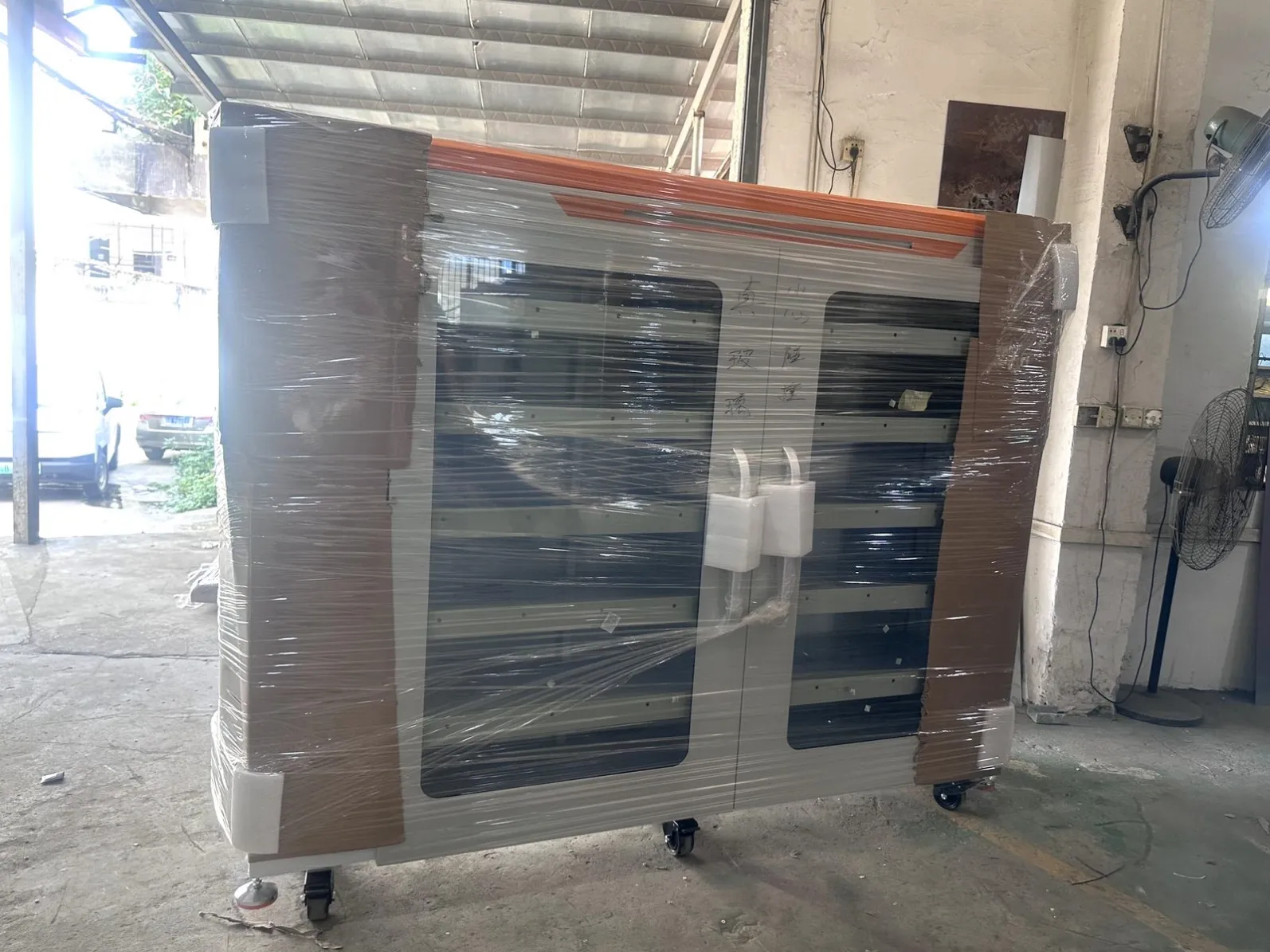
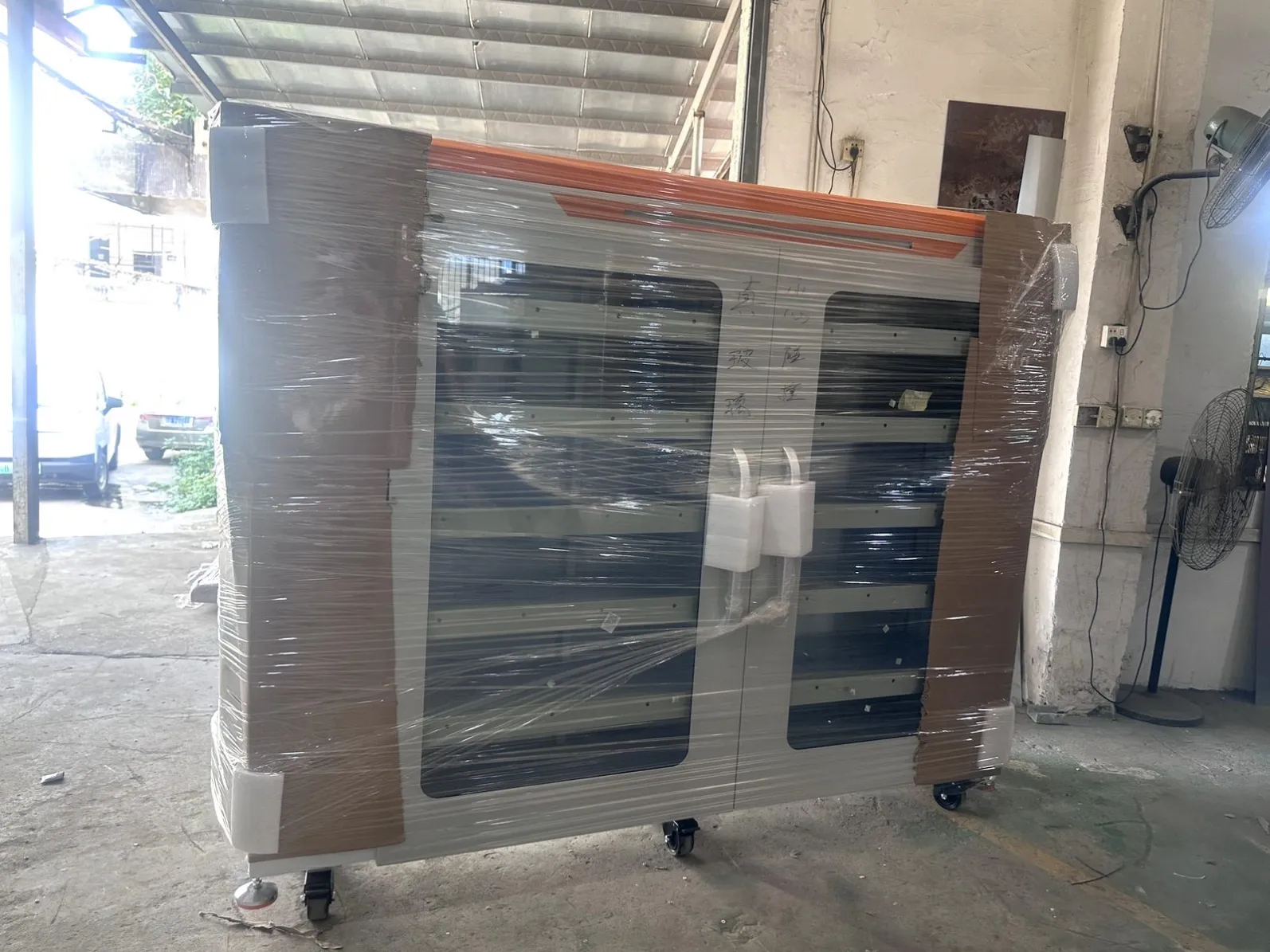
The crate is opened on your dock, and the panel is not what you expected. A mounting rail is bent from transit. The PLC in the BOM was a Siemens S7-1200; the unit in front of you carries a different order code. The nameplate says IP54, but your purchase order said IP65. The supplier's first email says, "We can sort it out"—and you are fourteen days from a commissioning date you cannot move.
That scene plays out more often than buyers admit, and almost always for the same reason: the purchase order never said what "acceptable" meant, or who carries the risk once the crate is on the boat. If you are still choosing who builds the panel, our Electrical Enclosure Supplier China Sourcing Guide covers the build-shop-versus-partner decision; this article is about what happens after you have chosen and the goods have moved.
Acceptance is decided at the PO, not at the dock.
The single most useful thing to understand is that a buyer's ability to reject a panel is fixed the day the contract is signed, not the day the crate is opened. "Acceptance" is a clause you write before shipment. If your PO names what the panel must be, what evidence proves it, and where the risk of transit damage sits, then a wrong onegotiation—ands a clear breach you can act on. If it does not, "wrong" becomes a negotiation — and you are negotiating from the weak seat, with a deadline and a half-unpacked crate in front of you.
This is the transferable point: for any imported engineered equipment, the inspection you run on arrival only has teeth if the contract already defined conformance and allocated risk. The arrival check is the measurement; the PO is the standard it is measured against. Most buyers write the PO around price, brand, and delivery date and leave "what happens if it is wrong" to be resolved later—which is exactly when they have the least power to resolve it.
Three references that make "conforming" objective
You do not need to be an electrical engineer to make a panel's conformity checkable. Three published references do the work.
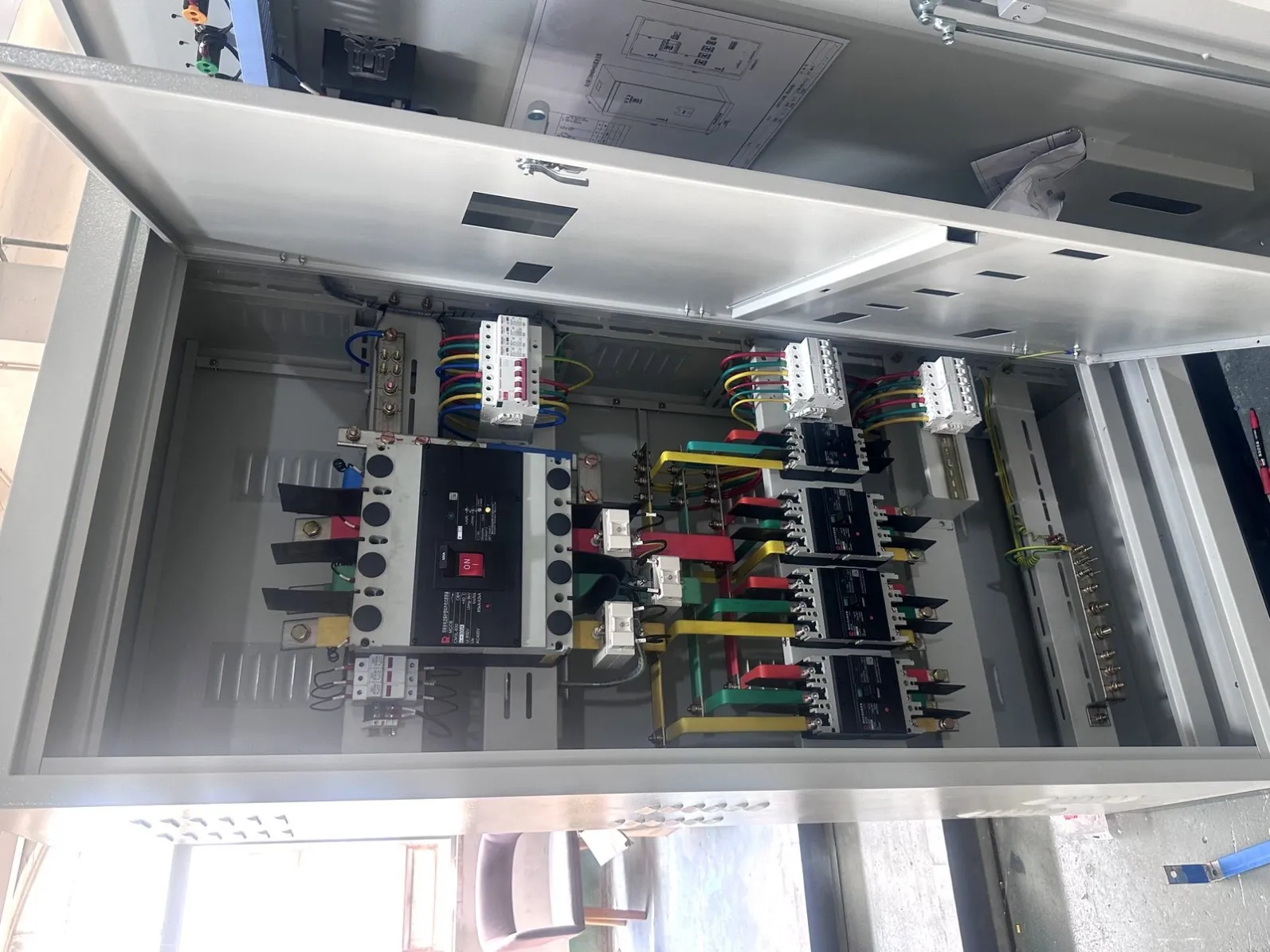
IEC 60204-1:2016, Clauses 18.2–18.6. This is the verification chapter of the electrical-safety standard most industrial panels are built to. It lists exactly what a real acceptance test covers: protective-bonding continuity (Clause 18.2), insulation resistance at 500 V DC—minimum 1 MΩ on control circuits (18.3), dielectric withstand (18.4), residual voltage below 60 V within 5 seconds of disconnect (18.5), and a functional test that includes the emergency stop (18.6). The reasoning for a buyer: a FAT (Factory Acceptance Test) record that cites these clause numbers and lists results per I/O point is your baseline. At arrival, if the panel's function, nameplate ratings, or internal configuration do not match that record and the as-built drawings, you have objective, standards-based non-conformance—not an opinion. A one-line "FAT passed" gives you none of this; it is a photograph of a test, not a test record.
IEC 62381:2024 (Edition 3.0). This standard separates FAT (done at the builder's facility) from SAT—Site Acceptance Test—done at your location and requires the owner, buyer, and vendor to agree on the test scope and responsibilities in advance. The reasoning: your arrival inspection is effectively a SAT-lite. If your PO never agreed on what the site acceptance criteria are and who signs them off, you cannot later claim the panel "failed SAT," because you never defined SAT. Pre-agreeing turns an argument into a checklist.
Incoterms 2020 (ICC). This is the one buyers most often get wrong, and it decides who pays for transit damage. Under FOB, CFR, and CIF, risk transfers to the buyer the moment the goods are loaded on board at the origin port—not when they arrive. Under DDP, the seller bears risk until the goods are delivered at your named place. The reasoning: "It arrived damaged" is only the seller's problem if your contract says DDP (or a similar delivered term). Under FOB/CFR/CIF, the damage is yours the instant it left, and your only recovery is the marine insurer—which is why a clean Bill of Lading and documented pre-shipment condition matter. One more nuance worth knowing: the ICC explicitly warns against using FOB/CFR/CIF for containerized cargo, because a container is handed over at a terminal, not loaded "on board" by the seller. For panels shipped in containers, FCA, CPT, or CIP are the correct equivalents—and they move the risk-transfer point to the terminal handoff, where you actually control the carrier.
What to check in the first hour
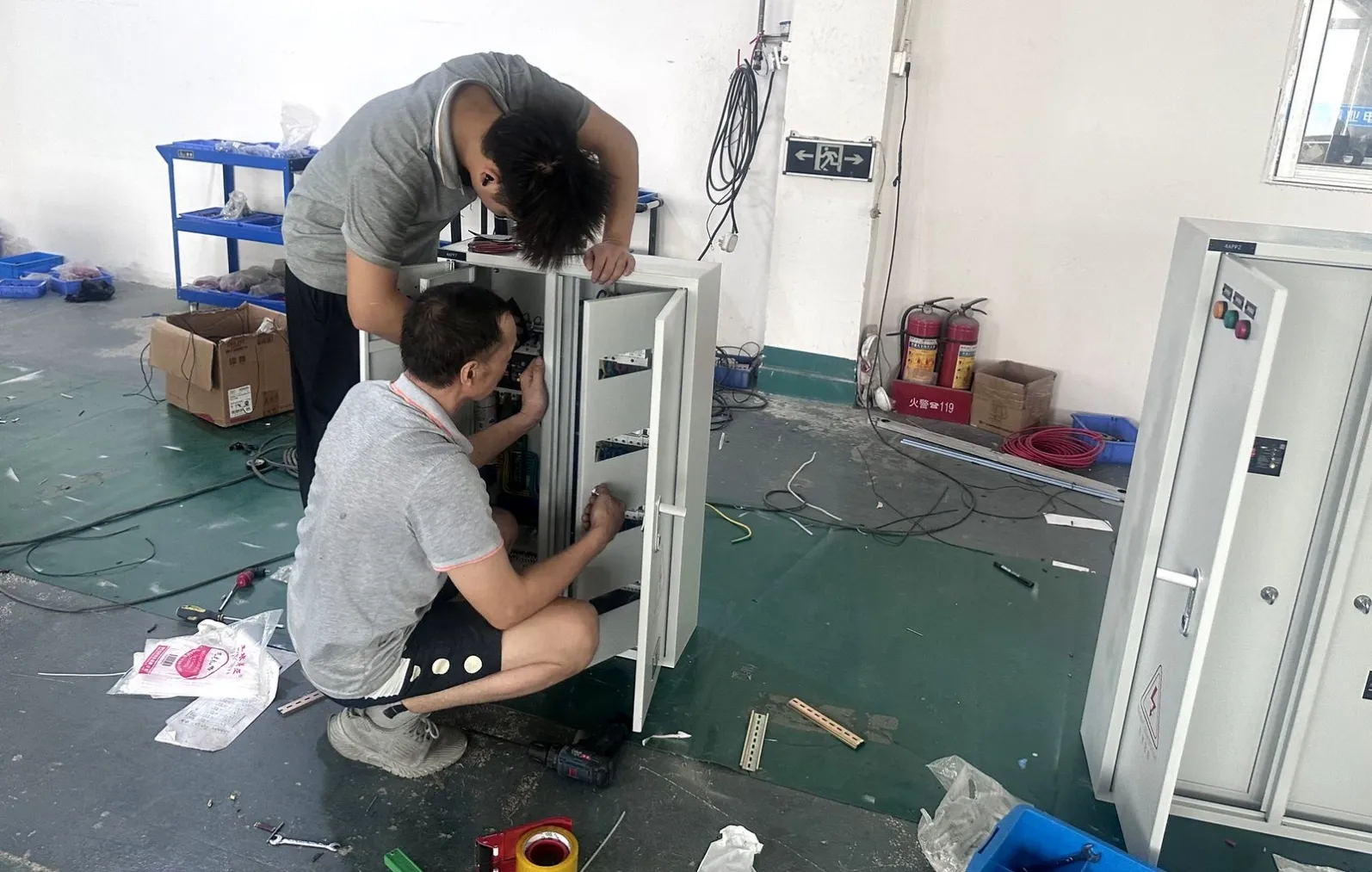
A short arrival inspection catches most problems while they are still the seller's (or the insurer's) responsibility:
- Transit damage first. Photograph the crate and the panel before uncrating. A bent rail or crushed enclosure is only a recoverable claim if it is documented before you sign the delivery receipt. Signing "received in good condition" closes the door.
- Nameplate against PO. Voltage, current, IP or NEMA rating, and—for US-bound panels—the short-circuit current rating. A nameplate that does not match the order is non-conformance you can see without tools.
- Configuration against the as-built. The enclosure type, component brands and order codes, and wiring should match the as-built drawings and BOM the builder was required to supply. A substitution you did not approve is a conformity gap, not a convenience.
- The FAT record against the panel. Every I/O point tested, per IEC 60204-1 Clauses 18.2–18.6, with measured values. If the record is missing or a one-liner, you have no baseline to judge what the panel is supposed to do—and that is itself a contractual failure if your PO required it.
When you can reject, and when you cannot
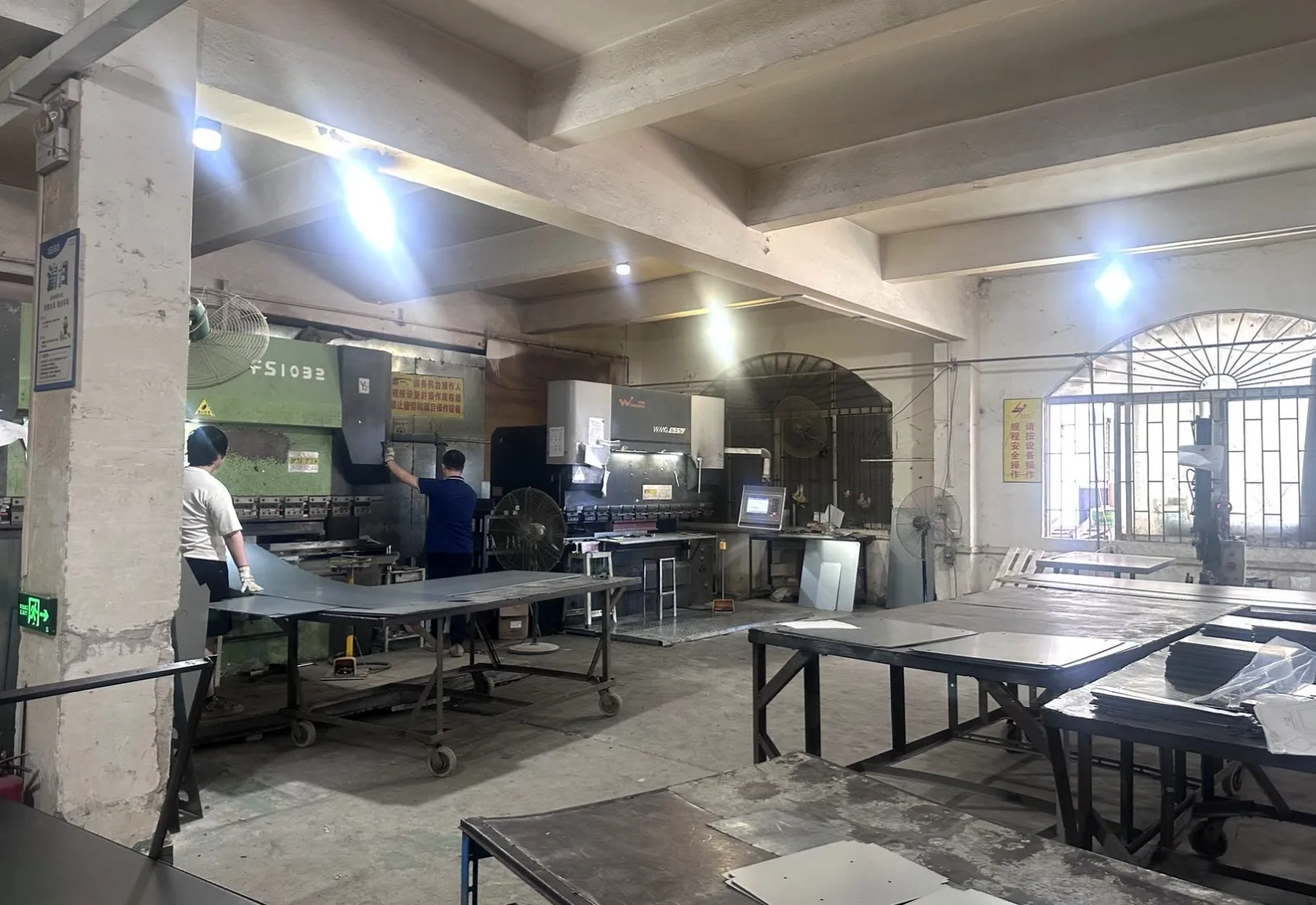
You can reject, at the seller's cost, when the panel does not match the contracted specification—wrong rating, unapproved substitution, missing required documentation, or damage that is the seller's responsibility under the Incoterm (DDP, or FOB/CFR/CIF damage proven to have occurred before loading). You cannot reject for transit damage under FOB/CFR/CIF once the goods were loaded sound and the Bill of Lading is clean—that risk is yours, and the route is the cargo insurer, not the supplier. This is the line most disputes cross: a buyer who expected the seller to "take care of" ocean damage under an FOB contract has no contractual footing, because the contract already allocated that risk to the buyer.
Paste this into the purchase order.
The clause below turns the above into contract language. Adjust the inspection window to your lead time.
Buyer's site acceptance inspection shall occur within [5] working days of delivery. The panel is accepted only if: (a) the as-built drawings, layout and BOM, naming every component by manufacturer and complete order code, match the configuration shipped; (b) a FAT record is supplied citing IEC 60204-1:2016 Clauses 18.2–18.6, stating per-I/O-point stimulus, response and pass/fail with measured values; (c) the nameplate ratings (voltage, current, IP or NEMA, and SCCR where applicable) match this order; and (d) there is no transit damage evident at uncrating. Non-conforming or damaged units may be rejected at no cost to the Buyer where the non-conformance is the Seller's responsibility under the agreed Incoterm [e.g., DDP]. Risk of loss or damage transfers per Incoterms 2020 as stated in Clause [X] of this contract.
And the arrival checklist you can hand to the receiving electrician:
Check | Conforms if | Who owns the risk if not? |
|---|---|---|
The crate & panel were photographed before uncrating. | No visible crush or bent members | Carrier / insurer (FOB/CFR/CIF) or seller (DDP) |
Delivery receipt not signed "in good condition" blindly | Damage noted at receipt | Carrier / insurer |
The nameplate matches the PO. | Voltage, current, IP/NEMA, SCCR correct | Seller |
As-built matches shipped configuration | Brands & order codes as specified | Seller |
FAT record present & complete per IEC 60204-1 18.2–18.6 | Per-point results with values | Seller |
How to read the situation
If a supplier will name a price but not the acceptance criteria, they are reserving the right to decide what "good" means after the fact — which is the same as deciding it when the crate is open and you are under pressure. The fix is not a firmer tone on delivery day; it is a clause in the PO that says what "conforming" means and where the risk sits. With that clause, a wrong panel is a defined event with a defined remedy. Without it, it is a story you tell your manager.
Our position
We are a sourcing partner, not a control panel manufacturer. We source controllers and components across brands and build the panel through our Foshan supplier network, handing over one accountable package: the as-built drawings, the BOM with order codes, and a FAT record built to IEC 60204-1 Clauses 18.2–18.6. We are the wrong fit if you want a single-brand OEM badge; we are a strong fit if you want one party who owns the documentation that makes arrival acceptance a checklist rather than a gamble.
Frequently Asked Questions
Does signing the delivery receipt lock me into accepting a damaged panel?
Effectively, yes, if you sign it "in good condition" with damage you had not yet photographed. Photograph the crate and panel before uncrating, and note any damage on the receipt. A clean signature is the carrier's and insurer's evidence that the goods arrived sound, and it is very hard to walk back.
My supplier shipped FOB, and the panel arrived damaged—is that their problem?
Under FOB, CFR, and CIF, risk transfers to you the moment the goods are loaded at the origin port, so ocean transit damage is your loss to recover from the cargo insurer, not the supplier—provided the Bill of Lading is clean and the goods were loaded sound. That is why pre-shipment condition proof and the right Incoterm matter more than the supplier's goodwill after the fact.
What if the FAT record is just one line saying "passed"?
A one-line record gives you no baseline for what the panel is supposed to do, and if your PO required a FAT per IEC 60204-1 Clauses 18.2–18.6 with per-point results, a one-liner is itself a contractual shortfall you can withhold payment against. Ask for the full record before the panel ships, not after it arrives.
Can I reject a panel for a component brand I did not specify?
If your PO named brands and order codes and the shipped unit differ without your written approval, that is non-conformance; you can reject. If the PO was silent on brands, your position is far weaker—which is another reason to name them up front rather than discover a substitution on your dock.
Is DDP safer for the buyer than FOB?
For risk, yes: under DDP the seller bears loss or damage until the goods reach your named place, so arrival damage is the seller's problem. The trade-off is that you lose control of freight and visibility of cost. For containerized panels, FCA, CPT, or CIP are often cleaner than FOB/CFR/CIF because they put the risk-transfer point at the terminal handoff you control.
Related Guides
Request a quote or engineering review
Send us your drawings and BOM and we will quote the build with the as-built package and a FAT record built to IEC 60204-1 Clauses 18.2–18.6 included — so what arrives is exactly what the paperwork says. Upload your drawing for an engineering review.