
Buying Guides
Control Panel Build Shops for Export: 7 Worth Shortlisting in 2026 (and How to Vet Them)
A logo isn't a spec. When you're sourcing a panel build shop for export, the UL 508A file, FAT discipline, and paperwork matter more than the name on the door.
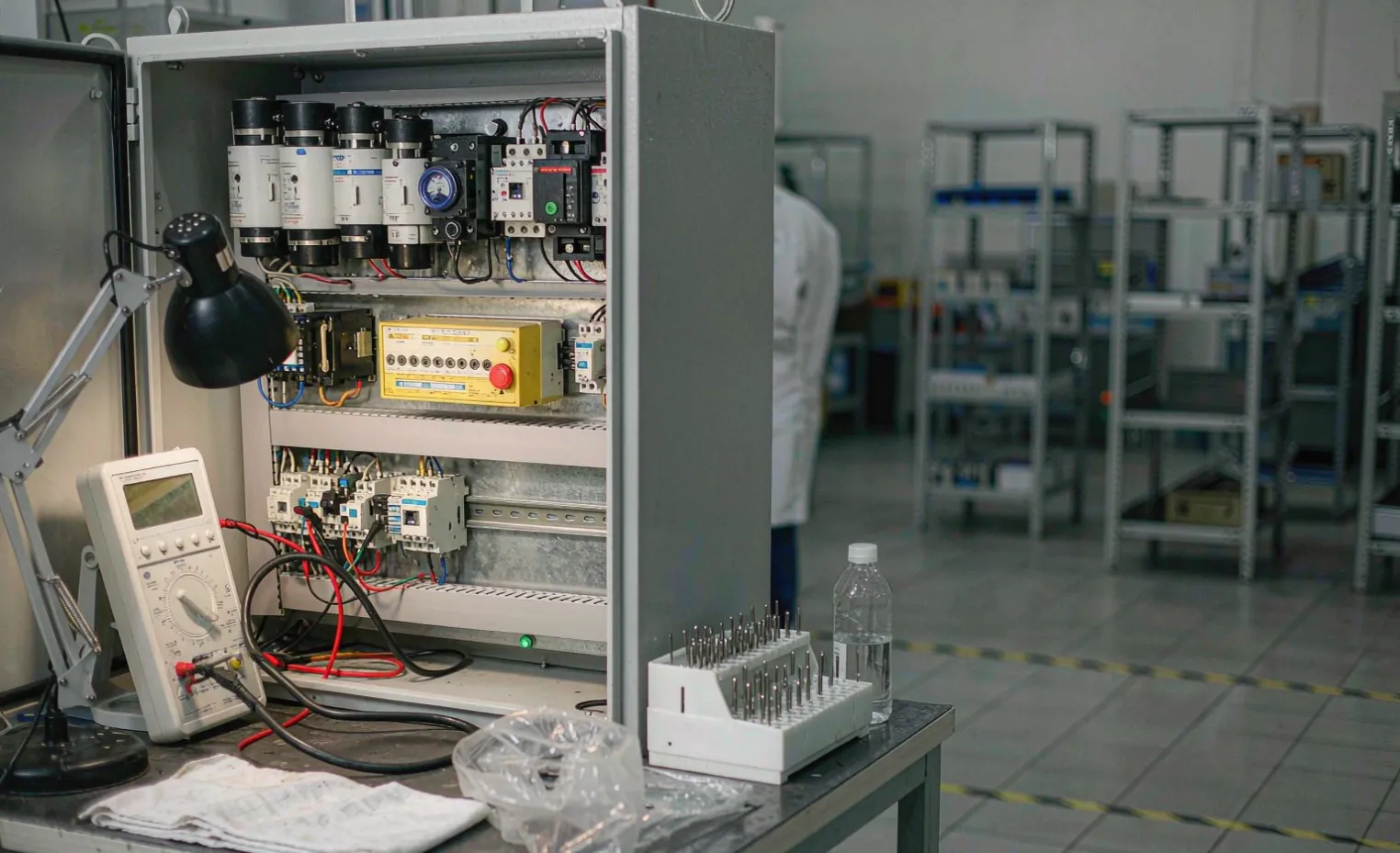
You're shortlisting panel-build shops for an export project. The name on the door tells you little—it's UL 508A listing scope, how seriously it runs factory acceptance testing, and whether it can ship with the right docs are what separate a smooth commissioning from a container of rework sitting on a dock. Rank shops by logo and you'll miss every one of those.
We're a sourcing partner and panel-build shop, not one of the shops listed below, so read this as a buyer's lens rather than a pitch. Our job is to help you pick the right build partner for the job, not to pretend we're the only answer.
Why the logo-first shortlist backfires
A famous name usually means one thing well—high volume, or a specific industry, or a domestic market. It does not mean "will build your panel to your export spec, document it in your language, and land it at your port without a customs fight." The shops that quietly do all three are often regional and unknown outside their vertical. Shortlisting on recognition alone throws away the only signal that matters: fit.
The four things that actually separate a good export shop
UL 508A listing scope
A shop can be "UL listed" and still not be listed for your panel. The listing is tied to a file number and a scope—voltage, enclosure type, and control-circuit content. Ask for the file number and read what it covers. A shop listed for simple motor starters may not be listed for a panel with complex power distribution or a stainless hygienic enclosure.
FAT discipline
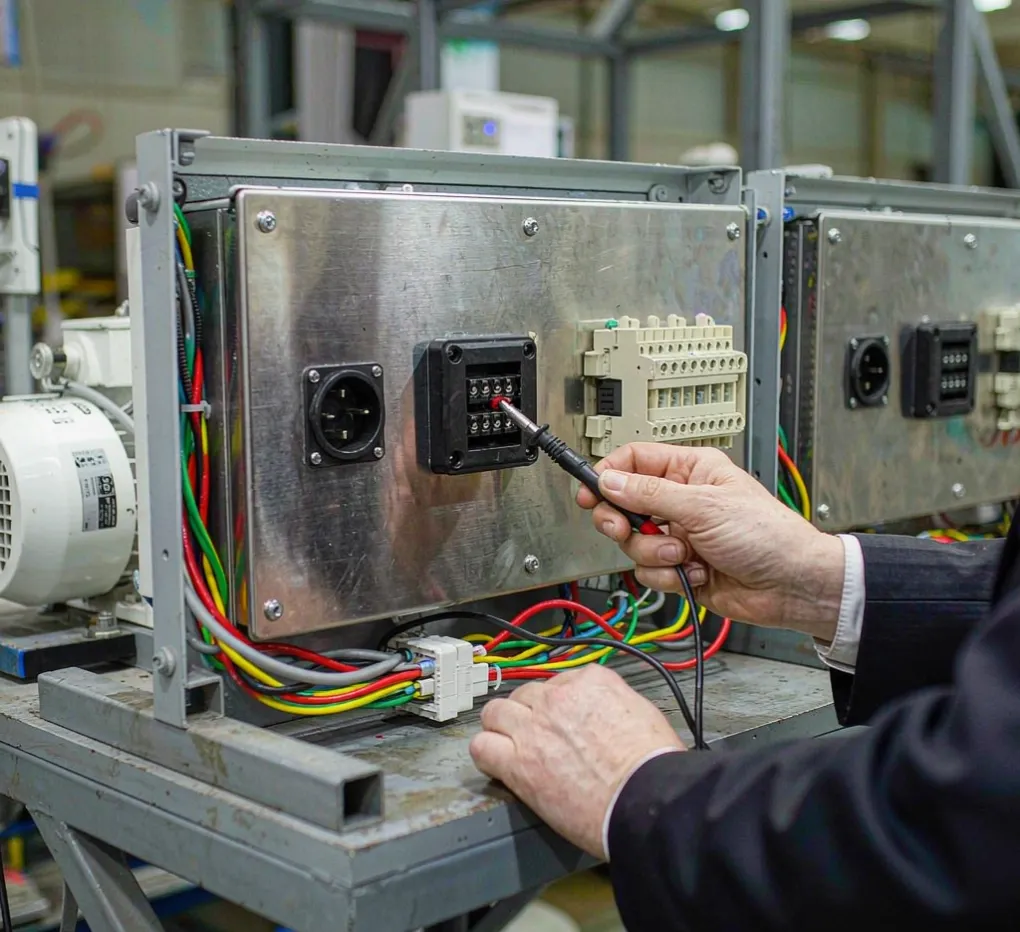
Anyone can bolt parts into a box. A few run a real Factory Acceptance Test: continuity on every circuit, insulation resistance, functional sequence with simulated I/O, and a written report with readings, not a signature. The FAT is where your rework gets caught in the shop instead of on your floor.
Documentation package
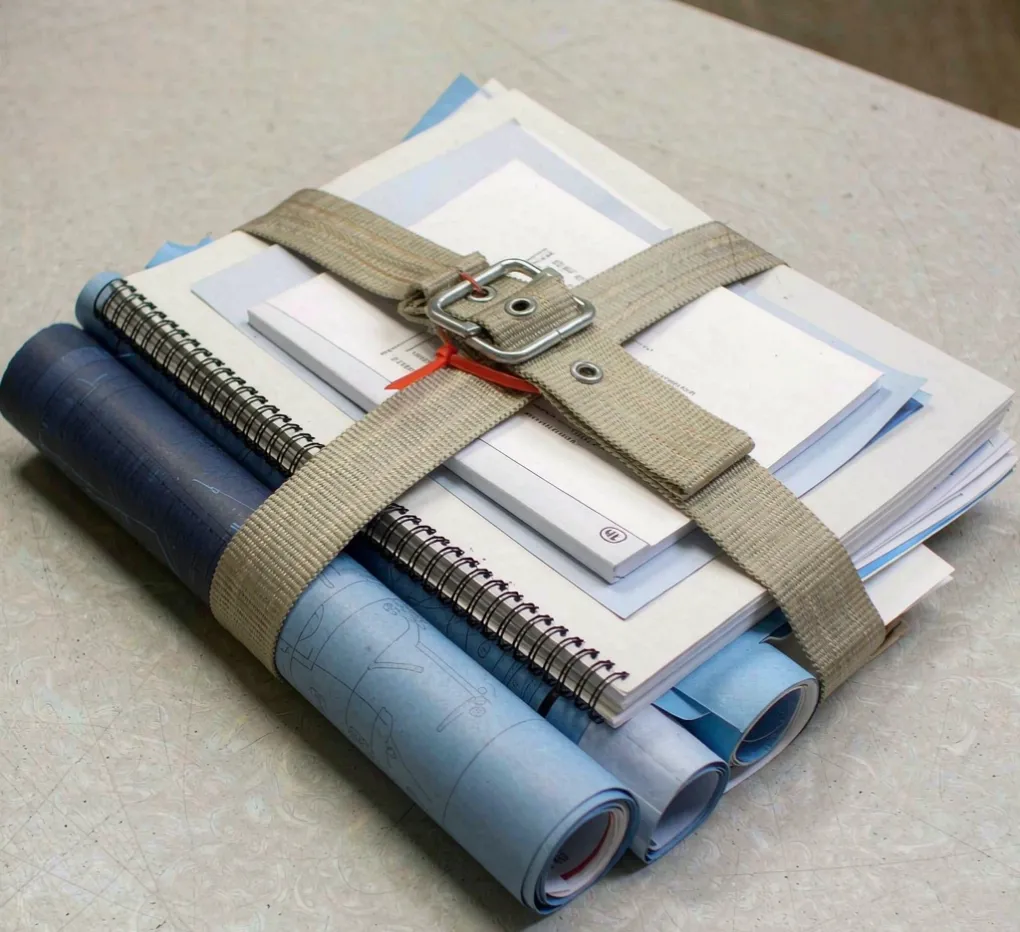
Export panels die at customs and commissioning over paperwork. You need signed drawings, an O&M manual in the right language, component datasheets, and certification copies. A shop that treats docs as an afterthought will cost you more in delays than it saved on the build.
Logistics and Incoterms readiness
Can the shop pack for ocean freight, crate to ISPM-15, and hand you clean commercial invoices and a packing list that matches the BOM? If "logistics" means "we'll put it on a pallet," you're the one absorbing the risk at the port.
Shop profiles → what each is actually good for
Match the shop to the job. A shop that's perfect for one scenario is wrong for the next.
Shop profile | Best fit | Watch out for |
|---|---|---|
High-mix OEM specialist | Custom panels that change every run | Higher unit cost, longer lead time |
Panel-only job shop | Standard panels: you supply the design. | No system integration or programming |
Turnkey system integrator | Panel + PLC/SCADA + commissioning | You pay for the whole stack. |
US / EU UL 508A job shop | North American projects needing local listing | Premium price, long export logistics |
Export-oriented China shop | Cost-driven export with documentation discipline | Vetting the UL scope and FAT rigor |
Volume low-cost shop | Thousands of identical panels | Weak on one-off customization |
Hygienic / F&B specialist | Washdown, stainless, food-grade sites | Overkill (and overpriced) for dry indoor use |
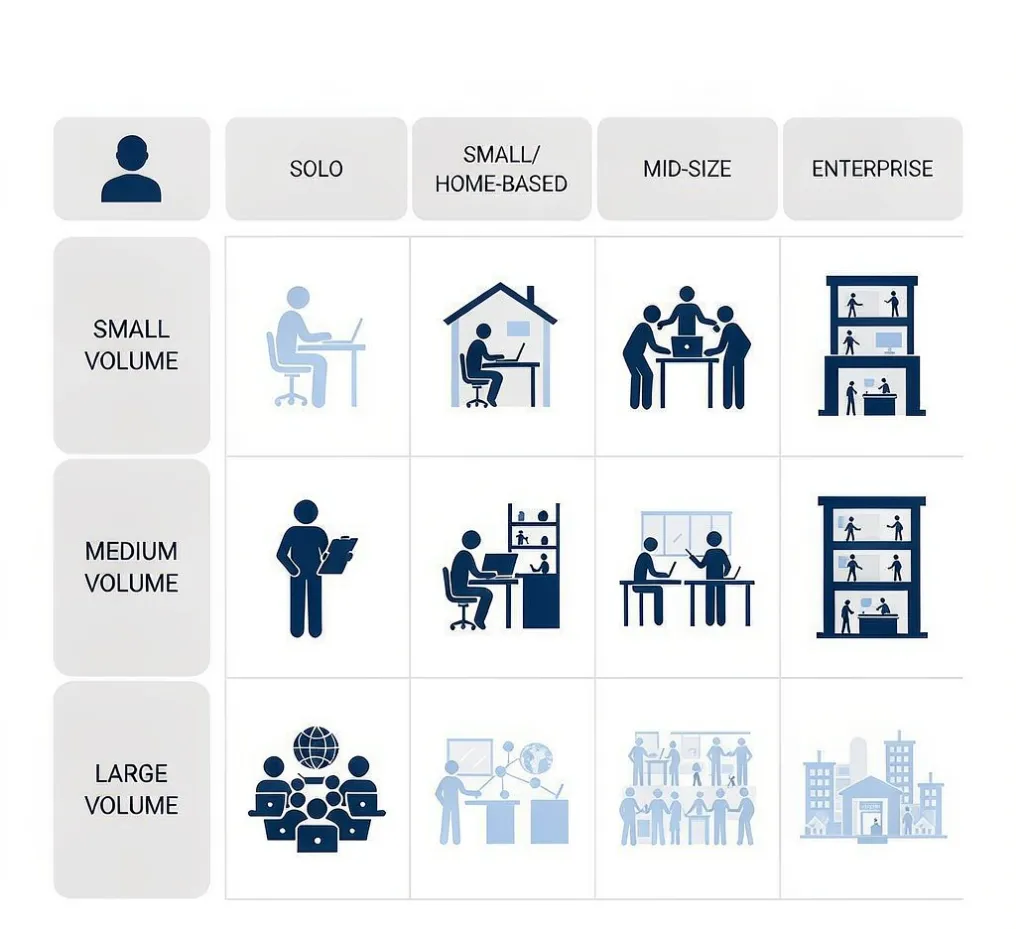
The right answer is almost never "the biggest name." It's the profile that matches your volume, your standard, and your destination market.
Red flags before you sign
- "We're UL listed" with no file number. Push for the number and the scope.
- FAT is a photo, not a report. If you don't get readings, you didn't get a test.
- Docs "come later." Later means never, or at customs.
- No reference to your destination standard. A shop that only knows its home market will miss NEC vs IEC differences.
- Vague lead time. For empty enclosures, plan on roughly a 5-unit minimum and about 15 days; a full panel after drawing and BOM review starts from one unit in roughly 35–40 days; component orders ship in 3–5 days. A shop that can't quote against those ranges is guessing.
Buyer Note: A logo isn't a spec. The shop's UL 508A file, its FAT rigor, and its paperwork discipline are the spec.
Where a sourcing partner fits
We don't ask you to take our word for a shop. As a sourcing partner, we keep a vetted, project-specific shortlist—we match the profile above to your volume and destination, confirm the UL 508A scope, and sit in on the FAT so the readings come back real. We are not one of the ranked shops; we're the side that makes sure the one you pick actually performs.
The facts we build around
So you can sanity-check any shop you talk to:
- Material: carbon steel, 304, 316, or hot-dip galvanized enclosures. We don't build in aluminum—it doesn't survive the coastal and washdown sites our buyers run.
- Rating: IP65 or NEMA 4X for outdoor, washdown, and coastal duty. They are not the same test; ask for both callouts.
- Certification: when a UL 508A listing is required, we find a UL-listed shop per order—we are not one ourselves. For panels built to the international schema, IEC 60204-1 is the reference we verify against.
- Enclosure rating basis: NEMA 250 defines the NEMA types buyers specify for North American sites.
FAQ
How do I verify a shop is really UL 508A listed?
Ask for the UL file number and look it up in UL's directory. Then read the scope—what the file actually covers. A valid number with the wrong scope is still a miss for your panel.
What should a proper FAT report include? Continuity on every circuit, insulation resistance values, a functional test with simulated inputs/outputs, and the as-built drawings used. A photo of a closed panel is not a FAT.
Is a China export shop automatically lower quality?
No. The good ones run real FAT, hold the right UL scope, and document in your language. The risk is the ones that don't—which is why vetting the profile and the paperwork matters more than the country.
Do I need a turnkey integrator or a panel-only shop?
If you supply the design and just need metal built, a panel-only shop is cheaper. If you need PLC programming, SCADA, and commissioning, you need the integrator—and you pay for the whole stack.
What lead time is realistic for a custom export panel?
Empty enclosures: about 15 days at a 5-unit minimum. A full panel after drawing and BOM review: roughly 35–40 days from one unit. Component orders: 3–5 days. Anyone quoting wildly outside that range is either underestimating or padding.
Can a sourcing partner replace vetting the shop myself?
No—and you shouldn't outsource the decision. A sourcing partner narrows the shortlist, confirms the UL scope, and sits in on FAT, but you still own the pick. We make the shortlist trustworthy, not automatic.
Buyer Takeaway
Stop ranking panel shops by name. Rank them by UL 508A scope, FAT rigor, documentation discipline, and logistics readiness—the four things that actually decide whether your panel lands and runs. Match the shop profile to your volume and destination, watch for the five red flags, and the "famous" name stops being the deciding factor. The control panel sourcing guide covers the rest of the spec; the custom control panels solution page shows what we build around.
Hand us your panel scope and we'll shortlist shops that fit the job and sit in on the FAT so the readings come back real, not photographic. Send your requirements here.