
Control Panel Arc-Flash and Nameplate Labels: What NEC 409 and NFPA 70E Require Before Acceptance
A panel can clear every factory test and still be red-tagged at commissioning because the nameplate or arc-flash label is missing or wrong. This guide separates the two documents buyers confuse most,
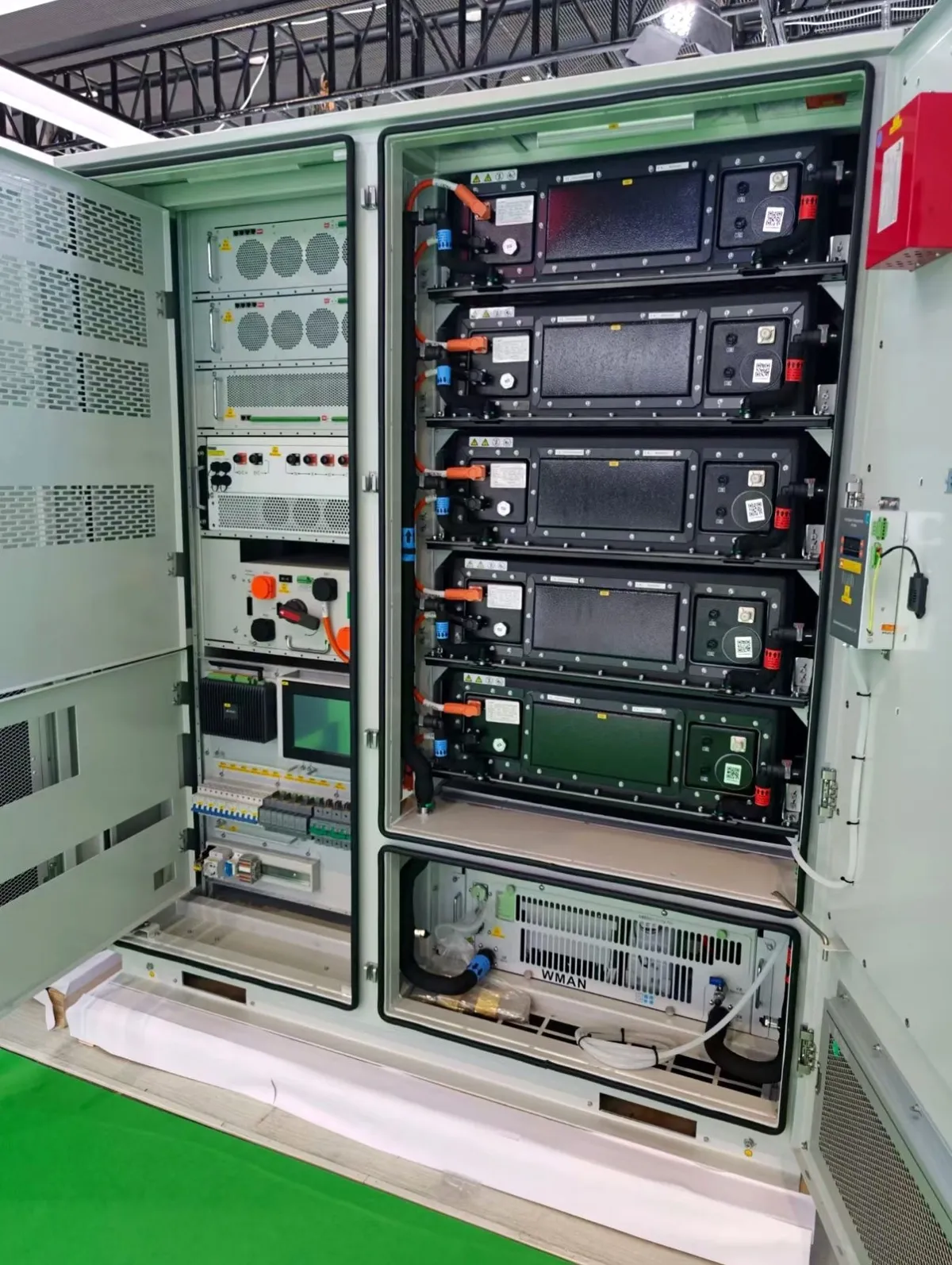
A panel clears FAT in Foshan, ships in a container, gets mounted in a US plant, and the Authority Having Jurisdiction walks the line and red-tags it before energization. The reason is not a loose wire. The nameplate reads an SCCR of 5 kA, but the available fault current at that bus is 22 kA — and NEC 409.22(A) makes installing a panel where the fault current exceeds the marked rating an outright violation. The builder did nothing wrong by the panel standard. The buyer simply never asked for the one number the inspector checks.
If you are still choosing who builds the panel, our Electrical Enclosure Supplier China Sourcing Guide covers the build-shop-versus-partner decision; this article is about what to require on the panel itself so a green tag, not a red one, is what you get at the end.
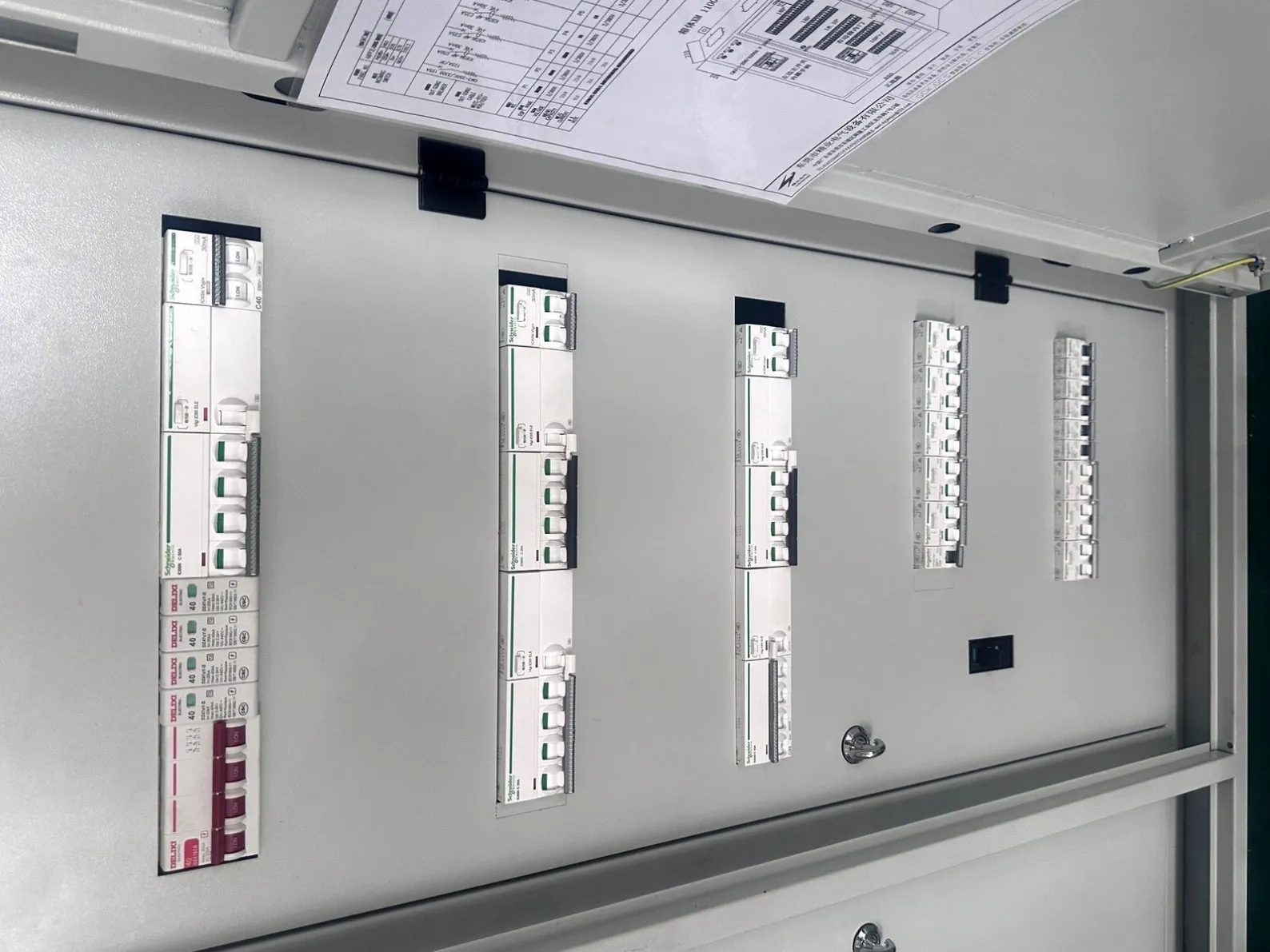
The nameplate and the arc-flash label are two different documents
The most useful thing a buyer can internalize is this: the SCCR nameplate is the builder's statement of what the assembly can withstand, while the arc-flash label is the owner's statement of what the hazard actually is at the installed location. They are produced by two different parties, under two different standards, and one never substitutes for the other. A sticker with no calculation behind it fails the same inspection as no sticker.
The principle carries past control panels. Any imported engineered equipment carries a manufacturer's rating and a site-specific hazard assessment, and only the second is valid at your coordinates. The buyer's job is to require both as numbers in the submittal, not as reassuring words on a phone call — because the reassurance is exactly what the AHJ will not accept in place of data.
What the nameplate must actually say
NEC Article 409.110 sets the permanent markings an industrial control panel must carry, visible after installation: the manufacturer's identification; the supply voltage, number of phases, frequency, and full-load current for each incoming supply; the short-circuit current rating (SCCR); the enclosure type number; and a wiring diagram or a reference to one. Critically, the SCCR marking under 409.110(3) must be attached to the outside of the enclosure, not buried on an internal drawing.
The nameplate on a listed panel is governed by UL 508A, Section 65 (Marking) — it is the clause that requires the listing mark and the file number alongside the electrical data. UL 508A Supplement SB is the accepted method for establishing the SCCR in the first place. The reasoning for a buyer: a panel assembled only from listed components inherits a default 5 kA SCCR (UL 508A Table SB4.1) unless the builder actually evaluates the component combination. That courtesy rating is harmless on a small feeder and a code violation the moment the available fault current at the panel exceeds it. So the number on the nameplate is something to request in writing, not to assume.
Why the SCCR number is the one the inspector checks
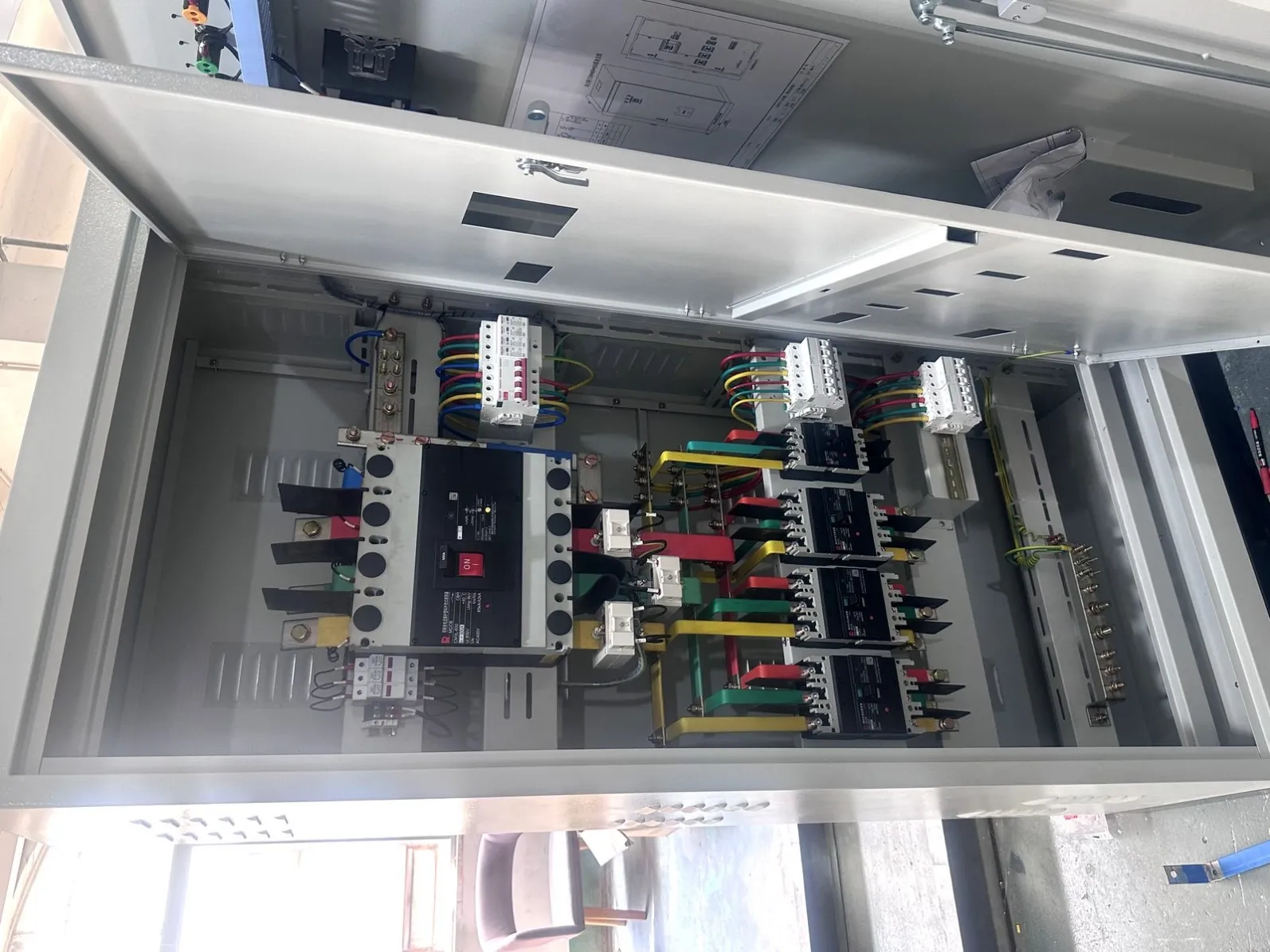
NEC 409.22(A) prohibits installing an industrial control panel where the available fault current is greater than the SCCR marked under 409.110(3). NEC 409.22(B) adds a documentation obligation: the available fault current at the panel and the date that calculation was performed must be made available to anyone authorized to inspect, install, or maintain the installation.
The reasoning chain is unforgiving. The transformer and the feeder — not the panel — set the fault current at the line terminals. Transformer impedance, feeder length and size, and upstream configuration all change the result, so copying the utility service figure is not enough. A 5 kA courtesy panel sitting on a 22 kA bus is a violation regardless of how carefully it was built. The buyer's move is to obtain the site fault current from the utility or the electrical engineer, require an SCCR equal to or greater than that figure, and keep the calculation on file. A nameplate that cannot show its own basis fails the same inspection.
The arc-flash label is the owner's document, not the builder's
NFPA 70E 130.5(H) requires a label on electrical equipment likely to be examined, adjusted, serviced, or maintained while energized. The label must state the nominal system voltage, the arc flash boundary, and at least one of: the available incident energy with its corresponding working distance, or the arc flash PPE category from the standard's tables, or the minimum arc rating of clothing, or the site-specific level of PPE. The equipment owner is responsible for documenting, installing, and maintaining that label, and the supporting data is reviewed at intervals not exceeding five years.
The reasoning: the builder's SCCR nameplate does not satisfy this clause. The facility's arc flash study calculates the incident energy at the actual location — using the same fault current and the protective-device clearing time — and that result drives the field-applied label. A panel can carry a perfect 65 kA SCCR nameplate and still arrive with no arc-flash label, because producing that label was never the builder's obligation. As the eventual owner or integrator, confirm before acceptance that the field-applied label exists or that your study will produce it; do not assume the nameplate covers it.
Paste this into the RFQ and the PO
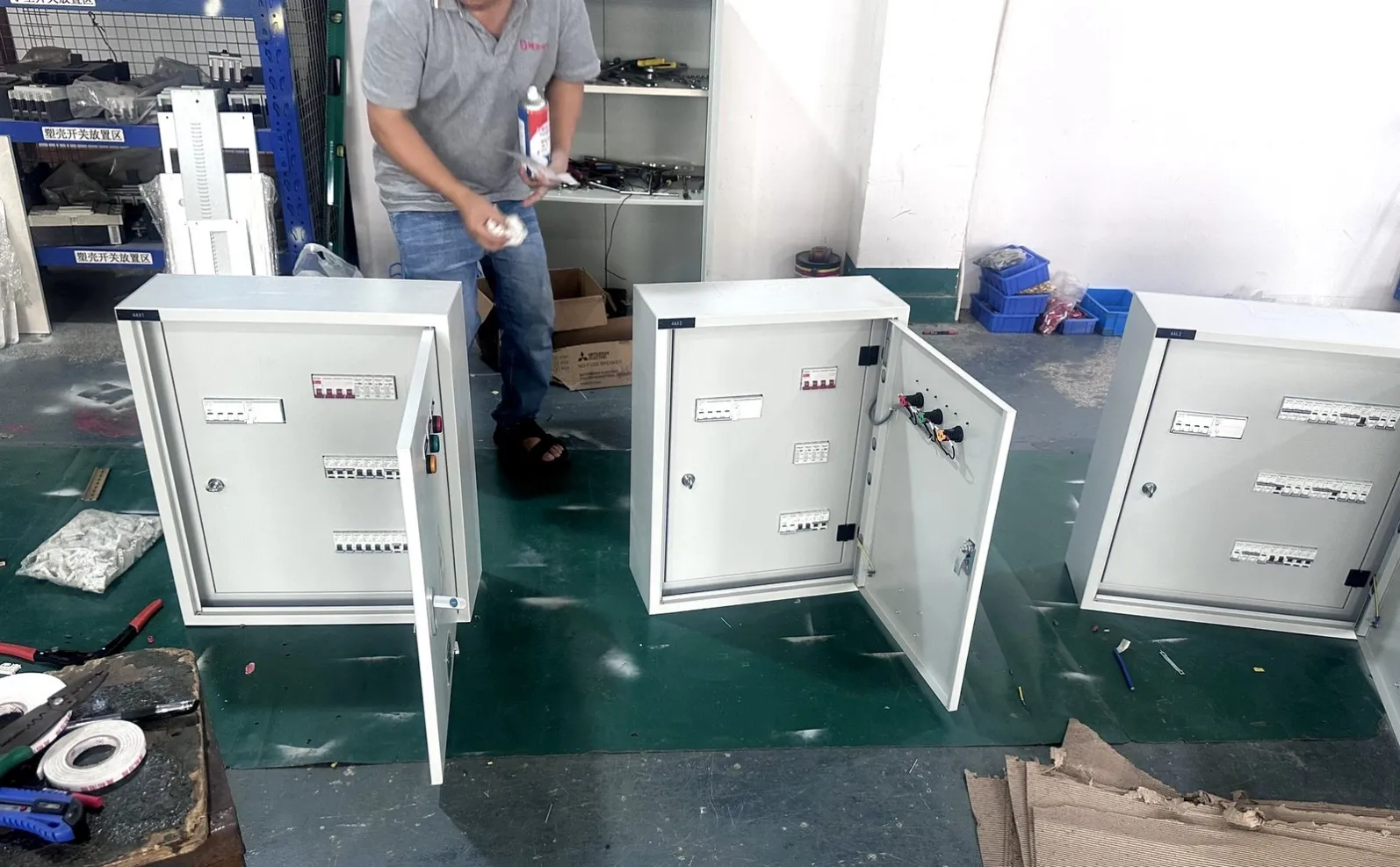
The clauses below turn the above into contract language a supplier can price and an inspector can verify.
SCCR and nameplate (RFQ spec line): Panel nameplate shall include the SCCR established by UL 508A Supplement SB and marked per NEC 409.110(3) on the enclosure exterior, and shall be not less than the available fault current at the point of installation. Supplier to provide the SCCR calculation and the available-fault-current figure used. Nameplate to carry the UL 508A listing mark and file number.Fault-current documentation (PO / submittal line): Submittal package to include: (a) nameplate data per NEC 409.110; (b) the SCCR calculation and the available fault current at the install point with calculation date, per NEC 409.22(B); (c) a statement of whether field-applied arc-flash labeling per NFPA 70E 130.5(H) is the owner's scope or, if supplied, the incident-energy basis behind it.Acceptance checklist (use at the dock, before sign-off): □ UL 508A listing mark + file number on nameplate □ SCCR marked on enclosure exterior (NEC 409.110(3)) □ SCCR ≥ available fault current at the install point (NEC 409.22(A)) — obtain the number before signing □ Fault-current calculation and date present in submittal (NEC 409.22(B)) □ Arc-flash label per NFPA 70E 130.5(H) present, or owner scope documented □ Labels durable, legible, and field-applied (NEC 110.21(B))
How to read the supplier's answer
If a supplier quotes a panel and, when asked for the SCCR and the fault-current calculation, replies that it is "UL listed, so don't worry," they have told you two things. The rating is the default 5 kA courtesy number, and they have not evaluated your service. That may be perfectly acceptable, or it may be a red-tag waiting to happen — the difference is your site fault current, which only you know. The point is that you now know it before the AHJ does, instead of during the commissioning walk-through when the panel is already mounted and the line is down.
Our position
We are a sourcing partner, not a control panel manufacturer. We source components across brands and have panels built through our Foshan supplier network, then hand over one accountable package. For the North American market we specify the nameplate data per NEC 409.110 and UL 508A, we supply the SCCR calculation and the fault-current basis with the submittal, and we flag clearly that the field-applied NFPA 70E arc-flash label is the owner's scope — or we can arrange it against your study. We are the wrong fit if you want a single-brand OEM badge; we are a strong fit if you want one party who owns the panel and its compliance paperwork from our bench to your AHJ.
Frequently Asked Questions
Does a UL 508A listing mean my panel is automatically arc-flash compliant?
No. UL 508A governs the nameplate and the assembly SCCR; the arc-flash label under NFPA 70E 130.5(H) is a separate, owner-owned document based on the site study. Two different standards, two different parties, and the listing does not produce the second.
My site fault current is 22 kA. Can I still buy a standard 5 kA panel?
Only if the builder raises the SCCR by evaluating the component combination per UL 508A Supplement SB so the marked rating meets or exceeds 22 kA. Installing a panel marked 5 kA on a 22 kA bus violates NEC 409.22(A) regardless of build quality.
Who actually applies the arc-flash label — the builder or me?
The equipment owner is responsible for the NFPA 70E label (130.5(H)(6)). A builder can print and apply it if you supply the incident-energy study, but the obligation stays with you. Confirm who owns it before acceptance so it is not missing on commissioning day.
Do control-circuit-only panels need an SCCR nameplate?
NEC 409.110(3) exempts panels containing only control-circuit components from the SCCR marking. Verify the panel truly has no power circuit, though — a VFD or a power contactor pulls it back into scope and the exemption no longer applies.
How long is an arc-flash label valid?
The supporting data is reviewed at intervals not exceeding five years and updated when distribution-system changes could affect the result (NFPA 70E 130.5(H)(3) and (4)). A label is a snapshot of the system as studied, not a permanent number, so a label from an old study can quietly become inaccurate.
Related Guides
Request a quote or engineering review
Send us your drawings and BOM and we will quote a panel built to your SCCR and fault-current requirement, with the nameplate data per NEC 409.110 and UL 508A and the SCCR calculation in the submittal — so what the AHJ checks is exactly what the paperwork shows. Upload your drawing for an engineering review.
Produced with AI-assisted drafting and reviewed by the Uni Regal team before publication.