Oct 30, 2026Engineering Toolkit
What Documents Should Your Enclosure Supplier Provide? A Buyer's Checklist
The document checklist every enclosure buyer should demand — material mill certs, IP/NEMA test basis, UL listings, FAT and dimensional reports — and the red flags when a supplier can't produce them.
What Documents Should Your Enclosure Supplier Provide? A Buyer's Checklist
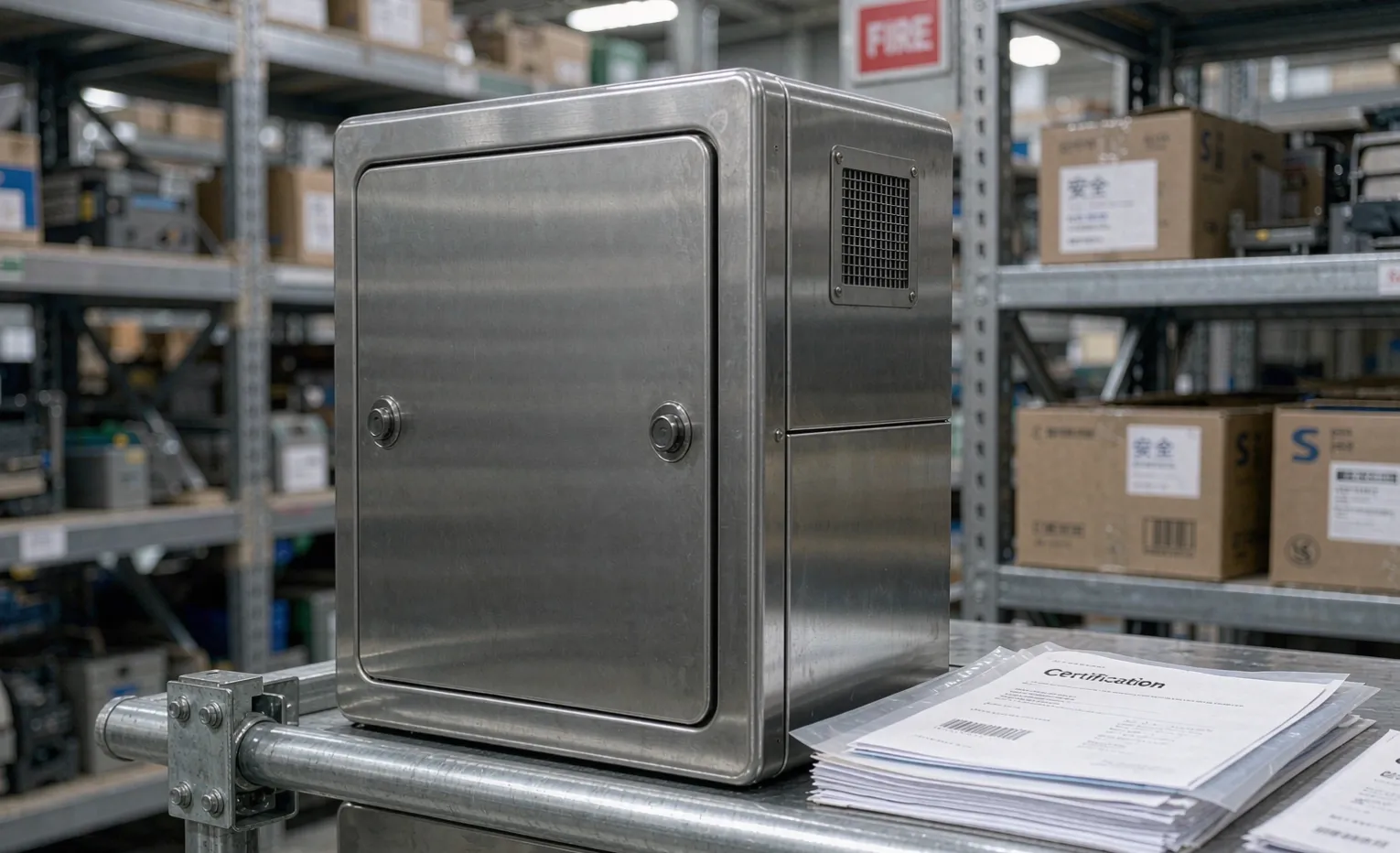
You get a quote for an IP66 stainless enclosure at a price that looks too good. Before you send the PO, ask one question: what paperwork proves the box is what it says it is? A surprising number of buyers skip this and find out on-site—after the cabinet rusts, fails the IP test, or can't clear customs—that the "316 stainless" was 201 and the "IP66" was never tested. The document set is your only leverage when a claim turns out to be a sticker.
Written from a sourcing-partner perspective: we help buyers specify and source enclosures and panels built in China, and we are not one of the enclosure brands you might be comparing. Our interest is that you demand—and receive—the proof before you pay so the build you get matches the spec.
If you are buying a full control panel rather than an empty enclosure, the document set is wider — our control panel power distribution guide covers the electrical backbone side. This guide stays on the enclosure itself. For the enclosures we source and build, see our electrical enclosures solutions, and for the full sourcing approach, our electrical enclosure sourcing guide.
Buyer Decision: Treat the document set as part of the product, not paperwork after the fact. A supplier who can produce the certs on request is a supplier whose box you can trust; one who "can get them later" usually can't get them at all.
The core document checklist
Here is the minimum a credible enclosure supplier should hand you with the quote or at shipment. Tick them off before the PO.
Document | What it proves | Red flag if missing |
|---|---|---|
Material mill certificate (EN 10204 3.1 or equivalent) | The steel is actually 304 / 316 / galvanized, not 201 or painted-over carbon. | "It's stainless" with no grade cert. |
IP test report (IEC 60529) or NEMA 250 test basis | The IP66 / NEMA 4X rating was actually tested. | "IP66" stated no test reference |
Coating / finish spec + thickness report | The paint system meets the corrosion spec (for carbon steel). | No film-thickness or standard cited |
UL listing cert (UL 50 / UL 50E) with file number | The enclosure is a listed product, file verifiable in writing | "UL certified" verbal only, no file. |
Certificate of Conformity (CoC) | Build matches the agreed drawing and spec. | None issued |
Dimensional / FAT inspection report | Cutouts, flatness, gasket continuity as drawn | No inspection record |
Commercial docs (invoice, packing list, origin) | Smooth import—see HS 8537.10 handling | Vague or mismatched origin |
Material mill certificate—the one buyers skip most
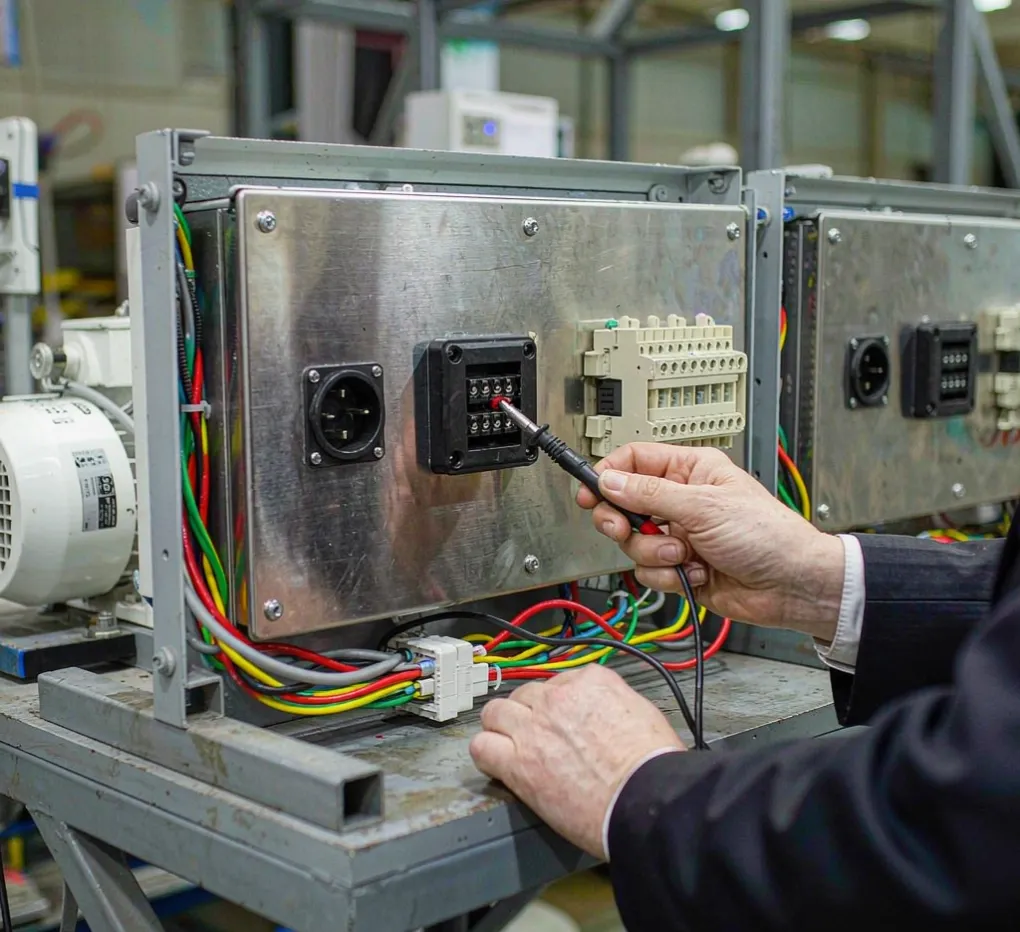
The single most abused claim in enclosure sourcing is the steel grade. "316 stainless" printed on a quote means nothing without a mill certificate that names the heat number and the chemistry (the molybdenum content is what separates 316 from 304 and 201). We insist on a 3.1 certificate per batch. If your site is coastal or chemical, that certificate is the difference between a box that lasts a decade and one that pits in two years.
Engineering Note: 201 stainless looks like 304 in a photo and rusts like carbon steel in a coastal site. The mill cert is the only reliable tell. Never accept "stainless" without the chemistry on paper.
IP and NEMA: proof, not a number
An IP66 or NEMA 4X label is a test result, not a material. Demand the basis:
- IP ratings reference IEC60529. A real supplier can point to a test report, not just a stamp.
- NEMA types reference NEMA250. NEMA 4X additionally implies corrosion resistance and a gasket/finish system that IP66 alone does not guarantee.
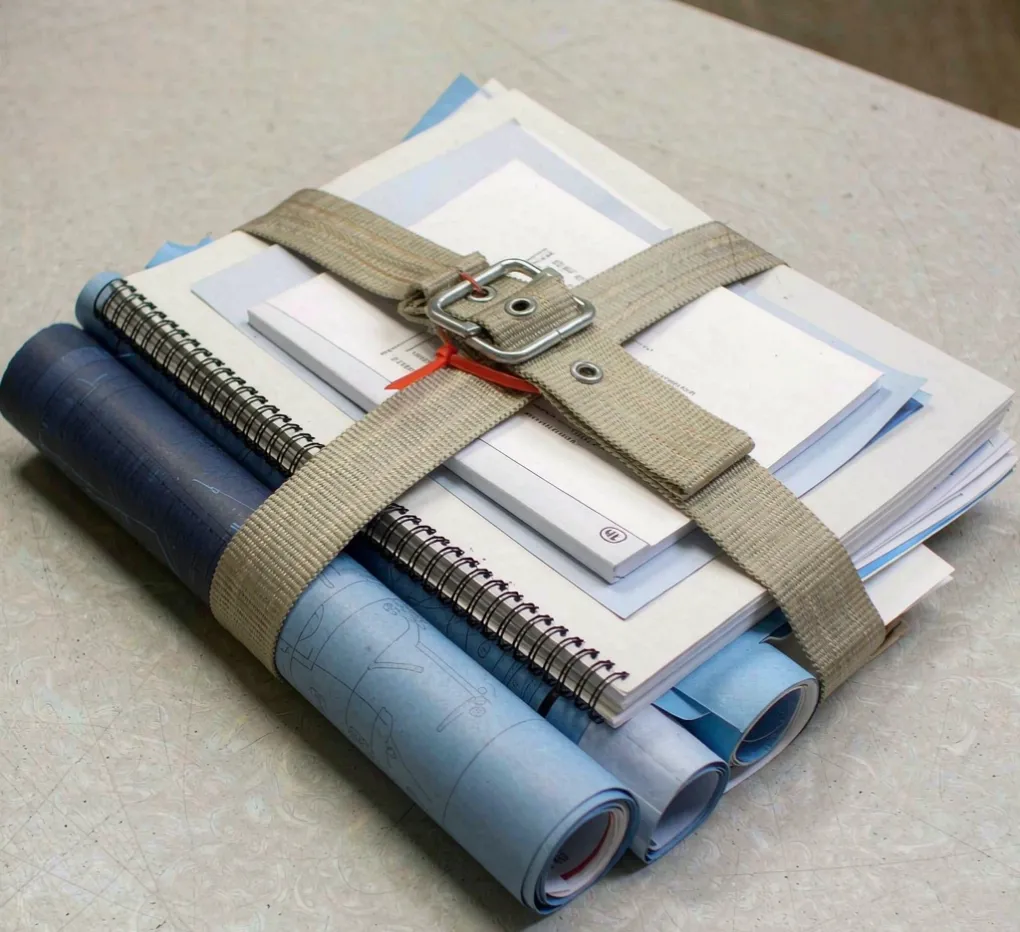
A supplier who says "IP66 equals 4X" and produces no corrosion test backing that claim is conflating two different standards. Ask what corrosion test supports the 4X claim, and put the answer in the PO.
UL listing: file number in writing
For installations that require a listed enclosure, the proof is a UL listing with a file number you can verify. We source enclosures through UL-listed partner shops and provide the file number in writing—never a verbal "we're certified." If your project needs a UL 508 A listed panel rather than just a listed enclosure, the assembly listing is a separate document; our UL-listed enclosure sourcing guide covers that path.
FAT and dimensional reports: proof the build matched the drawing
The enclosure should arrive as drawn. A factory acceptance test (FAT) or at minimum a dimensional inspection report should confirm:
- Cutout positions and sizes against the approved drawing.
- Door fit, gasket continuity, and hinge alignment.
- Surface finish and any coating thickness.
- For corrosion-rated boxes, the gasket and sealing faces are intact.
We include FAT records with shipments—it is the fastest way to catch a mismatch before it reaches your site, not after commissioning.
Commercial documents: the import side
If you are importing, the enclosure needs clean commercial paperwork, and the classification matters. Enclosures and panels generally fall under HS 8537.10; our import duty and tariff guide for electrical panels from China breaks down the 2026 U.S. duty scenarios and DDP/FOB landed-cost math. The documents that keep customs smooth: a commercial invoice matching the packing list, a clear country of origin, and a description that matches the HS code. Sloppy origin paperwork is a common reason a shipment sits at the port.
Red flags that end the conversation
- No mill cert for the steel grade—walk away.
- "IP66" with no IEC 60529 test reference.
- "NEMA 4X" with no material grade and no corrosion test basis.
- UL "certified" with no file number in writing.
- No FAT or dimensional report offered, even on request.
- Price far below market for the stated material (an IP66 outdoor cabinet typically runs $180–650 depending on size, grade, and finish—a $60 "316" box is almost certainly not 316).
What to send us for a documented quote
When you ask us to source an enclosure, send the environment, the required rating (IP or NEMA), the material grade, and any listing your end customer demands. We return a quote that names the steel, the test basis, and the UL file number up front—and we attach the mill cert, IP/NEMA basis, and FAT record at shipment. No "we'll get the certs later."
FAQ
Q: Is a mill certificate really necessary for a non-critical enclosure?
If the site is dry and indoor and the box is cheap to replace, maybe not. But the moment it is outdoor, coastal, or food-grade, the cert is the only proof the grade matches the claim. For those sites, yes—always.
Q: What's the difference between IP66 and NEMA 4X on paper?
IP66 is water ingress tested under IEC 60529. NEMA 4X (NEMA 250) adds corrosion resistance plus a gasket and finish system. A supplier should provide the specific test basis for whichever they claim—not treat them as interchangeable.
Q: My supplier says they're UL certified but won't give a file number. Is that enough?
No. A verbal claim is not a listing. Ask for the UL file number in writing and verify it. We provide ours on every listed enclosure quote.
Q: Do I need a FAT report for an empty enclosure?
For a single standard box, a dimensional inspection often suffices. For a custom or corrosion-rated enclosure, a FAT record is worth it—it catches cutout and gasket errors before shipping, not on your site.
Q: What HS code should my enclosure import under?
Enclosures and panels generally classify under HS 8537.10. The exact sub-classification and the 2026 duty scenario depend on the destination and configuration — our tariff guide walks the detail.
Q: How fast can a documented enclosure ship?
Empty enclosures or shells have a MOQ of 5 and typically ship in about 15 days; complete custom panels run 35–40 days after drawing and BOM review; in-stock components ship in 3–5 days. The documents ship with the goods, not after.
Buyer Takeaway
The document set is part of the enclosure, not an afterthought. Demand the mill cert for the steel grade, the IP/NEMA test basis, the UL file number in writing, and a FAT or dimensional report—and treat any supplier who can't produce them as a supplier who can't stand behind the box. The price below market for a "316" enclosure with no cert is the most expensive enclosure you will ever buy.
Get Your Enclosure Sourced With the Paperwork
Send us the environment, the rating you need (IP or NEMA), the material grade, and any listing your end customer requires—and we will return a quote that names the steel, the test basis, and the UL file number, with certs shipped alongside the goods. We reply within one business day.
- Email: info@uniregal.com
- Submit requirements: Upload your drawing for engineering review · Contact form
Lead times: complete custom panel from 1 unit (drawing + BOM review, 35–40 days); empty enclosure or shell MOQ 5, about 15 days; in-stock components ship in 3–5 days.