
Oct 2, 2026Buying Guides
5 Myths About Buying Electrical Enclosures from China
A sales engineer debunks five myths about buying electrical enclosures from China — and lists what to check before you wire the deposit.
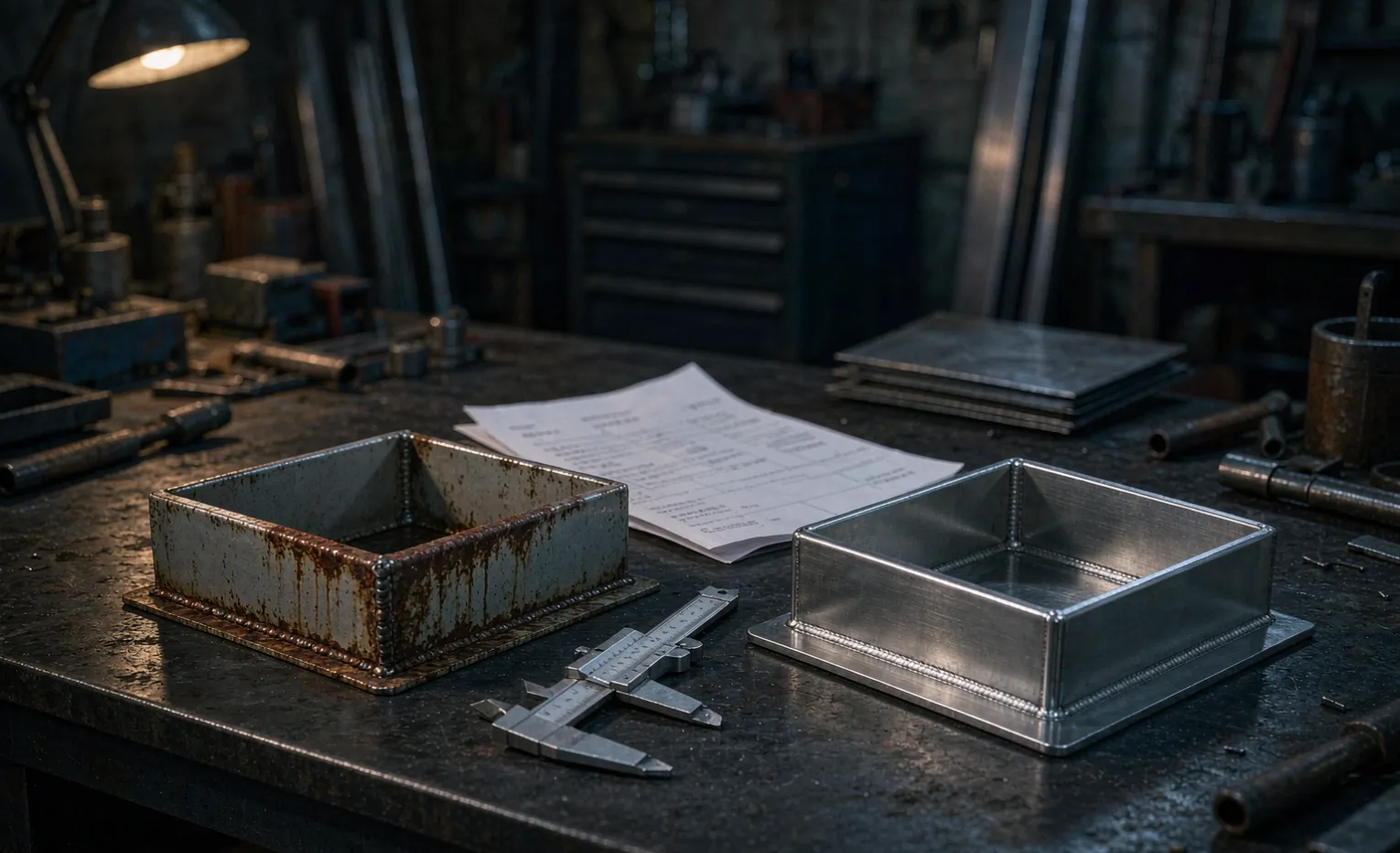
I talk to buyers about enclosures every week. The same five myths show up on almost every call. None of them are dumb. All of them cost money.
Here's what I actually tell people. No sales pitch, just what I've seen go wrong.
Myth 1: "Stainless is stainless"
Nope. There are 201, 304, and 316—and they are not the same thing.
A buyer we know bought "stainless" cabinets for a coastal food plant. Fourteen months later, rust bleeding out of the seams. The quote said stainless. The mill cert said 201. That grade has almost no corrosion resistance worth naming, and it was on a salt-air site.
The fix is boring: ask for the mill cert, and check it covers every panel—doors and corners too, not just the body. We only quote carbon steel, galvanized, 304, or 316 for this reason. If a price looks too good for "316," that's usually the tell.
Myth 2: "The cheapest quote is the smartest buy."
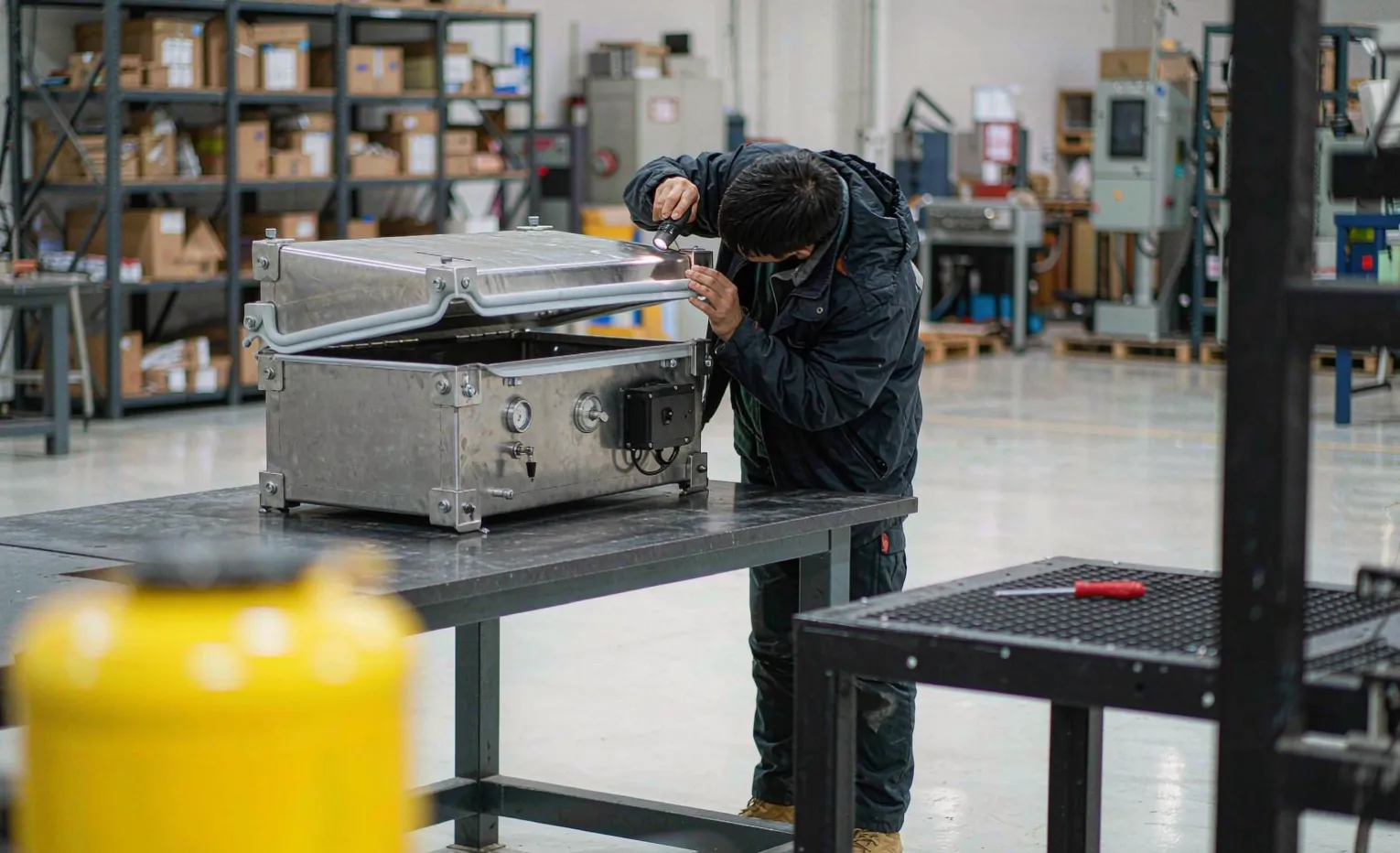
I get why this one lives. Sometimes the cheap quote is fine. But we stopped one build at FAT—pre-shipment testing—that tells the other side of the story.
The bid was about 30% under everyone else. And it showed. The mill cert didn't cover the door panels. The gasket was a cheap EPDM strip that leaked at the top corner. The hinge screws on a 316 box were carbon steel. Each one small. Together, a leaking, rusting box on site within a year.
That buyer didn't save 30%. He avoided a warranty fight; he would have lost twice—once on freight, once on downtime. The cheap quote wasn't evil. It was just built to a price. That's the real kicker: you get what you pay for, right up until the rust shows up.
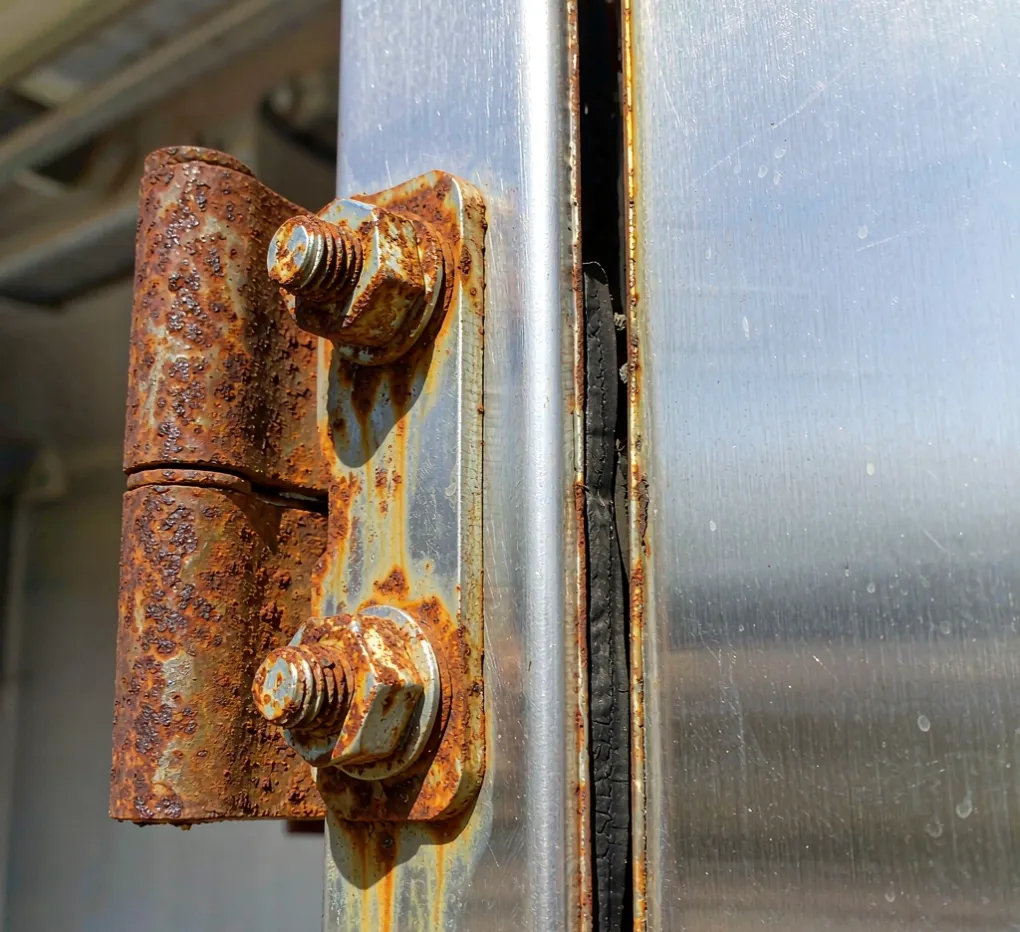
Myth 3: "NEMA 4X is a sticker anyone can print."
NEMA 4X means water, dust, and corrosion resistance—tested, not declared. NEMA 250 spells out how it's proven: gasket material, door stiffness, latch compression, and the works.
So don't ask a supplier, "Do you have 4X?"—everyone says yes. Ask how the rating is achieved. What gasket? What door design? Any test evidence? If the answer is a pause and then "yes, we have 4X," that's a red flag, not an answer.
Myth 4: "UL is paperwork—we'll sort it later."
Later costs more. A UL listing is done through a UL-listed shop (UL), and it changes both the BOM and the price. If you bolt it on after the PO, you're renegotiating from the weakest possible position.
Sort it at the RFQ stage. For what it's worth, we work with a UL-listed shop on a per-order basis—we're a sourcing partner, not the listing holder, and we'd rather tell you that upfront than invoice you a surprise later.
Myth 5: "MOQ and lead time are fixed industry rules."
They're not. They vary wildly by supplier, and buyers leave weeks on the table by assuming instead of asking.
Our own numbers: empty enclosures start at 5 units, around 15–20 days. A complete panel is built from 1 unit once the drawing is reviewed—that one runs 35–40 days. Components ship in 3–5 days. Other suppliers sit somewhere else entirely. Ask. It's a two-minute email that can save you a month.
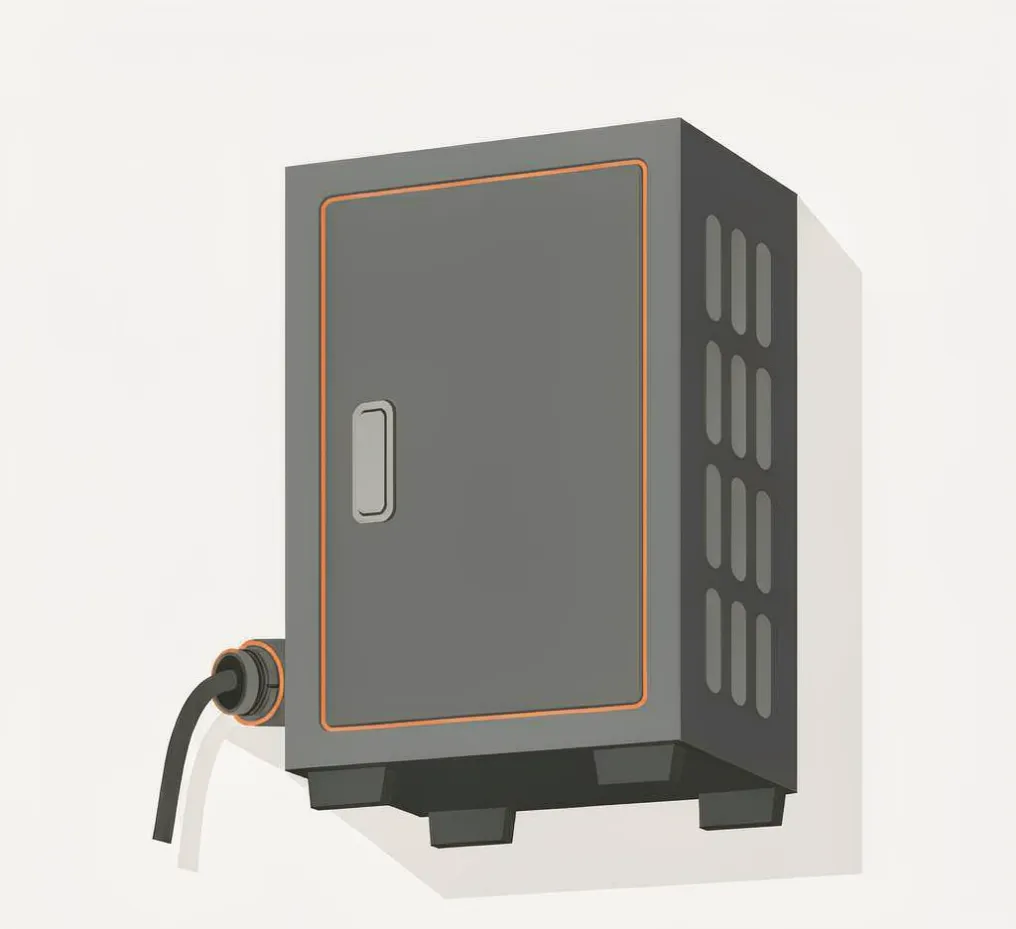
What actually predicts a good supplier
Forget the brochure. Four checks, in order:
- Mill cert—and confirm it covers every panel, not just the shell.
- How the IP/NEMA rating is achieved—gasket spec, door design, test evidence (IP ratings are IEC 60529).
- UL sorted at RFQ—if you need it, put it in the request, not the negotiation.
- FAT before shipment—attend it, or at least send a checklist.
If a supplier squirms on those four, the price doesn't matter.
Still shortlisting? Our electrical enclosure supplier's guide to sourcing from China walks the whole process end to end, and our electrical enclosures solution page shows what we build and ship every week.
FAQ
What stainless grade should I spec for a coastal site?
316, and make the mill cert part of the PO. 304 works inland; 201 doesn't belong outdoors anywhere.
How do I verify a NEMA 4X claim?
Ask what's behind it: gasket material, door design, and test evidence to NEMA 250. A real rating survives that question.
When should UL be sorted out?
Before the RFQ. It changes the bill of materials and the price, and retrofitting it after the PO only costs more.
What lead time is realistic from China?
Empty enclosures from 5 units run about 15–20 days. Complete panels from 1 unit, 35–40 days after drawing review. Components ship in 3–5 days.
Is the cheapest quote ever the right one?
Sometimes—but only after the mill cert, the gasket spec, and FAT evidence all line up. Price is the last thing to compare, not the first.
Buyer's takeaway
Five myths, one habit: judge the build, not the brochure. The mill cert, the gasket spec, the UL path, and a FAT before shipment will tell you more than any price sheet ever will.
Related guides - Electrical enclosure gasket selection guide — the part that makes or breaks the rating - Electrical enclosure cable gland guide — where most "4X" boxes quietly leak - Galvanized vs stainless enclosure cost comparison — the 10-year math, not the invoice math - NEMA 4X enclosure buying guide — what the rating does and doesn't promise - Why outdoor enclosures fail prematurely — the full failure story behind Myth 1 - Electrical enclosure heater selection guide — the cheap fix for condensation failures
Need a second pair of eyes on a quote you already have? Upload your drawing for an engineering review — we'll tell you what the BOM is missing, then send suggestions back.