
Oct 7, 2026Buying Guides
Electrical Enclosure Supplier Qualification Checklist (2026)
Before you issue a PO for stainless enclosures, verify these 7 points: mill-cert grade, NEMA 4X proof, weld continuity, UL listing, FAT records, and lead-time honesty.
The short answer
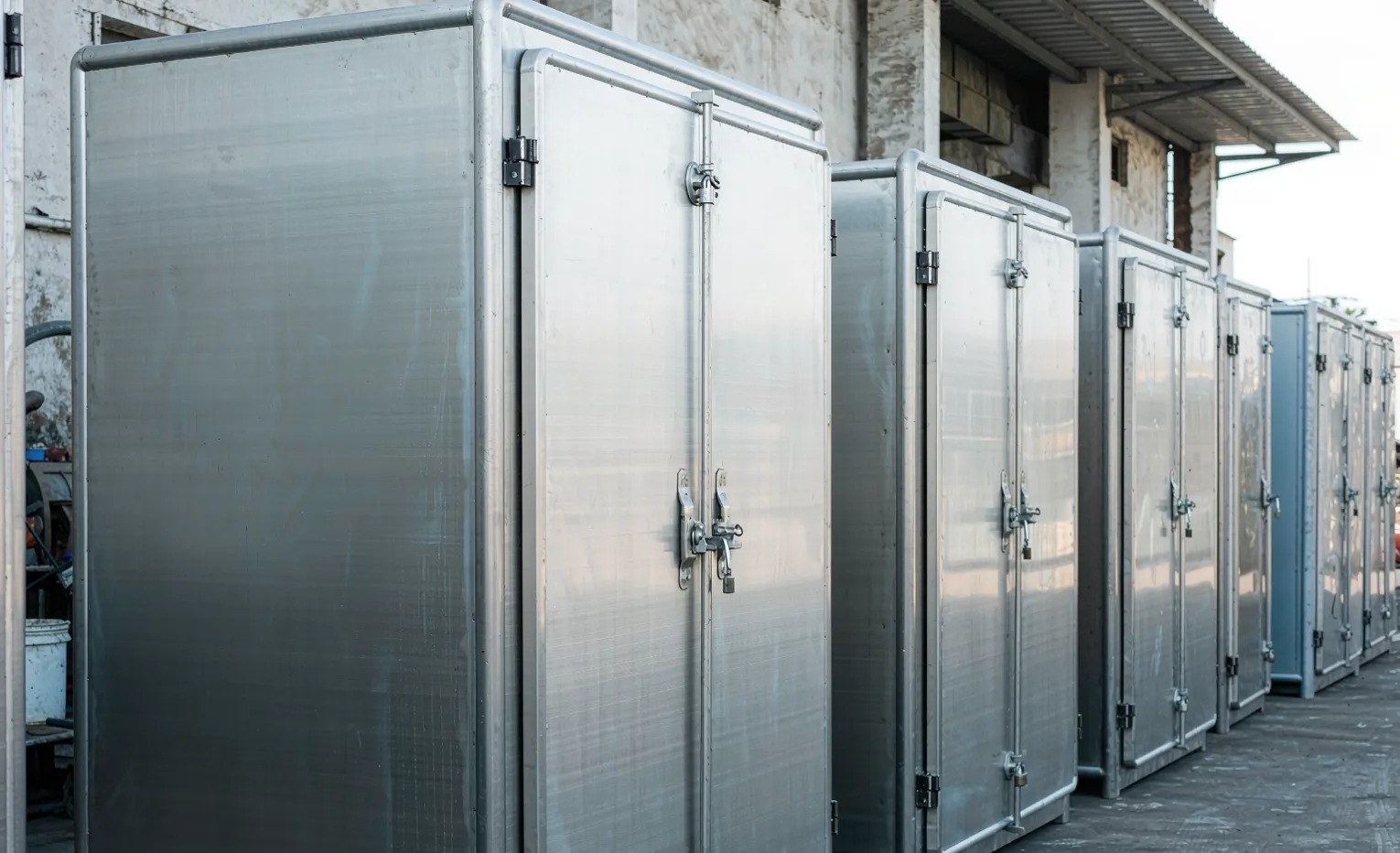
Qualifying an enclosure supplier is not about the lowest quote—it's about seven verifiable checkpoints that separate a box that lasts from a box that rusts in 18 months. The two that kill the most projects: material grade proven by mill cert and NEMA 4X proven by test, not by a stamp. If a supplier can't show both in writing, keep looking.
We are a sourcing partner, not a manufacturer—which means our job is to qualify the build shops we work with and prove it to you on paper before you buy. Here is the exact checklist we run. For the full sourcing method—material grades, ratings, and build-shop audits — see our China electrical enclosure supplier sourcing guide.
Why this matters more than price
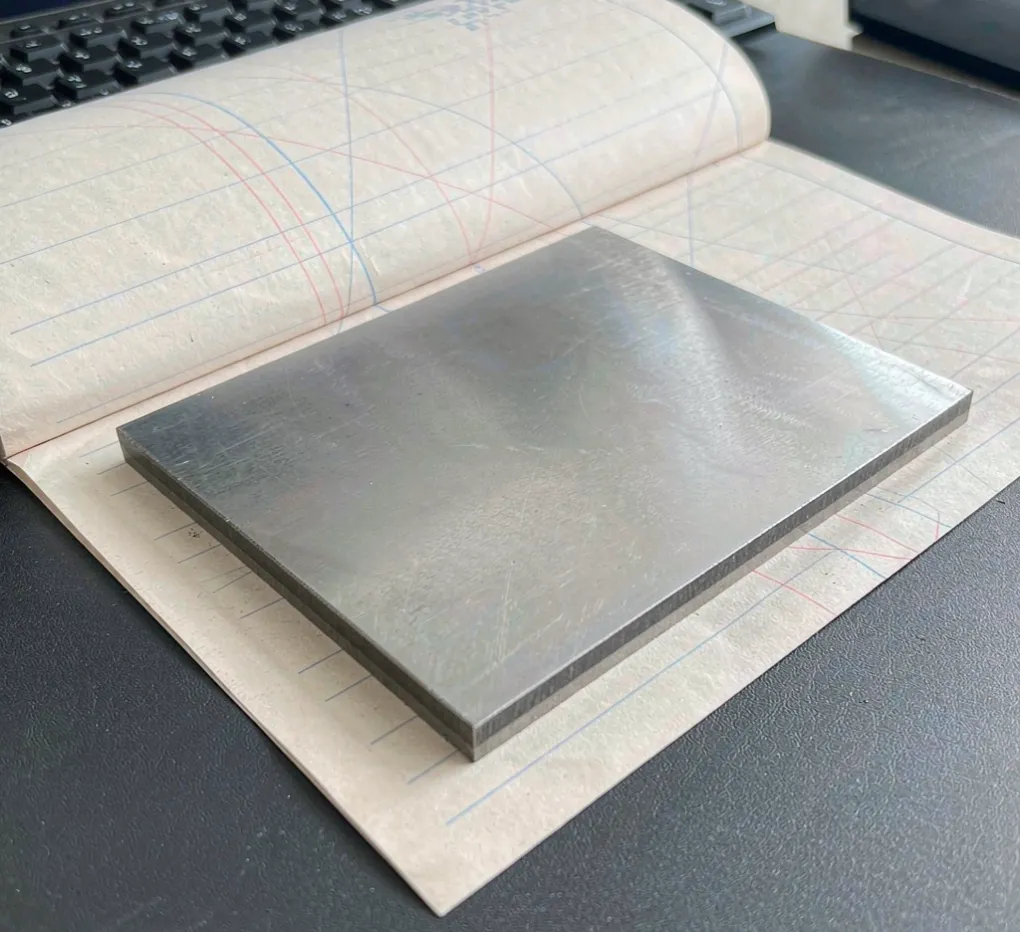
A control enclosure is the cheapest part of your system and the most expensive to fail. A coastal food plant that buys "304 stainless" by price alone—with no mill cert—often discovers 201-grade steel under the label. 201 has zero molybdenum and roughly 5.5–7.5% manganese standing in for nickel; it pits in salt air within a season. 316, by contrast, carries 2–3% molybdenum specifically to resist chloride pitting. The same word, "stainless," for a completely different metal.
Buyer Decision: "Stainless" without a grade on the PO is how 201 sneaks in. Insist on the grade in writing and the mill cert to back it.
The 7-point qualification checklist
# | Checkpoint | What "pass" looks like | Red flag |
|---|---|---|---|
1 | Material grade | 304 or 316 named on PO + mill cert (ASTM A240) | "Stainless" with no grade |
2 | Chemistry proof | Mill cert shows Cr/Ni/Mo within grade range. | Cert missing or "typical" only |
3 | Rating proof | NEMA 4X from test, or IP66 + documented corrosion test | IP66 is claimed as "equal to 4X." |
4 | Weld continuity | Continuous seal weld, no skips at corners | Spot welds on a weatherproof seam |
5 | UL status | UL 50E / 508A listed with file number | "UL compliant" (not listed) |
6 | FAT records | Factory acceptance test included per build | No test documented |
7 | Lead-time honesty | Real MOQ + date, not a vague "fast" | Quote far below market, slipping dates |
Checkpoint 1–2: Prove the grade with chemistry.
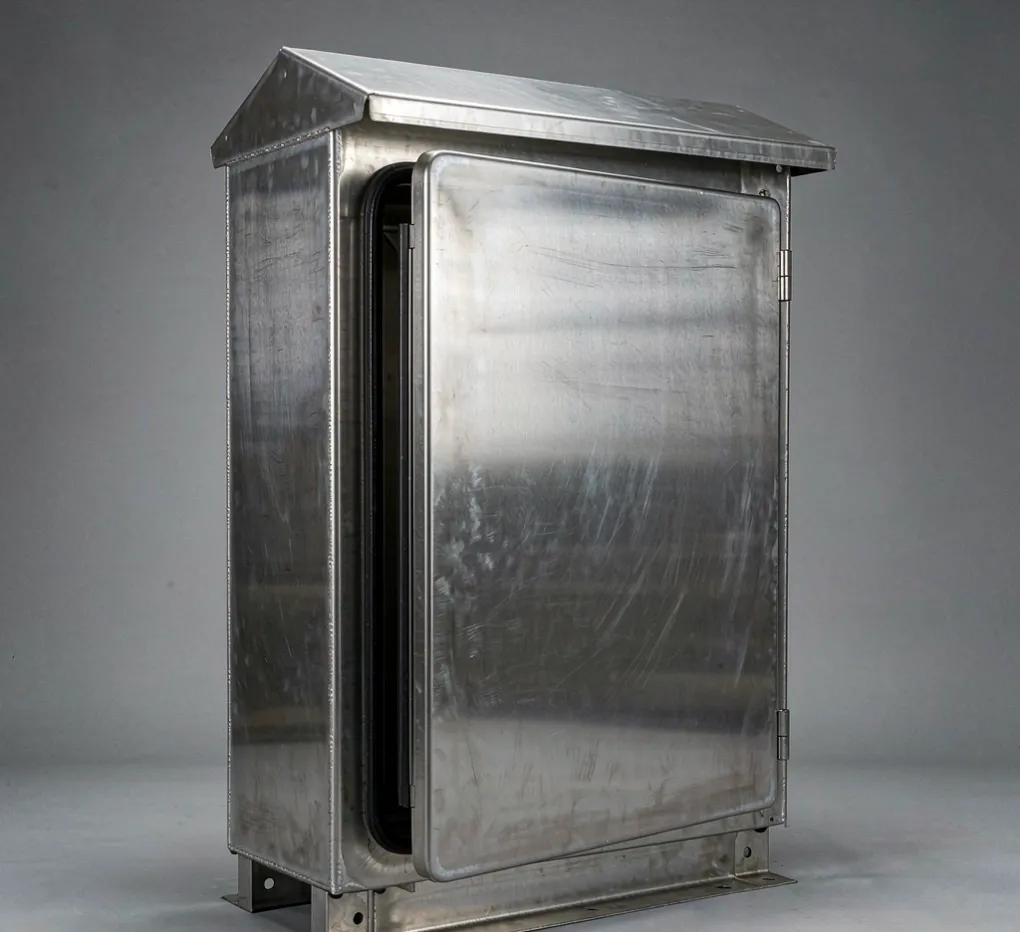
Don't take "316" on faith. A mill test certificate (per ASTM A240) lists the actual chemistry. For reference, the grade ranges that matter:
- 316: 16–18% chromium, 10–14% nickel, 2–3% molybdenum
- 304: 18–20% chromium, 8–10.5% nickel, no molybdenum
- 201: 16–18% chromium, only 3.5–5.5% nickel, 0% molybdenum, 5.5–7.5% manganese
The pitting resistance equivalent number (PREN = %Cr + 3.3×%Mo + 16×%N) lands around 23–27 for 316, 18–20 for 304, and 18–22 for 201. Translation: 316 survives salt; 201 doesn't. If your site is within ~5 miles of a coast or uses de-icing salt, 316 isn't optional.
Checkpoint 3: NEMA 4X is not IP66.
This is the single most common spec error we correct. IP66 (IEC 60529) tests only dust and water jets. NEMA 4X (NEMA 250) adds corrosion resistance and external ice operation. A NEMA 4X enclosure meets at least IP66 for ingress—but an IP66 enclosure is not automatically NEMA 4X, because IP testing never checks corrosion. If an inspector asks for NEMA 4X and you hand over an IP66 report, expect a rejection.
Buyer Decision: When the spec says NEMA 4X, ask for the corrosion test evidence (often a 200-hour salt-spray result). IP66 alone is not a substitute.
Checkpoint 4: weld continuity
For a weatherproof enclosure, the seam is the envelope. Continuous seal welding at corners and penetrations is what keeps water out; spot welds leave paths. Ask to see a weld sample or, better, a cut section from a rejected unit. A supplier confident in their weld won't hesitate.
Checkpoint 5: UL listed, not UL compliant
There's a world of difference. "UL listed" means a third party tested a representative product to UL 50E (enclosures) or UL 508A (panels) and issued a file number. "UL compliant" or "UL standard" means nothing was tested—it's a wish, not a certification. For panels, ask whether the build shop holds a UL 508A listing and whether your specific panel falls within its scope.
Checkpoint 6: FAT records included
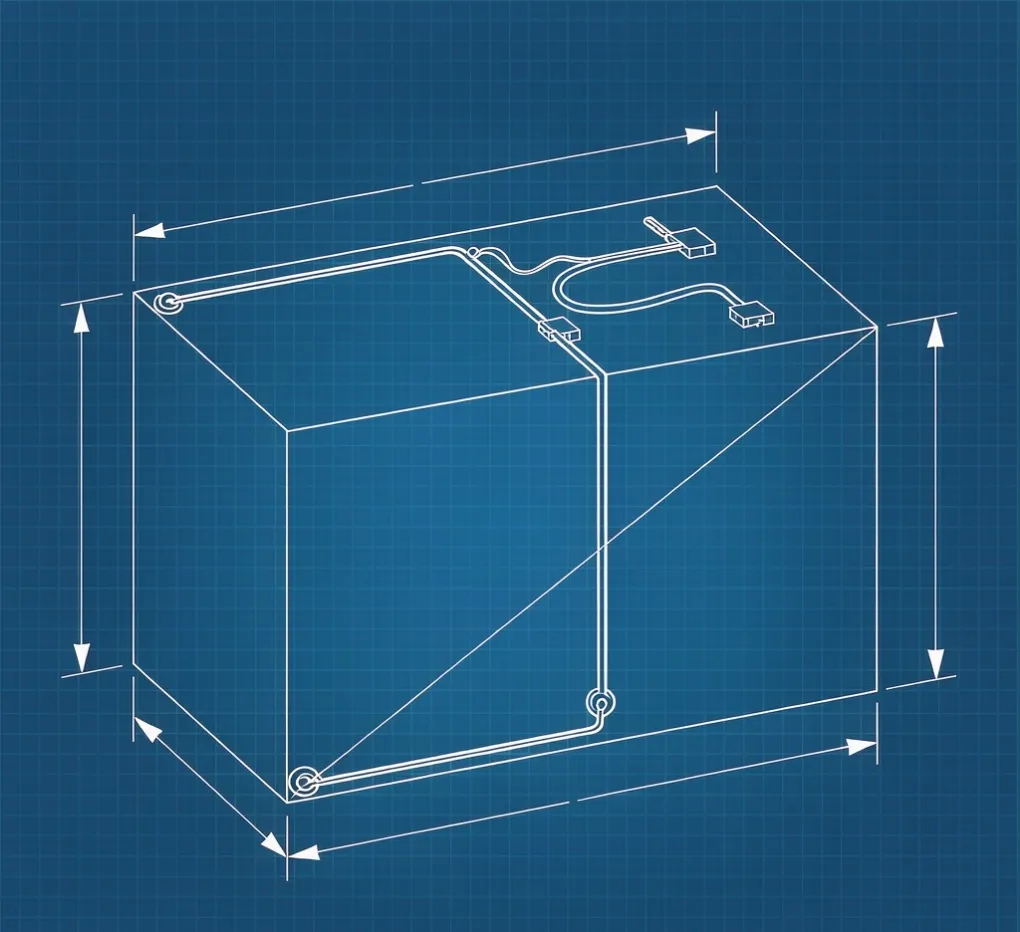
Factory Acceptance Test records are your evidence that the build was inspected before it shipped. At UniRegal we include FAT records on every build—torque checks, continuity, function tests, and photos. If a supplier can't show you a FAT from a past order, assume none exists.
Checkpoint 7: lead-time honesty
Low price plus a slip is the oldest trap. Real numbers from our own sourcing: empty enclosures typically run a 5-unit MOQ with about 15–20 days; a full panel build from 1 unit takes roughly 35–40 days once drawings and BOM are approved; loose components from stock ship in 3–5 days. A quote that's 20–30% under market and "ships next week" usually means a grade swap or a scope gap you'll find at the dock.
What we do as your sourcing partner
We don't make the steel. We qualify the build shops, pin the grade to a mill cert, demand NEMA 4X proof, and attach FAT records to every order. You get one accountable point of contact instead of auditing ten factories yourself. When you're ready to order, our electrical enclosure solutions cover grade selection, rating proof, and FAT.
Buyer Takeaway
Price is the last thing to compare, not the first. Run the seven checkpoints—mill cert, chemistry, NEMA 4X proof, weld continuity, UL listing, FAT records, and lead-time honesty—and most "too good to be true" quotes disqualify themselves on paper before they ever reach your site.
Related guides: - Enclosure Door Hinges and Locks: A Buyer's Spec Guide - Enclosure Vent and Breather Selection Guide - EMC Shielding for Electrical Enclosures - Enclosure Heater Selection Guide - NEMA 4X Enclosure Suppliers in China: A Buyer's Guide - Best Electrical Enclosure Suppliers for Water Treatment Plants
FAQ
What's the difference between 304 and 316 stainless for enclosures?
316 adds 2–3% molybdenum, which resists chloride pitting that 304 can't. Within ~5 miles of a coast or anywhere de-icing salt is used, 316 is the safe choice; 304 is fine for most inland outdoor use.
Is IP66 the same as NEMA 4X?
No. IP66 covers dust and water jets only. NEMA 4X (NEMA 250) adds corrosion resistance and ice operation. A NEMA 4X box meets at least IP66, but an IP66 box is not NEMA 4X unless corrosion-tested separately.
How do I know the "316" I'm buying is really 316?
Request the mill test certificate (ASTM A240) and check the chemistry—316 must show 2–3% molybdenum and 10–14% nickel. No cert, no grade named on the PO, is a red flag.
What does "UL compliant" mean, and is it enough? It means the product was built to resemble a UL standard but wasn't third-party tested. You want "UL listed" with a file number—that's the certified status.
Should FAT records be included with my enclosure order?
Yes. FAT records are your proof the build was inspected before shipping. A qualified supplier provides them as standard, not on request.
What's a realistic lead time for custom stainless enclosures?
Empty enclosures typically run a 5-unit MOQ at about 15–20 days; a full panel build from 1 unit is roughly 35–40 days after drawing approval; stock components ship in 3–5 days.
Standards we verify against
When we qualify a build shop, the references are concrete: ASTM A240 for material chemistry, NEMA 250 for enclosure type (including 4X corrosion and ice), IEC 60529 for IP code, and UL 50E / UL 508A for listed enclosures and panels. We cite the current edition of each and ask suppliers to show the actual test or mill record.
Ready to qualify a supplier?
Send us your enclosure spec and site conditions—we'll match the grade, prove the rating, and quote with FAT included. Submit your requirements here.
We are a sourcing partner, not a manufacturer. Grade ranges and ratings above follow ASTM A240, NEMA 250, and IEC 60529; confirm against your project's current standards and local code.