
How to Choose an Industrial UPS Supplier — 2026 Buyer's Guide (Companion Series: Top-10 Industrial UPS Manufacturers)
A practical 2026 buyer's guide to choosing an industrial UPS supplier. Score vendors on topology, runtime, UL certification, service, and lead time, with a scoring card and a real cost breakdown.
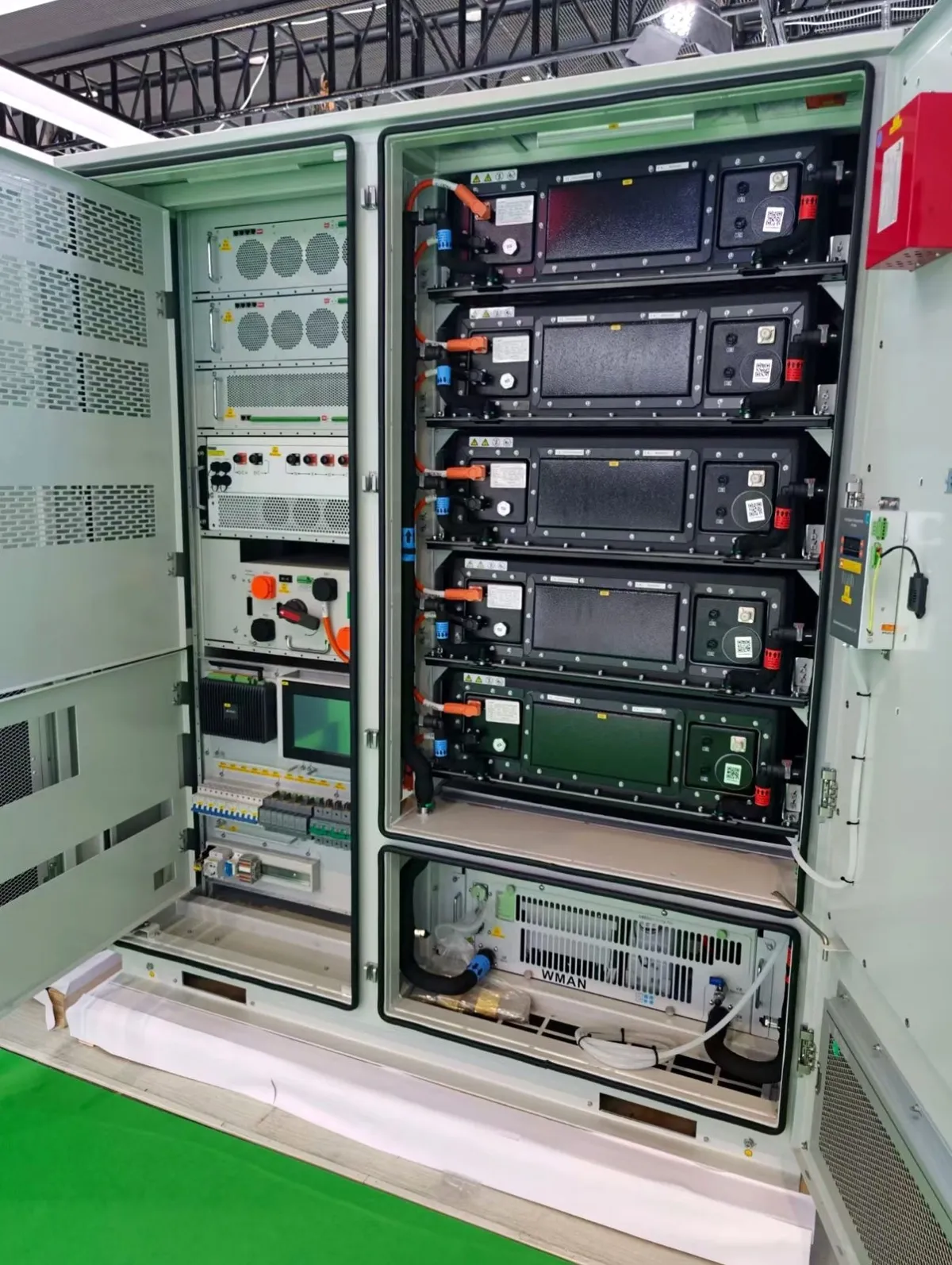
Buying an industrial UPS is rarely about the box. It is about who sizes it, certifies it, integrates it into your panel, and answers the phone when it alarms at 2 a.m. The brands get the attention; the supplier is what determines whether your critical load actually stays up. This guide is about choosing that supplier — the partner who turns a UPS specification into a delivered, certified, supported system.
If you are still narrowing the shortlist of brands, our Top-10 Industrial UPS Manufacturers (2026) ranking is the place to start — this guide picks up after you know the names and need to decide who actually builds and delivers your system. As a sourcing partner for automation and power equipment, we sit on the integration side of that decision: we source the UPS, the enclosure, and the components, and deliver a panel that is tested as one unit.
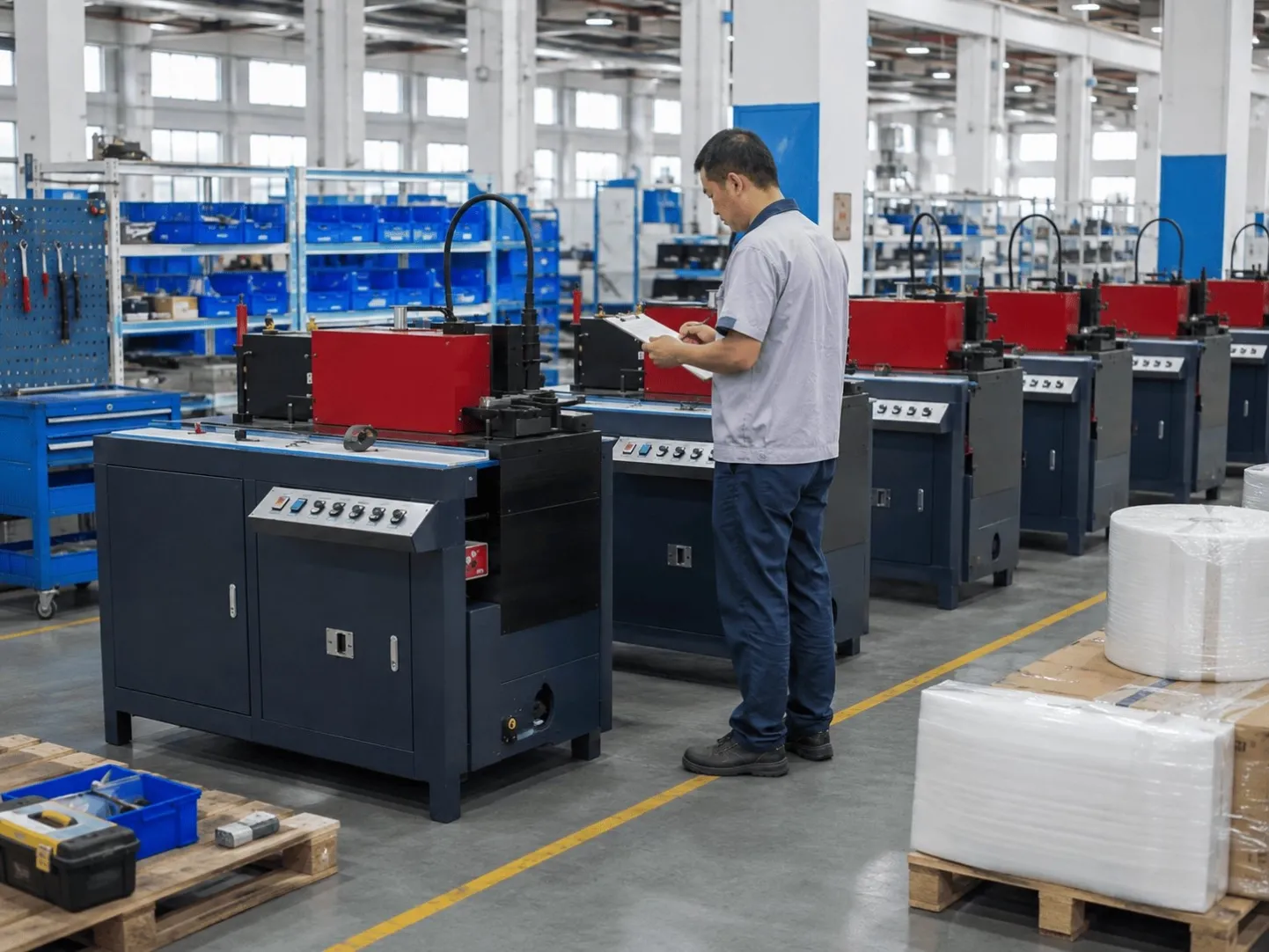
What an industrial UPS supplier should actually provide
A component distributor sells you a UPS. A supplier delivers a solution. The line between them is where most buying mistakes happen.
A proper industrial UPS supplier should provide: - Correct sizing — not just kVA, but the load profile, inrush, and runtime you actually need. - Integration — mounting, thermal management, and wiring inside a rated enclosure, not a loose unit on a shelf. - Certification — UL / CE documentation and, for the US market, a path to UL 508A through a listed file partner. - Service — battery replacement planning, remote monitoring options, and a reachable support contact. - Logistics — realistic lead time and MOQ that fit your project, not just a catalogue price.
If a vendor only quotes a model number and a price, they are a distributor, not a supplier. That is fine for a spare unit; it is risky for a system that has to carry a critical load.
A short scenario makes the difference concrete. A water-treatment site needed a 5 kVA UPS to ride through a 20-minute transfer to backup generation. Two quotes arrived: one sized the UPS at nameplate and quoted a 10-minute battery; the other asked for the load profile, found the real draw was 3.2 kVA, and quoted a battery giving 28 minutes at that load — for less money, because the module was smaller. The second quote came from a supplier who understood the system; the first came from a distributor who read a spec sheet.
The six criteria that actually matter
Score every supplier on these six. Weight them by what your site cares about most.
Criterion | Why it matters | What to ask |
|---|---|---|
Topology | Online double-conversion protects sensitive loads; line-interactive is cheaper but weaker | "Online or line-interactive, and why for my load?" |
Runtime / autonomy | Defines how long you ride through an outage | "What battery set gives me 10 / 30 / 60 min at my load?" |
Certification | Decides whether it passes inspection | "UL / CE? UL 508A path for the US?" |
Scalability / redundancy | Future load growth and N+1 | "Can I parallel or add modules later?" |
Service / support | Determines uptime after install | "Who answers, and what is the response time?" |
Lead time / MOQ | Determines whether you hit commissioning | "Standard lead time? MOQ?" |
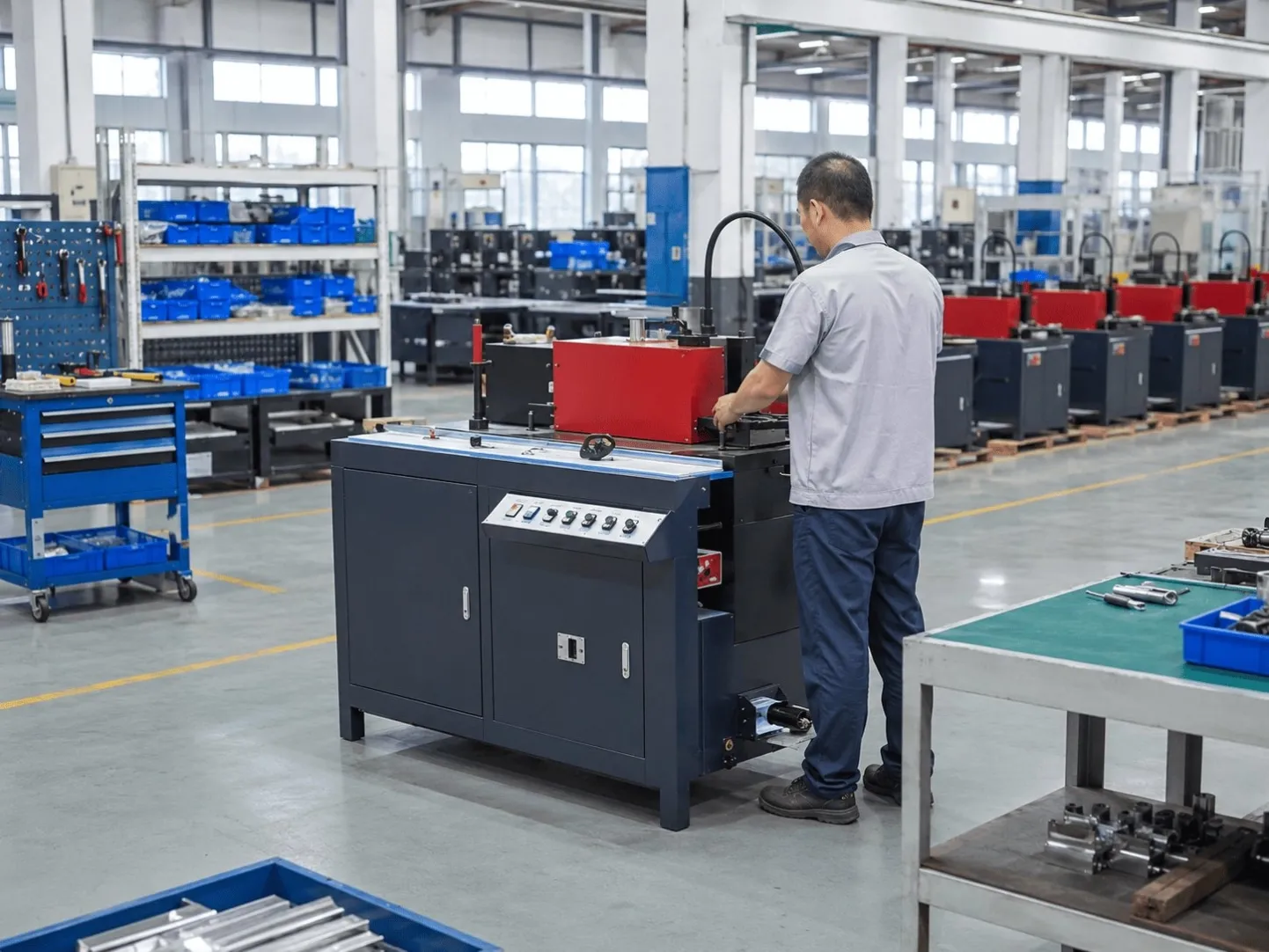
Topology: online double-conversion vs line-interactive
For industrial loads — PLCs, drives, control systems — online double-conversion is the safe default. It continuously regenerates clean power, so a sag, spike, or frequency shift never reaches your load. Line-interactive units are cheaper and fine for office-grade IT, but they pass more of the raw mains through, which is a poor fit for sensitive automation.
Buyer Decision: If the load is a control system that stops production when it blinks, specify online double-conversion. Reserve line-interactive for non-critical, IT-style loads.
Runtime and battery autonomy
Runtime is where quotes diverge most. A UPS rated for 10 minutes at full load may give you 40 minutes at your real load. Always size to your load, not the nameplate.
Real load vs nameplate | Nameplate runtime | Actual runtime |
|---|---|---|
100% load | 10 min | 10 min |
70% load | 10 min | ~16 min |
50% load | 10 min | ~25 min |
35% load | 10 min | ~40 min |
This is why a supplier who asks for your load list almost always quotes a smaller, cheaper module than one who sizes to nameplate — and still meets your runtime target.
- VRLA (sealed lead-acid) — lowest cost, 3–5 year life, the default.
- Lithium — 2–3× the life, lighter, pricier upfront; worth it for hard-to-access or high-temperature sites.
We help buyers match battery chemistry to site temperature and service access, because a battery that fails years before rating is the most common "the UPS didn't work" story we hear.
Certification: UL, CE, and the US market
If you ship to the United States, UL is not optional at inspection. Two layers apply: - The UPS unit carries its own UL listing. - The complete panel must meet UL 508A when it integrates the UPS with controls.
We source through UL-listed file partners and provide the file number in writing on request. A supplier who cannot show a UL path for a US-bound panel will cost you a failed inspection.
Cost breakdown: what you are really paying for
A UPS quote is rarely just the UPS. Understand the components so you can compare like for like.
Cost element | Typical share | Notes |
|---|---|---|
UPS module | 40–55% | Drives most of the price variance |
Batteries | 15–25% | Lithium pushes this up, VRLA keeps it down |
Enclosure + thermal | 10–18% | IP65/NEMA 4X and cooling add cost |
Integration & wiring | 10–15% | Often hidden in a "panel price" |
Certification & test | 3–7% | FAT, UL paperwork, documentation |
Engineering Note: Two quotes that look identical on the UPS model can differ 30% on integration and enclosure. Ask for the line-item breakdown, not a single number.
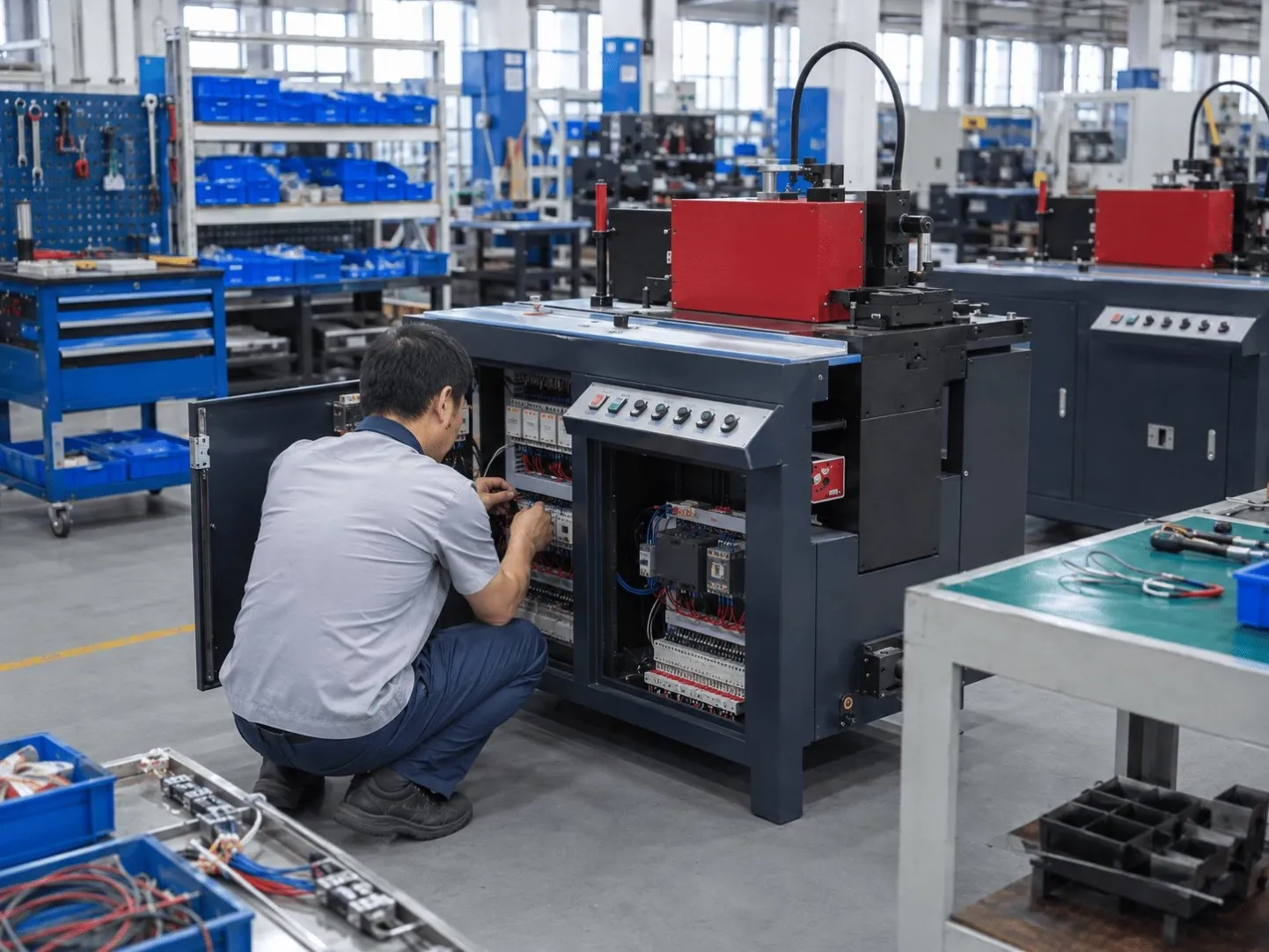
Total cost of ownership, not sticker price
The purchase price is the smallest part of what a UPS costs over its life. Battery replacement is the largest recurring cost: VRLA typically needs replacement every 3–5 years, lithium every 8–10. On a site with dozens of panels, that replacement labour alone can exceed the original unit price over a decade. A supplier who plans battery access, documents the model, and offers a replacement schedule is protecting your operating budget, not just closing a sale. When you compare suppliers, normalise to a 10-year cost that includes batteries, service, and downtime risk — the headline number stops being the deciding factor.
Red flags when evaluating suppliers
Buyer Decision: Walk away or dig deeper if you see these: 1. A quote with no load profile asked — they sized by guess. 2. No UL / CE path stated for a regulated market. 3. Runtime quoted at nameplate, not your load. 4. Lead time that sounds too good on a custom-integrated panel. 5. No FAT (factory acceptance test) or test report offered. 6. A single model pushed regardless of your topology needs.
Where we sit
We are a sourcing partner, not one of the ranked manufacturers in the Top-10 list. We do not brand our own UPS; we source leading units and integrate them into certified panels built through our Foshan supplier network.
We are a strong fit if you need an integrated control panel with UPS, enclosure, and components sourced and tested as one package, with a written UL 508A path for the US and a single point of accountability. We are the wrong fit if you want a single-brand OEM badge on a standalone UPS with no integration — in that case, buy direct from one of the ranked manufacturers.
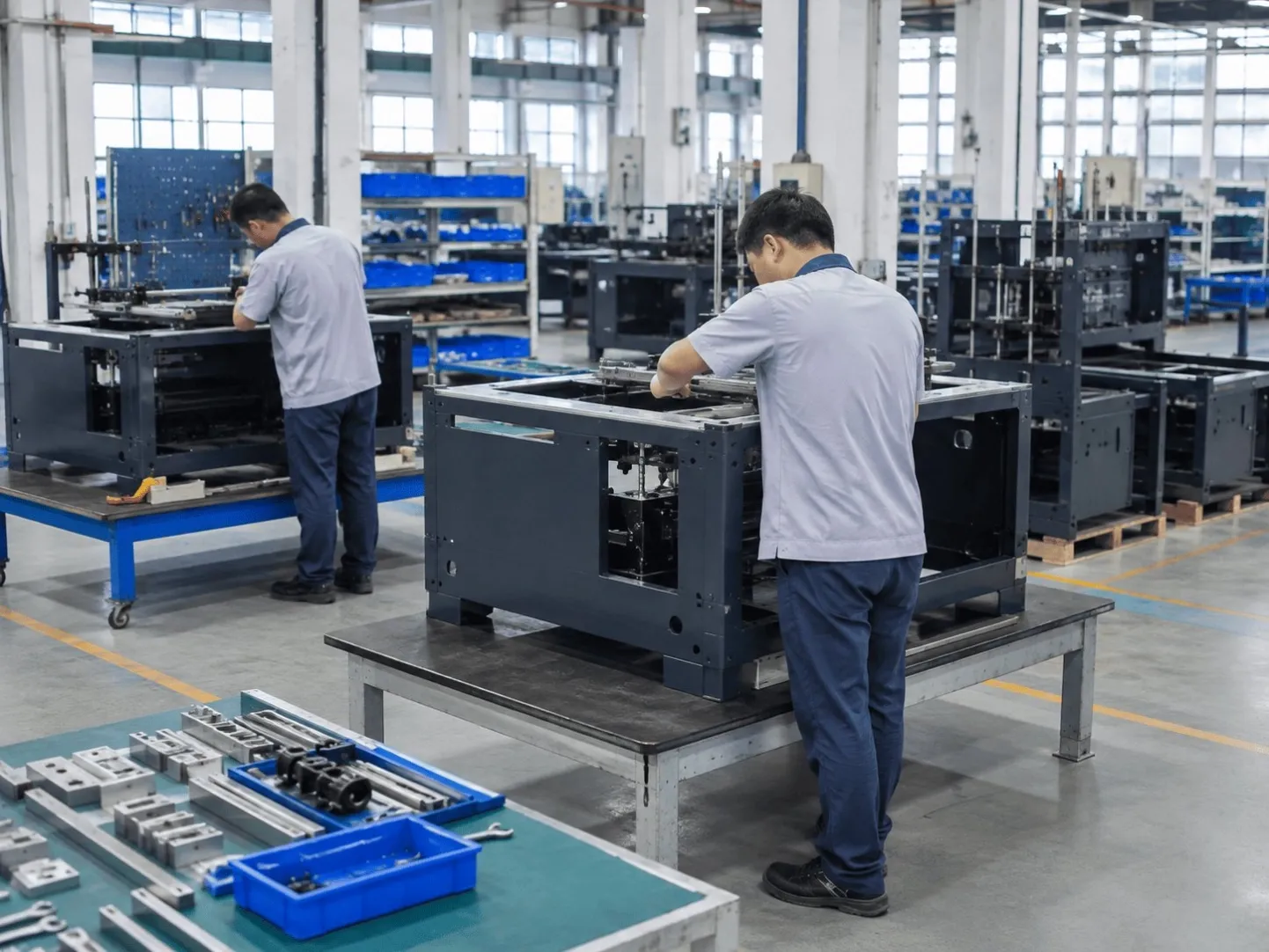
Integration pitfalls: why a loose UPS unit causes problems
A UPS bought as a loose unit and bolted into a panel by someone else creates three failure points a single supplier would have designed out:
- Thermal mismatch — a UPS sized for a climate-controlled IT room overheats inside a sealed IP66 enclosure holding a VFD. The supplier who integrates chooses the enclosure, the fan or heat exchanger, and the layout as one thermal problem.
- Wiring and isolation gaps — who owns the input breaker, the bypass, and the grounding? Split responsibility means each party assumes the other did it.
- Enclosure rating vs UPS rating — an IP66 panel around an IP20 UPS internal unit still needs the UPS environment managed. Integration makes that explicit.
When one supplier owns the whole panel, there is one test report and one accountable party. That is the difference between "it passed FAT" and "who do I call?"
Monitoring and remote management
For sites without permanent staff — remote pump stations, offshore, distributed RTUs — ask the supplier about monitoring. Options range from a simple dry-contact alarm to SNMP or Modbus reporting of battery health and load. We routinely integrate UPS status into the same panel communications the PLC already uses, so a battery fault shows up on the same SCADA screen as everything else. A supplier who only delivers a stand-alone unit leaves you polling a box on a wall. For buyers comparing vendors, the presence of a documented monitoring option is itself a useful signal of whether the supplier thinks about the system or just the unit.
Engineering Takeaway
Choose the supplier, not just the brand. Score topology, runtime, certification, scalability, service, and lead time; insist on a load-based runtime and a written UL path for the US; and read the line-item cost, not the headline number. A distributor sells a box; a supplier delivers a system that stays up. Send us your single-line diagram and load list and we will quote the integration, not just the unit.
Frequently Asked Questions
Should I buy a UPS from the panel builder or a UPS brand directly?
If you need a standalone unit, buy direct from the brand. If you need the UPS integrated into a certified control panel with one point of accountability, buy from a supplier who integrates. The second avoids interface gaps between the UPS and the rest of the panel.
What runtime do I need for a control panel?
It depends on your load and how long it takes to ride through an outage or reach a generator. Common targets are 10–30 minutes for controlled shutdown, longer if you must keep a process alive. Always size to your real load, not the nameplate.
Is UL certification mandatory for an industrial UPS in the US?
The UPS unit needs its UL listing, and the complete integrated panel needs UL 508A. Without the latter, the panel can fail inspection. We provide a written UL-listed file path on request.
What is a realistic lead time for a custom UPS-integrated panel?
A complete custom panel with an integrated UPS is quoted after drawing and BOM review and typically runs 35–40 days. An empty enclosure or shell is faster (MOQ 5, 15–20 days), and stock components dispatch in 3–5 days.
How do I compare quotes that look identical?
Ask for the line-item breakdown — UPS module, batteries, enclosure, integration, certification, and test. Headline prices hide the integration and enclosure cost, which is where real variance lives.
Can a sourcing partner beat a brand's price?
Often yes on integrated packages, because a partner sources the UPS, enclosure, and components together and avoids the brand's standalone-markup on a loose unit. The trade-off is no single-brand OEM badge.
VRLA or lithium batteries for an industrial UPS?
VRLA is the low-cost default with a 3–5 year life. Lithium lasts 2–3× longer and suits high-temperature or hard-to-access sites. Match chemistry to site temperature and service access.
Do I need N+1 redundancy?
If the load is truly critical and downtime is very costly, N+1 (or parallel redundant) protects against a single UPS failure. For most single-panel applications, a properly sized standalone unit is enough; redundancy is a site-criticality decision, not a default.
Related Guides
Get a Quote
Send us your single-line diagram, load list with inrush, required backup time, and site environment, and we will quote the integrated UPS panel — usually within one business day.
Lead time at a glance: - Complete custom panel with integrated UPS: from 1 unit, quoted after drawing + BOM review — 35–40 days - Empty enclosure / shell: MOQ 5, 15–20 days - Stock components: 3–5 days dispatch
Produced with AI-assisted drafting and reviewed by the Uni Regal team before publication.