
Sep 13, 2026
UPS Backup Time Sizing Guide: How Many Minutes You Actually Need
Size UPS backup time to the event you need to survive — a transfer, a controlled shutdown, or a blink — not to a round number. A practical runtime-sizing method with a worked example and an RFQ checkl
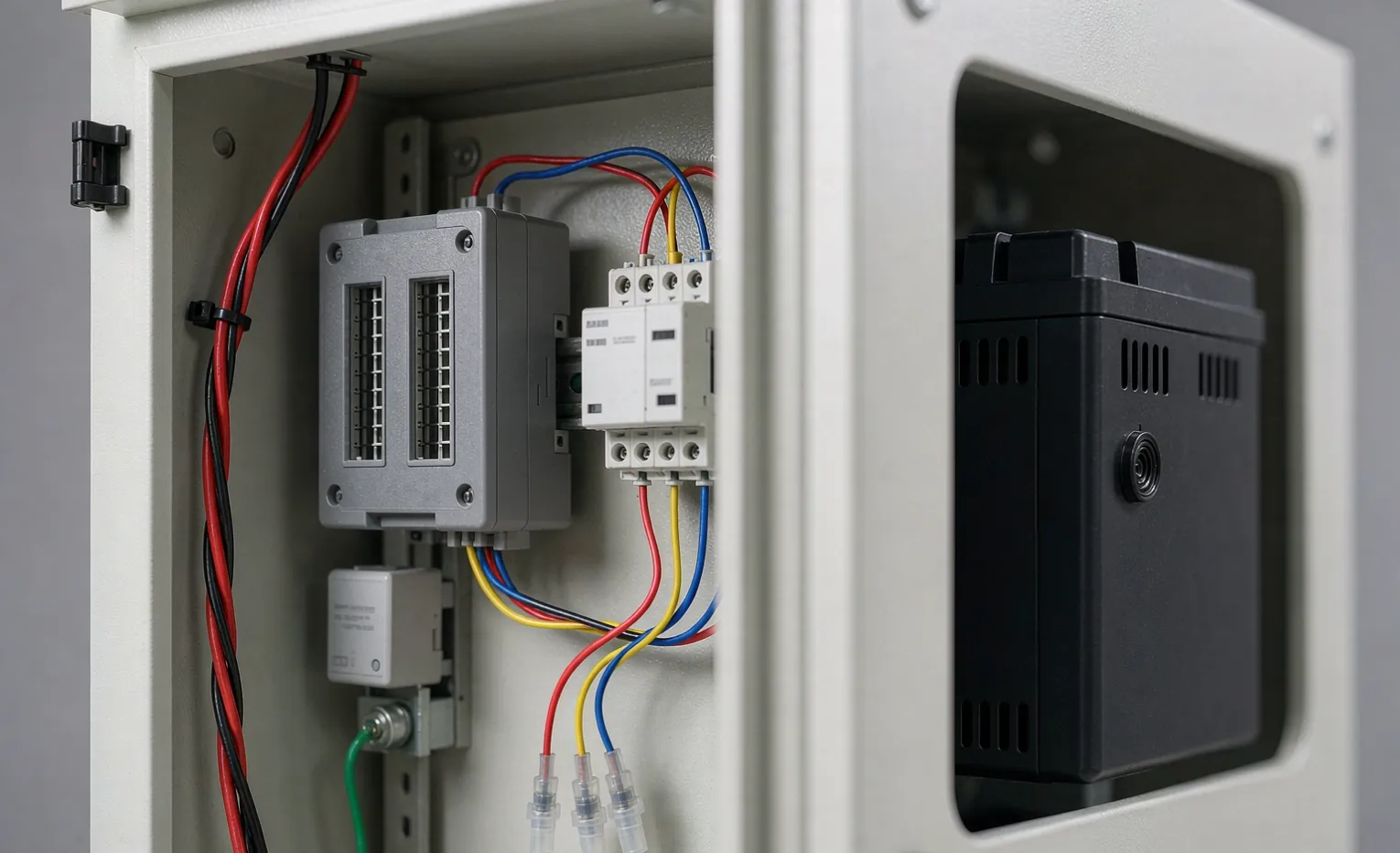
UPS Backup Time Sizing Guide: How Many Minutes You Actually Need
Most UPS quotes start with the wrong number. Buyers size the VA or kW, then pick a runtime off a chart — 10 minutes, 15, sometimes "as long as possible." The result is either a unit that cuts out before the generator spins up, or a battery bank that costs more than the load it protects.
As a sourcing partner, we build UPS into industrial control panels, and the question that actually drives the spec is simpler than the catalog suggests: what has to happen during the outage, and how long does that take? Get that answer and the runtime sizes itself. Our industrial UPS solutions cover the panel integration end to end.
Three events, three runtimes
Every backup application is one of three events:
- Ride through a blink. A voltage sag or brief interruption that lasts seconds. The UPS just has to hold the load until the supply returns. A minute is plenty.
- Reach a transfer. The UPS bridges the gap until a standby generator or alternate feed takes over — typically 10 seconds to a few minutes of cranking and synchronizing.
- Reach a controlled shutdown. No backup source exists, so the UPS powers an orderly stop: close valves, retract axes, dump state, alarm the operator. This is the one buyers underestimate, and it is where most damage happens.
If you size to "event 3" when you only have a generator (event 2), you pay for batteries you will never discharge. If you size to "event 1" when you have no generator, the line goes dark mid-cycle and the motor coasts into a fault.
Match the runtime to the event
What must happen | Typical runtime | What it protects |
|---|---|---|
Ride through a sag or blink | 1–2 min | PLC, HMI, sensors during a flicker |
Bridge to generator / alternate feed | 2–10 min | Whole panel during cranking + transfer |
Controlled shutdown, no backup source | 5–20 min | Drives, valves, sequence during a clean stop |
The number is the event, not the catalog.
Why oversizing runtime wastes money
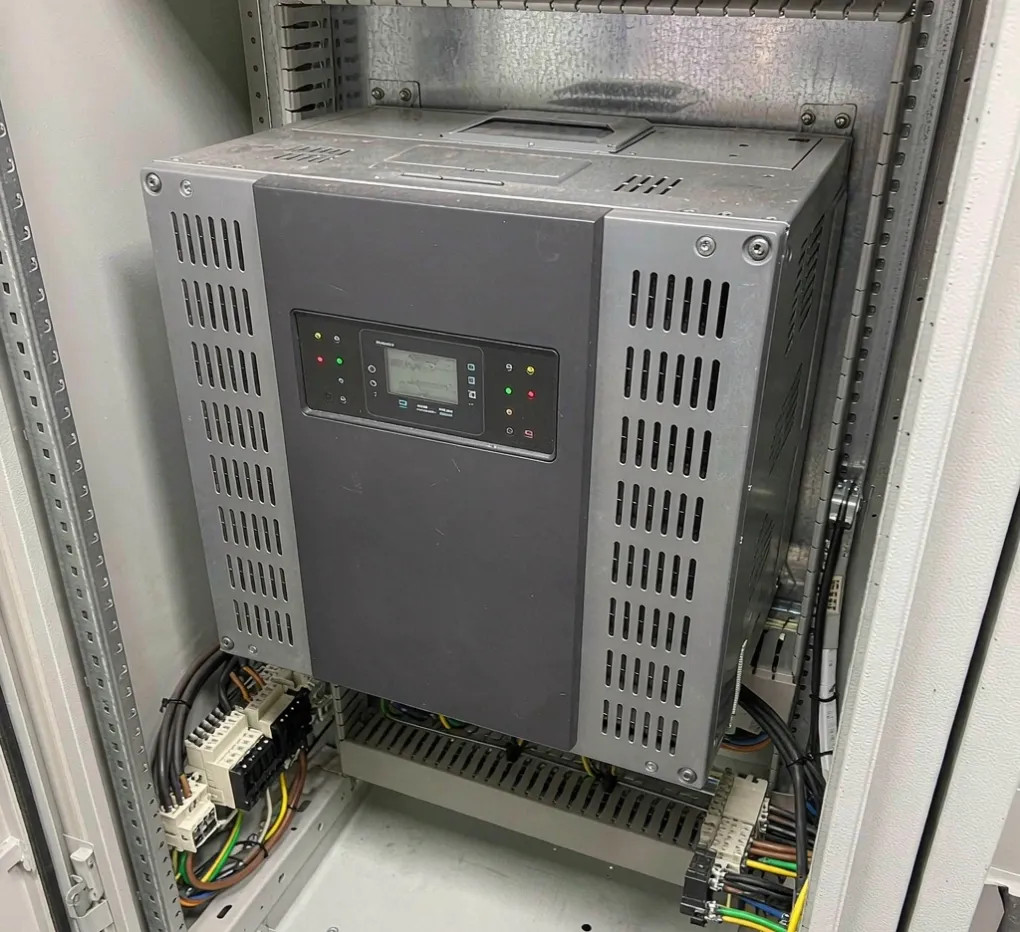
Runtime is the most expensive part of a UPS. Every extra minute is more battery — often an external module bolted below the unit, more floor space, more heat to remove, and a larger charger.
A common mistake: specifying 30 minutes "just in case" on a site with a 15-second generator transfer. You have paid for 25 minutes of battery that never discharges, plus the cooling to support it. Right-size the runtime and the quote drops with it.
How runtime is set — internal vs external battery
A UPS does not have one fixed runtime. The same VA unit ships with:
- Internal batteries — the default, usually 5–15 minutes at full load.
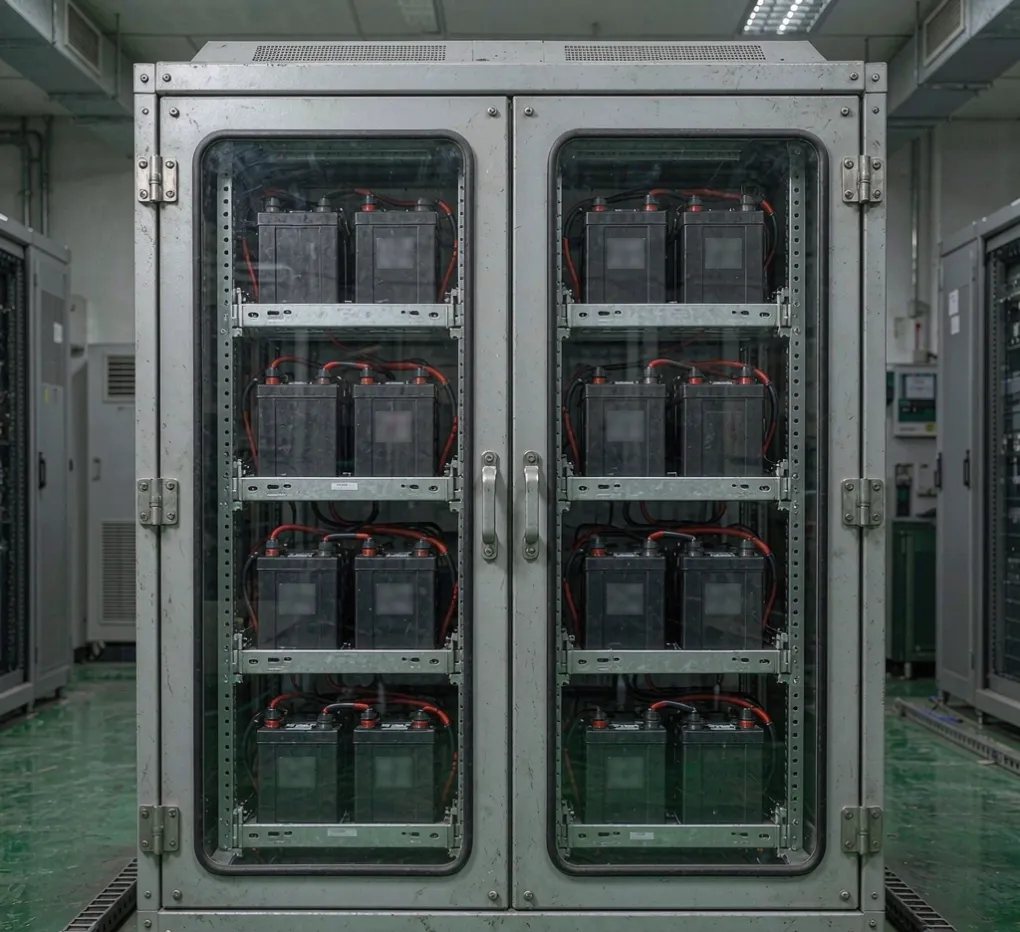
- Extended battery module — a matching pack daisy-chained to add 10–30 minutes.
- External battery cabinet — for long runtimes where the load is small but the window is long.
When you write the RFQ, name the runtime, not the battery. "UPS 1 kVA, 15-minute runtime at full load" tells the build shop exactly what to hang on the rail. "UPS 1 kVA, big batteries" does not.
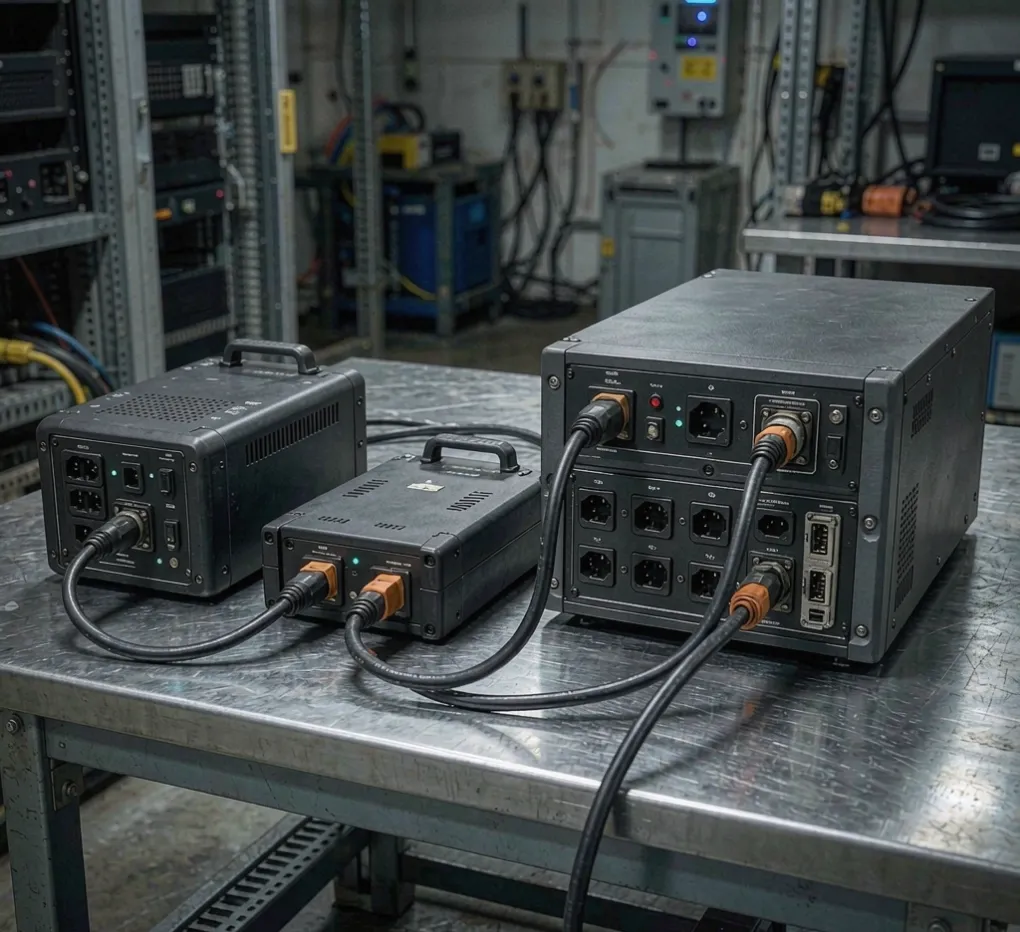
Worked example: a 500 W control load
A packaging line loses mains and must reach a generator that takes about 20 seconds to accept load. The control load — PLC, HMI, safety, a few contactors — is 500 W.
- VA needed: 500 W ÷ 0.8 ≈ 625 VA → specify 1000 VA headroom.
- Runtime needed: the generator transfer is under a minute, but you add margin for a slow crank → 10 minutes covers it.
- Battery: a 1000 VA unit with internal batteries already meets 10 minutes at this load. No external module required.
The same 500 W load with no generator, needing a 12-minute controlled stop, would instead call for an extended battery module. Same UPS, different pack — proof that runtime, not VA, is the variable you are really buying.
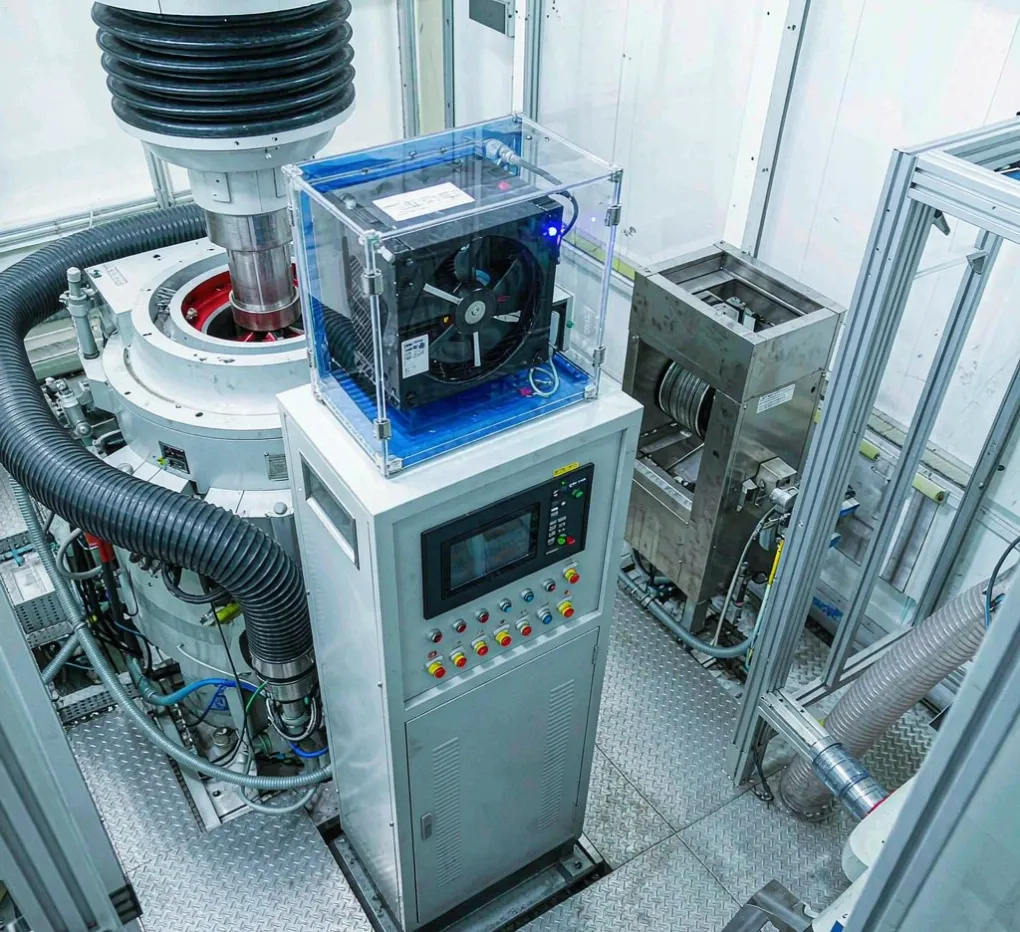
Two things quietly cut your runtime
- Load. Runtime is rated at full load. Run the UPS at half load and you get roughly double the minutes. Sizing to nameplate load is conservative; sizing to actual load is cheaper.
- Temperature. Batteries lose capacity as they heat up. A UPS specified for 25 °C that lives at 40 °C in a panel delivers less than its label. If the cabinet runs hot, ask for runtime at the real temperature, not the brochure temperature.
Battery chemistry matters here too: valve-regulated lead-acid fades faster in heat than lithium. If the enclosure is warm, the battery choice (covered in our UPS battery guide) changes how much runtime you can count on.
The charger matters if outages repeat
If the UPS discharges and the mains returns, the batteries must recharge before the next event. A small charger on a big external pack can take hours to recover. On a site with frequent short drops, size the charger so the pack is full again within the inter-outage window — otherwise the second sag lands on a half-empty battery.
What to put in the RFQ
Send the build shop the event, not a guess:
- Load in W and VA (not just "a small panel").
- The event: transfer to generator, or controlled shutdown, or ride-through.
- Required runtime at that load, in minutes.
- Ambient temperature the UPS will sit at.
- Whether the load includes a VFD or servo (changes the topology — see our panel integration guide).
A one-line spec — "1 kVA UPS, 10 min at 500 W, 40 °C, transfer to generator" — returns three comparable quotes. A vague one returns three different units and a follow-up email. UPS safety is governed by UL 1778 (UL 1778 on ul.com).
Engineering takeaway
Backup time is not a feature to maximize; it is a window to match. Define the event, set the minutes, and let the battery follow. Over-spec the runtime and you pay for dead weight; under-spec it and you trade a clean stop for a fault.
Related guides: - Industrial UPS Buying Guide - How to Choose an Industrial UPS System - UPS Sizing Checklist for Control Panels - Add a UPS to a Control Panel - UPS Battery: VRLA vs Lithium - Modular UPS Systems Guide
Need a UPS sized to your actual event, not a catalog number? Tell us the load and what has to happen during the outage, and we will spec the runtime and topology. Request a quote.
FAQ
How many minutes of UPS backup do I need? Enough to survive the event: under a minute to ride a blink, 2–10 minutes to reach a generator, 5–20 minutes for a controlled shutdown with no backup source. Size to the event, not a round number.
Does a bigger UPS give longer runtime? Not directly. Runtime comes from the battery, not the VA. The same 1 kVA unit can ship with internal batteries (5–15 min) or an external module (30+ min). Size the VA to the load, the battery to the minutes.
Why is my UPS runtime shorter than the label says? Two reasons: you are running closer to full load than the rating assumes, and the batteries are warmer than the test temperature. Both cut available minutes. Ask for runtime at your real ambient, not 25 °C.
Should I oversize runtime "just in case"? Only if the event is genuinely uncertain. Runtime is the costliest part of the UPS — more battery, more space, more heat. On a site with a fast generator transfer, 30 minutes is paid dead weight.
Does runtime change if I add a VFD or servo? The topology does, not the runtime math — but a VFD inrush can drag the battery harder at the start. Name the VFD in the RFQ so the build shop sizes the unit and the runtime together.
Can I add runtime later? Usually yes, via an external battery module matched to the unit — but confirm compatibility before you buy. Retrofitting the wrong pack can fault the charger.