
Oct 26, 2026
How to Import Industrial UPS from China: A Buyer's Guide
Importing an industrial UPS from China is 80% paperwork, 20% the box. The checklist buyers miss: HS code, documents, pre-shipment inspection, incoterms, and WIMES 3.07 for water projects.
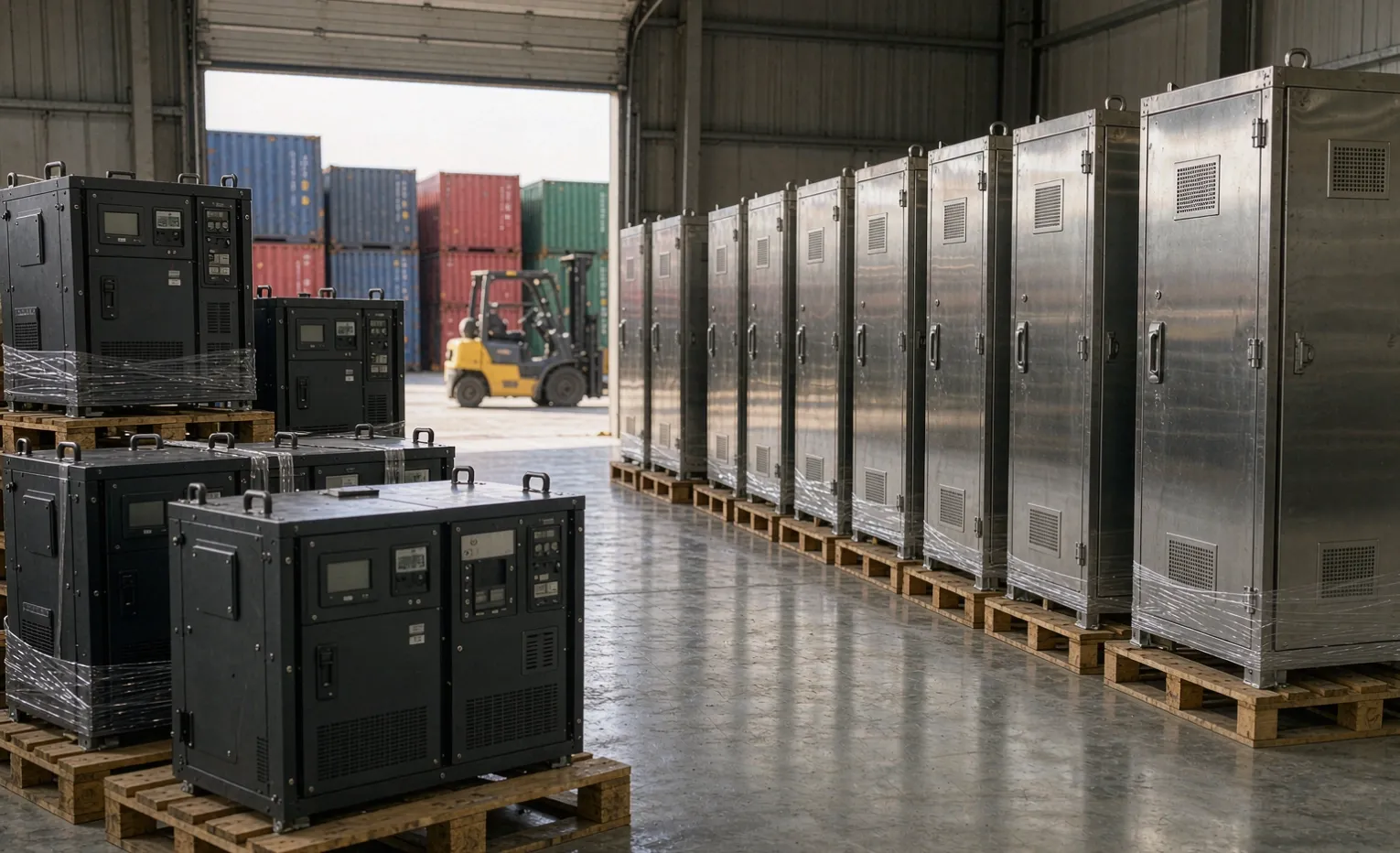
A buyer called us last quarter with a unit already on a boat. The supplier had shipped it EXW their factory gate, the freight forwarder had re-quoted twice, and customs wanted a classification the buyer had never heard of. The UPS was fine. The import was the problem. If you are sourcing an industrial UPS from China, the box is the easy part — the paperwork, the inspection, and the landed-cost math are where projects slip by weeks and thousands.
We are a sourcing partner and panel-build shop, not a UPS manufacturer, so this is not a pitch for a brand. It is the import checklist we walk every buyer through before a unit leaves a Chinese dock.
Buying and importing are not the same job
Most "how to buy a UPS from China" advice stops at selection: runtime, topology, battery type. That matters, but it is only half the work. Once you have chosen the unit, you still have to get it across a border, past customs, and accepted at your site — and those steps have their own failure modes that selection guides never mention.
Buyer Decision: If your only plan is "pick a model and wire the supplier money," you have planned the 20% that is easy and ignored the 80% that decides whether the unit arrives, clears, and passes acceptance. Treat importing as its own workstream from day one.
This guide covers that second workstream: the mechanics of importing an industrial UPS from China — classification, documents, pre-shipment inspection, incoterms, landed cost, and the sector standard (WIMES 3.07) that catches water-utility buyers off guard.
Step 1 — Classify it before you ask for a quote
The single most expensive mistake we see is quoting and booking freight against the wrong HS (Harmonized System) code. An industrial UPS typically falls under HS 8504.40 (static converters, including UPS). That code drives your duty rate, your import license requirements, and sometimes whether customs pulls the shipment for inspection.
Do not let the supplier "handle classification" and forget it. Confirm the code in writing, because:
- Duty rates on 8504.40 vary by destination and by whether the unit contains lithium batteries (more on that below).
- Some buyers bundle the UPS inside a control panel or enclosure. Panels and enclosures classify under HS 8537.10, a different rate and a different set of rules. If your UPS ships inside a cabinet, the whole shipment may be classed as 8537.10 — which is exactly why we keep the two codes straight when we build integrated packages.
- A wrong code is not "the supplier's problem." Customs assesses you, the importer of record.
Question | Why it changes the import |
|---|---|
Is the UPS loose or built into a panel? | 8504.40 vs 8537.10 — different duty, different rules |
Does it contain lithium batteries? | Extra declarations, UN38.3, possible restricted air freight |
What is the destination HS interpretation? | Rates differ; confirm with your broker, not the supplier |
Step 2 — Get the import documents right
The documents are not busywork. They are what lets the unit clear customs and what proves, later, that you bought what you specified. At minimum, an industrial UPS import from China should travel with:
- Commercial invoice — unit price, total, Incoterm, currency. Match it exactly to the packing list.
- Packing list — per-carton contents, gross/net weight, dimensions. Customs uses this to verify the invoice.
- Bill of lading (or air waybill) — the transport document. Keep the original; many ports still want paper.
- Certificate of origin — needed for preferential duty rates under trade agreements.
- Battery documentation — if the UPS ships with VRLA, you need the material safety data sheet (MSDS). If it ships with lithium (LiFePO4), you need UN38.3 test summary and the MSDS; air freight in particular will not move without it.
Engineering Note: The certificate only counts if the number matches the unit you receive. A generic "UL-listed UPS" line on an invoice is not the same as a UL 1778 file number tied to the model on the boat. Verify the number against the nameplate before you pay the balance.
Step 3 — Pre-shipment inspection is where you save the project
This is the step buyers skip to save a few hundred dollars and then regret. A pre-shipment inspection — ideally witnessing the Factory Acceptance Test (FAT) — is your last chance to catch a problem before the unit is on a boat and 30 days away.
What we insist on seeing at FAT for an industrial UPS:
- Runtime verification at rated load — not a flicker test, but a timed discharge to the cutoff voltage at the load you specified. If your site needs 15 minutes, watch 15 minutes.
- Transfer test — utility fails, load stays up, transfer time within spec. Do it with the actual load profile, not an empty breaker.
- Nameplate vs specification — model, battery type, capacity, and the compliance file number all match the order.
- Visual and build quality — terminations, labeling, enclosure seal. The enclosure around the UPS matters as much as the electronics; see our electrical enclosure sourcing guide for how we spec the cabinet around the power kit.
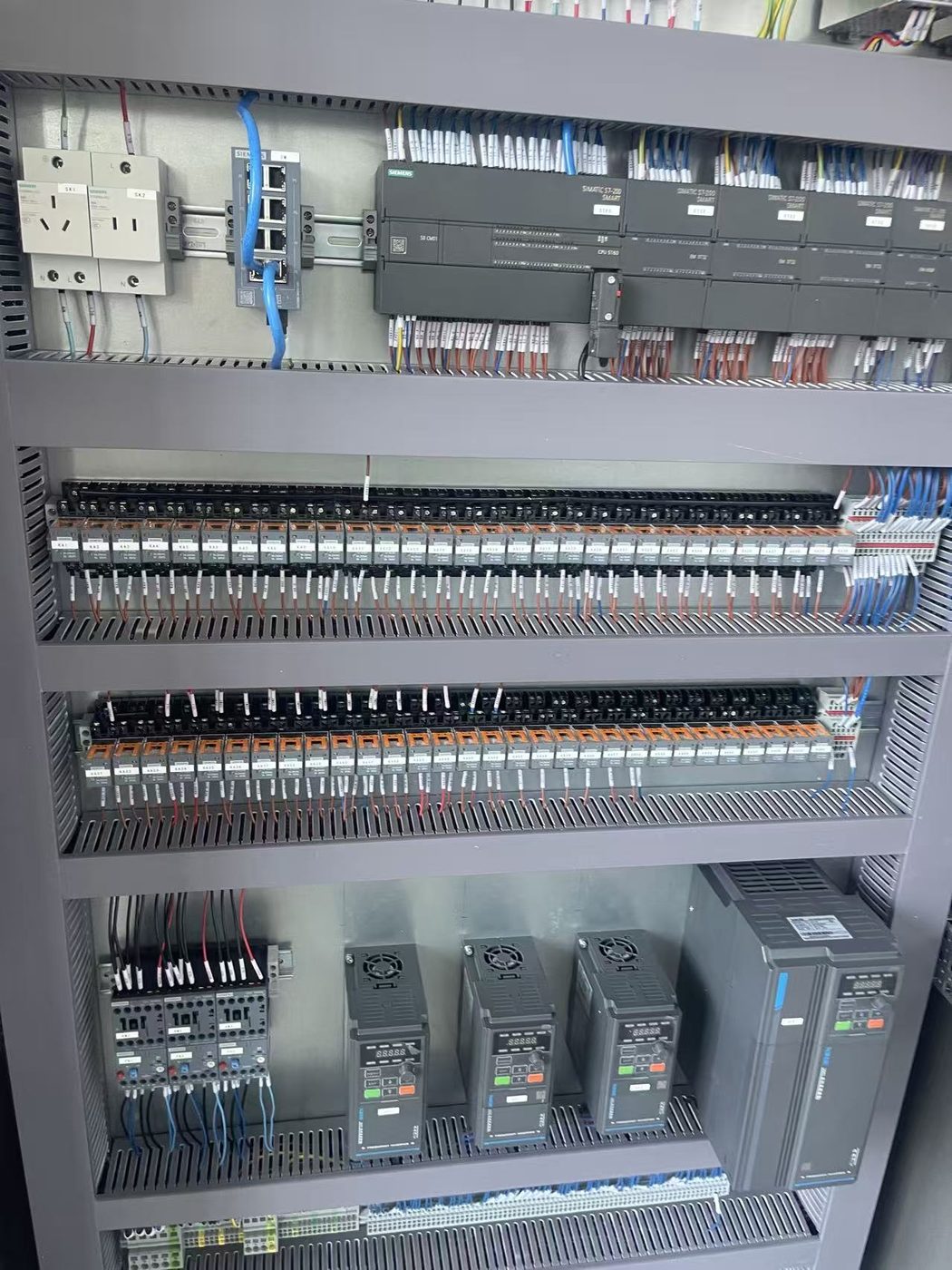
If you cannot fly someone out, hire a third-party inspection house at the factory. The cost is a rounding error against a rejected shipment or a unit that fails on site. We put the inspection step in writing in every RFQ we send, because a FAT we witnessed is the difference between "it passed before it shipped" and "we'll find out when it arrives."
Step 4 — Choose your Incoterms and know the landed cost
The price on the Pro Forma Invoice is not the price you pay. It is the price of the unit, and everything after that is on you unless the Incoterm says otherwise.
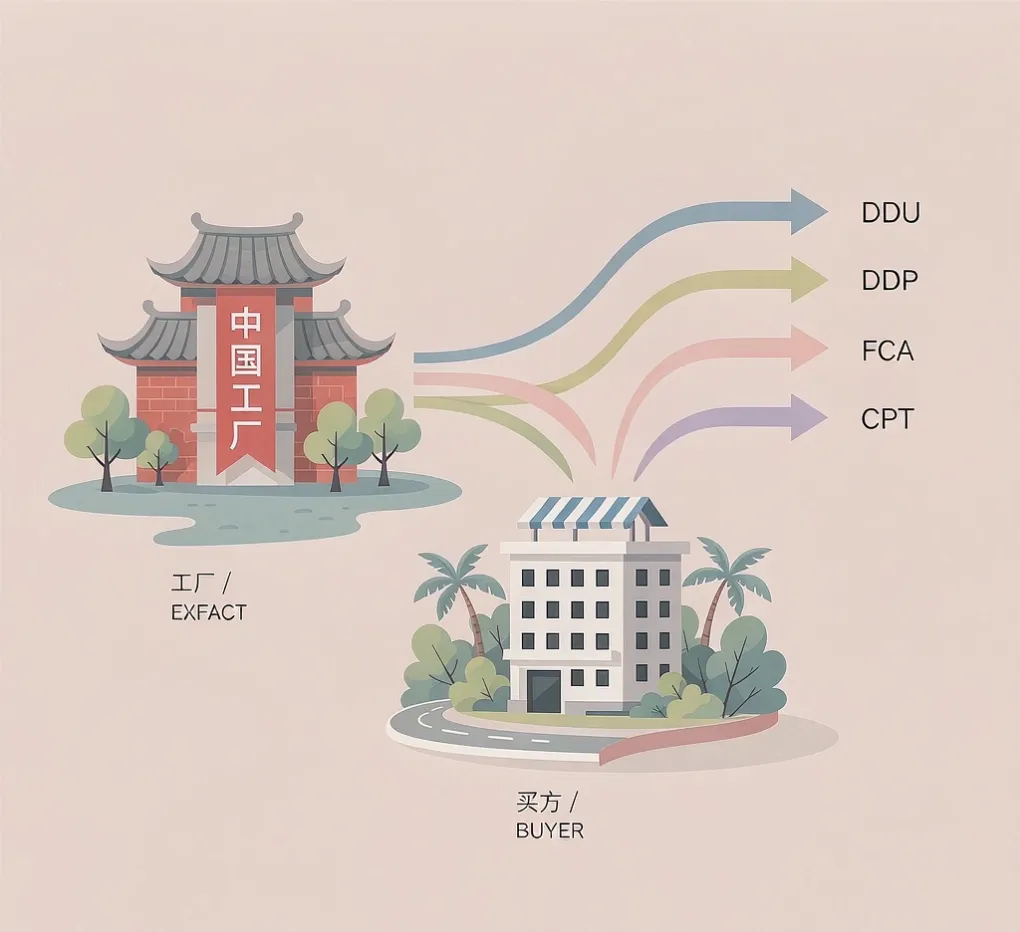
- EXW (Ex Works) — you collect from the factory gate. Cheapest unit price, most work, most risk. The buyer in the opening story was on EXW and paid for it in coordination pain.
- FOB (Free On Board) — supplier gets it onto the vessel at the Chinese port. You own it from there: ocean freight, insurance, destination port, duty, last-mile.
- CIF (Cost, Insurance, Freight) — supplier pays to the destination port including freight and insurance, but you still clear customs and deliver inland.
- DDP (Delivered Duty Paid) — supplier handles everything to your door including duty. Highest unit price, least surprise. For a first import, DDP is often worth the premium because the supplier absorbs the customs risk.
Build a landed-cost line for each option before you choose. The real number is: unit price + international freight + insurance + destination handling + duty (rate × customs value) + VAT or import tax (where applicable) + last-mile to site. We lay out a worked example in our industrial UPS sourcing guide because the duty line alone surprises most first-time importers.
Incoterm | You handle | Supplier handles | Best for |
|---|---|---|---|
EXW | Everything from factory gate | Nothing after production | Buyers with their own freight network |
FOB | Ocean, insurance, customs, inland | To Chinese port | Most experienced importers |
CIF | Customs, inland | To destination port + freight + insurance | Hands-off on logistics |
DDP | Nothing | To your door incl. duty | First import, lowest surprise |
WIMES 3.07 — the water-sector standard most importers miss
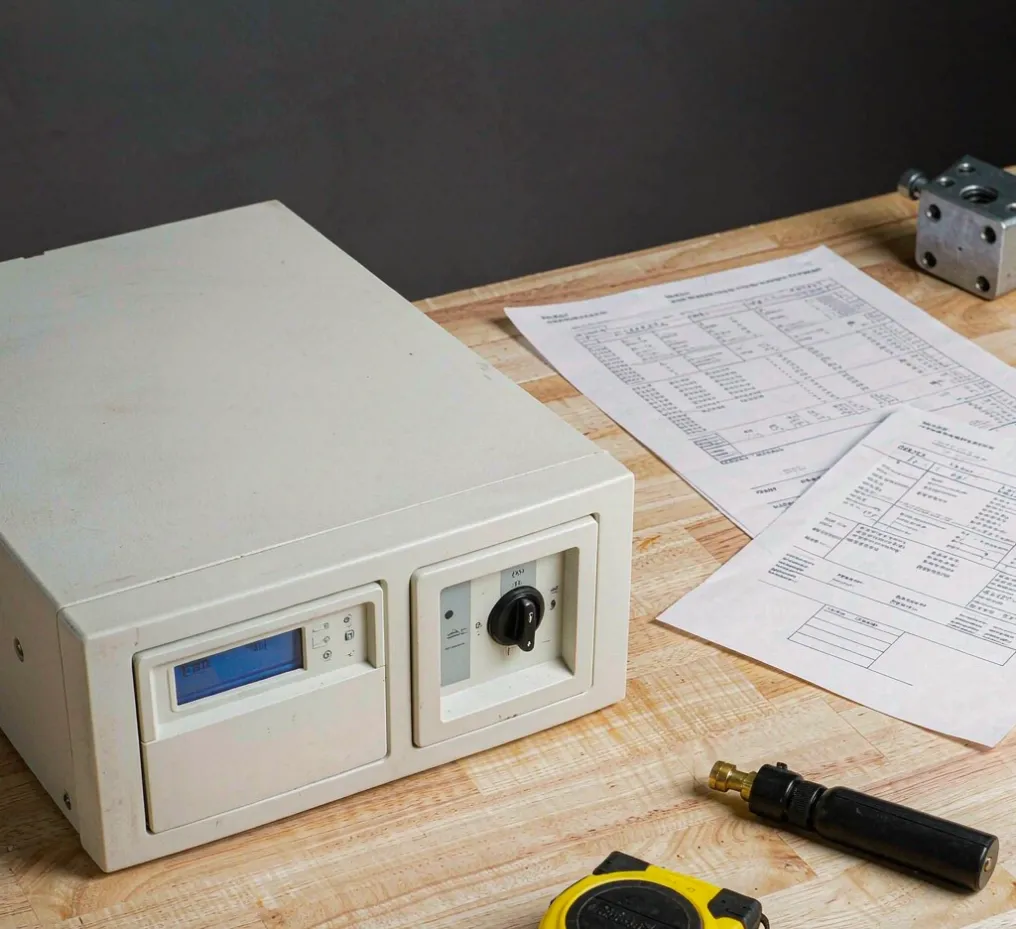
If you are importing a UPS for a UK or Commonwealth water authority, there is a standard that generic "industrial UPS" listings never mention: WIMES 3.07. It is the Water Industry Mechanical and Electrical Specifications section covering uninterruptible power supply systems, and it sets requirements that a catalogue UPS will not meet out of the box.
What WIMES 3.07 typically demands that a standard import skips:
- Redundancy and autonomy sized to the asset, not the catalogue default — often N+1 or parallel redundancy with a stated battery autonomy at the site load.
- Environmental rating matched to the wet, corrosive intake or treatment environment — which pushes the enclosure specification, not just the electronics. Our IP66 / NEMA 4X enclosure guide covers the cabinet side of that requirement.
- Documentation and traceability — test records, component provenance, and commissioning data in a form the water authority's engineer will accept.
The trap: a buyer specs "a 10 kVA UPS, IP54" from a Chinese listing, ships it, and the authority's verifier rejects it because WIMES 3.07 wanted redundancy topology and a specific autonomy the unit does not have. The unit is fine; the spec alignment was never done.
Buyer Decision: If your end client references WIMES, treat 3.07 as a design input from the first RFQ, not a compliance afterthought at acceptance. Name it in the RFQ, ask the supplier to confirm each clause, and keep the verification records with the shipment.
We are not a WIMES-listing body and we do not claim to be one. What we do is build the UPS into a panel and enclosure that meets the environmental and redundancy intent of the spec, and we document it the way a water-authority reviewer expects. That is a sourcing-partner job, not a manufacturer's brochure claim.
Common import mistakes we see
A short list of the failures that show up most often, so you can pre-empt them:
- Letting the supplier choose the HS code and discovering the duty rate at the border. Confirm it yourself.
- Skipping FAT to save cost, then finding the runtime is short at site load. Witness it or hire it.
- Quoting EXW without a freight plan, and watching the "cheap" unit become the expensive one after three re-quotes.
- Forgetting battery declarations (UN38.3 / MSDS), and having a lithium shipment held at the airport.
- Treating WIMES or equivalent sector specs as optional, and failing acceptance at the client.
What to put in your RFQ
Whether you buy from us or someone else, write these into the RFQ so the import does not surprise you later:
- HS code and destination so duty can be quoted, not guessed.
- Incoterm you want, and whether you expect DDP or FOB.
- Battery type and declarations — VRLA (MSDS) or lithium (UN38.3 + MSDS).
- Compliance file numbers — UL 1778 or IEC 62040, tied to the model.
- Sector specs — name WIMES 3.07 or your local equivalent explicitly if it applies.
- FAT and inspection — state that pre-shipment verification is required.
FAQ
What HS code do I use for an industrial UPS from China? Usually HS 8504.40 (static converters / UPS). If the UPS ships built into a control panel or enclosure, the shipment may classify as 8537.10 instead, which carries different duty and rules. Confirm with your broker and put it in writing.
Do I need UN38.3 to import a UPS with lithium batteries? Yes, if the unit ships with lithium (LiFePO4) batteries, you need a UN38.3 test summary and an MSDS. Air freight will not move without them, and some sea lines want them too. VRLA lead-acid needs the MSDS but not UN38.3.
Is DDP worth the higher unit price for a first import? Often yes. DDP means the supplier handles freight, insurance, and duty to your door, and absorbs the customs risk. For a first shipment, removing that risk is usually worth more than the small unit-price saving of FOB or EXW.
Can I skip the pre-shipment inspection to save money? You can, but it is the most expensive shortcut. FAT is your last chance to verify runtime, transfer, and nameplate before the unit is weeks away on a boat. Hire a third-party inspector if you cannot attend.
What does WIMES 3.07 require that a standard UPS lacks? Typically redundancy and autonomy sized to the asset, an environmental enclosure rating for wet/corrosive sites, and documentation a water-authority reviewer will accept. A catalogue UPS rarely meets all three without being built to the spec.
Who is the importer of record, and who pays the duty? You are, unless you buy DDP. Duty and import tax are assessed against the importer of record at the border — confirm this in your Incoterm choice before you book freight.
Buyer Takeaway
Importing an industrial UPS from China is a logistics and verification job first and a product choice second. Classify it before you quote it, document it like you will be asked to prove it, witness the FAT, pick an Incoterm that matches your freight capability, and — if you are serving water or process clients — put WIMES 3.07 or its local equivalent in the RFQ from day one. Do those, and the box that arrives is the one you specified. For the wider package — UPS integrated into a panel and enclosure built to your site and sector spec — see our industrial UPS systems page.
Send us your UPS requirement — model, load, runtime, destination, and any sector spec — and we will return a quoted, classified, inspection-ready package with the documents mapped before it leaves the dock, usually within one business day. Lead times: single custom panels from one unit (drawing and BOM review, then ~35–40 days), empty enclosures from five units (~15 days), and loose components in 3–5 days; UL-listed builds run through a partner UL file shop with the file number in writing. Three ways to start:
- WhatsApp: wa.me/8613535080546 — message us with your spec.
- Email: info@uniregal.com with your drawings and BOM.
- Contact form: uniregal.com/contact to upload your requirements.