
Oct 13, 2026Buying Guides
Writing an Enclosure RFQ for Harsh Sites: The Specs That Stop Early Failure
A vague enclosure RFQ gets you a box that rusts in 18 months. Name the material cert, coating, gasket, and vent — here's the spec sheet that holds suppliers to it.
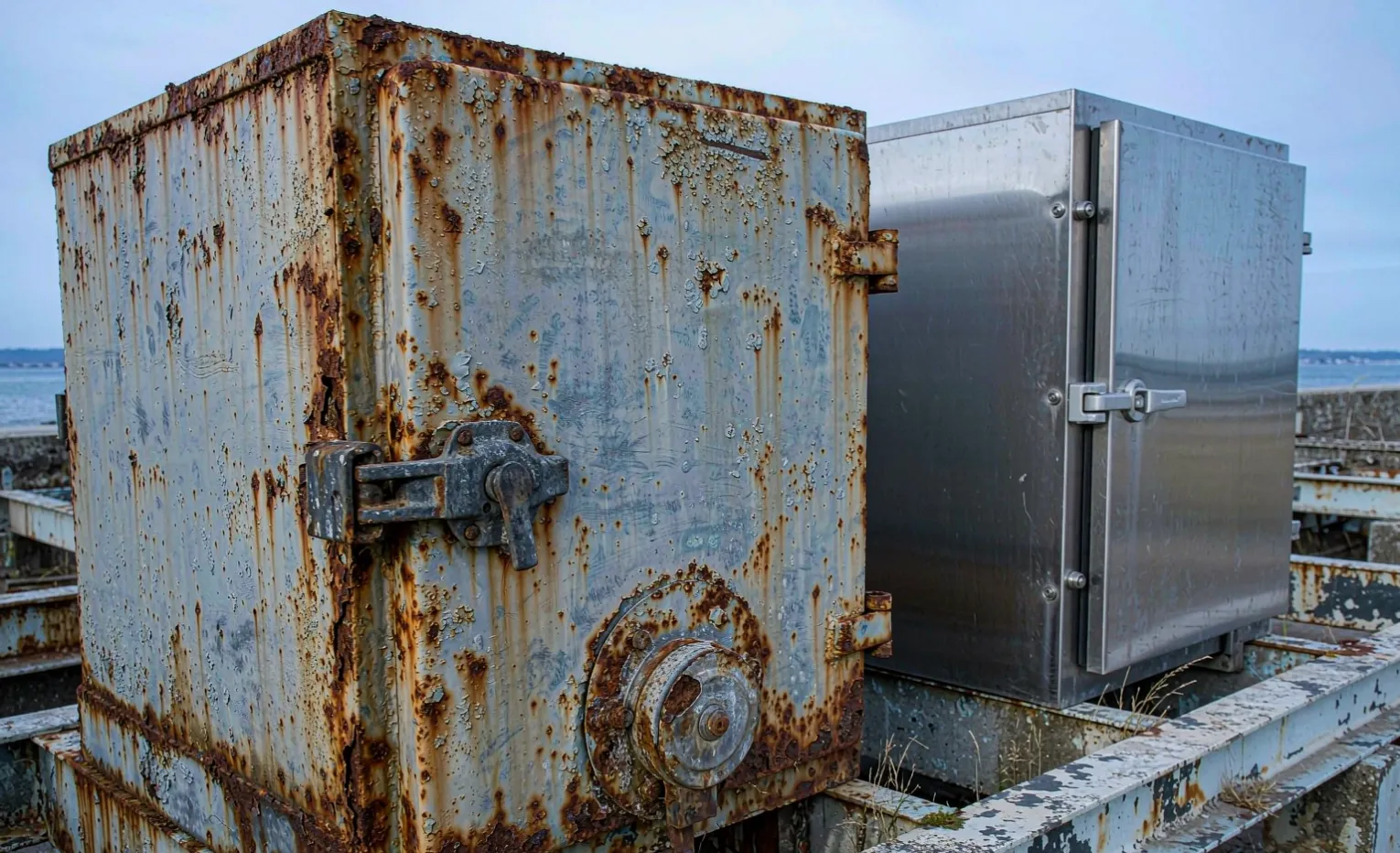
A vague enclosure RFQ—"stainless, IP66, deliver by March"—is how buyers end up with a box that looks right on the quote and rusts through in eighteen months. The supplier didn't lie. You just didn't tell them what "stainless" and "sealed" actually mean for your site. If the cabinet lives near salt, chemicals, or heat, the RFQ has to name the details, or you're buying a guess.
We're a sourcing partner, not an enclosure manufacturer, so this is specification advice you can use with any supplier. For the record, we don't make the steel—we specify it, source it, and build the panel inside it.
Name the material—with a certificate.
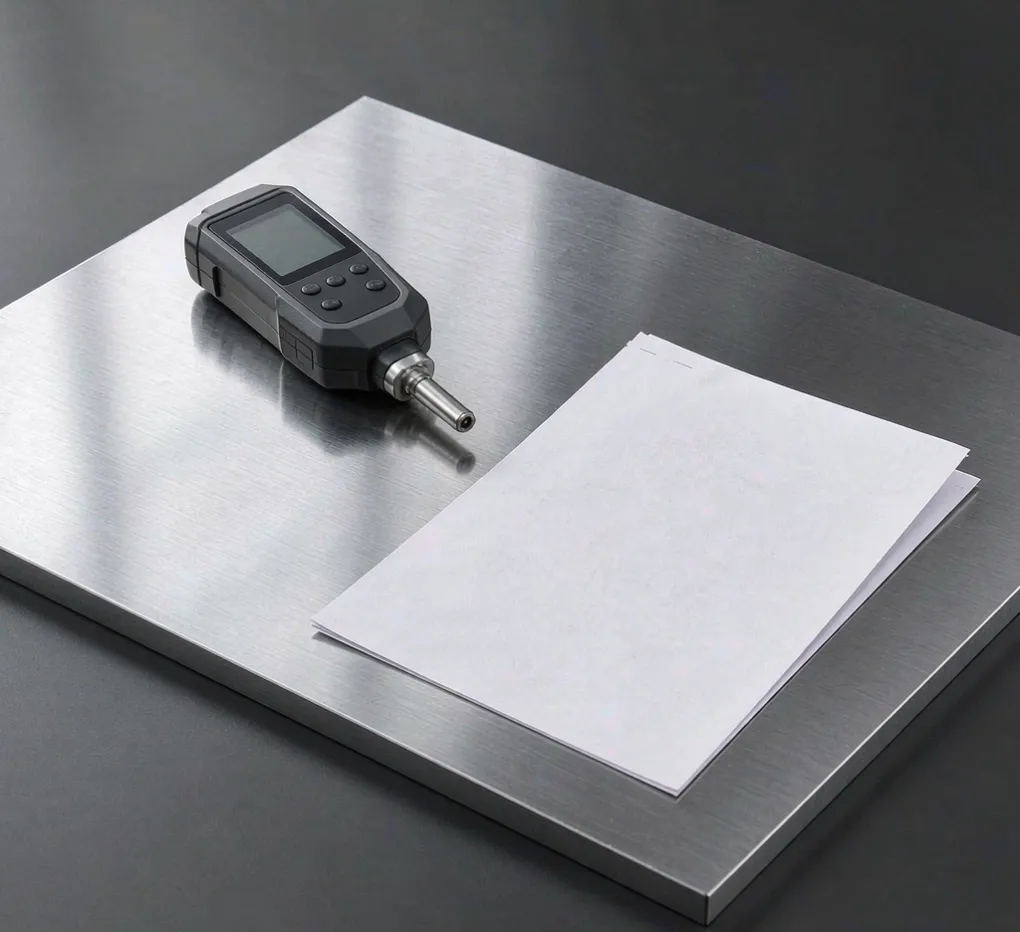
"Stainless" is not a grade. 201 stainless looks like 304 on the floor and corrodes in coastal air within a season. For a harsh site, name 304 or 316 with a mill certificate that shows the actual chemistry—and for weld-heavy builds, confirm the weld filler matches so the seam isn't the weak point. The reference for grade chemistry is ASTM A240; the rating system is IEC 60529 for IP and NEMA for North America. Carbon steel with a proper coating is fine indoors, but don't let a supplier substitute it for a corrosive site without saying so.
Name the coating system, not just "painted."
A powder coat is not a coating system. For a corrosive environment, the RFQ should state the pretreatment (zinc phosphate or better), the film thickness in microns, and a salt-spray hour target from a standard like ASTM B117. A 500-hour salt-spray number means something; "rust-proof paint" means nothing. This single line is where most cheap quotes quietly cut corners.
Name the gasket and the opening.
The gasket is what actually keeps water out, and most failures start here. Specify the gasket material for your environment—EPDM for weather and UV, silicone for heat, and fluorocarbon for chemicals—and say it's a continuous, glued-and-pinned seam, not butted ends. While you're at it, name every penetration: cable glands, windows, and vents. A cabinet with a perfect gasket and an unplanned gland hole is still a leak.
Name the vent and the drain.
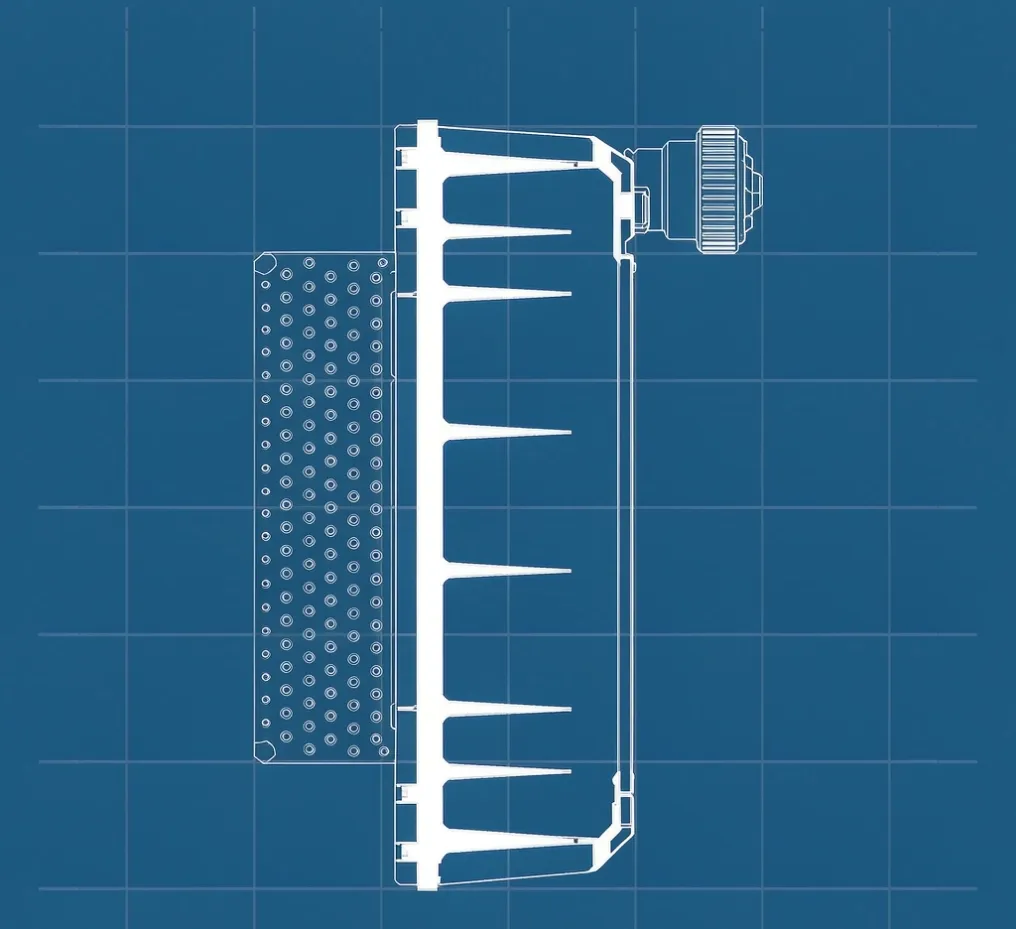
Sealed cabinets breathe through temperature swings, and that breath pulls humid air in and condenses on your terminals. For a harsh site, the RFQ should call for a pressure-compensation vent with a membrane that blocks water but equalizes pressure, plus a drain path if the site can see standing water. Skip this and you get the classic "clean box, corroded inside" failure. We cover the condensation mechanics in our guide to stopping condensation in outdoor cabinets.
The harsh-site RFQ table
Field | What to write | Why it matters |
|---|---|---|
Material | 304 / 316 + mill cert | 201 looks the same and fails fast. |
Coating | Pretreatment, µm, salt-spray hrs | "Painted" hides corner-cutting |
Gasket | Material + continuous seam | The real water barrier |
Penetrations | Every gland, window, vent | Unplanned holes leak. |
Vent | Pressure-compensating + drain | Stops internal condensation |
Rating | IP66 / NEMA 4X, named std | Match the site, not the brochure. |
A quote we untangled
A coastal food plant sent three quotes for "stainless IP66 enclosures." One was 201 stainless with a 200-hour coating, one was 304 with no cert, and one was 316 with a 1000-hour salt-spray coating and a named EPDM seam. The panels held temperature controllers over a salt spray line. Only the 316 quote would have survived the first year—and it wasn't the most expensive. Once the RFQ named the cert, the coating hours, and the gasket, the other two suppliers either came up to spec or admitted they couldn't.
Mistakes buyers make
- "Stainless is stainless." 201 and 316 are worlds apart in coastal air. Name the grade and ask for the cert.
- "Painted means protected." State pretreatment, film thickness, and salt-spray hours, or you're trusting a word.
- "The gasket is the supplier's problem." Name the material and the seam type; it's the part that fails first.
- "Sealed" means no vent. A sealed box without pressure compensation condenses inside. Name the vent.
If the panel inside the box runs an HMI or a controller, pair this with our guide to choosing an HMI for your control panel—the right box is wasted on the wrong screen.
We cover the broader build-and-ship process in our electrical enclosure supplier's guide to sourcing from China, and our electrical enclosures solution page shows what we source and build around.
FAQ
Is 304 stainless good enough for a harsh site? For moderate industrial air, often yes. For coastal, chemical, or high-chloride sites, 316 with a mill cert is the safer call—201 is not, despite looking identical.
What should the coating spec actually say? Pretreatment type, dry film thickness in microns, and a salt-spray hour target from a standard like ASTM B117. "Rust-proof" alone tells you nothing.
Why does the gasket matter more than the rating? The gasket is the real water barrier, and most failures start at a butted or wrong-material seam. Name the material and require a continuous, glued-and-pinned seam.
Does a sealed enclosure need a vent? Usually yes, for pressure compensation—otherwise temperature swings pull humid air in, and it condenses on the terminals. Add a drain path for wet sites.
IP66 or NEMA 4X—which do I specify? Use the system for your market: IP (IEC 60529) for most of the world, NEMA for North America. Both need to match the real site, not the supplier's default.
How long does an empty enclosure take to source? An empty cabinet runs a 5-piece minimum and about 15–20 days. A full panel build from a reviewed drawing is typically 35–40 days after you sign off.
Buyer takeaway
A harsh-site enclosure RFQ names the grade with a cert, the coating system with hours, the gasket and its seam, every penetration, and a pressure-compensating vent with a drain. Write those six lines and three suppliers' quotes for the same survivable box—skip them and you're buying the one that looks right and fails first.
Related guides
Ready to write the RFQ?
Upload your site conditions and panel drawing for a spec review — we'll return an enclosure spec that holds up to the environment.