Jul 2, 2026Integration & Compatibility
How to Prevent Startup Failures in Food Processing Control Panels
How to Prevent Startup Failures in Food Processing Control Panels A food processing line can lose thousands of dollars in a single day if a control panel fails during startup. Most buyers already know
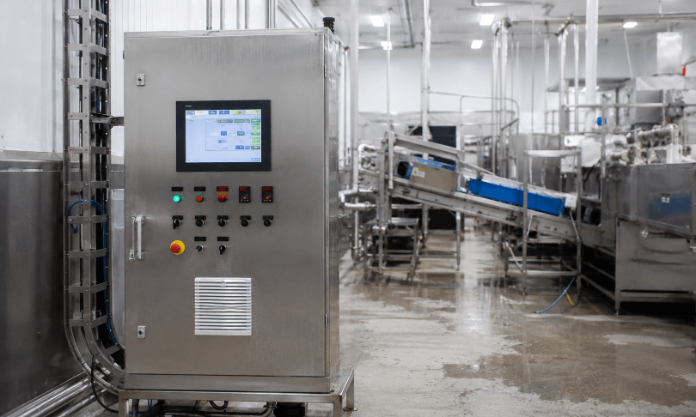
How to Prevent Startup Failures in Food Processing Control Panels
A food processing line can lose thousands of dollars in a single day if a control panel fails during startup. Most buyers already know this before the equipment even arrives on site. What worries them is not only the cost of downtime, but also the possibility of delayed production schedules, hygiene risks, operator confusion, and endless troubleshooting after installation.
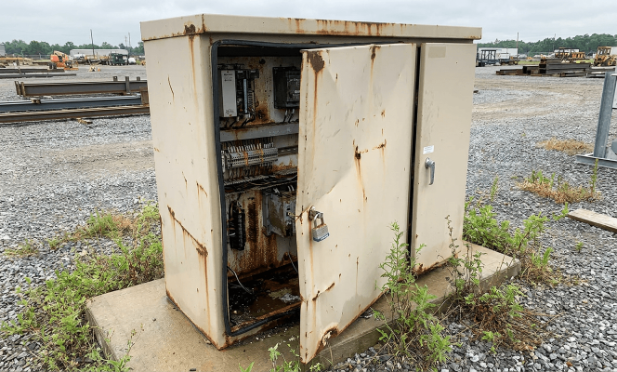
In food processing environments, startup problems are often more serious than in normal manufacturing. Moisture, washdown procedures, temperature fluctuations, and sanitation requirements create conditions that expose weak panel design very quickly. A control panel that works perfectly inside a dry workshop may become unreliable once it enters a real food production facility.
At UniRegal, we have seen buyers spend months planning a production upgrade, only to discover that commissioning takes far longer than expected because basic issues were never caught before shipment. Most startup failures are preventable, but only if the panel is designed, tested, and reviewed with the actual working environment in mind.
What Buyers Worry About Before Installation
The Real Risks Buyers Want to Avoid
Most buyers are not worried about whether the control panel looks professional in photos.
They worry about what happens after the cabinet reaches the factory floor.
If the line cannot start correctly, production schedules fall behind immediately. In food processing plants, delays can quickly affect raw material handling, packaging schedules, labor planning, and customer deliveries. A startup failure rarely stays “small” for long.
What buyers really want is confidence that the system will operate correctly the first time.
That includes:
- Stable PLC operation
- Correct wiring
- Reliable alarms
- Clear HMI screens
- Easy troubleshooting
- Predictable commissioning
The concern becomes even stronger in facilities that operate continuous production shifts, where downtime creates pressure across multiple departments simultaneously.
Related reading:
Why Food Processing Is Harder Than Normal Industrial Use
Food plants create environmental conditions that are far more demanding than many standard industrial applications.
Panels may face:
- Frequent washdowns
- High humidity
- Condensation
- Cleaning chemicals
- Sudden temperature changes
- Strict hygiene requirements
These conditions expose weak sealing, poor enclosure selection, and low-quality components very quickly.
According to the National Electrical Manufacturers Association (NEMA), enclosure protection plays a major role in long-term electrical reliability within wet and contamination-prone environments.
Source:
NEMA Enclosure Standards
This is why enclosure selection matters so much in food processing projects.
Related articles:
Why Startup Failures Happen
Incorrect Wiring and Loose Connections
Wiring problems remain one of the most common causes of startup failure.
The difficult part is that many wiring mistakes are not immediately visible during assembly. Problems often appear only after power-up or during machine operation.
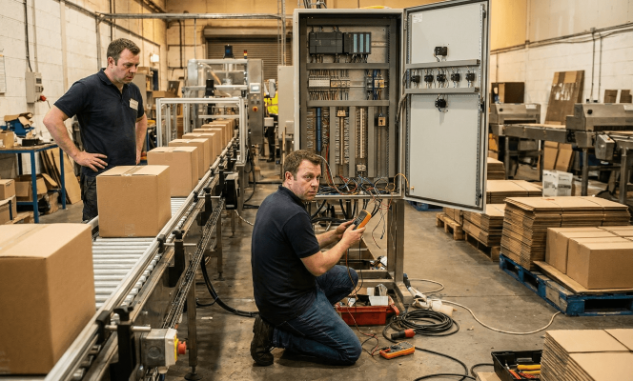
Loose terminals, incorrect labeling, poor ferrule crimping, or rushed assembly work can create faults that are difficult to diagnose on site. Buyers then lose valuable commissioning time while engineers search for issues that should have been identified before shipment.
At UniRegal, we have seen situations where a single loose terminal caused hours of production delay simply because the fault appeared intermittently during startup.
Good wiring is not only about appearance.
It directly affects reliability.
PLC Logic and Control Sequence Errors
A panel may be electrically complete and still fail during commissioning because the PLC logic was never fully validated.
This happens more often than many buyers expect.
Typical problems include the following:
- Incorrect control sequences
- Missing interlocks
- Alarm conflicts
- Sensor timing issues
- Incomplete safety logic
In food processing lines, sequence control is especially important because equipment often operates continuously across multiple production stages.
One programming mistake in a conveyor or batching sequence can stop the entire line.
According to Rockwell Automation, insufficient pre-shipment testing remains a major contributor to commissioning delays in industrial automation projects.
Source:
Rockwell Automation FactoryTalk & FAT Guidelines
Related reading:
Poor HMI Design and Operator Confusion
A control panel should not require operators to “guess” what the machine is doing.
Unfortunately, some HMIs are designed from an engineering perspective rather than an operator perspective.
That creates confusion during startup.
If alarm messages are unclear or navigation is difficult, operators may reset the wrong fault, miss critical warnings, or start equipment incorrectly. In food plants where production speed matters, these mistakes happen quickly under pressure.
A clean and logical HMI layout reduces human error significantly.
The International Society of Automation (ISA) also emphasizes that operator interface clarity improves system usability and reduces operational mistakes.
Source:
ISA Human Machine Interface Guidelines
Panel Design Choices That Reduce Downtime
Clear Layout and Easy Maintenance Access
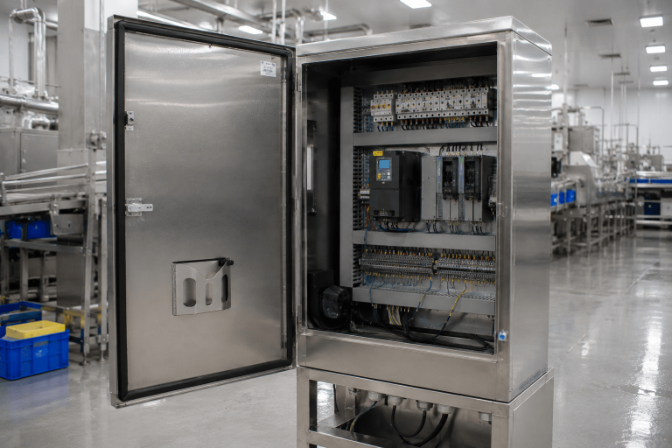
A well-organized control panel makes troubleshooting faster.
This becomes extremely important during startup when technicians need to inspect signals, verify connections, or isolate faults quickly.
A good panel layout includes the following:
- Clear wire labeling
- Logical component grouping
- Proper spacing
- Easy terminal access
- Organized cable routing
Poor layout increases maintenance time because technicians spend more time searching for problems.
And during production startup, every extra hour matters.
Related reading:
Reliable Component Selection
Panel reliability depends heavily on component quality.
This includes:
- Power supplies
- Circuit breakers
- Relays
- PLC hardware
- Cooling systems
- Communication modules
Cheap components may lower upfront cost, but they often increase long-term operational risk.
According to Deloitte manufacturing research, unplanned downtime continues to be one of the largest hidden operational costs in industrial production facilities.
Source:
Deloitte Smart Manufacturing Research
Food processing facilities usually prioritize stability over short-term savings because downtime affects both production output and product handling schedules.
Proper Sealing and Environmental Protection
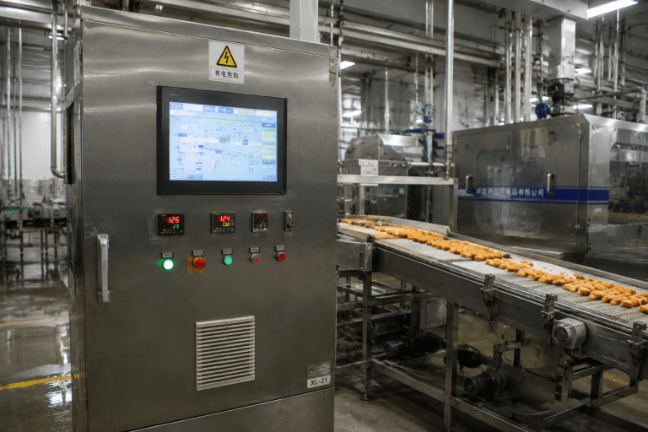
Food processing environments expose panels to moisture constantly.
Without proper sealing, condensation and water ingress can slowly damage electrical systems over time.
That is why buyers should carefully evaluate the following:
- Enclosure ratings
- Gasket quality
- Cooling methods
- Ventilation design
- Stainless-steel construction
How FAT Reduces Risk Before Shipment
What FAT Should Be Confirm
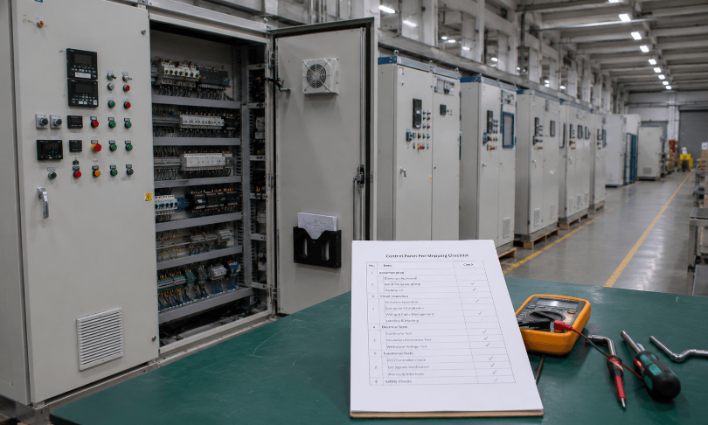
Factory Acceptance Testing (FAT) should verify far more than simple power-up functionality.
A proper FAT process should confirm the following:
- Wiring accuracy
- PLC logic operation
- Alarm response
- HMI functionality
- Safety interlocks
- Basic machine sequence behavior
The goal is simple:
Catch problems before the panel reaches the customer site.
Because once installation begins, every unresolved issue becomes more expensive.
Why Buyers Want a FAT Video
Many buyers now request FAT videos before shipment.
And honestly, this is a smart practice.
A FAT video provides visual proof that
- The panel powers correctly
- Alarms function properly
- Inputs and outputs respond correctly
- The HMI behaves as expected
This increases buyer confidence and reduces misunderstandings later.
What Should Be Documented in FAT
Good FAT documentation should include:
- Test reports
- Photos
- Pass/fail records
- Corrective actions
- PLC backup files
- Wiring verification notes
Clear documentation improves future maintenance and troubleshooting after installation.
Hygiene and Cleaning Issues in Food Plants
Why Cleaning Matters for Control Panels
Food production facilities require regular cleaning and sanitation procedures.
That means the control panel must survive repeated exposure to:
- Water spray
- Cleaning chemicals
- Moisture
- Steam
Weak enclosure design often becomes visible very quickly in these environments.
Poorly sealed cabinets may allow moisture to enter slowly, leading to corrosion and electrical instability over time.
Easy-to-Clean Design Features
Good food processing panel design usually includes the following:
- Smooth enclosure surfaces
- Minimal dirt traps
- Proper sealing
- Hygienic cable routing
- Practical installation placement
These details may seem minor during purchasing discussions, but they affect long-term reliability significantly.
What Buyers Should Ask Before Ordering
Questions About Testing
Before placing an order, buyers should ask:
- Has the panel been fully tested?
- What is included in FAT?
- Can FAT videos be provided?
- Are test records documented?
These questions help reduce commissioning risk later.
Questions About Maintenance
Maintenance access matters more than many buyers expect.
Important questions include:
- Are components easy to access?
- Is wiring clearly labeled?
- Can technicians troubleshoot quickly?
- Are spare parts easy to source?
Questions About the Real Working Environment
Buyers should also ask whether the panel design truly matches the actual production environment.
For example:
- Will the cabinet face washdown exposure?
- Is there airborne moisture?
- Will temperature fluctuate heavily?
- Is corrosion resistance necessary?
These questions often prevent long-term reliability problems later.
What Good Design Prevents in the Real World
Less Startup Delay
Well-designed panels reduce commissioning problems and help production lines start faster after installation.
That directly affects production schedules and labor efficiency.
Less Operator Error
Clear controls and intuitive HMIs reduce operator confusion during production startup and daily operation.
This becomes especially important in high-speed food processing environments.
Less Downtime and Rework
Reliable design reduces recurring failures and unnecessary service visits.
For buyers, this means:
- Better uptime
- Lower maintenance cost
- More predictable production
And ultimately, more stable profitability.
Conclusion
The best food processing control panel is not simply the one with the newest PLC or the most expensive components. It is the one that starts reliably, survives harsh cleaning conditions, reduces operator mistakes, and minimizes downtime after installation. In real production environments, good panel design is less about appearance and more about preventing problems before they ever reach the factory floor.
FAQ
What is the most common problem buyers face with food processing control panels?
Startup failure after installation is one of the most common issues, often caused by wiring mistakes, logic problems, or insufficient testing.
Why is FAT important before shipment?
FAT helps identify wiring, alarm, logic, and operational issues before the panel arrives on site.
What should buyers check in a food processing control panel?
Buyers should review wiring quality, enclosure protection, PLC logic, HMI usability, and FAT documentation.
How does panel design affect downtime?
A well-organized panel is easier to troubleshoot and maintain, which reduces downtime during operation.
Why do food plants need special control panel design?
Food processing facilities involve moisture, washdown procedures, hygiene requirements, and temperature changes that standard panels may not tolerate well.
Should buyers ask for a FAT video?
Yes. FAT videos provide visual confirmation that the control panel was tested and functioning before shipment.