
Sep 23, 2026
Top 10 Enclosure Accessory Brands Compared
We compare 10 enclosure accessory brands buyers actually specify — gaskets, cable glands, heaters, hinges and locks — and explain which to choose for IP65 and NEMA 4X panels.
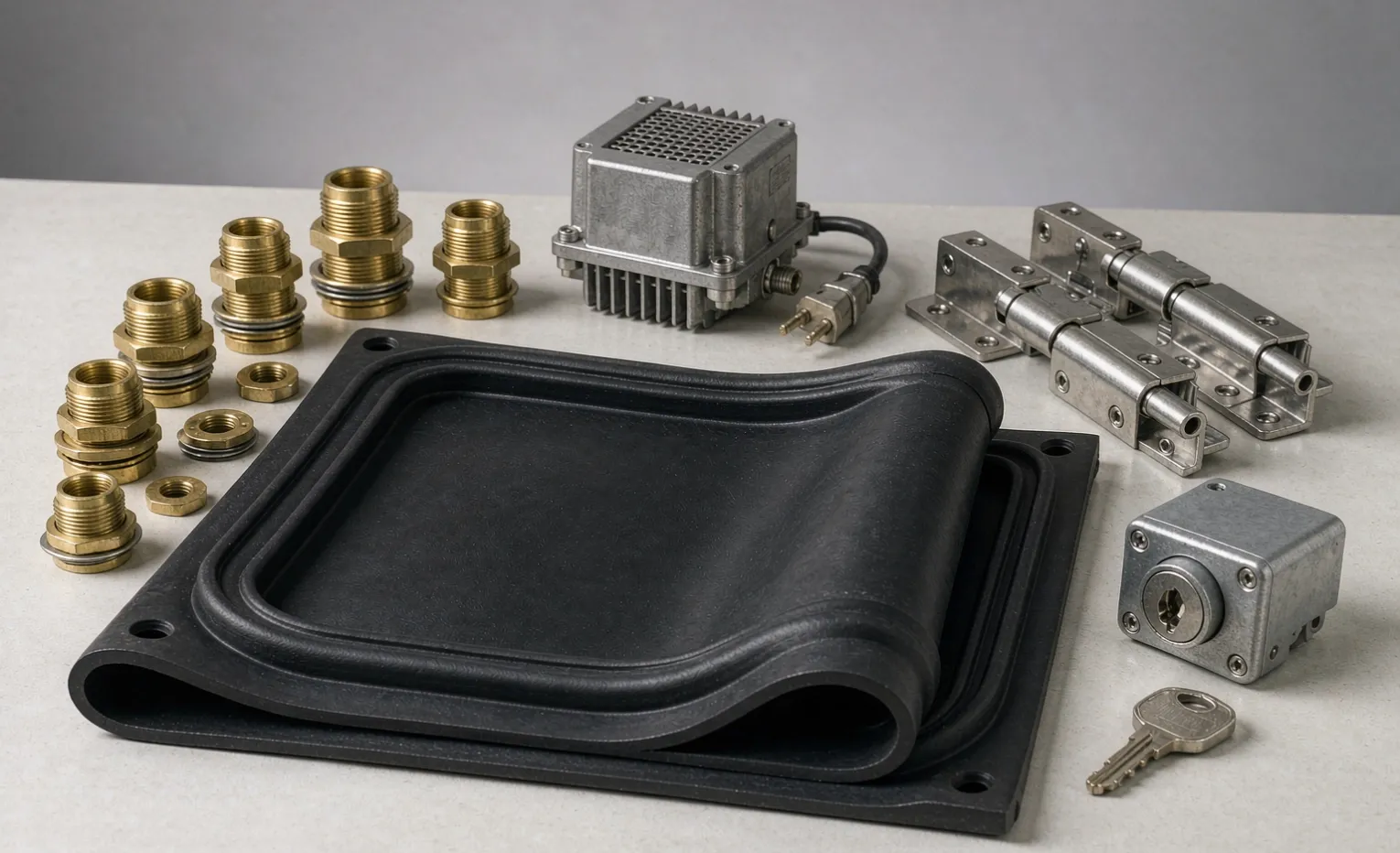
Top 10 Enclosure Accessory Brands Compared
You can buy the best stainless enclosure on the market and still lose the rating at the door seam, the cable entry, or the first cold night that condenses moisture onto the backplate. The enclosure body is maybe half the story. The accessories — the gasket, the gland, the heater, the latch — are what actually earn and keep your IP65 or NEMA 4X rating in the field.
This guide is written from a sourcing-partner perspective, not a vendor one. We help panel builders and OEMs pull enclosures and accessory brands together from multiple suppliers, so we are not loyal to any single name — and we are not one of the companies ranked below. Our job is to tell you where each brand is strong, where it is overkill, and what it costs you in lead time and budget.
If you are still deciding on the enclosure itself, start with our electrical enclosure supplier guide for China sourcing. For the two accessories buyers get wrong most often, see our gasket selection guide and cable gland guide.
Buyer Decision — Do not pick accessories by brand loyalty. Pick them by the standard you must meet (IEC 60529 for IP, NEMA 250 for NEMA 4X, UL 50E for North America) and by the environment the panel lives in. The brand follows from those two facts.
How we compare these brands
Every brand below makes more than one accessory category, but each has a home turf. We rate them on four things that matter to a buyer: the accessory range they cover, their sweet spot, their typical price tier, and the job we would actually reach for them for.
Brand | Core accessory strength | Sweet spot | Price tier | Best for |
|---|---|---|---|---|
Rittal | Full system: glands, heaters, thermostats, hinges, locks, EMC | Complete enclosure ecosystem | Premium | One-source enclosures + all fittings |
nVent HOFFMAN | Enclosures, thermal, gaskets, push-to-close latches | North American NEMA, stainless | Premium | US-spec NEMA 4X builds |
Schneider Electric (Eldon) | Enclosures + accessories, Spacial/Prisma | Tied to Schneider electrical gear | Mid-premium | Panel with Schneider components |
ABB (ex-T&B) | Enclosures, cable glands, terminals | Utility / hazardous-area glands | Mid-premium | Industrial + Ex glands |
Phoenix Contact | Cable glands, EMC glands, climate | Cabling + DIN-rail integration | Mid-premium | EMC and wiring density |
Weidmüller | Connectors, glands, compact enclosures | Connection + small enclosures | Mid | Budget-solid connection jobs |
icotek | Split cable entry systems, EMC entry | Retrofit without cutting cables | Mid | Service-friendly entries |
Hawke (Emerson) | Hazardous-area cable glands, breathers | ATEX / IECEx oil & gas | Premium | Explosive atmospheres |
Pepperl+Fuchs | Purge/pressurization, Ex enclosures | Purged enclosures | Premium | Zone 1/2 purging |
Roxtec | Multi-cable transit seals/frames | High cable density + sealing | Mid-premium | Many cables, one seal |
None of these is "the best" overall. The right answer depends on your standard, your environment, and whether you need one brand to cover the whole panel or you are happy mixing.
The cable-entry specialists
Cable entry is where most IP and NEMA ratings are won or lost, so it deserves its own look. A poorly spec'd gland leaks before the door gasket ever does.
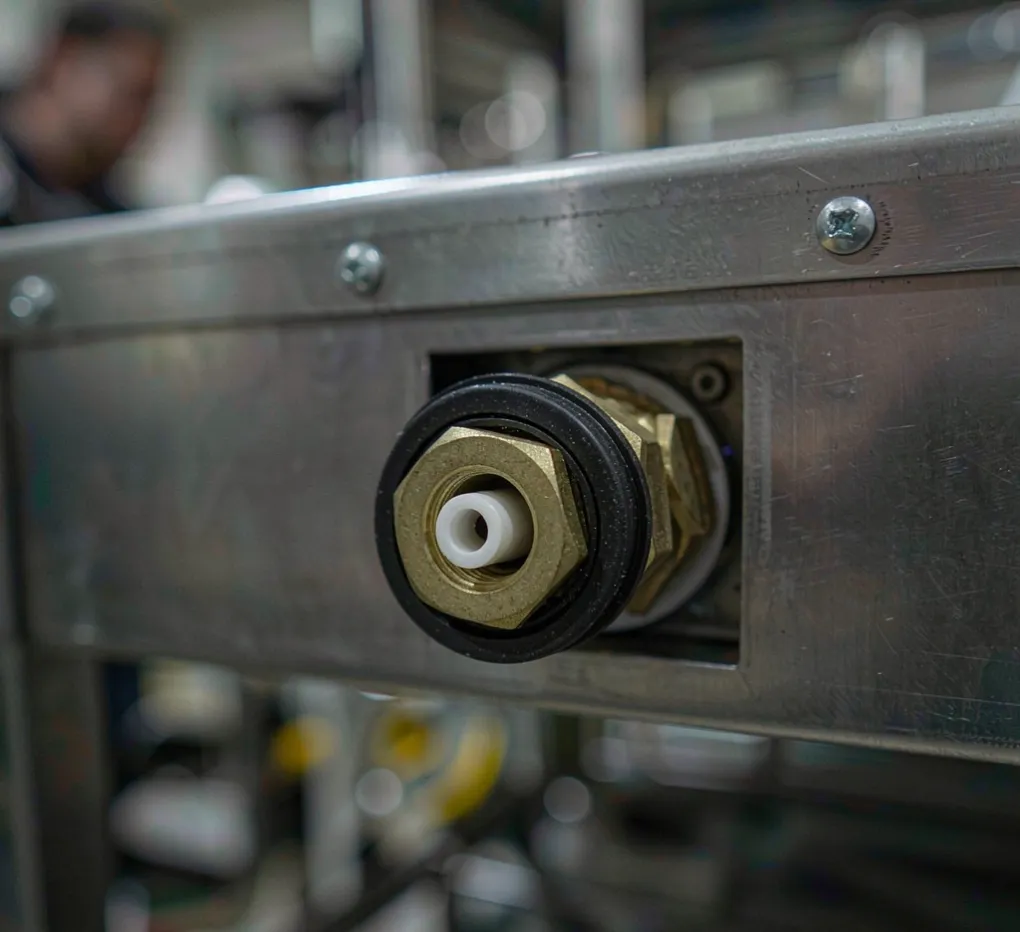
- ABB (ex-Thomas & Betts) and Hawke own the hazardous-area gland conversation. If your panel sits in a Zone 1/2 or Div 1/2 area, their Ex d/e/i certified glands are the default spec, and inspectors know the names.
- Phoenix Contact and icotek own the clean-industrial and EMC side. Phoenix gives you a deep gland + clamp portfolio that drops straight onto DIN rail; icotek gives you split cable-entry frames so you can add or service cables without unthreading anything.
- Roxtec is the answer when one wall has twenty cables. A single rectangular transit seals them all and still passes IP66/NEMA 4X, which a row of individual glands cannot do as cleanly.
On the gland body itself: brass is still the default for most industrial duty because it resists corrosion and machines cleanly. Stainless (316) is worth the premium only in coastal, chemical, or washdown environments where brass would pit. Polyamide (plastic) glands are fine for light-duty indoor panels but should never carry the rating of a metal enclosure outdoors — they become the weak point the moment the panel sees weather.
Engineering Note — For a NEMA 4X panel destined for North America, check the gland carries UL 50E (or the equivalent listing) and not just an IP rating. An IP68 gland with no UL listing will fail a US electrical inspection even though it seals fine. We source enclosures in carbon steel, 304/316 stainless, and hot-dip galvanized — never aluminum — and we match the gland certification to the panel's destination market.
The sealing and EMC layer
The door gasket earns the rating; the EMC gasket earns the electromagnetic compliance. They are different parts and different materials.
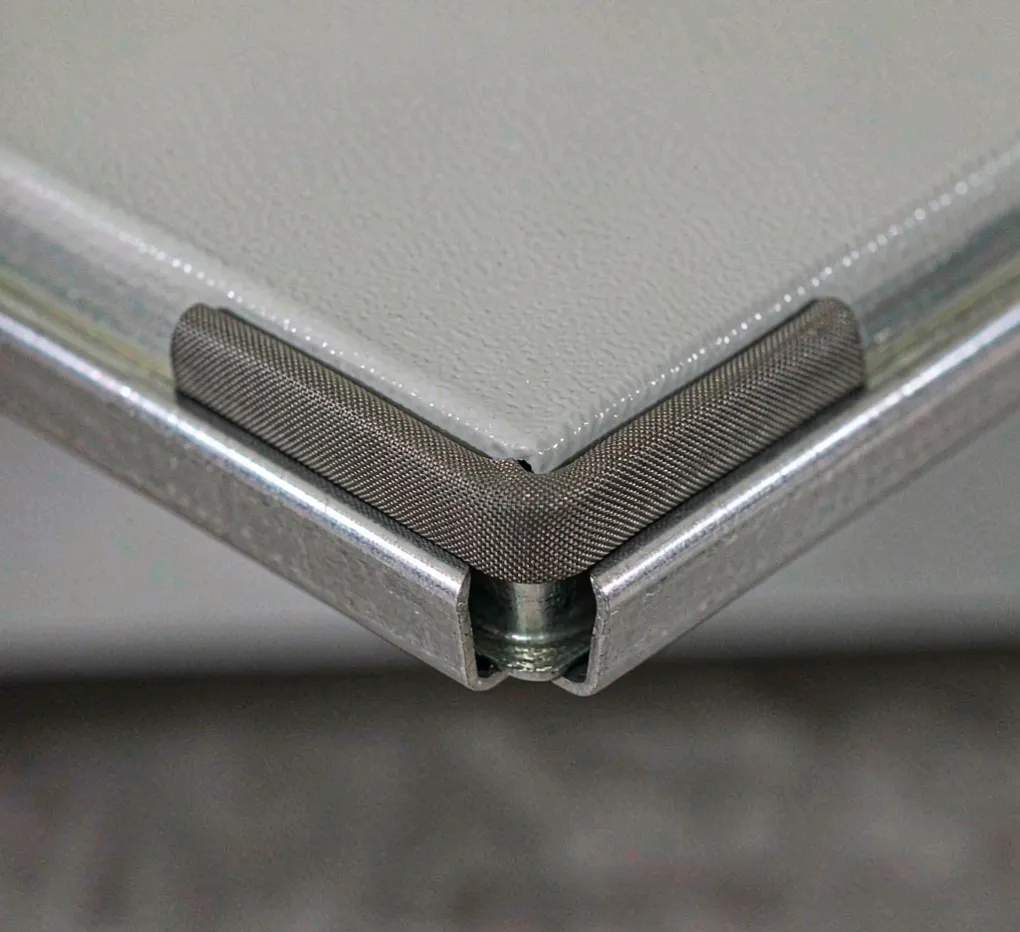
- Rittal and nVent HOFFMAN ship enclosures with the door gasket already fitted and offer conductive (tinned-copper or fabric-over-foam) EMC gaskets for the same flange. If you buy the enclosure from them, the seal is solved at source.
- Phoenix Contact and icotek sell EMC-specific entry solutions if your compliance problem is at the cable pass-through rather than the door.
- For the gasket material itself — EPDM vs silicone vs neoprene — the choice is about temperature, UV, and chemical exposure, not brand. Our gasket selection guide walks the trade-offs.
The thermal and condensation control
A sealed enclosure that cannot breathe or stay warm will condense moisture on the backplate the first time the ambient drops. That is a corrosion and short-circuit path, not a comfort issue.
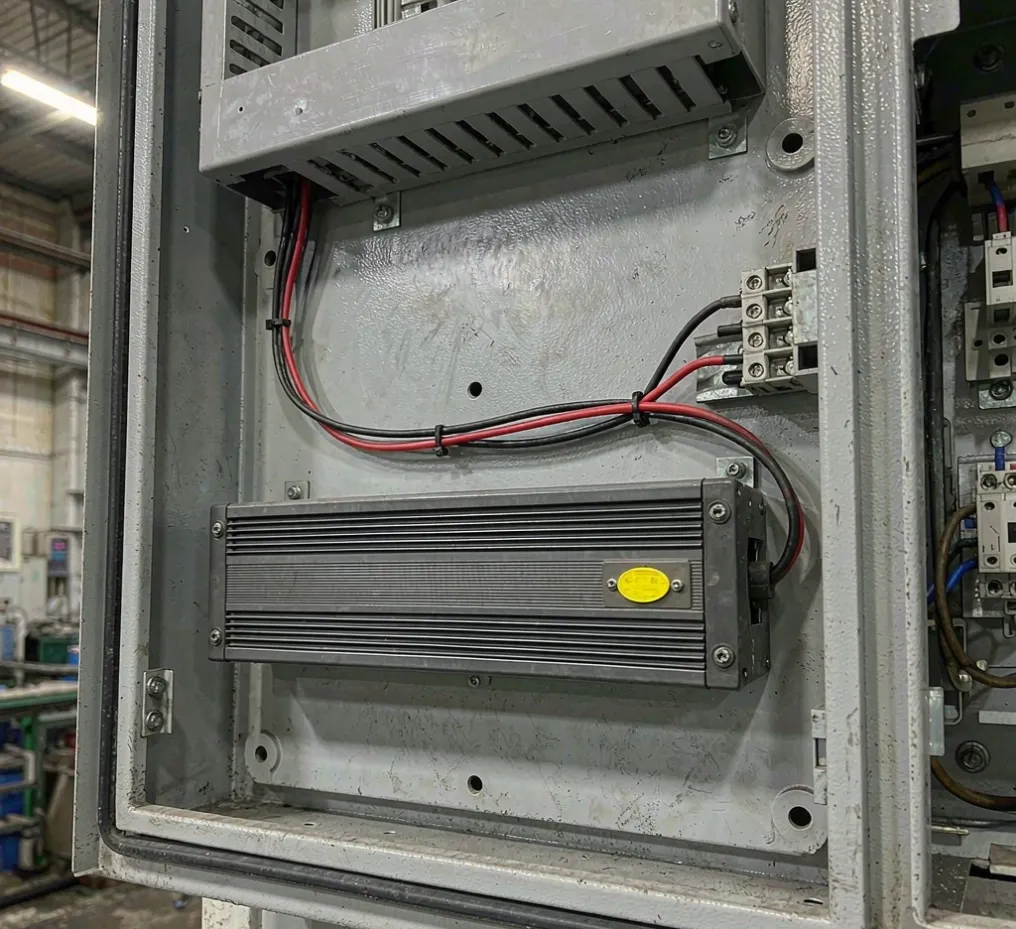
- Rittal, nVent HOFFMAN, and Schneider all sell combined heater + thermostat + sometimes filter-fan kits sized to the enclosure volume. They are the safe default because the thermal load is matched to the box.
- Our guide to preventing condensation inside outdoor cabinets covers when you need a heater alone, when you need a breather/vent, and when you need active air conditioning.
Buyer Decision — Size the heater to the enclosure's internal volume and your lowest expected ambient, not to a rule of thumb. A 10 W heater in a 2 m² floor-standing cabinet does nothing on a cold night. If you are unsure, send us the drawing and we will size it.
The door hardware
Hinges, locks, and latches are the accessories buyers forget to spec — until a quarter-turn latch freezes or a hinge sags and the gasket stops mating evenly.
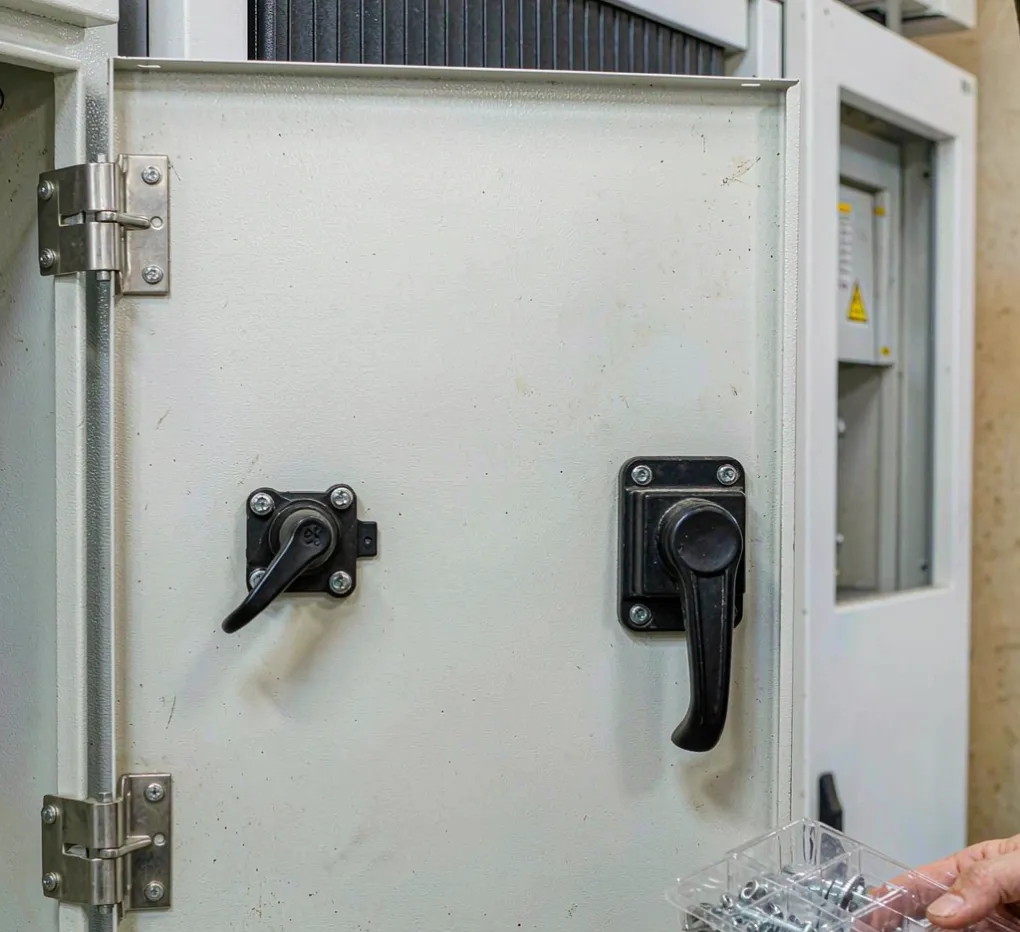
- Rittal and nVent HOFFMAN set the de-facto standard for tool-free quarter-turn latches and multi-point locking on larger doors.
- Schneider (Eldon) and ABB offer compatible hardware when you are already in their enclosure ecosystem, which keeps spares simple.
- For stainless outdoor duty, specify 316 hinges and latches, not plated steel, or the hardware rusts long before the enclosure does.
Do you have to stay within one brand?
No. Mixing is normal and often cheaper. A panel can carry a Rittal enclosure, Phoenix EMC glands, a Rittal heater, and Hawke hazardous-area glands on the few entries that need them. The only rule: every accessory must meet the same rating the enclosure claims (IP65/NEMA 4X) and the same market certification (UL for North America, ATEX/IECEx for hazardous areas).
Engineering Note — The trap is mixing ratings. A NEMA 4X enclosure with an IP67-only gland has a NEMA 4X door and an IP67 wall — and the weak point defines the panel. We verify the whole bill of materials against one rating before anything ships.
Price tier and lead time reality
Premium brands (Rittal, nVent, Hawke, Pepperl+Fuchs, Roxtec) carry a price and a lead-time premium. Mid-tier (Weidmüller, icotek, Phoenix, Schneider, ABB) close most of the performance gap at lower cost. For standard industrial panels that are not hazardous-area or UL-critical, mid-tier is usually the right call.
On lead time: branded accessories from a single Western distributor can run weeks. A sourcing partner pulling from multiple suppliers — including UL-listed factories for North America-bound panels — typically turns standard accessory kits in days, because the parts are stocked regionally rather than air-freighted.
What actually fails in the field
We see the same three accessory failures repeat across panels from every brand, and none of them show up in a spec sheet.
- The gland that was correct but assembled dry. A proper IP68 gland still leaks if the installer omits the supplied rubber washer or over-torques and cracks the compression nut. The rating lives in the assembly, not the box. On a water-treatment panel we reviewed, three of fourteen entries wept within a season for exactly this reason — the parts were fine, the build was not.
- The heater spec'd by rule of thumb. A 10 W heater in a large floor-standing cabinet does nothing on a cold night, and condensation forms on the backplate instead of being prevented. The fix is volume-based sizing, not a catalogue default.
- The mixed-rating panel. A NEMA 4X enclosure paired with an IP67-only gland carries the weaker rating at that wall. We catch this at bill-of-materials review before anything ships, which is why we verify the whole list against one standard rather than trusting the enclosure label.
Engineering Note — Most accessory failures are assembly and specification errors, not product defects. A sourcing partner's value is in catching them at the drawing stage, not in the brand name stamped on the parts.
The 60-second selection checklist
Before you lock the bill of materials, run it against this list:
- Enclosure rating decided? IP65 / NEMA 4X — everything below must match it.
- Destination market? North America → UL-listed parts (UL 50E for enclosures/glands). EU → CE / IEC 60529. Hazardous area → ATEX / IECEx on the relevant parts.
- Door seal: match gasket material to temperature range and chemical exposure, not to price.
- Cable entry: count the cables; decide individual glands vs a multi-cable transit (Roxtec) vs split frames (icotek) for service access.
- Thermal: size the heater to enclosure volume and your lowest expected ambient, not a default wattage.
- Hardware: specify 316 hinges and latches for stainless outdoor duty, not plated steel.
- Final check: verify the whole BOM against one rating before the order is placed.
Frequently asked questions
Do I have to buy accessories from the same brand as my enclosure? No. Mixing brands is standard practice as long as every accessory meets the enclosure's rated protection (IP65 / NEMA 4X) and the destination-market certification. The enclosure brand does not lock you in.
Which cable gland brands are rated for hazardous areas? Hawke (Emerson) and ABB's ex-Thomas & Betts line are the names inspectors know for ATEX/IECEx and Division-rated glands. Pepperl+Fuchs covers purge-and-pressurization for the same zones.
Are UL-listed accessories required for a NEMA 4X panel? If the panel is shipped to North America, the gland and sealing parts should carry UL 50E (or equivalent) listing, not just an IP rating. An IP-only gland can fail a US inspection. We source UL-listed factories for North America-bound panels on a per-order basis.
How do I match a gasket to my environment? By temperature range, UV/ozone exposure, and chemical contact — not by brand. EPDM covers most outdoor temperate duty; silicone holds up better at temperature extremes; neoprene is the budget option with the weakest oil resistance. See our gasket guide for the full matrix.
What is the lead-time difference between branded and unbranded accessories? Branded Western-distributed accessories can run several weeks; a multi-supplier sourcing partner typically turns standard kits in days because parts are stocked regionally. The gap widens for hazardous-area or UL-listed items.
Can a sourcing partner mix brands to hit a budget? Yes, and it is common. We combine, for example, a premium enclosure with mid-tier glands and heaters, then verify the full bill of materials against one IP/NEMA rating before shipment. You get the rating without paying the premium brand tax on every part.
Engineering takeaway
The enclosure is the frame; the accessories are what make the rating real. Spec the gasket, gland, heater, and latch to the same IP/NEMA rating and market certification as the box, choose the brand by sweet spot and budget rather than habit, and verify the whole bill of materials against one standard before it ships. If you want one source, Rittal or nVent HOFFMAN cover the panel end to end; if you want best-in-class per function, mix Phoenix or icotek for entry, Hawke for hazardous areas, and Roxtec for high cable counts.
Ready to lock the accessory list to your panel? Upload your drawing and we will run an engineering review, then send back a matched bill of materials and lead time — typically within a few working days for standard kits.