
Oct 23, 2026Buying Guides
Why Your Stainless Enclosure Rusts at the Weld (and Why 316 Isn't Bulletproof)
316 stainless still pits at the seam. The grade wasn't the problem — the crevice and the un-passivated weld were. Here's what actually buys you corrosion immunity.
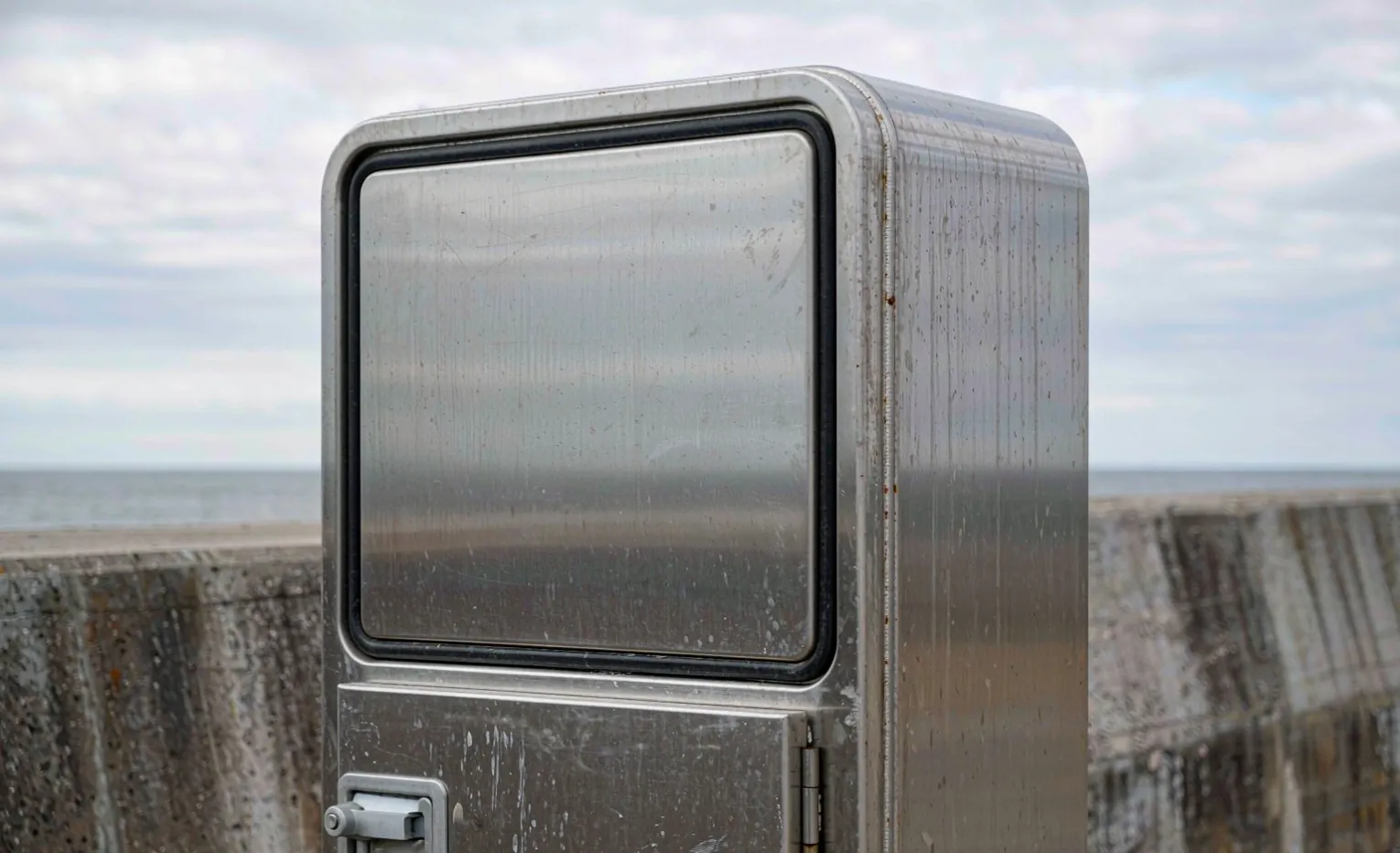
A 316L box you spec'd as "marine grade" started throwing orange stains at the weld in 14 months. Not a bad heat. Not the wrong alloy. A crevice the drawings never called out, plus a weld that never got passivated. Stainless resists corrosion—it is not immune to it, and a seam is exactly where resistance breaks down first.
We are a sourcing partner and panel-build shop, not a steel mill, so we don't make the grade you choose. But we review a lot of enclosure drawings headed for coastal, washdown, and chemical sites, and weld-line rust is the failure we get called about most. It is almost never the alloy. It is the geometry and the finish.
What the failure actually looks like
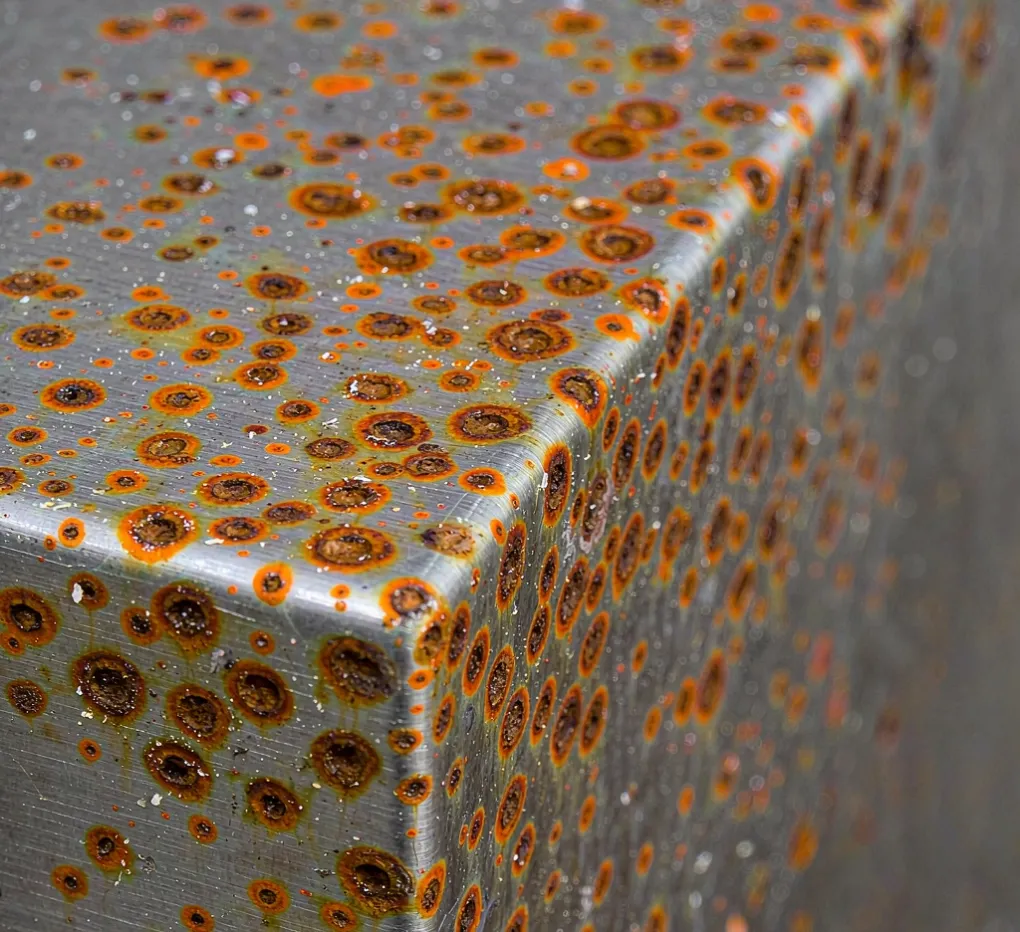
It does not show up as a dramatic hole. It shows up as:
- A thin rust weep at the welded seam, usually just above a gasket or a lap joint.
- Orange staining around fasteners that sit in a groove.
- Pitting that looks like freckles along the heat-affected zone (HAZ) next to a weld.
By the time you see it, the crevice has been quietly working for a year. The box still looks "stainless" everywhere else, which is what makes people blame the supplier instead of the design.
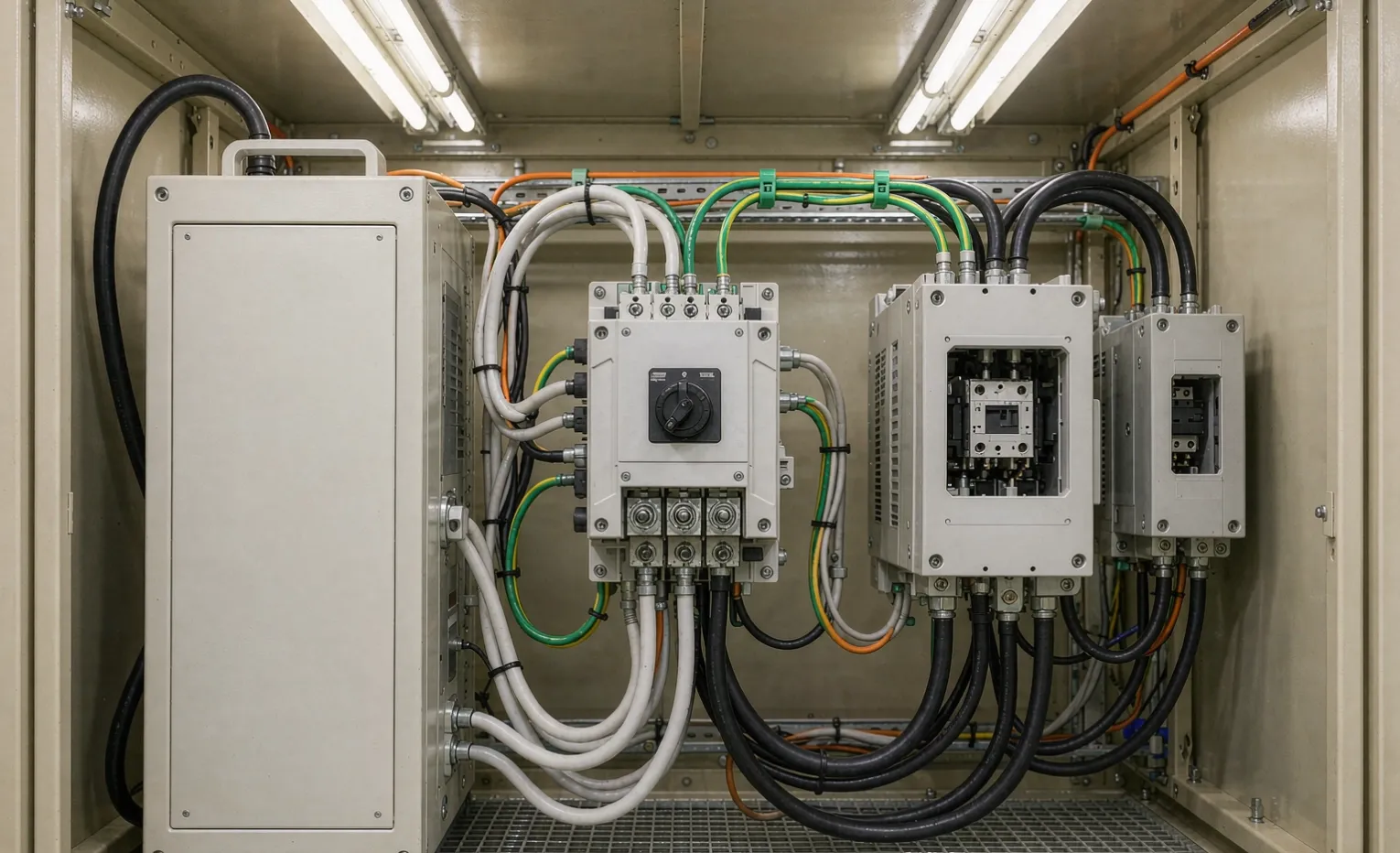
The three causes (and the check for each)
1. Crevice corrosion—the seam is the trap.
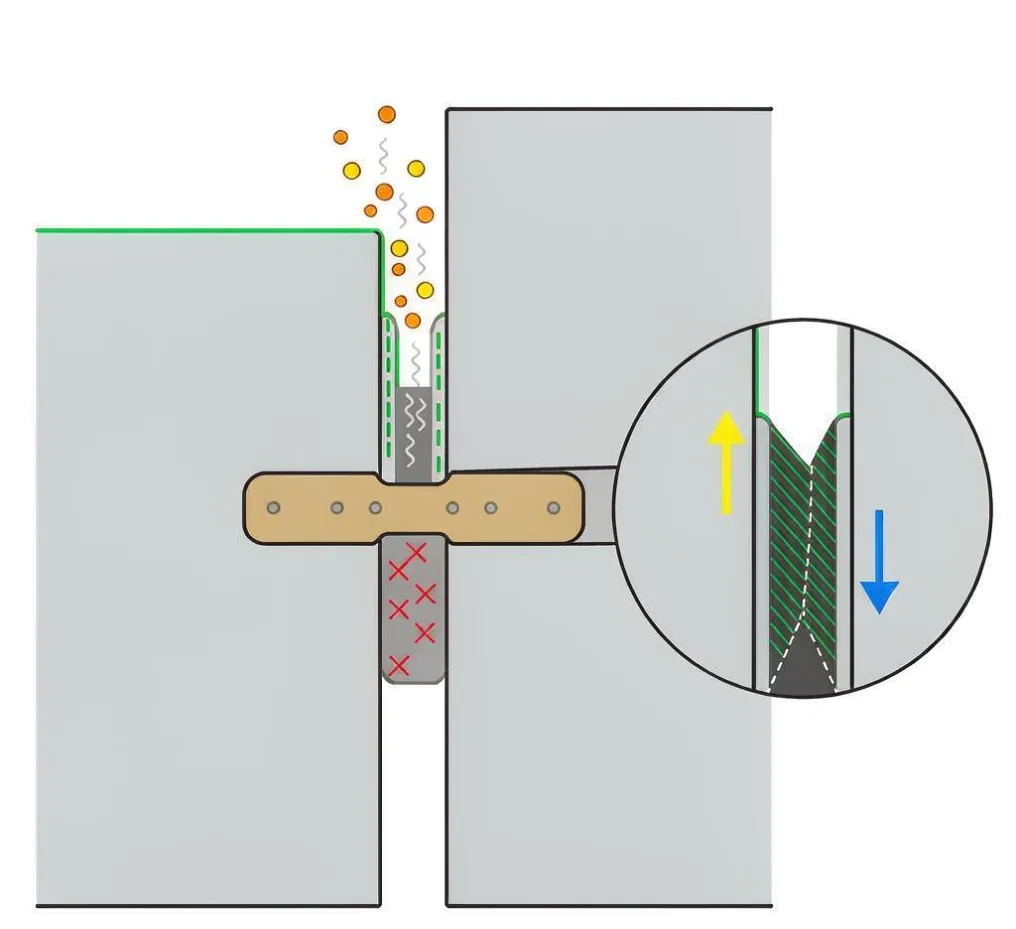
Stainless stays stainless because of a passive chromium-oxide film on the surface. That film needs oxygen to repair itself. A crevice—the gap under a compressed gasket, between two overlapping plates, or inside a fastener recess—is oxygen-starved and stays wet. Chloride ions (salt spray, washdown chemicals, even road salt in the air) concentrate there and punch through the passive layer. The grade barely matters once you've built a sealed, wet pocket.
Check: anywhere two surfaces meet and stay damp, you have a crevice. Gasket compression grooves, lap joints, and bolt heads in counterbores are the usual suspects.
2. Weld sensitization—the heat weakens the film.
When you weld 316, the heat along the seam can pull chromium out of solution and lock it up as chromium carbide (sensitization). That leaves the metal next to the weld starved of chromium—exactly where you need it most. 316L exists for this reason: the "L" is low carbon, so it resists sensitization during welding. A 316 box welded without the L grade, or welded hot and slow, can corrode right at the bead.
Check: ask for 316L (not 316) on any enclosure that will be welded. If the shop already cut 316, ask what welding procedure keeps the HAZ out of the danger zone.
3. No passivation—free iron is the seed.
Cutting, grinding, and welding throw tiny particles of free iron onto the surface. Left there, those particles rust first, and the stain creeps onto the stainless. Passivation (typically per ASTM A967) dissolves that free iron and rebuilds the chromium oxide layer. Skip it and you've planted the seed yourself.
Check: the drawing should call for passivation after fabrication, not just "made from 316L. " Fabrication creates the contamination; passivation removes it.
Grade vs. environment—a realistic table
People reach for a higher grade as a reflex. Sometimes that helps. Often it doesn't, because the crevice, not the chemistry, is doing the damage.
Environment | 304 | 316 | 316L | What actually moves the needle |
|---|---|---|---|---|
Indoor, dry | Fine | Fine | Fine | Material choice is irrelevant. |
Occasional washdown, low chloride | Borderline | Good | Good | Passivation + drainage |
Coastal / salt air | Rusts | Slows, still pits at crevices | Slows, still pits at crevices | Seal design + passivation beat grade |
Continuous chloride wash | Fails | Fails at crevices | Fails at crevices | Crevices must be eliminated or go duplex/coated. |
The point: 316 buys you a slower clock, not a different outcome, if you keep the crevice. IEC 60529 defines the IP rating that keeps water out; NEMA 250 adds corrosion-relevant notes for NEMA 4X. Neither standard test for the chloride crevice corrosion that actually ends these boxes.
Engineering Note: A NEMA 4X label means the box passed a hose-down and a corrosion screen — it does not mean it will survive a salt-air crevice for a decade. Treat the label as "tested," not "immune."
What actually fixes it (put these in the RFQ)?
You don't beat crevice corrosion by paying for a fancier alloy. You beat it with geometry and finish:
- Specify 316L, not 316, for anything welded. Low carbon is cheap insurance.
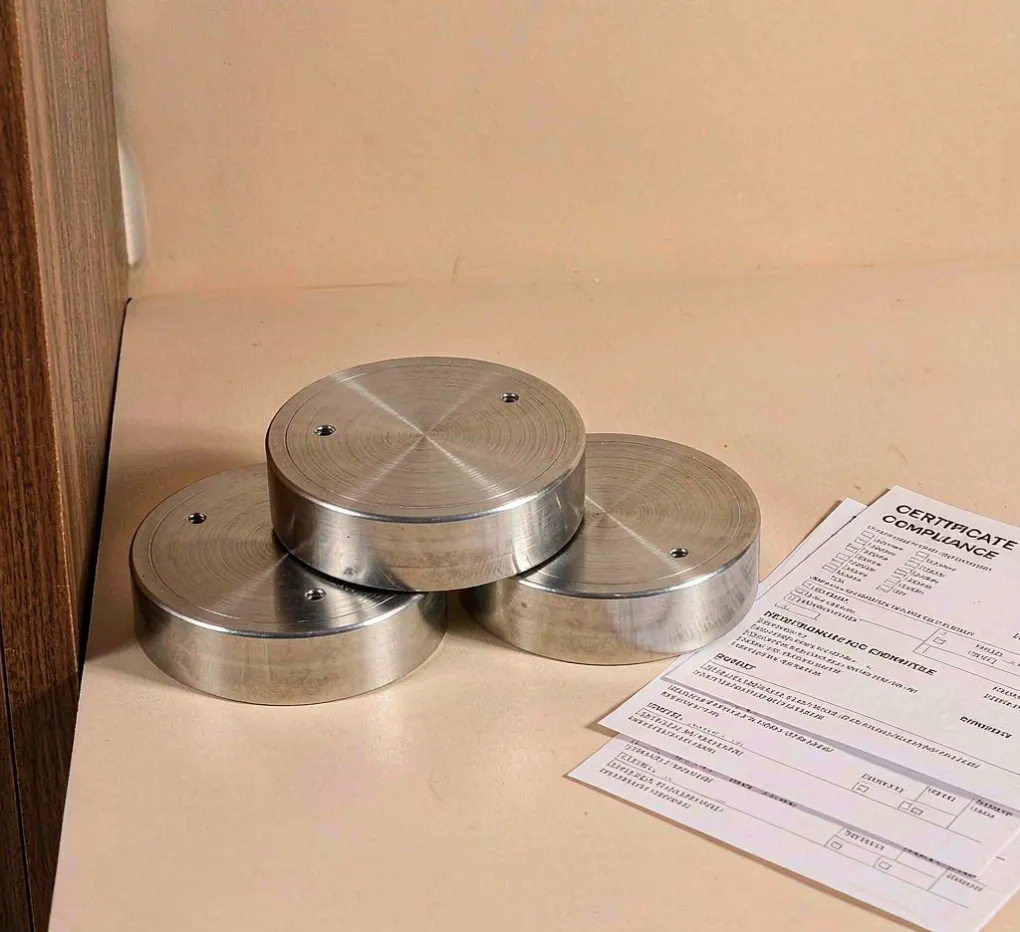
- Require passivation after fabrication (ASTM A967 or equivalent). Free iron is a self-inflicted wound.
- Design out the crevice: continuous welds instead of gasket-sealed lap joints where possible, drain holes so seams don't sit in a puddle, and standoffs that keep the box off the wall.
- Avoid carbon-steel fasteners in stainless—a plain steel bolt in a stainless panel is a rust fountain. Use 316 hardware, or isolate it.
- For brutal chloride sites, consider a coated carbon-steel or duplex stainless body; the coating, not the base alloy, is what seals the crevice.
The facts we confirm on every stainless enclosure we source
So you can drop these straight into a spec:
- Material: carbon steel, 304, 316, or 316L stainless, or hot-dip galvanized. We don't build in aluminum—it doesn't survive the coastal and washdown duty our buyers run.
- Rating: IP65 or NEMA 4X for outdoor, washdown, and coastal service. They are not the same test; ask for both callouts.
- Lead time: empty enclosures typically run a 5-unit minimum and about 15 days. A full control panel built around the enclosure starts from one unit after drawing and BOM review, roughly 35–40 days. Component orders ship in 3–5 days.
- Certification: when a UL50E enclosure listing is required, we find a UL-listed shop per order—we are not one ourselves.
FAQ
Isn't 316 "marine grade" supposed to never rust?
No. 316 resists chloride far better than 304, but it still pits in a crevice where oxygen can't reach the passive film. "Marine grade" is a marketing phrase, not a corrosion warranty.
My enclosure is 316, but only the weld is rusting—why there?
The weld is the triple hit: sensitization starves the chromium near the bead, fabrication leaves free iron on the surface, and the seam is usually a crevice that stays wet. Three causes, one location.
Will switching to 316L stop the rust?
It removes the sensitization cause. If the real problem is a gasket crevice that never dries, 316L alone won't save you—you also need passivation and crevice design.
How do I know if a shop actually passivated the box?
Require it in writing on the drawing and ask for the process reference (ASTM A967). A shop that can't name the process probably didn't do it. A simple check: a copper-sulfate test will show residual free iron.
Does a NEMA 4X rating mean it's corrosion-proof?
No. NEMA 4X confirms hose-down and a corrosion-screen performance, not long-term immunity to chloride crevice attack. Don't let the label do your specifying for you.
Should I just coat a carbon-steel box instead of paying for stainless?
On a high-chloride site, a well-coated carbon-steel or duplex body can outlast a poorly designed 316 box, because the coating seals the crevice the alloy can't. It depends on the coating quality and the crevice design, not the base metal alone.
Engineering Takeaway
Stainless doesn't fail because you picked the wrong number—it fails because you built a wet, oxygen-starved pocket and skipped the finish that keeps the passive film alive. Specify 316L, require passivation after fabrication, design the crevice out with drains and continuous welds, and a "marine grade" box will actually earn the name. The enclosure sourcing guide covers the rest of the spec; the electrical enclosures solution page shows what we build around.
Send us your enclosure drawing, and we'll flag weld-line and crevice corrosion risks before the steel is cut, not after the first rust stain shows up on site. Tell us what you're building here.