
Sep 27, 2026Buying Guides
Why Outdoor Electrical Enclosures Fail Early (and How to Not Buy a Dud)
A field-level look at why outdoor electrical enclosures fail early — condensation, wrong metal, cheap seals — and the questions buyers should ask before they buy.
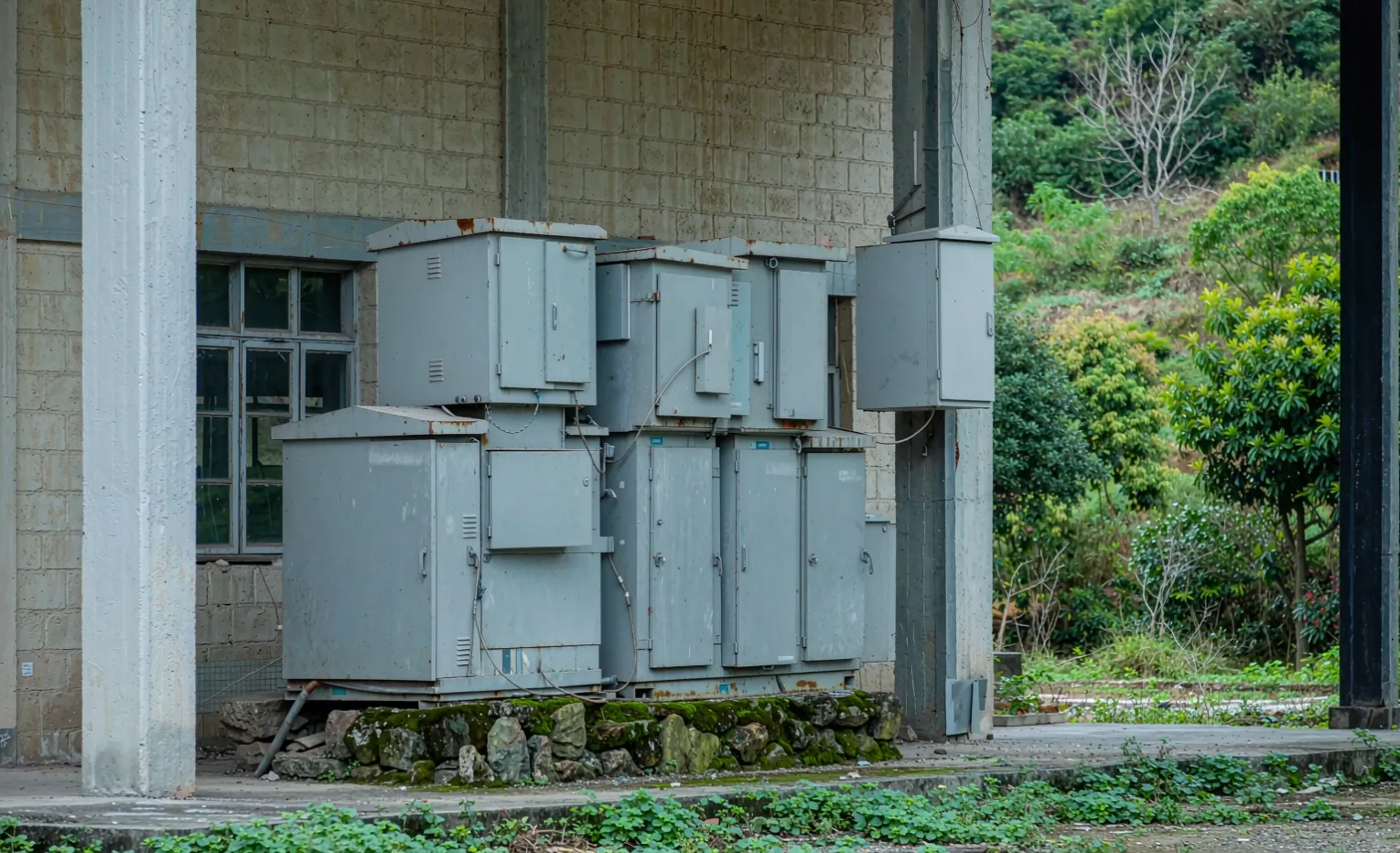
I get this call more than you'd think. A buyer rings up, a little frustrated. "The enclosure we bought 18 months ago is already rusting. Last month a VFD tripped and killed the line for a day. We paid good money. What gives?"
Here's the thing. Most premature enclosure failures aren't bad luck. They're a short list of preventable causes. And almost all of them trace back to one moment — the day someone spec'd the box on price alone.
This piece is the field-level companion to our broader write-up on the top 10 mistakes when specifying outdoor enclosures. That one is the checklist. This one is the "why it actually went south" version, from the bench.
One line to remember: an enclosure fails early because the environment won, not because the brand was cheap. The spec didn't match the site.
A quick note on who's talking. We're a sourcing partner and panel-build shop, not the company that makes the steel. We specify, source, and build enclosures and the controls inside them. So the advice below is the same stuff we tell a buyer before we ever quote — and it's the stuff that keeps enclosures out of the failure pile.
The silent killer: condensation, not rain
Rain gets the blame. Usually wrong.
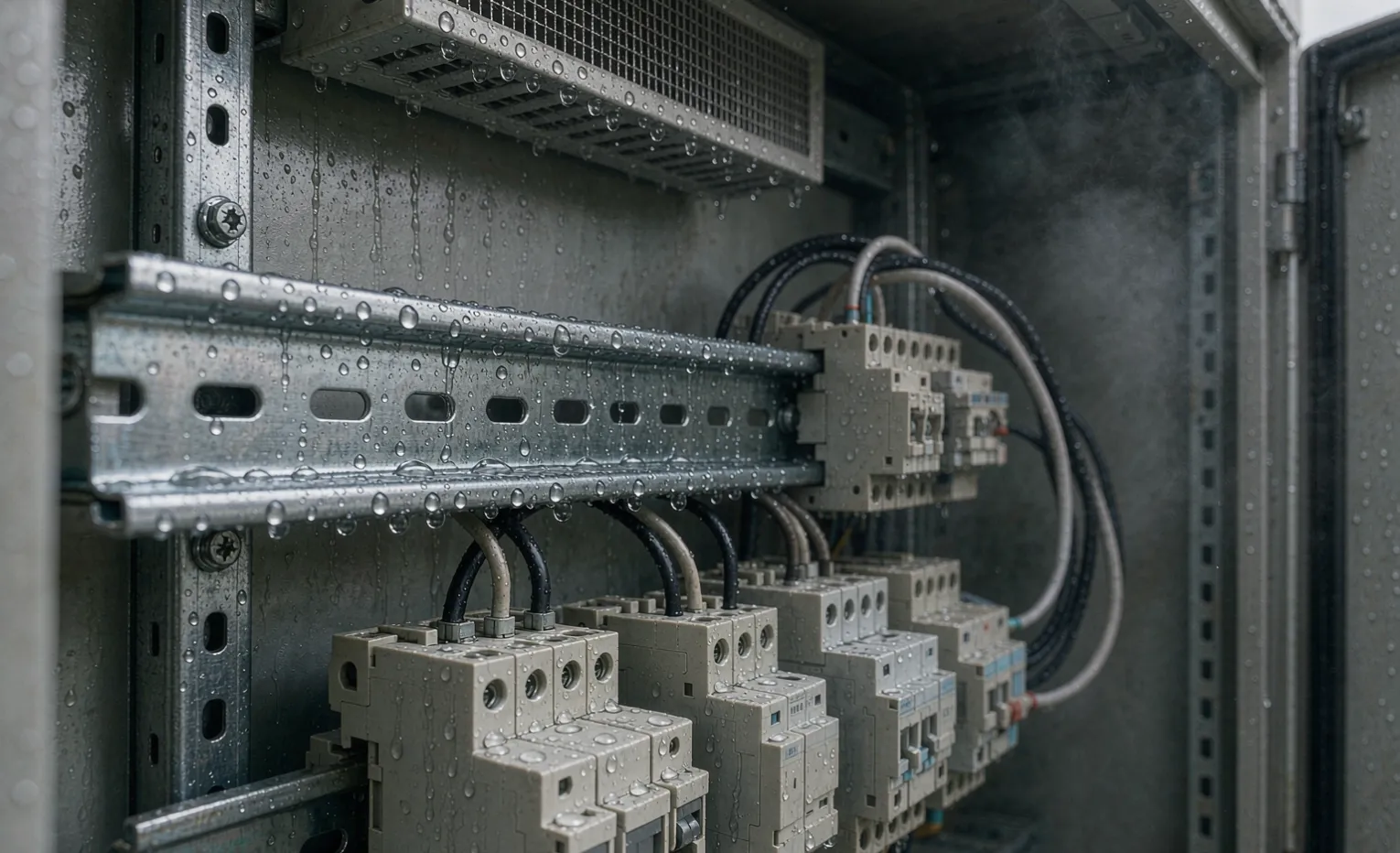
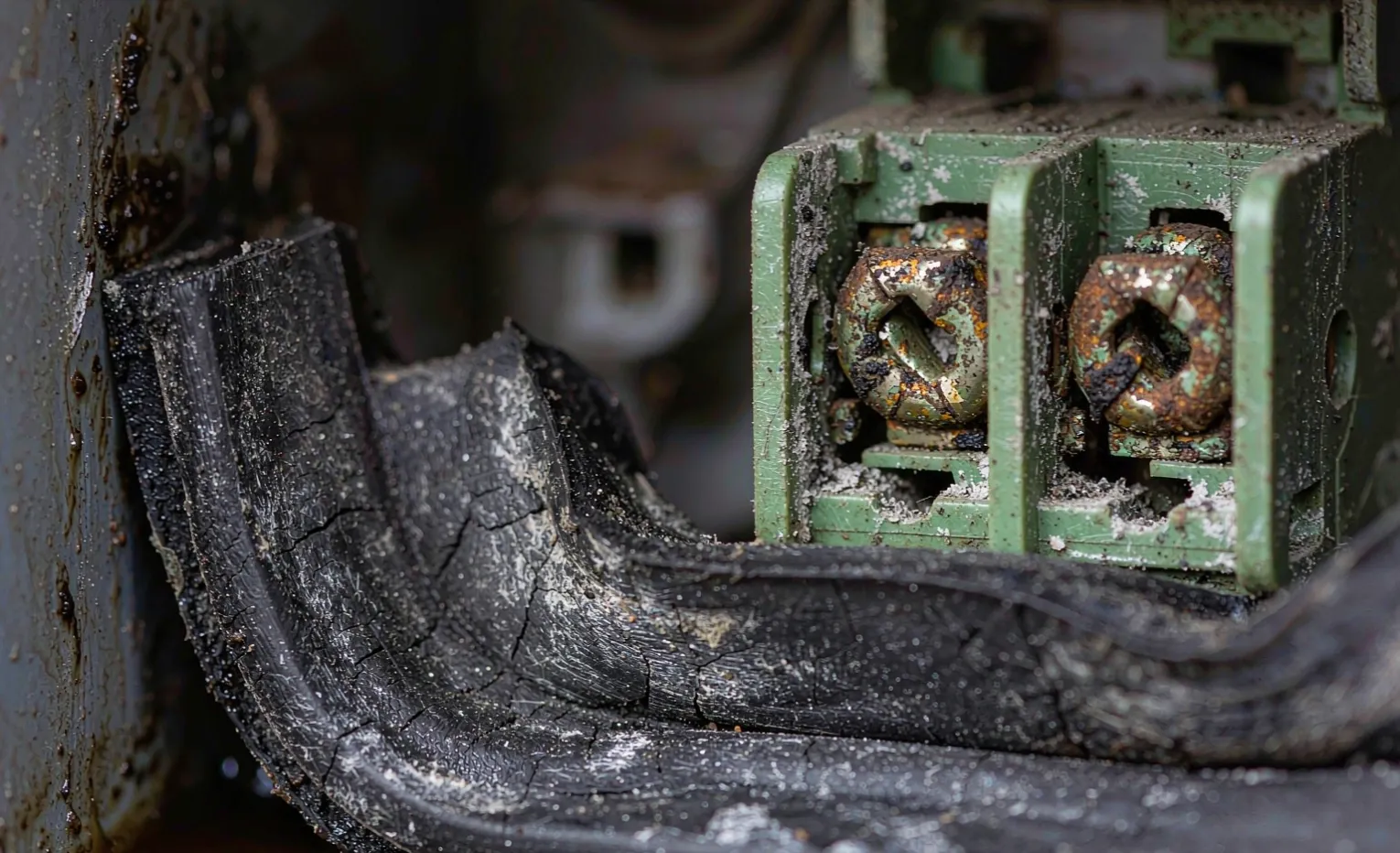
The real culprit is condensation. Warm, humid air gets trapped inside during the day. At night the metal cools, drops below the dew point, and water beads onto your terminals and drives. I've pulled apart "waterproof" IP66 boxes with a puddle sitting on the relay. The rating stops rain coming in. It does nothing about moisture born inside the box.
That's the kicker most buyers miss. NEMA 4X and IEC 60529 (the IP code) cover ingress from outside. They do not cover condensation from a temperature swing. You fix that with a small thermostat-controlled heater, or by designing the thermal path so it never forms. Skip it, and you've bought a sealed aquarium.
Wrong metal for the site
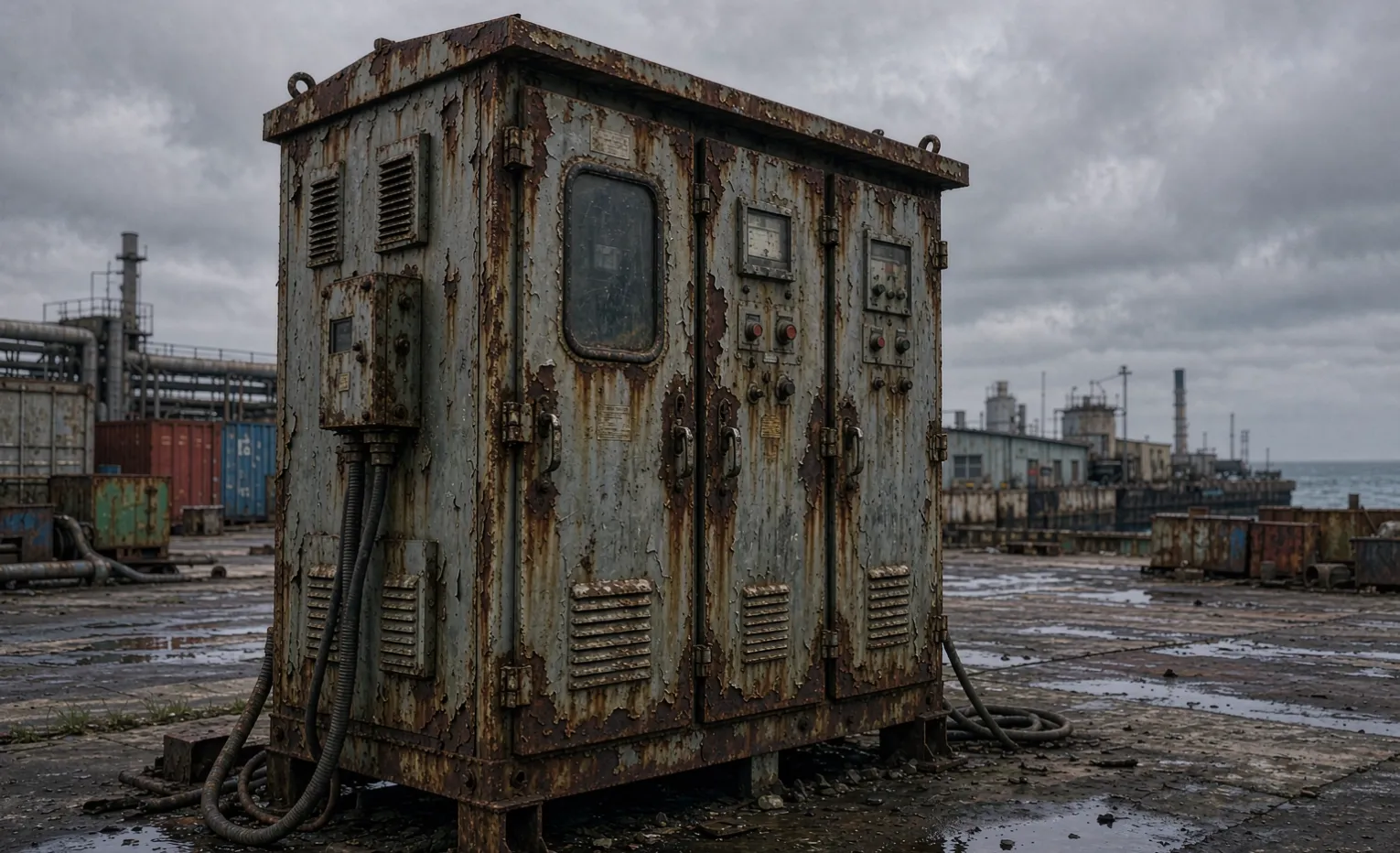
Coastal site? Salt air eats bare carbon steel alive. Paint helps — until a scratch opens a pinhole and rust creeps under the film. We've seen painted-carbon enclosures go from fine to flaking in about 14 months near a port.
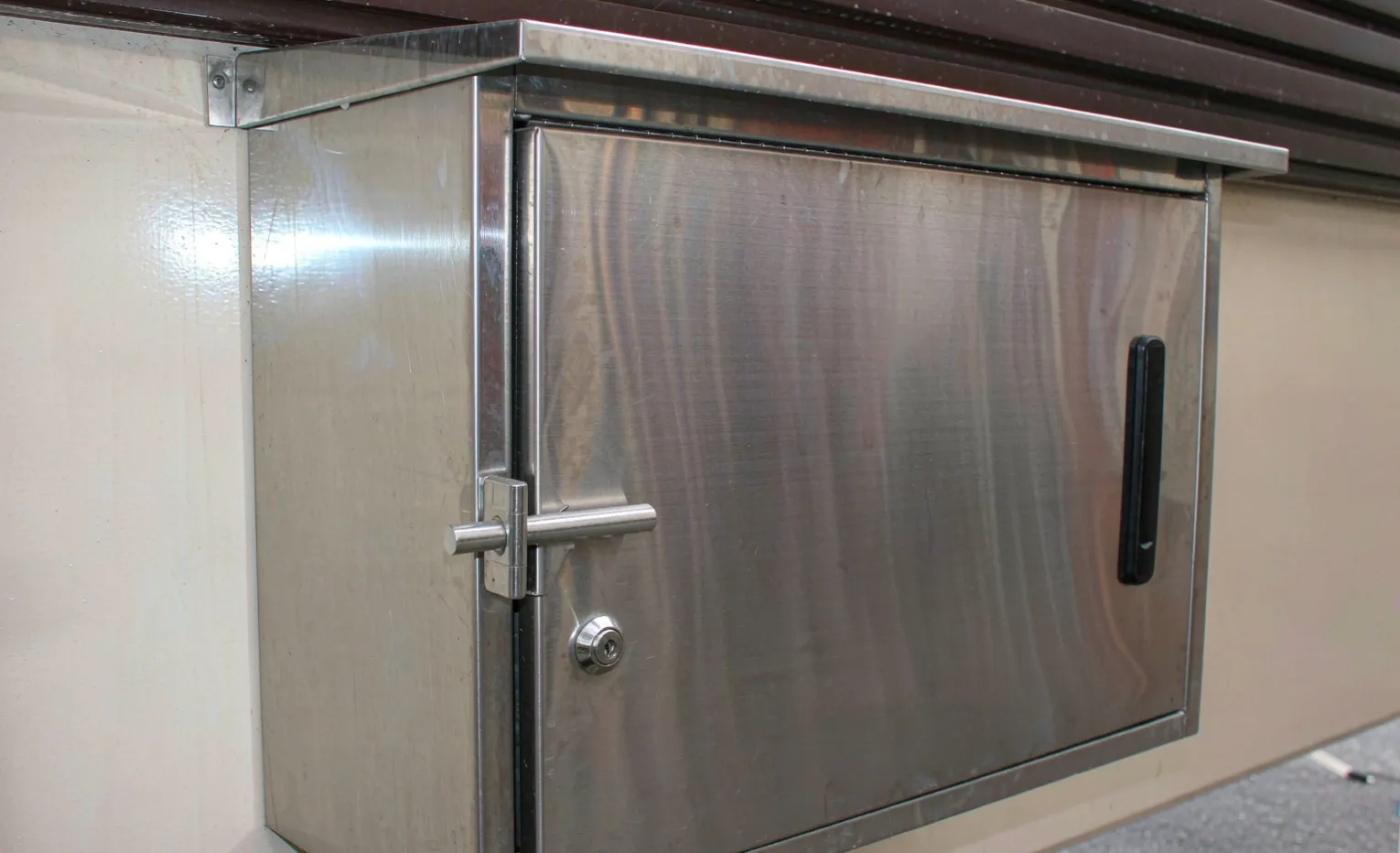
304 stainless buys you years. 316 buys you a decade in the salty stuff. We don't push aluminum here — it doesn't earn its keep for this job, and we don't run a plant that makes it. We pick the grade that fits your site and your budget, and we'll say so straight.
Cheap seals and gaskets
The gasket is the unsung hero. A cheap PVC or foam gasket turns brittle in two summers and cracks. Then every rating on the label is a lie. We spec EPDM or silicone that stays flexible in the cold. Sounds minor. It's the difference between a sealed box and a sieve by year three.
It cooks itself
Sun-baked enclosure in the tropics? Internal temp climbs, electronics age fast, the HMI goes dim, the PLC gets cranky. A little shading, a fan-filter, or an AC at the right load — that's the gap between a box that lasts and a box that slowly cooks its own brains.
A real case: the "we saved a few bucks" line
Quick story. A food processor we work with, coastal Southeast Asia. Tight budget, smart people. They bought painted-carbon enclosures to save a little per unit across a line upgrade. Fourteen months in: three cabinets had condensation-driven corrosion, and one VFD tripped and cost them a full production day.
We re-spec'd. 316 for the salt-exposed spots. Proper EPDM gaskets. A small heater in each to kill the dew-point swing. IP66 where washdown happened. Two years on, zero failures. The enclosures cost more up front. The first line that didn't stop paid it back.
That's not a slogan. That's the buyer's own math.
What to ask before you buy
If you're sourcing an outdoor enclosure, here's what I'd ask the supplier. If they squirm, that's your red flag:
- "Is this rated for rain, or for internal condensation too?" If they only say IP66, push on the heater question.
- "What grade is the metal, and what's it rated against at my site — not in a lab?"
- "What's the gasket material, and how long before it cracks?"
- "Can I see FAT records — a condensation or thermal check, not just a pretty photo?"
We build to NEMA 4X and UL 50E, and we rate to IEC 60529 IP codes (the authority behind those ratings is worth a read at nema.org if you want the letter of the law). But a certificate is only as good as the spec behind it. The four questions above are where the rubber meets the road.
Buyer advice, straight
Don't buy the box on unit price and ignore the site. Penny-wise, pound-foolish. The enclosure is cheap. The stopped production line isn't.
Match the metal to the environment, not to the catalog. Inland and dry? Coated carbon or 304 is fine. Coastal or washdown? 316 earns its cost. Make condensation control a line item, not an afterthought. And ask for FAT records before the truck leaves — a supplier who won't show them is telling you something.
FAQ
Do IP66 or NEMA 4X enclosures stop condensation? No. They stop water getting in from outside. Condensation forms inside from temperature swings. You need thermal management — a heater or controlled ventilation — for that.
Is stainless steel always the answer? No. Inland, dry sites do fine with coated carbon or 304. Coastal or washdown, 316 earns its cost. Match the metal to the site, not to the brochure.
How long should a good outdoor enclosure last? A properly spec'd one — right metal, good gasket, condensation control — should give you 10+ years. If it's failing in under two, the spec was wrong, not the box.
Do you make the enclosures yourselves? We don't make the steel. We're a sourcing partner and panel-build shop. We specify, source, and build the enclosure and the controls inside it. One accountable party, instead of you chasing three vendors.
What's the single biggest mistake buyers make? Buying on unit price and ignoring the site. The enclosure is cheap; the downtime isn't.
Can you check an enclosure before it ships? Yes. We run FAT — factory acceptance — and share the records, including thermal and seal checks. Ask for them. A supplier who won't show FAT is waving a red flag.
Related guides
Want a second set of eyes on your enclosure spec before you buy? Upload your drawing for an engineering review — we'll flag the condensation, material, and seal risks before they become a stopped line. For the broader sourcing picture, start with our electrical enclosure sourcing guide, or talk to us about a built panel through our custom enclosure solutions.