
Oct 9, 2026Buying Guides
Servo Control Panel Design Guide: Lay Out Drives Without Cooking the Box
Servo panels fail from heat, EMI, and bad grounding — not the drive brand. Lay out drives, brakes, and feedback cables so the cabinet stays cool and quiet.
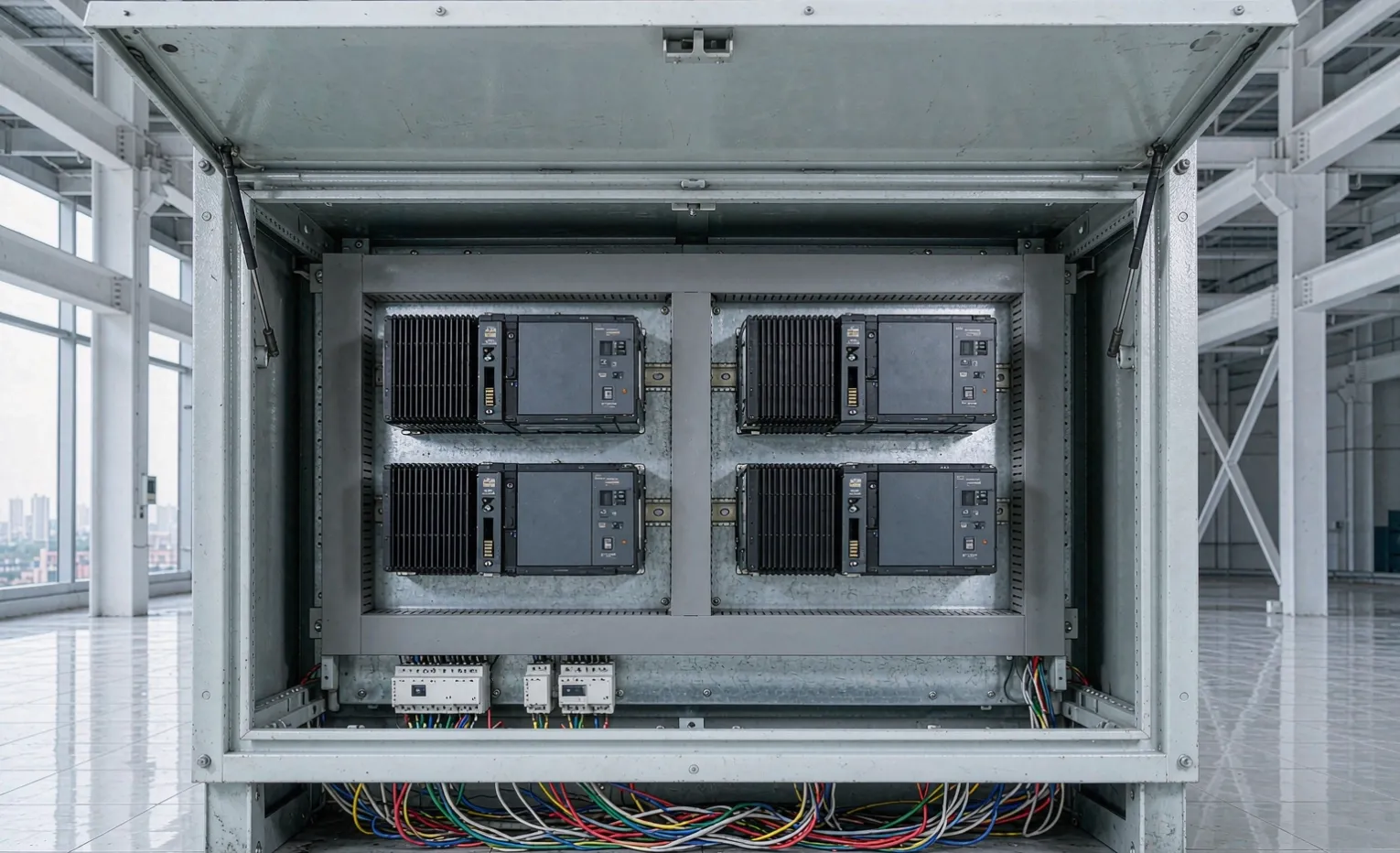
A servo panel lives or dies by how you lay it out. The drive brand barely matters. I've seen panels with top-shelf Mitsubishi and Yaskawa drives cook themselves because nobody thought about heat, shielding, or where the feedback cables ran. Get the layout right, and even a modest build stays cool, quiet, and stable for years.
Quick boundary: we build the panel around the servos you specify—Mitsubishi, Siemens, ABB, and Yaskawa, among them. We're a sourcing partner and panel-build shop, not a drive manufacturer, and we don't write the machine's motion program. What we own is the steel, the layout, and the wiring that makes the drives behave. Customer-supplied drives? We build around those too—send the drives, and we handle the cabinet, cooling, and wiring.
The three ways a servo panel actually dies
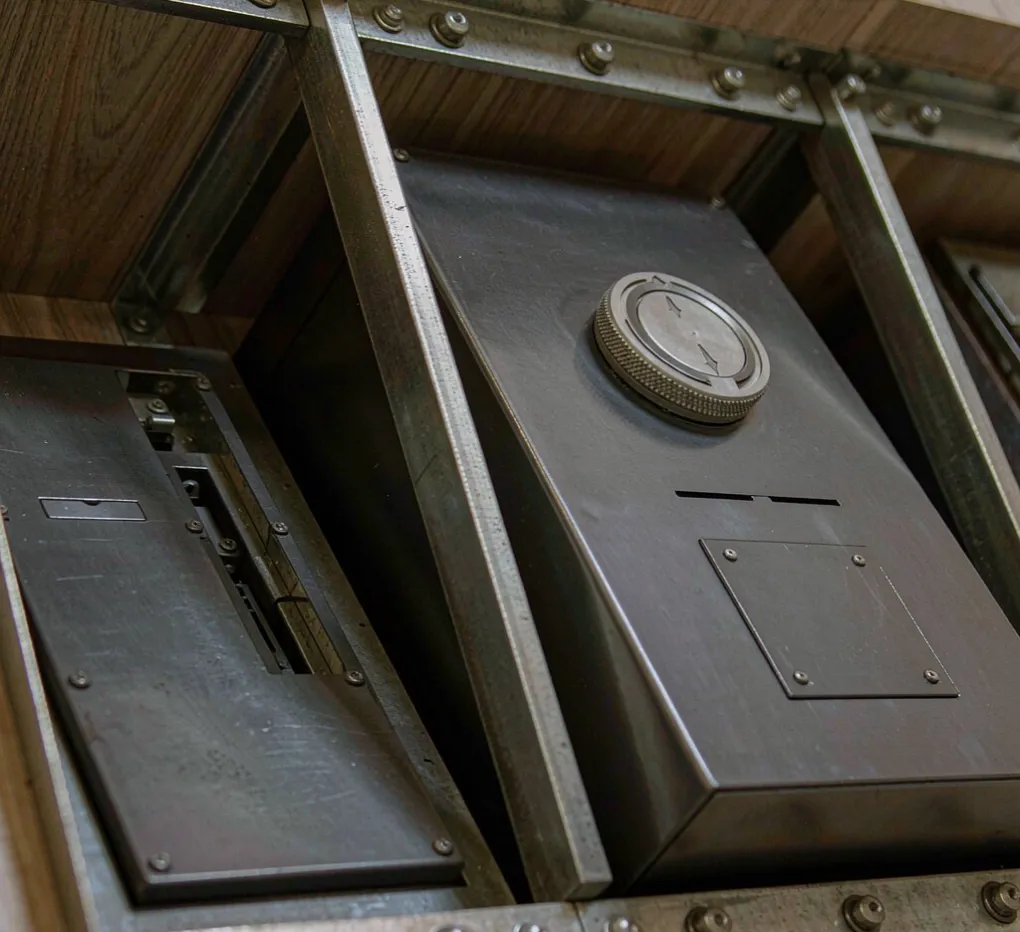
Most servo failures in the field aren't drive defects. They're layout defects. Three of them show up again and again.
1. Heat—the silent one
Servo drives are efficient, but not magic. A drive runs at roughly 95–98% efficiency, which means 2–5% of its rated power leaves as heat inside your cabinet. Size a 10 kW servo and you're dumping 200–500 W of heat into a closed box. Now add regenerative braking: a vertical axis or a fast decel throws energy back, and if there's nowhere for it to go, the DC bus climbs until something trips.
The fix is boring, but it works: give the drive bay its own space, plan the exhaust path, and put a braking resistor or a regen unit on axes that regenerate. Don't bury drives behind a wall of contactors and hope.
2. EMI—the noisy one
Fast switching plus sensitive feedback is a recipe for noise. The classic symptom: the encoder reads garbage, the axis jitters, and everyone blames the drive. Nine times out of ten the feedback cable is the problem.
The fix is discipline: use the manufacturer's own double-shielded feedback cable—generic cable fails EMI testing every time—and keep it away from power wiring. NFPA 79 and IEC 60204-1 both call for separation of control and power circuits; in practice that means a physical divider or a routed gap, not "they're in the same bundle, but it'll be fine."
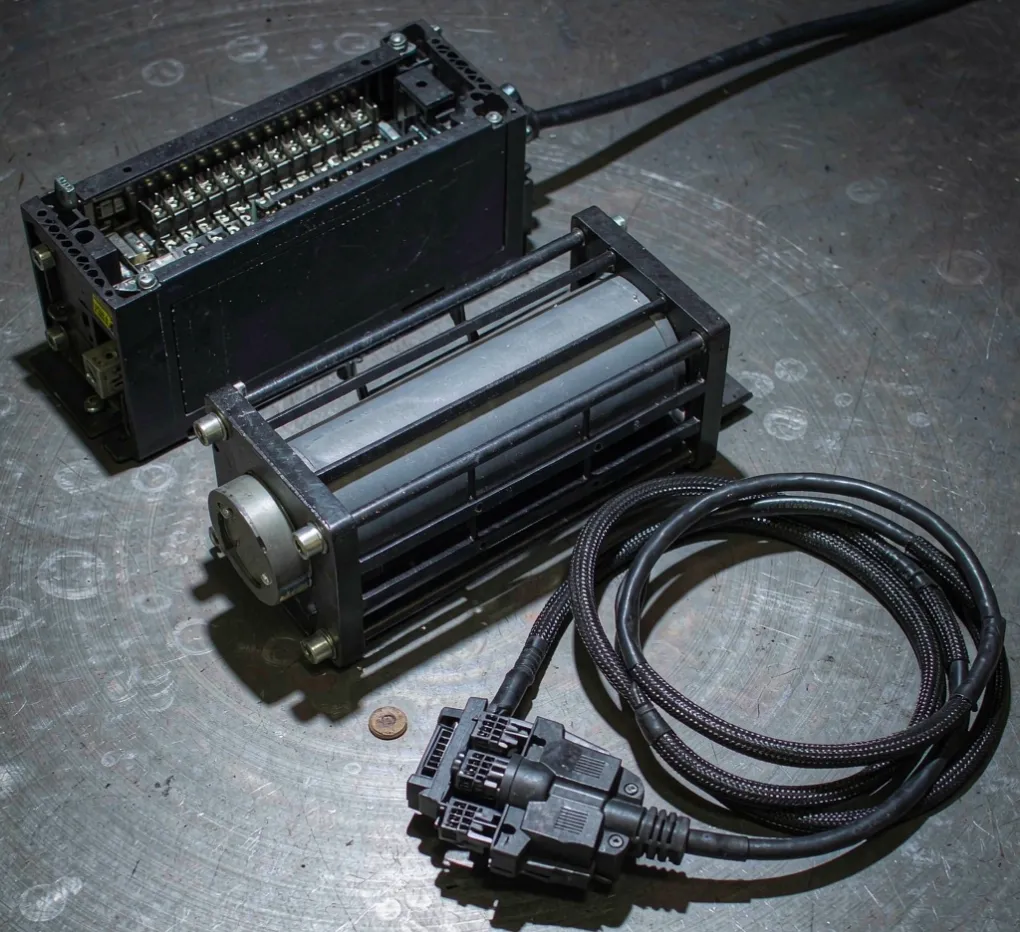
3. Grounding—the one people skip
Floating shields and unbonded cabinets inject noise that no drive setting fixes. The fix: bond the cabinet to a known ground, ground the drive chassis, and terminate the feedback shield properly—at one end per the drive maker's rule, or both ends where their documentation calls for it. Use a clean star point for signal grounds so you're not daisy-chaining returns through the door hinge.
How we lay it out
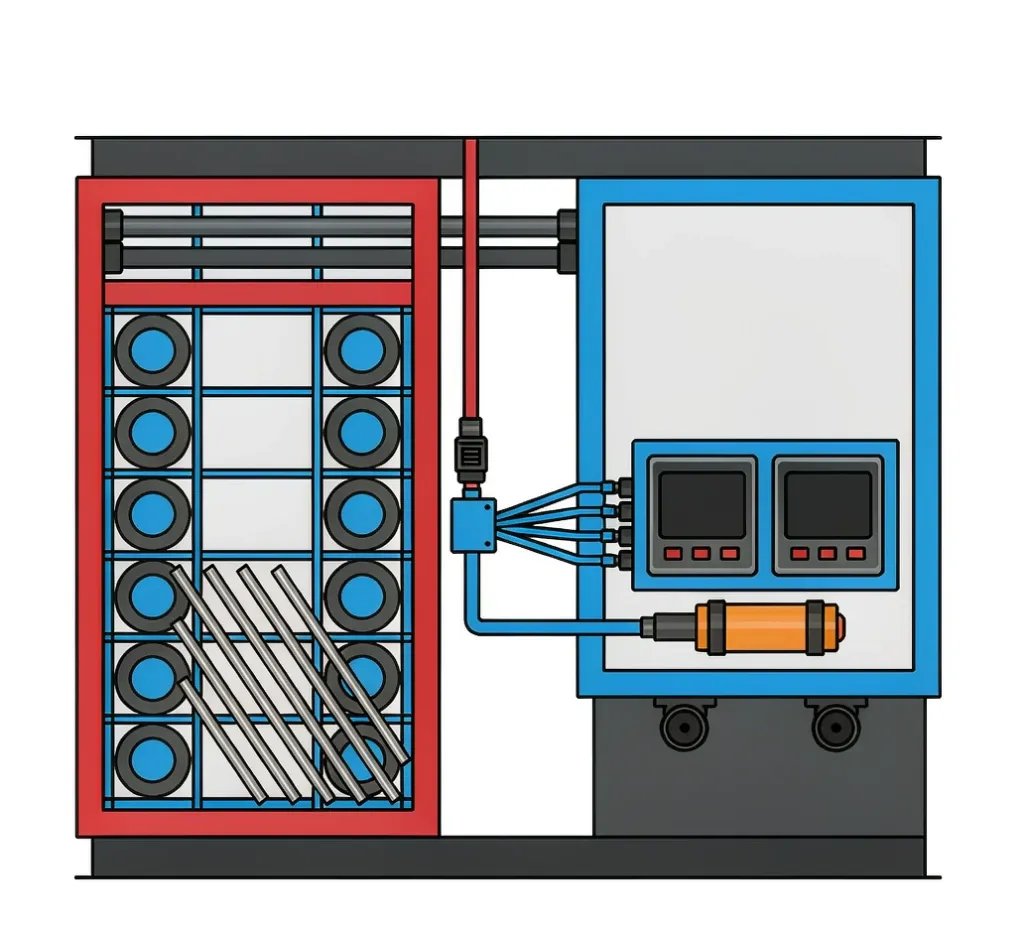
Here's the decision table we use before a servo panel leaves the shop. None of it is exotic—it's just written down instead of left to chance.
Decision | Rule of thumb | Why it matters |
|---|---|---|
Drive bay separation | Separate the power drive section from the controller/IO bay. | Cuts conducted and radiated noise at the source |
Cooling | Exhaust path + fan filter for the drive bay; resistor outside if regen is heavy | Keeps the 2–5% loss from stacking into a hot box |
Braking | Braking resistor or regen unit on regenerating axes | Stops DC-bus overvoltage trips on decel |
Feedback routing | The manufacturer double-shielded the cable, routed away from the power. | Prevents encoder noise and intermittent faults |
Grounding | Bonded cabinet, chassis-grounded drives, single star point | Removes the noise no setting can fix |
A build we stopped at FAT
A packaging-machine OEM brought us a panel with four servos for a cartoner. The first layout had the drives stacked in one bay with the feedback cables zip-tied alongside the motor power—and a vertical axis with no braking path. On the test rig the encoder dropped frames and the vertical axis faulted on every fast stop.
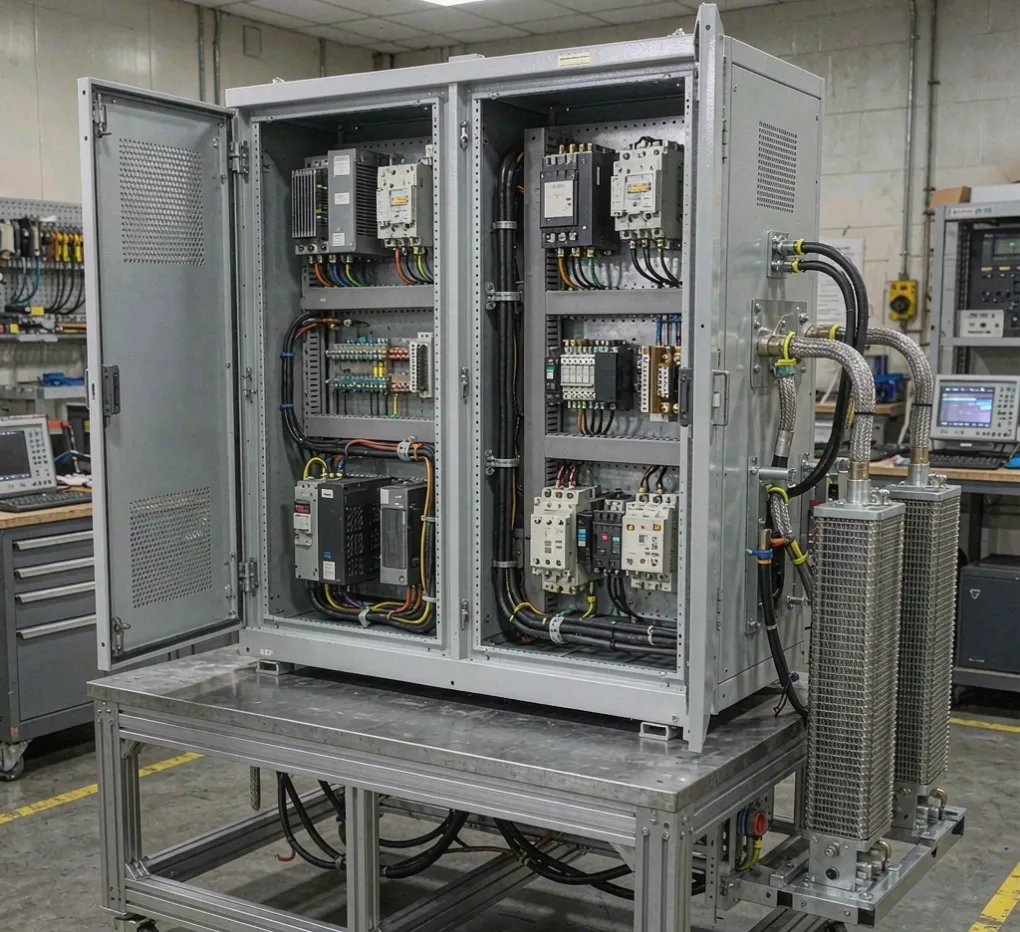
We re-spun it: split the drive bay from the control bay, ran feedback in its own tray with a metal divider, added braking resistors on the two regenerating axes, and put the resistors outside the sealed section. The retest passed clean. The drives never changed—the layout did.
FAQ
Do you make the servo drives?
No. We're a sourcing partner and panel-build shop. We build the enclosure and wire the drives you specify—Mitsubishi, Siemens, ABB, and Yaskawa, among them.
How much heat does a servo drive actually make?
Roughly 2–5% of its rated power. A 10 kW drive sheds 200–500 W into the cabinet, so cooling is a layout decision, not an afterthought.
Can I use any cable for the encoder?
Use the manufacturer's double-shielded feedback cable. Generic cable fails EMI testing and gives you intermittent, maddening faults.
Do I need a braking resistor?
If the axis regenerates—vertical loads, fast decel—yes, or a regen unit. Without it, the DC bus overvolts and the drive trips.
What standard governs the layout?
NFPA 79 and IEC 60204-1 for cable separation and grounding; UL 508A for the panel build itself.
How long does a servo panel take to build?
An empty cabinet runs a 5-piece minimum and about 15–20 days. A full panel build from a reviewed drawing is typically 35–40 days after you sign off.
Engineering takeaway
A servo panel's reliability is decided on the layout table, not the bill of materials. Separate the drive bay from the control bay, cool the 2–5% loss, brake the regenerating axes, run the manufacturer's shielded feedback cable away from power, and bond the ground properly. Do those five things, and the brand on the drive is the least interesting part of the build.
Related guides
If your panel sits on a moving skid or near a pump, pair this with our enclosure vibration isolation guide—a servo panel on a shaking base needs both a good layout and a good mount.
We cover the broader build-and-ship process in our electrical enclosure supplier's guide to sourcing from China, and our custom control panels solution page shows what we integrate and ship.
Ready to lay out your servo panel? Upload your drive list and panel drawing for an engineering review — we'll return a layout that stays cool and quiet.