
Buying Guides
How to Specify Seismic and Wind Load Ratings for Electrical Enclosures
How to specify electrical enclosures that survive earthquakes and high-wind events — IBC/ASCE 7 seismic design categories, anchoring, bracing, and the documentation to demand in your RFQ.
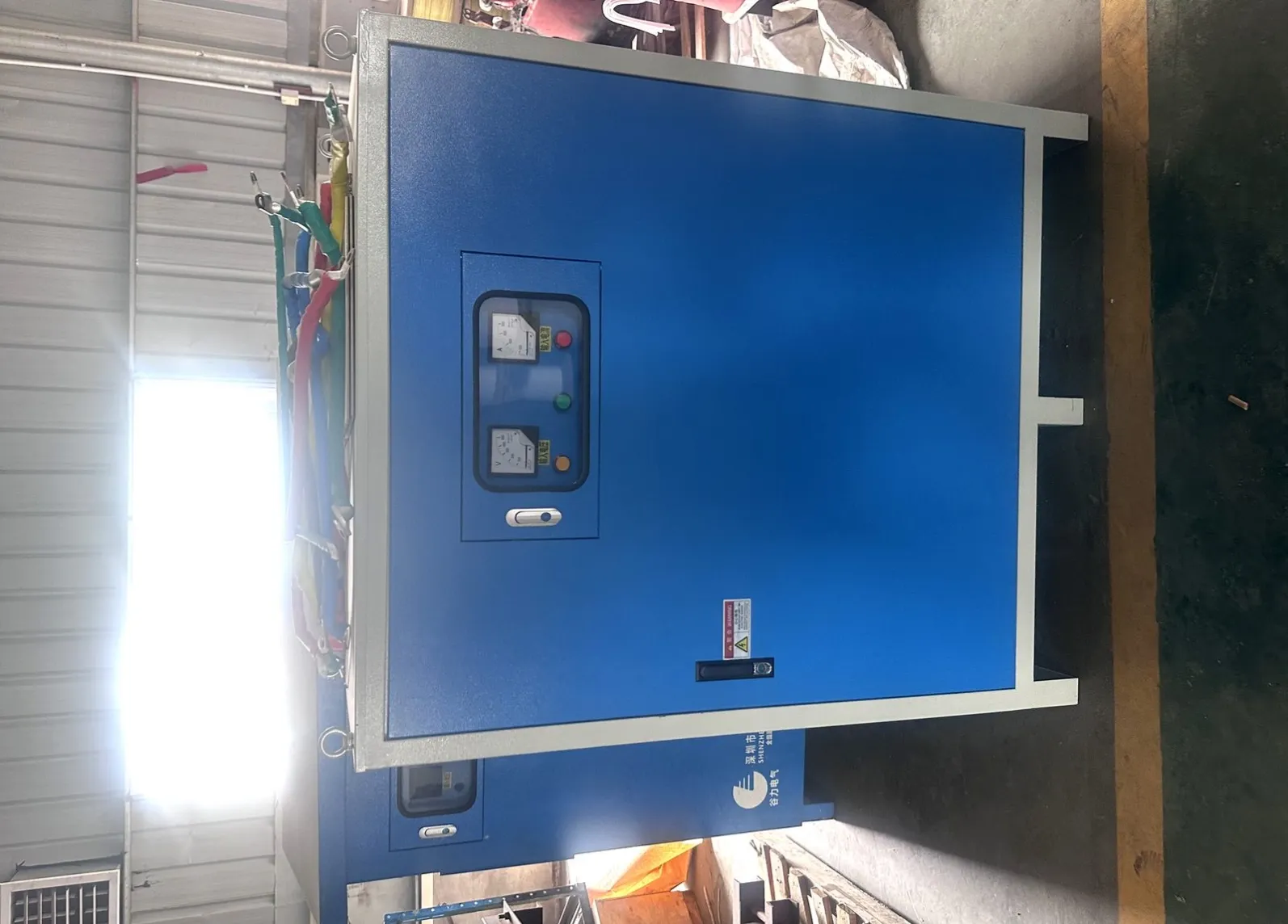
A procurement manager in Santiago once sent us a panel that had run fine for two years and then cracked open during a 6.2-magnitude tremor. Not because the enclosure was cheap — because nobody had asked the supplier one question before purchase: is this rated for seismic load, or is it just bolted to the wall and hoped for? The local inspection authority rejected the replacement spec for the same gap. One missing line on the RFQ cost that plant six weeks of downtime.
If you are specifying enclosures for a utility substation, a water-treatment plant, a hospital, a coastal site, or anywhere the structure itself is expected to move, this is the question list you should be sending every supplier before you issue a purchase order. It is also the difference between a unit that passes inspection the first time and one that comes back as a rejection.
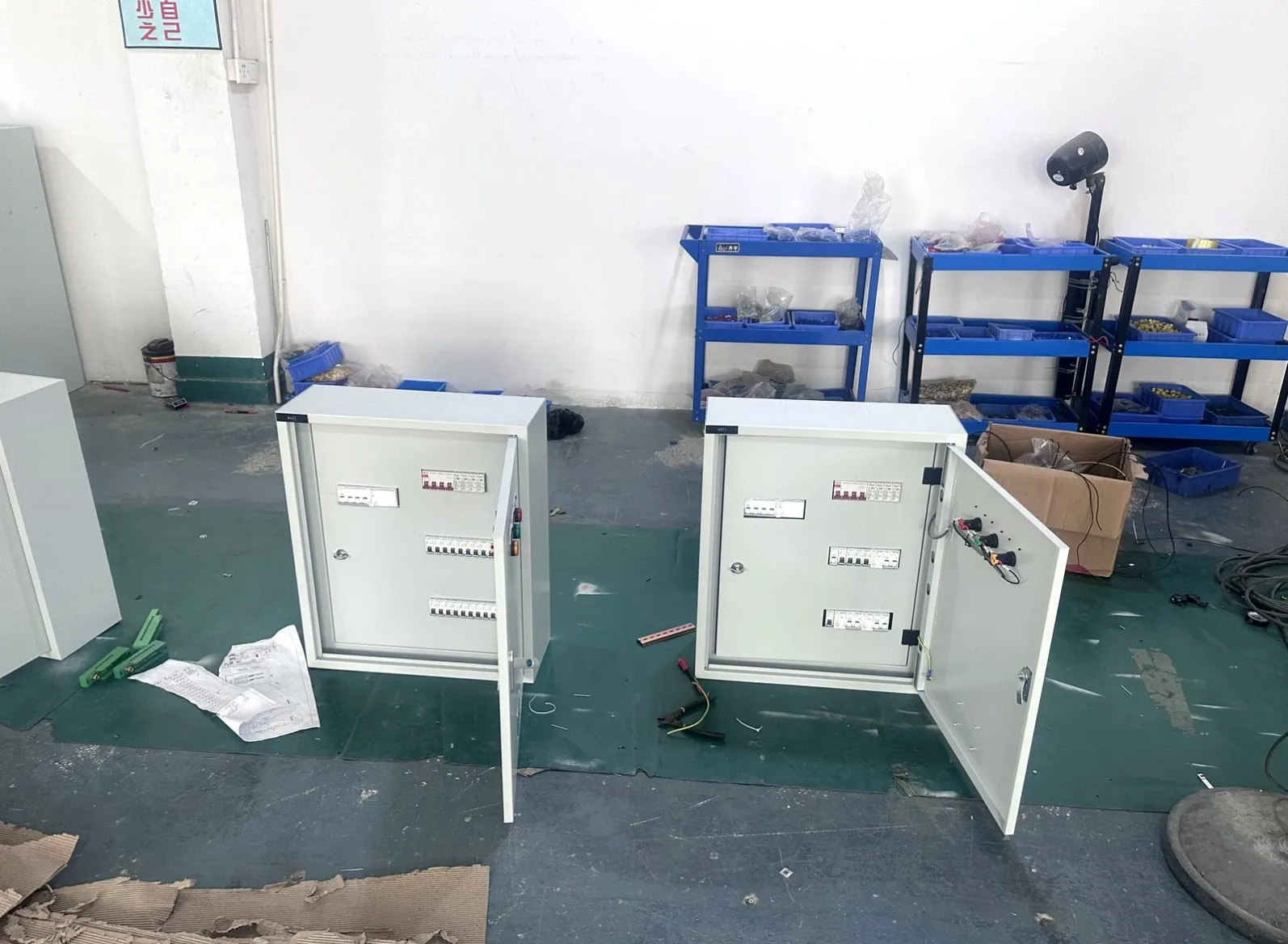
When you actually need a seismic or wind rating
Not every enclosure needs a certificate. A climate-controlled office panel in a low-risk zone does not. But you should be thinking about it when any of these are true:
- The site sits in IBC Seismic Design Category C or higher — most of California, parts of the Pacific Northwest, Japan, Chile, Turkey, New Zealand, and several high-risk zones across Asia.
- The enclosure is wind-exposed — coastal locations, open terrain, or mounted on a tall structure where wind load, not just quake, drives the design.
- The end client is a hospital, data center, utility, or nuclear-adjacent facility with a stated qualification (OSHPD, IEEE 344, KTA).
- A prior "standard" enclosure was rejected by the Authority Having Jurisdiction (AHJ).
Buyer Decision: If the end client cannot name a standard, ask them to. "Seismic rated" with no named standard is not a qualification — it is a hope, and AHJs do not accept hopes.
The standards, in plain terms
You will hear a lot of acronyms. Here is what each one actually obligates the supplier to do:
- IBC + ASCE 7 — The International Building Code pulls its seismic and wind loads from ASCE 7. Enclosures are assigned a Seismic Design Category (SDC) from A (negligible risk) to F (highest). Most demanding commercial jobs land in D or E.
- IEEE 344 — The recommended practice for qualifying Class 1E equipment for seismic events at nuclear power plants. If your buyer says "IEEE 344," they need documented qualification, not a heavier gauge of steel.
- OSHPD — California's Office of Statewide Health Planning and Development. Healthcare enclosures in California typically need an OSHPD preapproval (OSP) number on file.
- IEC 60068-3-3 — The international vibration test method, common for equipment exported into Europe and Asia-Pacific.
- Wind: ASCE 7, Chapters 26–30 — basic wind speed, exposure category, and the resulting pressure the enclosure face must resist.
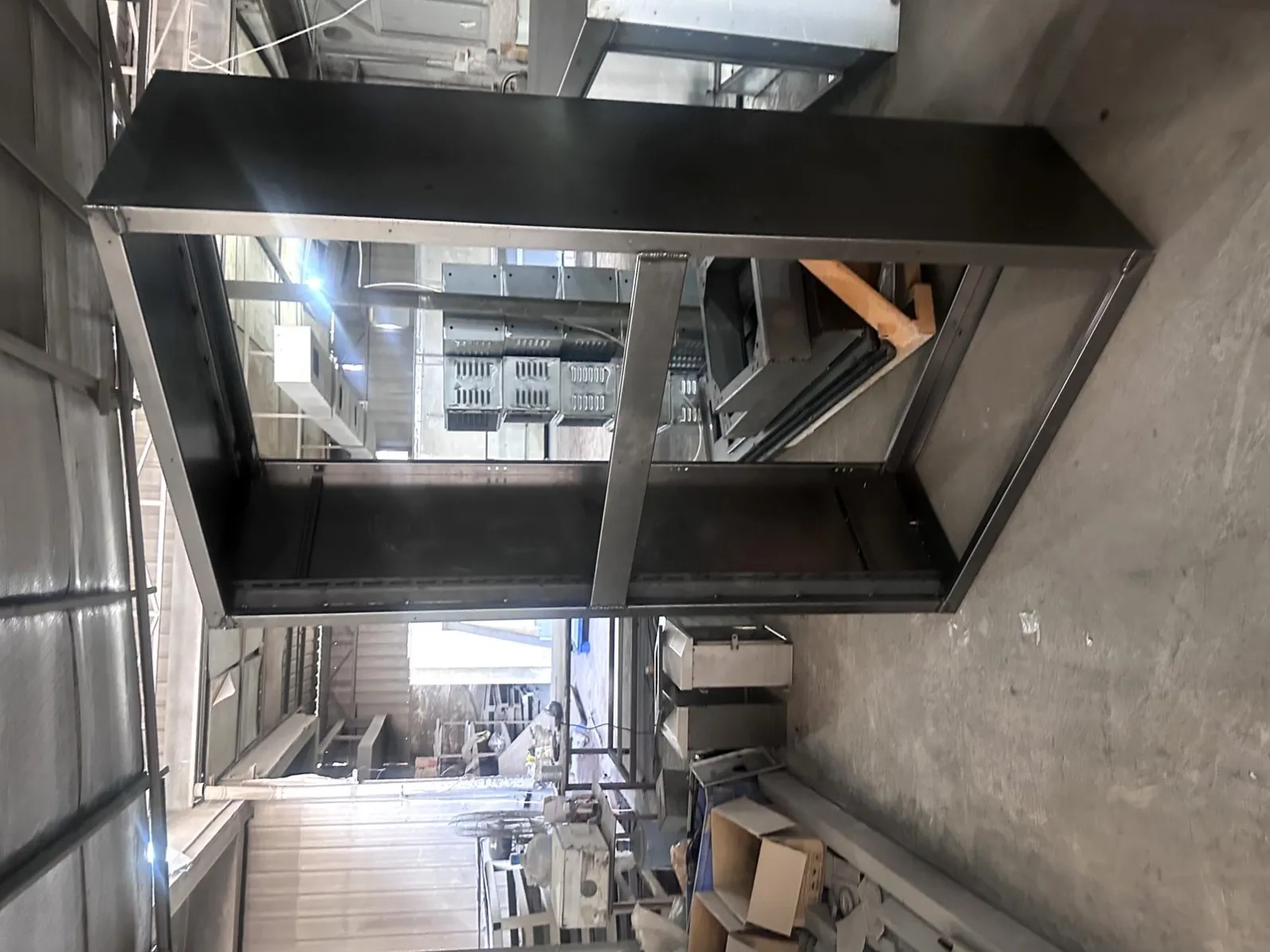
What "seismic qualified" actually means
A genuinely qualified enclosure has been through a shake-table test to the relevant standard, with a certificate naming the exact model, the SDC, and the test lab. Three things separate a qualified unit from a heavy box:
- Anchorage design. The base is engineered for the reaction forces. A 2 mm thicker plate is not anchorage.
- Internal restraint. Batteries, transformers, and heavy drives are secured so they do not become projectiles. We have seen unsecured 40 kg battery banks shear their own mounts during a test.
- Doors and hinges. Rated latches that stay closed under lateral load. A door that swings open mid-event exposes live parts — and fails the inspection on the spot.
Failure modes that actually show up in the field
These are the ones we get called to fix, not the ones in the brochure:
- Anchors pull out of a hollow-block wall because the spec said "anchor to wall" without calling out chemical anchors or through-bolts.
- Top-heavy floor-standing enclosures tip because the center of gravity sits above the base footprint.
- Internal batteries eject and short because nobody specified restraint.
- Doors pop open and the AHJ fails the entire installation.
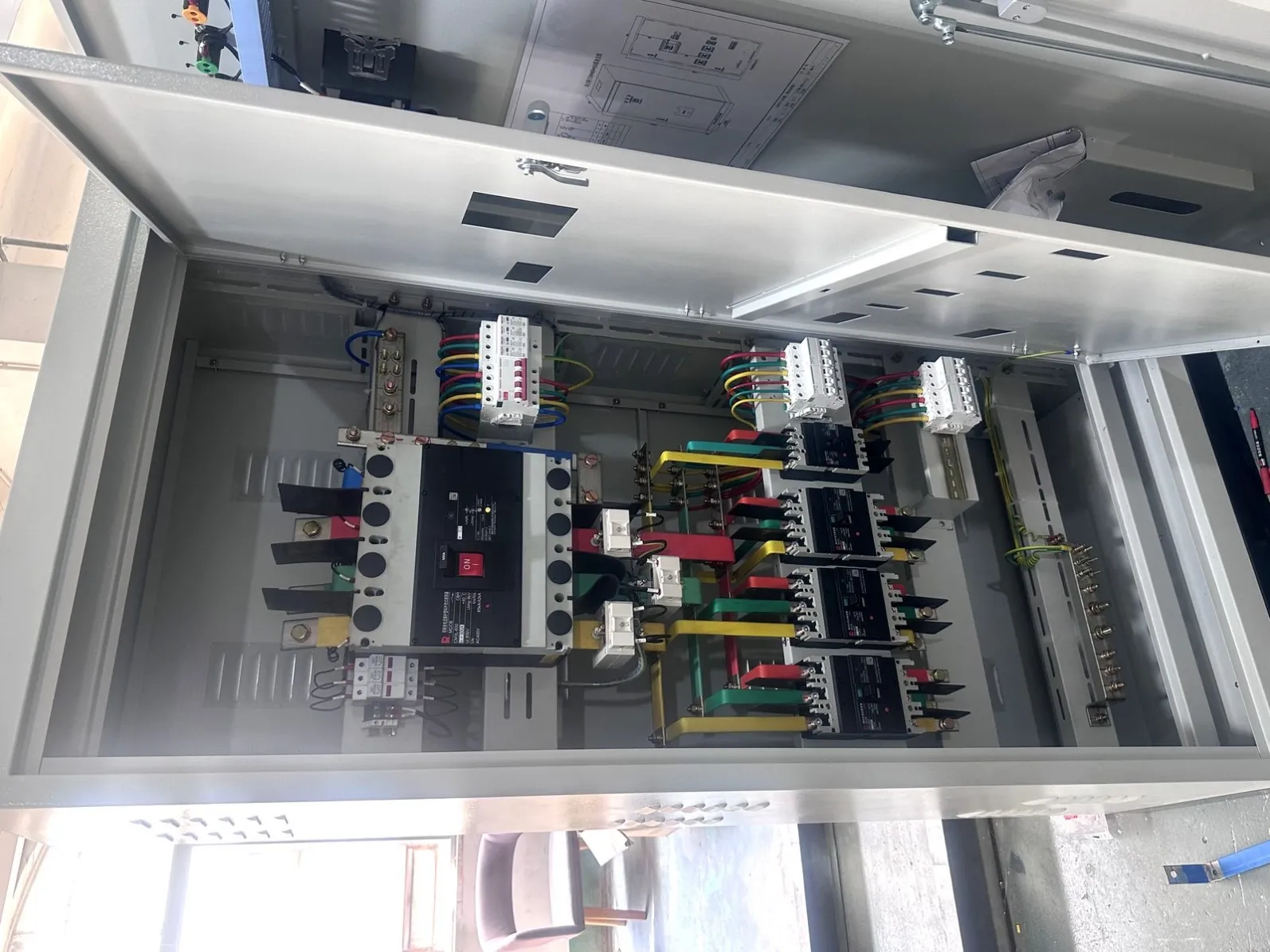
Decision matrix: what to require vs. what you can skip
Your situation | Require | You can skip |
|---|---|---|
SDC A–B, indoor | Standard anchored enclosure | Certification |
SDC C–D, commercial | Documented seismic qualification to IBC/ASCE 7; anchorage drawing | OSHPD (unless healthcare) |
SDC E–F, healthcare, utility | OSHPD or IEEE 344 cert; internal restraint schedule | — |
Coastal / open terrain | Wind load calc per ASCE 7; rated latches | — |
Engineering Note: The single most common mistake is treating "anchored" as "qualified." Anchoring is one input to a seismic design. It is not the design.
What to put in your RFQ
Write these lines explicitly. If a supplier cannot answer them, that is your answer:
- Seismic Design Category and the named standard (IBC/ASCE 7, IEEE 344, OSHPD, IEC 60068-3-3).
- Anchorage requirement — chemical anchors? through-bolts? specified base-plate thickness?
- Internal restraint for any component above a stated weight (we use 20 kg as the line in our own builds).
- Wind exposure category and basic wind speed for coastal or open sites.
- Required certificate format — OSHPD OSP number, IEEE 344 report, or IEC test record.
Our capability, stated plainly
We source enclosures built to IBC Seismic Design Category D/E with documented anchorage drawings and internal restraint schedules. For a complete custom panel, typical lead time is 35–40 days from approved drawings and BOM. Empty enclosures and shells run from 5 units at about 15 days. In-stock components ship in 3–5 days. Where a UL file number is required, we work with UL-listed partner shops and provide the file number in writing — we do not invent one.
Where we sit: We are a sourcing partner, not a manufacturer and not a certified test lab. We do not issue IEEE 344 or OSHPD certificates ourselves. We qualify the enclosure against the standard you name and hand you the supplier's documentation, including the test certificate and the anchorage drawing. If you need a stamped structural calculation, tell us before we shortlist suppliers — that changes both the supplier pool and the timeline.
FAQ
Do I need a seismic rating for an indoor panel in a low-risk zone? Probably not. If the site is SDC A–B and not wind-exposed, a properly anchored standard enclosure is sufficient. The rating becomes mandatory the moment the AHJ or the end client's spec calls for it.
What is the difference between IBC/ASCE 7 and IEEE 344? IBC/ASCE 7 covers seismic and wind loads for buildings and their contents, including enclosures, across commercial construction. IEEE 344 is the stricter nuclear-industry practice for safety-related equipment. If your buyer mentions IEEE 344, plan for documented qualification and budget extra lead time.
Can a standard enclosure just be "anchored" to qualify? Anchoring is necessary but not sufficient. A qualified unit also needs internal restraint and rated latches, verified by a shake-table test to the named SDC. Anchoring alone will not satisfy an AHJ asking for a certificate.
How long does a seismic-qualified enclosure take? For a complete custom panel, 35–40 days from approved drawings. Empty qualified enclosures from about 15 days at a 5-unit minimum. The certificate lead time depends on whether the chosen supplier already holds the relevant test record.
Do you provide the OSHPD or IEEE 344 certificate? We provide the supplier's certificate and anchorage documentation. We do not issue the certificate ourselves — that comes from the qualified manufacturer or test lab. Tell us early if you need a stamped calc.
What wind speed should I design for on a coastal site? Use the basic wind speed and exposure category from ASCE 7 for the site location, then apply it to the enclosure face area. Send us the site coordinates and we will work the pressure with the supplier rather than guess.
Get a qualified enclosure specified correctly the first time
Send us the drawings, the BOM, the I/O list, and — most importantly — the Seismic Design Category and named standard your AHJ or end client requires. We reply within one business day with a sourced option, the anchorage approach, and the certificate format.
- Form: Submit your requirements (or our contact form)
Related guides
Produced with AI-assisted drafting and reviewed by the Uni Regal team before publication.