
Engineering Toolkit
IP and NEMA Rating Selection Guide for Electrical Enclosures (2026)
Choose the right IP or NEMA rating for your electrical enclosure. A 2026 buyer's decision guide for indoor, washdown, outdoor, and corrosive sites, with a scoring matrix and real cost impact.
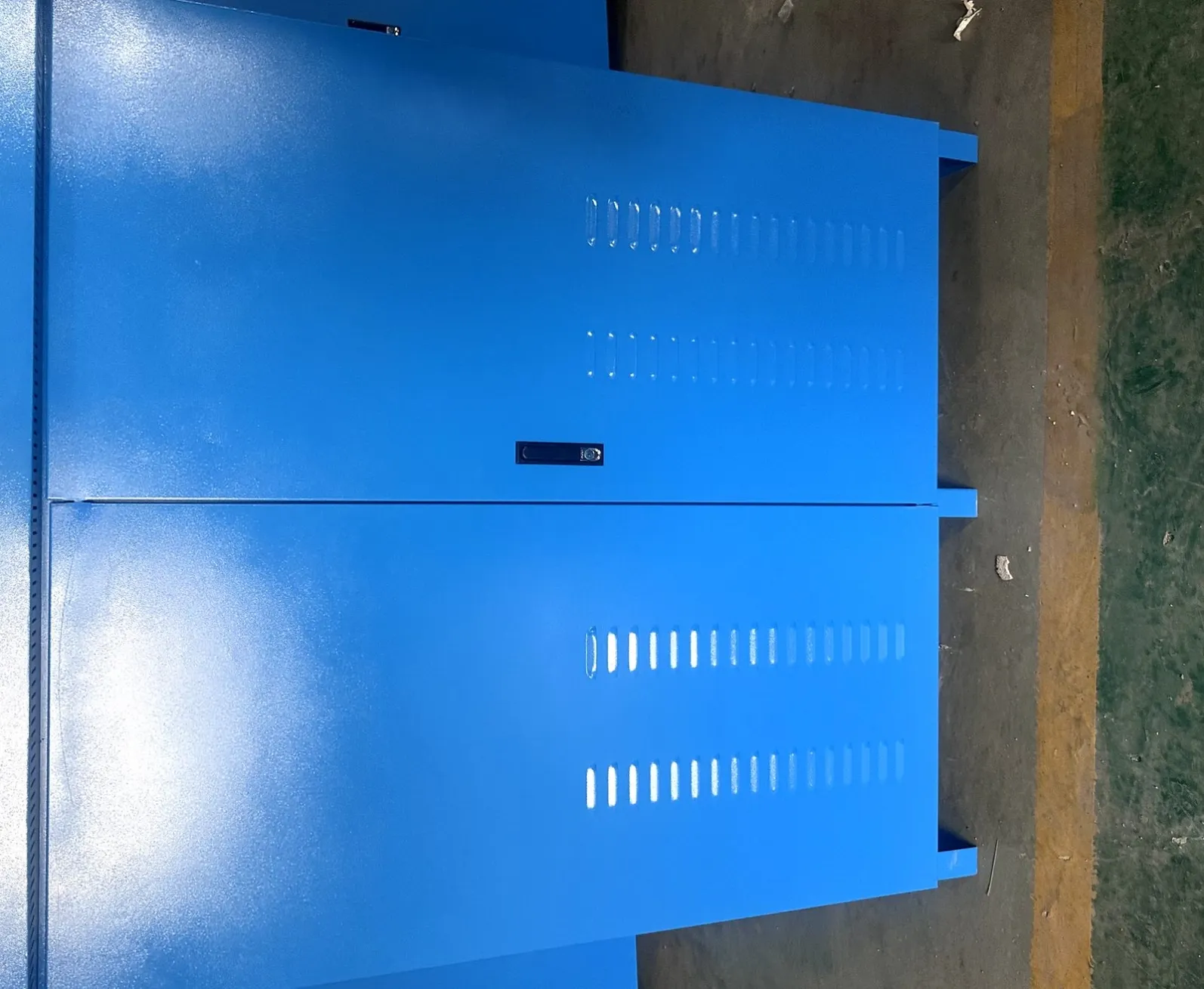
You are standing in front of a specification sheet, and the line that says "enclosure rating" is blank. Pick too low and the panel fails in year two. Pick too high and you have paid for a submersible-grade box on a dry warehouse wall. This guide walks you through choosing an IP or NEMA rating the way a buyer should—by matching the rating to the environment you actually have, not the one printed on the brochure.
A note on terminology: we cover both the IEC IP system (used across most of the world and in China) and the NEMA system (common in North America). As a China-based sourcing partner for electrical enclosures, we quote both every day, and the single most common mistake we see is treating the two as directly interchangeable.
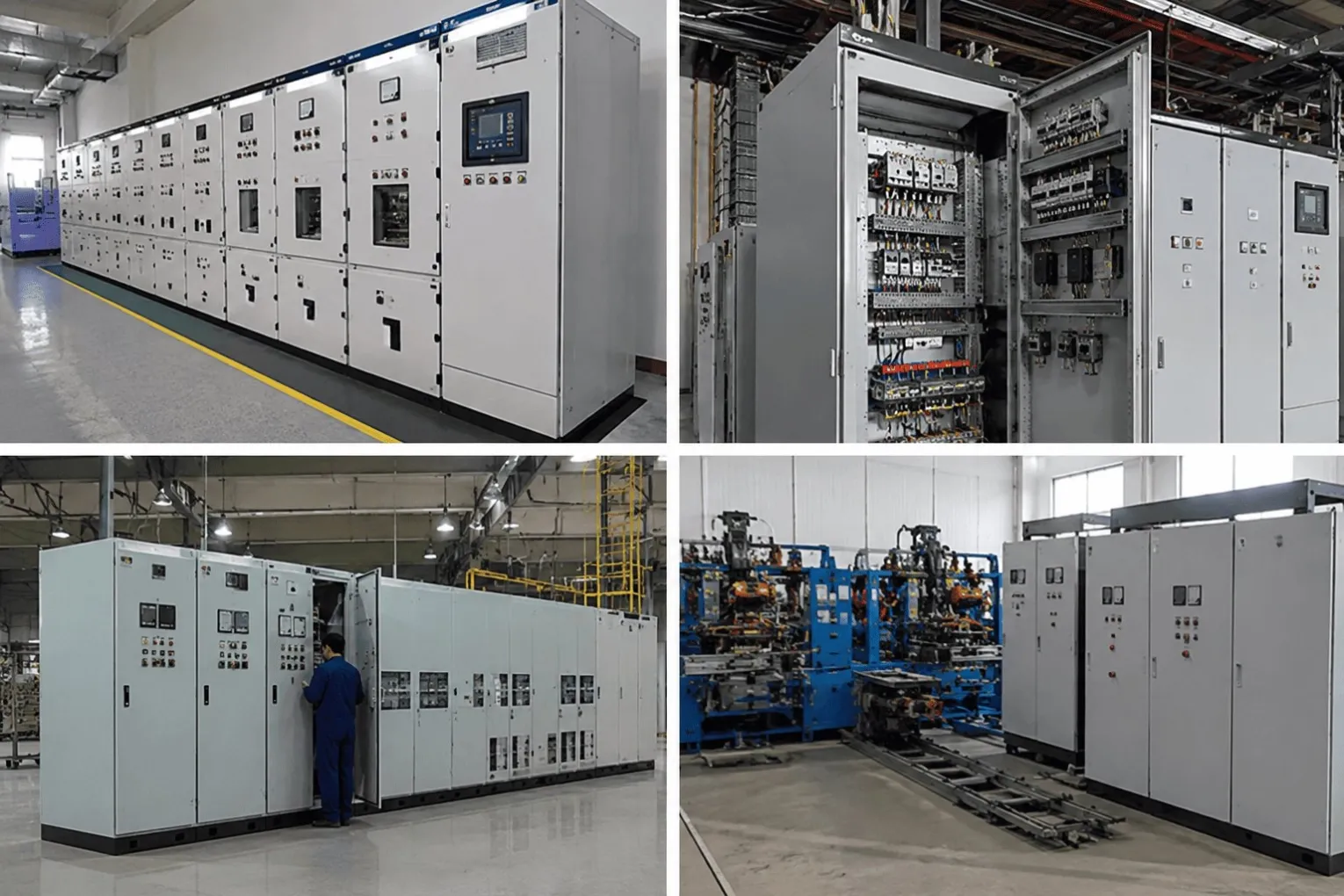
IP vs NEMA: what the two systems actually measure
IP (Ingress Protection) codes have two digits. The first is solid-object protection (0–6), the second is water protection (0–9). NEMA ratings are single labels (NEMA 1, 4, 4X, 12…) that bundle ingress protection with extras like corrosion resistance and knockouts.
The catch: there is no clean 1:1 map. IP65 and NEMA 4 both keep out dust and water jets, but NEMA 4 also implies rust-resistant construction that a bare IP65 carbon-steel box may not deliver. NEMA 4X adds corrosion resistance on top. So when a buyer asks, "Is IP65 the same as NEMA 4?" the honest answer is "close, but check the coating and the material independently."
Buyer Decision: Never convert a NEMA spec into an IP number and stop there. Convert the environment into a rating in both systems, then confirm the material and coating as separate decisions.
Match the rating to your environment.
Use this as your first-pass filter. Each row is a real deployment class we quote against, with the failure mode we see when buyers get it wrong.
Environment | Typical IP | Typical NEMA | Minimum we recommend | What goes wrong if under-specified? |
|---|---|---|---|---|
Indoor, dry, clean (MCC room, office panel) | IP20–IP30 | NEMA 1 | IP20 is enough. | Nothing—do not overpay here. |
Dusty, light splash, light oil (shop floor) | IP54 | NEMA 12 | IP54 with a gasketed door | Conductive dust bridges terminals. |
Outdoor, rain and sun (pump house, rooftop) | IP65 | NEMA 4 | IP65 + UV-stable coating | UV chalk-up and seal hardening |
Washdown, high-pressure hose (food, pharma) | IP66 / IP69K | NEMA 4X | IP66; IP69K only if steam-CIP | House water enters through seals. |
Corrosive, coastal, chemical (WWTP, offshore) | IP66 | NEMA 4X (316L) | 316L stainless, not 304 | Salt finds any coating scratch. |
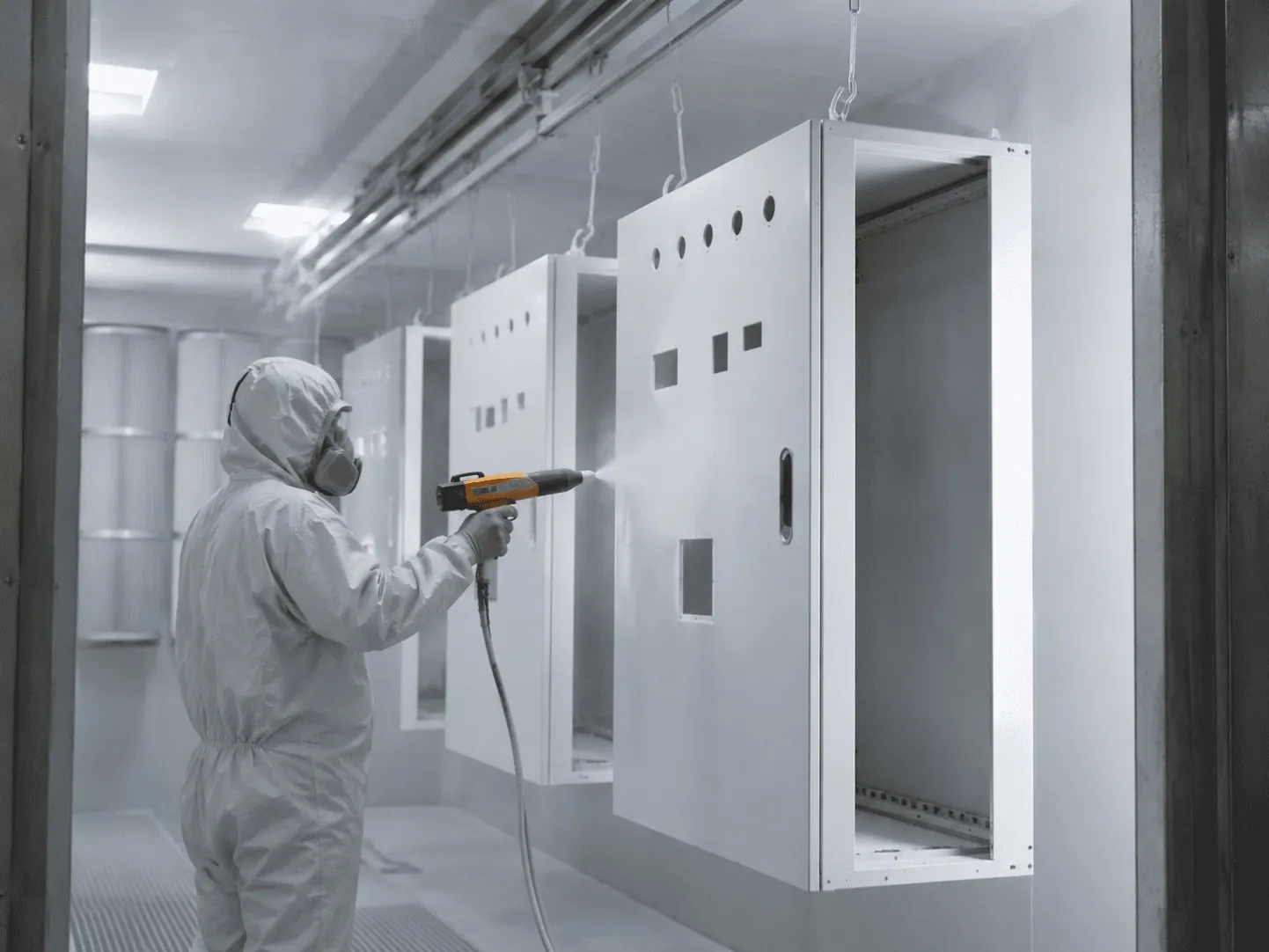
The decision matrix: score your own site
Before you ask a supplier for a quote, score your site on five factors. This is the same matrix our engineering review uses on every inquiry.
Factor | Weight | What to check |
|---|---|---|
Water exposure | 30% | Rain only, hose-down, or steam-CIP? |
Dust / particulate | 20% | Light dust, conductive dust, or none? |
Corrosion risk | 25% | Inland dry, coastal salt, or chemical splash? |
Physical access | 15% | Public-touch, vehicle, or locked room? |
Thermal / UV | 10% | Direct sun, freezer, or stable indoor? |
Add the weighted scores and you get a profile. A site scoring high on water plus corrosion but low on physical access almost always lands on IP66 / NEMA 4X in 316L. A locked indoor MCC room lands on IP20 / NEMA 1. The matrix stops you from buying a $600 stainless box for a $40 problem.
When IP65 is enough—and when it is not
IP65 means "dust-tight and protected against low-pressure water jets from any direction." For the majority of outdoor control panels that sit under a roof or a sun shield, IP65 is genuinely enough. We build a lot of them.
Step up to IP66 when the enclosure faces driven rain with wind or routine hose-down. You need IP69K only when the panel goes through steam clean-in-place cycles—common in food and beverage, rare everywhere else. Specifying IP69K on a dry-site panel is the classic over-specification that adds cost with zero benefit.
Engineering Note: IP69K requires a different seal geometry than IP66. If a supplier quotes IP69K, ask for the test certificate number, not just the label. The extra cost is justified only where CIP is real.
Cable glands and entries: the rating is only as good as its openings.
A rated box is worthless if the cables pierce it through an unrated path. Ingress almost always happens at the entries, not the door.
- Use IP/type-rated cable glands matched to the enclosure rating (a PG or metric gland rated to the same IP as the box).
- For conduit entries, specify threaded sealing fittings, not just a knock-out.
- For cabinets that need an exhaust or breather, use a pressure-compensating membrane vent rated to the enclosure IP—this is what keeps the box from "breathing" humid air and condensing inside.
We see more water damage from a $2 unrated gland than from a mis-specified door seal. Treat entries as part of the rating, not an afterthought.
Material choice is tied to the rating.
The rating protects against ingress; the material protects against the environment attacking the box itself.
- Carbon steel, powder-coated—the default for IP65/IP66 indoor and mild outdoor. Cheap, strong, but rusts if the coating is scratched in a corrosive site.
- 304 stainless—good general corrosion resistance; the workhorse for food and pharma washdown.
- 316L stainless—the right call for coastal, marine, and chemical splash. Costs more, lasts decades.
- Galvanized—a budget corrosion defense for non-aesthetic outdoor structures.
We do not offer aluminum enclosures. For the environments above, steel or stainless beats aluminum on strength and weldability, and the cost gap is rarely worth it.
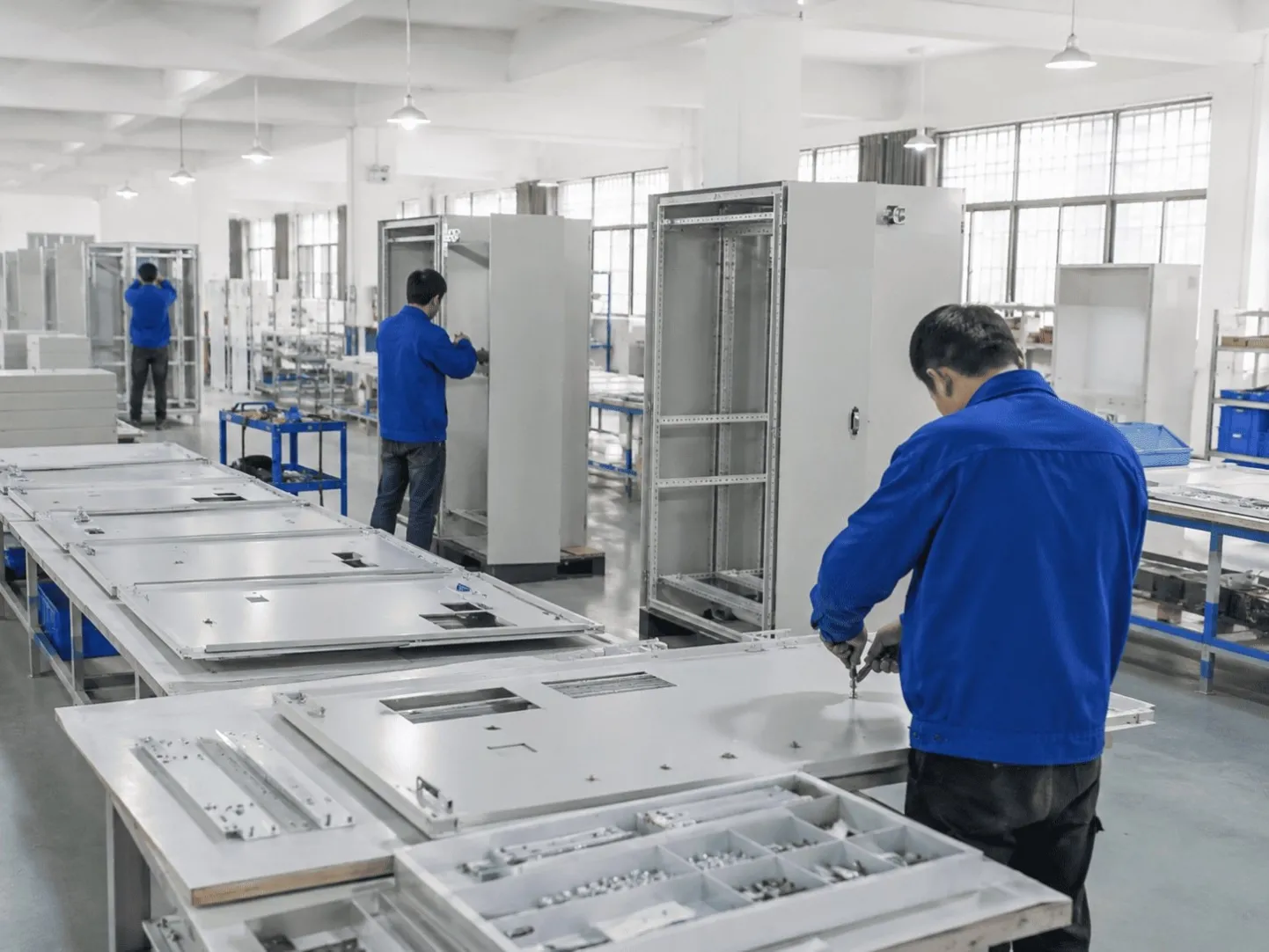
Thermal interaction: vent/breather vs. fully sealed
A higher IP rating means a tighter seal, which means less natural cooling and more risk of internal condensation. Two things to decide alongside the rating:
- Condensation control—a membrane breather equalizes pressure and keeps humidity out. Skip it on an IP66 box in a humid site, and you will find water inside within a season.
- Heat dissipation—sealed IP66 enclosures need internal temperature managed (fan, heat exchanger, or larger surface area) if they hold heat-generating components like VFDs or transformers.
This is why we never quote a rating in isolation. The rating, the entries, the breather, and the thermal path are one package.
Standards and certification you can verify
Do not accept a label with no backing. The standards are public, and the certificates are checkable.
- IP codes are defined by IEC 60529. Ask for the test report reference.
- NEMA ratings follow NEMA 250. Confirm the type, not just "NEMA-rated."
- UL 508A governs industrial control panels in the North American market; if you ship to the US, confirm the build shop can deliver UL 508A or work with a UL-listed file partner. We source through UL-listed file partners and provide the file number in writing on request.
Buyer Decision: A serious supplier quotes the standard and the certificate or file number. A supplier who only writes "IP66" on the drawing has not actually tested it.
The cost impact of getting it wrong
Two failure modes cost buyers money:
Under-specifying—a carbon-steel IP54 box on a coastal site rusts through in 18–36 months. The "saving" of $80 per box becomes a full panel rebuild plus downtime. We have seen this on water-treatment skids more than anywhere else.
Over-specifying—a 316L IP69K box on a dry indoor wall can cost 3–5× the IP20 carbon steel it needed. Across a 40-panel order that is real capital spent on protection nobody uses.
For reference, a standard IP66 outdoor carbon-steel cabinet from our network typically lands in the $180–650 range depending on size, sheet thickness, and coating—before components. Use the matrix above to decide whether you are in that band or need to move up to stainless.
Common mistakes buyers make
Buyer Decision: Watch for these when you write or review a spec: 1. Copying a rating from a similar-but-different site ("the other plant used IP66, so this one does too"). 2. Trusting "IP65" on a bare painted box with no coating spec. 3. Forgetting cable glands — a rated box is only as good as its entries. 4. Assuming NEMA 4 equals NEMA 4X (the X is corrosion resistance, not a typo). 5. Specifying IP69K "just to be safe" on a dry site. 6. Leaving condensation control out of a sealed outdoor box.
A 30-second rule of thumb
If you remember nothing else: indoor and dry means IP20; a dusty shop floor means IP54 with a gasketed door; anything outdoors under weather means IP65 plus a UV-stable coating; hose-down or food and pharma means IP66 and usually 304 or 316L; and if salt or chemical is in the air, 316L is non-negotiable. Then make sure the cable glands, the breather, and the thermal path are rated to match—because the rating is a system, not a door.
Engineering Takeaway
Pick the rating from the environment, not the catalogue. Score water, dust, corrosion, access, and UV; let the matrix tell you the band; then choose material for the same environment. IP65 covers most outdoor sites, IP66 for driven rain and hose-down, IP69K only for steam-CIP, and 316L whenever salt or chemical is in the air. Treat glands, breathers, and thermal paths as part of the same package. Send us the site conditions, and we will quote the rating that fits—not the one with the biggest number.
Frequently Asked Questions
Is IP65 the same as NEMA 4?
No, but they overlap. Both keep out dust and water jets. NEMA 4 also implies corrosion-resistant construction and knockouts, which a basic IP65 carbon-steel box may lack. Match the environment in both systems, then confirm coating and material separately.
Do I need IP69K for an outdoor enclosure?
Almost never. IP69K is for steam clean-in-place in food and pharma. Driven rain and hose-down are covered by IP66. Specifying IP69K outdoors adds cost with no benefit unless you run CIP cycles.
Can I use a painted carbon-steel enclosure in a coastal plant?
We would not recommend it. Salt air finds any coating scratch, and rust spreads under the paint. For coastal, chemical, or offshore sites, 316L stainless is the safer long-term choice.
What IP rating do I need for a control panel in a food-plant washdown area?
IP66 as a floor, IP69K if the panel is in the steam-CIP line. Pair it with 304 or 316L stainless and a food-safe coating. This is the environment our washdown enclosure work covers most often.
Does a higher IP rating always cost more?
Generally yes, but the jump from IP65 to IP66 is modest. The big cost steps are IP69K seals and moving from carbon steel to 316L stainless. Over-specifying hurts more than the rating itself.
How do I verify the rating a supplier claims?
Ask for the test certificate and the standard (IEC 60529 for IP, NEMA 250 for NEMA). A serious supplier quotes the standard and certificate number, not just a label.
What about the cable entries—do they need the same rating?
Yes. The box rating is only valid if every opening uses a matching IP-rated gland or sealed conduit fitting. Most real water damage enters through unrated entries, not the door.
Do I need UL certification on the enclosure itself?
The enclosure carries an IP/NEMA rating; UL 508A applies to the completed control panel in the North American market. If you ship to the US, confirm the build partner can deliver UL 508A or work with a UL-listed file partner — we provide the file number in writing.
Related Guides
Get a Quote
Tell us your site conditions and we will quote the right rating, material, and lead time — usually within one business day. Send: - Enclosure drawings or panel layout - Bill of materials (BOM) and I/O list - A photo of the mounting environment
Lead time at a glance: - Complete custom panel: from 1 unit, quoted after drawing + BOM review — 35–40 days - Empty enclosure / shell: MOQ 5, 15–20 days - Stock components: 3–5 days dispatch