
Oct 6, 2026Buying Guides
Enclosure Door Hinges and Locks: A Buyer's Spec Guide
The hinges, pins, and latches decide whether your NEMA 4X box stays sealed for 10 years. Here's what to spec — and what quietly fails.
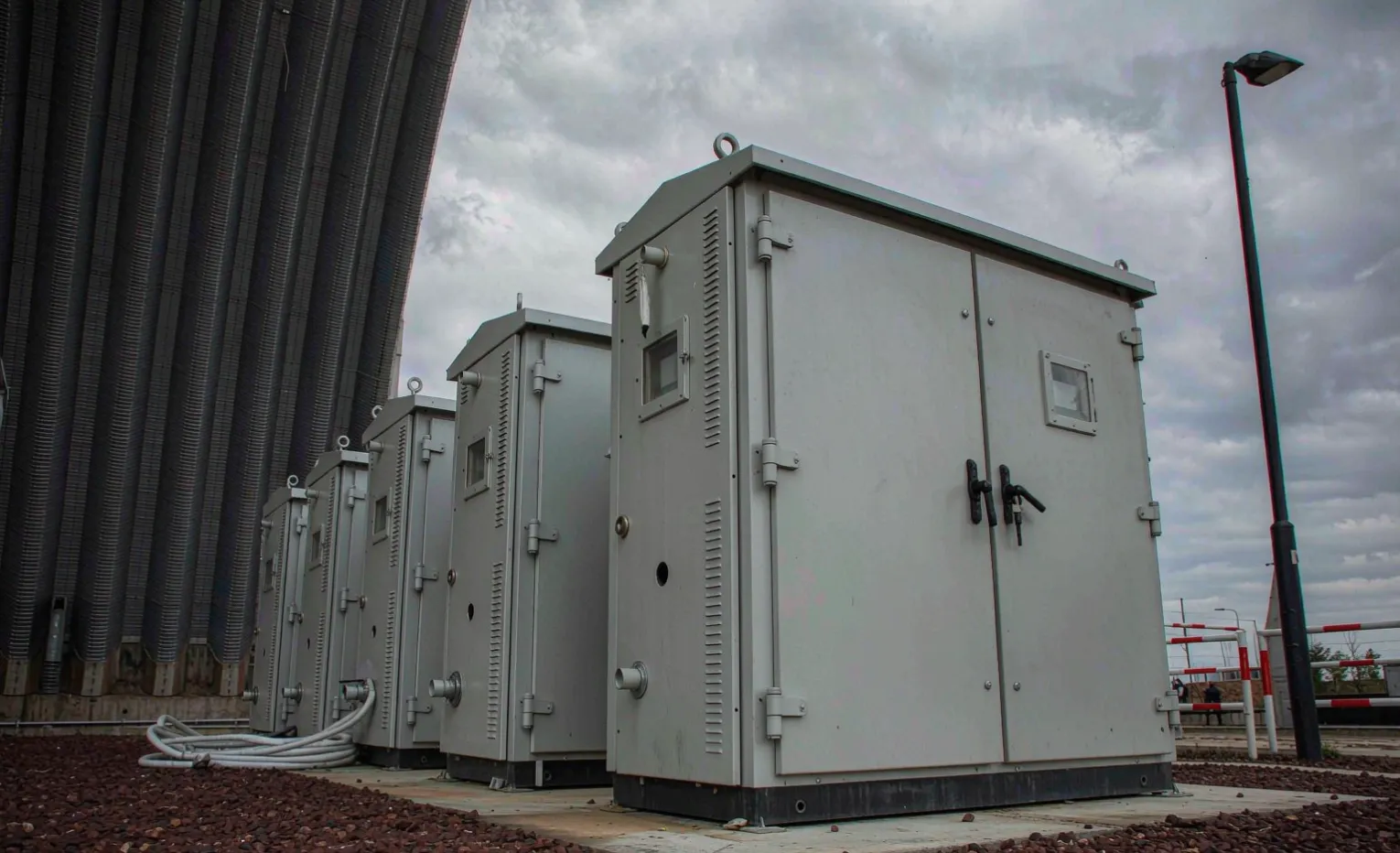
Enclosure Door Hinges and Locks: A Buyer's Spec Guide
Short answer: the door hardware—hinge type, pin material, latch compression, and how it meets the gasket—decides whether your NEMA 4X or IP66 enclosure stays sealed for ten years or starts weeping in two. The box metal gets the attention; the hardware is what actually fails first. Spec stainless pins, compression latches, and a gasket-friendly door alignment, and the seal holds. Bolt on a cheap piano hinge and a non-compressing latch and you've built a slow leak.
We're a sourcing partner and panel-build shop—we assemble a few hundred cabinets a year in carbon steel, 304, 316, and galvanized, and we've pulled enough failed doors apart to know where they go wrong. For the fuller sourcing picture, our China electrical enclosure sourcing guide covers the rest.
Why the door fails before the box does
Three things attack door hardware that don't attack the panel shell. Thermal cycling loosens set screws and works a painted hinge weld until the paint cracks and water follows. A stainless hinge pinned to a carbon-steel frame sets up galvanic corrosion at the interface—the hinge looks fine, the frame around it rusts. And a door that doesn't compress the gasket evenly leaves a thin gap on the hinge side that the rating never accounted for.
Buyer Decision: If the spec names the enclosure rating but says nothing about hinge pin material, latch type, and door alignment, it will not hold its IP/NEMA rating in the field. Treat hardware as part of the rating, not an afterthought.
Hinges: lift-off, continuous, or concealed
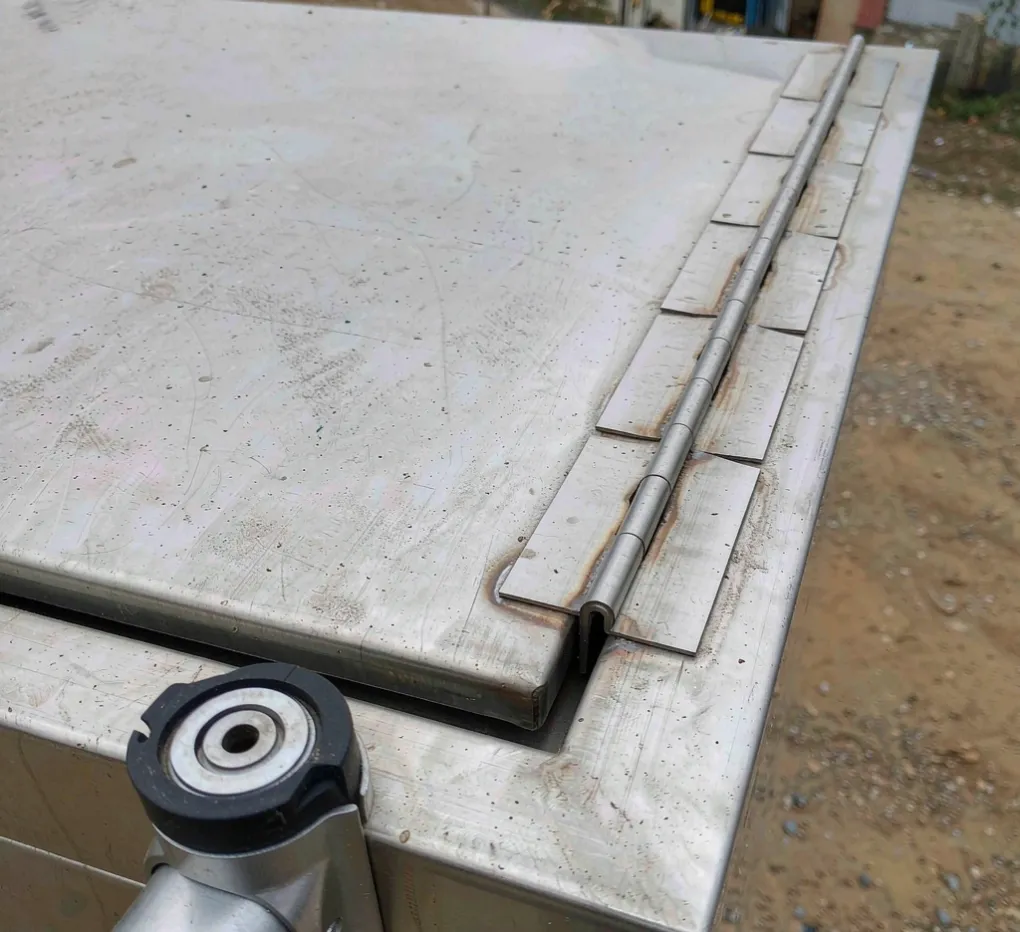
Lift-off hinges let you remove the door without unbolting the box—handy in tight rooms, but the pin is exposed and a weak point. Continuous (piano) hinges spread the load along the whole door and resist racking, but only if the weld is continuous and the pin is stainless. Concealed hinges look clean and protect the pin, at a cost in serviceability.
The pin material matters more than buyers expect. A plated-steel pin in a coastal or chemical site corrodes and seizes; a 304 or 316 stainless pin rides for the life of the box. Match the pin to the shell: 304 pin on a 304 box, 316 on a 316 box.
Latches and locks: compression is the keyword.
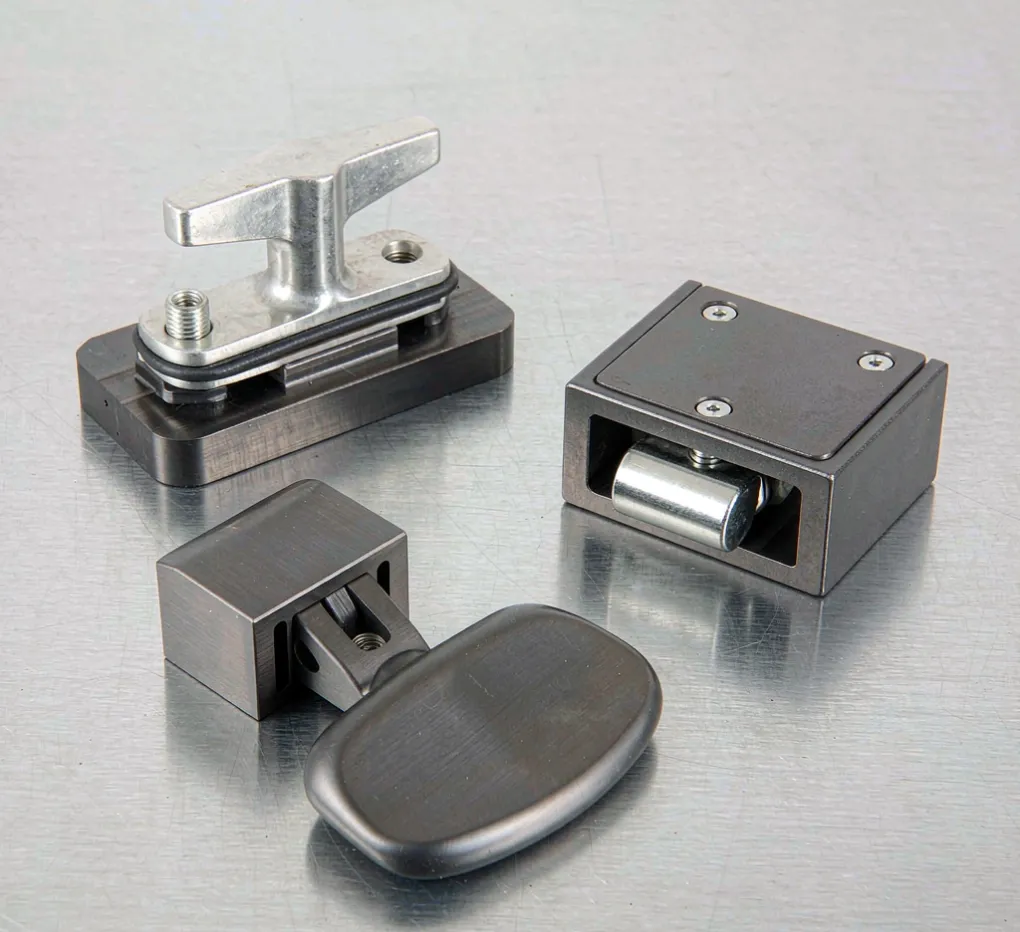
A simple paddle or quarter-turn latch pulls the door shut but doesn't keep the gasket loaded—after a few thermal cycles the gasket relaxes and you get a micro-gap. A compression latch takes up the travel and holds the gasket under steady pressure, which is what actually maintains IP65 / NEMA 4X. For taller doors, a 3-point compression system loads the gasket at the top, bottom, and latch side so it seals evenly.
For locking, a corroding cylinder is a real failure—a seized lock means a tech can't open the panel for service. Use a sealed, stainless, or coated cylinder, and keep the keying simple so site staff aren't hunting for a unique key at 2 a.m.
The gasket interface is where seals live or die.
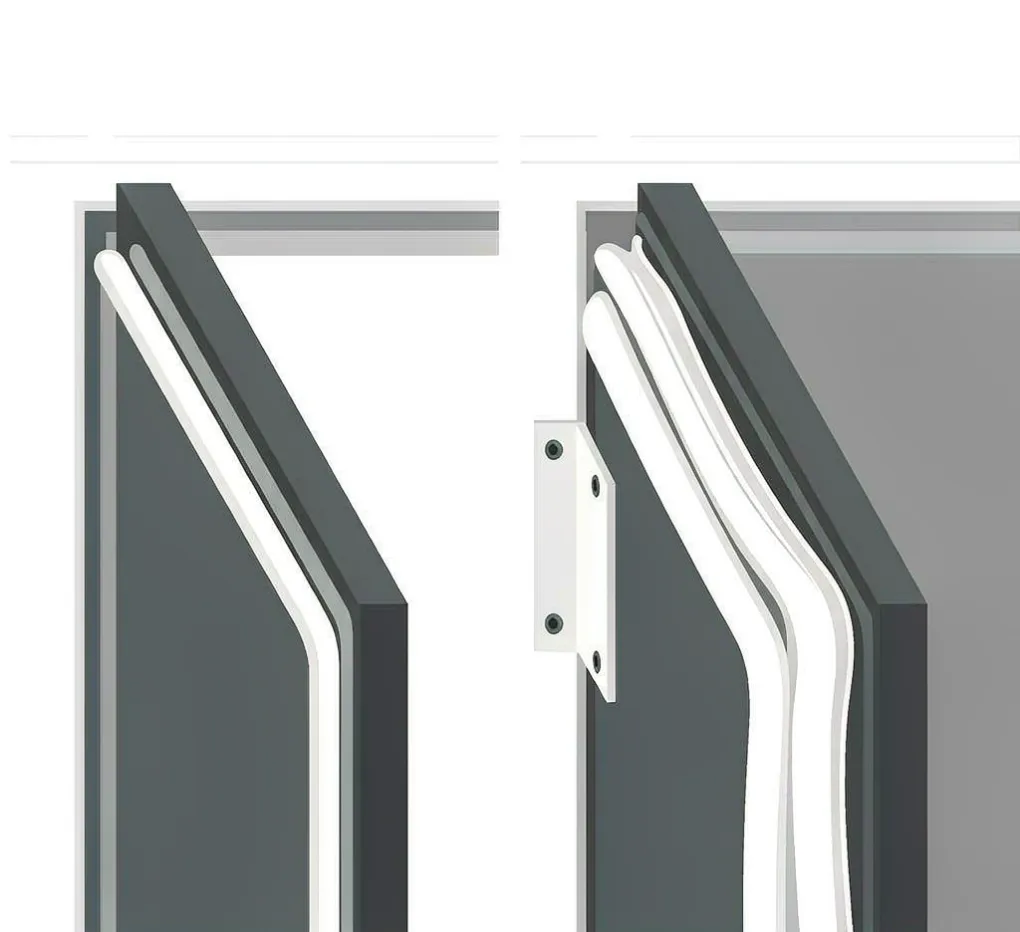
The hinge side is the easy place to miss. A door hung slightly out of square, leaving the gasket under-compressed at one corner; over a year that corner weeps. Spec the door with the gasket already fitted and the alignment checked at assembly, not "adjusted in the field." We fit continuous EPDM on outdoor carbon and 304/316 builds and verify compression before shipment — see our gasket selection guide.
Engineering Note: On a coastal food plant we reviewed, the original boxes used a plated hinge pin and a non-compressing latch. Within 18 months three doors showed rust at the hinge and a damp gasket line on the latch side. We rebuilt them with 316 pins, 3-point compression latches, and re-aligned doors. Two years on, zero seal calls. The shell was fine — the hardware was the problem.
Material and rating reality
We build in carbon steel, 304, 316 stainless, and galvanized—and we don't use aluminum for outdoor enclosures; it pits in coastal and chemical air. Whatever the shell, the hardware must match: a stainless pin, a stainless or coated latch, and a gasket-compatible door. NEMA 250 and IEC 60529 set the ingress tests; UL 50E covers the enclosure construction. A box stamped NEMA 4X with a hinge that lets water track in is not NEMA 4X in the field.
Environment | Hinge | Latch | Pin / coating |
|---|---|---|---|
Indoor, dry | Continuous or lift-off | Compression | 304 |
Outdoor, non-coastal | Continuous | Compression, 3-point on tall doors | 304 |
Coastal / chemical | Continuous, welded | 3-point compression | 316 |
Washdown / food | Concealed or welded | Compression, sealed | 316, smooth finish |
What to send us for a quote
Tell us where the box sits (indoor / outdoor / coastal / washdown), the door size, and whether anyone opens it often. We'll spec the hinge and latch to match the rating you need and build it so the door alignment is correct at assembly. Browse the electrical enclosures we supply. Empty enclosures run a 5-unit minimum with about a 15-day turn; components ship in 3–5 days if you're patching an existing panel.
FAQ
Do I need compression latches, or are standard latches fine?
For any outdoor or washdown box, compression. Standard latches don't hold gasket pressure through thermal cycles, so the rating degrades. Indoors in a dry room, a good quarter-turn is often enough.
Stainless hinge or plated?
Stainless (304 or 316 to match the shell) for anything outdoors or humid. Plated steel pins seize and rust in coastal and chemical air.
Why does my "NEMA 4X" door leak at the hinge?
Usually a non-stainless pin or a hinge welded to a carbon frame that corrodes, plus a door hung slightly out of square. The rating is a test result, not a guarantee if the hardware fails.
3-point or single latch?
A single compression latch is fine for small doors. For doors over roughly 1 m, 3-point loads the gasket evenly top-to-bottom and stay sealed longer.
Can I replace the hinge later?
Lift-off hinges, yes. Welded continuous hinges, no — that's why specing them right the first time matters more.
Does the lock need to be stainless too?
The cylinder should be sealed and stainless or coated so it doesn't seize. A locked-but-unopenable panel is a service failure.
Engineering Takeaway
Door hardware is part of the enclosure rating, not decoration. Spec stainless pins matched to the shell, compression (preferably 3-point on tall doors) latches, and a gasket-friendly door alignment checked at assembly. Get those right, and the NEMA 4X/IP66 seal holds for the life of the box.