
Sep 27, 2026
Best Electrical Enclosure Suppliers for Water Treatment Plants
A buyer's comparison of electrical enclosure suppliers for water treatment plants: Rittal, Schneider, Fibox, Eldon and a sourcing partner option, with a decision matrix and the test records you should
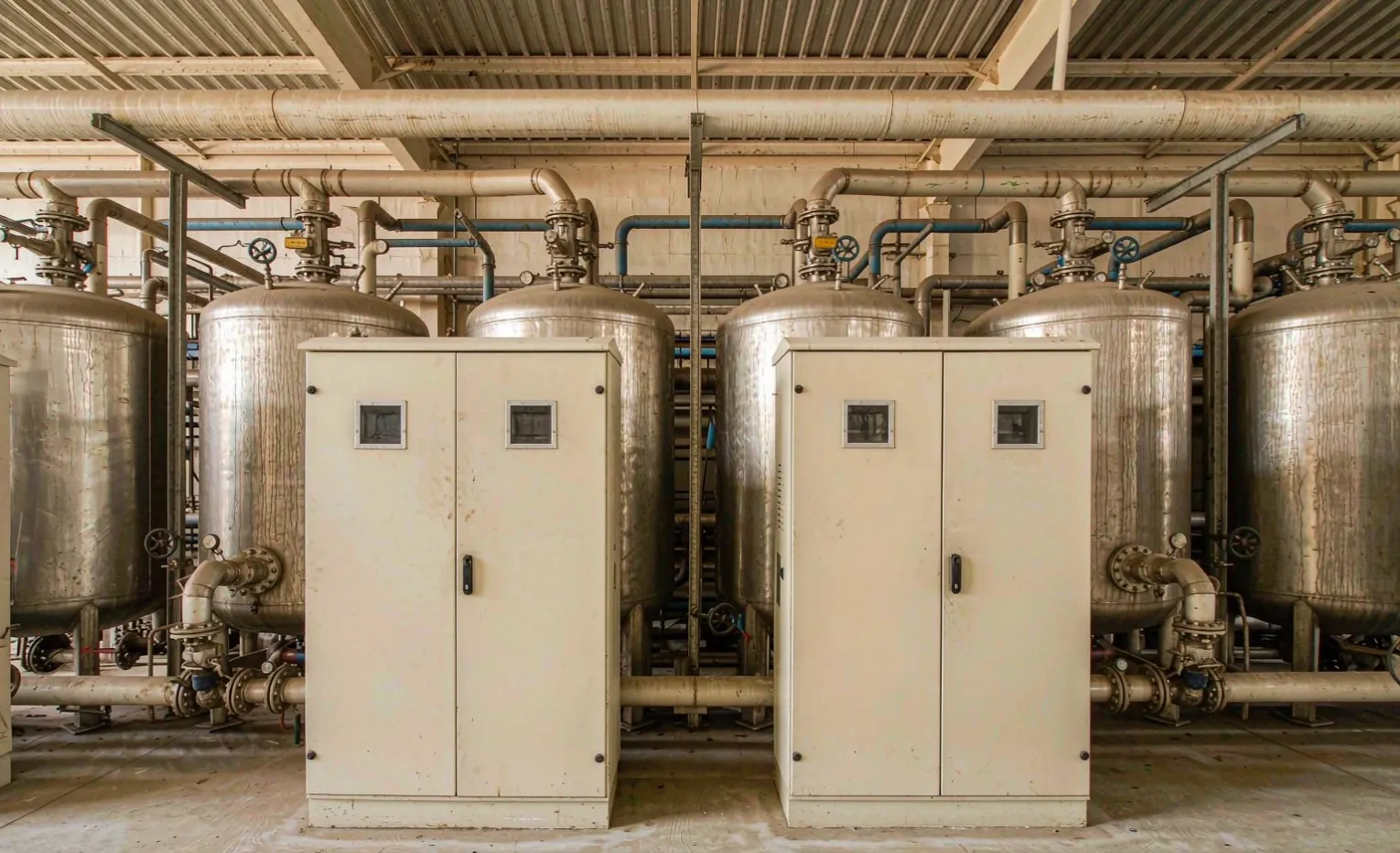
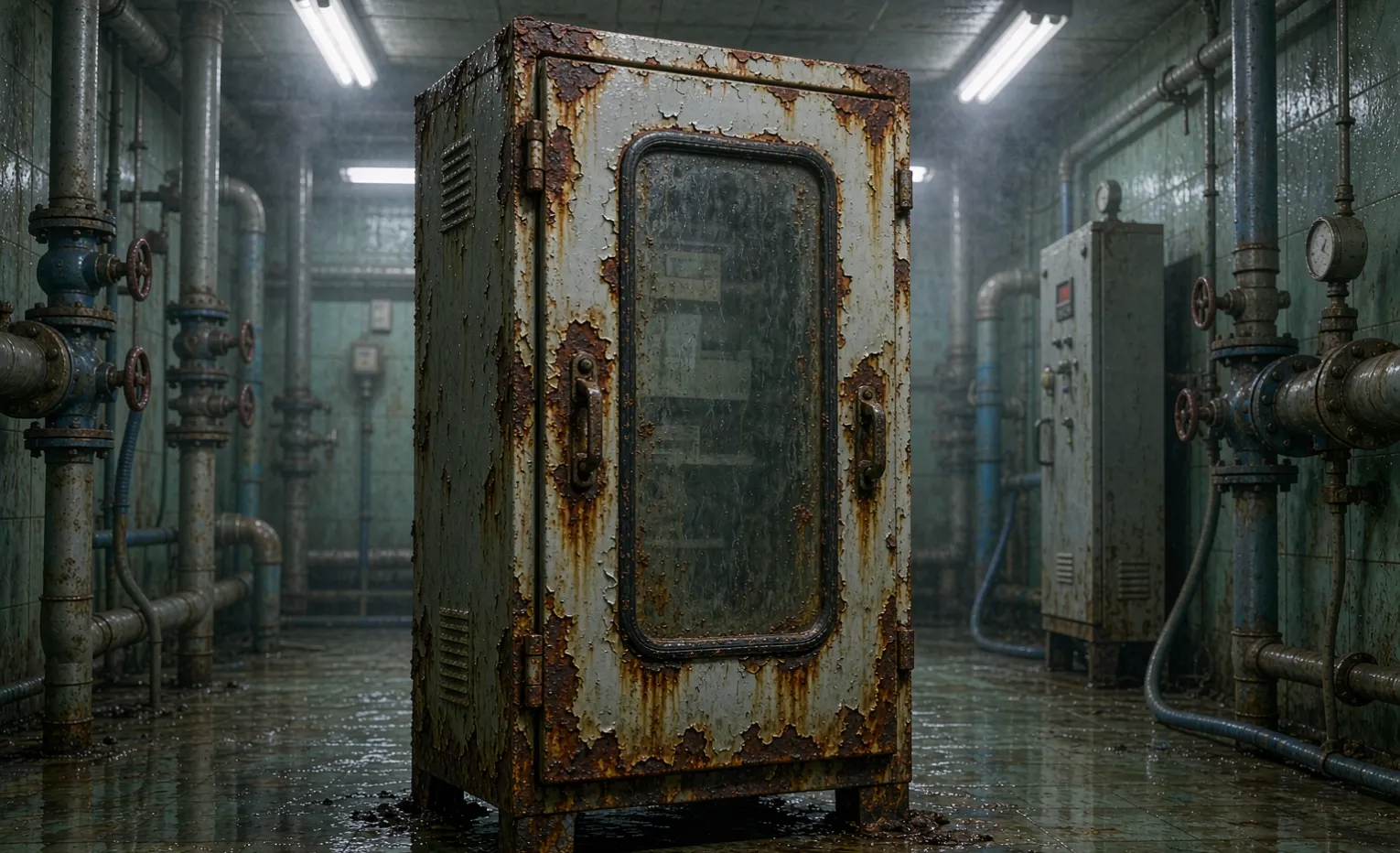
Walk into any chlorination room two years after handover and you will see the same story. A control enclosure that looked clean at commissioning, now with rust blooming at every hinge and a terminal block the maintenance guy is nervous to touch. Water treatment is brutal on enclosures, and the supplier you pick decides whether you get a box that lasts or a corrosion liability you keep paying for.
So the question is not "who is the biggest enclosure brand." It is simpler and harder: which supplier proves its rating with test records, and which one hands you one accountable package — enclosure and panel built and tested together — instead of a datasheet someone stamped IP65 on and nobody verified.
If you are still working out the panel side of the same project, our Water Treatment Control Panels guide covers the panel specification. This piece stays on the enclosure and on who supplies it.
Why water treatment is its own animal
Treatment halls stack three things enclosures hate: standing moisture, chlorine and other disinfectant fumes, and daily temperature swings that pull condensation into the box. Powder-coated mild steel looks fine on day one and rusts at the cut edges and hinge points within months in a chlorination atmosphere. Once moisture gets inside, it corrodes terminals and drives the PLC faults that show up as "random" alarms nobody can reproduce.
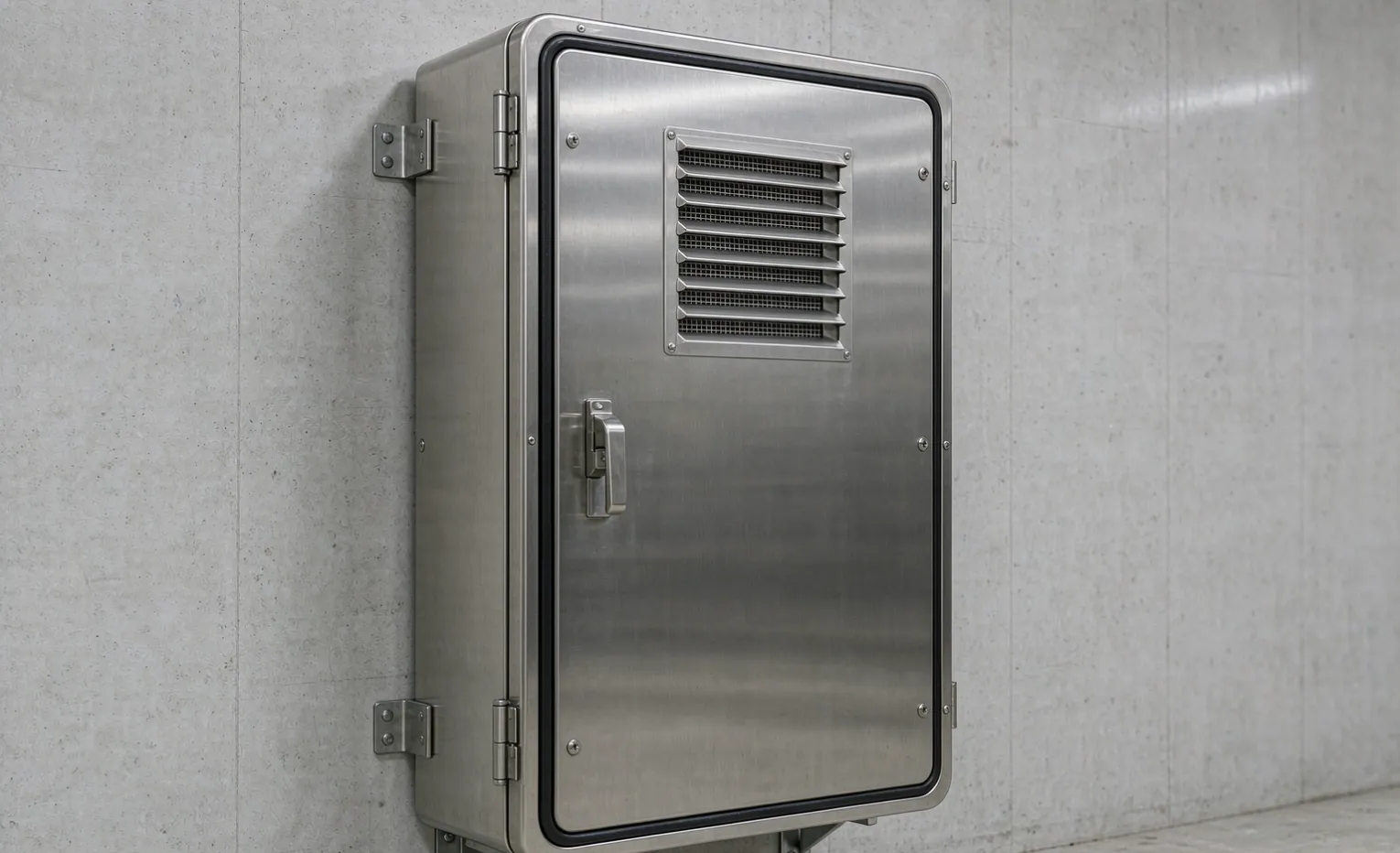
That is why the practical baseline for this vertical is 316 stainless steel or corrosion-treated steel at IP65, or NEMA 4X where washdown and coastal exposure are in play. IP65 (per IEC 60529, see iec.ch) keeps out low-pressure water jets; NEMA 4X (per nema.org) adds corrosion resistance for hose-down and outdoor coastal duty. Get the rating from a verified build, not a stamp — more on that below.
The shortlist, compared
These are the names buyers actually shortlist for water treatment enclosures. None is "the best" in the abstract — each is best for a specific buying situation.
Rittal. The global default. Engineering consistency is genuinely high and the accessory ecosystem is deep. The trade-off is lead time: custom sizes and non-standard cutouts can stretch well beyond standard-stock windows, which matters when your panel integrator is waiting on the box.
Schneider Electric. Broad enclosure range with strong, consistent documentation — a real plus if your procurement team audits certificates. The catch is unit cost at small volumes; you pay for the brand and the paperwork, which is fine for a flagship plant and painful for a spread of small pump stations.
Fibox. The one to watch if your atmosphere is aggressively corrosive and you do not need a metal box. Polymer enclosures shrug off chloride attack that eats steel. The limit is mechanical and thermal: they are not the choice for heavy Operators, large heat loads, or sites where something might hit the box.
Eldon. Solid steel enclosure family, good value on standard sizes, and a sensible pick when you know exactly what you want and just need it made. Less of a player on highly custom or certified-special builds.
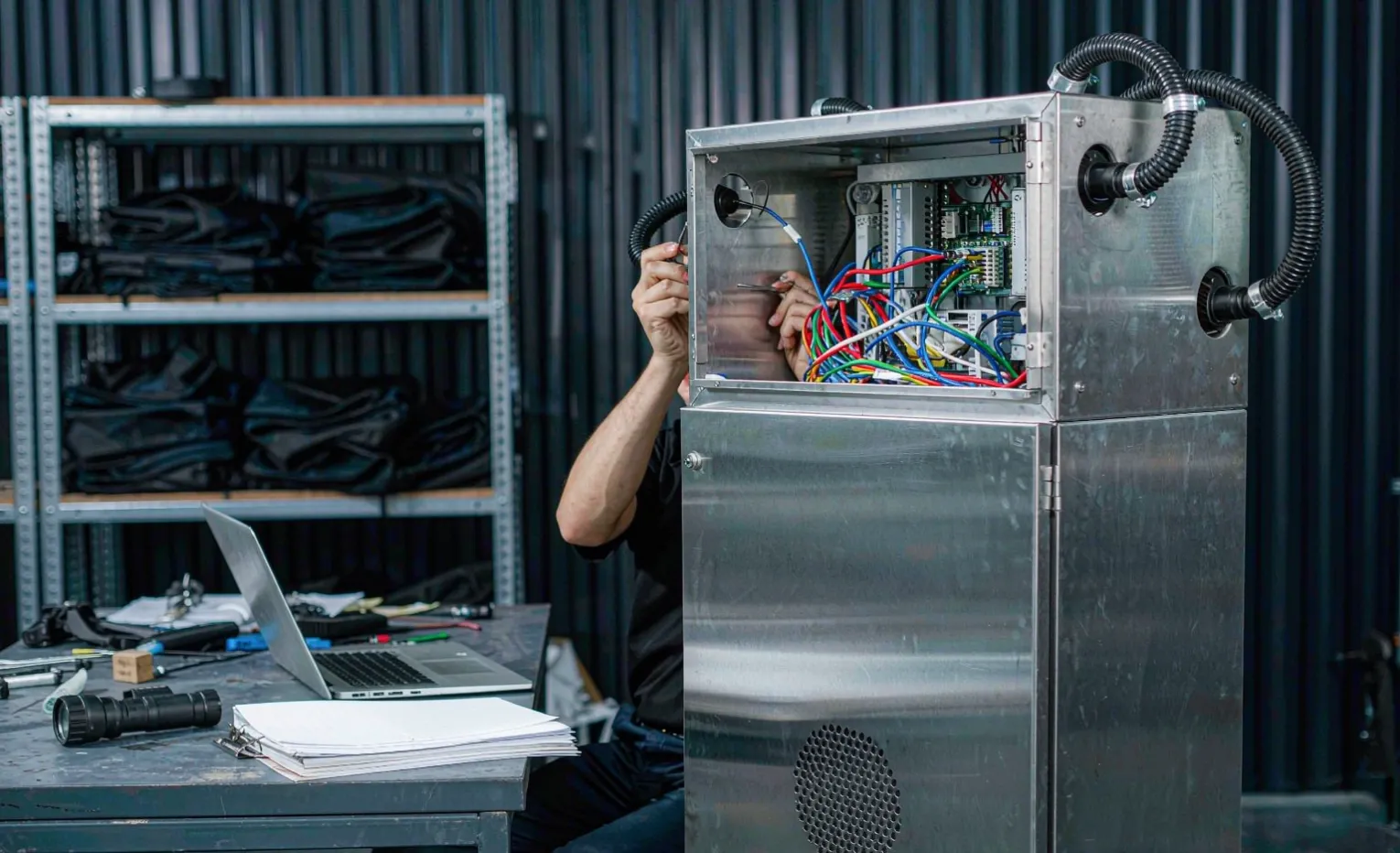
Uni Regal Corp., Ltd. We are a Foshan-based sourcing and integration partner, not an enclosure manufacturer. We supply stainless and carbon steel enclosures built to your drawing at IP65/IP66, with custom dimensions and pre-shipment inspection, and — this is the part that matters for water treatment — we can deliver the enclosure and the control panel as one built-and-tested package so there is a single point of accountability.
The decision matrix
Supplier | Best when | Material range | Lead-time risk | Test records | Single package (panel + box) |
|---|---|---|---|---|---|
Rittal | You want the global standard | Steel, stainless, poly | Higher on custom | Strong | No (enclosure only) |
Schneider | Audit-heavy, documented buys | Steel, stainless | Moderate | Very strong | No (enclosure only) |
Fibox | Aggressive corrosion, no metal needed | Polymer | Low | Moderate | No (enclosure only) |
Eldon | Standard sizes, tight budget | Steel | Low–moderate | Moderate | No (enclosure only) |
Uni Regal | You want box + panel as one accountable unit | Carbon, 304/316 SS | Low–moderate | Per-project FAT | Yes |
A required disclosure
We are a sourcing and integration partner, not one of the manufacturers ranked above, and we are included because water treatment buyers keep asking us to supply the enclosure as part of a built-and-tested panel. We are neutral on which enclosure brand you choose — if you already have a Rittal or Schneider box on site, we will build and test the panel around it. Treat the row above as a buyer's map, not a sales pitch.
What to put in your RFQ
Six inputs get you comparable quotes instead of a string of "can you clarify" emails:
- Material — 304 or 316 stainless, or corrosion-treated carbon steel, stated by grade.
- Rating — IP65/IP66 (IEC 60529) or NEMA 4X, and whether it must be verified or just labelled.
- Dimensions and door type — external size, single or double door, mounting style.
- Cable entry — gland plates, number and size of cutouts, conduit vs cable gland.
- Internal fit-out — mounting plate, back panel, DIN rails, and what gets pre-installed.
- Documentation — material certificates, ingress test records, and a FAT report.
State all six up front and you eliminate the single biggest cause of re-quoting loops.
Red flags when you compare quotes
- A rating with no test record. IP65/NEMA 4X stamped on a datasheet is not the same as ingress verified on the actual build. Ask for the test record.
- Carbon steel quoted as "stainless-equivalent" to save 30%. In a chlorination room that saving comes back as field corrosion and panel rewiring.
- No condensation plan. Outdoor or humid cabinets need breather drains or anti-condensation heaters; silence on this is a miss.
- Enclosure from one supplier, panel from another. When something fails, you get two vendors pointing at each other. One accountable package removes the argument.
Frequently asked questions
Do I need 316 stainless, or is 304 enough? For direct chlorine or coastal exposure, 316 is the practical baseline — its molybdenum content resists pitting that 304 eventually shows. 304 is acceptable in milder, well-ventilated treatment areas. Match the grade to the worst corner of the site, not the average.
NEMA 4X or IP65 — which rating do I specify? They are not the same standard, but they overlap in intent. IP65 (IEC 60529) is about ingress of dust and water jets; NEMA 4X (NEMA) adds corrosion resistance and hose-down. For washdown and coastal water treatment, ask for NEMA 4X or IP66 with documented corrosion treatment rather than plain IP65.
Can I buy the enclosure from one supplier and the panel from another? You can, and many do. The cost is accountability: when a fault appears at the enclosure-to-panel interface, each vendor blames the other. Buying both as one built-and-tested package is the cleaner route for treatment plants where downtime is expensive.
What test records should I actually demand? At minimum, material certificates for the enclosure grade, an ingress protection test record for the rated IP/NEMA level, and a factory acceptance test (FAT) report with photographs of the actual build — not a generic template.
How long does a custom stainless enclosure take? Standard sizes from stock suppliers run in days to a couple of weeks; custom dimensions or certified-special builds run longer, and brand-name custom enclosures can stretch further still. If the enclosure is part of a built-and-tested panel, plan from confirmed drawings — typically a few weeks, not months, for a single accountable unit.
Is a polymer enclosure ever the right call? Yes, in aggressively corrosive atmospheres where metal would pit — Fibox-type poly enclosures handle chloride attack well. They are wrong where you need heavy Operators, high internal heat, or impact resistance, so weigh the duty before you spec plastic.
Send us the drawing
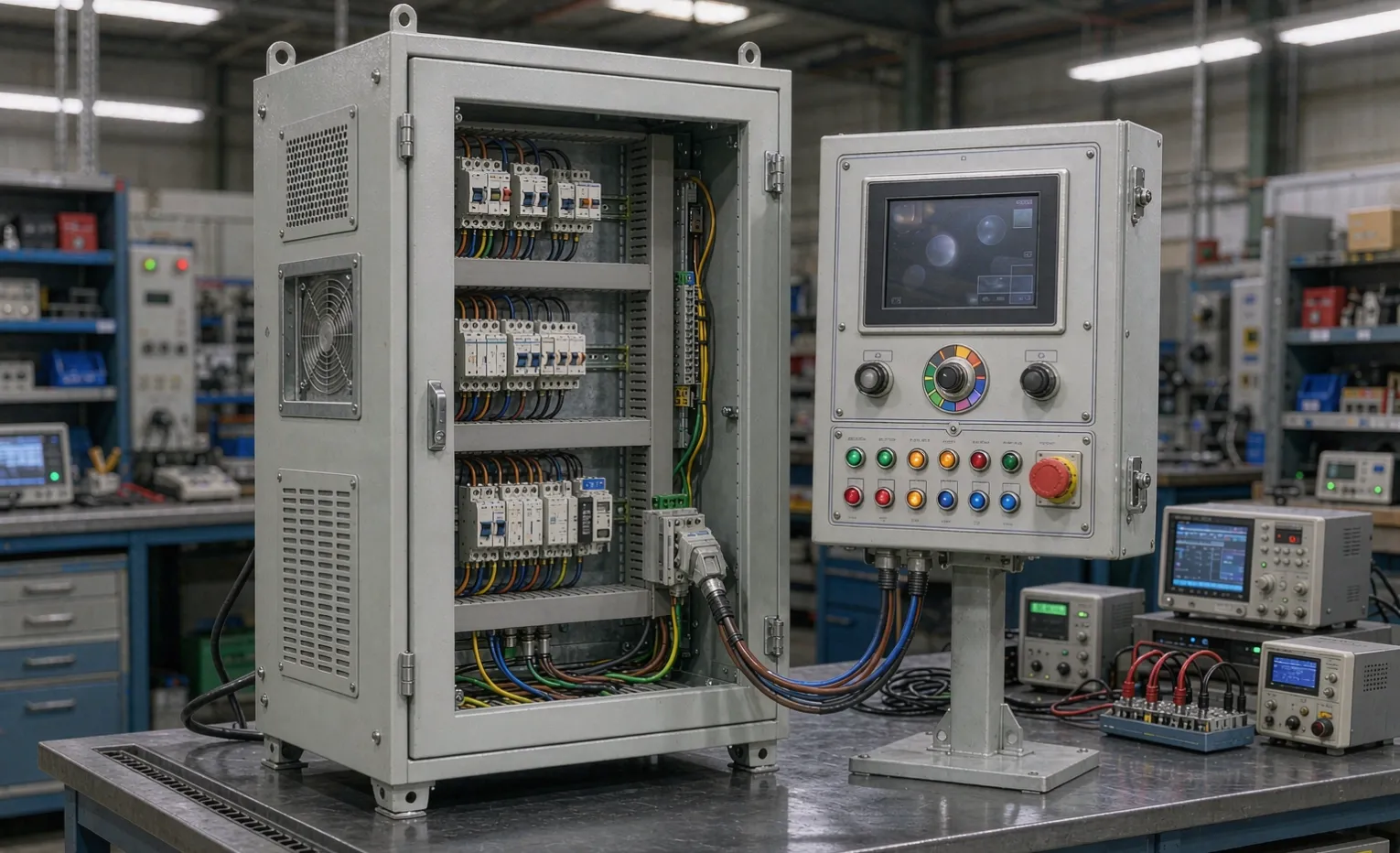
Send the enclosure drawing, the dimensions, or just the equipment list you need to house. We will review it before quoting — material grade, rating, condensation plan, and whether the box should ship as part of a tested panel. Most inquiries get a reply within 24 hours. If you only need the box itself, our electrical enclosures range covers the build options we offer.