
A Remote Site Doesn't Lose Power — It Loses the Report: Specifying UPS for Unattended SCADA Stations
At an unattended site the load that matters is the telemetry, not the process. Specify UPS power by three clocks — transfer, ride-through, notification — not by nameplate VA.
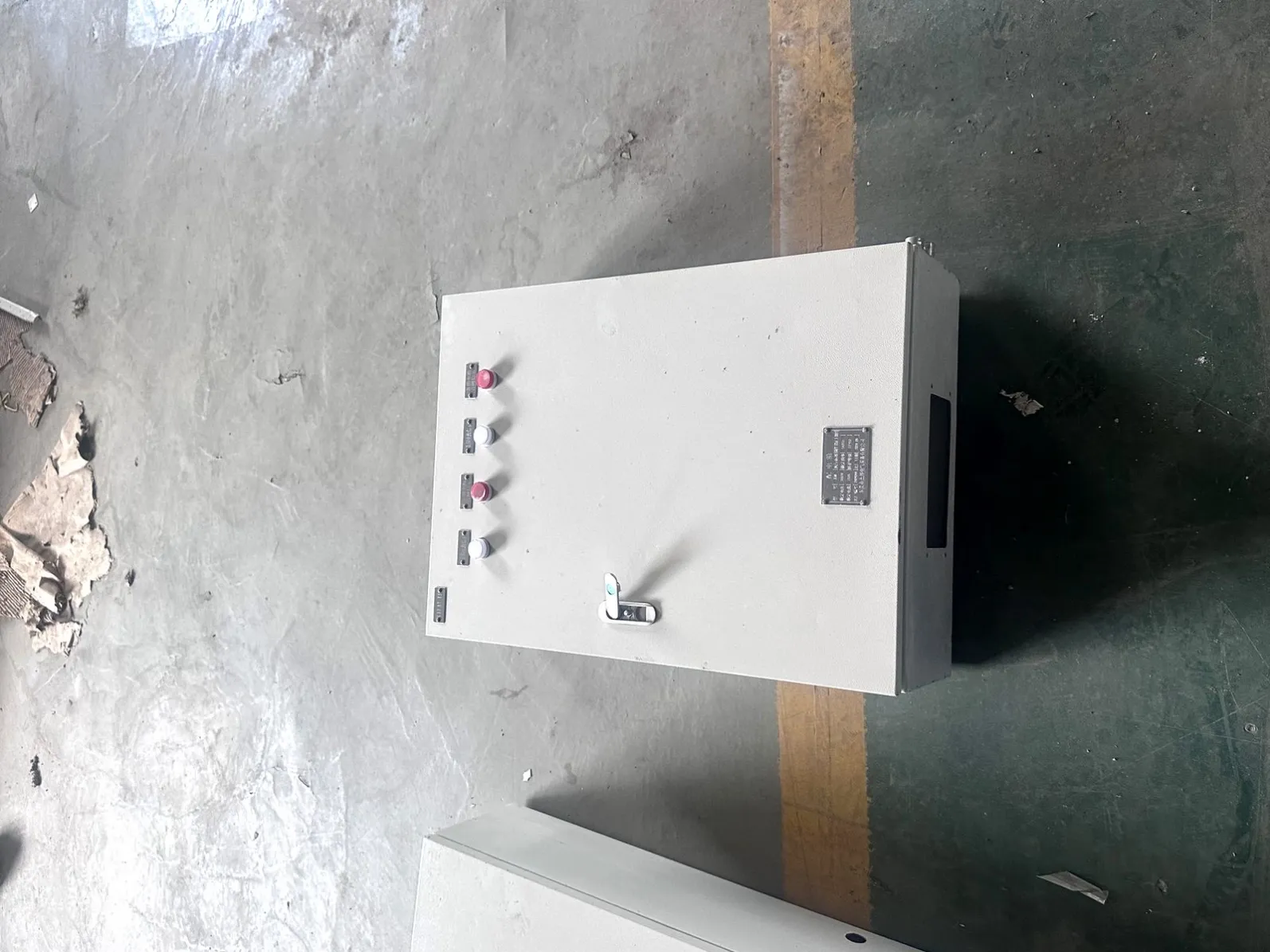
A well-site RTU lost its utility feed at 22:40 on a Friday. The UPS picked up inside its specification, the controller kept scanning and the radio kept transmitting — for roughly thirty-eight minutes. The unit was quoted at two hours of autonomy. It was minus twelve outside, the cabinet had no heater, and the battery string was in its fourth year. When the load finally dropped, the radio rebooted on the way back, the transfer alarm sat in a register nobody polled, and the control centre learned the site was dark on Monday morning, when a technician drove out and found it.
None of that failure was a mystery. Every input that decided the outcome was knowable at the enquiry stage. None of them made it onto the purchase order.
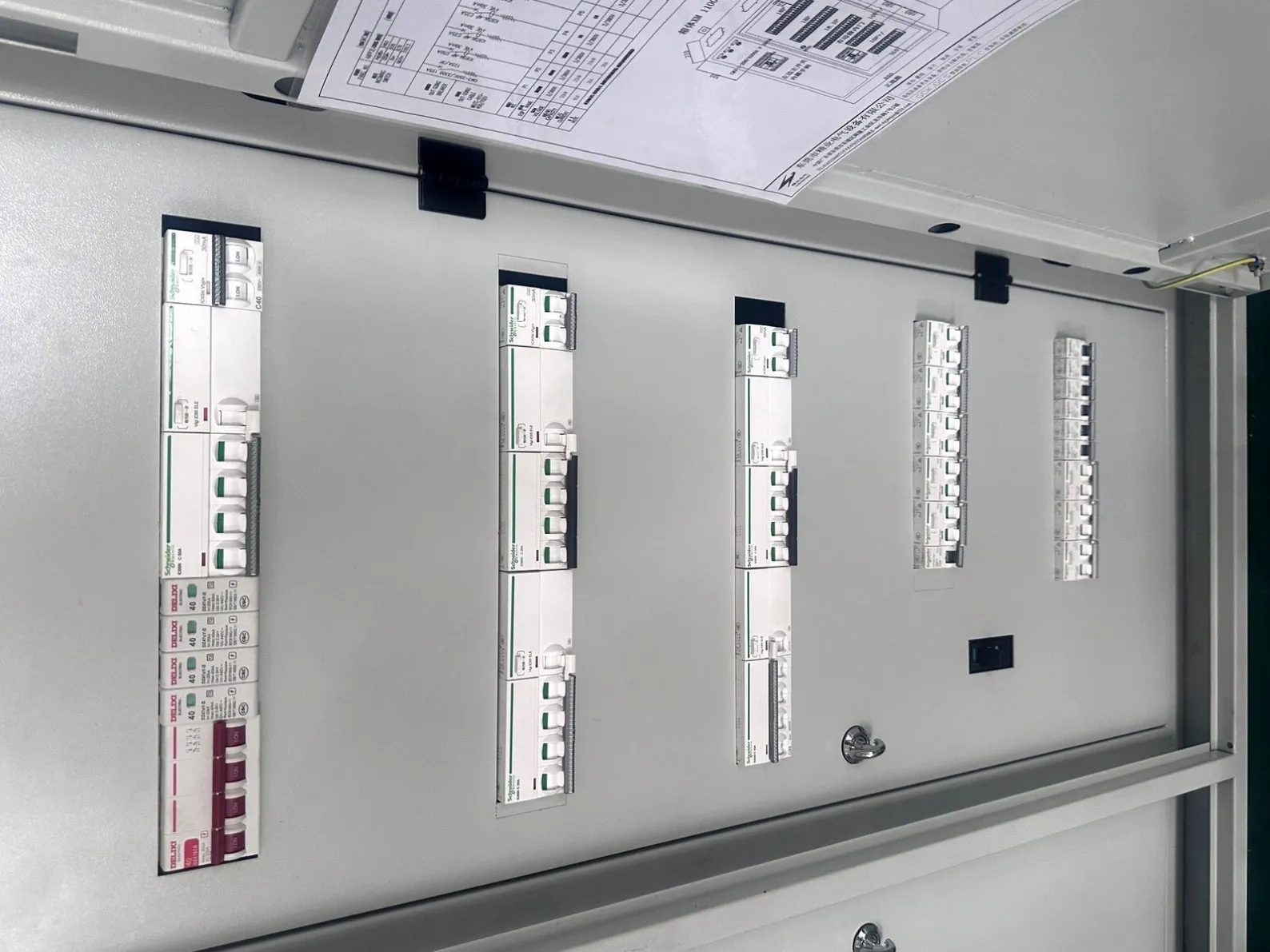
The three clocks decide everything
Here is the judgment worth carrying into any unattended installation: an off-grid site is not kept alive by one number on a datasheet. It is kept alive by three clocks running in series — the transfer (milliseconds), the ride-through (minutes) and the notification path (the time until a human being actually knows). A UPS is directly responsible for the first two. The third belongs to the system you build around it. If the slowest clock is the one nobody specified, the money spent shortening the other two buys almost nothing.
Buyers tend to shop the middle clock. They compare autonomy figures and VA ratings, because those are the numbers printed on a quotation. The transfer class and the alarm path are treated as installation details — and then discovered, in the dark, to have been the deciding factors. Reverse that order. Decide how the site will report its own failure first, then make the transfer short enough that the reporting gear survives it, then size the battery for the weather the cabinet will actually see.
That ordering also defines our boundary. We are a sourcing partner for enclosures, panels and UPS systems, not a UPS manufacturer, and we do not programme RTUs or commission SCADA networks. What we can do is make sure the three clocks are written into the equipment enquiry as testable requirements rather than left to the default.
Clock one: transfer is a classification, not an adjective
The word "online" appears on almost every UPS quotation and means almost nothing on its own. IEC 62040-3:2021 Clause 5.3.4 replaces marketing language with a three-part performance code: AAA for input dependency, BB for output waveform, CC for dynamic output performance. The first field reads VFD (voltage and frequency dependent), VI (voltage independent) or VFI (voltage and frequency independent). The third is a two-digit dynamic class, with 1 the tightest tolerance and 3 the loosest.
The difference is not academic at a remote site. A VFD unit in dynamic class 3 may interrupt its output for up to about 10 ms on a changeover. Most RTU power supplies and industrial radios tolerate a brief dip, but the margin is a property of the specific device, not a universal constant — and a radio that reboots once has to re-register, re-establish its link and replay its buffers. From the control room the site looks exactly as if the power had never come back. A VFI-SS-11 designation, by contrast, describes a double-conversion unit with sinusoidal output in both modes and the tightest dynamic envelope, with no interruption at transfer.
The reasoning chain is the useful part. A momentary interruption can reset communications equipment. A reset silences the site precisely when it is trying to report a fault. Therefore the specification should name the IEC classification code and the maximum transfer interruption the load can tolerate — not the word "online", which carries no standardized meaning and survives every vendor translation.
This is the same discipline behind our electrical enclosure supplier sourcing guide: write the standard and the test condition, and the quotation becomes comparable.
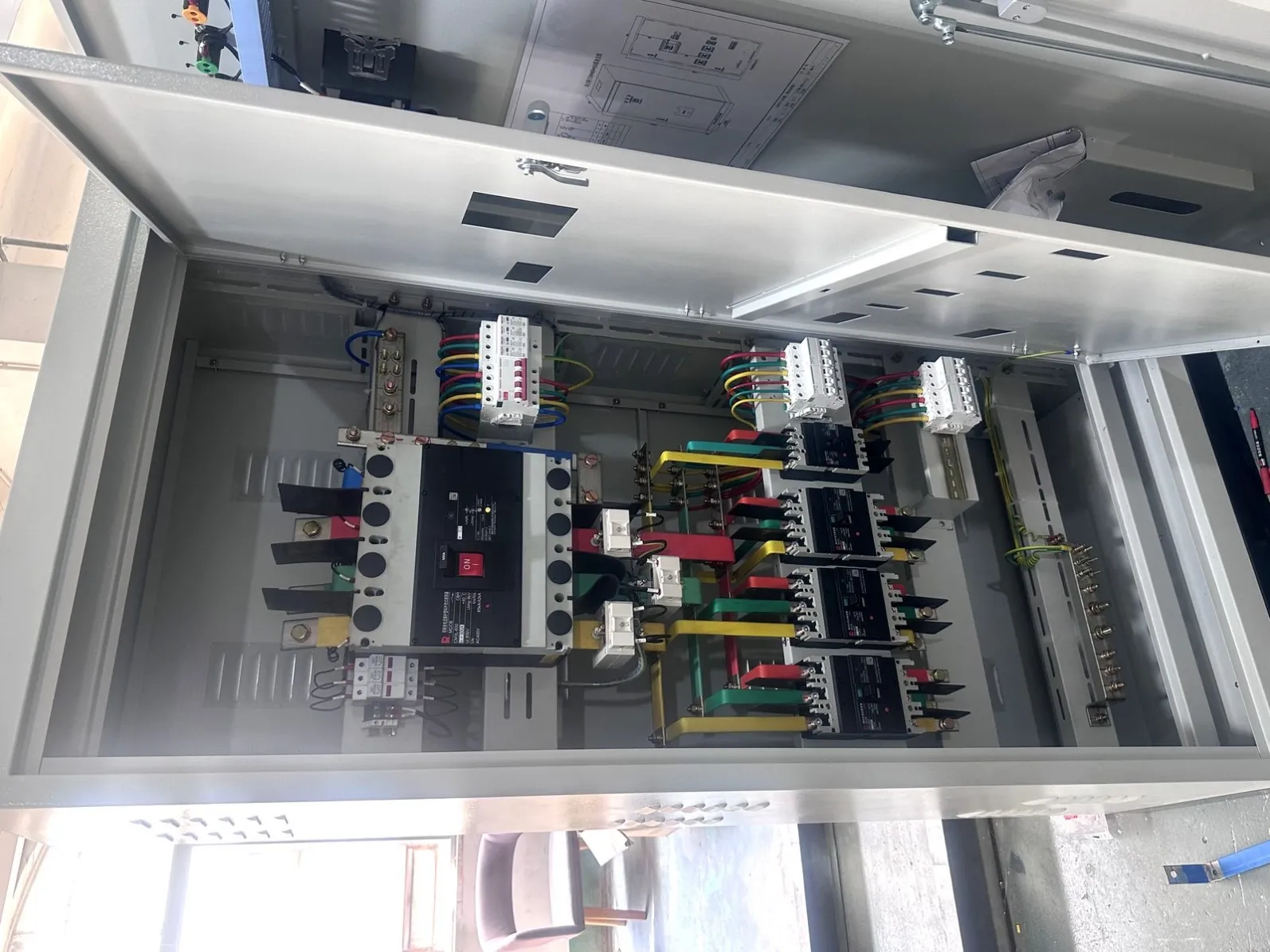
Clock two: every quoted runtime is a 25 °C number
The second clock fails more quietly. IEC 62040-3:2021 Clause 6.4.3.1 sets the autonomy test with a fully charged battery at a reference of 25 °C, and notes that new batteries may need several charge–discharge cycles before they deliver rated capacity. That figure is a laboratory result for a fresh string at a controlled temperature. An unheated cabinet on a plateau is neither.
Temperature cuts available capacity in two different ways, and it is worth keeping them separate. Cold reduces the capacity available right now: published curves for VRLA place deliverable capacity around 60–70% of the 25 °C rating near 0 °C, and IEEE 450 Table 1 gives temperature-correction factors for capacity testing (0.942 at 20 °C against 1.000 at 25 °C). Heat mostly steals years rather than minutes: the Arrhenius rule cited in IEEE 1188 contexts roughly halves VRLA life for every 10 °C above 25 °C. IEEE 1188 Clause 5.2 accepts a VRLA string at 90% of rating and Clause 7 treats 80% as the replacement threshold — so a battery that is still nominally "in service" may already be well below the capacity the original runtime was calculated against.
Put those together and the two-hour claim becomes a moving target. At a winter cabinet temperature and at end-of-life capacity, the same unit may deliver a fraction of its quoted minutes. The buyer's job is not to argue with the catalogue. It is to require the autonomy to be stated at the coldest declared cabinet temperature and at a stated end-of-life capacity fraction, with the test basis named. Our UPS backup time sizing guide covers the underlying energy arithmetic; the point here is that the arithmetic has a temperature and an age attached to it.
The chemistry choice interacts with the same clock. Where the cabinet cannot be heated and the winter minimum is severe, the case for lithium or for a heated, temperature-managed enclosure changes on its own — see our VRLA versus lithium battery selection guide. None of this is a reason to oversize indefinitely; it is a reason to declare the site temperature before the string is specified.
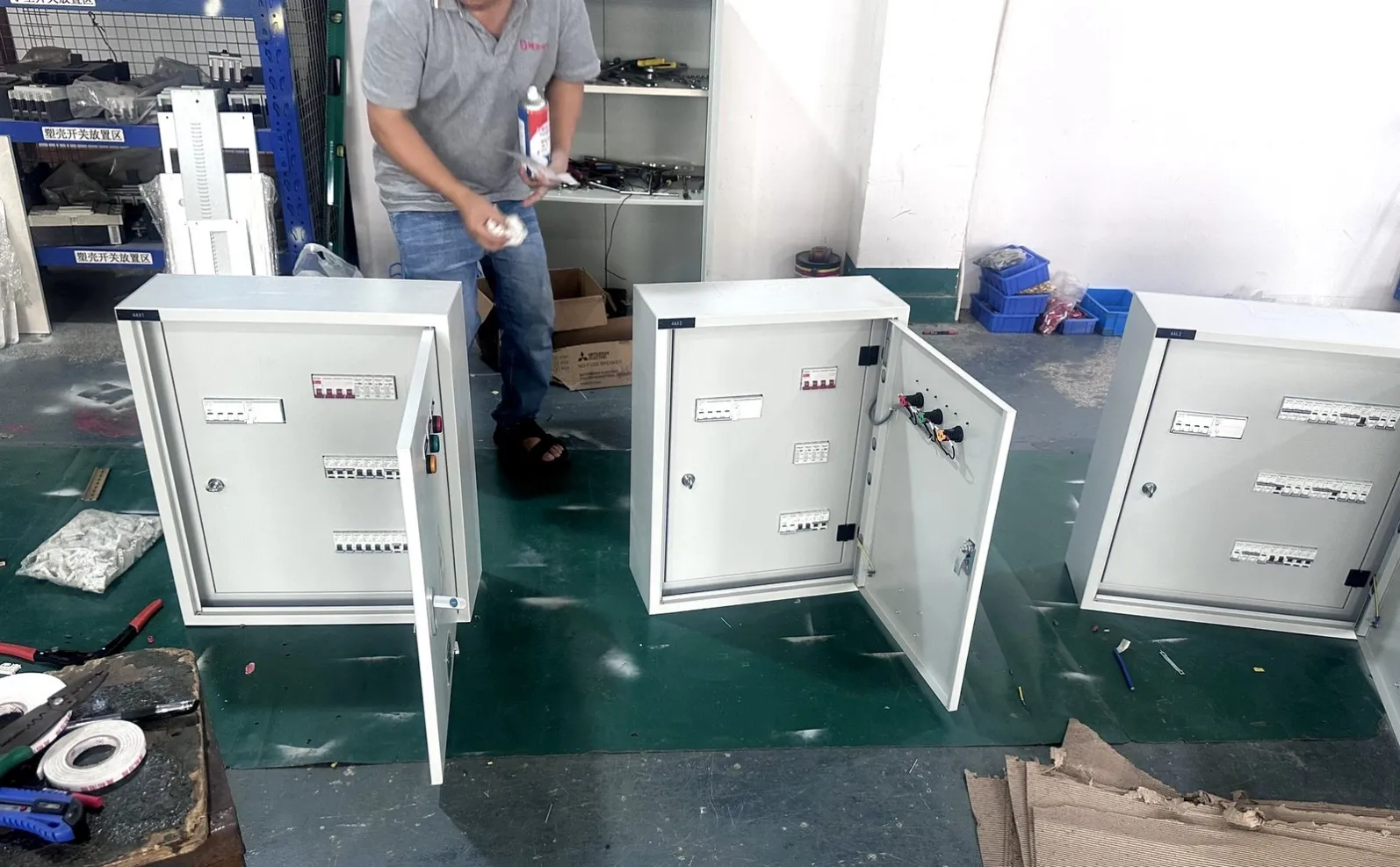
Clock three: nobody knows until somebody is told
The slowest clock is the one with no standard clause to hide behind. An unattended site has no operator to notice the transfer, no one to hear the contactor drop out, and no daily log to read. A UPS can log a dozen alarm states — utility failure, battery operation, low battery, bypass, overtemperature — and still leave the site silent if those states are never mapped to a dry contact or a network message that reaches a person.
The correct question at enquiry is not "does it have SNMP" but "which events leave this cabinet, by what path, and who receives them." The answer has to survive the failure it is meant to report: an alarm that depends on the same utility feed and the same radio that just reset is not an alarm path, it is a hope. Our UPS monitoring protocols guide deals with the protocol layer; what matters at this stage is the human at the end of it and an escalation that does not require someone to be watching a screen. This is why why UPS batteries fail before their rated life is a maintenance question at a staffed site and a safety question at an unattended one.
The RFQ block that makes the clocks enforceable
The following is illustrative procurement text. Adapt the classification, temperature and escalation to the actual load and site; the point is that each clock becomes a line a supplier can accept or reject.
What to check before the site is left alone
This checklist is illustrative and belongs in the handover procedure, not in the sales conversation.
Seven lines, none of which requires a laboratory. They require that the three clocks were designed rather than assumed. A supplier who can fill in the classification code, the cold-weather autonomy and the alarm destination has treated the unattended site as a system. A supplier who answers only with VA and minutes has priced a box.
Frequently asked questions
Is a VFI UPS always necessary at a remote site? Not always. What is necessary is that the transfer interruption is shorter than the ride-through of the specific radio and controller fitted. VFI is the safest default when that ride-through is unknown, but a documented device specification is a better basis than a topology name.
Can we just double the battery capacity to cover cold weather? Capacity buys minutes; it does not fix an alarm that never reaches anyone, or a transfer that resets the radio. Size for the declared temperature, then verify the notification path. Oversizing the string is the expensive way to leave the other two clocks untouched.
Why does a two-year-old battery miss its quoted runtime? Autonomy is quoted for a fresh string at 25 °C. Capacity falls with temperature and with age, and IEEE 1188 treats 80% of rating as the replacement point. A capacity test at the site temperature is more informative than the original datasheet.
Should the alarm go through the same radio as the telemetry? Only if the radio has its own ride-through and re-registers cleanly. Otherwise use an independent path — a separate low-power cellular or satellite notifier, or a dry contact into a locally powered logger — so the report does not depend on the equipment that failed.
Does a larger enclosure solve the temperature problem? It changes the thermal time constant, not the declared minimum. A heater, insulation or a temperature-managed battery compartment is what holds the string inside its rated window; the enclosure size alone only slows the approach to ambient.
What if the site temperature is not known at enquiry? Record the best available figure and mark it preliminary. A nominal value triggers the cold-weather review; no value at all leaves the autonomy number unqualified and the alignment with the real site to chance.
Related guides
Talk to an engineer about your remote site
Send the load, the lowest expected cabinet temperature and the alarm destination with your enquiry and we will route them to the build partner for a classification and autonomy review before a string is sized.
Produced with AI-assisted drafting and reviewed by the Uni Regal team before publication.