
Oct 5, 2026
10 MCC Panel Specification Mistakes That Cause Downtime
Most motor control center downtime is decided on paper. These 10 spec mistakes show up in the field again and again — and every one is fixable before the panel is built.
10 MCC Panel Specification Mistakes That Cause Downtime
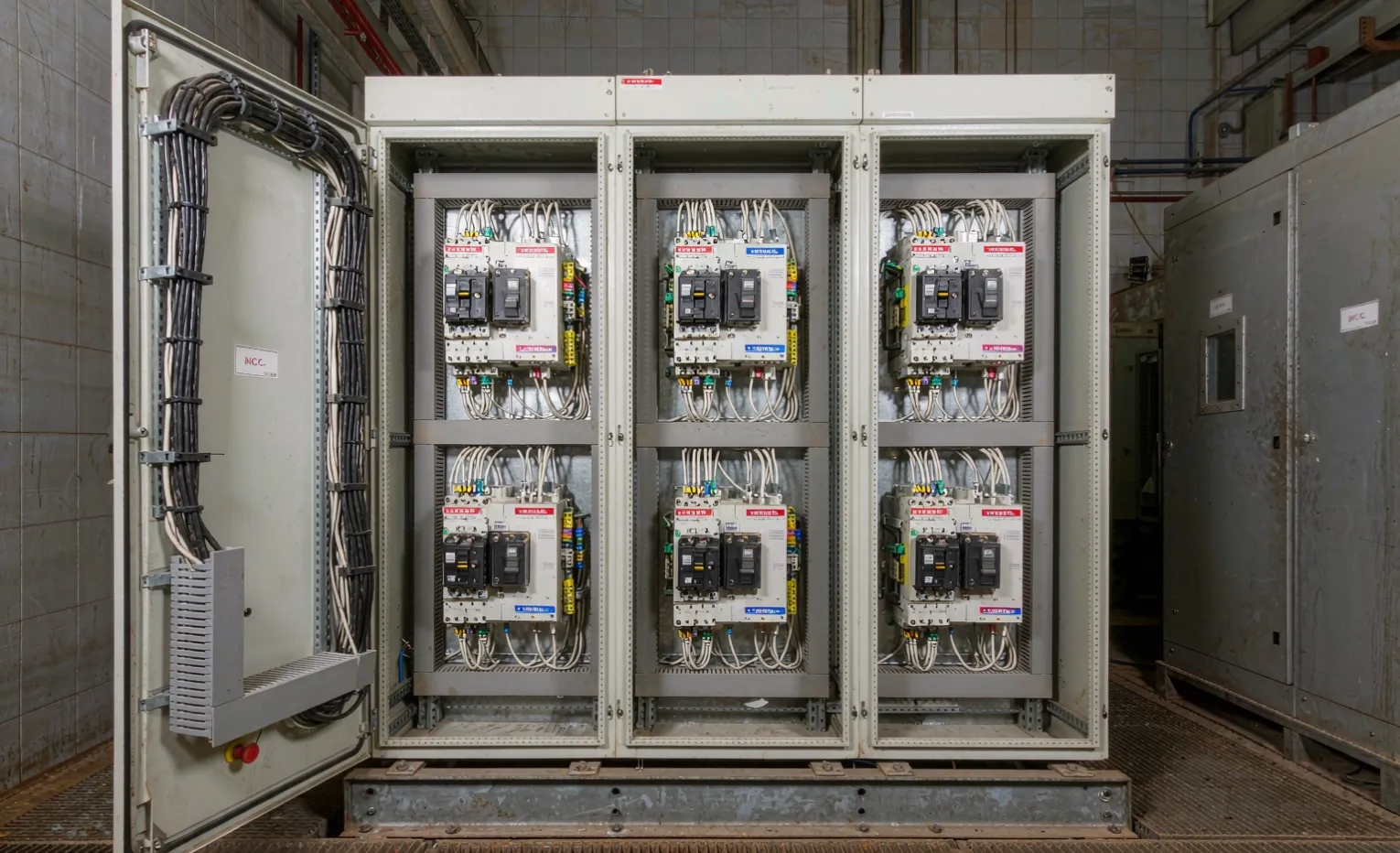
Most motor control center (MCC) downtime isn't a bad component — it's a bad spec. The errors that shut a line down at 2 a.m. were usually written into the RFQ months earlier. As a sourcing partner and panel-build shop, we see the same ten mistakes repeated across food, water, and OEM jobs. Catch them at the drawing stage and you avoid maybe 80% of the field failures we get called about.
This is a checklist, not a catalog. Walk your spec against it before you send it out. For the bigger sourcing picture, our China control panel sourcing guide covers the rest.
1. Forgetting the short-circuit current rating (SCCR)
The single most common miss. Your MCC must carry an SCCR equal to or above the available fault current at the panel — that's NEC 409 and UL 845. We still see panels rated 10 kA sitting on a 25 kA bus. That's a code violation and a real arc-flash risk. Stamp the SCCR on the nameplate and prove it with the coordination study. Our SCCR guide walks the calculation.
2. Picking the wrong form of separation
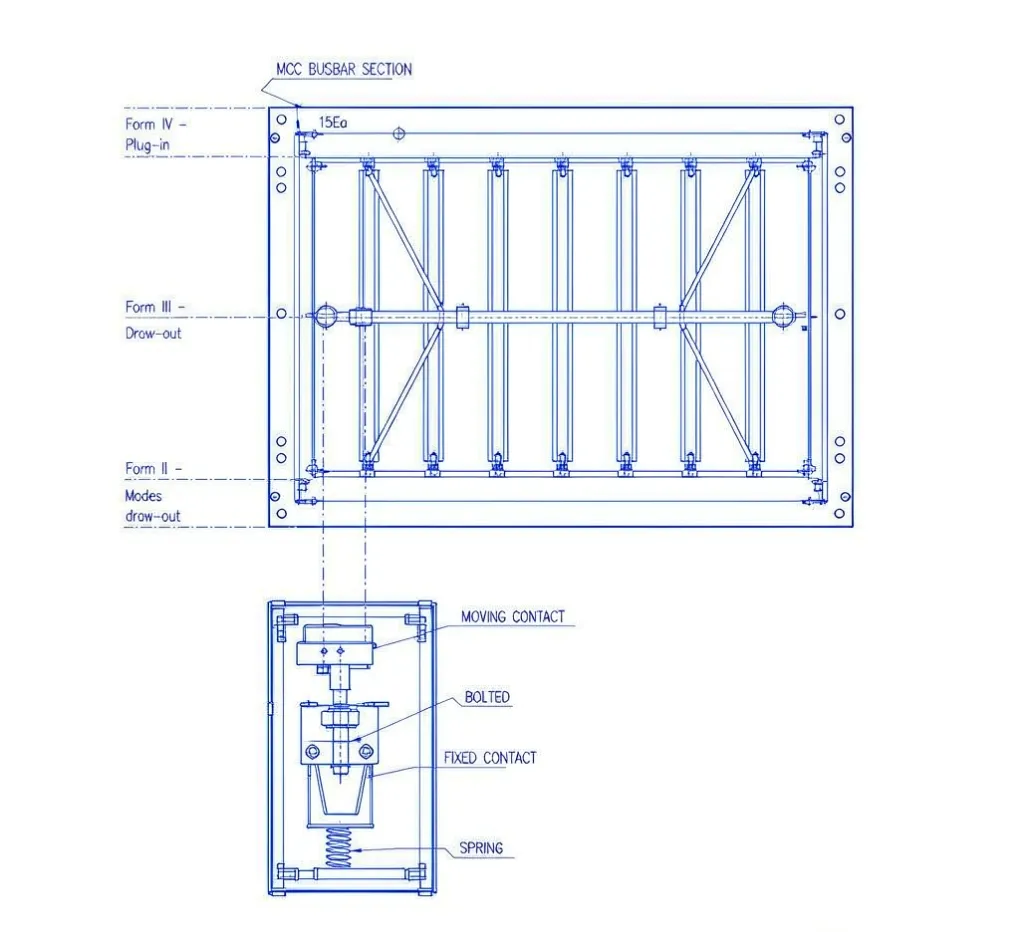
Form 1, 2, 3, 4 — the separation level between bus, feeders, and controls decides how bad a single fault spreads. A Form 1 MCC with no separation lets one bucket failure take the whole section down. Most process lines need at least Form 2; critical motors want Form 3A/3B. Buyers who skip this line pay for it during the first fault.
3. Spec'ing fixed when you needed drawout
Fixed starters are cheap until a starter fails and the line is down for a teardown. Drawout buckets let a tech swap a failed unit in minutes. We break the trade-off down in our drawout vs fixed comparison. If uptime matters more than the first-cost delta, drawout wins.
4. Undersizing the cooling for VFD buckets
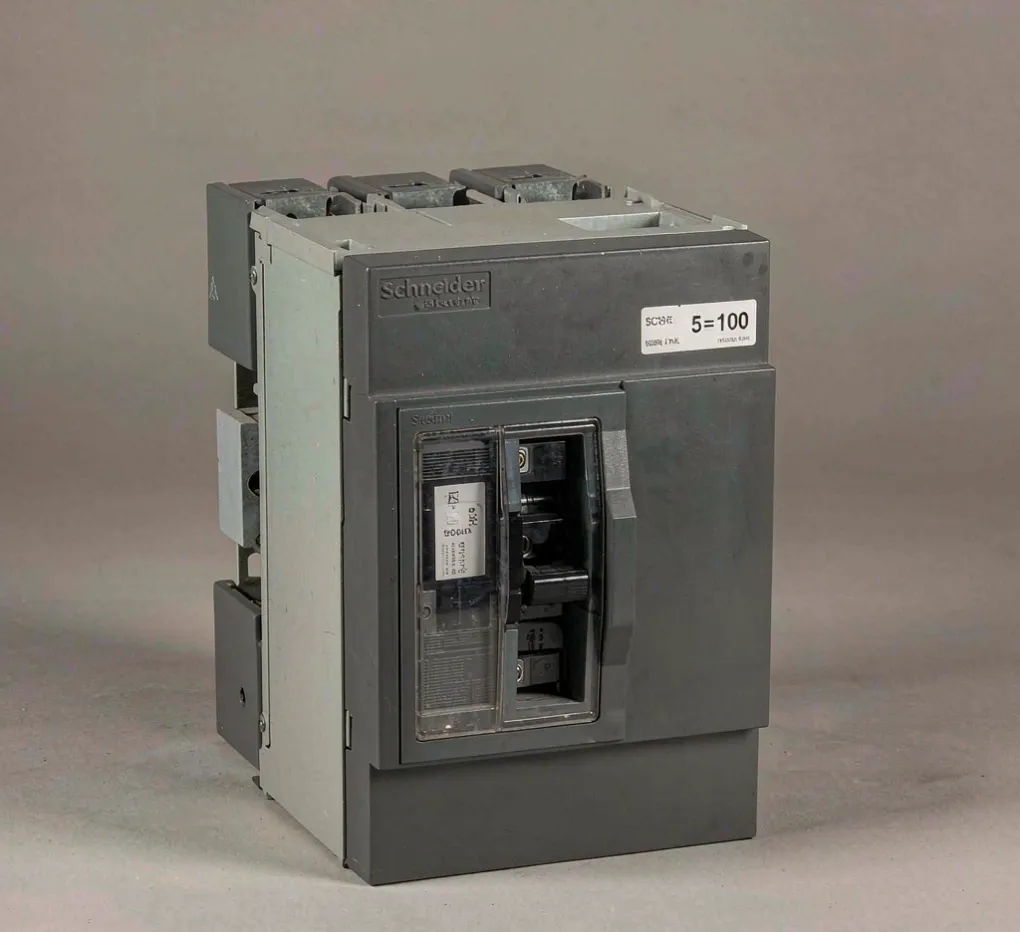
VFD buckets throw heat, and a stacked VFD section in a sealed MCC cooks itself. Spec the ventilation or forced cooling before the builder guesses. We size fan-filter or heat-exchanger cooling against the summed losses, not the nameplate motor rating.
5. Weak or missing labels
"No label" is the fastest way to slow a shutdown recovery. Every bucket needs a permanent, legible tag with the motor ID, feeder number, and disconnect. Laser-etched, not stick-on. A tech who can't find the right bucket in the dark is your downtime multiplier.
6. Ignoring the temperature-rise limit
Bus and connections have a temperature-rise ceiling — IEC 61439-2 caps bare copper bus around 80 K rise. Overloaded bus runs hot, loosens terminations, and degrades. Size the bus for the actual continuous load plus the VFD harmonics, not the motor full-load current alone.
7. Forgetting withdrawal safety interlocks
Drawout sections need the isolating interlock done right, or a tech pulls a bucket under load. That's how you get arcing and injuries. Verify the interlock sequence on the spec, not at commissioning.
8. Mixing control voltage without isolation
A panel with 120 VAC control and 24 VDC sensors on shared grounds is a noise and nuisance-trip factory. Separate the control transformers, isolate the low-voltage, and keep the sensor grounds off the power ground. Cheap insurance.
9. Skipping the Factory Acceptance Test scope
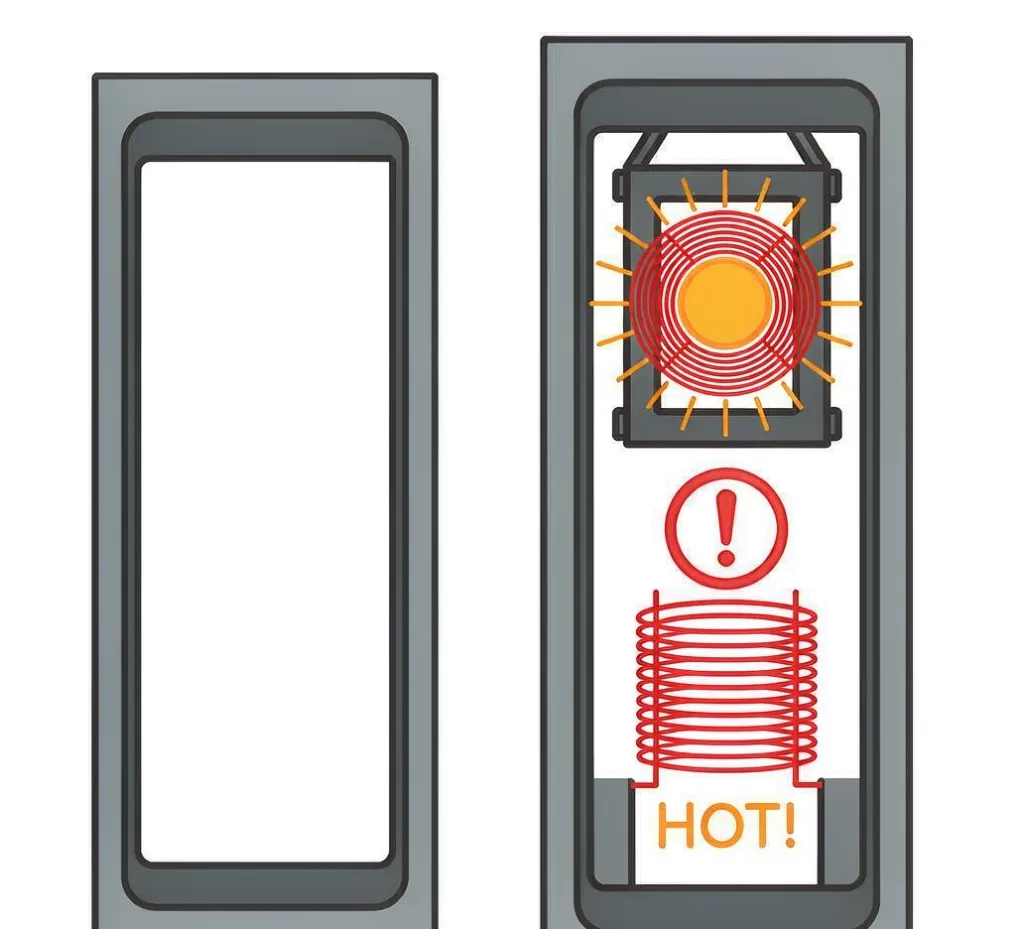
FAT is where most wiring and coordination errors surface — on our bench, not your site. Spec what FAT covers: continuity, megger, functional simulation, SCCR verification, and a visual. We run FAT on every MCC before shipment; see our pre-shipment checklist. Skipping it moves the discovery to the worst possible place.
10. Buying on price and assuming the certification
The lowest quote often quietly drops the UL listing or uses recognized-only components. For export, you need the right UL 508A listing and scope match — our UL 508A buyers guide explains what to verify. Confirm the listing number and scope before you commit, not after customs.
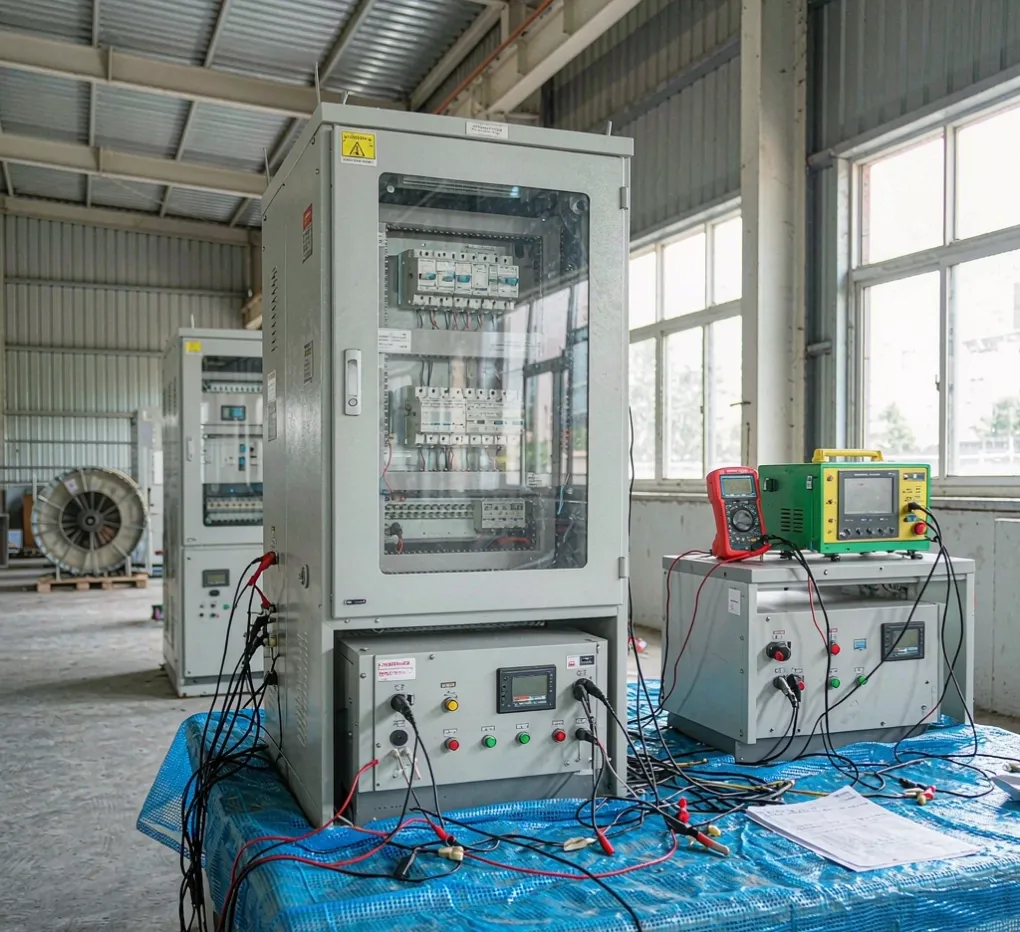
The pattern behind the ten
Every one of these is a paper error, not a parts error. They're cheap to fix in the RFQ and expensive to fix in the field. Send us the drawing and the available fault current and we'll flag which of these apply to your build — and we'll assemble it to the rating you actually need. Browse the custom control panels we build. Empty enclosures run a 5-unit minimum with about a 15-day turn; components ship in 3–5 days if you're patching an existing panel.
The quick severity matrix
If you only have time to check a few lines on the RFQ, check these first. The left column is the mistake; the right is whether it's fixable on paper or only in the field.
# | Mistake | What it actually costs you | Fix it before build? |
|---|---|---|---|
1 | SCCR too low | Arc-flash exposure, failed inspection | Yes — non-negotiable |
2 | Wrong form of separation | One fault takes neighboring buckets down | Yes |
3 | Fixed when you needed drawout | Hours of teardown at 2 a.m. | Yes, if uptime matters |
4 | Undersized cooling | VFD trips, premature heat death | Yes |
5 | Weak or missing labels | Slow, error-prone recovery | Cheap — just do it |
6 | Ignoring temperature rise | Loose terminations, degradation | Size the bus correctly |
7 | No withdrawal interlock | Arcing, injury risk | Verify the sequence |
8 | Mixed control voltage | Nuisance trips, noise | Isolate the supplies |
9 | Skipping FAT scope | Errors found on your floor | Always |
10 | Price-only certification | Customs or inspection fail | Confirm the listing |
FAQ
What SCCR do I actually need? Equal to or above the available fault current at the panel. Pull that number from the utility or the upstream breaker, then prove the assembly reaches it. Don't assume the builder checked.
Is Form 2 enough for most plants? For non-critical motor groups, yes. For anything where one fault can't be allowed to take neighbors down, go Form 3A or 3B.
Drawout or fixed for a small MCC? If the motors are critical and downtime is costly, drawout. If it's a simple, low-criticality lineup, fixed saves first cost. The trade is swap time versus capital.
Do I need FAT on every MCC? For anything going to a remote or hard-to-access site, yes. FAT catches wiring and coordination errors on the bench instead of at 2 a.m. on your floor.
What control voltage should I standardize on? 24 VDC for sensors and 120 VAC for control is a common split — keep them isolated. Avoid mixing without separation or you'll chase nuisance trips.
How do I verify a UL listing is real? Ask for the UL file number and check the scope matches your assembly. Recognized-only components in an unlisted panel is the most common gap we see on low quotes.
Buyer Takeaway
MCC reliability is decided in the spec, not the build. Check SCCR against available fault current, set the form of separation to your uptime need, size cooling and bus for real load, and don't skip FAT or certification scope. Fix these ten on paper and the panel shows up ready.
Related guides
Want a second set of eyes on your MCC spec? Upload the drawing for an engineering review — submit your requirements.