
Sep 14, 2026Buying Guides
How to Prepare an RFQ for a Large Outdoor Electrical Cabinet
Size, heat load, cable entry, standards, FAT and site conditions: what a complete outdoor cabinet RFQ needs so the quotes you get back are comparable.
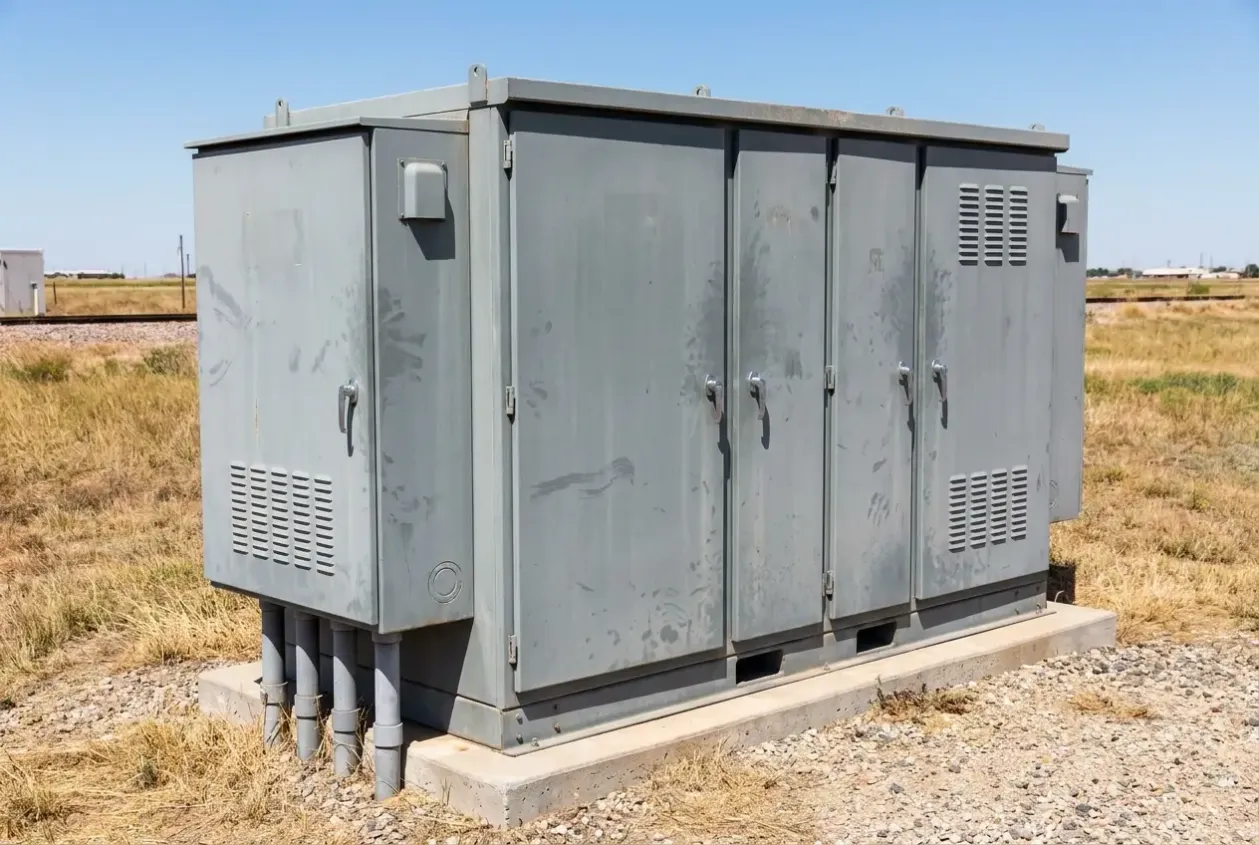
How to Prepare an RFQ for a Large Outdoor Electrical Cabinet: A Buyer Review
A large outdoor electrical cabinet RFQ can look complete and still produce three quotations that cannot be compared fairly. This usually happens when the buyer sends only cabinet dimensions, material, and an IP rating. The supplier can quote from that information, but the price will be built on assumptions.
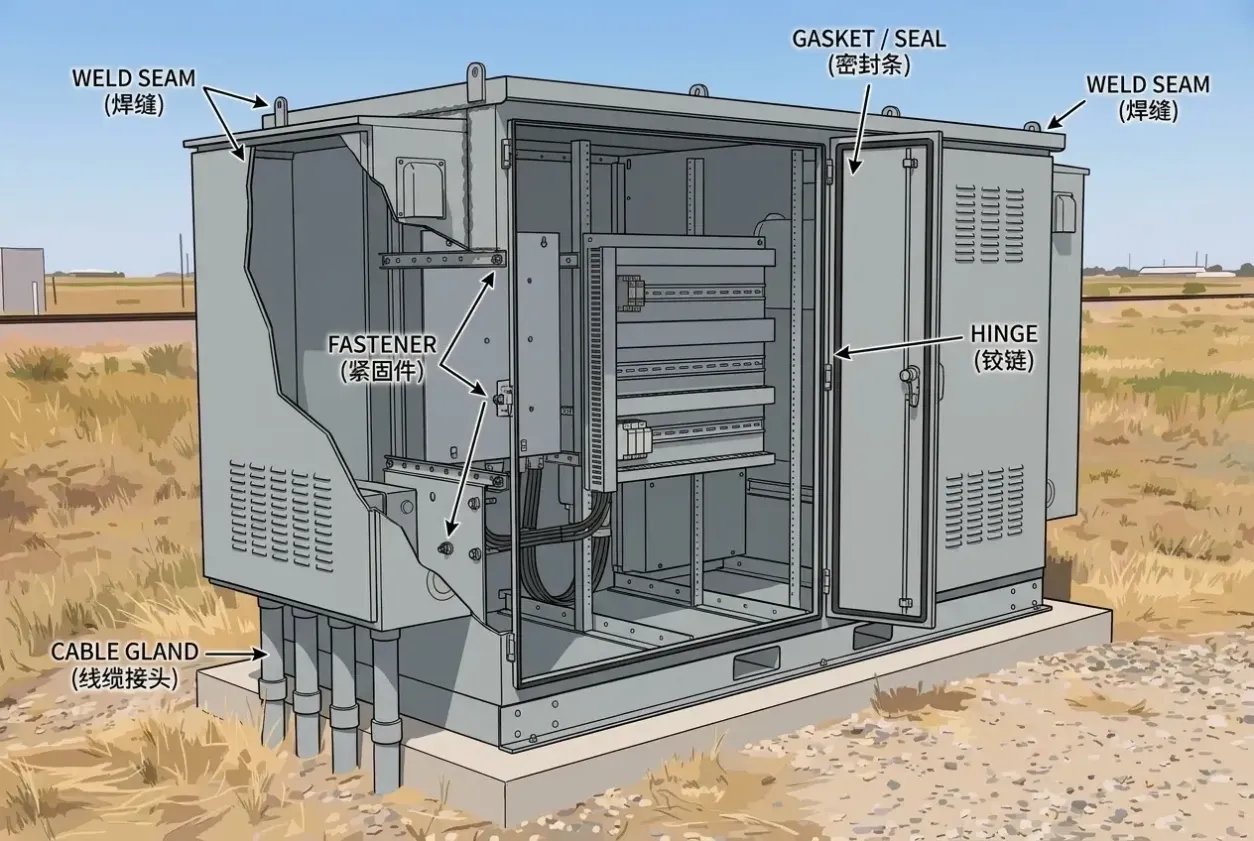
For a large outdoor cabinet, those assumptions matter. The enclosure may need lifting points, stronger structure, gasket compression, cable gland plates, thermal control, corrosion-resistant hardware, packing protection, drawings, FAT records, and export documents. If these items are not defined in the RFQ, every supplier may quote a different cabinet while appearing to answer the same request.
Why Incomplete RFQs Create Unfair Quotations
A common quotation review may look like this.
Quote | Approx. Price | What Was Included | What the Buyer Later Discovered |
|---|---|---|---|
Quote A | $5,800 | Cabinet size, 304 stainless steel, basic door, mounting plate | No cooling review, no lifting design, no detailed cable entry |
Quote B | $7,100 | IP66 cabinet, fan/filter, gland plate, standard packing | Better scope, but heat load and export documents were still unclear. |
Quote C | $8,400 | IP66 cabinet, heat review, bottom cable entry, lifting points, FAT photos, drawings, export packing | Highest price, but closest to a project-ready cabinet |
The lesson is not that the highest price is always better. The lesson is that the RFQ did not force every supplier to quote the same scope. One quotation was for a metal cabinet. Another was for a cabinet with accessories. The third was closer to a project enclosure.
A weak RFQ asks suppliers to quote a cabinet. A strong RFQ helps suppliers quote the same cabinet.
What Buyers Should Include in the RFQ
RFQ Item | What to Provide |
|---|---|
Cabinet dimensions | Height, width, depth, mounting plate, door type, compartment design |
Environment | Outdoor exposure, rain, sun, humidity, salt, dust, chemicals, wastewater, coastal air |
Material | Painted steel, 304 stainless, 316 stainless, thickness, surface finish |
Rating | IP65, IP66, NEMA type, or site exposure if the rating is not confirmed |
Components | PLC, VFD, UPS, power supply, breakers, terminals, IPC, communication devices |
Heat load | Estimated heat from VFDs, power supplies, UPS, transformers, and electronics |
Cooling | Natural ventilation, fan/filter, heat exchanger, air conditioner, heater, breather |
Cable entry | Bottom, side, top, gland plate, cable size, field cable direction |
Mounting | Wall, floor stand, skid, concrete base, frame, lifting and transport method |
Standards | IEC, NEMA, UL 508A, CE, or project-specific requirements |
Inspection | FAT, photos, test report, packing standard, documentation package |
Delivery | Quantity, target date, export terms, packing list, invoice, HS code requirement |
Standards & Buyer Verification
Standards are useful, but they do not answer every engineering question.
For example, IEC 60529 helps buyers define IP protection against dust and water ingress. NEMA 250 helps describe enclosure types commonly used for electrical equipment. UL 508A may apply when the cabinet is built as an industrial control panel for markets or projects that require it.
These references give buyer and supplier a common language, but they do not replace project review. An enclosure rating will not automatically solve heat buildup, condensation, cable-entry mistakes, corrosion at fasteners, or poor maintenance access.
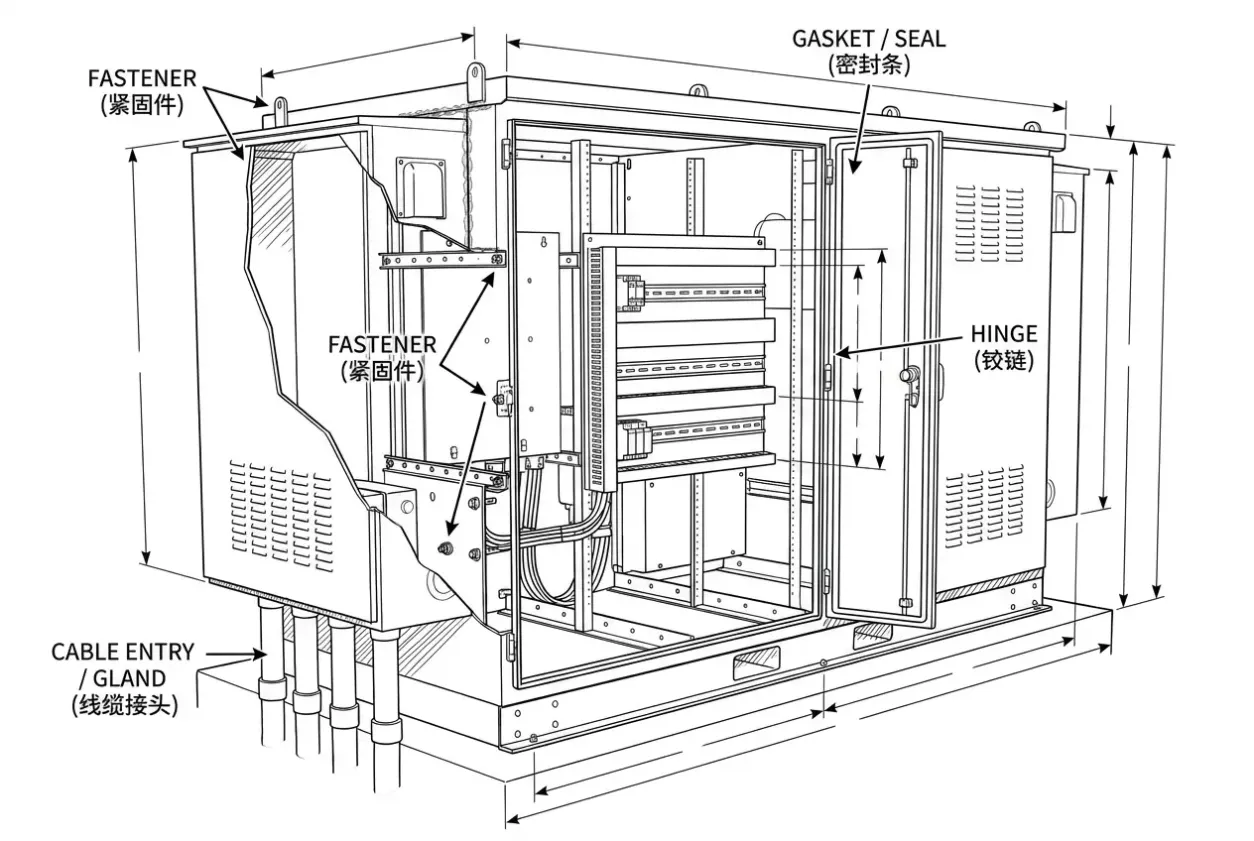
That is why the RFQ should describe both the standard and the site condition. “IP66 outdoor cabinet” is useful. “IP66 outdoor cabinet for coastal pump station, bottom cable entry, VFD heat load, direct sun, export packing required” is much more useful.
The Buyer Mistake
Many buyers ask for the cheapest cabinet before explaining the job. That is putting the cart before the horse. If the supplier does not know the heat load, cable entry, installation position, lifting method, or corrosion exposure, the quotation may look attractive but fail later in wiring space, sealing, temperature control, or site installation.
For large outdoor cabinets, the cheapest quotation is often the one with the most missing assumptions.
Supplier Review
When reviewing suppliers, I pay attention to the questions they ask before quoting. A supplier who only confirms size, material, and price may still build a decent cabinet, but they are not helping the buyer control project risk.
A more useful supplier will ask where the cabinet will be installed, what equipment goes inside, how cables enter, whether cooling is required, how the cabinet will be lifted, what standards apply, and what documents are needed before shipment.
Those questions are not delays. They are part of risk control.
UniRegal Buyer Note
At UniRegal, we usually spend more time reviewing the RFQ than preparing the quotation. That is not because the cabinet is complicated for the sake of being complicated. It is because large outdoor electrical cabinets often fail at the details buyers did not include in the first request.
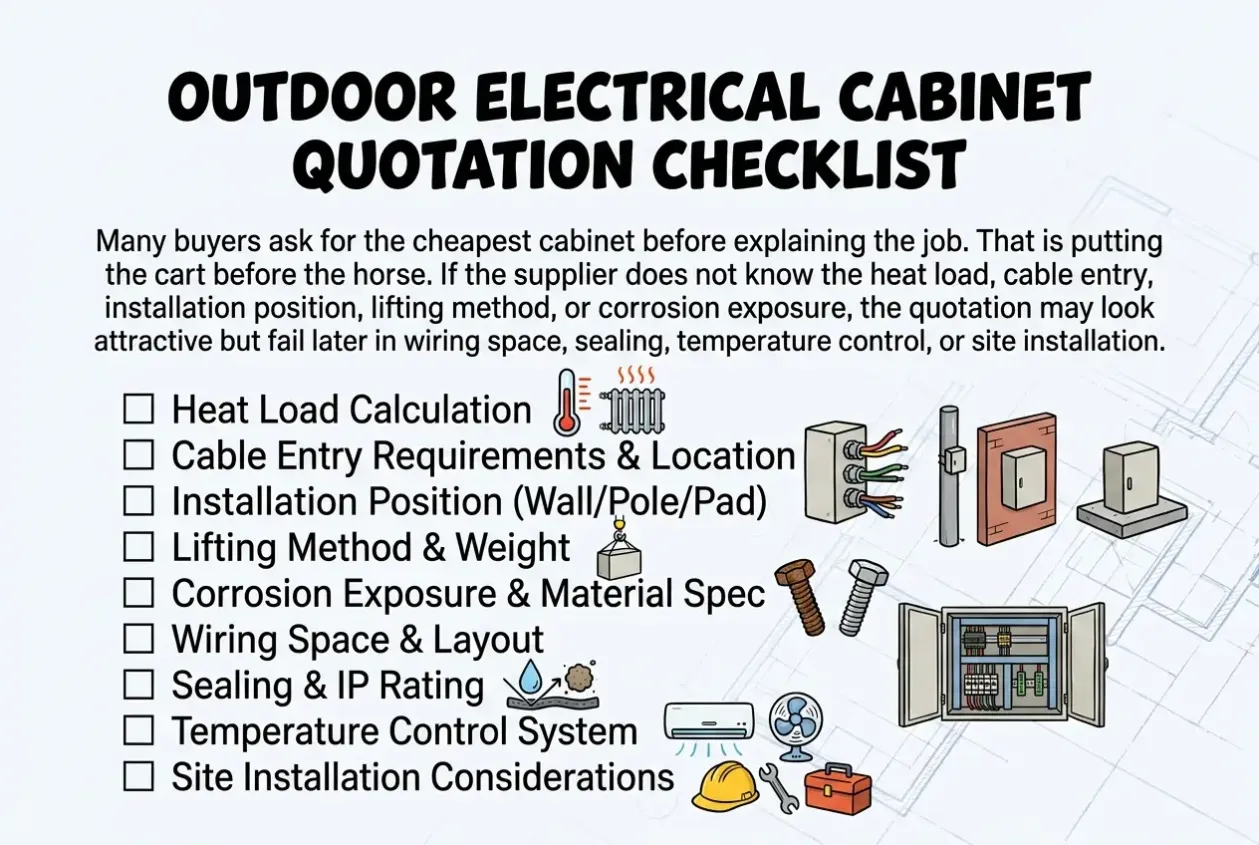
We review cabinet size, material, IP/NEMA rating, heat dissipation, cable entry, lifting, gasket design, FAT, packing, and export documents together before production. For buyers, a clear RFQ saves time twice: first during quotation comparison and later during approval, inspection, delivery, and installation.
FAQ
Do I need drawings before requesting a quote?
Drawings help, but they are not always required. A good RFQ can start with cabinet dimensions, site environment, component list, material, rating, standards, quantity, and delivery requirement.
Should I specify IP65 or IP66?
Specify it if the project standard is already clear. If not, describe rain exposure, washdown, dust, cable entry, and installation position so the supplier can recommend the correct rating.
What is the biggest RFQ risk?
The biggest risk is missing site information. Outdoor cabinet design depends heavily on sun exposure, temperature, humidity, corrosion, cable entry, heat load, and maintenance access.
Final Recommendation
Before requesting a quotation, send more than cabinet size and material. Send the site environment, component list, heat load, cable entry, mounting method, rating requirement, standards, inspection scope, quantity, and delivery target.
A serious supplier should not only return a price. They should help you see what your RFQ has not yet explained.
Related guides