
Shipping Industrial UPS Batteries: What Changes When the Battery Chemistry Changes
Same UPS, two battery chemistries, two different freight outcomes. The UN number decides your documents, your mode, and your landed cost — plus the RFQ line that fixes it.
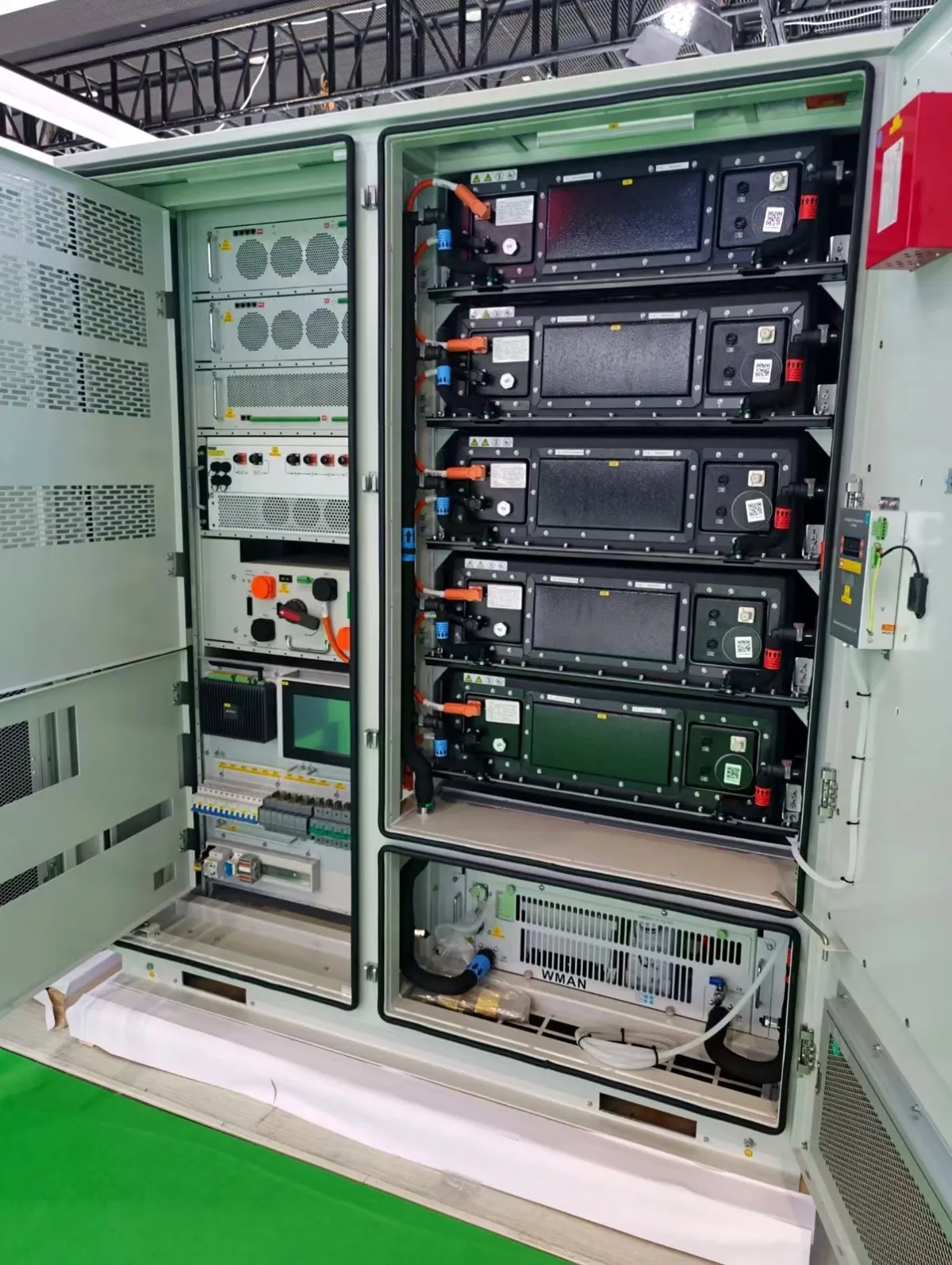
A buyer signed off a lithium UPS, got a clean quote, and handed it to the forwarder ten days before the ship date. Two days before cutoff the forwarder came back: the battery ships as UN3480, the goods need a dangerous-goods declaration, the state of charge must be cut to 30%, and most airlines will not take standalone lithium batteries at all. The same cabinet with a VRLA battery would have moved under an exemption with a one-line statement on the transport document. Nothing about the UPS changed. One line in the bill of materials — the battery chemistry — rewrote the freight plan and the landed cost.
The transferable idea here is this: the battery is a separate regulated article inside your UPS, and its transport classification is a configuration decision you make at RFQ time, not a shipping detail you discover at booking. That idea travels. Any imported equipment with an energy store — UPS, battery backup for a panel, a generator starter pack — carries its own dangerous-goods identity that can override the "ordinary cargo" assumption the rest of the shipment enjoys. Our Electrical Enclosure Supplier China Sourcing Guide frames the sourcing decision around the complete package; this article stays on the one line that decides whether the cargo moves, and what to require before you compare prices.
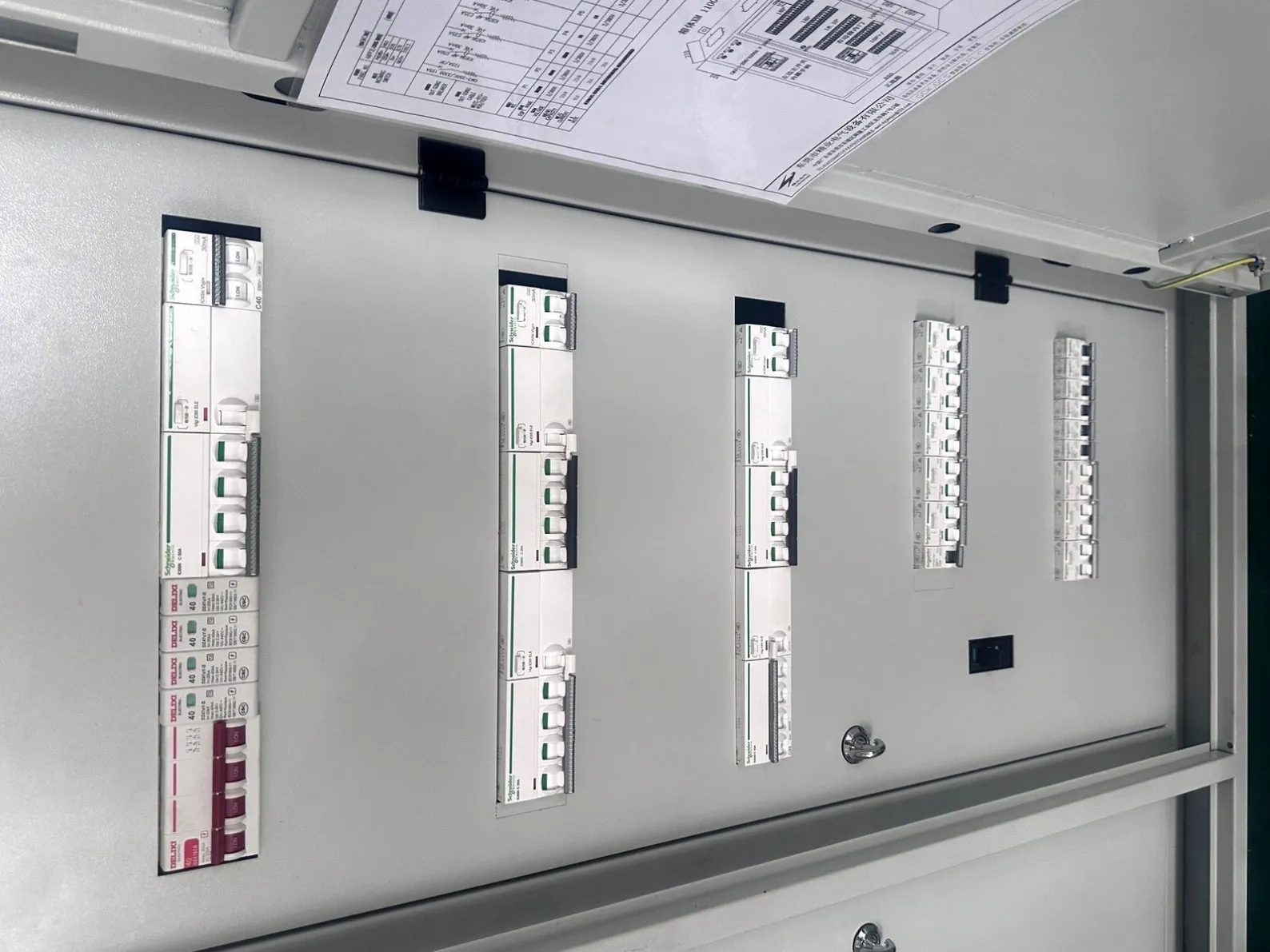
The battery has its own UN number — and the number follows the chemistry
Transport regulators do not classify a UPS. They classify the battery inside it. Three numbers do almost all the work in industrial UPS shipments, and which one applies is decided by the cell chemistry and whether the battery travels alone, with the equipment, or installed in it.
Sealed valve-regulated lead-acid (VRLA) is UN2800, lead acid batteries, wet, non-spillable, Class 8. Lithium-ion shipped by itself is UN3480, Class 9. Lithium-ion packed with or contained in equipment is UN3481, also Class 9. (Lithium metal primaries are UN3090/3091, but they are rare in industrial UPS duty.) The number is not academic — it selects the packing instruction, the labels, the documents, and whether the cargo may fly.
The reasoning chain a buyer should internalize: if your quote says "lithium" without naming the cell, the UN number is not yet knowable, so neither is the freight cost. Two suppliers can quote the same kVA and the same runtime and land at very different delivered prices purely because one configured VRLA and the other configured lithium. You cannot compare the quotes until the battery line is frozen.
Two documents decide whether the cargo moves — and both are model-specific
For any lithium battery, the non-negotiable document is the UN 38.3 test summary — the battery must pass the eight-test series in the UN Manual of Tests and Criteria (Part III, sub-section 38.3): altitude simulation, thermal cycling, vibration, shock, external short circuit, impact/crush, overcharge, and forced discharge. Carriers will refuse lithium cargo without it. For VRLA, the equivalent starting point is the material safety data sheet (SDS/MSDS) and evidence the battery meets the non-spillable definition.
The catch that sinks real orders: a test report for one cell does not automatically cover the pack assembled into your UPS. A summary tied to a different model number, a different cell, or a different legal entity is not evidence for the unit on your purchase order. This is the same discipline the UL file-number rule teaches on the electrical side — the certificate only counts when the number matches the unit you receive. Ask for the issuer, report number, revision, date, model scope, and legal entity on every battery document, then match them to the quoted host and battery.
IEC 62040-1 is the UPS safety standard that governs the equipment itself; IEC 62040-3 covers performance including transport tests. Both are about the product. Neither replaces the dangerous-goods paperwork, which is about moving it.
The freight consequences show up as a landed-cost line, not a technical footnote
The classification becomes money at the point of booking. Under the ICAO/IATA packing instructions, standalone lithium-ion (UN3480) falls under PI965: Section IA applies above 100 Wh per battery, passenger aircraft are forbidden, cargo aircraft are limited, the state of charge must not exceed 30%, a shipper's declaration is required, and the package carries the Class 9 lithium-battery mark and a cargo-aircraft-only label. Lower-capacity cells fall into Section IB or II with their own quantity allowances, and air carriers routinely tighten these beyond the baseline.
Sealed VRLA takes a different route. A UPS integrating UN2800 batteries that pass the non-spillable vibration and pressure-differential tests can ship under the special provisions that make the battery "not restricted" as dangerous goods — the EMRAT/DGR declarations used in the industry cite the air, sea, and road provisions by number. The transport document still has to carry the statement; the exemption is not automatic just because the battery is VRLA.
The landing: your comparison is only valid if both quotes are priced to the same battery and the same transport mode. A DDP quote with VRLA and an EXW quote with lithium are not two prices for one product. Build the battery line into your landed-cost worksheet — packing, declaration, mode restriction, and any state-of-charge handling — before you decide the Incoterm. We walk through the full duty-and-freight build-up in our Import Duty and Tariffs guide, and the documentation sequence in the industrial UPS import guide.
Paste this into the RFQ and the PO
The clauses below turn the classification into contract language a supplier must answer and a forwarder can act on.
RFQ battery line (freeze the configuration): State the exact battery chemistry, cell manufacturer and model, completed battery model, rated voltage and capacity (Wh), and whether the battery ships installed in the UPS, packed with it, or separately. State the intended transport mode (air/sea/road) and destination country. Supplier to provide, for this exact configuration: the UN number and proper shipping name, the applicable packing instruction, the UN 38.3 test summary (lithium) or SDS and non-spillable evidence (VRLA), and the model scope and revision of each document.PO submittal line: Before shipment booking, supplier to provide a transport-document statement naming the battery UN number and the special provision or packing instruction relied upon, plus the completed dangerous-goods declaration where required. Documents to name the issuer, number, revision, date, legal entity, and the model they cover. "Available on request" is not a closed item.Pre-book checklist (paste into the shipping file): □ Battery chemistry and UN number stated □ UN 38.3 summary or SDS present and model-matched □ Packing instruction identified (PI965/966/967 or UN2800 provisions) □ State of charge set to carrier requirement where applicable □ Shipper's declaration completed by a qualified person, if required □ Transport document carries the required statement □ Packaging and labels match the mode □ Forwarder confirms acceptance in writing before cutoff.
How to read the supplier's answer
If a supplier says "lithium battery, no problem" and cannot produce a UN 38.3 summary tied to the exact battery in your quote, the price is not comparable — the compliance gap will be closed at your cost, at the worst possible moment. If they name the UN number, the packing instruction, and the model scope without being asked, you are dealing with someone who has shipped the configuration before. That distinction is worth more than a small difference in unit price.
Our position
We are a sourcing partner, not a UPS manufacturer. We source across battery and UPS brands and build to a stated configuration, and we treat the battery line as part of the specification rather than a shipping afterthought. For a lithium build we ask for the model-matched UN 38.3 summary and the packing instruction before the order is placed; for a VRLA build we ask for the SDS and the non-spillable evidence and the transport-document statement. We are the wrong fit if you want a catalogue unit with no documentation trail; we are a useful fit when you want one party accountable for the configuration from quote to booking.
Frequently Asked Questions
Does a UN 38.3 report for the cell cover the battery pack in my UPS?
Not automatically. The report must match the completed battery as supplied, including its model and assembly. A cell-level summary for a different part number is not evidence for your pack.
Can a VRLA UPS ship as ordinary cargo?
Often it can move under the non-spillable special provisions, but only if the battery meets the vibration and pressure-differential tests and the transport document carries the required statement. The exemption is conditional, not assumed.
Why is the state of charge an issue for lithium shipments?
Carriers cap the state of charge — 30% is the common baseline under the main packing instruction — to reduce the severity of a thermal event in transit. It is an operational requirement that affects how the goods are prepared before booking.
Is sea freight simpler than air for lithium UPS batteries?
Sea under the IMDG code generally allows larger quantities than passenger air, but it still requires classification, packaging, labelling, and a transport document. It is a different rule set, not an exemption.
Who is responsible for the dangerous-goods declaration?
The shipper prepares it, normally through a qualified dangerous-goods professional, and the carrier accepts it. As the buyer you should require evidence that it is being handled correctly before goods are ready, not after.
Related Guides
Request a quote or engineering review
Send the battery chemistry, cell model, Wh rating, destination country, and intended transport mode. We will quote a configuration with the matching UN number, packing instruction, and document set — so the freight plan is settled before the order, not at the cutoff. Upload your drawing for an engineering review.
Produced with AI-assisted drafting and reviewed by the Uni Regal team before publication.