
Gas Delivery Control Panels: Specify the Failure States Before You Order (2026 Buyer's Guide)
A gas delivery panel is accepted on its failure-state logic, not its tube spec. Here is what to put in the enquiry before a fab tool is built.
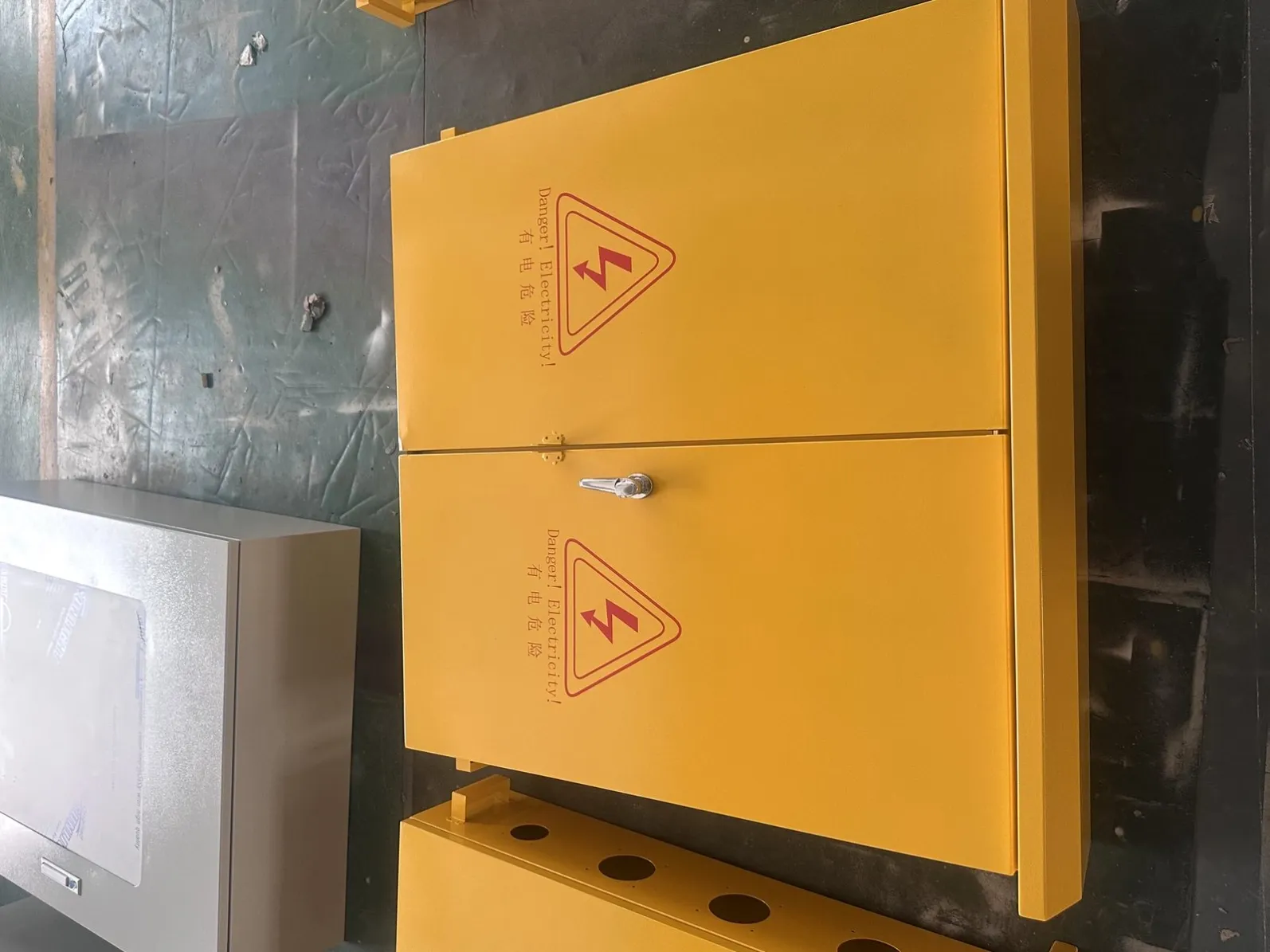
A specialty-gas cabinet arrives on a fab floor with electropolished tubing and a clean HMI. During commissioning the facility exhaust dips below setpoint. The panel's controller sees the low differential pressure, but the builder wired that sensor as an alarm only — nobody had written down what "loss of exhaust" should do. Gas keeps flowing into a cabinet that is no longer being purged. Nothing on the datasheet was wrong. The specification was.
This is the failure most gas-delivery enquiries never surface. A gas delivery control panel is a safety interface, not a cabinet full of valves. What decides whether it is safe is the defined behavior at each failure state — exhaust lost, detector tripped, instrument air gone, power dropped — in what order things close, and on which signal. Specify those transitions and you have specified the panel. Specify a parts list and you have specified nothing that can be accepted. That judgment travels well beyond specialty gas: any safety-instrumented panel should be bought by its failure-state logic before it is bought by its components.
We source the enclosure and the panel build. We do not design the gas system, size the abatement equipment, or commission the tool — those stay with your process and EHS engineers. That boundary is why the questions below belong in the enquiry, before the panel is built.
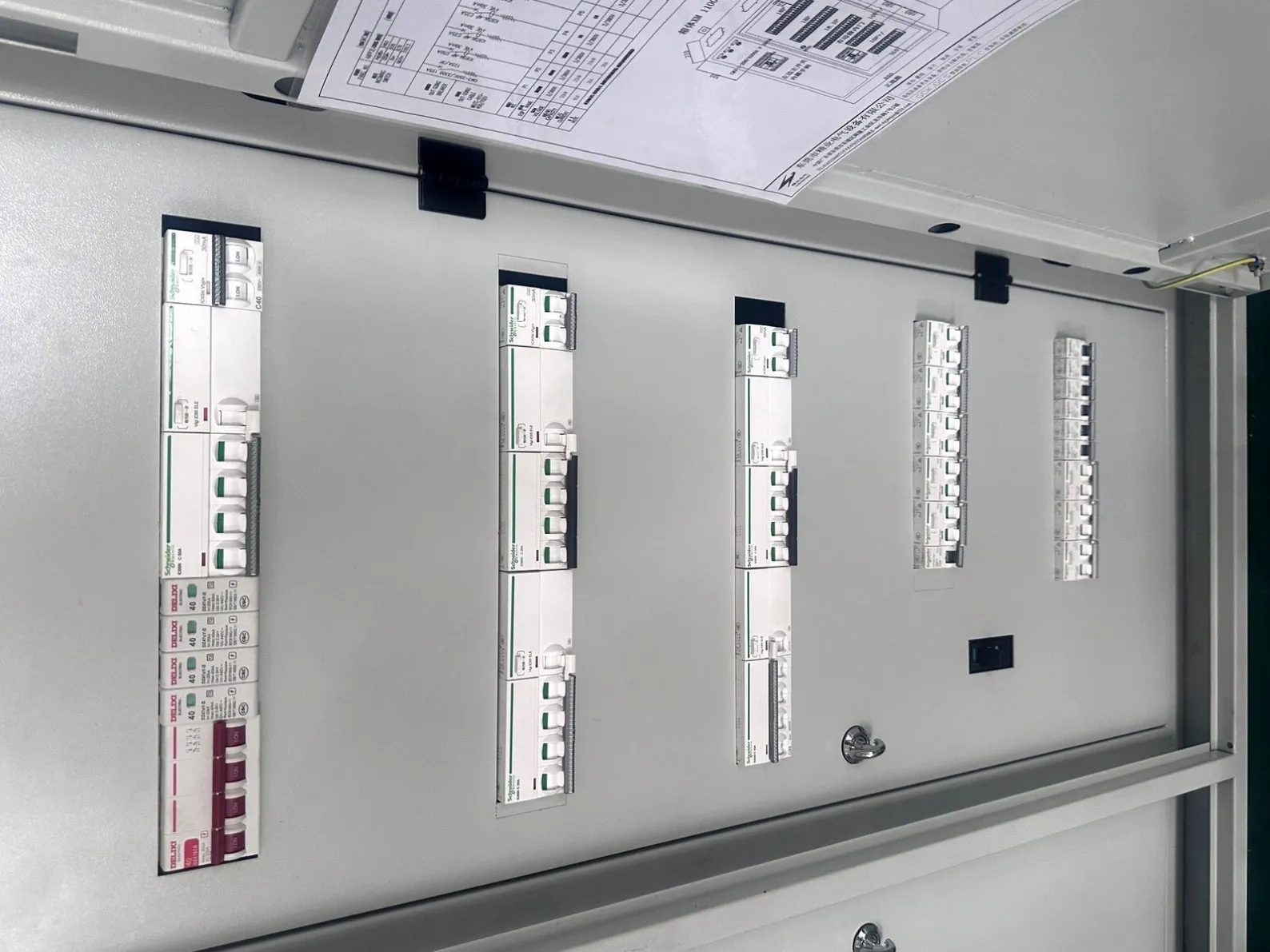
Start with the states, not the parts
Ask a builder what is in a gas delivery panel and you will get a list: valves, regulators, mass-flow controllers, a gauge, a controller. Ask what happens when the exhaust fan stops and the answer gets vague. The list is easy to quote. The states are what get tested at commissioning and what an auditor will ask about later.
Write the states as a small table before you write any component spec. For each input — exhaust proof-flow, toxic-gas detector, cabinet door switch, fire signal, loss of utility power — define the output state and the order: which valve closes, whether the purge continues, what the panel annunciates, and what condition must be met before it will restart. A panel that shuts down safely but cannot be restarted without a silent reset is a production problem; a panel that never shuts down is a safety problem. Both come from the same missing sentence in the RFQ.
The restart condition deserves as much attention as the trip. Define whether reset is manual and local, whether it requires the detector to clear, and whether purge must re-establish for a set period before gas is re-admitted. Leave that undefined and you will discover it during startup, with a tool waiting and an EHS officer watching.
Which SEMI S2 sections actually apply
"SEMI S2 compliant" is not a spec you can hand to a builder and expect a consistent response. The guideline itself makes this explicit. Section 2.2 sets the precedence of sectional requirements: where provisions conflict, the section specifically addressing the technical issue takes precedence over the general one. Section 3.4 is sharper still — standards referenced inside the guideline are incorporated only for the sections cited, not in their entirety.
The reasoning chain for a buyer is direct. SEMI S2 is performance-based and deliberately broad; it points to other documents for the detail. If your RFQ says only "SEMI S2," the builder decides which referenced sections to honor, and "compliant" can mean very different assemblies. Name the sections you want assessed: the gas-source enclosure guidance (SEMI F14), exhaust ventilation (SEMI S6), fire risk (SEMI S14), and the electrical design guidance (SEMI S22) are all referenced from S2. A supplier who cannot tell you which of those apply to your panel is guessing about scope.
Note also what the guideline says about itself: section 3.1 states it is a reference for supplier and user, not a tool for verifying local regulatory compliance. So a SEMI assessment does not replace your local electrical code obligations. The panel still has to be built and labelled to the jurisdiction it ships into — the arc-flash nameplate and labelling guide covers that side of the same assembly.
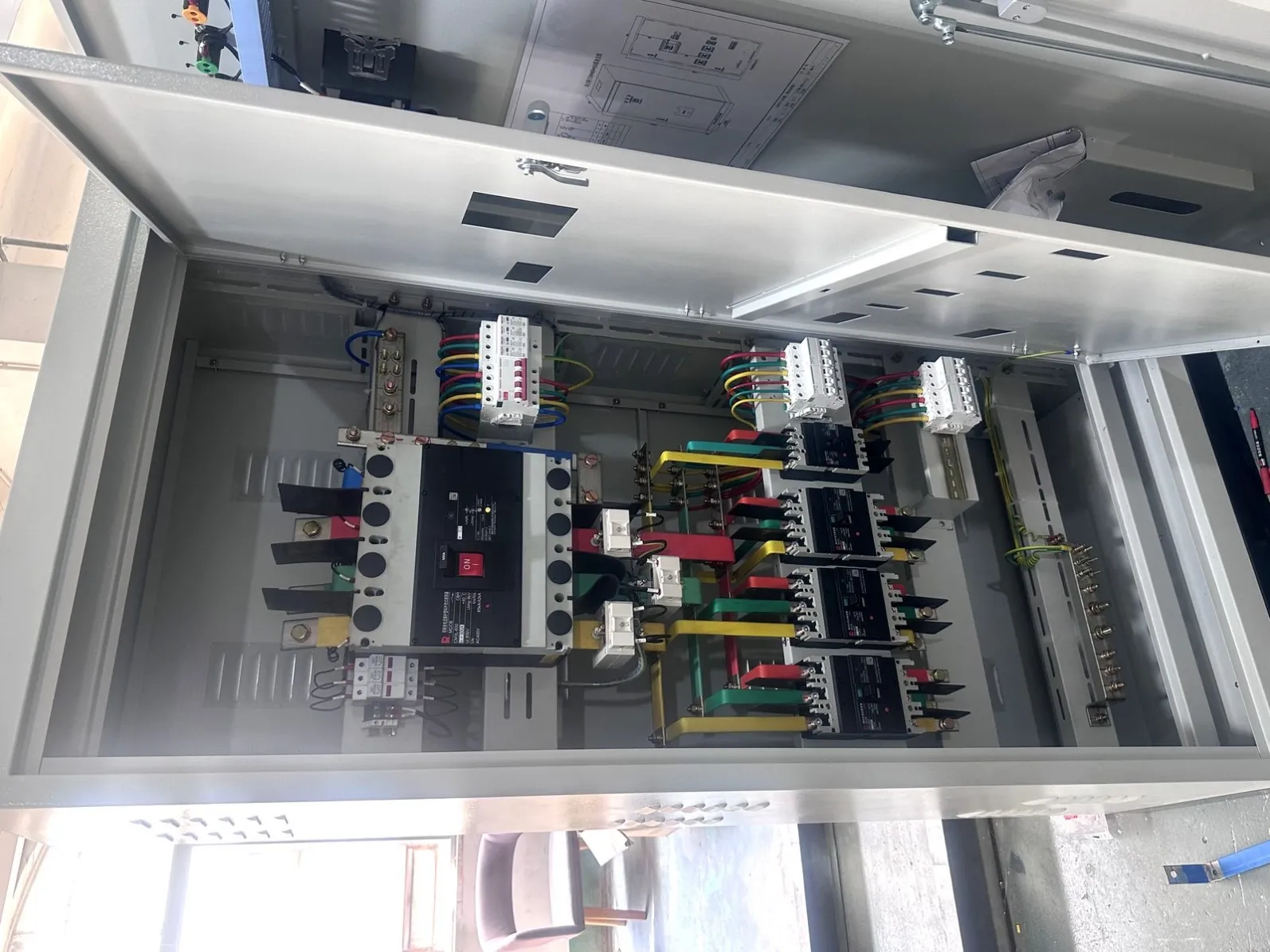
Exhaust is a signal, not a duct
SEMI S6 gives a second reason to define interfaces rather than assume them. Section 2.2 says its criteria apply to exhaust ventilation provided for personnel protection, equipment protection, and fire-risk reduction. Section 3.6 then states the assumption the guideline is written on — a facility system with central fans, ducting, and, where applicable, abatement equipment — and says suppliers must be told when the actual system deviates from that model.
That is not boilerplate. A gas cabinet panel that interlocks gas flow to "exhaust proven" needs to know what proof means in your fab: a differential-pressure switch, a fan status contact, a flow transmitter, or a signal from the abatement system. Each gives a different failure mode. A fan-running contact can read healthy while a duct downstream is blocked; a flow switch can chatter at the setpoint. Define the signal type, the setpoint, the debounce, and the state on signal loss in the enquiry. If your facility does not match the assumed central-fan model, say so explicitly — otherwise the builder is designing to a facility you do not have.
The wetted path is a chemistry decision
The tubing and fittings are where a buyer most often accepts a generic answer. "Stainless steel" is not a specification for a specialty-gas line. The common high-purity reference is electropolished 316L — SEMI F19-0304 is the familiar spec for EP tubing, with an internal roughness on the order of Ra ≤ 0.25 μm and VIM/VAR melt practice called up for demanding service. Whether that is right for your gas is a chemistry question: corrosive or pyrophoric service drives material and joint selection well beyond a default.
So the correct sequence is chemistry first, panel second. Freeze the gas list, concentrations, and the wetted-path material and joint type with your process engineers, then hand that decision to the panel builder. A supplier who offers to choose the alloy for you is making a contamination and corrosion decision on your behalf, without your gas data.
Cable entry belongs in the same conversation. The cable-gland selection guide is not the point here — the point is that the gland and seal spec has to match the cabinet's containment class, and the explosiveness of the surroundings has to be declared. Where the panel sits in a classified area, the hazardous-location enclosure guide explains the protection concept that the enclosure must carry before the internal logic matters.
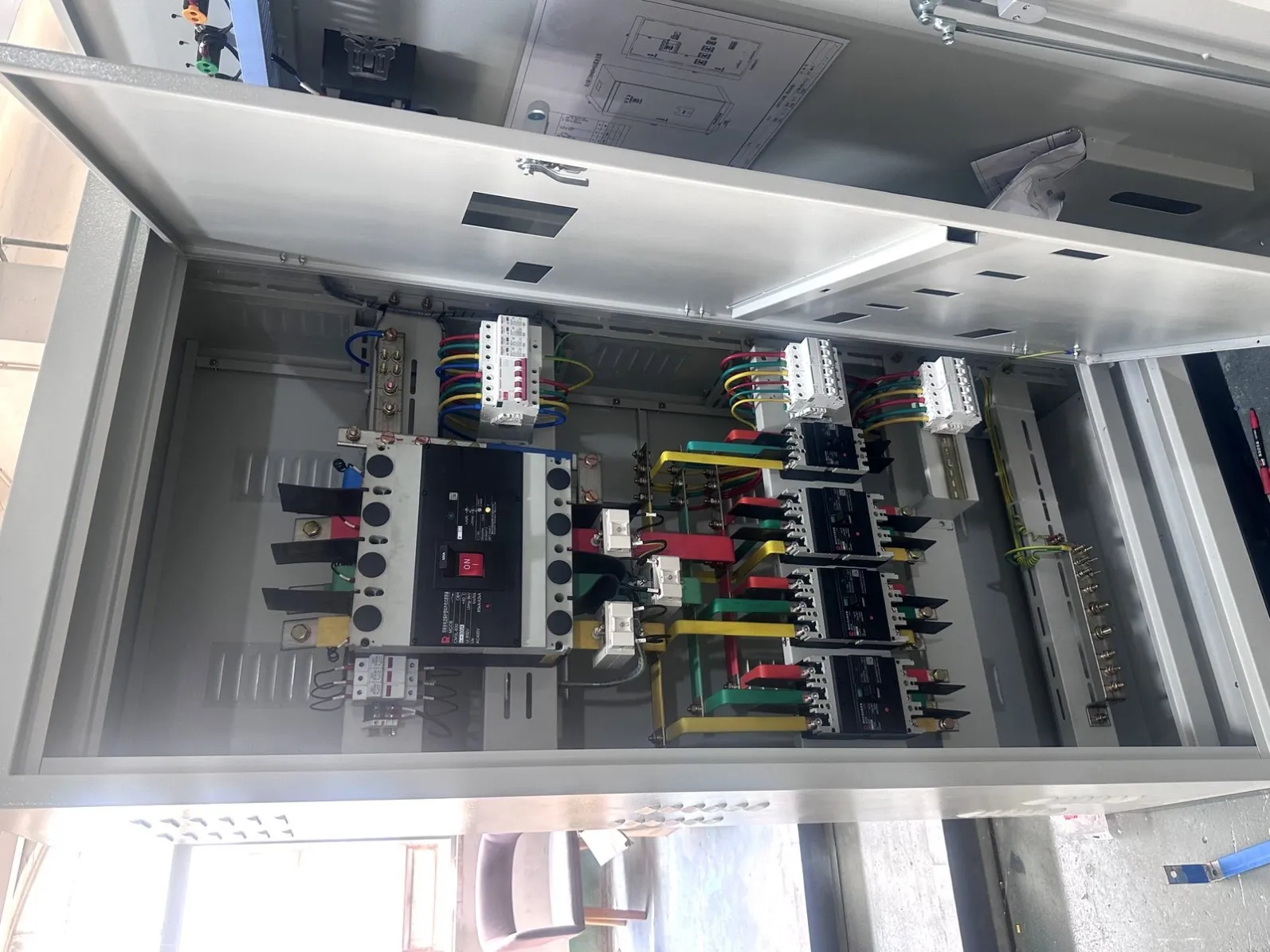
The leak-test method is a purchase decision
Newly built gas lines are proven before gas is introduced, and the method is not neutral. Guidance for high-purity systems prefers a pneumatic test with an inert, dry gas such as nitrogen or argon over a hydrostatic test: water left in an ultra-high-purity line is a contamination source, and the line is often not designed for the weight of water. ASME B31.3 is the usual process-piping basis for the test; NFPA 55, the Compressed Gases and Cryogenic Fluids Code, governs the storage, handling and cabinet requirements around the gas itself, with the edition depending on what your authority adopts.
The two standards cover different things, which is exactly why both names belong in the spec. NFPA 55 does not set your semiconductor tool's exhaust criteria; SEMI S6 does. A builder who cites one standard for the whole assembly has left a gap. State the test medium, the test pressure, the hold time, the acceptance leak rate, and the standard used — then require the test record as a delivery document. "Leak tested" without a rate is a phrase, not evidence.
What the enquiry must contain
Copy this block and fill the brackets. It converts a catalogue question into a specification a builder can quote and you can accept.
RFQ — gas delivery control panel, [tool / area reference]. Gas service: [list gases, concentrations, wetted-path material and joint type]. Exhaust interface: [signal type, setpoint, debounce] with loss-of-signal state [define]. Failure-state logic: for each of [exhaust proof-loss, detector trip, door open, fire signal, utility power loss], state valve actions in order, purge action, annunciation and restart condition. Purge sequence: [medium, duration, prove-before-admit condition]. Leak test: [medium, pressure, hold time, acceptance leak rate, standard]. Applicable documents: SEMI S2 sections [list], SEMI S6 where exhaust is used, SEMI F14 for the source enclosure, NFPA 55 edition [state], ASME B31.3 for the wetted piping. Provide the failure-state matrix and the leak-test procedure with the quotation.
Carry the same requirement into the order so it survives value engineering:
PO clause. The panel shall implement the agreed failure-state matrix without substitution. Any change to valve, detector or exhaust-interface components requires written re-approval of the matrix before shipment. The leak test shall be performed with the agreed inert medium and the signed record delivered with the panel.
The enclosure and supplier sourcing guide is the cluster reference for qualifying which build shop can hold this documentation, and the custom control panels hub sets out the scope we source.
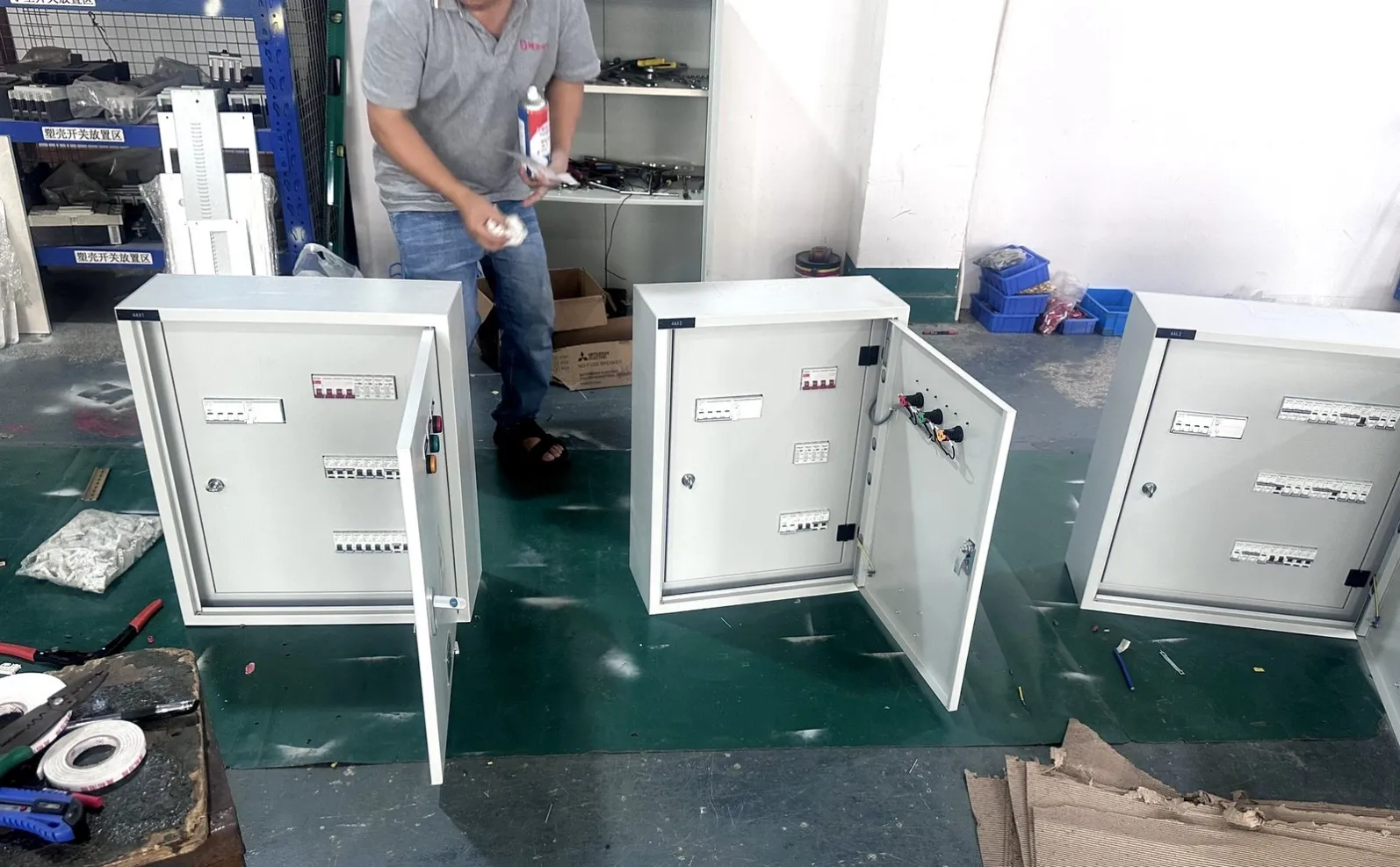
The eight-line acceptance sheet
Run this against the drawings and the delivered file, before the panel is connected to a real gas source. Keep the signed sheet with the tool record.
# | Check | Pass criterion | Sign |
|---|---|---|---|
1 | Failure-state matrix | Every listed input has a defined output state and order | |
2 | Exhaust interface | Signal type, setpoint and loss-of-signal state match the fab | |
3 | Restart condition | Manual/local reset and purge-before-admit defined | |
4 | SEMI sections | Sections and referenced standards named, not "S2 compliant" | |
5 | Wetted path | Gas list, alloy, finish and joint type frozen with process | |
6 | Leak test | Medium, pressure, hold time and acceptance rate stated | |
7 | Classification | Classified-area protection declared where applicable | |
8 | Documents | Failure matrix and signed leak-test record in the file | |
The point underneath all eight lines is the one to keep: a gas delivery panel is not accepted for the parts inside it. It is accepted for what it does when the things it depends on fail, and that behavior has to be written down before anyone builds it. The oil and gas control panels solution page describes the process-industry side of this scope, and the enclosure supplier sourcing guide sets out how we qualify the shop behind the build.
FAQ
Does a SEMI S2 assessment mean the panel meets our local electrical code? No. SEMI S2 states in its own scope that it is a reference for supplier and user and is not intended to verify compliance with local regulation. Treat the SEMI assessment and the local electrical build requirements as two separate obligations, both written into the enquiry.
Can we use the same failure-state matrix for every gas cabinet on the floor? Only if the gas service and exhaust interface are the same. The matrix depends on the gas chemistry, the detector arrangement and the facility exhaust signal, all of which can differ between tools. Reuse the structure, not the content.
Why not let the builder choose the tubing material? Because that is a chemistry and contamination decision that needs your gas list and process conditions. A default "stainless" choice can be wrong for corrosive or pyrophoric service, and the consequences show up in the wetted line, not in the panel logic.
Is a hydrostatic leak test acceptable for a high-purity gas line? For ultra-high-purity service it is usually avoided; guidance favors a pneumatic test with dry inert gas so water is not left in the line. The test method, medium and acceptance rate should be specified rather than left to the builder.
What is the difference between NFPA 55 and SEMI S6 here? NFPA 55 addresses compressed-gas storage, handling and cabinets; SEMI S6 addresses exhaust ventilation for semiconductor equipment. Neither substitutes for the other, so name both where both apply and state the NFPA edition your authority enforces.
Related guides
- Electrical enclosure supplier: China sourcing guide — the cluster reference for enclosure and supplier qualification.
- Explosion-proof enclosures for hazardous locations — the protection concept a classified-area panel must carry.
- Electrical enclosure cable-gland guide — entry and seal selection for cabinet containment.
- Arc-flash nameplate and labelling guide — the local-code labelling side of the same assembly.
- Oil and gas control panels — the process-industry application of gas-service panels.
- Custom control panels hub — the build scope we source and how we work from a frozen specification.
Talk to us
Send the gas list, the exhaust interface signal and the failure states you need — we will tell you which line of the matrix is still undefined before you order. WhatsApp: wa.me/8613535080546?text=RFQ%20gas-delivery-control-panels-buyers-guide%20%E2%80%94%20gas%20list%2C%20exhaust%20signal%2C%20failure%20states. Email: info@uniregal.com. Or use the contact form. Upload Drawing → Engineering Review: submit your requirements.
We are a sourcing partner, not one of the equipment manufacturers named above.
Produced with AI-assisted drafting and reviewed by the Uni Regal team before publication.