
Top 10 Contactor Brands Compared: Which to Spec in a Motor Control Panel (2026)
A sourcing-partner shortlist of ten contactor brands scored on utilization-category ratings, Type 2 coordination tables, coil choice and lifecycle support, with a freeze-the-spec RFQ line.
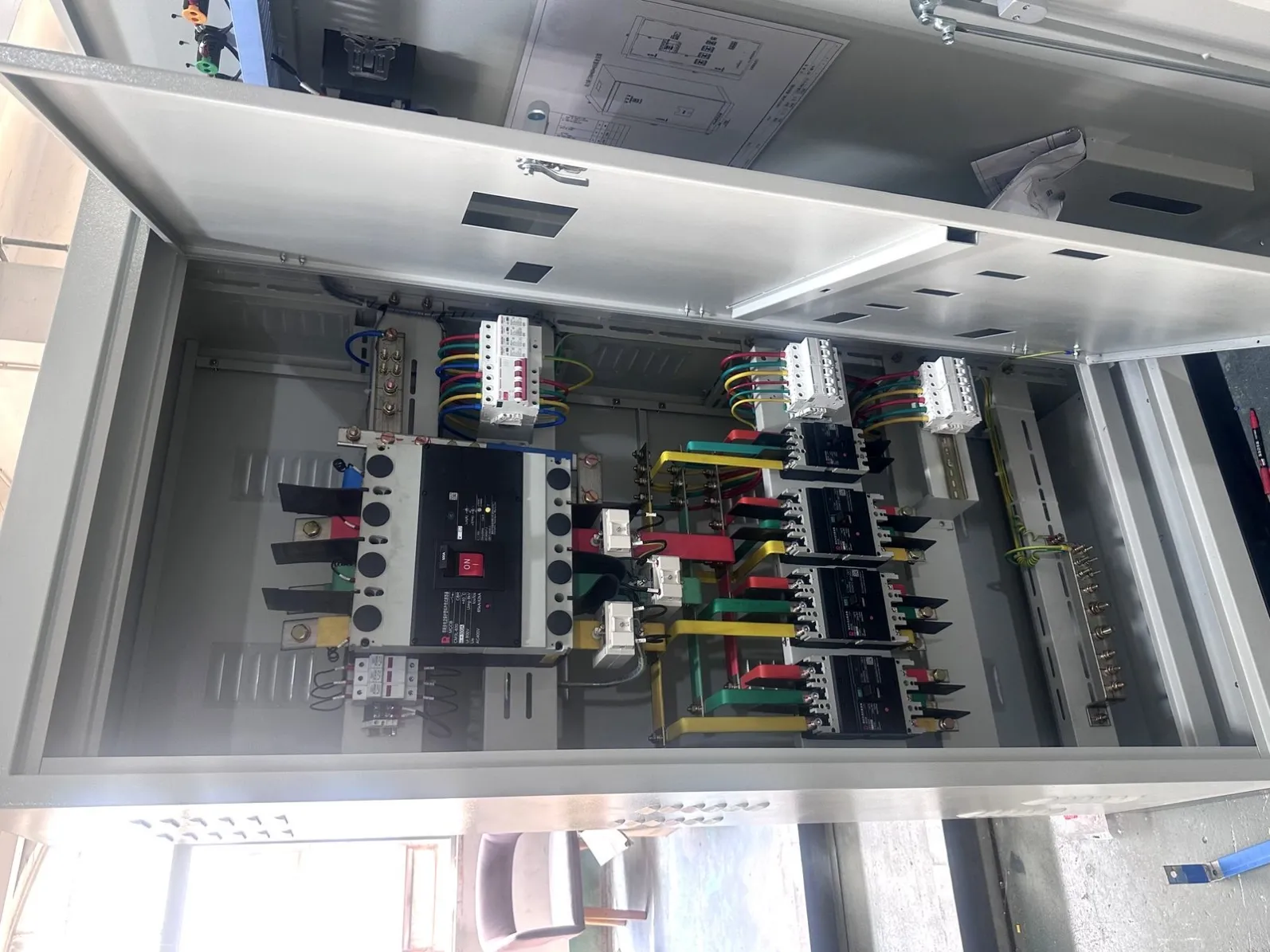
A packaging line tripped its overload twice in one shift. The contactor feeding the 15 kW washdown motor had been swapped six months earlier in a "like-for-like" replacement: same frame, same 230 V coil, same footprint, same printed "18 A." What did not carry over was the category. The original was rated 18 A at AC-3; the replacement's 18 A was its AC-1 number, and at AC-3 it was 9 A. It held until the first hot start, then the contacts welded. Nothing about the box or the coil gave this away on the bench.
The idea worth carrying away: the part number on a contactor is the least useful thing on the quote. What you are actually buying is a tested combination — contactor, overload relay and a named upstream protective device — plus a parts channel that will still have the coil in year eight. Choose the combination and the channel; the logo is a consequence. That travels to any component you source for a panel.
One boundary up front: this is a brand shortlist, not a selection tutorial. For the circuit-level reasoning behind contactor and breaker choices, see our control panel breaker tripping guide; for the wider sourcing context behind builds like this, our electrical enclosure supplier sourcing guide sets out how we work with suppliers. Uni Regal is a sourcing partner and panel-build shop, not one of the manufacturers ranked below; we assemble with several of these brands and source the rest, so treat this as a bench view.
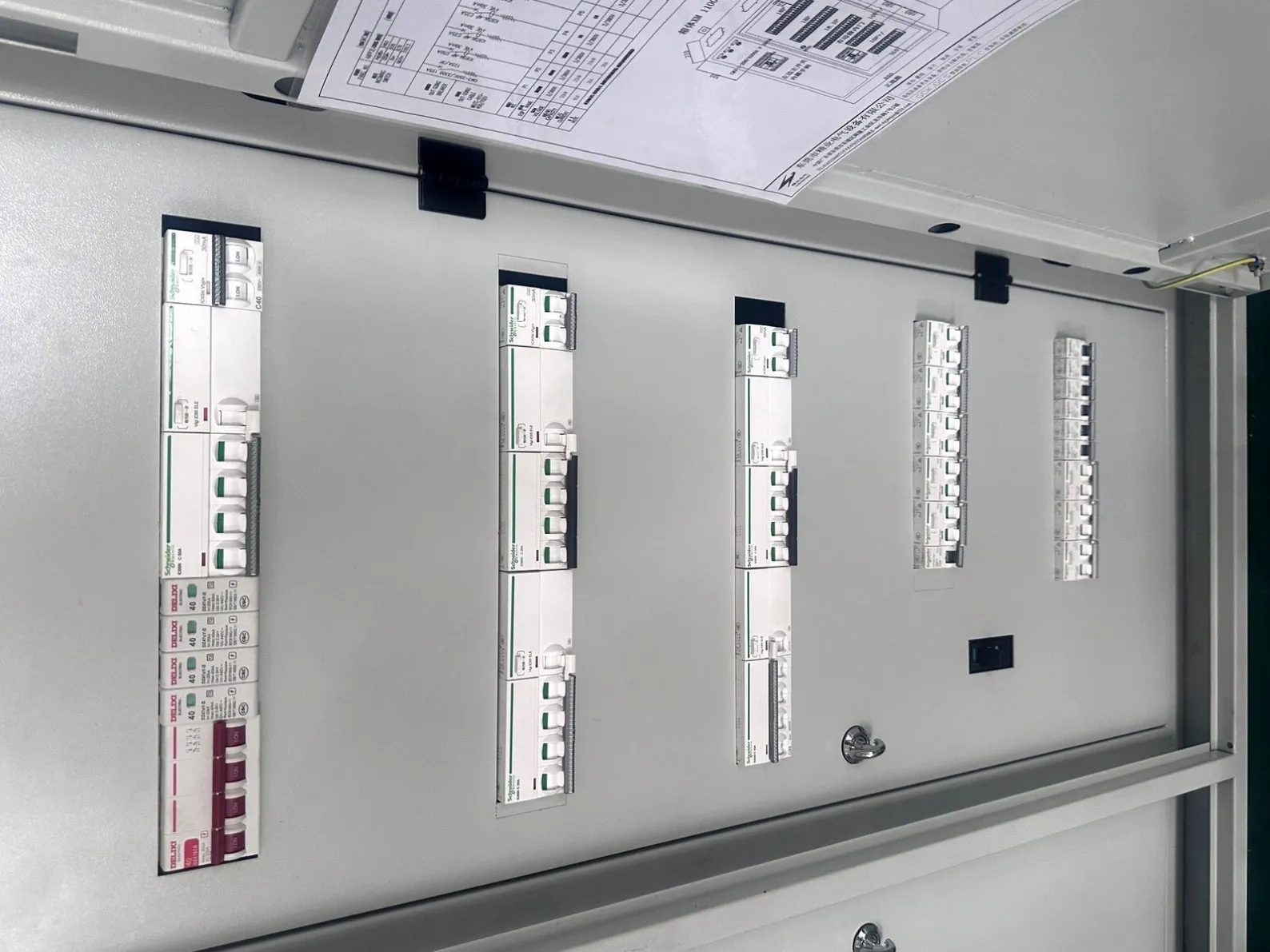
Read the category column, not the headline amps
IEC 60947-4-1:2018 (Edition 4) ties a contactor's current rating to a utilization category — a defined duty with its own making and breaking test conditions. Table 2 of the standard is the relevant table. Condensed:
Category | Duty | Making current | Breaking current |
|---|---|---|---|
AC-1 | Non-inductive or lightly inductive, pf ≥ 0.95 | ≈ 1 × Ie | ≈ 1 × Ie |
AC-3 | Squirrel-cage motor: start, run, stop | ~6–8 × Ie | ≈ 1 × Ie |
AC-4 | Squirrel-cage motor: plugging, inching | ~6–8 × Ie | ~6–8 × Ie |
Edition 4 also added AC-3e, with a making test current of 12 × Ie for certain high-efficiency motors. The practical consequence is that one physical contactor carries several different currents, and the largest number on the carton is usually the AC-1 one. A frame that is 40 A at AC-1 may be around 18 A at AC-3 and 12 A at AC-4 — figures are illustrative, because each maker publishes its own tested values.
Here is the reasoning chain a buyer can actually use. The arc energy at contact opening is set by the breaking current, not the steady-state load. AC-4 breaks at starting-current magnitude, so the same device loses roughly an order of magnitude of electrical life compared with AC-3. Therefore "will it handle a 15 kW motor?" has no answer until the duty is named. Write the utilization category and the Ie at that category into the RFQ — never accept a headline ampere figure on its own.
The second number that decides your downtime: coordination
Contactors do not clear short circuits; an upstream device does. IEC 60947-4-1 §9.3.4, with the type tests in Annex A, defines two coordination levels for the contactor + overload + short-circuit protective device (SCPD) set:
- Type 1 — the fault is cleared without danger to persons or installation, but the starter may be damaged and need replacement.
- Type 2 — after the same fault the starter remains suitable for further use. Only light contact welding is permitted, and the contacts must separate easily; the overload calibration must stay within tolerance.
Both levels are safe. The difference is what the technician finds after the trip: swap parts, or close the door and restart. The conditional short-circuit current Iq is defined in IEC 60947-1 §4.3.6.4, and the important word is conditional: the rating belongs to the tested combination, not to the contactor alone. A maker's table may state that a specific contactor with one specific breaker or fuse achieves Type 2 to 50 kA at 400 V. Change the fuse brand and the statement no longer applies.
That is the second chain: Type 2 is a property of a three-part combination → a line on a quote saying "Type 2" is unenforceable unless the SCPD make, model and the declared Iq are named → freeze the combination table in the PO, with the exact contactor, overload relay and protective device part numbers. This is the single most common gap I see between a datasheet and a panel that survives a fault.
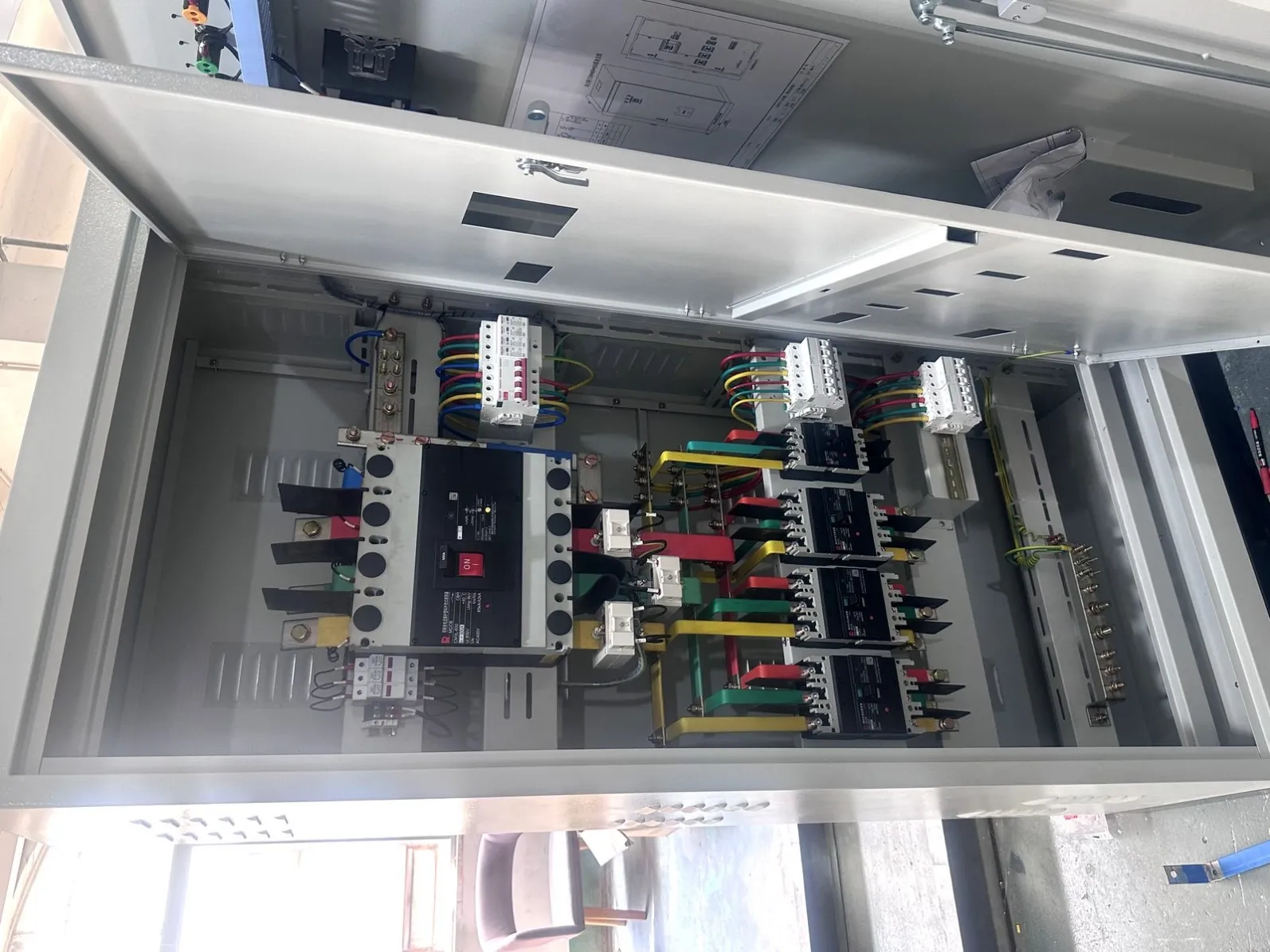
East vs West: the rating language on your drawing
A third wrinkle appears when the panel ships to a different standards region. NEMA ICS 2 rates contactors in NEMA sizes that bundle continuous current and horsepower; a NEMA Size 1 is about 27 A continuous and 7.5 HP at 230 V three-phase, broadly comparable to an IEC device around 25 A at AC-3, 400 V. UL 60947-4-1 uses "Standard Fault Current Rating" and a higher "High Fault Current Rating" with listed fuses or breakers — conceptually close to IEC coordination, but worded differently on the submittal.
So the drawing has to speak the destination's language. If a panel built to IEC categories is landing in a North American plant whose maintenance team orders by NEMA size and UL high-fault rating, an SCPD table in IEC terms alone will be queried at receiving. State both characterization systems where the destination is mixed, and settle which one governs the replacement part.
The ten brands, by what they are good at
Ranking here means "which shortlist to start from for a given job," not a quality league table. Every entry is an independent third party.
- Schneider Electric (TeSys) — The most complete accessory and coordination-table ecosystem; strong where a plant already runs EcoStruxure. Broad global stocking.
- ABB (AF / AFS, ESB) — Wide electronic-coil range and unusually thorough published Type 1/Type 2 tables. A safe default for IEC motor starters.
- Siemens (SIRIUS 3RT / 3RA) — Deep integration with S7 and soft starters, excellent diagnostics, tidy engineering data. Natural in Siemens-standard plants.
- Mitsubishi Electric (NX / S-N) — Compact, dependable, well priced for OEM machines on MELSEC controls; very strong stock in Asia.
- Allen-Bradley / Rockwell (100-C / 104-C) — The North American incumbent with unmatched local support; specify when the site standard says Logix.
- Eaton (DILM / xStart) — Solid IEC line with good North American reach; a practical bridge for dual-region builds.
- Omron (J7K / G6 families) — Clean, compact, competitive for small to mid-size machines, especially beside Omron controls and relays.
- Fuji Electric (SC-E / SW) — Rugged and long-lived in Asia-Pacific OEM equipment; good value where local distribution exists.
- LS Electric (MC / GMC) — Cost-competitive IEC contactors with broad availability in Asia and the Middle East; check coordination data per frame.
- Chint (NC / NXC) — Budget-friendly and widely distributed in developing markets; verify the coordination table and local coil stock before committing.
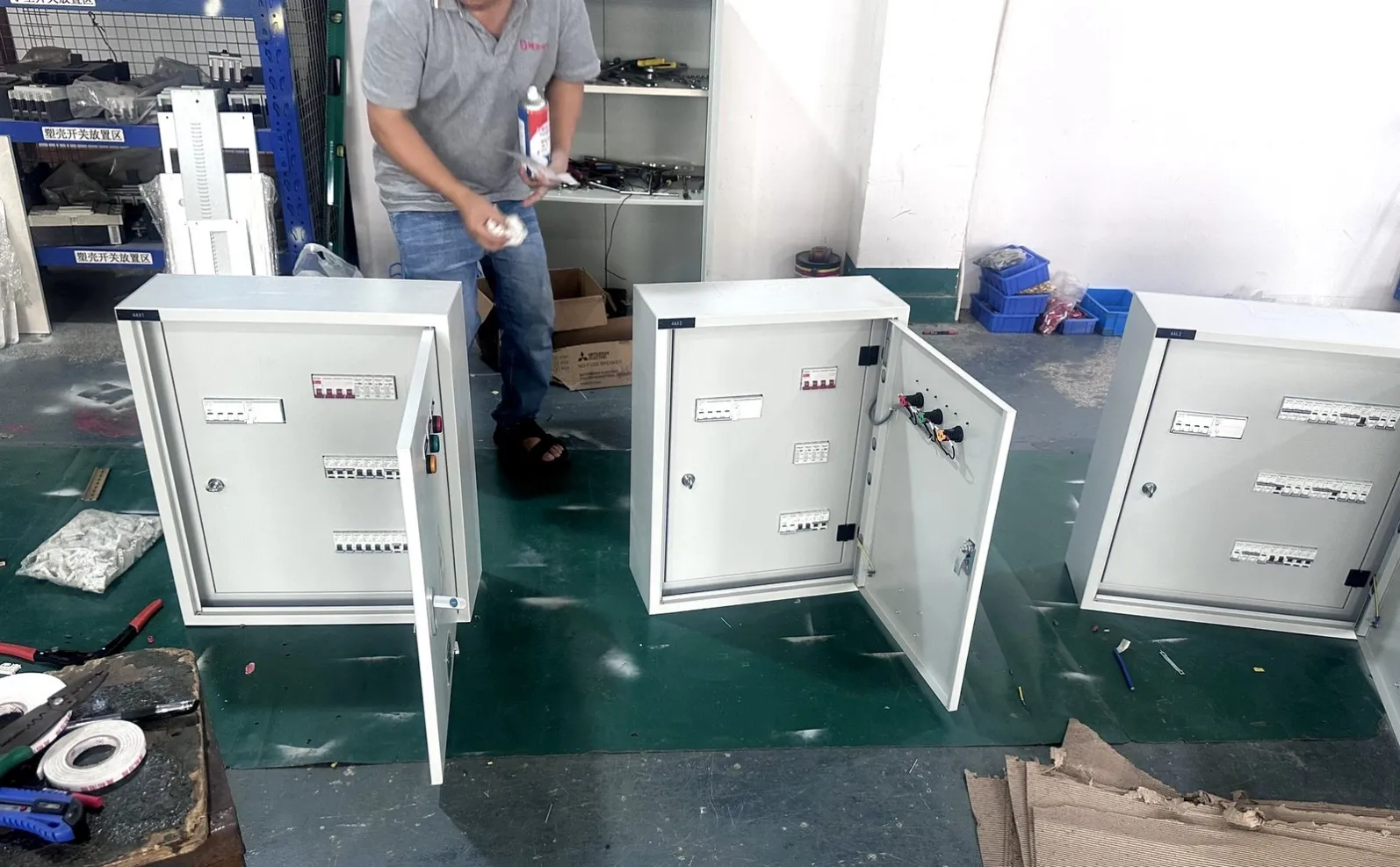
Match the brand to the job, not the other way round
Situation | Shortlist first | Why |
|---|---|---|
Continuous process, fault must not stop the line | Schneider, ABB, Siemens | Published Type 2 combination tables, accessible SCPD pairings |
OEM machine on a Mitsubishi or Omron control platform | Mitsubishi, Omron | Native ecosystem, compact frames, regional stock |
North American site with Logix standard | Allen-Bradley, Eaton | Local support and UL high-fault characterization |
Cost-led panel, non-critical duty | LS, Chint, Fuji | Low unit cost — confirm coordination and spare-coil lead time |
Mixed-voltage or multi-region shipment | Siemens, ABB, Schneider | Both IEC and NEMA/UL data readily documented |
Freeze it in the RFQ and PO
RFQ contactor line: For each motor, state motor kW and full-load current, supply voltage and frequency, utilization category (AC-1 / AC-3 / AC-3e / AC-4) and the required Ie at that category, coil voltage and AC or DC type, required auxiliary contacts, destination country and applicable rating system (IEC 60947-4-1 / NEMA ICS 2 / UL 60947-4-1). Supplier to confirm the model is current, provide the Type 1 or Type 2 coordination table for the exact contactor + overload + named SCPD combination at the site prospective fault current, and state the declared Iq.PO submittal line: Before build, supplier to provide the coordination table and datasheets showing issuer, document number, revision and date, with the exact contactor, overload relay and SCPD catalogue numbers. "Available on request" is not a closed item. Any substitution requires written confirmation of the same utilization-category rating, coordination level and coil voltage before fitting.Pre-order check: □ duty category named per motor □ Ie at that category, not headline amps □ coil voltage and AC/DC fixed □ auxiliary contacts listed □ coordination level stated □ SCPD make and model named □ Iq ≥ site fault current □ destination rating system agreed □ model confirmed current □ replacement coil lead time recorded.
A supplier who asks for the motor duty before quoting a frame is thinking about the starter. One who quotes by ampere and footprint alone is selling a box and leaving the fault case with you. That difference survives a price comparison.
Our position
We are a sourcing partner, not one of the ranked companies. We assemble panels with several of these brands and source others across our supplier network, so this is written from the bench rather than from any vendor's catalogue. We are a good fit when you want one party accountable for matching the contactor, overload and protective device as a tested combination; the wrong fit if you need a single-brand franchise agreement.
Frequently Asked Questions
Is a higher AC-1 rating a sign of a better contactor?
No. AC-1 is the easiest duty. What matters is the rated current at the duty you actually have — usually AC-3 for motor starting — and the stated coordination level.
Can I replace a contactor with another brand of the same frame and coil?
Only if the replacement's rating at the same utilization category matches and the coordination table covers the new combination with your existing protective device. Frame and coil are necessary, not sufficient.
What does Type 2 actually buy me?
Reusability after a short circuit. Both Type 1 and Type 2 are safe; with Type 2 the starter needs inspection and perhaps contact separation, not replacement, so downtime is minutes instead of a parts order.
Do I need Type 2 on every motor?
Not universally. It pays where an unplanned stop costs more than the protective device premium — continuous process, critical utilities, remote sites. For non-critical duty, Type 1 with a clear replacement stock may be the rational choice.
Why does the coil specification change the parts question?
Coils are voltage- and frequency-specific, and electronic coils differ from conventional ones in droop and holding behaviour. The cheapest contactor is expensive if its coil is a special order in year eight.
Related Guides
Request a quote or engineering review
Send your motor list with duty category, supply voltage, destination country and the protective device already fitted. We will shortlist contactors with the matching coordination table and coil availability, and state the submittal set before the order. Upload your drawing for an engineering review.
Produced with AI-assisted drafting and reviewed by the Uni Regal team before publication.