Jul 9, 2026Buying Guides
What Do We Check Before Delivering an Outdoor Electrical Enclosure?
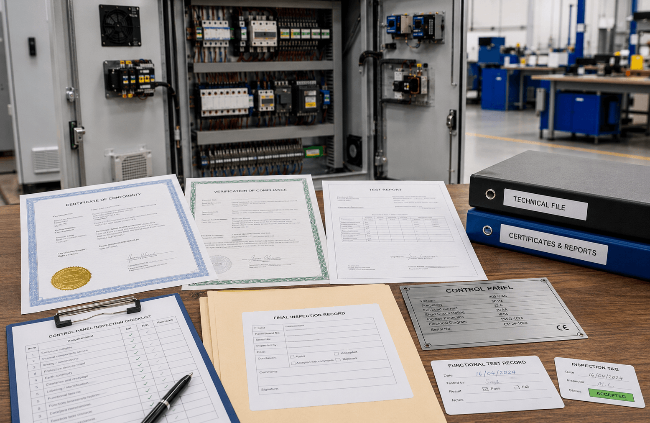
Discover the factory inspections that prevent water ingress, overheating, corrosion, loose terminals, and costly commissioning delays in outdoor electrical enclosures.
What Do We Check Before Delivering an Outdoor Electrical Enclosure?
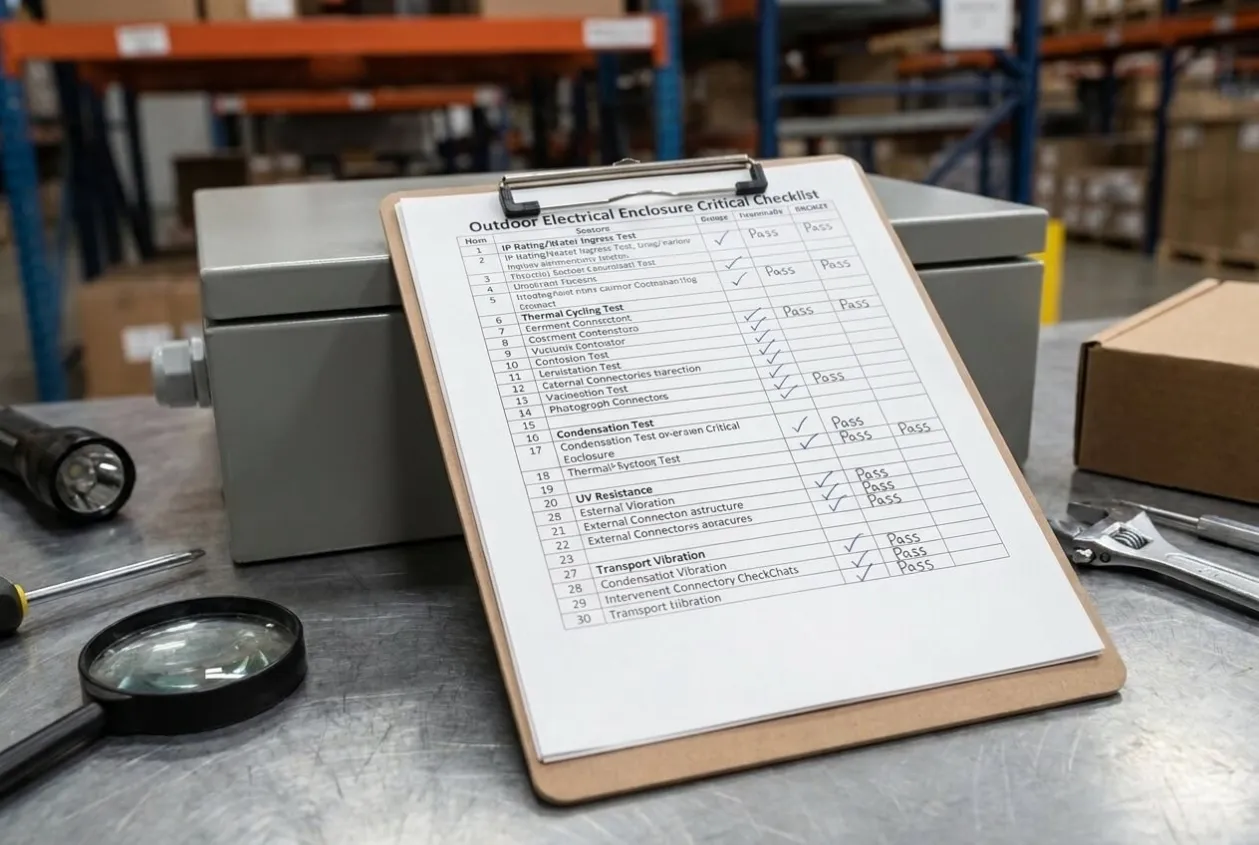
I have seen outdoor control cabinets fail after only weeks in the field. One loose gasket or one bad gland can destroy an entire PLC system.
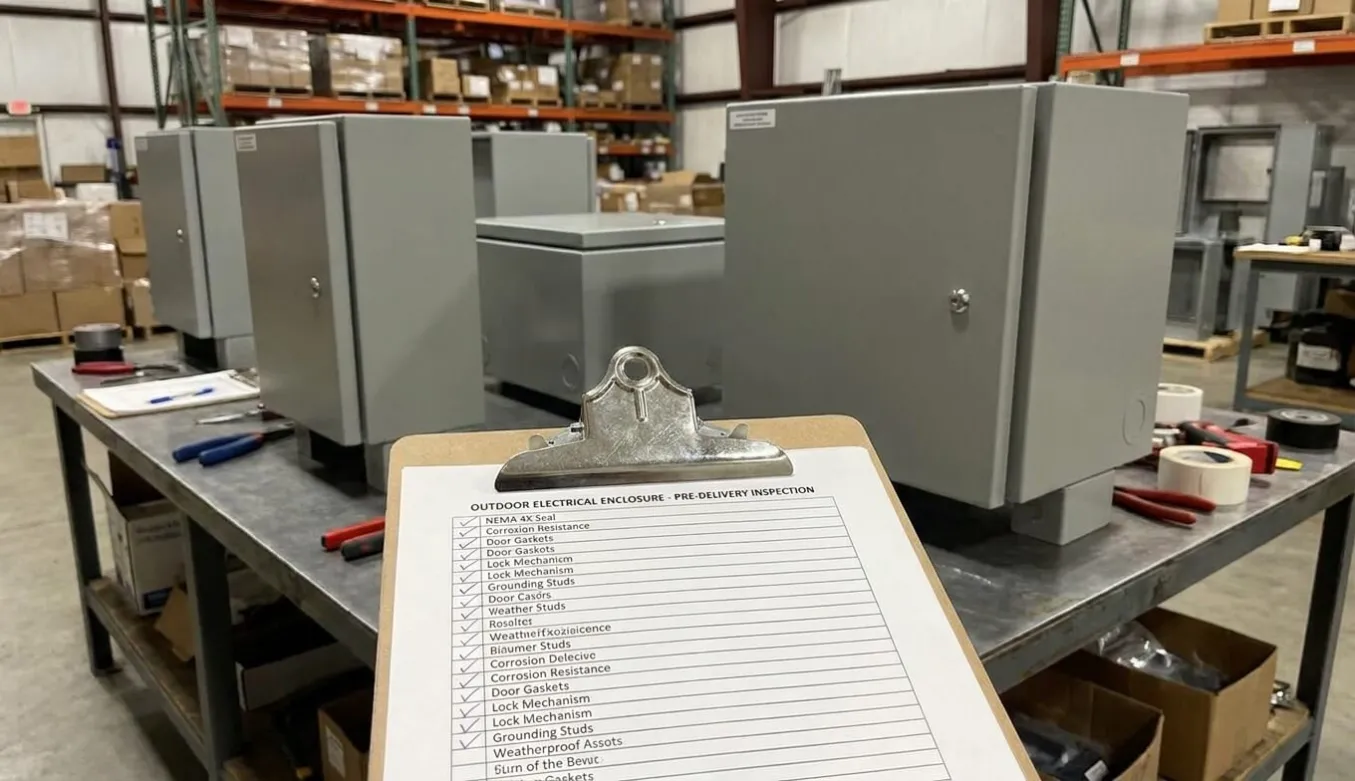
An outdoor electrical enclosure must survive rain, heat, vibration, salt fog, and transport stress before it reaches the project site. A structured pre-shipment inspection helps prevent water ingress, overheating, corrosion, insulation failure, and loose electrical connections.
Most factories only inspect appearance. I focus on the hidden failure points that usually appear months later on rooftops, water plants, and remote industrial sites.
Why Does An Outdoor Control Cabinet Leave No Room For Field Rework?
I have worked on indoor cabinets and outdoor cabinets. They are not the same product at all. An indoor cabinet usually lives in a stable electrical room. An outdoor enclosure fights sunlight, humidity, dust, salt fog, and transport vibration every single day.
Outdoor electrical enclosures fail differently from indoor cabinets because they face water ingress, thermal cycling, condensation, UV exposure, and long-distance transport vibration. Small assembly mistakes can destroy expensive field equipment after installation.
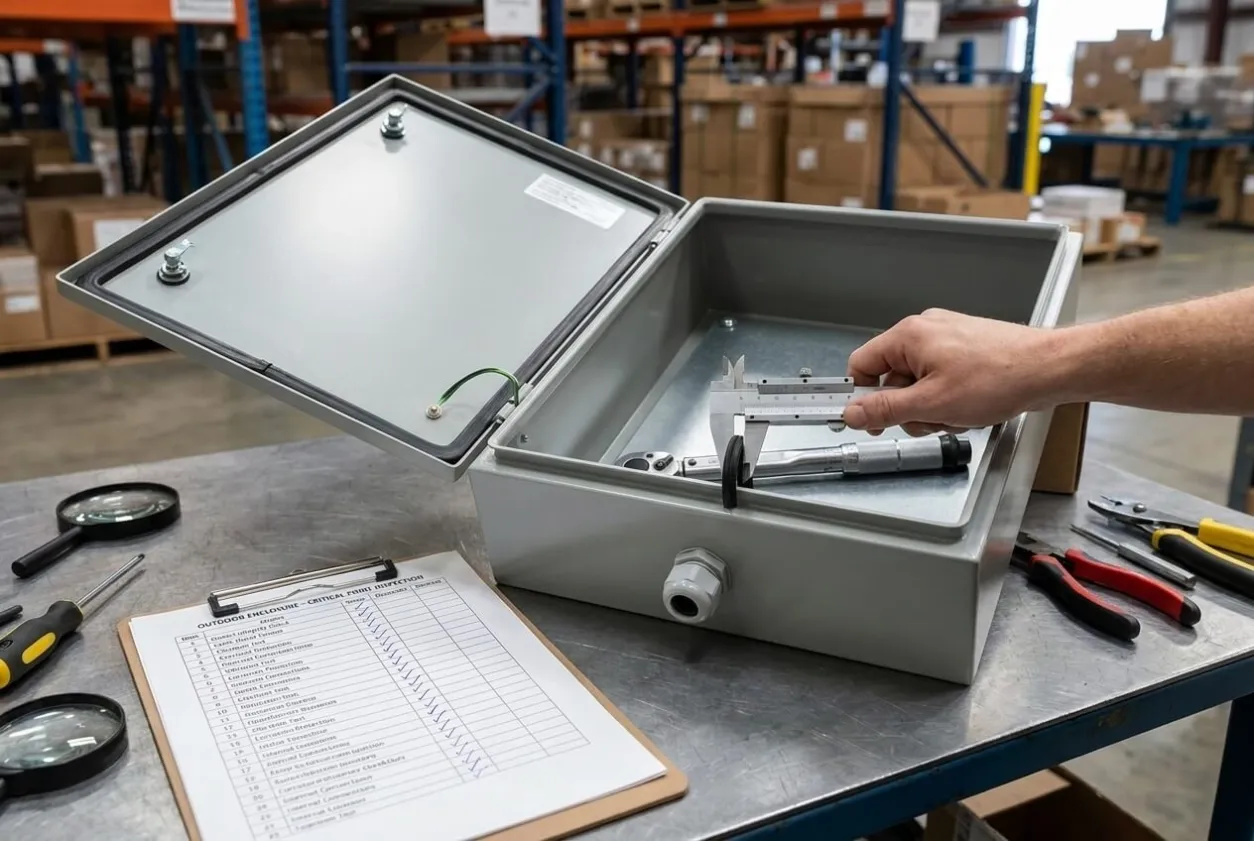
When an indoor cabinet fails, the maintenance team can replace a relay or reset a breaker. The repair cost stays manageable. Outdoor systems are different. Once water enters the cabinet or heat builds up inside, the damage spreads fast across PLCs, VFDs, power supplies, and communication modules.
The Real Cost Of Outdoor Cabinet Failure
I once saw a rooftop HVAC control panel fail because one cable gland was not tightened correctly. Rainwater slowly entered the cabinet for two weeks. By the time the maintenance crew opened the door, the entire bottom section had corrosion marks and burned terminals.
Here is the bigger problem. Most overseas projects are not near your factory. Sending engineers overseas for emergency repair creates massive hidden costs.
Failure Type | Hidden Cost |
|---|---|
Water ingress | PLC and VFD replacement |
Condensation | Short circuits and corrosion |
Loose terminals | Arc flash and downtime |
Bad ventilation | High-temperature shutdown |
Shipping vibration | Internal component damage |
Why Buyers Now Demand Structured PSI Reports
In 2026, many OEM buyers no longer trust simple factory photos. They want proof. They ask for torque records, insulation testing data, gasket inspection reports, and thermal simulation videos.
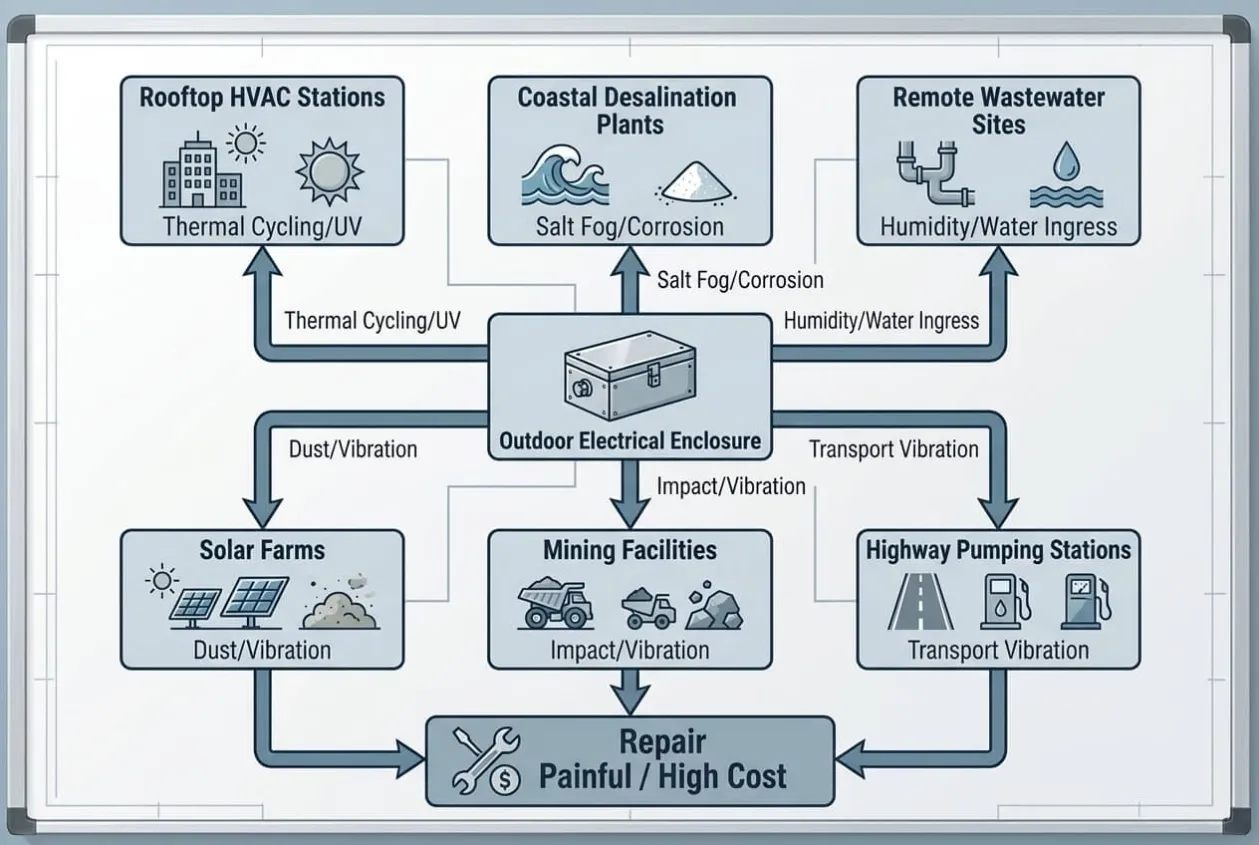
I understand why. Outdoor projects often operate in places where repairs are painful:
- Rooftop HVAC stations
- Coastal desalination plants
- Remote wastewater sites
- Solar farms
- Mining facilities
- Highway pumping stations
A single field failure can delay commissioning for weeks.
That is why I believe one extra inspection hour inside the factory is far cheaper than one emergency flight ticket to another country.
How Do We Physically Test Ingress Protection and Seal Integrity?
Water ingress is still the number one killer of outdoor electrical enclosures. Most failures do not come from the enclosure body itself. They come from assembly mistakes after cutting holes and installing cable entries.
Ingress protection testing must verify gasket compression, cable gland sealing, and door pressure consistency. Even a small sealing gap can allow water and dust to enter the cabinet during outdoor exposure.
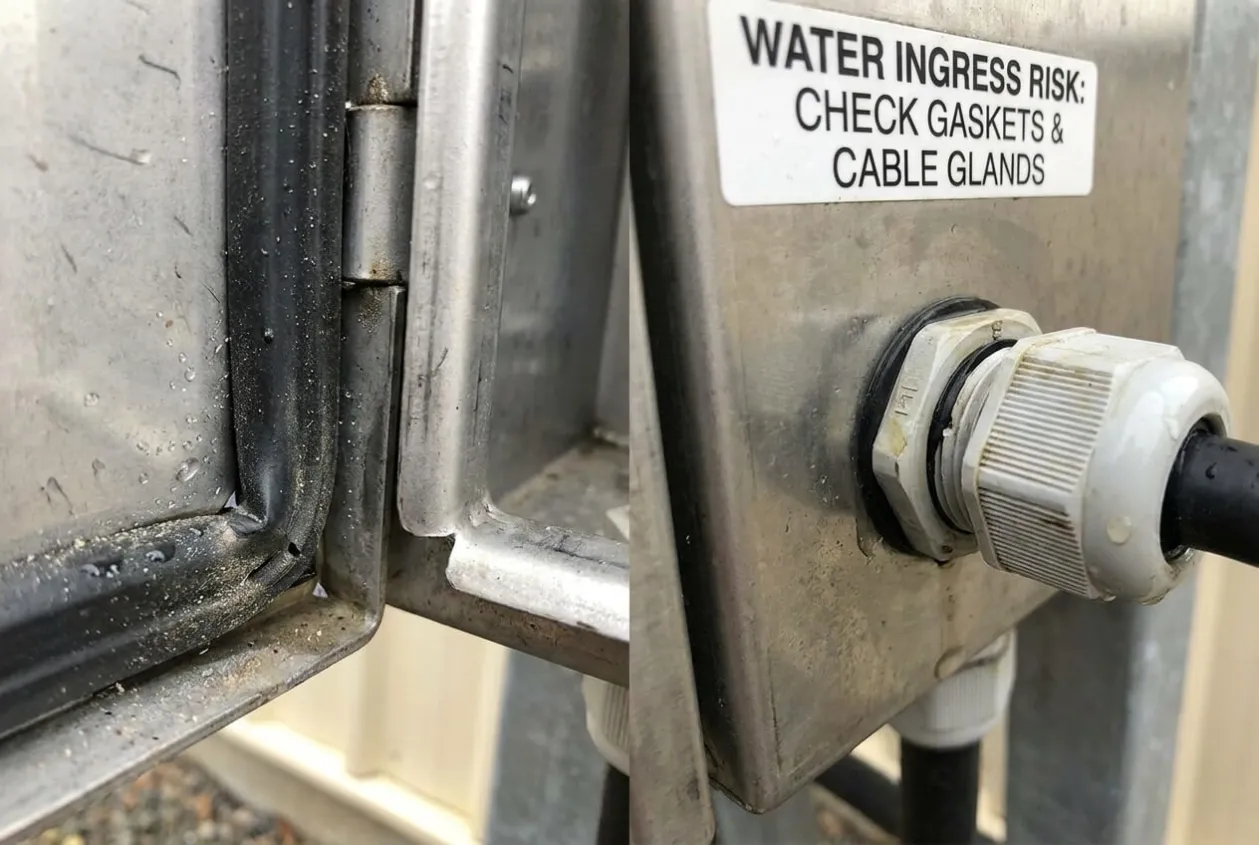
Many factories assume a NEMA 4X or IP66 empty enclosure automatically stays waterproof after assembly. That is dangerous thinking. The enclosure rating only applies if the assembly work is done correctly.
The Paper Strip Test
This is one of the simplest but most effective inspection methods I use.
I place a standard A4 paper strip between the cabinet gasket and the enclosure frame. Then I lock the door completely and pull the paper outward.
If the paper slides out easily, the sealing pressure is not enough.
This test quickly reveals the following:
- Uneven gasket compression
- Misaligned hinges
- Weak latch pressure
- Twisted gasket sections
- Frame distortion
Blind Torque Verification For Cable Glands
Cable glands fail more often than many people realize. One missing rubber insert or loose compression nut creates a direct water path into the cabinet.
I use calibrated torque wrenches to recheck every gland connection.
Common Seal Inspection Areas
Inspection Area | What We Check |
|---|---|
Door gasket | No cuts, gaps, or twists |
Cable glands | Correct torque and rubber compression |
Roof seams | No visible openings |
Mounting holes | Proper sealing washers |
Ventilation louvers | Correct rain shield direction |
Why Small Gaps Become Big Failures
Outdoor cabinets expand and contract every day because of temperature change. A small sealing weakness becomes larger after months of UV exposure and vibration.
I have seen rainwater travel through tiny gaps and collect silently at the cabinet bottom. The customer only notices the problem after insulation resistance drops or breakers start tripping.
That is why I never trust visual inspection alone. I prefer physical testing methods that force weak points to reveal themselves before shipment.
How Do We Simulate Heat, Condensation, And Climate Control Logic?
Heat and condensation[^2] destroy outdoor electronics faster than many people expect. Sunlight[^1] alone can raise cabinet internal temperatures dramatically during summer operations.
Thermal simulation testing[^3] verifies that heaters, thermostats, fans, and enclosure air circulation respond correctly under changing environmental conditions. Proper climate control[⁴] prevents overheating and internal condensation.
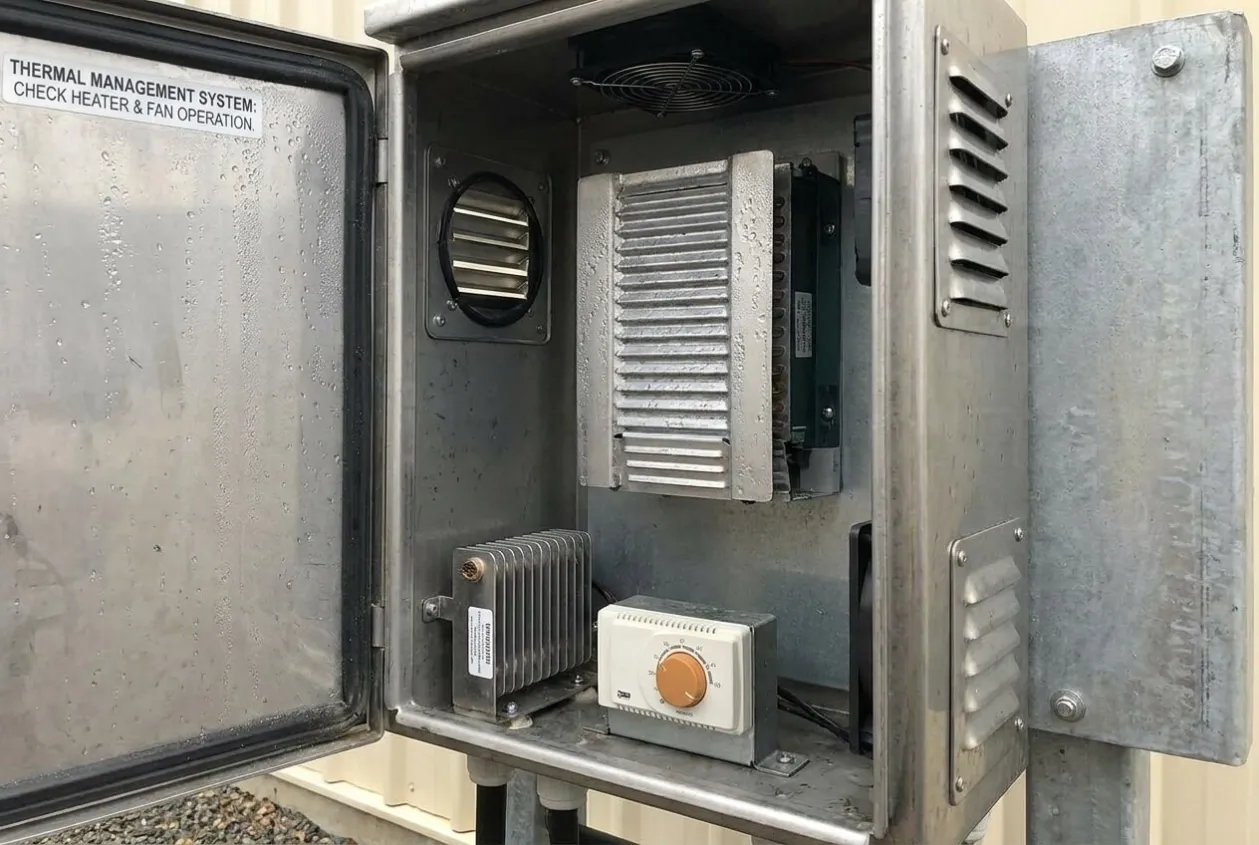
Many outdoor enclosure failures happen because the climate control system technically exists but does not actually function under real conditions.
Thermostat And Heater Logic Testing
I never rely only on visual checks for heaters and cooling systems.
Instead, I actively force the cabinet into simulated hot and cold conditions.
I use:
- Industrial heat guns
- Ice packs
- Temperature probes
- Humidity sensors
I apply hot air directly toward thermostats and internal sensors. Then I verify:
- Cooling fans start automatically.
- Cabinet air conditioners activate
- Alarm signals respond correctly
- Internal temperatures stabilize
Next, I cool the sensor area to trigger anti-condensation heaters.
Why Condensation Is Extremely Dangerous
Many buyers focus only on rain protection. They forget internal condensation.
Condensation often forms because of:
- Day and night temperature swings
- Humid coastal air
- Idle equipment periods
- Poor ventilation
- Incorrect heater settings
Water droplets inside a closed cabinet are just as dangerous as rainwater intrusion.
Airflow Direction Audit
I also inspect airflow paths carefully.
Incorrect airflow direction creates trapped heat zones around VFDs and power supplies.
Typical Thermal Inspection Checklist
Thermal Item | Acceptance Requirement |
|---|---|
Heater activation | Starts at 15°C–20°C |
Fan rotation | Correct airflow direction |
Filter orientation | Installed correctly |
Air circulation | No blocked airflow zones |
Temperature alarm | Functional during simulation |
The Problem With Poor Ventilation Design
I have opened outdoor cabinets where hot air had nowhere to escape. The cooling fan worked perfectly, but the internal airflow path was wrong.
The result was simple:
- PLC overheating
- VFD thermal trips
- Premature capacitor aging
- Random communication faults
That is why I always inspect the entire airflow route instead of checking components individually.
How Do We Verify Corrosion Protection and Electrical Insulation?
Outdoor cabinets near coastal areas or water treatment plants face continuous corrosion pressure. Stainless steel alone does not solve everything.
Anti-corrosion inspection and insulation resistance testing help prevent rust formation, ground faults, and electrical leakage inside outdoor control panels exposed to moisture and salt fog.
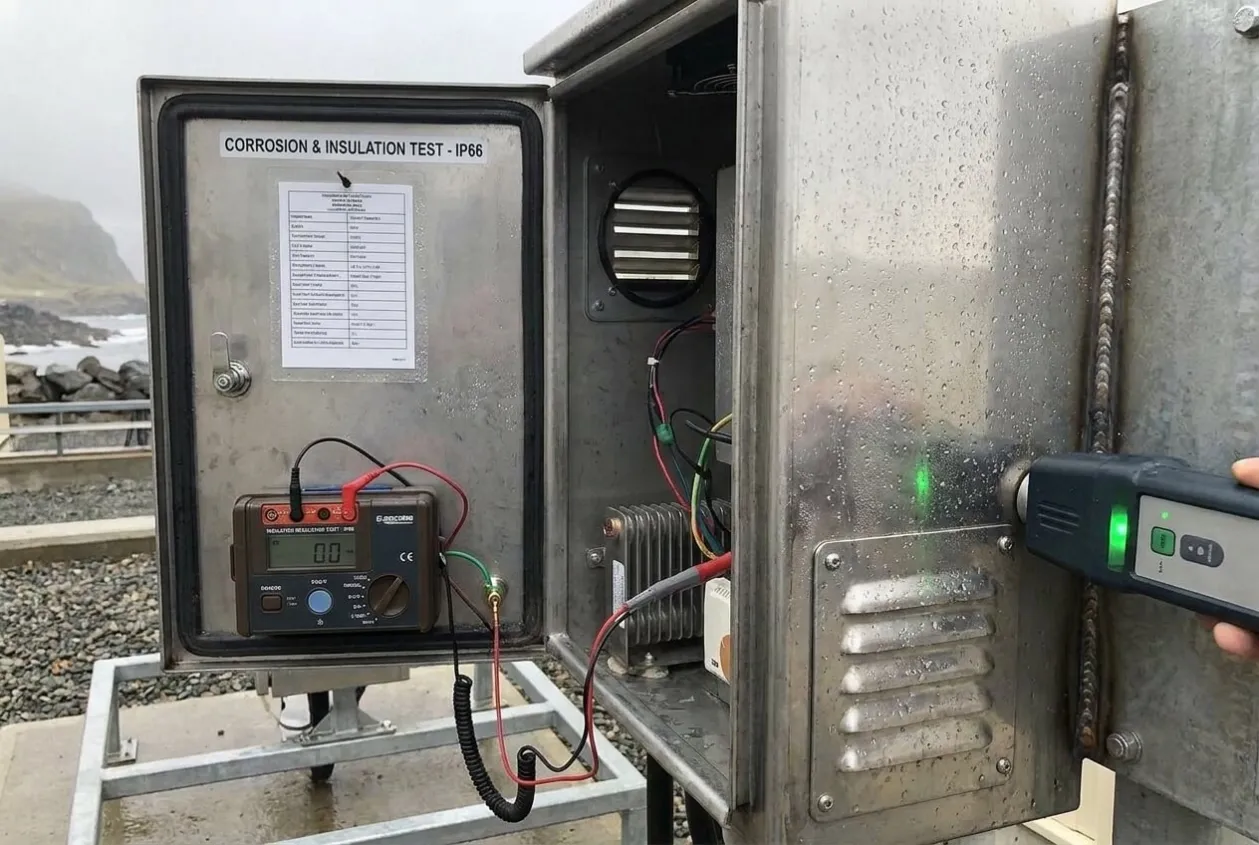
I often see factories damage stainless steel protection layers during punching, drilling, or welding operations. If the exposed edges are not treated properly, corrosion begins quickly.
Secondary Protection For Machined Areas
Every punched hole and knockout edge must receive secondary protection.
I inspect all modified areas carefully for the following:
- Zinc-rich coating
- Passivation treatment
- Smooth edge finishing
- Corrosion-resistant touch-up paint
Megger Testing Procedure
I use insulation resistance testing to identify hidden electrical risks before shipment.
The process usually includes:
- 1000V DC test voltage
- One-minute duration
- Main power circuits
- Control circuits
- Ground isolation verification
The insulation resistance value must remain above 100 MΩ.
Why Megger Testing Matters
Some electrical defects remain invisible during normal continuity checks.
Megger testing helps detect:
- Moisture contamination
- Damaged wire insulation
- Improper grounding
- Metal debris contamination
- Hidden wiring damage
Corrosion And Insulation Audit Table
Inspection Item | Acceptance Standard |
|---|---|
Stainless steel edges | Fully passivated |
Punching areas | Anti-corrosion coating applied |
Ground resistance | < 0.1 Ω |
Insulation resistance | > 100 MΩ |
Internal cleanliness | No metal debris |
Salt fog environments are brutal.
Coastal projects create a special kind of stress for electrical systems. Salt accelerates corrosion everywhere.
I have seen untreated cut edges begin rusting within months after installation near seawater facilities.
Once corrosion starts, electrical reliability slowly drops:
- Ground leakage increases
- Bonding weakens
- Terminal resistance rises
- Moisture penetration spreads
That is why corrosion prevention is never just cosmetic work. It directly affects long-term electrical safety.
How Do We Ensure the Cabinet Survives Overseas Transportation Vibrations?
A perfectly tested cabinet can still fail during transport if internal components are not mechanically secured.
Transportation vibration testing verifies that heavy electrical components, terminals, and structural supports remain secure after long-distance sea and road transport.
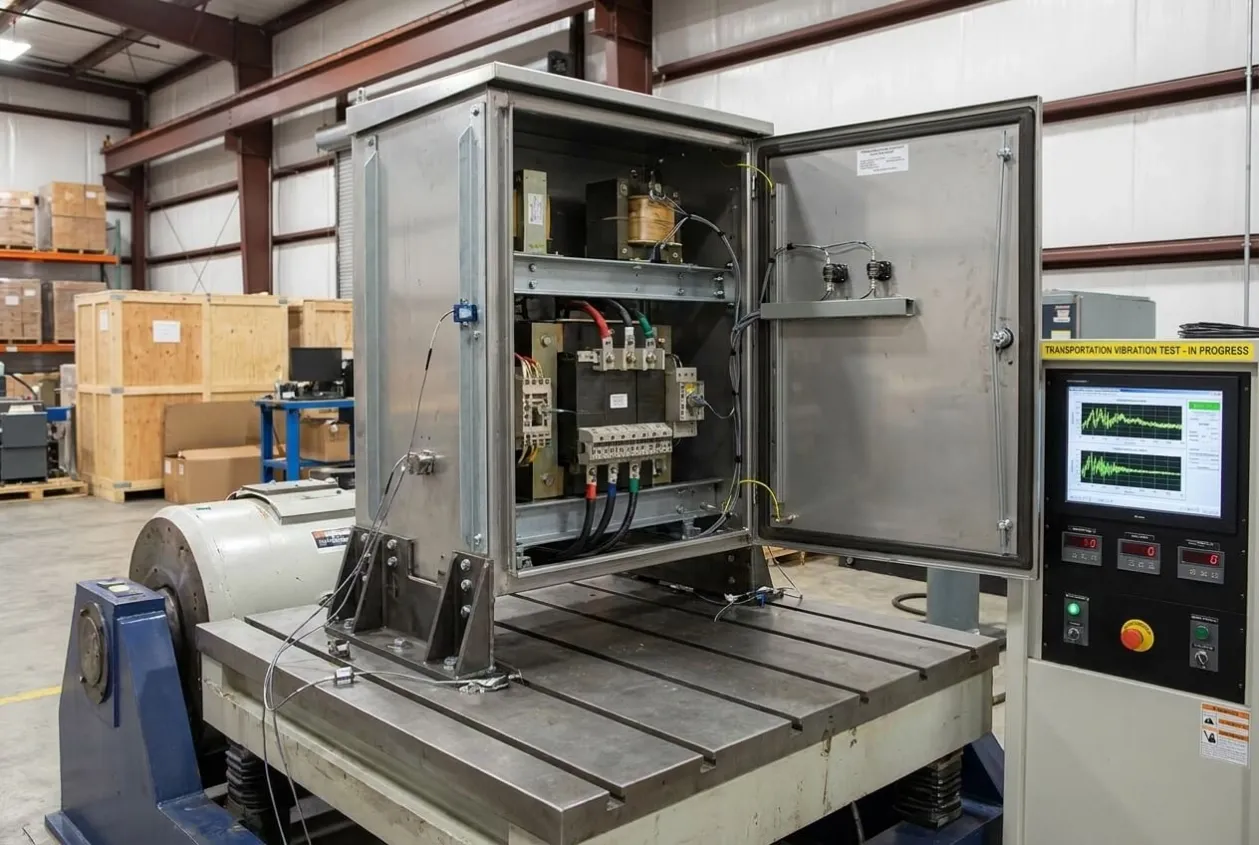
Long-distance transport creates constant vibration and shock loading. Heavy components become dangerous if they rely only on DIN rails.
Heavy Component Reinforcement
I inspect every heavy device carefully.
Components above 5 kg usually require:
- Bottom support brackets
- Reinforced mounting plates
- Additional fasteners
- Anti-vibration support structures
I never allow large VFDs or transformers to hang unsupported from thin back panels.
Torque Seal Inspection
After tightening main terminals with calibrated electric screwdrivers, I apply torque seal markings.
These markings create visible proof of movement.
If the red alignment marks shift during transport, field engineers immediately know the connection loosened.
Transportation Readiness Checklist
Mechanical Item | Acceptance Standard |
|---|---|
Heavy VFD mounting | Reinforced support installed |
Main terminals | Torque verified |
Torque seal marks | Clearly aligned |
Cable routing | Proper strain relief |
Packaging | Seaworthy moisture protection |
Packaging Is Part Of Quality Control
I also inspect export packaging carefully because many failures begin after the cabinet leaves the factory.
For overseas shipment, I require:
- Vacuum foil wrapping
- Moisture barrier packaging
- Desiccant packs
- Shock-resistant pallet support
- Corrosion prevention materials
Why Transport Damage Often Goes Unnoticed
Some vibration damage does not appear immediately.
A slightly loose terminal may survive factory testing. Then after weeks of sea transport, the connection resistance increases. When the cabinet powers on at the project site, heat buildup creates arcing or terminal burnout.
That is why transport inspection is not optional for outdoor industrial enclosures.
Conclusion
Outdoor enclosure quality depends on brutal inspection discipline before shipment, not just thick stainless steel or attractive cabinet appearance.
Related Articles: