
Oct 20, 2026Case Studies
Engineering Lessons from a 6-Inch Gas Pipeline Corridor
The recording of a 6-inch gas pipeline corridor project and insights; hope the details could help for you.
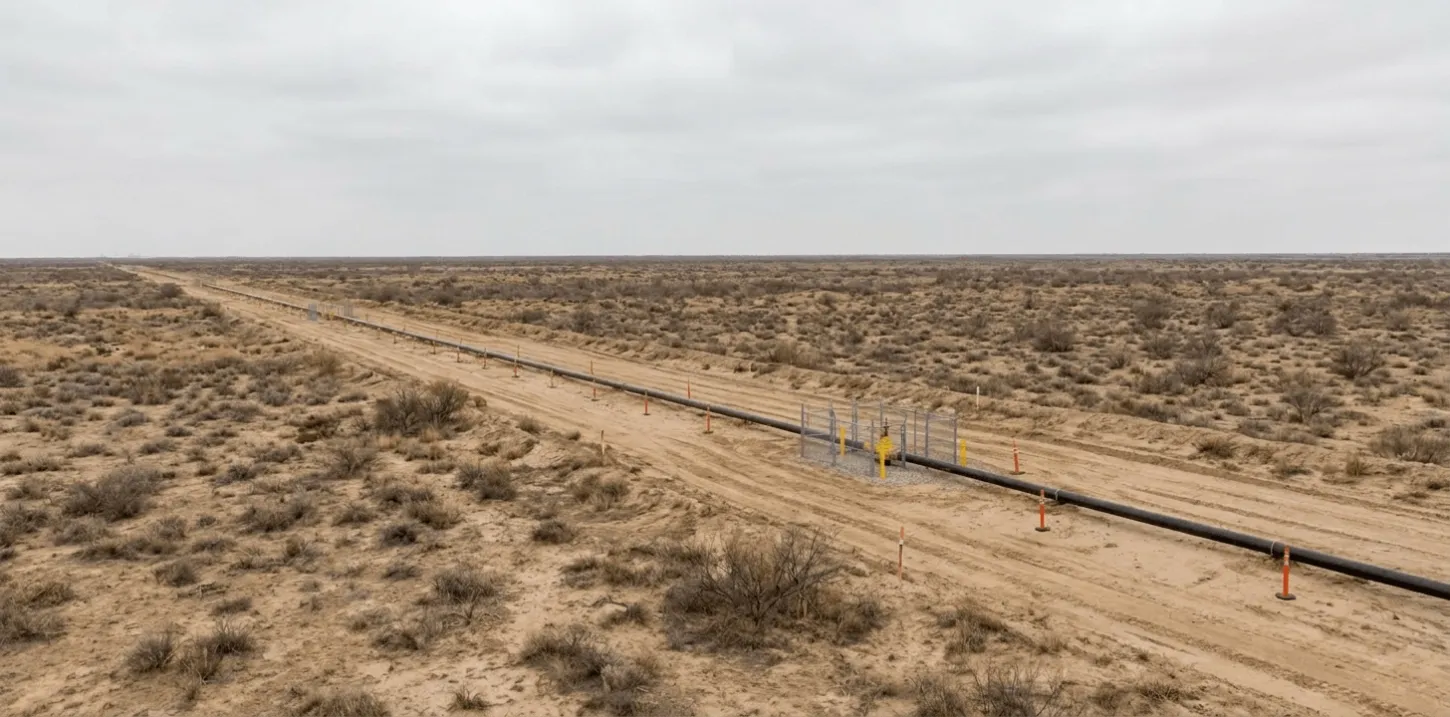
Engineering Lessons from a 6-Inch Gas Pipeline Corridor and HP Separator Installation Project
A 6-inch gas pipeline project looks simple on a route drawing, but the real engineering risk sits in the details: pipe spool fabrication, coating quality, relief line installation, depressurization design, pigging readiness, and pipeline asset integrity. This case documents practical lessons from a gas infrastructure project connecting a flow station to an industrial park facility.
Remote sites add power, comms and hazardous-area constraints on top of the I/O list — see oil and gas control panels for how those are usually handled.
Project Snapshot
Item | Description |
|---|---|
Industry | Oil & Gas / Industrial Infrastructure |
Application | Gas pipeline supply to industrial park facilities |
Project Type | Pipeline construction, HP separator installation, integrity system preparation |
Location | West Africa, coastal oil and gas operating environment |
Pipeline Scope | 6-inch pipeline corridor, approximately 4.1 km |
Pipe Spool Works | 2-inch, 3-inch, 4-inch, and 6-inch fabricated spools |
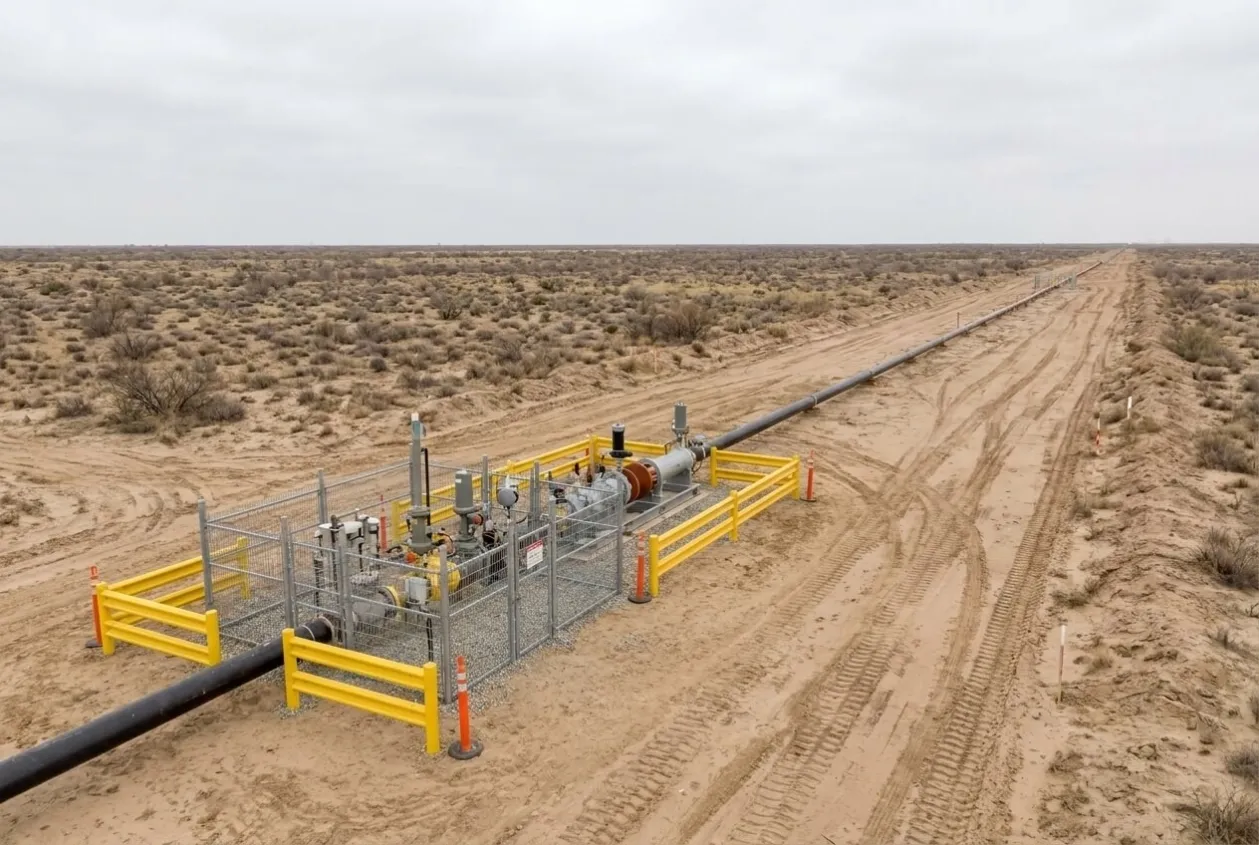
Key Equipment | High-pressure filter separator, relief line, depressurization facilities, temporary pigging facilities |
Services | Engineering review, fabrication coordination, coating inspection, installation planning, pre-commissioning readiness |
Result | Improved installation readiness, safer startup preparation, and clearer maintenance strategy for pipeline operation |
Project Overview
This project involved the development of a gas pipeline corridor connecting an existing flow station to a nearby industrial park. The main pipeline was a 6-inch line over a distance of about 4.1 km. The supporting scope included pipe spool fabrication, protective coating, high-pressure filter separator installation, emergency depressurization facilities, temporary pigging facilities, and pipeline asset integrity systems.
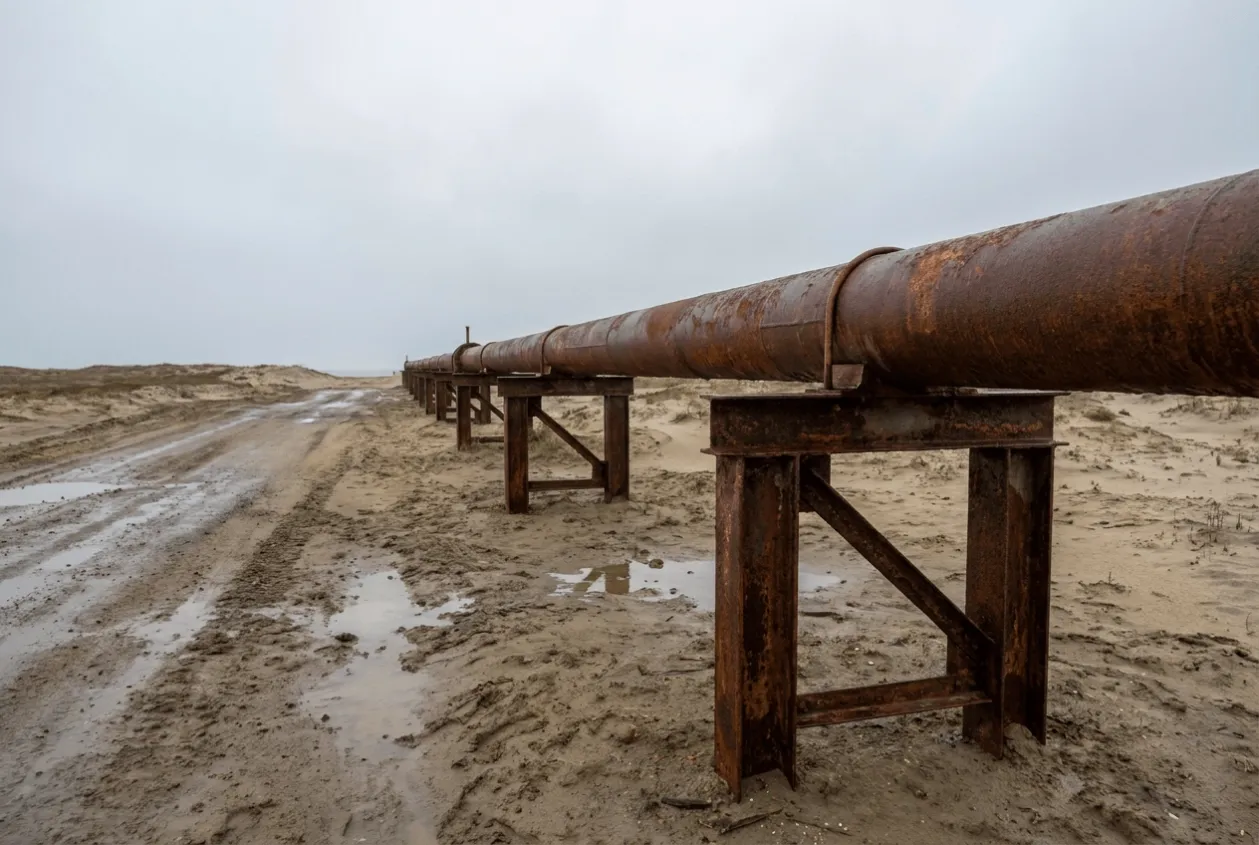
From an engineering point of view, this was not just a pipeline-laying project. It was a gas handling and operational safety project.
The pipeline had to transfer gas reliably while allowing future inspection, isolation, pressure relief, and maintenance. The customer expected the new infrastructure to support industrial operations with stable gas delivery and controlled risk during startup and operation.
The work also involved several different pipe spool sizes: 2-inch, 3-inch, 4-inch, and 6-inch. These smaller lines were not secondary details. Relief lines, drain points, vent lines, instrument connections, and separator tie-ins often determine how safely the main pipeline can be operated.
My main focus during the engineering review was to make sure construction progress did not run ahead of verification. In pipeline work, fabrication can look productive, but if coating, spool orientation, weld traceability, access, and testing requirements are not controlled early, problems usually appear later during installation or pre-commissioning.
Customer Challenge
From the customer’s perspective, the project had several pressures at the same time.
The pipeline had to connect an existing gas source to a new industrial demand area. This meant that the system could not be treated as an isolated construction package. It had to fit into an operating gas facility, follow safety requirements, and support reliable long-term operation.
The site environment also created challenges. Coastal oil and gas environments often involve humidity, aggressive corrosion conditions, soft ground, difficult access roads, and unpredictable weather windows. Protective coating and pipeline integrity planning were therefore not optional. They were part of the reliability strategy.
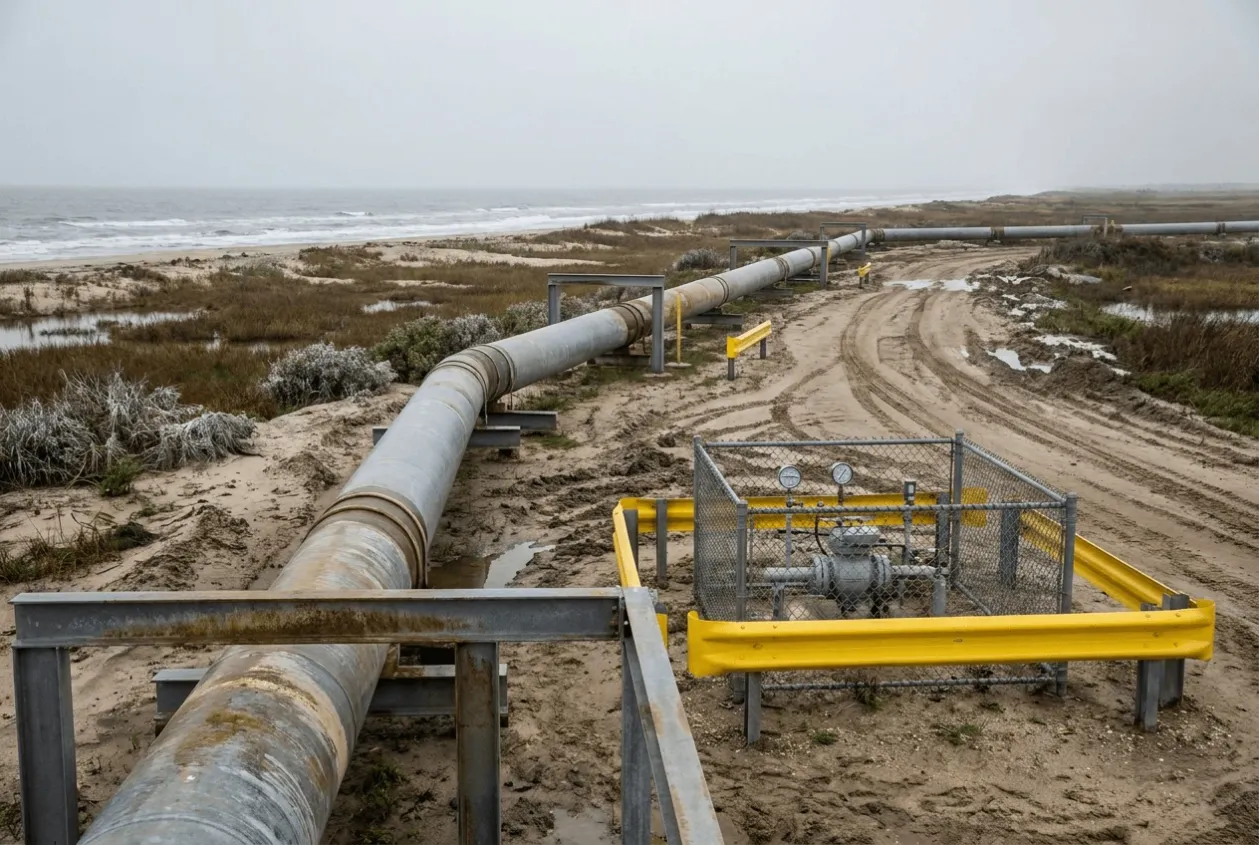
The customer also needed to manage multiple construction fronts at once:
- Fabrication of pipe spools in different sizes.
- Coating and coating repair activities.
- Preparation of high-pressure equipment.
- Installation of relief and depressurization lines.
- Provision for temporary pigging.
- Pipeline asset integrity monitoring.
- Coordination between mechanical, piping, civil, and instrumentation teams.
If these items were not coordinated properly, several risks could appear. A spool could arrive onsite with the wrong orientation. Coating damage[¹] could be hidden before backfilling. A relief line[²] could be installed without proper maintenance access. Pigging facilities[³] could be treated as temporary and then become difficult to use. Instrument points[⁴] could be located where technicians cannot safely reach them.
For gas infrastructure, these are not small mistakes. They affect safety, startup timing, operating confidence, and future maintenance cost.
Engineering Review
The engineering review focused on the relationship between the main pipeline, the high-pressure separator, the relief line system, depressurization facilities, temporary pigging arrangements, and long-term asset integrity.
The first review area was pipe spool fabrication. The project required 2-inch, 3-inch, 4-inch, and 6-inch spool fabrication. In my experience, mixed-size spool fabrication requires strict control of drawings, weld maps, heat numbers, flange ratings, gasket standards, and orientation marks.
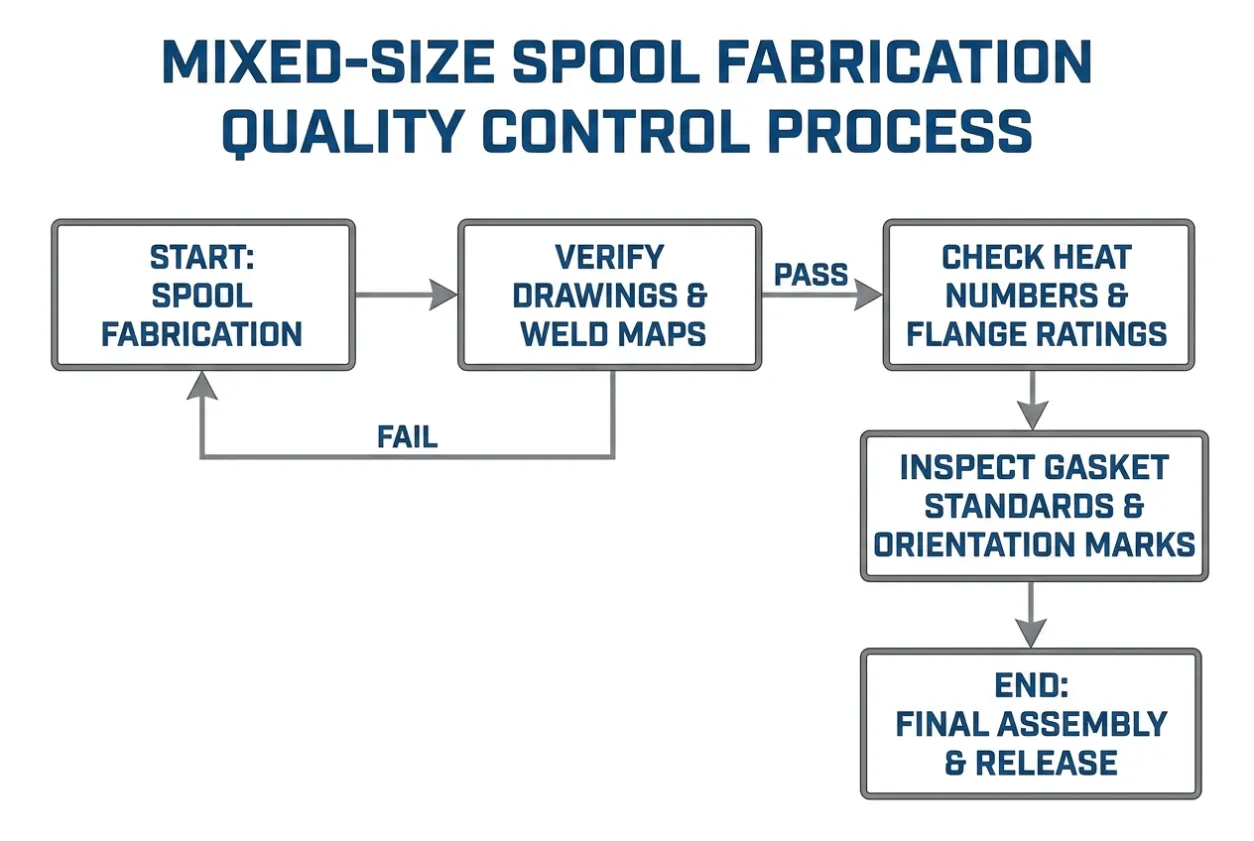
A 6-inch main pipeline may get most of the attention, but many installation delays come from small-bore connections. A 2-inch vent line or 3-inch relief line installed in the wrong orientation can block access, create trapped liquid, or interfere with other equipment.
The second review area was coating. For buried or exposed gas pipelines, coating is one of the first lines of defense against corrosion. It is easy to treat coating as a finishing activity, but I prefer to treat it as an integrity activity. Surface preparation, coating thickness, holiday testing, handling protection, and field joint coating all need discipline.
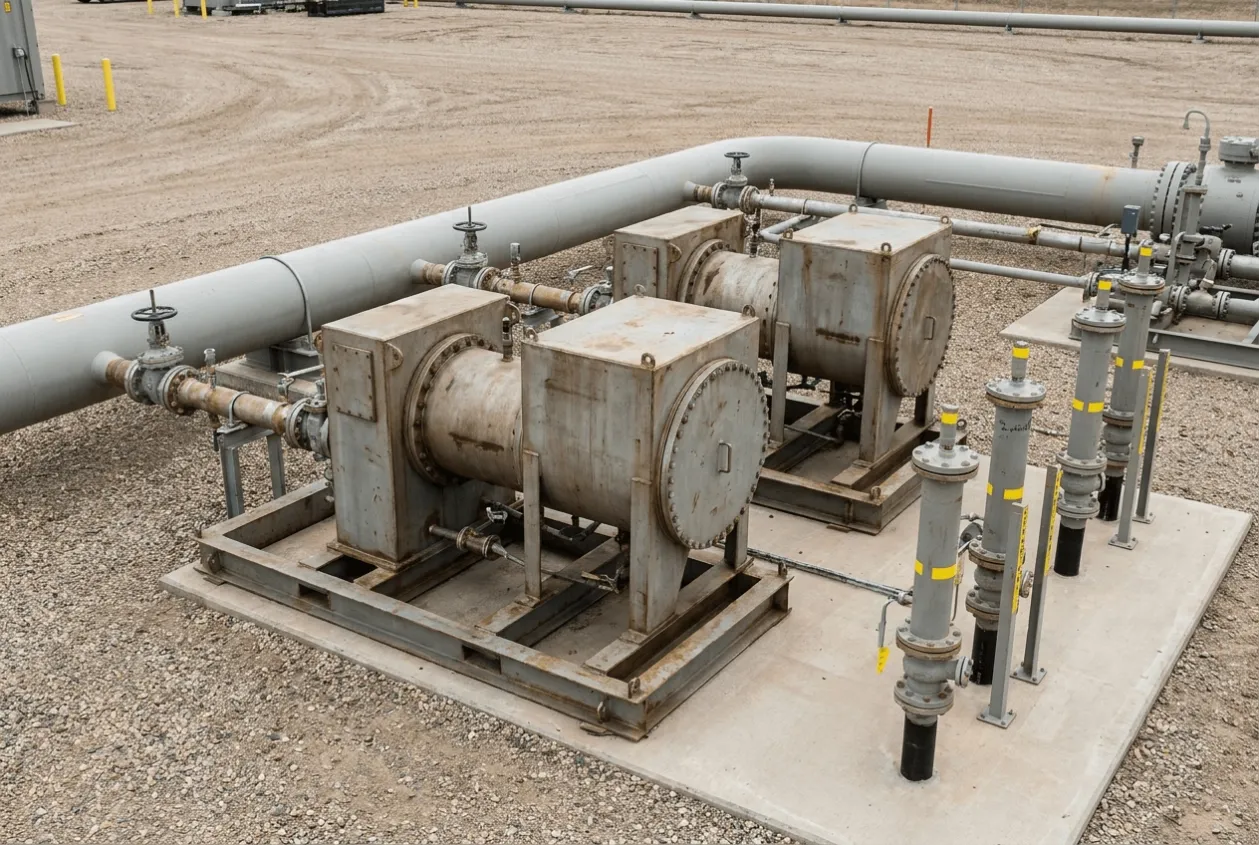
The third review area was the high-pressure filter separator[⁵]. A filter separator is not only a pressure vessel[⁶] placed in the line. It affects gas quality, downstream equipment protection, drain handling, maintenance planning, and pressure drop. The separator layout must provide enough space for element removal, drain operation, isolation, lifting, and inspection while complying with applicable gas pipeline safety requirements[⁷].
The fourth review area was emergency depressurization. For gas pipelines, controlled depressurization is essential. The system must allow operators to safely reduce pressure during emergency conditions, maintenance, or isolation events. The relief and depressurization lines must be correctly sized, routed, supported, and protected against vibration.
A simplified review checklist looked like this:
Review Item | Engineering Question | Risk if Ignored |
|---|---|---|
Pipe spool fabrication | Are spool dimensions, orientation, and weld maps controlled? | Site fit-up problems and rework |
Coating works | Are surface preparation, DFT, and holiday testing verified? | Early corrosion or coating failure |
HP filter separator | Is there enough access for maintenance and element removal? | Difficult maintenance and extended shutdown |
Relief line installation | Are relief lines properly routed and supported? | Unsafe discharge, vibration, or mechanical stress |
Depressurization system | Can the pipeline be safely blown down when required? | Unsafe emergency response |
Temporary pigging | Can cleaning and gaging pigs be launched and received safely? | Delayed pre-commissioning |
Asset integrity | Are inspection points and records prepared from the start? | Poor long-term pipeline management |
Documentation | Do drawings match fabricated and installed conditions? | Commissioning confusion and weak handover |
The main lesson is that pipeline construction should not be managed only by physical progress. Welding meters and installed pipe length are important, but quality records, coating checks, spool traceability, and test readiness are just as important.
Critical Engineering Decision
The critical engineering decision in this project was to treat the temporary pigging and depressurization arrangements as part of the main engineering scope, not as late-stage construction accessories.
At first, it is tempting to focus on the permanent gas pipeline and the high-pressure separator. These are the visible parts of the system. Temporary pigging facilities and emergency depressurization lines may look secondary because they are used only during specific operating or commissioning conditions.
But I have seen this mistake before.
If pigging facilities are not planned early, the commissioning team may struggle to clean, gauge, or dry the pipeline properly. If depressurization points are added late, routing can become awkward, access can be poor, and supports may not be ideal. In gas service, this creates safety and operational risk.
There were two approaches.
- Complete the main pipeline first and resolve pigging and depressurization details later. This would keep construction moving quickly in the short term. The risk was late modification, additional hot work, poor access, and delayed pre-commissioning.
- Review pigging, relief, and depressurization requirements during fabrication and installation planning. This required more coordination between piping, process, safety, and field construction teams, but it reduced the chance of late-stage changes.
We selected the second approach.
That decision helped align spool fabrication, valve access, support locations, coating sequence, and pre-commissioning planning. It also made the system easier to operate after handover.
In gas pipeline projects, anything related to safe isolation, pressure relief, cleaning, and inspection should be designed early. These details may not operate every day, but when they are needed, they must work correctly.
Solution Delivered
The delivered solution included a 6-inch gas pipeline corridor of approximately 4.1 km, supporting pipe spools in 2-inch, 3-inch, 4-inch, and 6-inch sizes, high-pressure filter separator installation, relief line works, emergency depressurization facilities, temporary pigging provisions, and pipeline asset integrity preparation.
The pipe spools were fabricated according to approved dimensions and installation requirements. Orientation control was important because many spools interfaced with valves, supports, pressure equipment, and small-bore connections.
Protective coating works were carried out to support long-term corrosion protection. Coating quality was reviewed together with handling and installation activities because coated pipe can be damaged during lifting, transport, fit-up, or backfilling. A good coating specification is not enough if the coating is damaged before service.
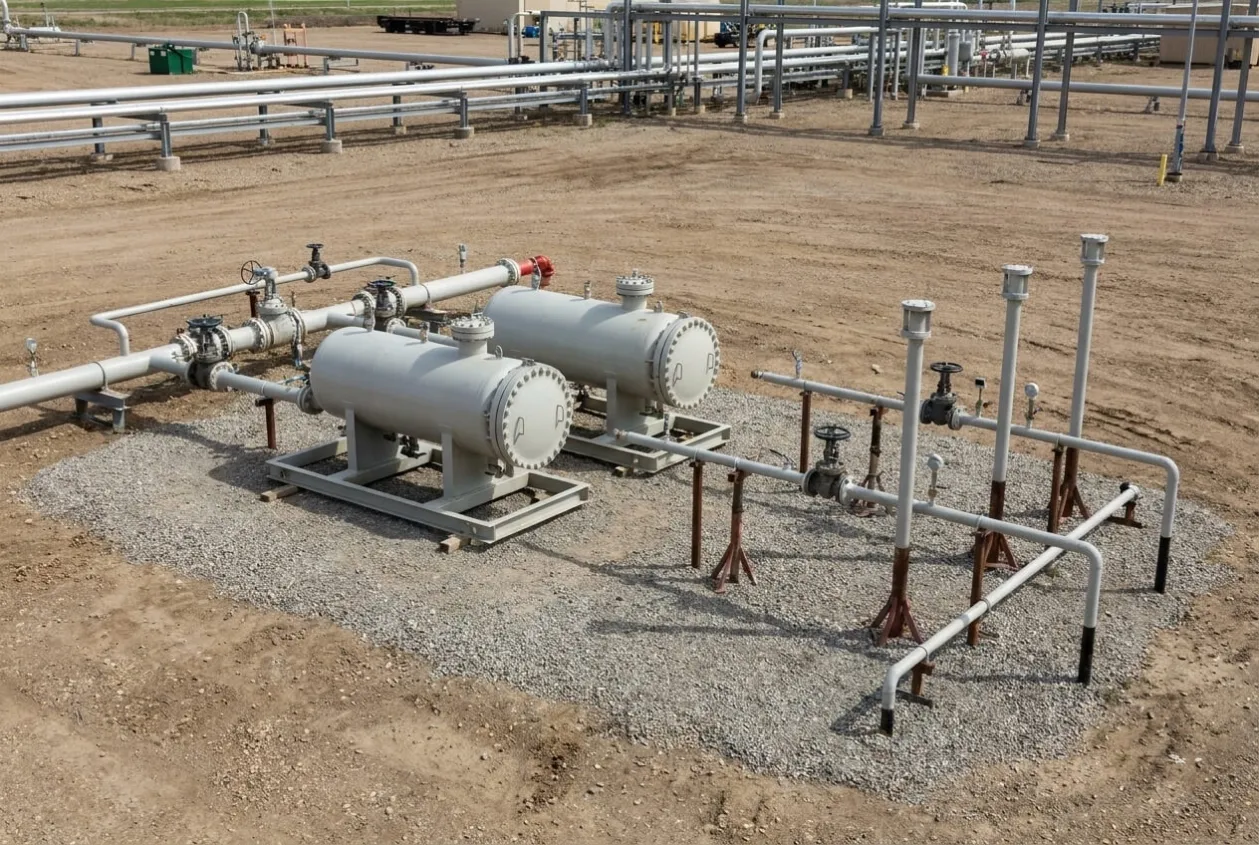
The HP filter separator[⁸] was prepared as a key part of the gas conditioning system. Its installation required attention to nozzle orientation[⁹], drain points, access envelope, lifting arrangement, and isolation valve[¹0] placement. These installation details should be reviewed early to ensure safe maintenance, efficient operation, and long-term equipment reliability in accordance with recognized engineering practices.[¹1]
The relief and depressurization facilities were included to support safe operation and emergency response. These systems provided a controlled method to reduce pressure and protect equipment and personnel.
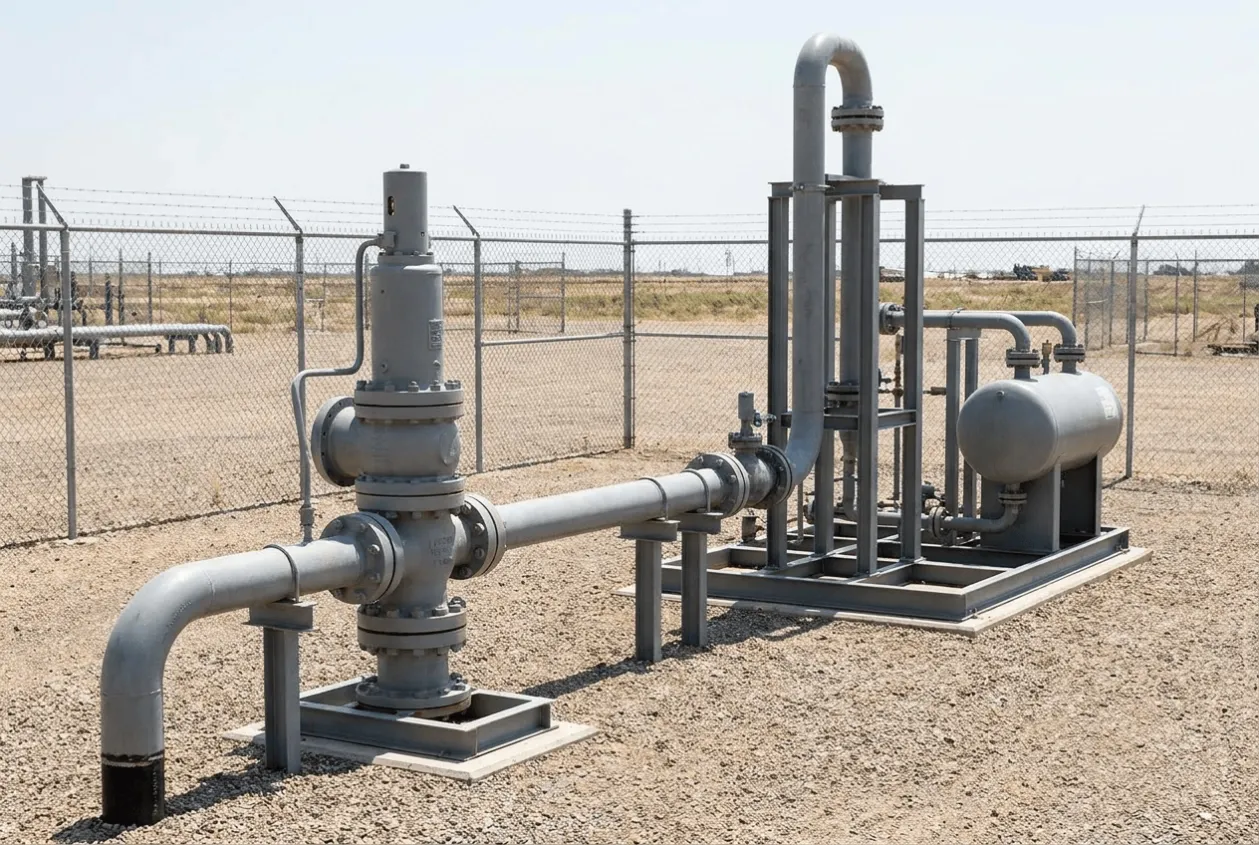
Temporary pigging facilities supported pre-commissioning and pipeline cleaning activities. Even when pigging facilities are temporary, they must be designed and installed with the same respect as permanent piping because they handle pressurized gas or test media during critical phases.
Pipeline asset integrity systems and documentation were also prepared to support future inspection, maintenance, and operating records. For a pipeline, the quality of records is part of the asset.
Before Shipment Verification
Before shipment and installation, verification focused on fabrication accuracy, coating quality, equipment readiness, and documentation completeness.
For pipe spools and associated assemblies, the verification process included:
Verification Activity | Why It Mattered |
|---|---|
Dimensional inspection | Confirmed spool length, flange orientation, and fit-up readiness |
Weld visual inspection | Identified surface defects before coating or installation |
Weld traceability review | Linked welds to records, materials, and inspection status |
Material verification | Confirmed pipe, flange, valve, and fitting specifications |
Coating inspection | Checked surface preparation, thickness, and visible defects |
Holiday testing | Detected coating discontinuities before field installation |
Flange face protection | Prevented damage during transport and handling |
Valve orientation check | Confirmed operation access after installation |
Support point review | Reduced risk of unsupported small-bore or relief lines |
Documentation review | Ensured drawings, inspection records, and packing lists matched the delivered scope |
Packing inspection | Protected fabricated spools and equipment during transport |
During review, small corrections were made before shipment. These included improving orientation markings, adding clearer identification tags, protecting flange faces more carefully, and verifying coating repair areas before release.
These are not dramatic findings, but they are important. A spool without a clear tag can slow installation. A damaged flange face can delay hydrotest preparation. A coating defect missed before shipment can become a corrosion concern later.
For the HP filter separator and related equipment, the verification included nozzle checks, nameplate review, drain and vent confirmation, lifting point inspection, and preservation checks. Equipment preservation mattered because projects in coastal environments often face storage delays before final installation.
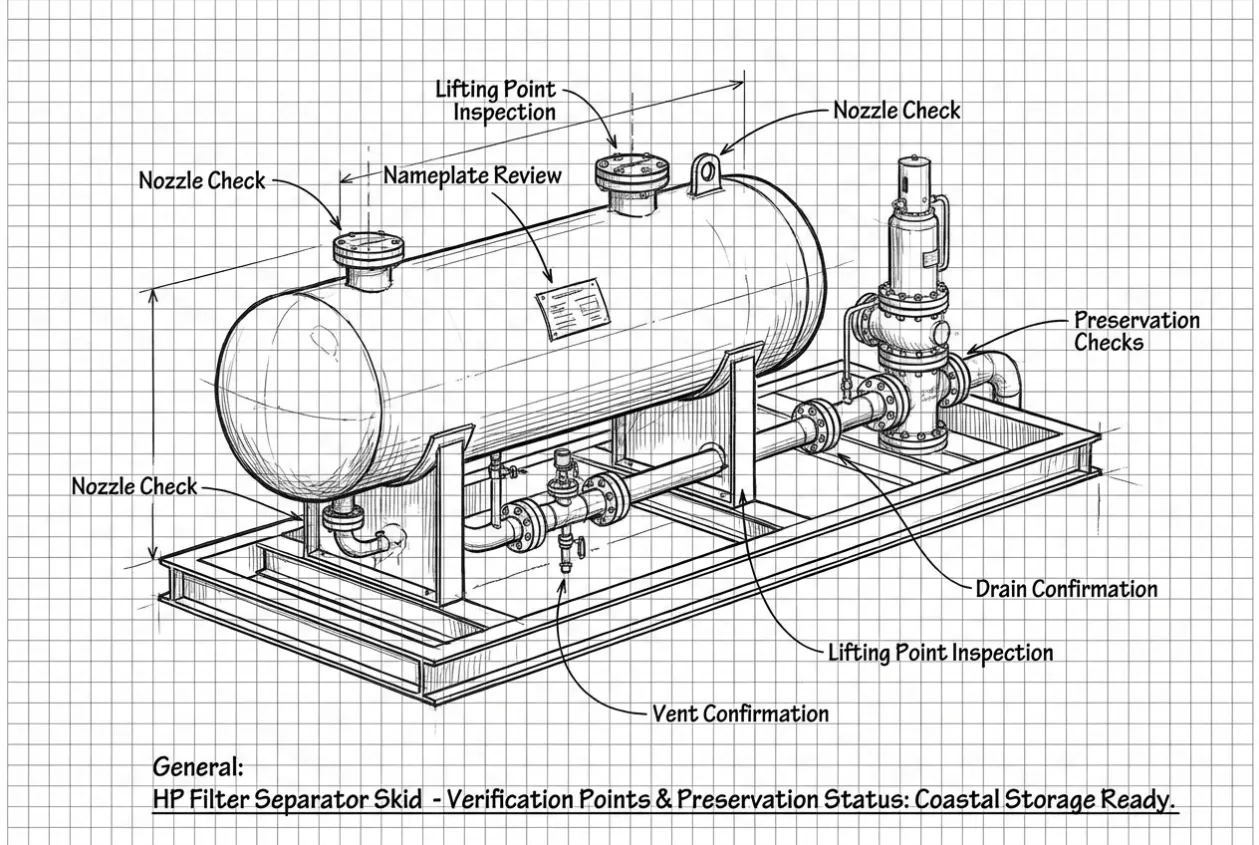
I always prefer to find small problems in the fabrication yard rather than on the pipeline right-of-way. In the yard, corrections are controlled. In the field, the same correction may require lifting equipment, permit coordination, weather tolerance, and schedule recovery.
Project Results
The project progressed with key construction activities moving forward: spool fabrication, protective coating, equipment preparation, relief line installation, and pipeline corridor development.
The main result was improved readiness for safe pipeline installation and future commissioning. By reviewing small-bore spools, coating quality, HP separator requirements, temporary pigging, and depressurization arrangements early, the project reduced the risk of late rework.
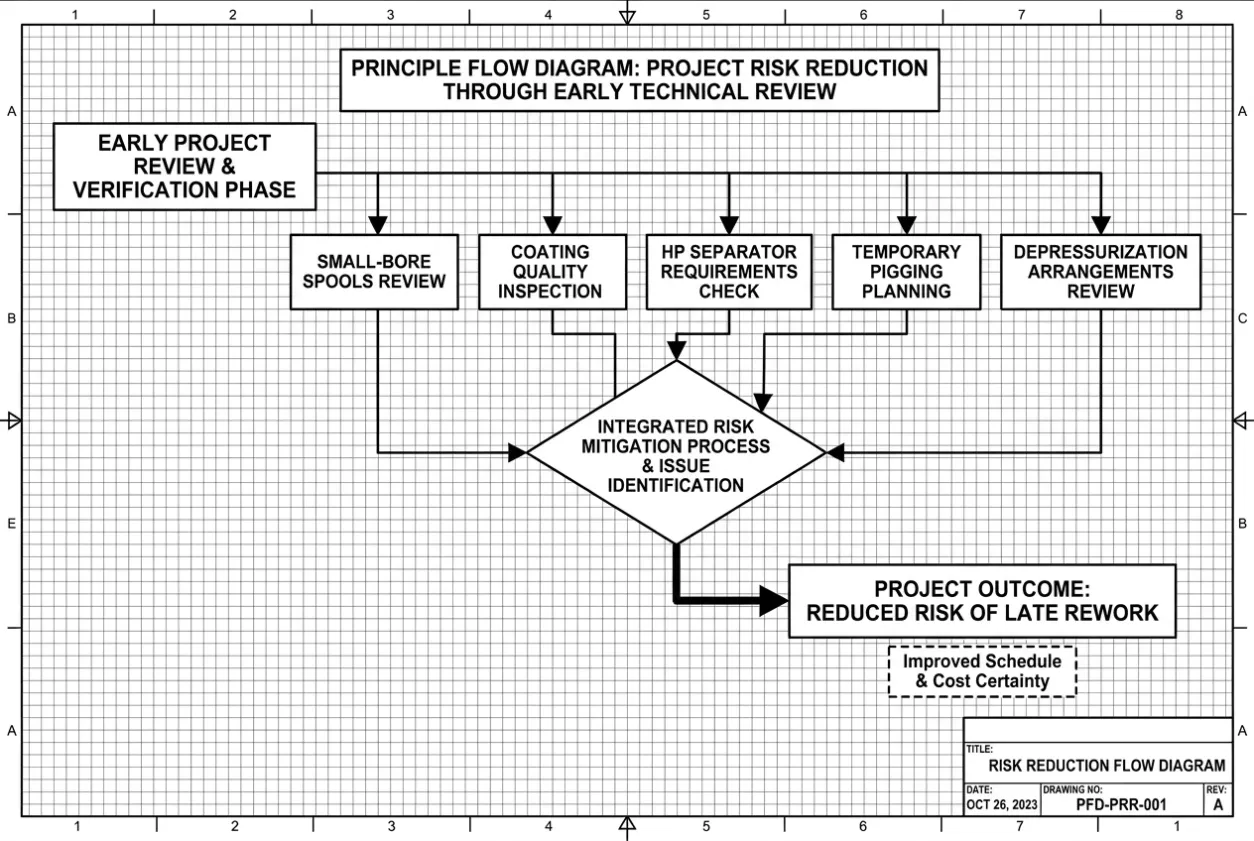
The fabrication team had clearer control over pipe sizes, tags, and spool orientation. The construction team had better installation readiness. The commissioning team gained more confidence that pipeline cleaning, pressure control, and safety functions had been considered before startup.
The project also improved long-term maintenance planning. Access to valves, separator service points, relief lines, and integrity inspection locations was treated as part of the engineering scope.
That is the real value of good pipeline engineering. It does not only help the first gas-in milestone. It helps the operators who will maintain the asset for years.
Engineering Notes from Natalie
One thing I have learned from pipeline and process projects is that small-bore piping deserves more attention than it usually gets.
Everyone watches the main line. People ask about the 6-inch pipe, the route, the pressure test, and the tie-in. But many field problems come from 2-inch and 3-inch lines: vents, drains, relief lines, instrument connections, and temporary commissioning points.
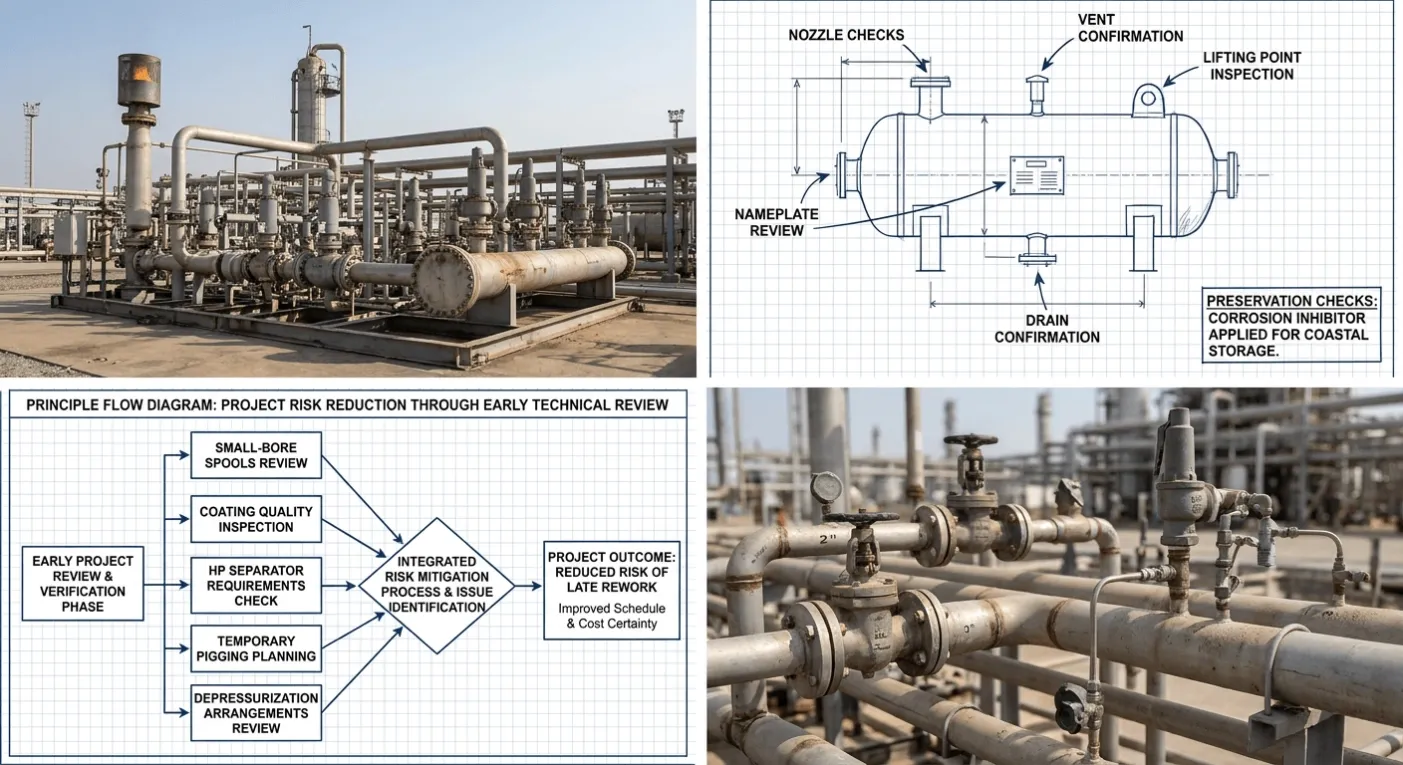
These lines are easy to fabricate quickly, but they are also easy to route badly. Poor support can cause vibration. Poor access can make operations unsafe. Poor orientation can trap liquid or block maintenance.
I also pay close attention to coating damage. A pipe can leave the coating yard in good condition and arrive at the site with scratches, dents, or exposed areas if handling is careless. Coating repair should not be treated as cosmetic work. It is part of pipeline integrity.
Good pipeline execution is not only about welding and lowering pipe into the trench. It is about building an asset that operators can trust.
Lessons Learned
1. Temporary pigging facilities should be planned early
"Temporary" does not mean "unimportant." Pigging provisions affect cleaning, gauging, drying, and pre-commissioning. If they are added late, the result is often poor access, awkward routing, or delayed commissioning.
2. Relief and depressurization lines are safety systems
Relief lines and blowdown facilities must be reviewed as safety-critical piping. Routing, support, discharge location, valve access, and inspection requirements should be confirmed before installation.
3. Coating quality must be protected after inspection
A coating system can pass inspection and still fail later if handling is poor. Lifting, transport, storage, field joint coating, and backfilling all affect final coating integrity.
4. Small-bore pipework can create large delays
Small-bore lines often connect critical functions such as drains, vents, instruments, and relief systems. Wrong orientation or poor support can create serious operational problems.
5. HP separator access must be reviewed before installation
Filter element removal, drain operation, isolation valve access, and inspection space should be checked before the separator is placed. Once installed, correction is difficult.
6. Documentation is part of pipeline integrity
Weld maps, material certificates, coating records, pressure test documents, and as-built drawings are not paperwork only. They support future inspection, maintenance, and safe operation.
Key Takeaways
✔ Treat pigging, relief, and depressurization facilities as core pipeline engineering items.
✔ Verify coating, spool orientation, and documentation before field installation.
✔ Small-bore piping details often decide how safe and maintainable the system becomes.
Need Similar Support?
If you are working on a gas pipeline, HP separator package, relief line, pigging arrangement, process skid, or pipeline integrity project, share your drawings, line list, operating conditions, and site constraints before fabrication.
A practical engineering review before construction can prevent field rework, coating damage, access problems, and commissioning delays.
Related Products:
Related Articles:
The Hidden Wiring Problems That Cause Startup Delays in OEM Projects: An Actionable Prevention Guide
Need help specifying or sourcing this for your project? Request a quote - we reply within 1-2 working days with a technical review.