
Sep 25, 2026Buying Guides
Food Processing Control Panels: Washdown Spec Guide
Zone-by-zone spec table: 304 vs 316L, washdown ratings, cable entry, condensation control, FAT and as-built drawings. Built from 1 unit.
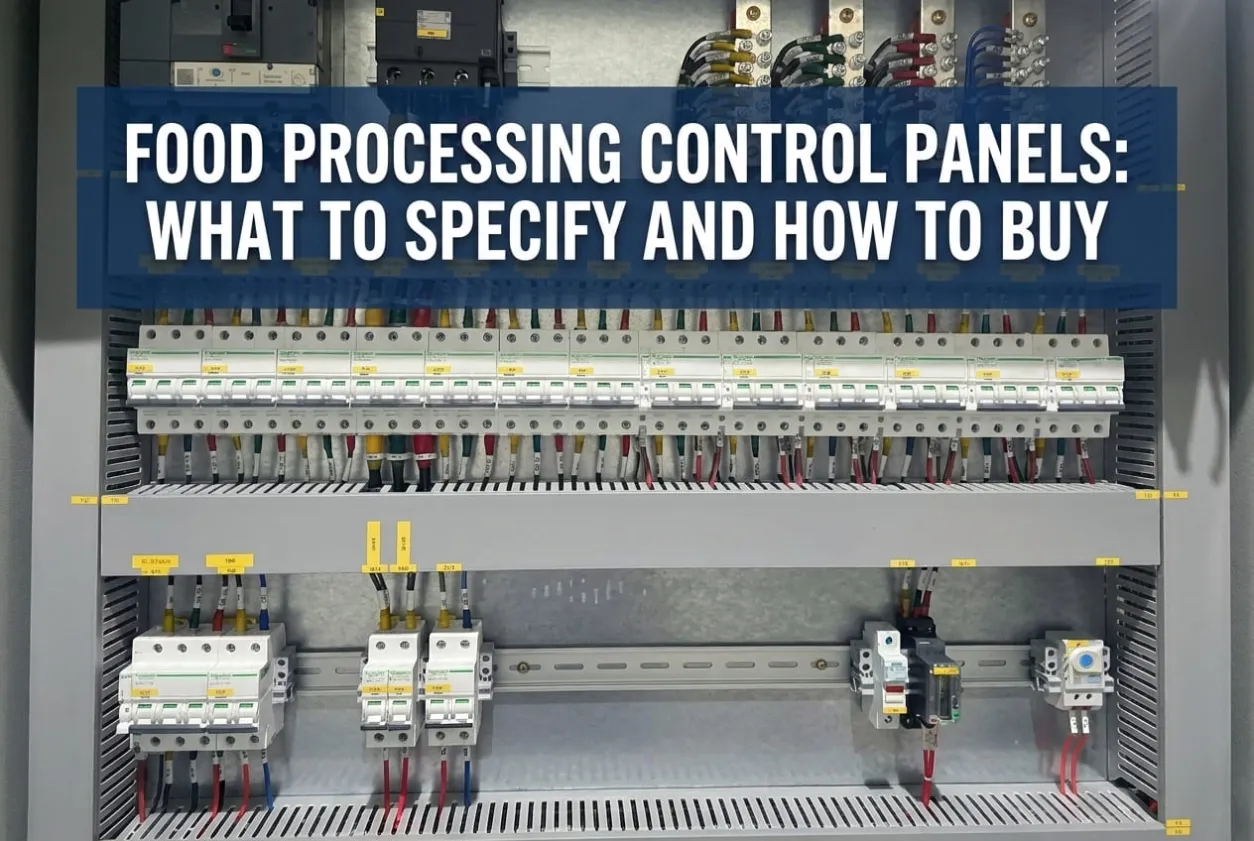
Buying Food Processing Control Panels: The Questions I Ask Before Comparing Quotes
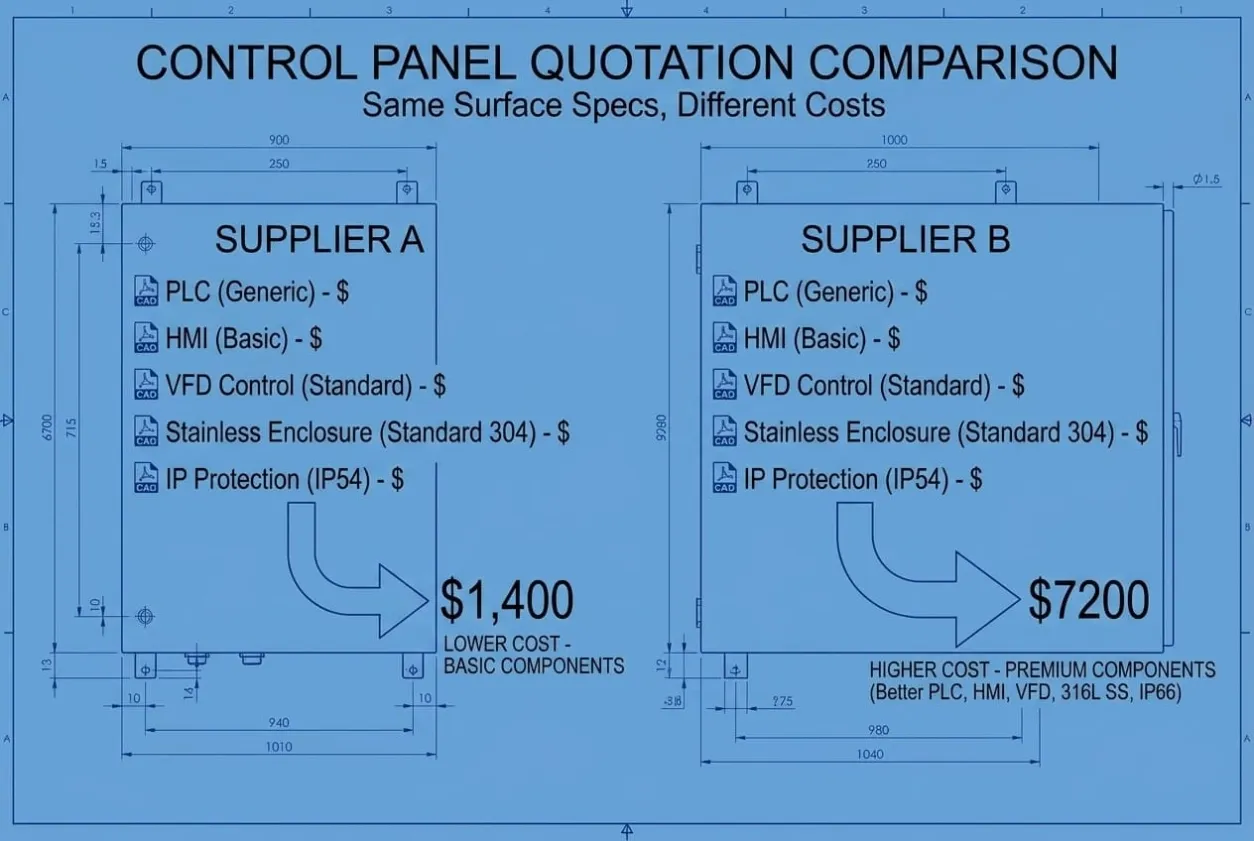
A food processing buyer once asked me why two suppliers quoted such different prices for what looked like the same stainleBuyer Decision Facts
For food-plant panel projects: complete wired and tested panels start from 1 unit and run 35 to 40 days; empty enclosures start from 5 units and run 15 to 20 days. Customer-supplied core components are accepted, and FAT records, photographs and an as-built wiring diagram ship with the panel. We build to the standard your destination market requires. IP ratings such as IP65 (IEC 60529) are tested ratings, not certificates.
Not sure what to send for a quotation? The six items we need are listed at /resources/what-to-send-for-a-control-panel-quote . If you are supplying your own components, see /resources/customer-supplied-components-control-panels .ss steel control panel. Both quotations mentioned PLC, HMI, VFD control, stainless enclosure, and IP protection. On the surface, it looked like one supplier was simply more expensive.
I asked him where the panel would actually be installed.
He said, “Near the washing area, but not directly sprayed.”
Anyone who has spent time around food plants knows that sentence needs a little respect. “Not directly sprayed” can still mean humidity every day, cleaning chemicals in the air, water running across the floor, operators rinsing nearby equipment, and someone with a hose who is not reading your enclosure datasheet.
That is where the two quotations stopped looking the same. One supplier had quoted a stainless industrial panel. The other had quoted a panel for a food processing environment. Those are not always the same product.
The Real Buying Problem
Most buyers searching for food processing control panels are not trying to become panel designers. They want to know what to send to suppliers so the quote is accurate, comparable, and safe to approve.
The danger is that “food-grade stainless control panel” sounds clear, but it is actually too vague. A dry packaging area, a wet meat processing room, a dairy washdown zone, and a utility room behind the production floor can all require different enclosure choices, cable entry methods, HMI protection, cooling design, and inspection scope.
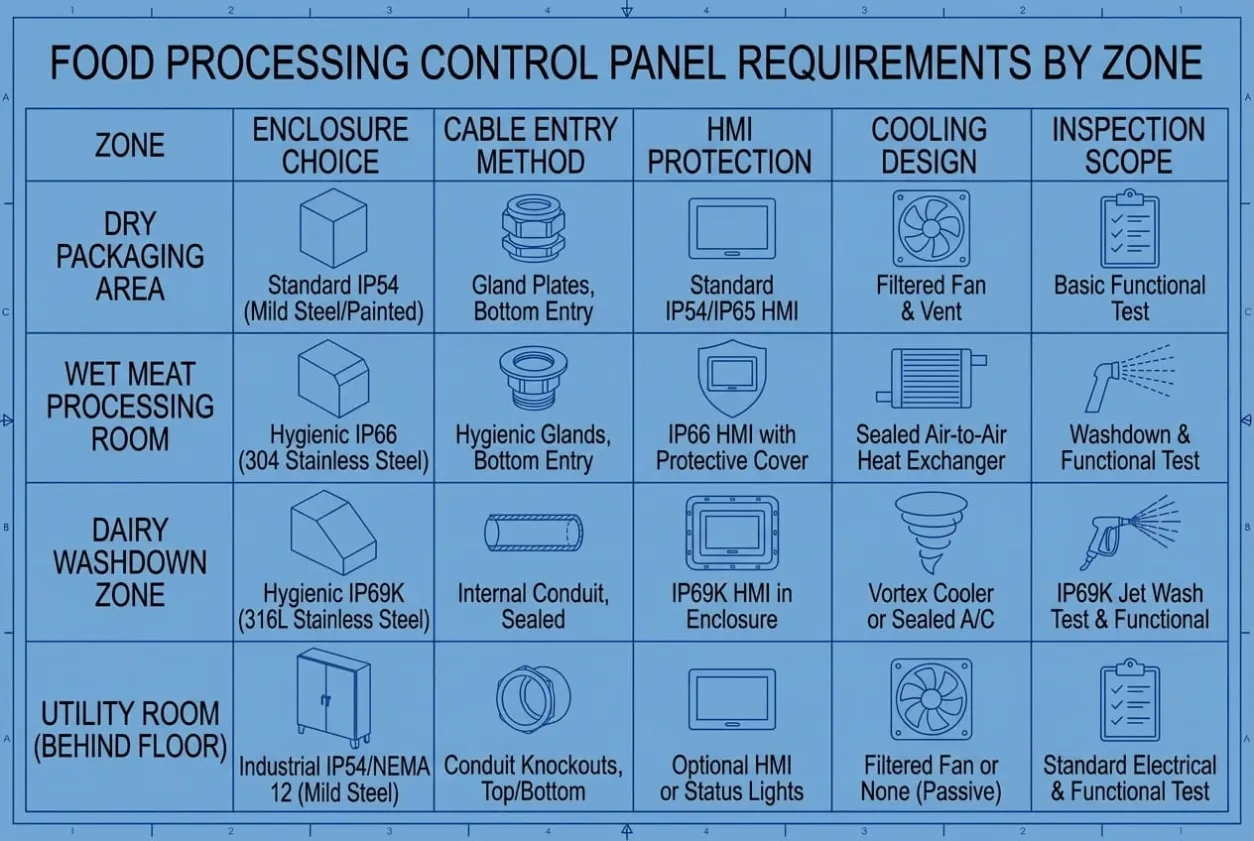
If the RFQ only says “304 stainless, IP66, PLC control,” the supplier still has to guess how aggressive the cleaning environment is. Some suppliers will guess conservatively and quote higher. Others will guess cheaply and hope nobody asks. That is how buyers end up comparing prices that were never based on the same assumptions. For stainless steel applications exposed to corrosive or washdown environments, buyers should also define the expected corrosion environment according to ISO 12944 rather than relying only on the material grade.
Questions I Expect Suppliers to Ask
When I review suppliers for a food processing panel, I do not start by asking which PLC brand they can use. Siemens, Mitsubishi, Schneider, Omron, ABB, Danfoss, and other common brands can all be discussed later. First, I want to know whether the supplier understands where the panel will live.
A stronger supplier usually asks about the cleaning zone before final pricing. They want to know whether the panel is in a dry area, splash area, washdown area, or high-pressure cleaning area. They ask whether the cleaning chemical is mild detergent, sanitizer, chlorine-based, acidic, or something the customer would rather not spell correctly in an email. That is not being difficult. That is quoting responsibly.
Supplier Question | Why I Care |
|---|---|
Where is the panel installed? | Determines the real washdown level |
How is the area cleaned? | Affects stainless grade, sealing, and HMI protection |
Is cable entry from the top or bottom? | Water often follows the cable path. |
How is VFD heat removed? | Sealed stainless cabinets can trap heat. |
Is FAT included before shipment? | Reduces startup risk and site arguments |
Are drawings and BOM included? | Helps maintenance after commissioning |
The best supplier is not always the one with the longest quotation. It is the one whose questions match the real plant conditions.
What Makes Me Nervous
Three phrases make me slow down during a food panel review: “food grade,” “washdown,” and “stainless steel.”
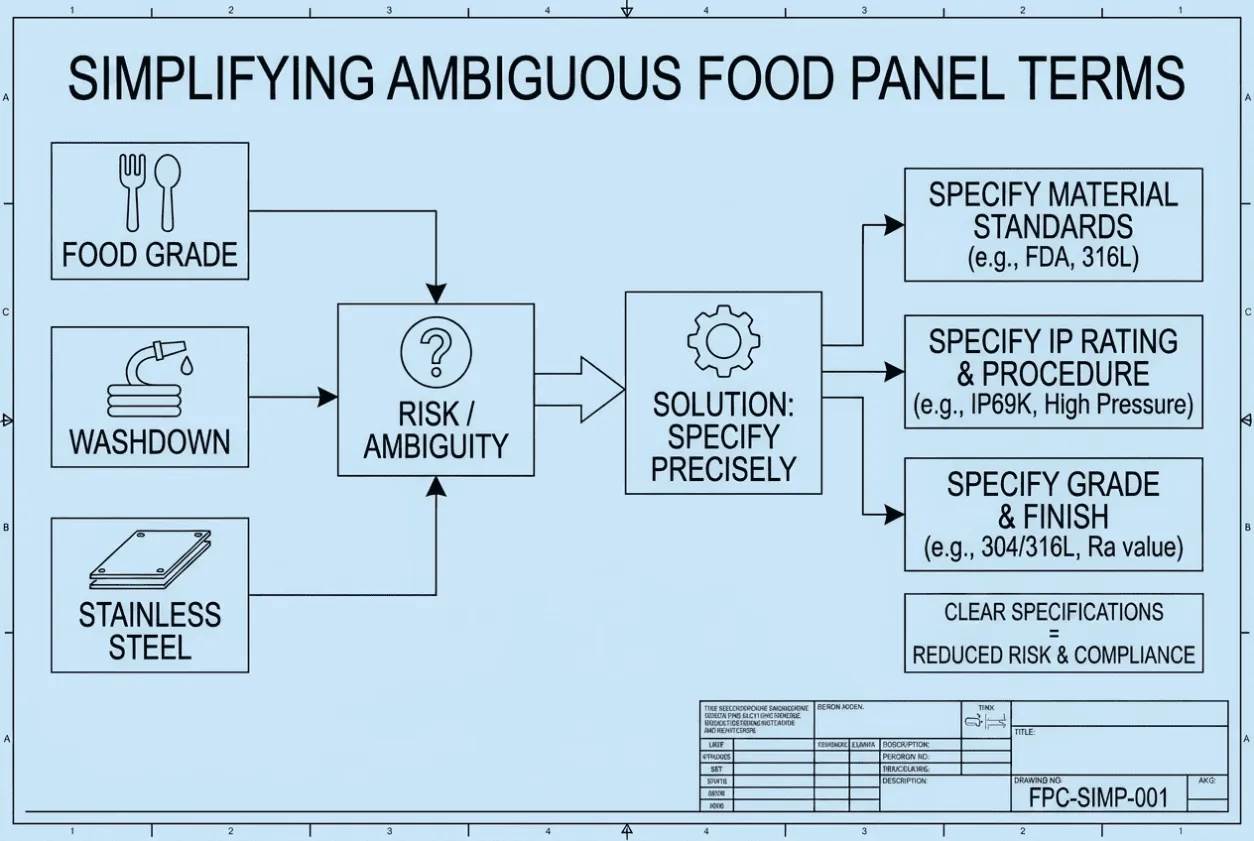
None of them are wrong. They are just incomplete unless someone explains what they mean.
A “food-grade” panel for a dry packing area is not the same as a panel beside a meat processing line. “Washdown” may mean occasional wiping, daily hose cleaning, high-pressure hot water, or chemical sanitizing. “Stainless steel” may mean 304, 316, or a material choice that sounds safe but does not match the cleaning chemistry.
When those words appear without details, the quotation may look clear while the project is still full of assumptions.
What Buyers Should Specify in the RFQ
For a food processing control panel inquiry, I would send suppliers the production area, cleaning method, water exposure, chemical exposure, panel location, ambient temperature, motor list, VFD requirement, PLC/HMI preference, enclosure material, IP or NEMA rating requirement, cable entry preference, and documentation expectations.
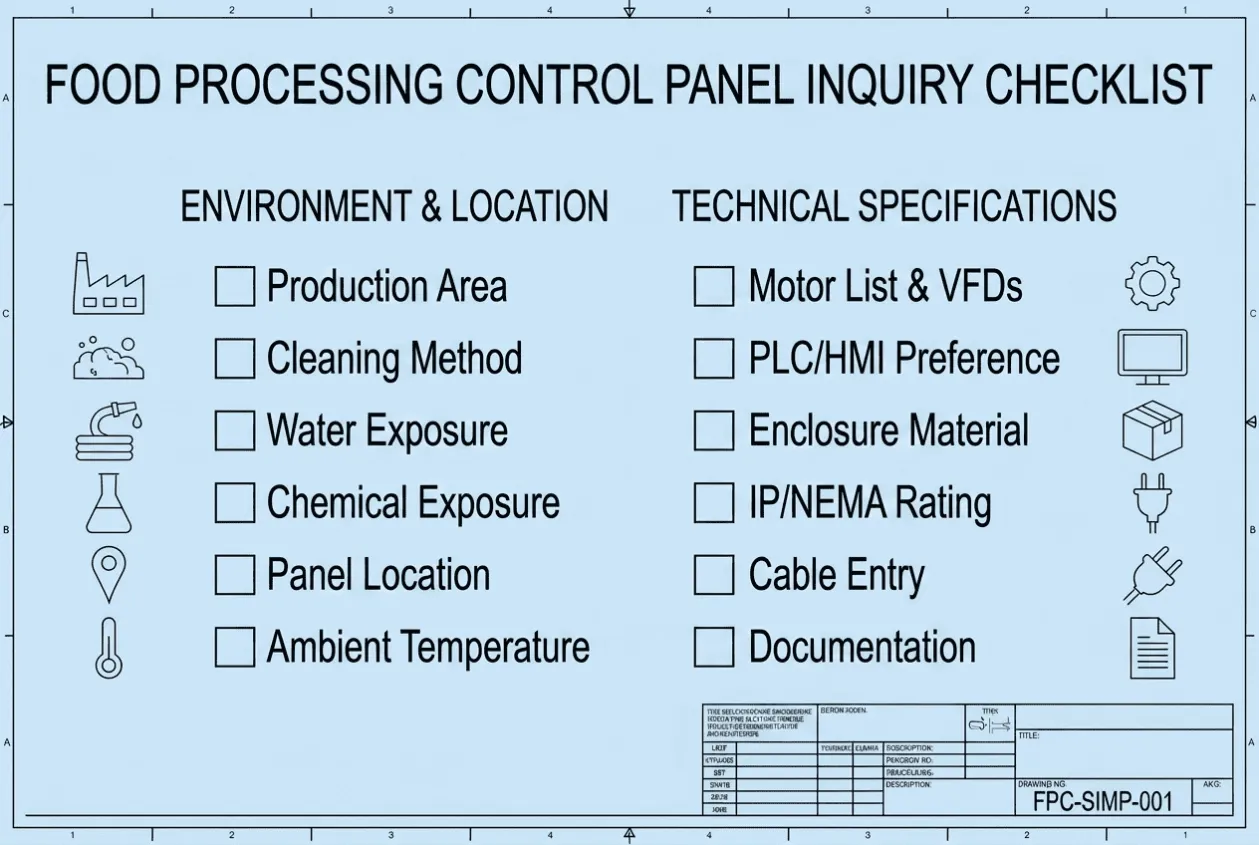
That sounds like a lot, but most of it can be written in a few lines.
For example:
“Panel installed in wet washdown area near conveyor line. Daily cleaning with sanitizer. 304 stainless preferred, 316 optional price requested. Bottom cable entry. PLC + HMI + 3 VFDs. Supplier to include FAT report, wiring diagram, BOM, and I/O list.”
That RFQ will receive much better quotations than “food processing control panel, stainless steel, please quote.”
A good RFQ does not need to be beautiful. It needs to stop suppliers from guessing.
304 or 316 Stainless?
This is one of the most common questions buyers ask. My normal answer is that 304 stainless is a practical starting point for many indoor food processing applications, especially where cleaning is moderate and chloride exposure is not aggressive.
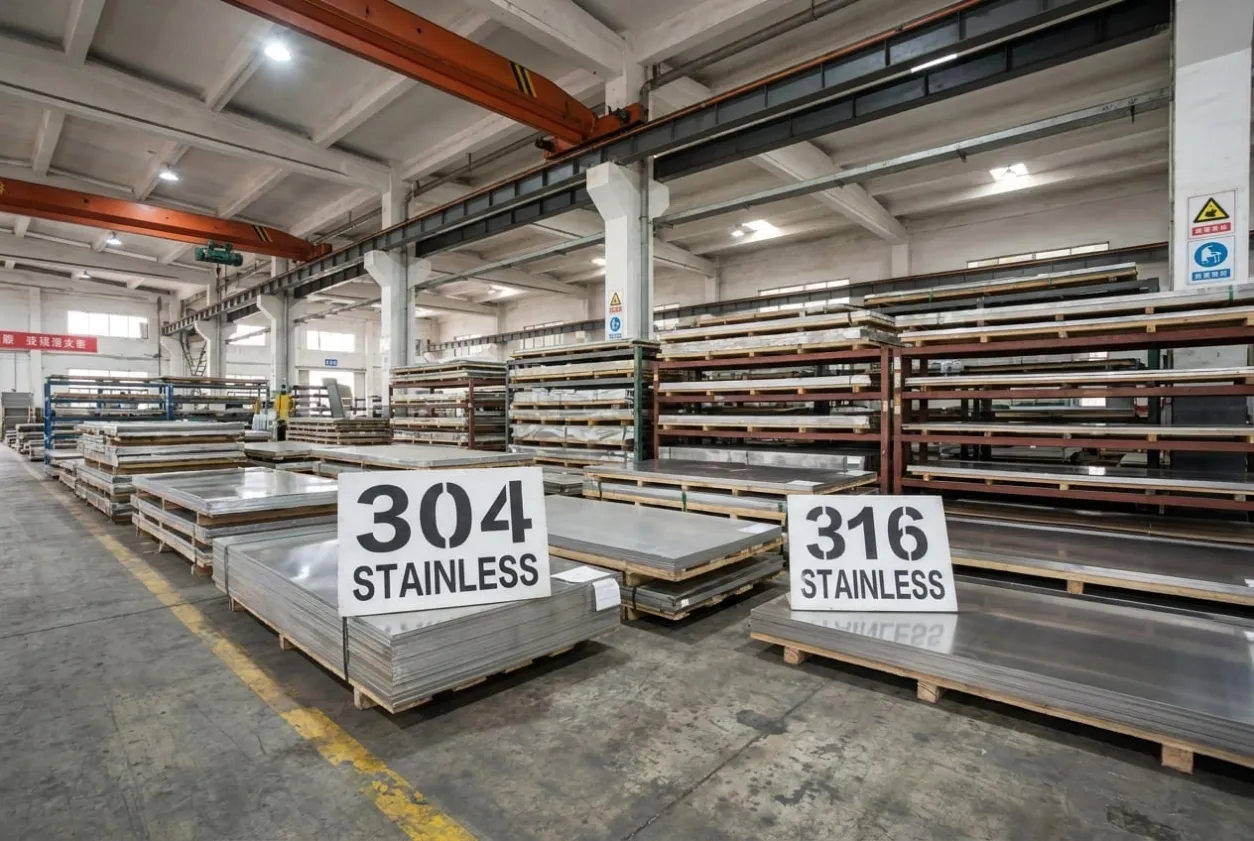
I become more cautious when the site uses strong sanitizers, salty products, coastal air, or heavy daily washdown. In those cases, 316 stainless may cost more at the beginning but can be easier to defend than replacing rusty cabinets later.
I do not like selling 316 stainless just because it sounds premium. That is lazy engineering. I also do not like approving 304 stainless when the cleaning environment is clearly asking for something tougher. The material should follow the cleaning reality.
The Detail That Often Causes Trouble
Cable entry is a small line in the quotation, but it can become a big headache in a food plant. In wet zones, I usually prefer bottom entry with properly rated sealed glands. The top entry may look tidy on the drawing, but water has a funny way of finding the most expensive path into a cabinet.
The same applies to HMI mounting. A door-mounted HMI is normal, but the bezel, gasket, cutout, and installation quality must suit the washdown condition. Buyers often focus on screen size and brand, while the real risk sits around the edge of the screen.
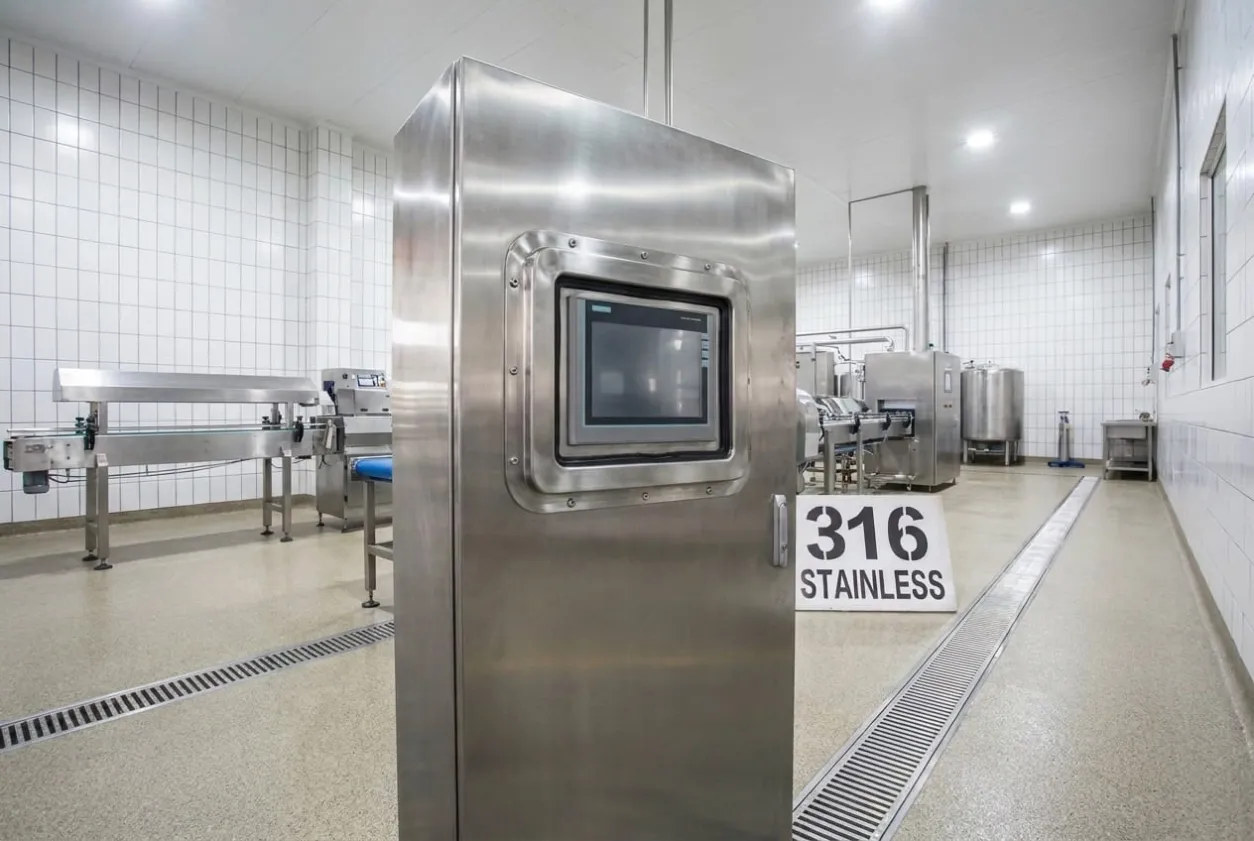
That is not glamorous, but it is where many food plant panels earn or lose trust.
Where UniRegal Fits
When buyers send us food processing control panel inquiries, we try to clarify the washdown zone, stainless material, component brand preference, motor control needs, cable entry, cooling, FAT, and document package before pricing. This helps the buyer compare a real control panel scope, not just a stainless box with automation parts inside.
Send the plant area, cleaning condition, motor list, PLC/HMI preference, drawings if available, and target delivery schedule. We can help turn that into a clearer RFQ and point out where suppliers may be quoting different assumptions.
Questions Buyers Often Ask Me
“Do I always need stainless steel for food processing panels?”
Not always. Dry utility rooms may allow painted steel or standard industrial enclosures. Wet processing and washdown areas usually require stainless steel, often 304 or 316 depending on cleaning chemicals and corrosion risk.
“Is IP66 enough?”
IP66 can be suitable for many washdown applications, but the cleaning method matters. If the site uses high-pressure, high-temperature washdown, IP69K may need to be reviewed.
“Should I choose 304 or 316 stainless?”
304 is common for many food plants. 316 is worth reviewing for chlorides, aggressive sanitizers, coastal environments, or heavy corrosion risk.
“What makes one supplier’s quote more reliable?”
Look for questions about the cleaning zone, cable entry, HMI sealing, condensation, VFD cooling, FAT, and documentation. A supplier that asks better questions usually gives a safer quote.
“What should I send for a quotation?”
Send the process area, cleaning method, water and chemical exposure, motor list, control requirements, preferred brands, enclosure material, IP/NEMA rating, cable entry direction, FAT scope, and required documents.
Final Thought
Food processing panels are not defined by stainless steel. They are defined by the environment they are expected to survive.
A supplier who understands the cleaning process will usually specify a better panel than one who only understands the cabinet material.
Related Guides:
Related Solutions:
Quick answer: what to specify for a food processing control panel
Three decisions drive almost everything else. First, the washdown rating: high-pressure hot water cleaning calls for IP69K, or IP66 as a minimum for light wash — and it has to match the cleaning procedure your plant actually runs, not the one printed on a datasheet. Second, material: 304 stainless is fine for dry and packaging zones, but move to 316L wherever brine, sauce, or chloride-based sanitisers are present, because that is where premature corrosion usually starts. Third, geometry: sloped top, no horizontal ledges, food-grade gaskets, and cable glands rated to the same IP class as the enclosure itself. On the commercial side, we supply complete panels from 1 unit, with 35–40 days after drawing and BOM review; empty enclosures start at 5 units with 15–20 days. FAT records come with every panel. In practice, sending the drawings and a zone list together is what gets you a usable number in one round instead of three. Send drawings and a zone list for a quote.