
01
Protection Coordination
Protection devices should operate as one coordinated system to isolate faults quickly while maintaining power continuity wherever possible.
ENERGY INDUSTRY INSIGHTS
Most energy projects don't fail because of equipment. They fail because small design decisions become major operational problems after commissioning. We help engineering teams reduce those risks through practical control system design and reliable electrical integration.
PROJECT INSIGHTS
Most power system failures are not caused by a single component. They usually begin with design decisions that seem minor during engineering but become expensive once the system is energized.
Common issues include incomplete protection coordination, unstable communication networks, poor power distribution planning, and limited access for future maintenance. These problems often remain hidden until commissioning or normal operation.
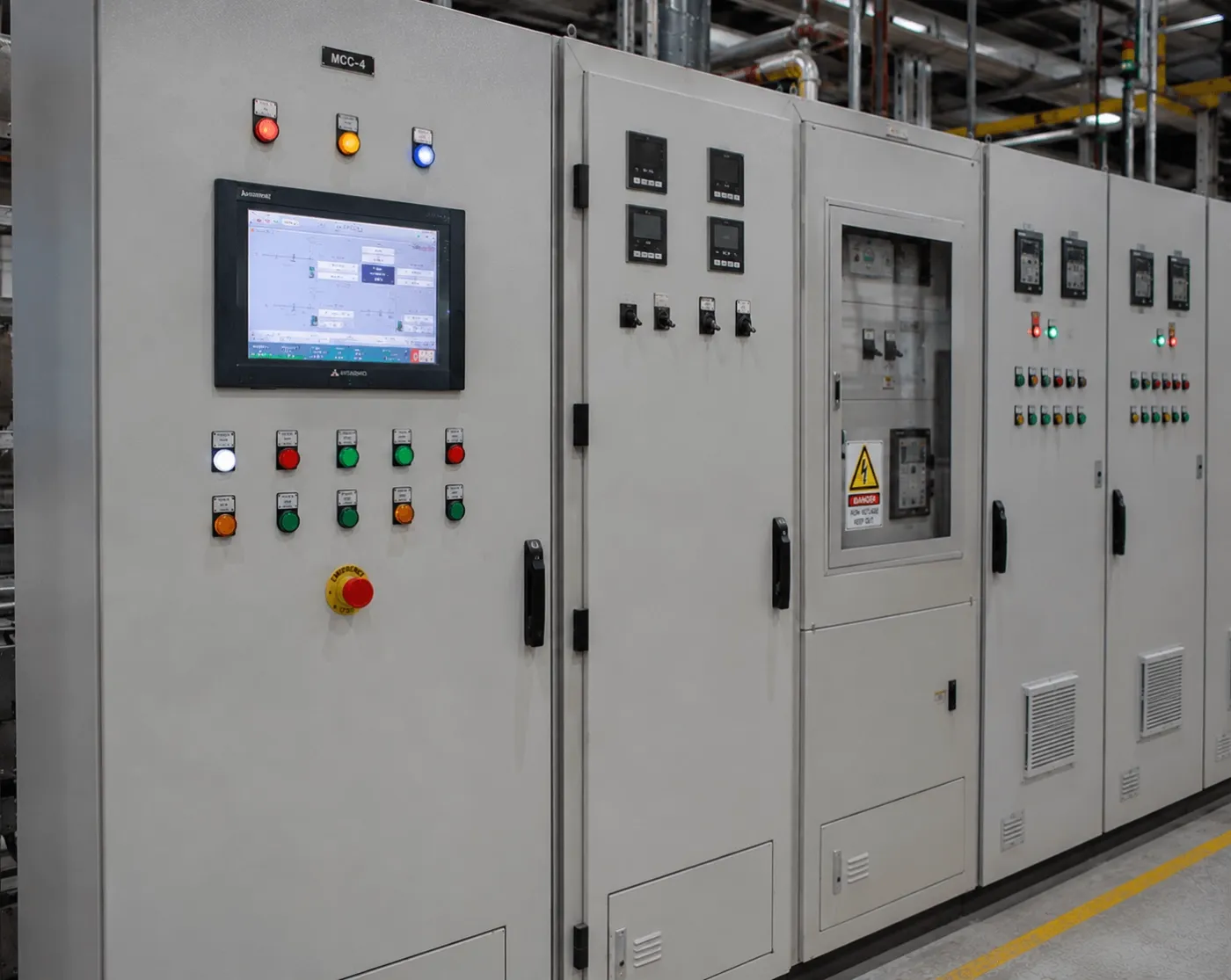
DESIGN CONSIDERATIONS
The long-term performance of an energy project is often determined before the first breaker is closed. These engineering decisions influence reliability, safety, maintenance, and future expansion throughout the system lifecycle.
Protection devices should operate as one coordinated system to isolate faults quickly while maintaining power continuity wherever possible.
Reliable communication between SCADA, PLCs, relays, and field devices improves system visibility and simplifies future troubleshooting.
Well-planned power distribution reduces voltage issues, simplifies maintenance, and supports stable operation across critical electrical assets.
UPS systems and redundant power supplies should be selected according to operational priorities rather than equipment cost alone.
Temperature, humidity, dust, corrosion, and enclosure ratings directly affect equipment reliability throughout the project lifecycle.
Allowing spare panel space, communication capacity, and I/O reserves makes future upgrades faster and significantly less disruptive.
PROJECT LESSONS
Reliable energy systems are built through hundreds of engineering decisions. These are some of the lessons we see repeated across successful utility, power generation, renewable energy, and substation projects.
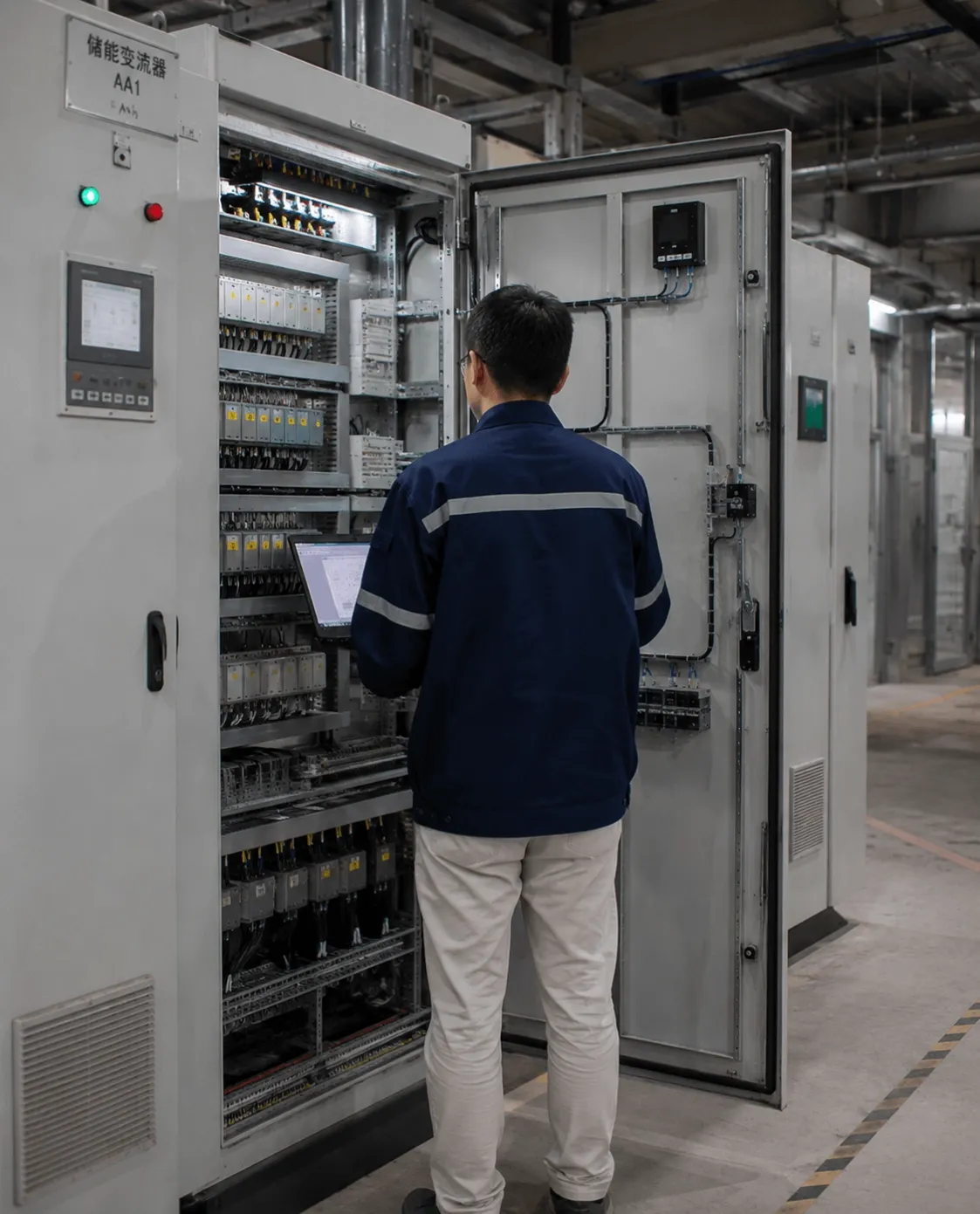
Projects using standardized control panel layouts, PLC architecture, and electrical documentation are easier to commission, maintain, and expand across multiple sites.
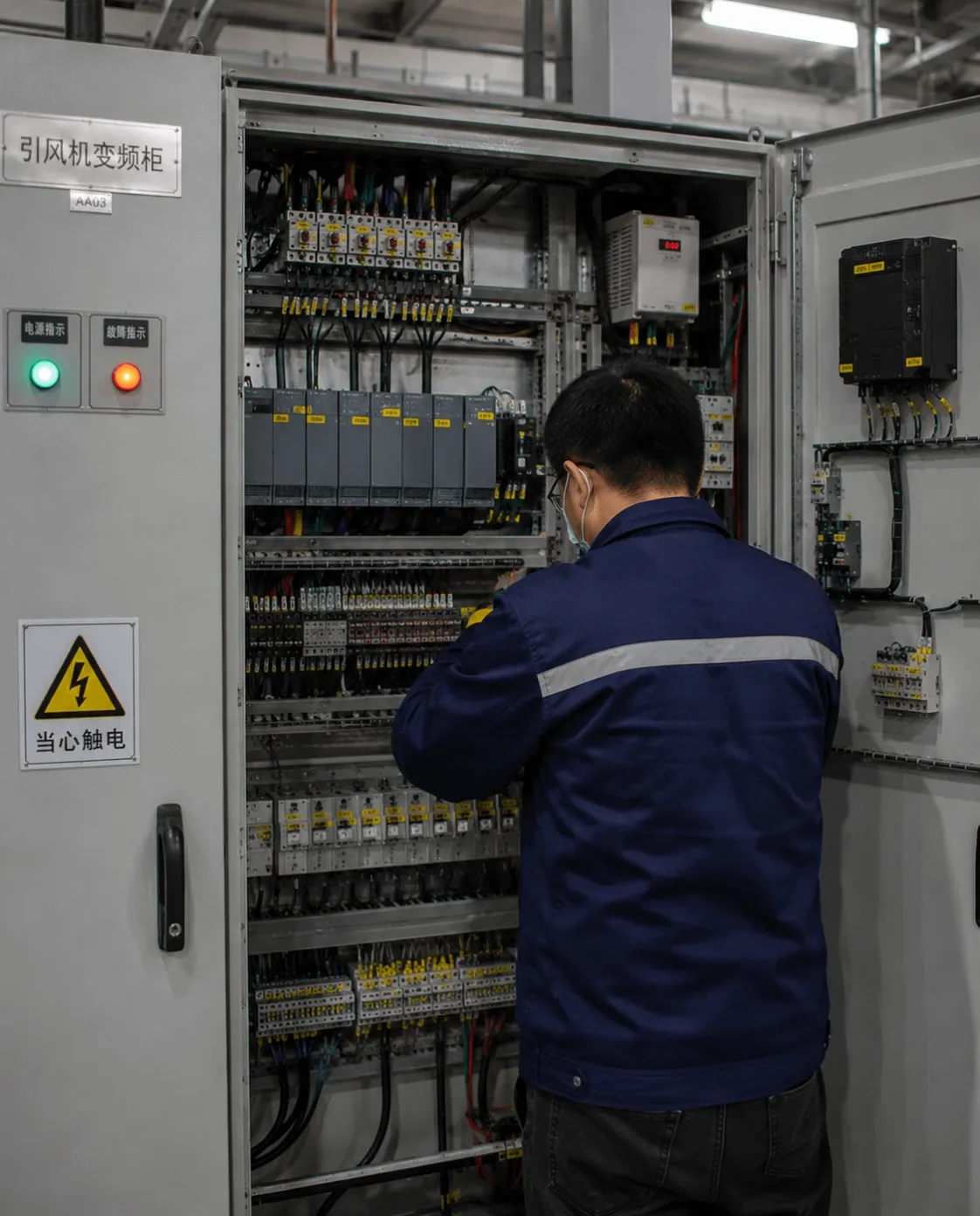
Accessible wiring, clear labeling, and organized panel layouts reduce troubleshooting time long after commissioning is complete.
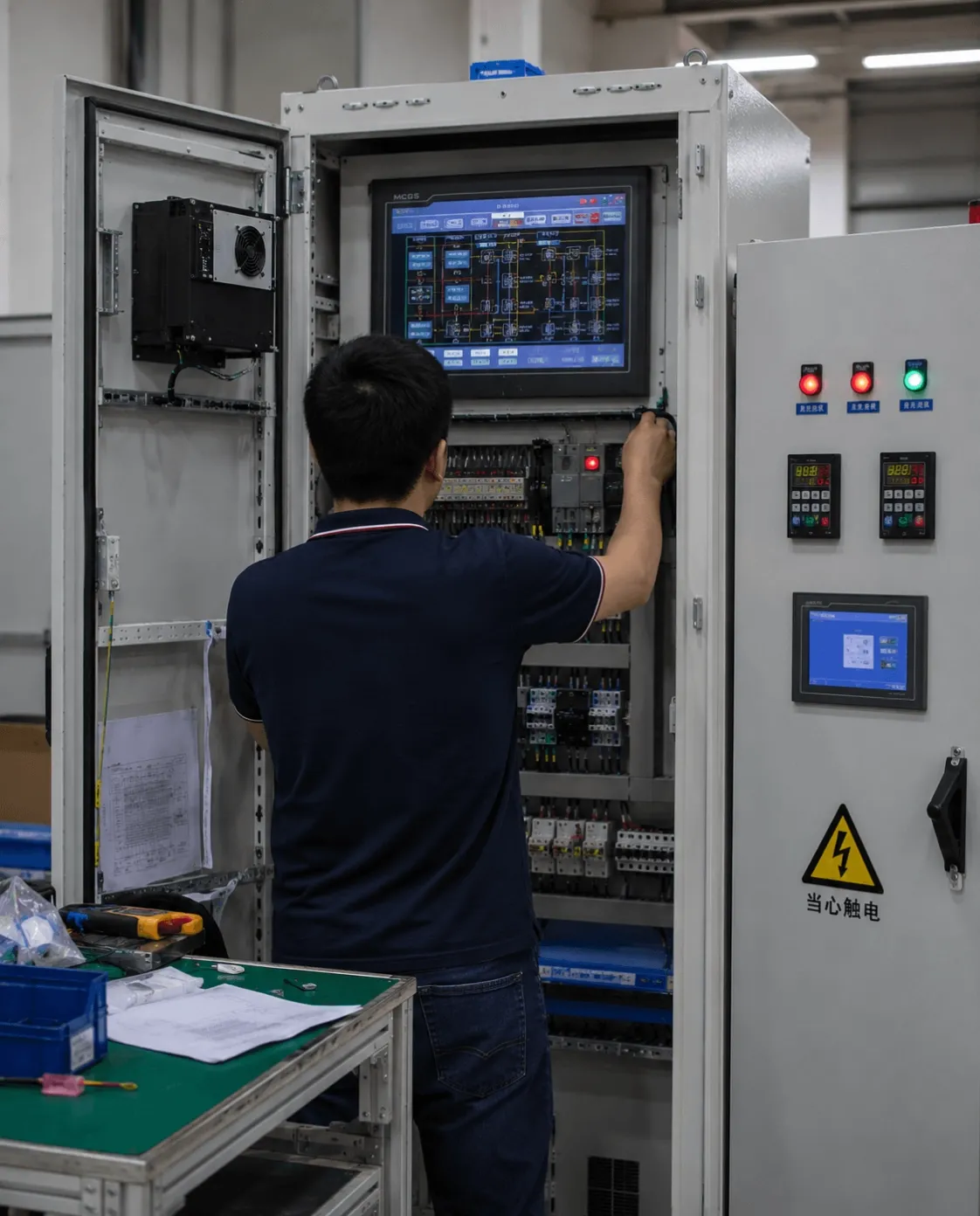
Operators make better decisions when SCADA, alarms, protection devices, and monitoring systems provide meaningful real-time information instead of isolated data.
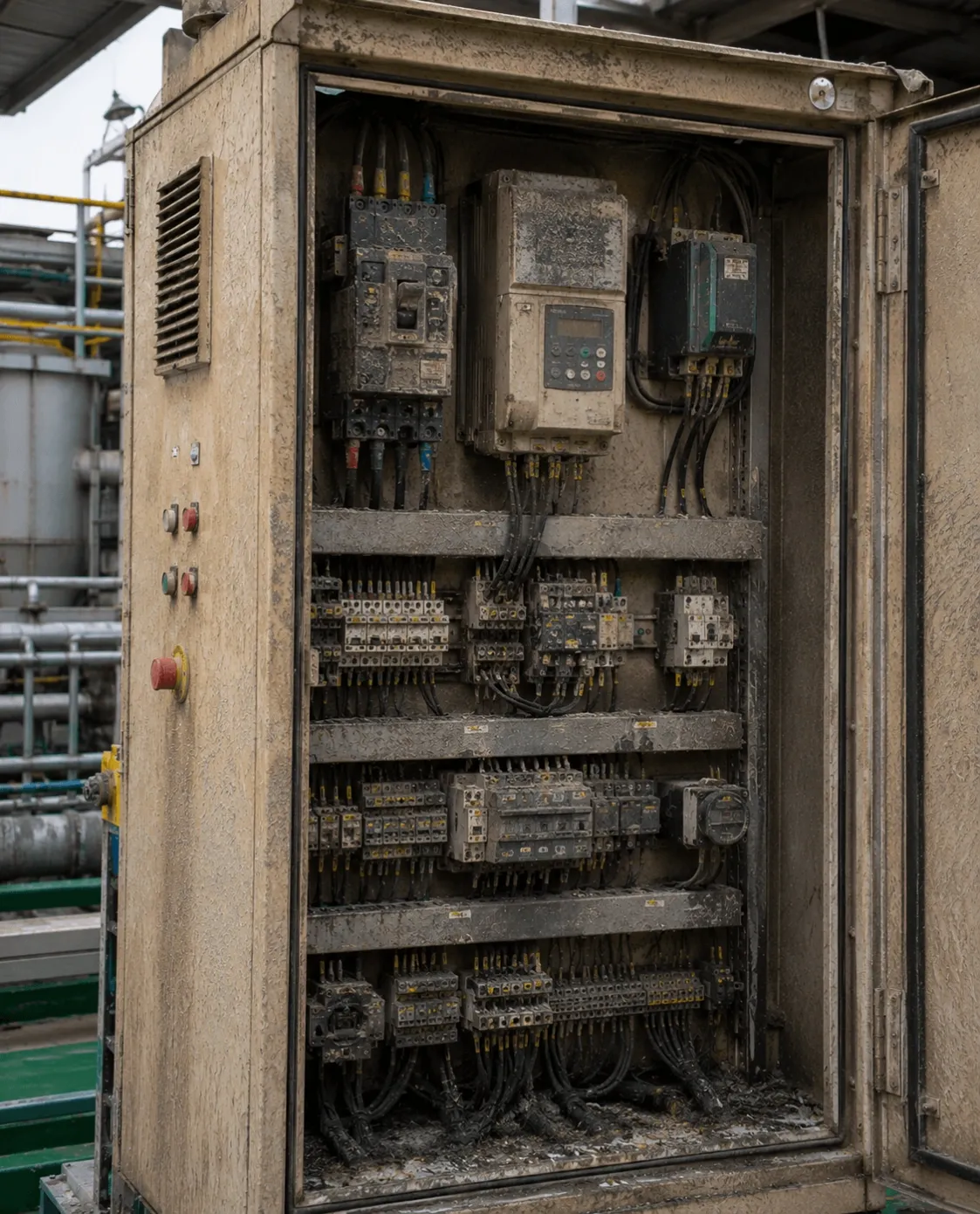
Heat, humidity, dust, vibration, and corrosive environments should influence enclosure selection, cooling design, and component protection from the beginning.
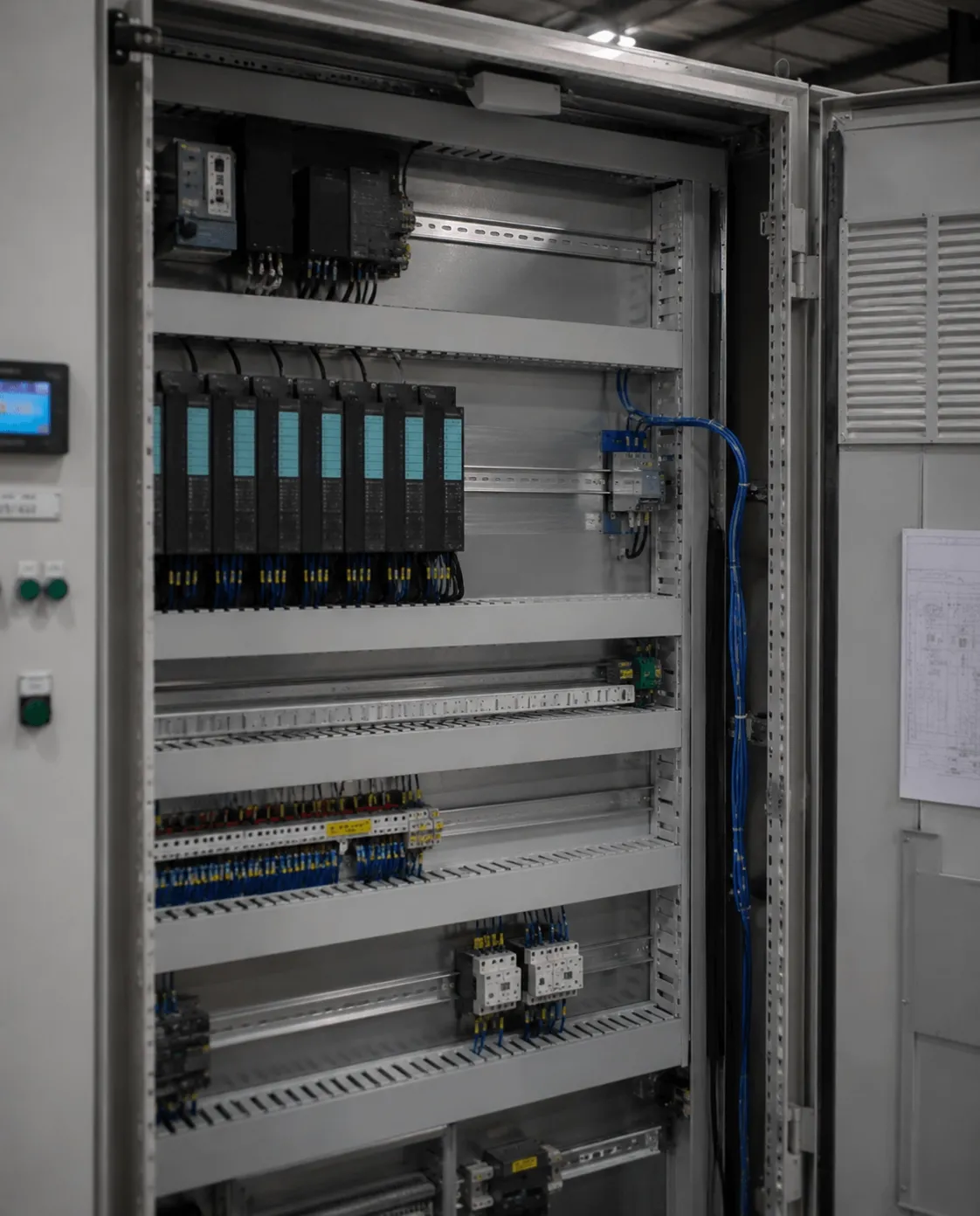
Leaving spare I/O capacity, communication ports, and panel space makes future upgrades far less disruptive and more cost-effective.
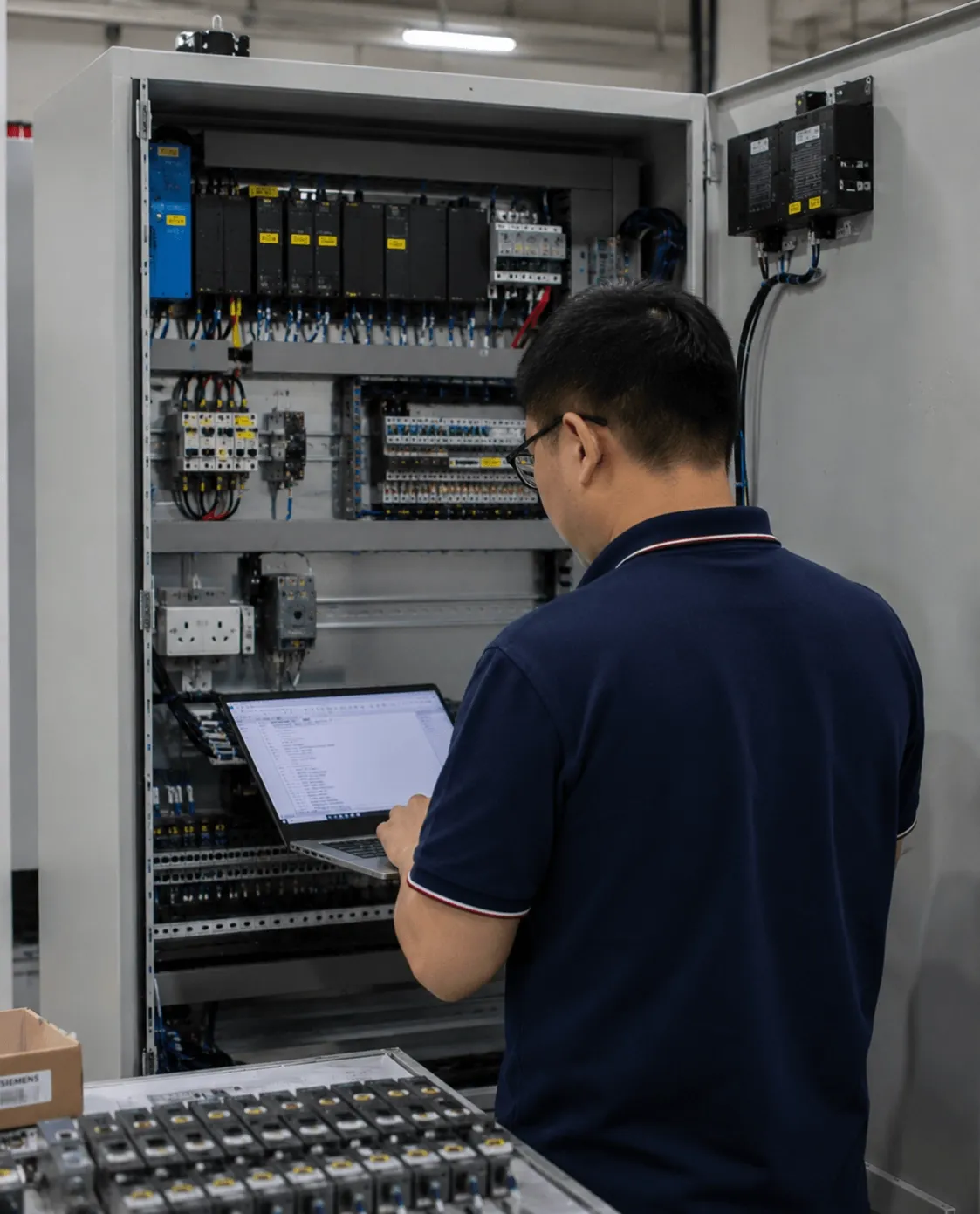
Selecting industrial components with proven long-term availability helps reduce spare parts risk, unexpected redesigns, and operational interruptions.
BUYER EVALUATION
The best purchasing decisions are rarely based on price alone. Experienced utilities, EPC contractors, and project engineers evaluate suppliers by their ability to reduce technical risk throughout the project lifecycle.
PRE-COMMISSIONING
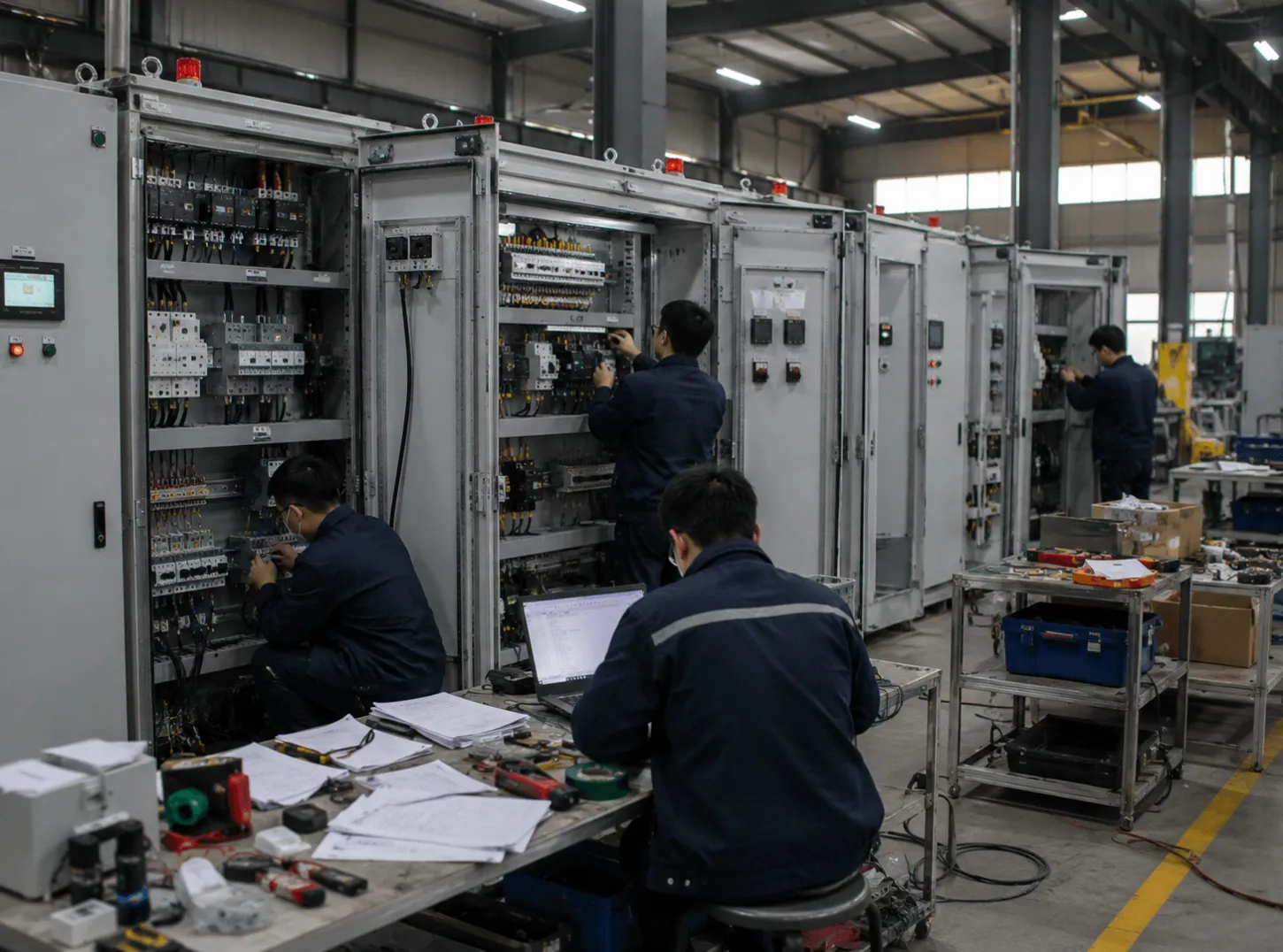
Reliable commissioning starts long before equipment arrives on site. Experienced EPC contractors, utilities, and project engineers reduce startup risk by preparing these critical areas before energization.
Approved drawings, cable schedules, PLC I/O lists, and single-line diagrams ensure manufacturing and installation start from the same engineering baseline.
Confirm SCADA, PLC, HMI, protection relays, and third-party equipment communicate correctly before site commissioning begins.
Validate wiring, PLC logic, alarms, interlocks, and communication during FAT to eliminate avoidable site commissioning delays.
Review relay settings, breaker coordination, and protection logic to ensure safe energization and long-term system reliability.
BUYER QUESTIONS
Choosing the right control system is about more than specifications. It is about reducing commissioning risks, avoiding project delays, and ensuring reliable operation for years to come.
Still unsure whether your project is ready? Share your application, single-line diagram, or project requirements. Our engineers will review the information and recommend the most practical solution.
RECOMMENDED SOLUTIONS
Browse proven control panels, industrial UPS systems, outdoor electrical enclosures, and automation solutions designed for power generation, substations, renewable energy facilities, and utility infrastructure.
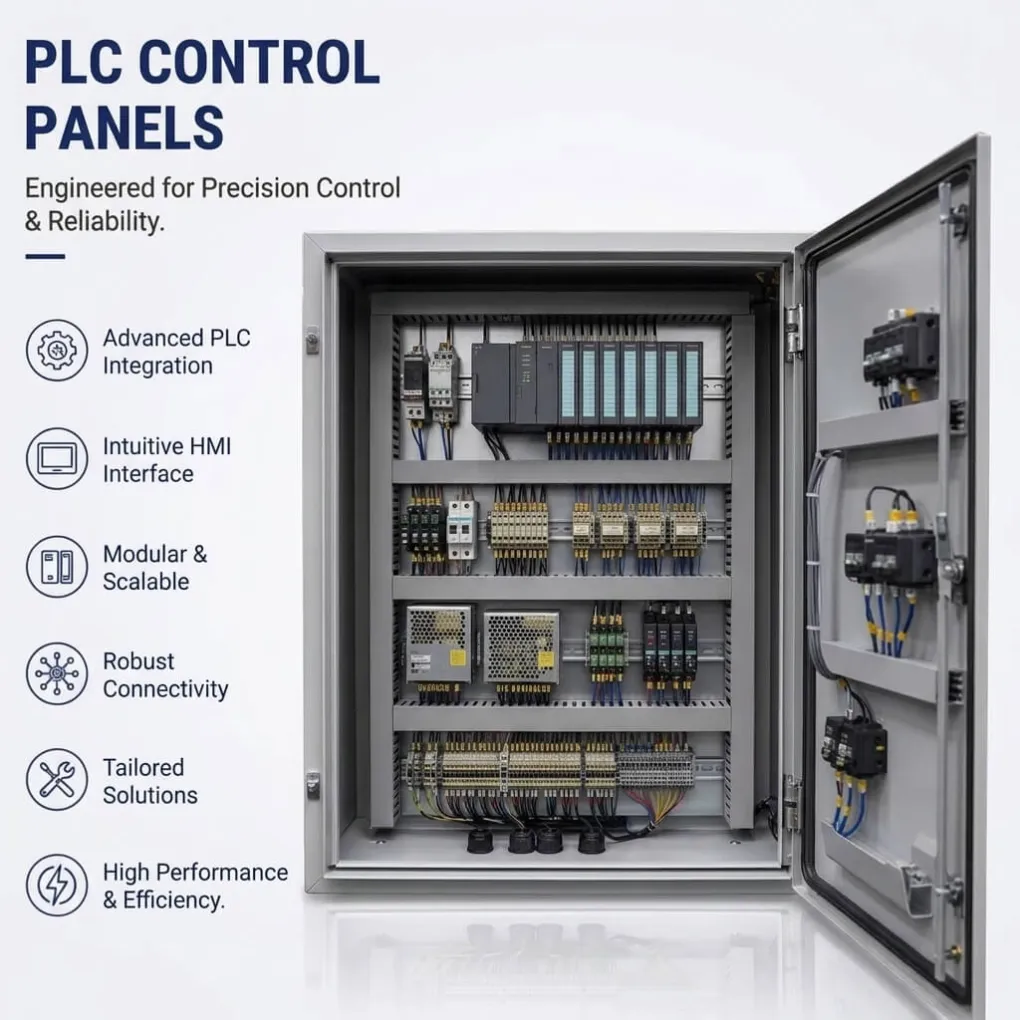
PLC panels built around Mitsubishi, Siemens or ABB — enclosure, I/O, wiring, labeling, drawings and functional testing as a sourcing and integration partner.
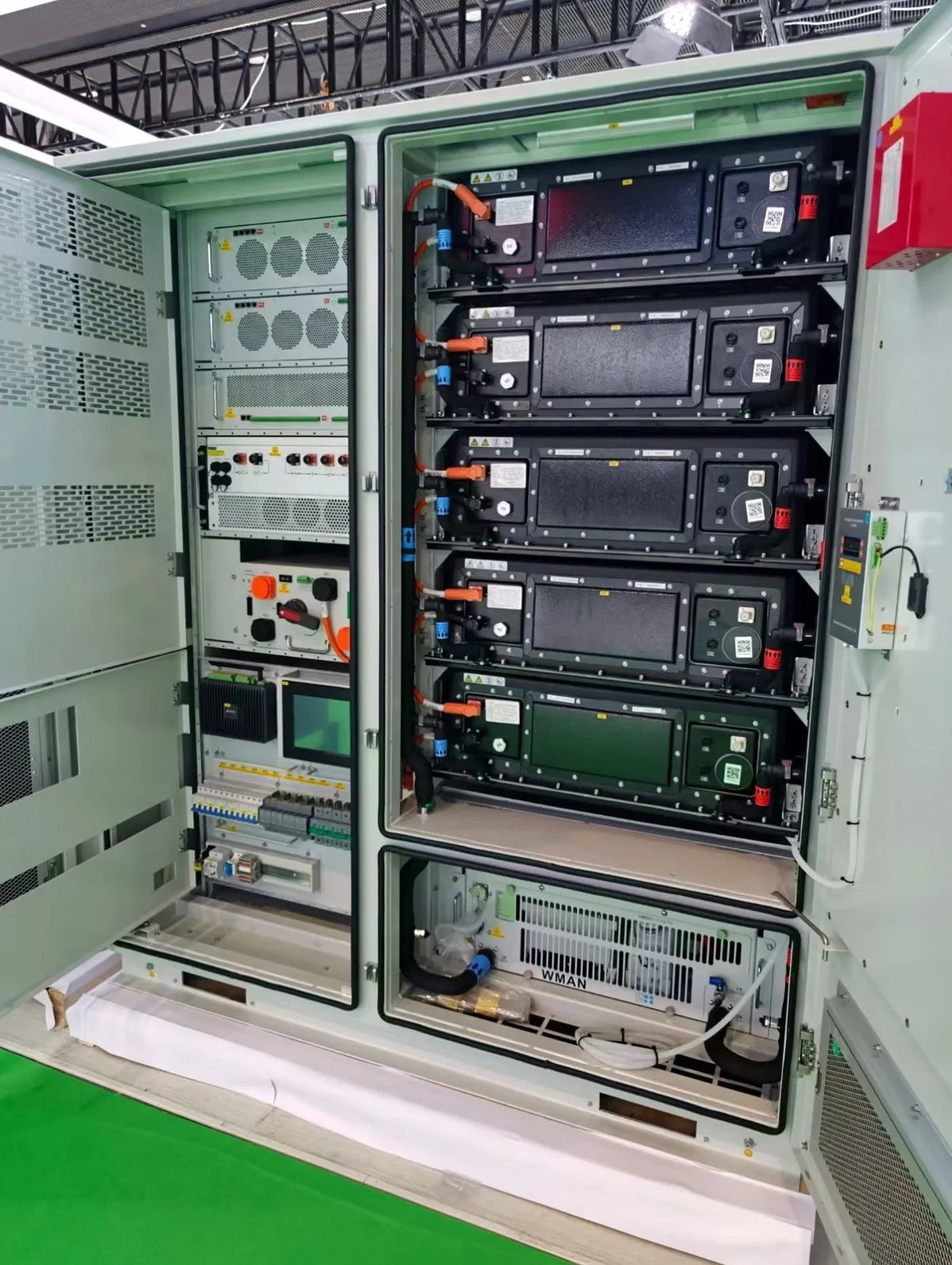
Pump control panels for single-pump, duplex, booster and transfer duty — with enclosures, VFDs and protection sized to your site. Source from Foshan suppliers.
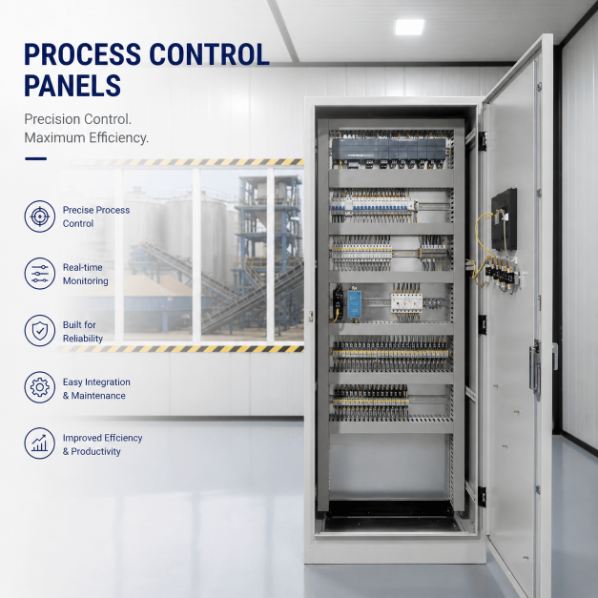
Process control panels for continuous, batch and hybrid lines — with enclosures, PLC and instrumentation integrated by Foshan suppliers.