
Jul 21, 2026Buying Guides
Why Do Water Treatment System Quotations Vary So Much Between Suppliers?
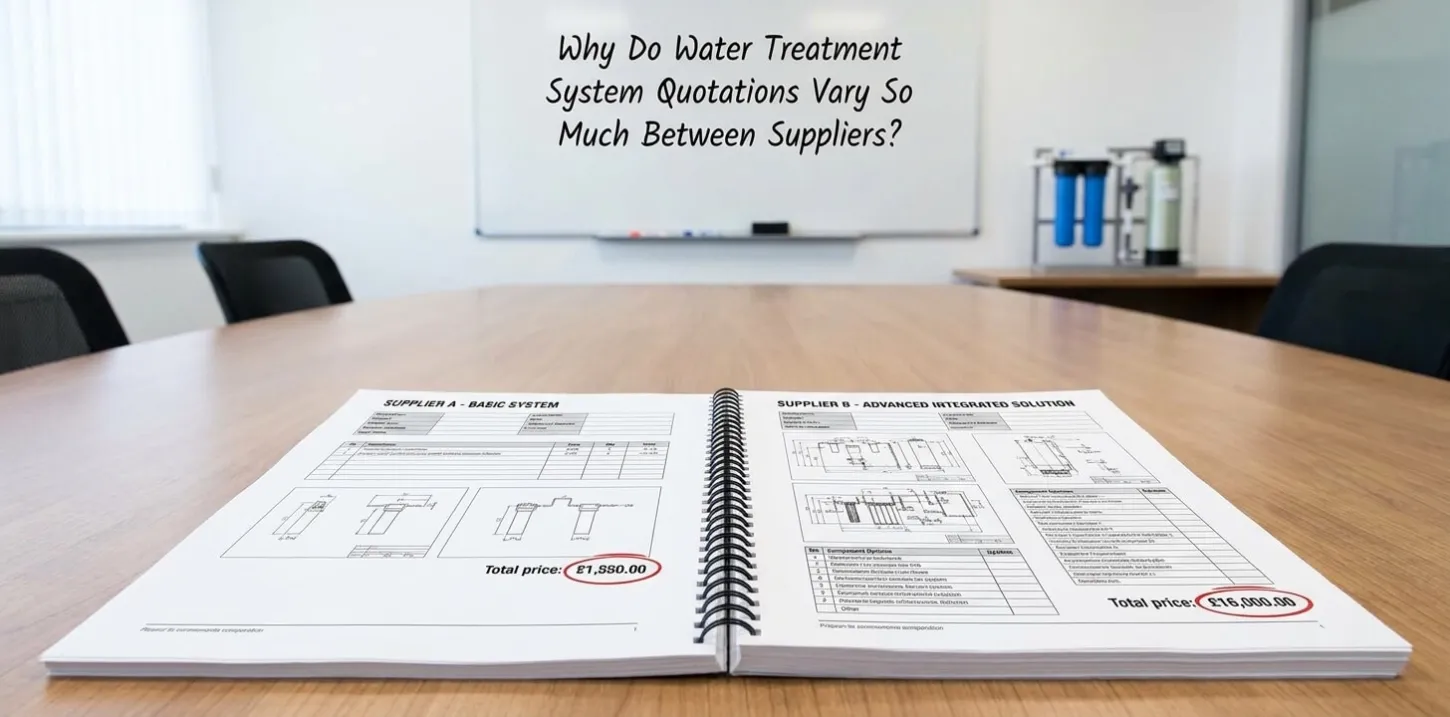
Water treatment quotations vary because suppliers may price different design assumptions, process scope, automation, commissioning, and responsibilities. Compare scope and risk before price.
Engineering Question
Why can quotations for the same water treatment project differ so much, even when suppliers appear to offer the same treatment capacity and equipment type?
Quick Answer
Water treatment quotations often differ because suppliers are not always pricing the same engineering responsibility.
Two proposals may show the same flow rate and use similar equipment names, yet one may include only the main treatment equipment while the other also covers pretreatment, instrumentation, chemical dosing, automation, sludge handling, commissioning, and process guarantees.
Before comparing total prices, buyers should confirm that every supplier is working from the same design basis, solving the same treatment problem and accepting the same level of responsibility after delivery.
Many Buyers Compare Prices Too Early
When buyers receive several quotations, the total price is usually the first thing they compare. This feels reasonable because the prices are clear, while the technical differences may be spread across equipment lists, exclusions, drawings and commercial notes.
The problem is that a water treatment quotation is not simply a list of machines.
It represents a supplier’s interpretation of the raw water conditions, treatment objective, operating risk and project boundary. When those interpretations are different, the prices cannot be compared directly.
One supplier may assume that the inlet water remains stable throughout the year. Another may design for seasonal variation. One may exclude storage tanks, interconnecting pipework and sludge handling. Another may include them because the system cannot operate reliably without them.
Both proposals may still carry the same title:
20 m³/h industrial wastewater treatment system
That does not mean they describe the same project.
The first question should therefore not be:
Which supplier is cheaper?
The more useful question is:
What has each supplier actually agreed to design, supply, control and support?
Why Similar Quotations Can Represent Different Projects
Water treatment systems are designed around process conditions, not only around nominal capacity.
A quoted flow rate of 20 m³/h tells the buyer how much water the system is expected to process. It does not explain the wastewater characteristics[^1], contaminant loading, concentration variation, discharge requirement, operating schedule or process reliability expected from the system.
Those factors determine the real scope.
For example, two wastewater streams may have the same flow rate but require completely different treatment approaches. One may contain relatively stable suspended solids, while the other may be produced in batches with large changes in pH, chemical oxygen demand (COD)[^2] and temperature.
If one supplier designs for average conditions and another designs for the expected operating range, the second proposal will usually include more equalization capacity[^3], instrumentation, control logic and process protection.
The price difference may therefore reflect a different understanding of the risk rather than a different profit margin. Reliable wastewater treatment design also depends on appropriate process monitoring and control[^4] to accommodate changing operating conditions.
What Are Buyers Actually Paying For?
The visible equipment is only one part of a water treatment project.
Buyers are also paying for the engineering decisions that determine whether the system can handle real operating conditions after installation.
Engineering Area | Limited-Scope Proposal | More Complete Proposal | Potential Buyer Risk |
|---|---|---|---|
Design basis | Based on limited or assumed inlet data | Based on confirmed raw water range and operating conditions | System may not handle actual wastewater variation |
Pretreatment | Basic treatment or excluded | Selected around downstream equipment protection | Membrane fouling, filter blockage or unstable performance |
Process tanks | Excluded or left to site | Sized for equalization, reaction and operating volume | Insufficient retention time or unstable batch operation |
Pumps | Selected mainly by flow rate | Reviewed for pressure, chemical compatibility, control range and standby duty | Poor dosing accuracy, shutdown risk or premature failure |
Membranes | Brand or model unclear | Membrane type, quantity and design flux specified | Higher fouling rate or reduced recovery |
Instrumentation | Minimum local gauges | Process instruments selected around control and verification needs | Operators cannot identify process drift early |
Chemical dosing | Equipment only or excluded | Chemical preparation, dosing logic, interlocks and safety included | Incorrect dosing or treatment failure |
Automation | Manual operation or simple relay control | PLC/HMI control, permissives, alarms, interlocks and communication | High operator dependence and weak fault response |
Sludge handling | Excluded | Sludge collection, dewatering or disposal interface defined | Treatment problem transferred downstream |
Installation | Buyer responsibility with limited detail | Site interfaces and installation responsibilities clearly defined | Additional piping, cabling and civil costs |
Commissioning | Remote advice only | Structured startup, testing and performance verification | Delayed startup and unclear responsibility |
Documentation | Basic equipment list | Process description, drawings, manuals and spare-parts recommendations | Difficult maintenance and future troubleshooting |
A quotation may appear inexpensive because several of these responsibilities have been transferred to the buyer without being made obvious on the price page.
That does not automatically make the proposal unsuitable. Some buyers already have their own engineering, installation and commissioning teams and may prefer to purchase equipment only.
The important point is that the project boundary must be clear.
A lower-scope quotation can be acceptable when the exclusions are intentional, understood and supported by the buyer’s own resources. It becomes dangerous when missing scope is discovered only during installation or startup.
The Design Basis Determines the Price Before Equipment Is Selected
Before reviewing equipment brands or component quantities, buyers should check the design basis used by each supplier.
This normally includes:
- Minimum, normal and maximum flow
- Raw water or wastewater analysis
- Expected variation in contaminant concentration
- Inlet temperature and pH range
- Required outlet water quality
- Daily operating hours
- Batch or continuous operation
- Utility conditions
- Site space and environmental conditions
- Discharge, reuse or regulatory requirements
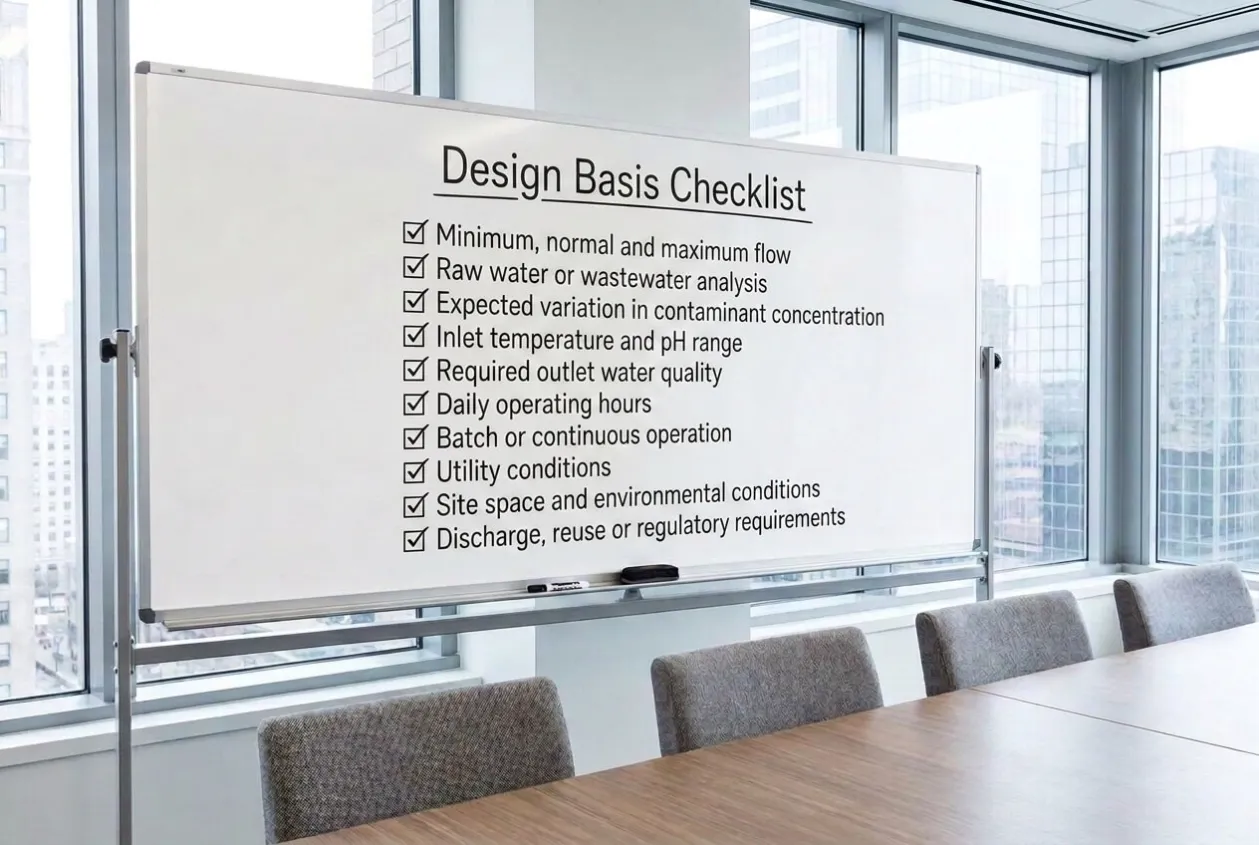
If suppliers use different values for these items, their quotations will naturally differ.
A system designed around average inlet quality may require less equipment and lower chemical consumption on paper. However, average values can hide the conditions that create the greatest operational risk.
If wastewater strength rises sharply during certain production batches, a system designed only around the average load may lose control during those periods. The buyer may then experience poor outlet quality even though the system performs correctly under the original design assumptions.
The supplier should therefore state the assumptions clearly.
A quotation without a defined design basis is difficult to evaluate because the buyer cannot tell which conditions the supplier has accepted responsibility for.
Buyer RiskA low quotation based on incomplete or optimistic inlet assumptions may shift process risk back to the buyer. When the actual water quality exceeds those assumptions, the supplier may argue that the system is operating outside its design conditions.
Pretreatment Is Often Where Quotations Begin to Separate
Pretreatment is one of the most common reasons for price variation.
Some suppliers include only enough pretreatment to make the process diagram appear complete. Others design pretreatment around the specific risks faced by downstream equipment.
For an RO system, pretreatment may need to control suspended solids, hardness, chlorine, iron, manganese, organic loading or microbiological growth. The correct arrangement depends on the feed water and membrane design.
For wastewater treatment, equalization, pH correction, oil separation, coagulation, flocculation or biological load control may be required before the main treatment stage can operate consistently.
These stages do not always look impressive on a quotation. They may consist of tanks, mixers, dosing systems, instruments and control logic rather than expensive headline equipment.
However, their absence often creates the problems buyers later describe as equipment failure.
A membrane may foul because pretreatment was inadequate. A biological process may become unstable because the inlet load changes too quickly. A dosing system may oscillate because the wastewater was not equalized before control.
The buyer should therefore ask why each pretreatment stage has been included and what specific risk it is intended to control.
Automation Level Changes More Than the Control Panel Price
Two quotations may both include a control panel, but the operating capability of those panels may be very different.
A basic panel may provide manual start and stop functions, motor protection and a small number of alarm lamps. This may be sufficient for a simple system with stable operating conditions and experienced operators.
A more complete automation system may include:
- PLC and HMI control
- Automatic operating sequences
- Duty and standby equipment rotation
- Tank-level permissives
- Dry-run protection
- High-pressure and low-flow interlocks
- Chemical dosing control
- Instrument-failure handling
- Alarm history
- Data logging
- Remote communication with SCADA or DCS
- Maintenance counters
- Operator access levels

The value of this automation does not come from the number of screens displayed on the HMI.
It comes from how the system responds when the process moves away from normal conditions.
For example, if a feed pump stops but the dosing pump continues to operate, chemical may accumulate in a stagnant pipeline or tank. If the analyser fails and the PLC continues accepting its last signal, the system may continue dosing against unreliable feedback. If a high-pressure alarm stops the RO pump but does not isolate the correct valves, the equipment may still remain under unsafe conditions.
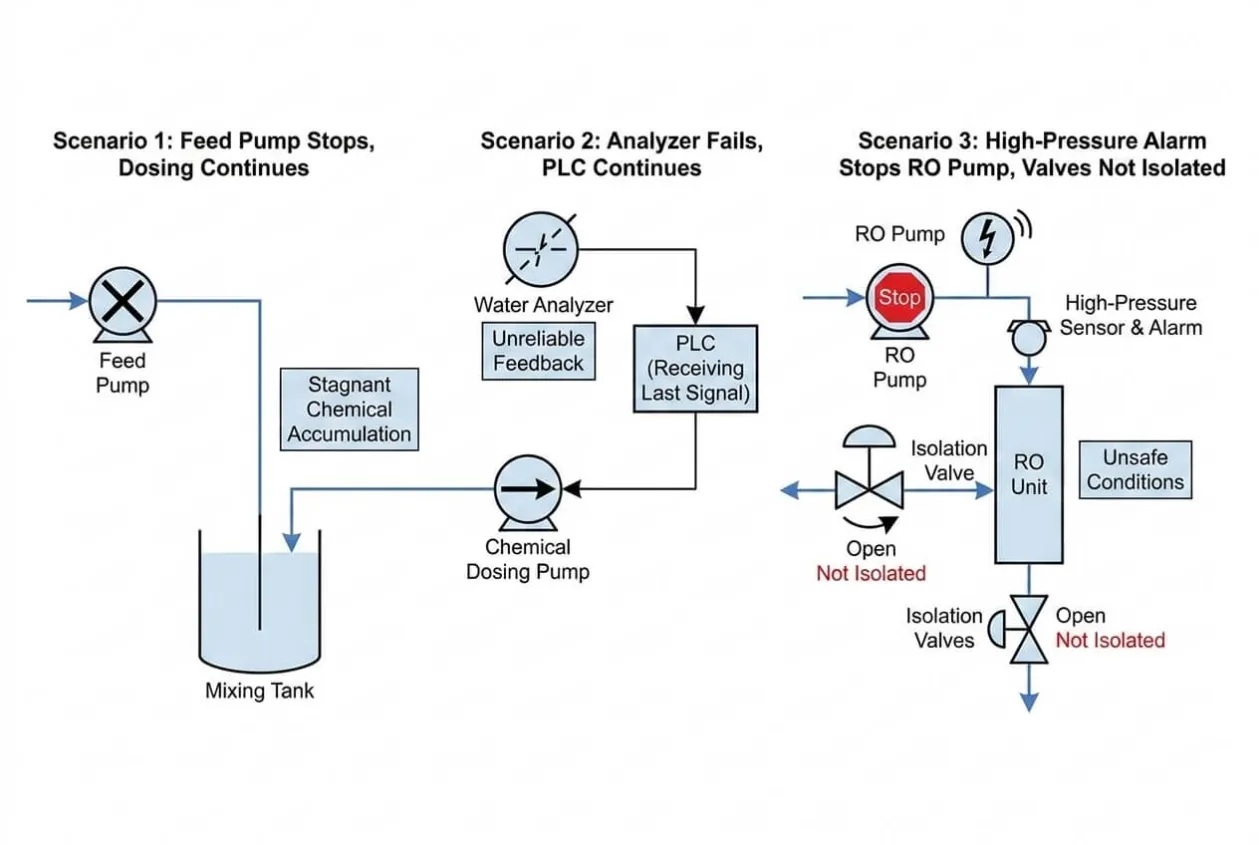
These are not simply programming details.
They are part of the process design.
A quotation that includes stronger automation may therefore cost more because it includes more thought about abnormal operation, operator response and equipment protection.
Materials and Component Selection Can Look Similar on Paper
Equipment lists often use general descriptions such as:
- Stainless steel pump
- FRP tank
- PVC piping
- Chemical dosing unit
- RO membrane
- Pressure instrument
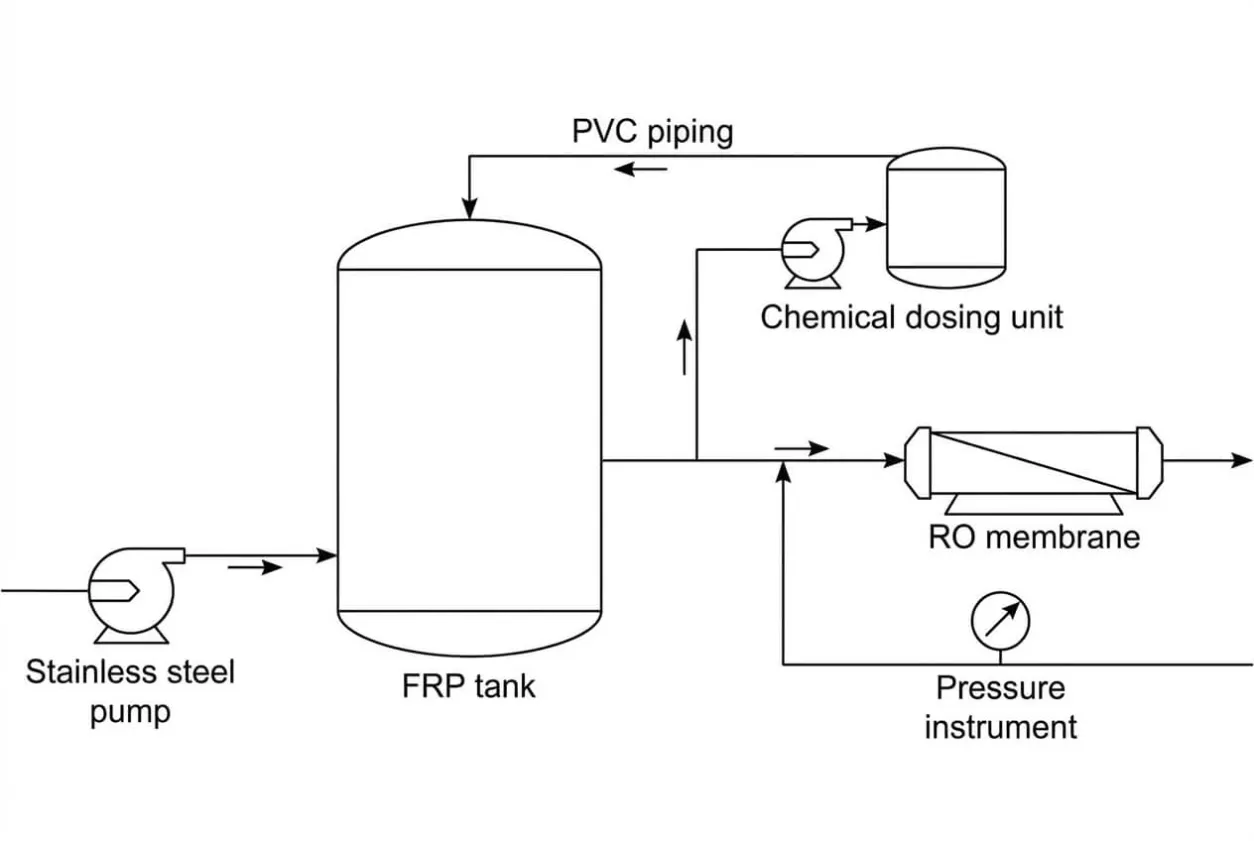
These descriptions are not always detailed enough to support a fair comparison.
Material grade, pressure rating, membrane origin, instrument accuracy, pump construction and electrical component quality can all affect price and operating life.
For chemical systems, compatibility should be confirmed against the actual chemical concentration and temperature. For outdoor installations, enclosure protection, ventilation, corrosion resistance and ambient temperature may affect both mechanical and electrical design.
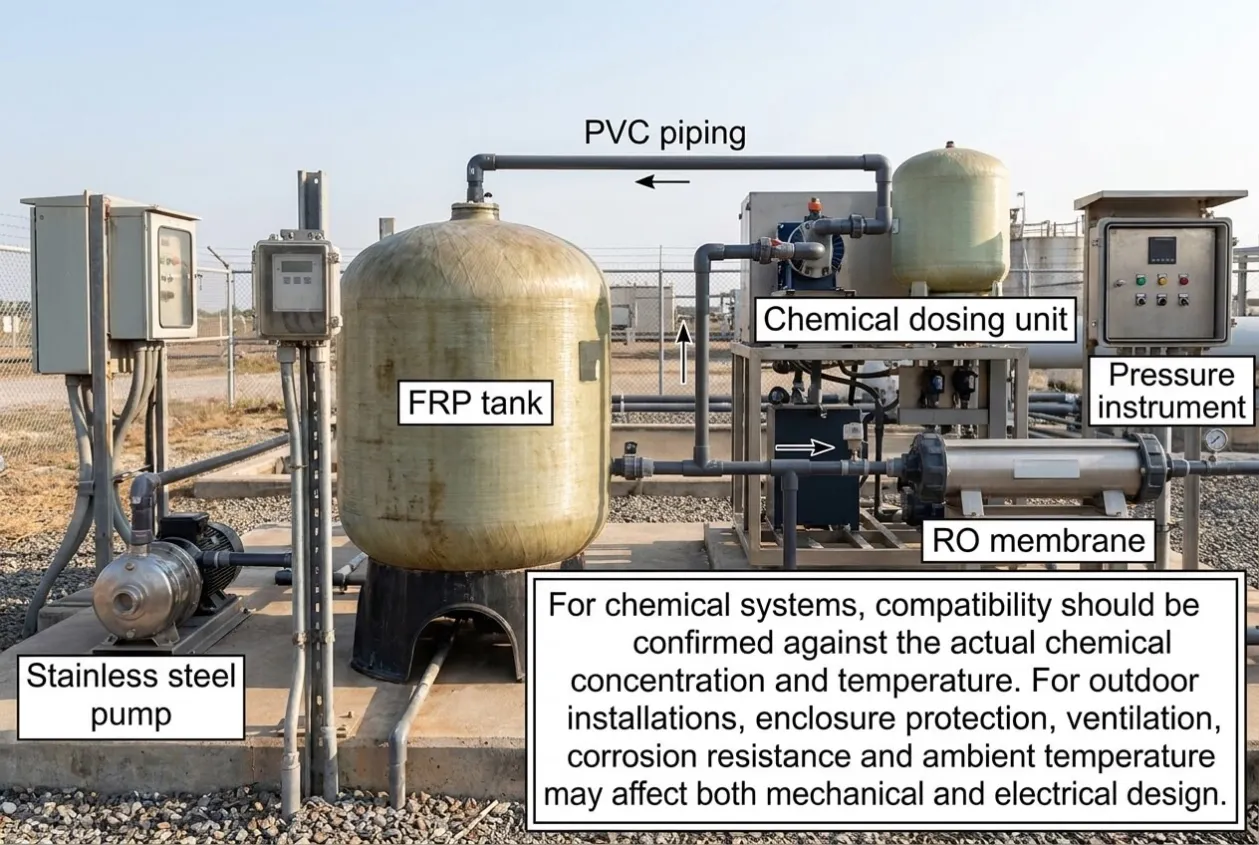
A lower quotation may use perfectly acceptable components for the application. It may also use materials that meet the basic specification but offer less operating margin.
The buyer should not assume that higher-priced components are always better. The supplier should explain why the selected material or component is appropriate for the actual duty.
That explanation matters more than the brand name alone.
A Real Quotation Review
During one wastewater project review, the buyer placed two proposals side by side because one was significantly cheaper.
At first, the lower-priced offer appeared competitive. It showed the required treatment capacity, included the main process equipment and used familiar component names.
The difference became clearer when the review moved beyond the first equipment page.
The cheaper proposal did not include equalization, sludge handling, online pH monitoring, chemical dosing skids or structured commissioning. It also assumed stable wastewater characteristics, even though the factory operated in batches and the wastewater composition changed with each production cycle.
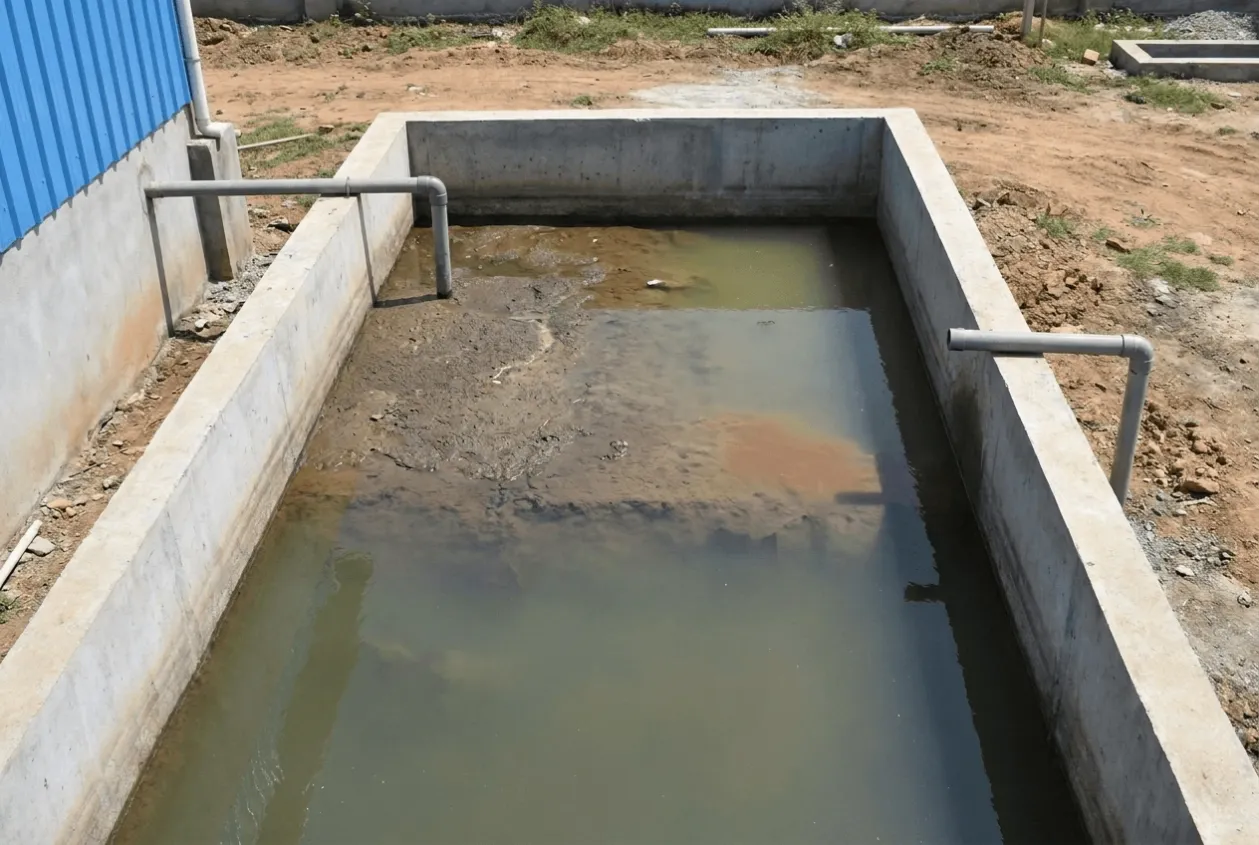
The more expensive proposal included the parts needed to manage that variation.
By the end of the review, the discussion was no longer about whether the higher-priced supplier had added unnecessary equipment. The real issue was whether the lower-priced system could remain stable under the buyer’s actual operating conditions.
The buyer was not comparing two versions of the same solution.
The buyer was comparing two different levels of process responsibility.
Engineering Review
An experienced engineer will not begin by comparing equipment quantities.
The review normally starts with five questions.
1. Are the suppliers using the same design basis?
Confirm that inlet quality, flow variation, operating hours and outlet requirements are consistent across all proposals.
2. Are they solving the same process problem?
Check whether each supplier has included the same treatment stages and whether the proposed process can handle the expected range of operating conditions.
3. Are the scope boundaries equally clear?
Identify which party is responsible for tanks, piping, cabling, civil work, chemical supply, sludge handling, installation and commissioning.
4. Do the control systems provide the same level of protection?
Compare operating sequences, instruments, alarms, permissives, interlocks, data requirements and communication interfaces.
5. Are the suppliers accepting the same performance responsibility?
Review guarantees, testing methods, commissioning conditions, exclusions and limits of liability.
Only after these questions have been answered does the total price become useful.
A Better Framework for Comparing Water Treatment Quotations
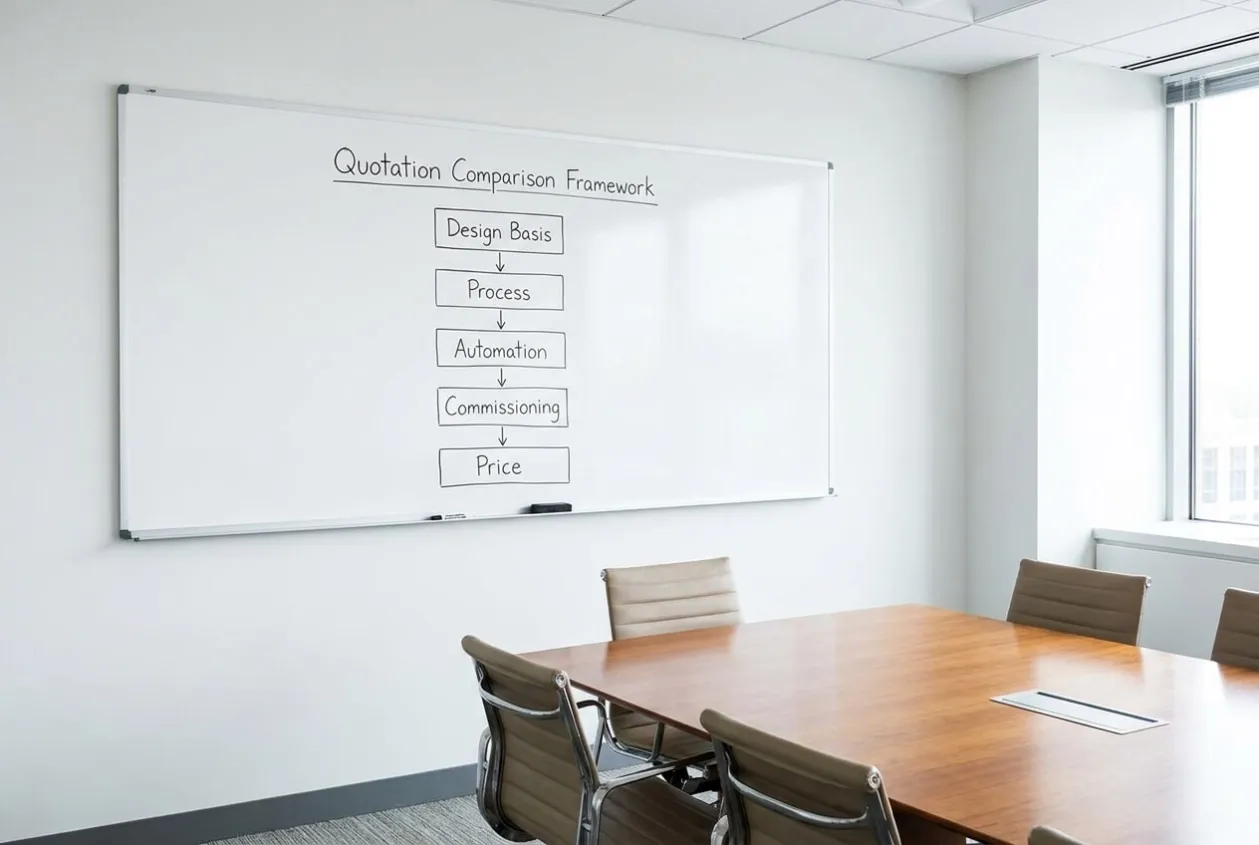
Buyers can compare proposals more effectively by reviewing them in the following order.
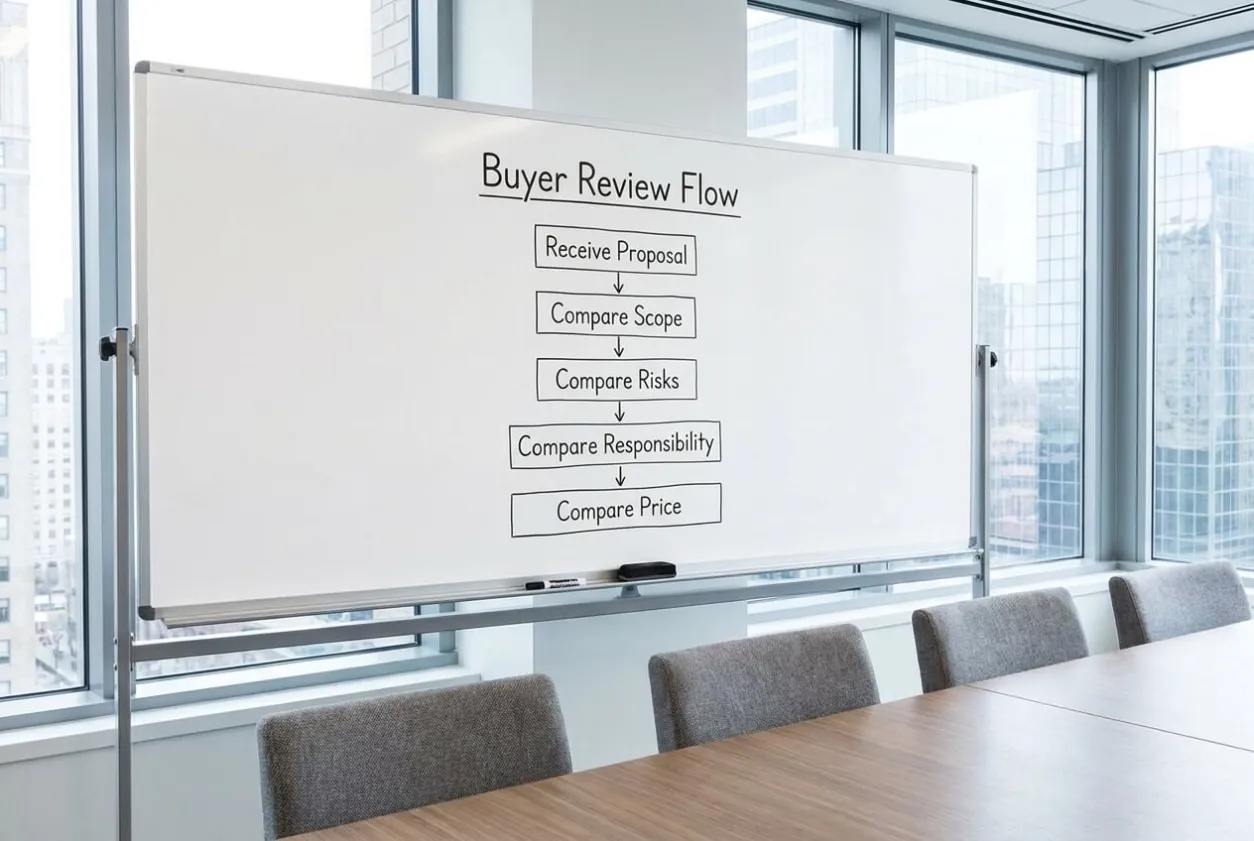
Step 1: Confirm the Design Basis
Create one reference document containing the agreed inlet conditions, required outlet quality, flow range, operating schedule and site conditions.
Every supplier should either accept this basis or clearly state where their assumptions differ.
Step 2: Compare the Process Scope
Review each treatment stage in sequence.
Do not compare only equipment names. Confirm what each stage is intended to remove, control or protect.
Step 3: Compare the Supply Boundary
List what is included and excluded for:
- Process equipment
- Tanks
- Instruments
- Control panels
- Interconnecting piping
- Cabling
- Civil work
- Chemical systems
- Sludge handling
- Installation
- Commissioning
This is where many hidden cost differences appear.
Step 4: Compare Automation and Operating Philosophy
Confirm whether the system is manual, semi-automatic or fully automatic.
Review how startup, shutdown, abnormal conditions, equipment failure and analyser failure are handled.
Step 5: Compare Consumables and Operating Cost
Ask for estimated chemical consumption, membrane replacement, filter replacement, power demand and routine maintenance requirements.
A lower purchase price may create a higher operating cost over the first several years.
Step 6: Compare Commissioning Responsibility
Define who will test instruments, verify control logic, tune dosing loops, train operators and confirm treated-water performance.
Commissioning should not be described only as “technical support.” The actual tasks and responsibilities should be stated.
Step 7: Compare Guarantees and Exclusions
A performance guarantee is meaningful only when its conditions are clear.
Review the inlet limits, operating requirements, sampling method, testing period and actions required if performance is not achieved.
Step 8: Compare the Total Project Cost
Only now should the buyer compare the commercial totals.
At this stage, the price difference can be understood in relation to scope, risk and responsibility rather than as an isolated number.
Questions Buyers Should Ask Every Supplier
Before approving a quotation, buyers should ask:
- What inlet-water data did you use for the design?
- Which operating conditions are assumptions rather than confirmed facts?
- What outlet standard or process performance do you guarantee?
- Which treatment stages are included, and why are they necessary?
- Which tanks, instruments and chemical systems are included?
- Who is responsible for interconnecting pipework and cabling?
- What happens when raw water quality changes?
- What happens if a process instrument fails?
- Which equipment has duty and standby capacity?
- What level of PLC and HMI automation is included?
- How will the system be tested before shipment?
- Who is responsible for installation and commissioning?
- What operator training and documentation are provided?
- What consumables and replacement parts will be required?
- Which items are specifically excluded?
- Under what conditions does the performance guarantee apply?
A supplier should be able to answer these questions in plain engineering language.
When the answers remain vague, the buyer is not yet comparing a complete proposal.
What Suppliers Should Submit With the Quotation
A serious water treatment proposal should normally include more than an equipment list and a total price.
Depending on the project stage, buyers should request:
- Design basis
- Process description
- Preliminary process flow diagram
- Equipment scope
- Instrument list
- Control philosophy
- Utility requirements
- Estimated chemical and consumable use
- Installation boundary
- Commissioning scope
- Documentation list
- Recommended spare parts
- Warranty conditions
- Performance assumptions
- Exclusions and limitations
This information allows the buyer to compare engineering solutions rather than commercial summaries.
It also reduces later disputes because each party understands the project boundary before the order is placed.
Buyer Risk
The lowest quotation is often approved because it meets the immediate purchasing budget.
The missing costs then appear later as additional tanks, field instruments, control modifications, piping changes, commissioning delays or process corrections.
At that stage, the buyer has less negotiating power and more schedule pressure.
The original saving may disappear, while responsibility becomes difficult to establish because the missing scope was never clearly assigned.
The greatest procurement risk is therefore not selecting an inexpensive supplier.
It is approving an inexpensive proposal without understanding which engineering responsibilities have been removed from the price.
If This Were My Project
I would spend more time reviewing assumptions than comparing component brands.
A one-hour discussion about raw water variation, scope boundaries and commissioning responsibility can prevent weeks of argument after equipment arrives on site.
I would also ask each supplier to explain the proposed treatment process without relying on the equipment list.
A supplier who understands the project should be able to explain:
- what the process is designed to remove
- which operating conditions create the greatest risk
- how the system responds when those conditions change
- what the buyer must provide for the system to perform correctly
That explanation often reveals more about the quality of the proposal than the quotation total.
Engineering Takeaway
Water treatment quotations vary because suppliers may be pricing different process assumptions, different supply boundaries and different levels of engineering responsibility.
The most expensive procurement mistake is assuming that similar equipment names represent similar solutions.
Compare the design basis first, the process scope second and the price last.
A water treatment quotation is not only a price for equipment. It is a statement of who is responsible for making the treatment process work.
Related Questions
How should buyers compare water treatment system quotations?
Buyers should first standardize the design basis, then compare process scope, supply boundaries, automation, commissioning responsibilities, operating costs and guarantees before reviewing the final price.
Why is the lowest water treatment quotation sometimes risky?
A low quotation may exclude pretreatment, instrumentation, tanks, sludge handling, commissioning or performance responsibility. These costs often return later during installation and startup.
What should be included in a water treatment proposal?
A complete proposal should define the design basis, process flow, equipment scope, instruments, automation, utility requirements, installation boundary, commissioning scope, consumables, guarantees and exclusions.
Why does automation increase the cost of a water treatment system?
Automation adds instruments, PLC and HMI functions, interlocks, alarms and fault-handling logic. Its purpose is to reduce operator dependence and protect treatment performance during abnormal conditions.
Should buyers always choose the most complete quotation?
Not necessarily. The correct scope depends on the buyer’s own engineering and site capabilities. A limited-scope offer can be suitable when all exclusions are understood and the buyer has the resources to complete the remaining work.
About Uniregal
Uniregal supports industrial water treatment projects through control panel engineering, PLC and HMI integration, instrumentation coordination, process control logic and commissioning-oriented system review.
Our work focuses on how pumps, tanks, instruments, dosing systems and treatment equipment operate together as one controllable process. The objective is not simply to supply a panel, but to help make the complete system easier to start, operate, maintain and troubleshoot.
Related Articles: